Alligator Shear Buying Guide: How to Choose the Right Machine for Scrap Metal Cutting

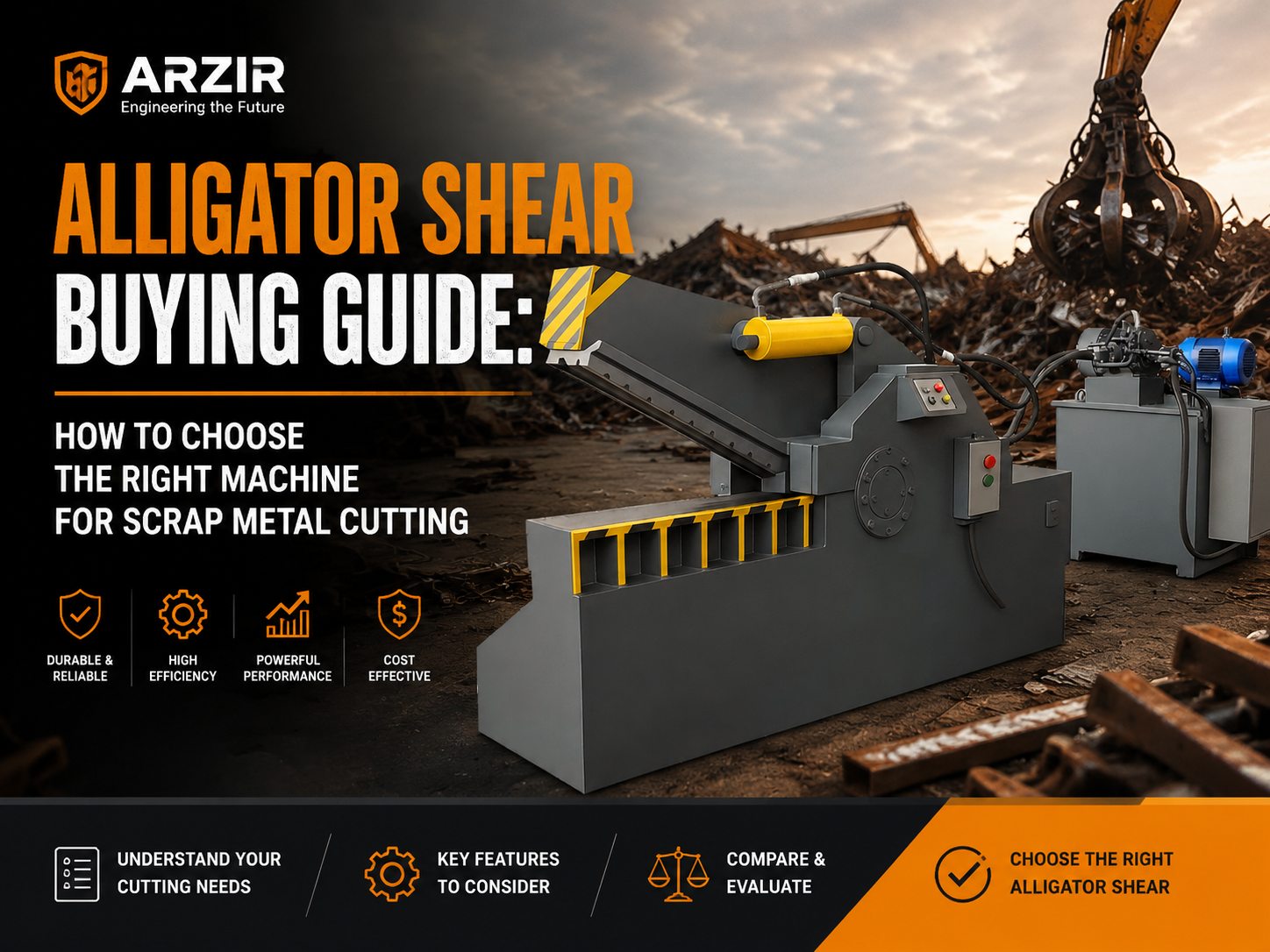
Introduction to Alligator Shear Selection
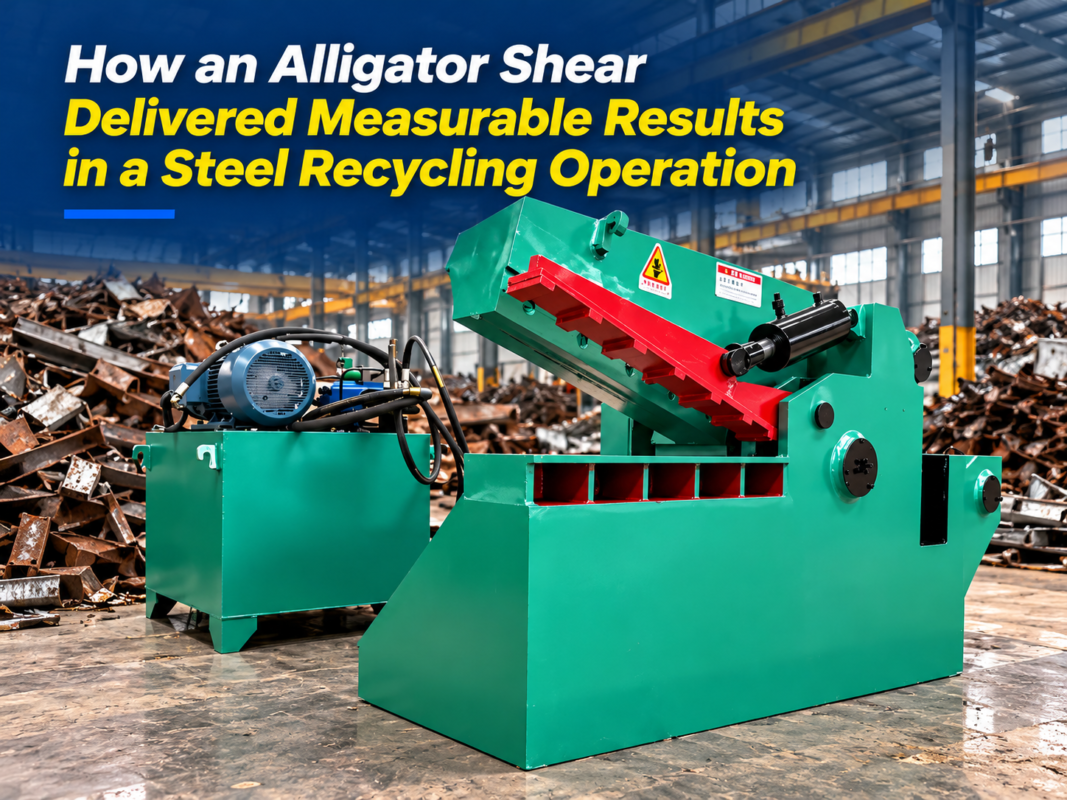
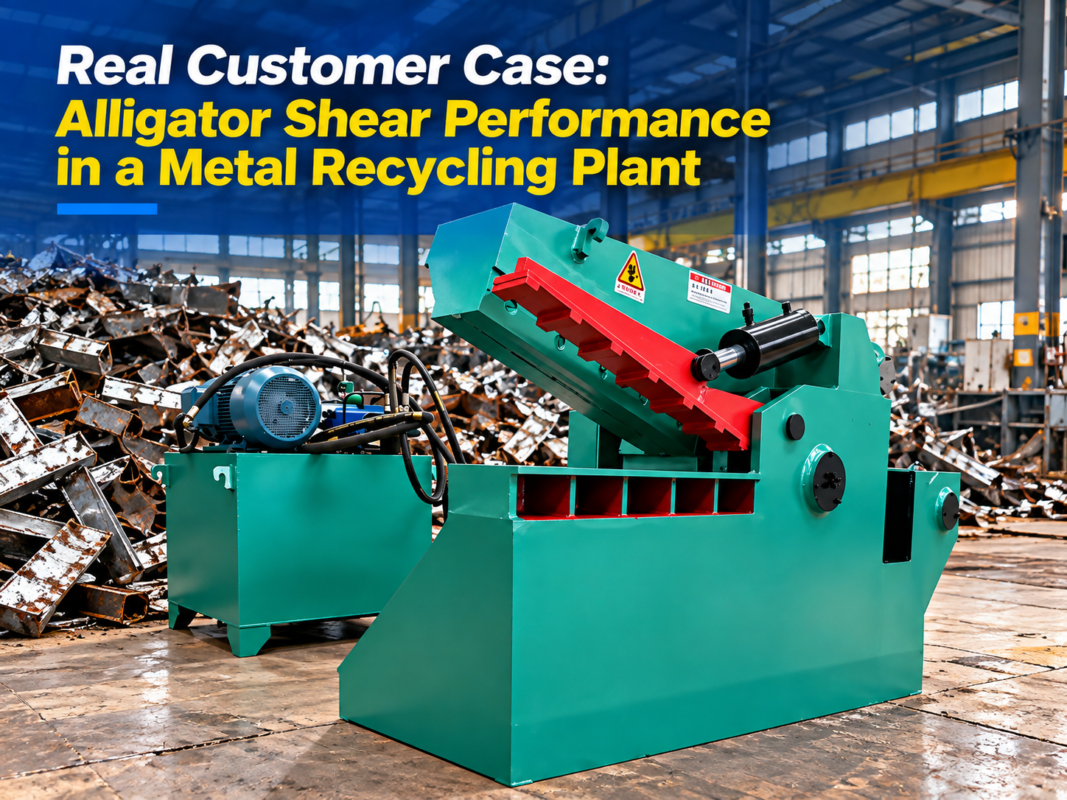
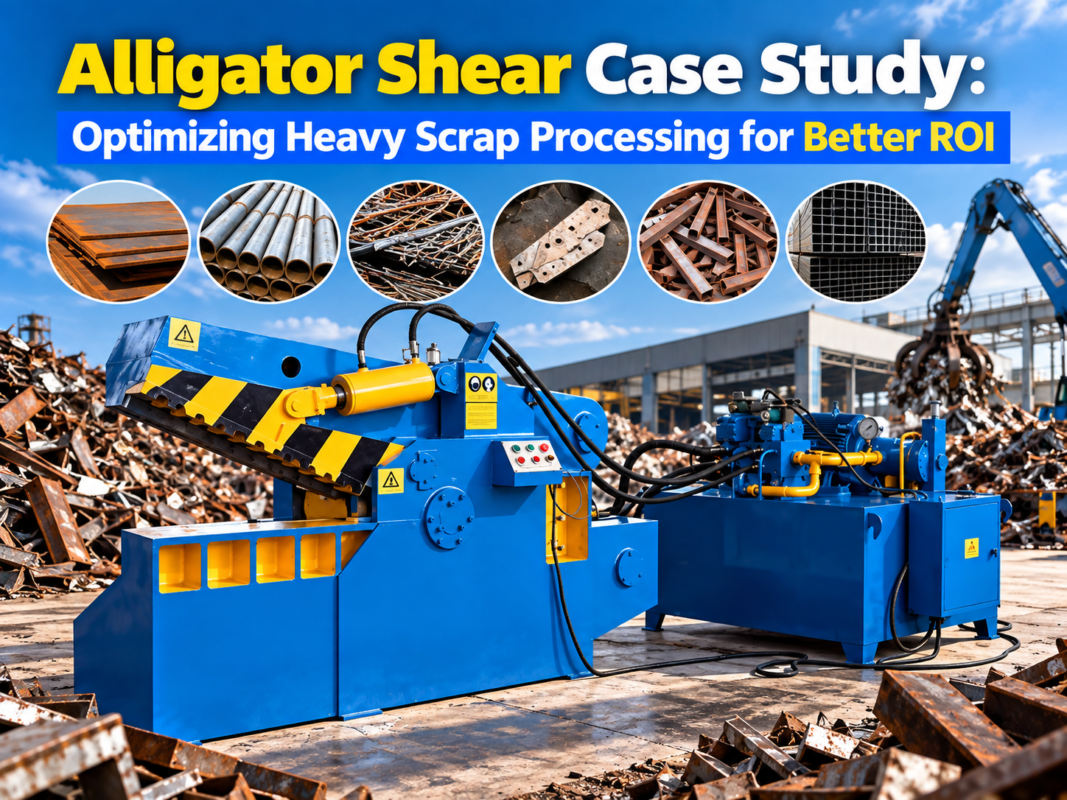
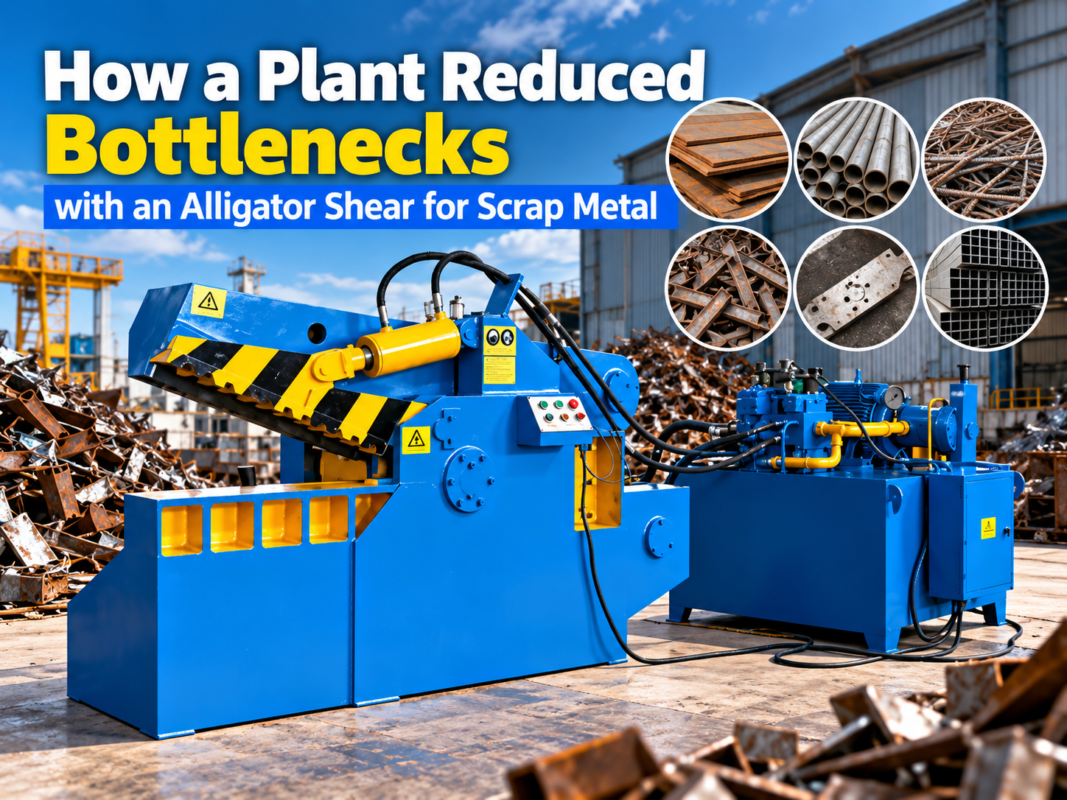
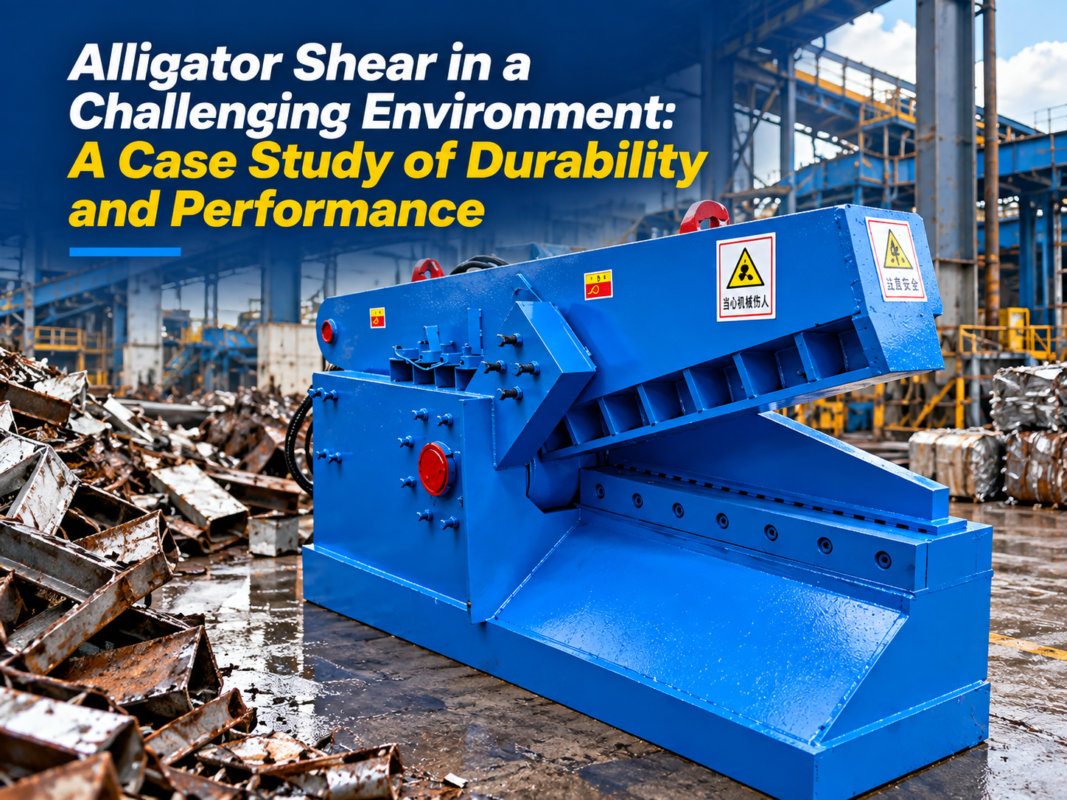
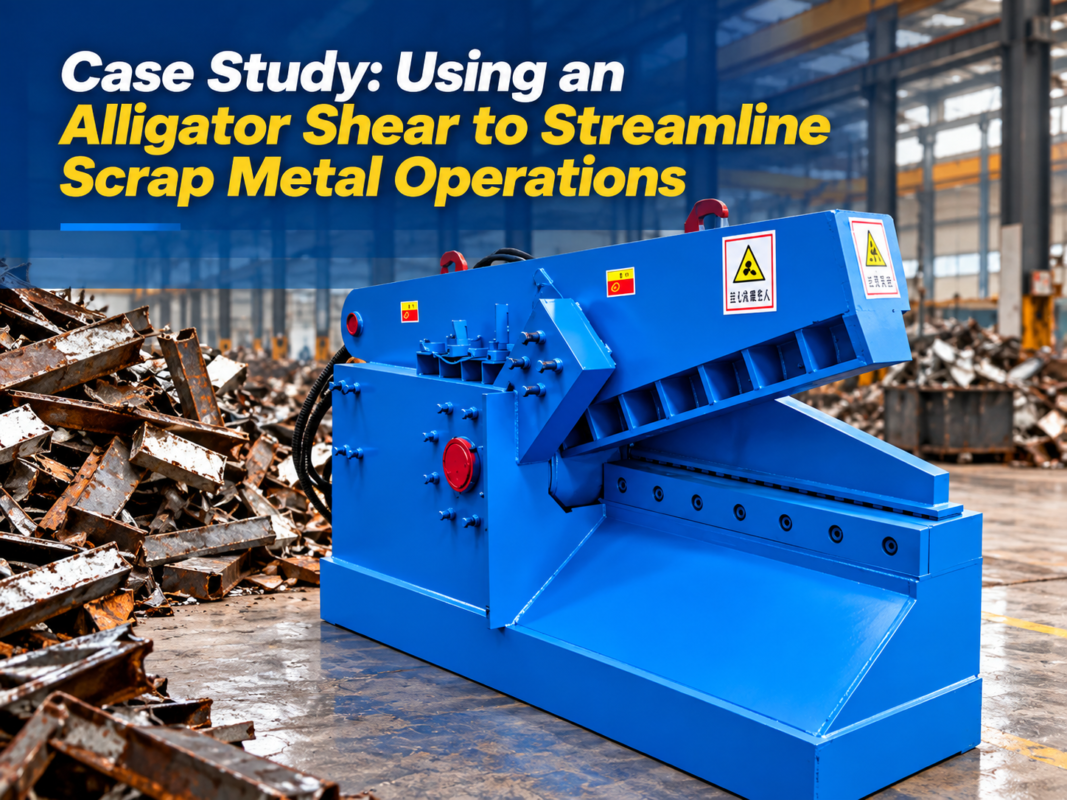
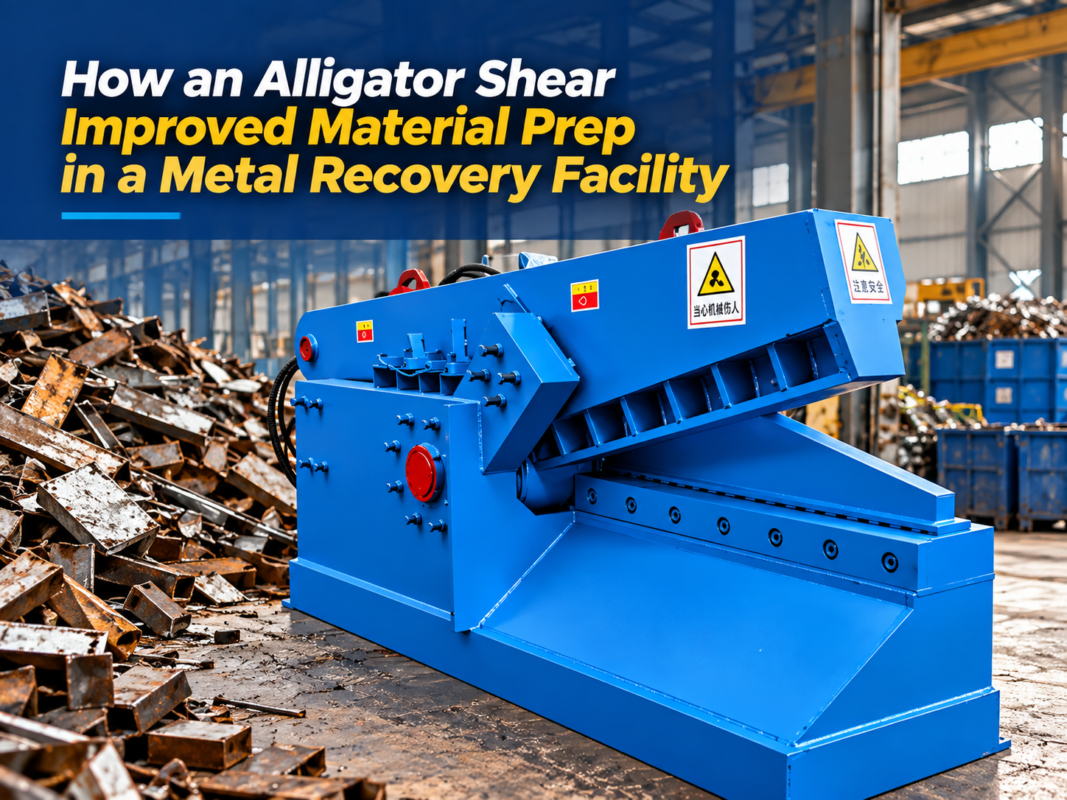
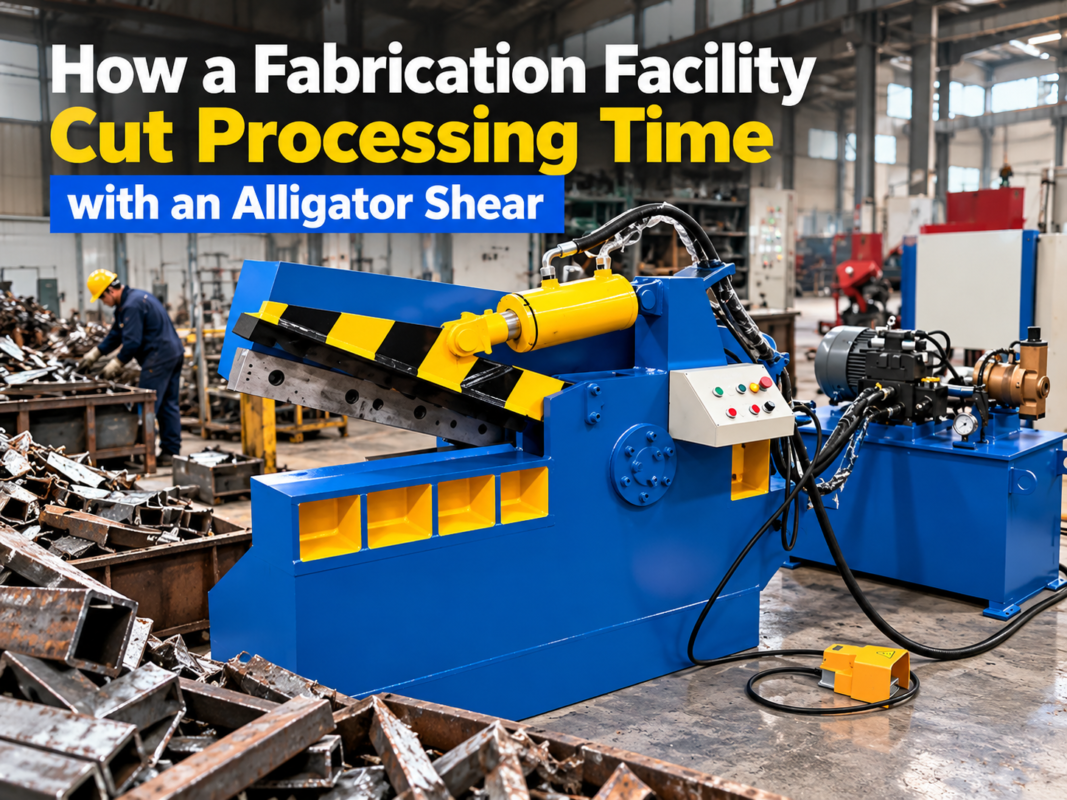
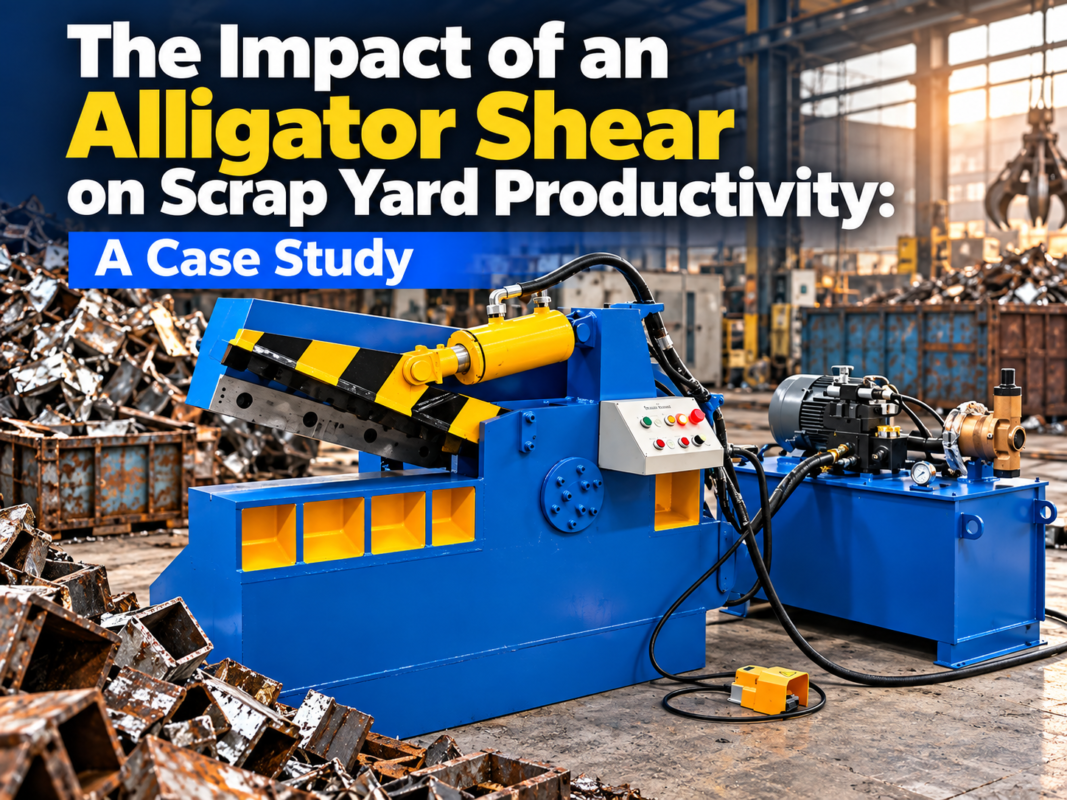
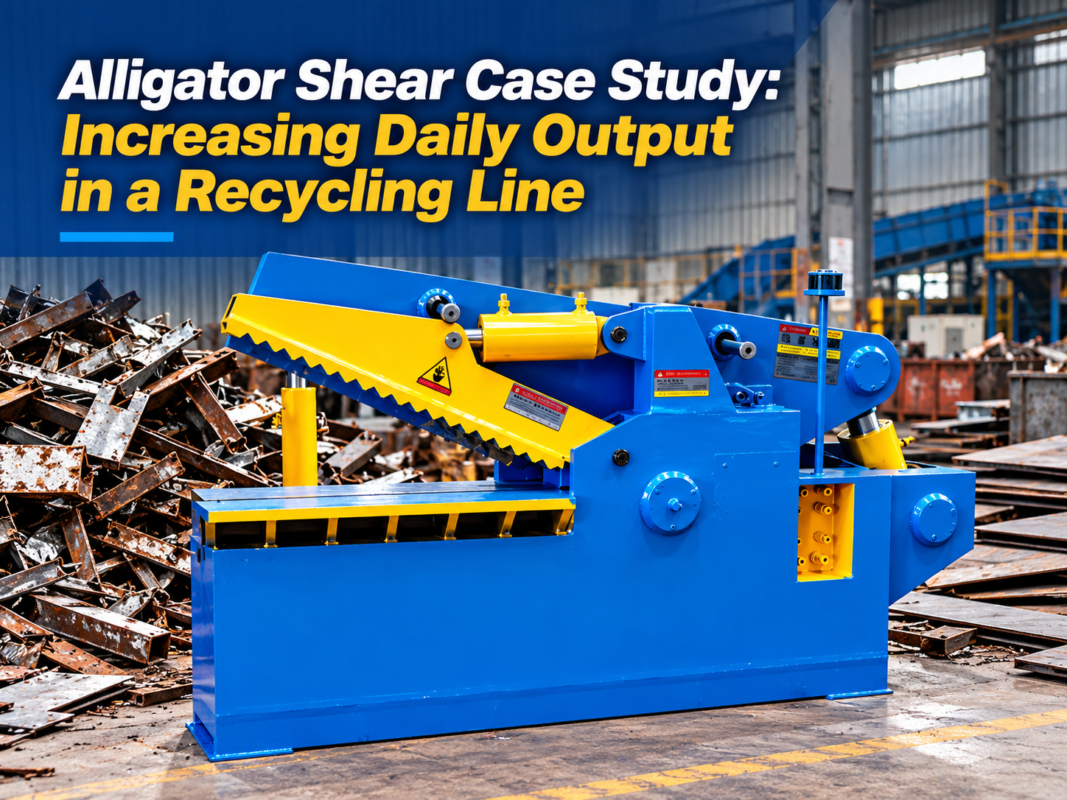
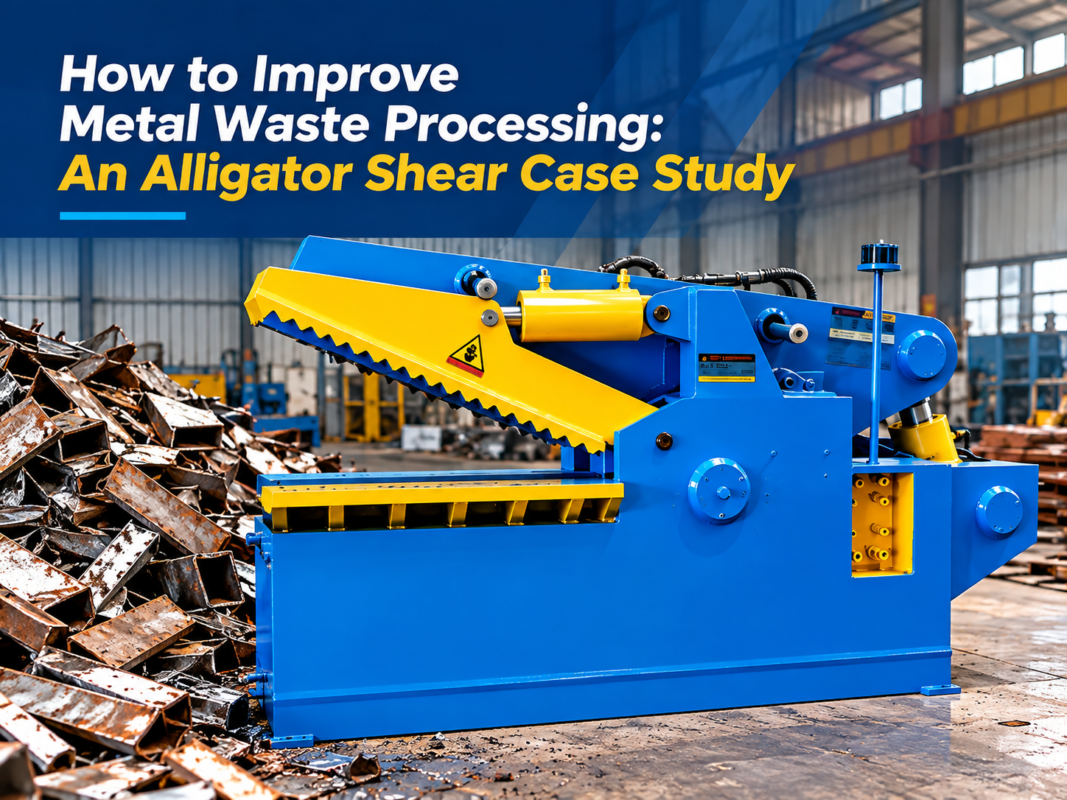
In the fast-paced world of scrap metal recycling and metal fabrication, efficiency is the cornerstone of profitability. The alligator shear, named for its characteristic jaw-like movement, remains one of the most essential tools for processing oversized scrap into manageable, furnace-ready pieces. Whether you are dealing with copper tubing, aluminum extrusions, or heavy steel rebar, selecting the right machine is a critical business decision. This Alligator Shear Buying Guide: How to Choose the Right Machine for Scrap Metal Cutting is designed to walk you through the technical nuances, financial considerations, and operational requirements necessary to make an informed investment.
At HARSLE, we understand that an alligator shear is more than just a piece of hardware; it is a vital link in your production chain. A machine that is too small will lead to premature wear and bottlenecking, while an oversized machine represents wasted capital and excessive energy consumption. By focusing on the core keyword Alligator Shear Buying : Choose Machine Scrap Metal Cutting, we aim to provide a comprehensive roadmap for yard owners and facility managers to optimize their metal processing capabilities.
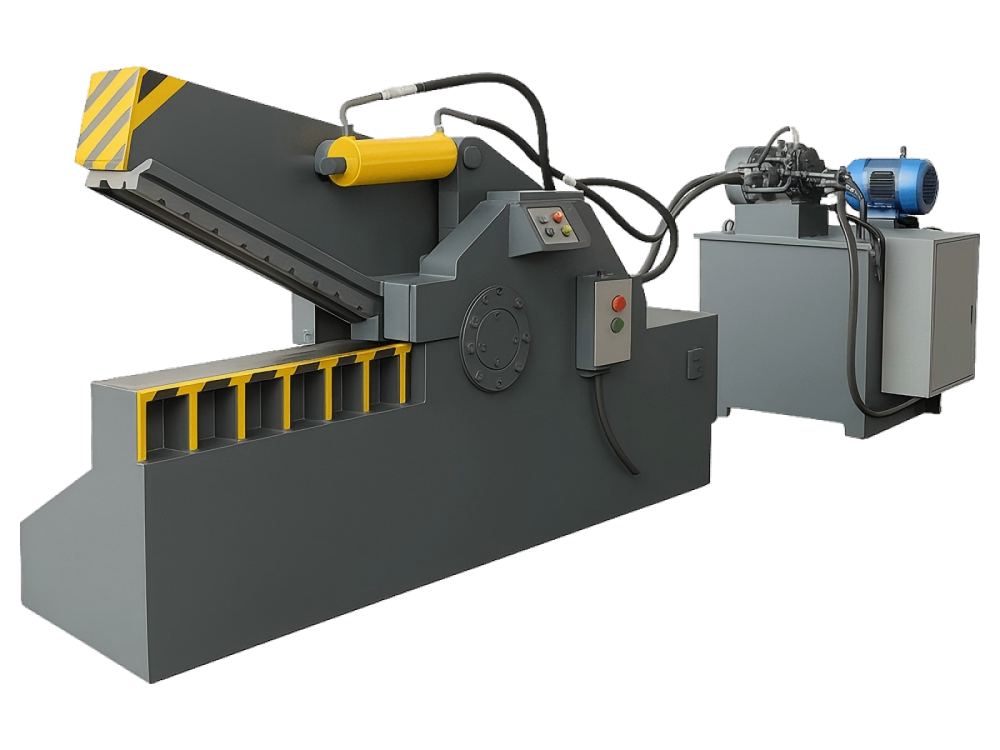
Price Range Overview: Understanding the Market Tiers
The price of an alligator shear can vary significantly based on its capacity, automation level, and build quality. Generally, the market is divided into three primary tiers. Entry-level machines, often used by smaller recycling centers or for specific non-ferrous tasks, typically range from $3,000 to $8,000. These machines usually feature shorter blade lengths (around 400mm to 600mm) and lower shearing forces, making them ideal for light materials like copper wire and thin aluminum profiles.
The mid-range tier, which serves the majority of professional scrap yards, falls between $10,000 and $25,000. These machines offer a balance of power and speed, with shearing forces ranging from 120 to 250 tons. They are capable of handling heavier steel pipes and thicker sections of scrap. Finally, heavy-duty industrial alligator shears can exceed $30,000. These units are built for 24/7 operation, featuring massive shearing forces (up to 500 tons or more) and advanced hydraulic cooling systems to maintain performance under extreme conditions.
When evaluating the price, it is important to look beyond the initial sticker cost. A cheaper machine might save money today but could cost thousands in downtime and repairs over the next five years. Conversely, a high-quality HARSLE machine is engineered for longevity, ensuring that your cost-per-ton of processed material remains low throughout the machine’s lifecycle.
Main Cost Drivers in Alligator Shear Procurement
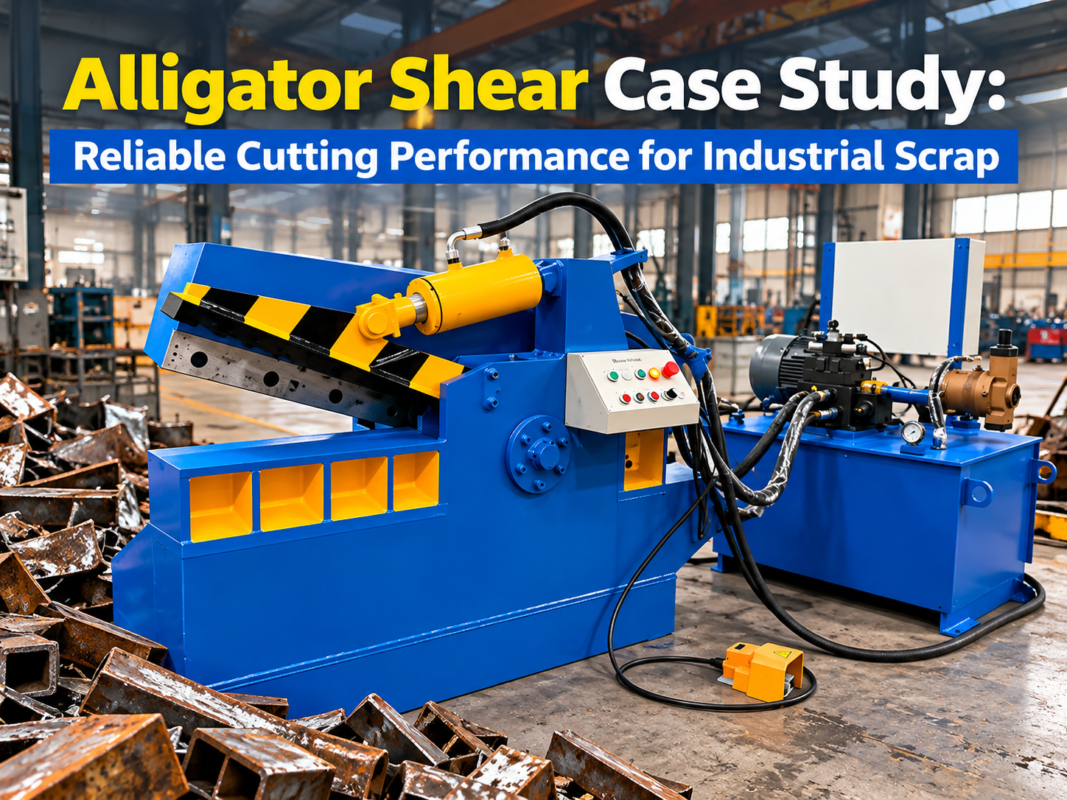
Several technical factors dictate the manufacturing cost and, subsequently, the selling price of an alligator shear. The most significant driver is the Shearing Force. The hydraulic cylinder’s diameter and the system’s operating pressure determine how much force the blades can exert. Increasing the shearing force requires larger cylinders, more robust frames, and higher-capacity hydraulic pumps, all of which add to the cost.
The Blade Length is another major factor. Longer blades allow for the processing of wider scrap pieces in a single stroke, increasing throughput. However, longer blades also require a more rigid arm and pivot assembly to prevent deflection. The material of the blades themselves—typically high-strength alloy steels like 9CrSi or Cr12MoV—also impacts the price. High-quality blades stay sharp longer and can be reground multiple times, providing better long-term value.
Furthermore, the Hydraulic System Components play a massive role in the machine’s reliability. Machines equipped with premium valves (such as Rexroth or Yuken) and high-efficiency motors will command a higher price. These components ensure smoother operation, faster cycle times, and reduced heat generation, which are critical for high-volume scrap yards. At HARSLE, we prioritize these high-end components to ensure our customers receive a machine that performs consistently under pressure.
Configuration Impact: Tailoring the Machine to Your Needs
Choosing the right configuration is essential for maximizing the utility of your alligator shear. One of the first decisions is the Control System. Most modern shears offer both manual foot-pedal operation and automatic continuous cycling. Manual control is better for precision cutting and sorting, while automatic mode is ideal for high-volume processing of uniform scrap. Some advanced HARSLE models also include PLC integration for more complex recycling lines.
The Hold-down Mechanism is a configuration detail that is often overlooked but is vital for safety and accuracy. A hydraulic hold-down prevents the scrap metal from “kicking up” during the cut, which protects the operator and ensures a clean shear. Without a proper hold-down, the material can shift, leading to jagged cuts and potential damage to the blade seats. Buyers should always check if the hold-down force is proportional to the shearing force.
Additionally, consider the Cooling and Filtration Systems. If your facility operates in a hot climate or runs the machine for multiple shifts, an integrated air or water cooling system for the hydraulic oil is mandatory. Overheated oil loses its viscosity, leading to sluggish performance and accelerated wear on seals and pumps. A high-quality filtration system is equally important to keep the hydraulic fluid free of contaminants, which is the leading cause of hydraulic failure in scrap yard environments.
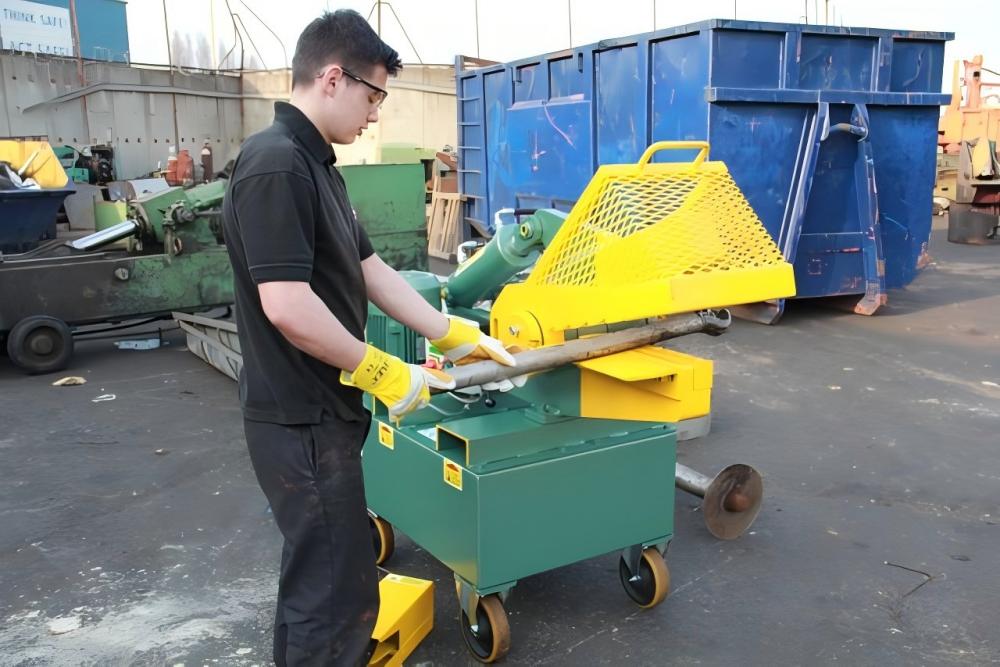
Hidden Costs of Owning an Alligator Shear
When you Choose Machine Scrap Metal Cutting equipment, the purchase price is only the beginning. One often-ignored hidden cost is Installation and Site Preparation. Heavy-duty shears require a level, reinforced concrete pad to handle the vibration and weight. You may also need to upgrade your electrical infrastructure to support the high-kilowatt motors used in industrial shears.
Maintenance and Wear Parts represent an ongoing expense. Blades are the primary consumable; they will eventually dull and require sharpening or replacement. The cost of professional blade grinding and the downtime associated with blade changes should be factored into your budget. Furthermore, hydraulic oil changes (which can involve hundreds of liters) and seal replacements are inevitable parts of the machine’s life. Choosing a HARSLE machine with easy-access maintenance points can significantly reduce these labor costs.
Finally, consider Energy Consumption. An inefficient hydraulic system can lead to high electricity bills. Modern shears with variable displacement pumps or energy-saving motors can reduce power consumption by up to 30% compared to older designs. While these features might increase the initial investment, the savings over several years of operation can be substantial, making the machine more cost-effective in the long run.
ROI Calculation: When Will the Machine Pay for Itself?
Calculating the Return on Investment (ROI) for an alligator shear involves comparing the cost of the machine against the increased revenue from processed scrap. Processed scrap (cut to size) typically commands a much higher price per ton than “unprepared” scrap. For example, if prepared steel fetches $50 more per ton than unprepared steel, and your HARSLE shear allows you to process 5 tons per day, you are generating an additional $250 in daily revenue.
Labor savings are another critical component. A high-speed alligator shear can replace several workers using manual torches or handheld saws. If the machine saves 16 man-hours per day, the labor cost reduction alone can pay for the machine within 12 to 18 months. Additionally, the ability to process material on-site reduces transportation costs, as denser, cut-to-size scrap allows for more efficient loading of trucks and containers.
To get an accurate ROI, use the following formula: (Increased Revenue per Ton + Labor Savings per Ton – Operating Costs per Ton) x Annual Volume = Annual Profit Increase. Divide the total machine cost by this annual profit increase to find your payback period in years. Most HARSLE customers find that their machines pay for themselves within the first 12 to 24 months of operation, depending on their volume and material types.
Buying Advice: A Checklist for the Smart Buyer
Before finalizing your purchase, go through this checklist to ensure the machine meets your specific needs:
- Material Type: Are you cutting mostly rebar, pipe, or plate? Ensure the shearing force is rated for your thickest material.
- Blade Length: Choose a blade length that accommodates your most common scrap sizes without requiring excessive pre-cutting.
- Cycle Speed: If you have high volumes, look for a machine with a fast cycle time (strokes per minute).
- Safety Features: Ensure the machine has a robust hold-down, emergency stop buttons, and protective guarding.
- Manufacturer Reputation: Choose a brand like HARSLE that offers strong after-sales support, spare parts availability, and technical documentation.
- Power Supply: Verify that your facility’s voltage and phase match the machine’s motor requirements.
It is also highly recommended to request a video of the machine in operation or, if possible, visit the manufacturer’s facility. Seeing the machine cut material similar to what you process will give you the best indication of its real-world performance. Don’t be afraid to ask for technical drawings and hydraulic circuit diagrams to ensure the design meets your engineering standards.
Frequently Asked Questions (FAQ)
1. What is the difference between an alligator shear and a guillotine shear?
An alligator shear uses a pivoting, jaw-like motion, which is excellent for long, irregular scrap like pipes and beams. A guillotine shear uses a straight vertical stroke and is typically used for processing large volumes of heavy plate or baled scrap. Alligator shears are generally more versatile and affordable for small to medium yards.
2. How often do the blades need to be sharpened?
Blade life depends on the material being cut. If you are cutting clean aluminum, blades may last for months. If you are cutting hardened steel or rebar, they may need sharpening every few weeks. Most HARSLE blades are four-sided, meaning you can rotate them to a new edge before needing a full regrind.
3. Can an alligator shear cut stainless steel?
Yes, but stainless steel is much harder than mild steel. You must ensure the shear has sufficient tonnage and that the blades are made of a high-grade alloy suitable for stainless applications. Cutting stainless will also dull the blades faster than mild steel.
4. What kind of hydraulic oil should I use?
Most alligator shears use standard anti-wear hydraulic oil, such as ISO VG 46 or 68. The specific grade depends on your local climate; thinner oil (46) is better for cold climates, while thicker oil (68) is better for hot environments. Always refer to the HARSLE manual for specific recommendations.
5. Is it difficult to replace the seals in the hydraulic cylinder?
While it requires some mechanical skill and heavy lifting equipment, seal replacement is a standard maintenance task. HARSLE designs its cylinders for serviceability, and we provide detailed guides and seal kits to make the process as straightforward as possible.
6. Does the machine require a special foundation?
For smaller shears, a standard 6-inch reinforced concrete floor is usually sufficient. For larger, high-tonnage shears, a dedicated foundation may be required to absorb the shock loads during the shearing process. Always check the machine’s footprint and weight specifications.
7. How do I know what tonnage I need?
Tonnage is determined by the cross-sectional area of the material and its tensile strength. As a rule of thumb, a 200-ton shear can handle most common scrap yard tasks, but if you are processing heavy structural steel or thick shafts, you may need 315 tons or more. Consult with a HARSLE expert for a precise recommendation based on your material samples.
8. Can the machine be used outdoors?
Yes, many alligator shears are used outdoors, but they must be protected from direct rain and extreme moisture to prevent electrical shorts and rust. A simple roof or lean-to structure is usually sufficient. If used in very cold climates, a hydraulic oil heater may be necessary for cold starts.
9. What are the most common causes of machine failure?
The most common causes are contaminated hydraulic oil, operating the machine beyond its rated capacity, and neglecting blade maintenance. Keeping the oil clean and the blades sharp will prevent 90% of common mechanical issues.
10. Why choose HARSLE for an alligator shear?
HARSLE combines decades of engineering expertise with high-quality components and competitive pricing. Our machines are designed for the rigors of the scrap industry, focusing on durability, operator safety, and ease of maintenance. We provide global support to ensure your investment continues to perform for years to come.