Industrial Vertical Baler Buying Guide: Safety, Reliability, and Performance

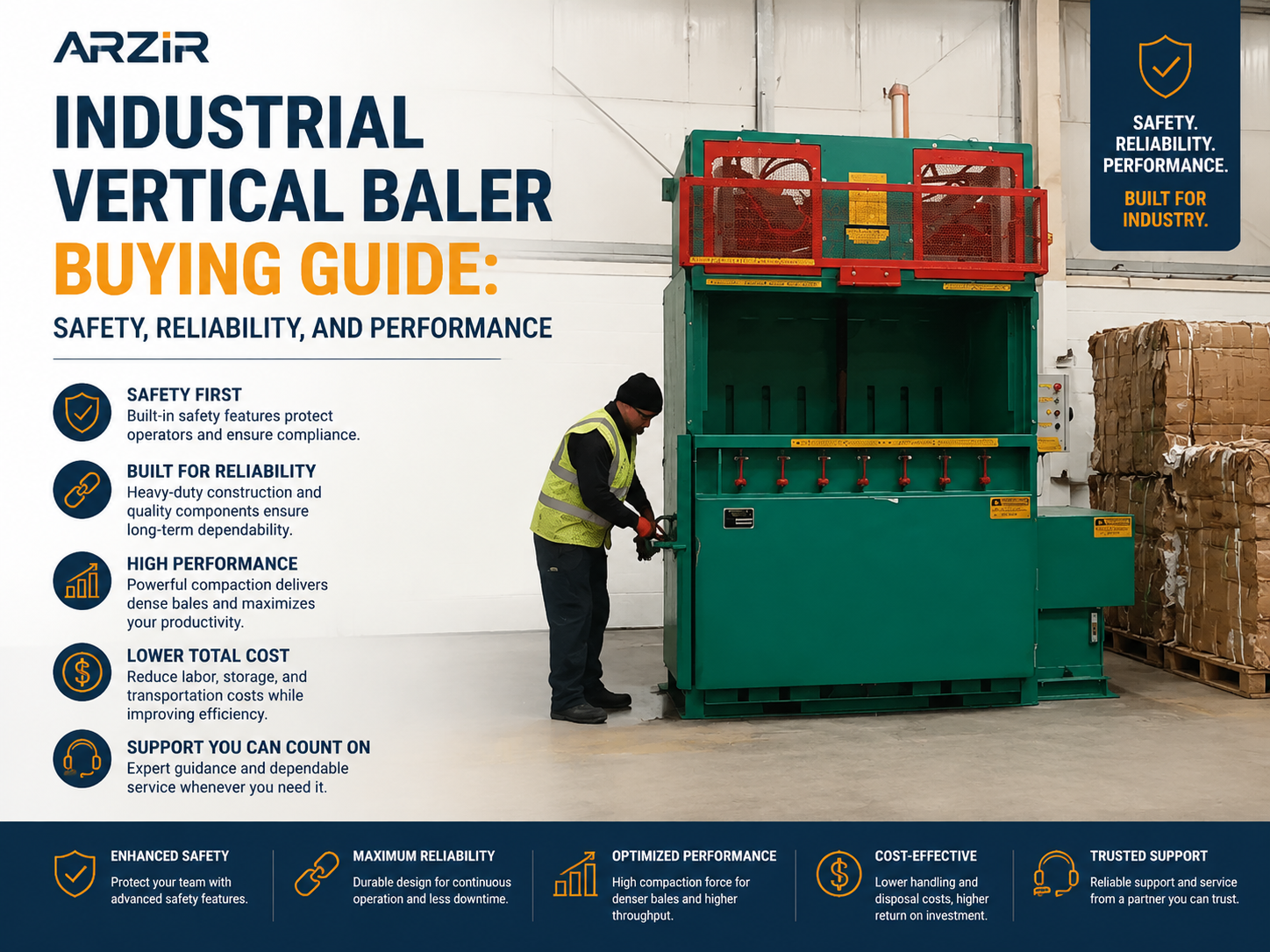
Introduction to Industrial Vertical Baler Selection
In the modern industrial landscape, waste management is no longer just a secondary concern; it is a critical component of operational efficiency and environmental responsibility. For facilities dealing with high volumes of cardboard, plastic, textiles, or light metal scraps, an industrial vertical baler is an indispensable asset. However, the process of Industrial Vertical Baler Buying: Safety, Reliability, Performance requires a deep understanding of technical specifications and long-term operational costs. This guide is designed to navigate the complexities of selecting the right machinery to ensure your investment yields the highest possible returns while maintaining a safe working environment.
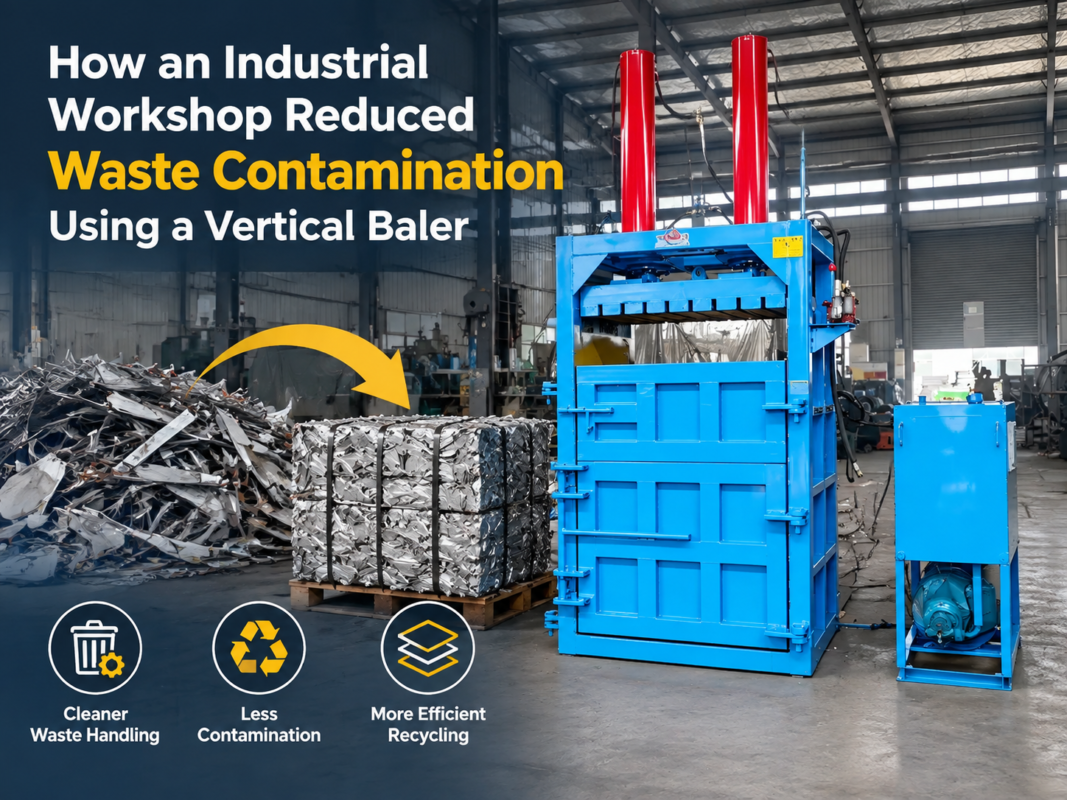
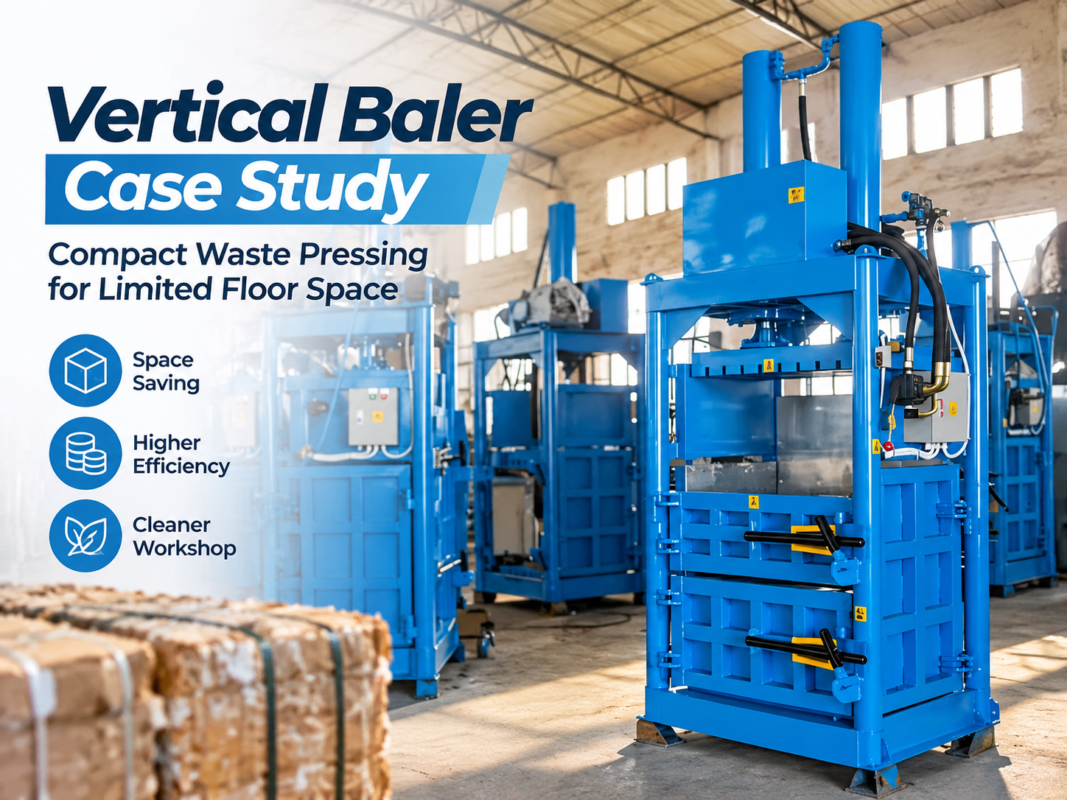
Vertical balers operate by compressing loose waste materials into dense, manageable blocks known as bales. Unlike horizontal balers, which are designed for massive, continuous throughput, vertical balers offer a smaller footprint, making them ideal for warehouses, retail centers, and manufacturing plants with space constraints. The primary goal of purchasing such a machine is to reduce the volume of waste, thereby lowering disposal costs and potentially generating revenue from the sale of recyclable materials. But not all balers are created equal. The difference between a budget model and a high-performance industrial unit can mean the difference between a machine that lasts five years and one that lasts twenty.
When we talk about Industrial Vertical Baler Buying: Safety, Reliability, Performance, we are looking at a triad of essential features. Safety ensures that operators are protected from the high pressures involved in hydraulic compression. Reliability ensures that the machine remains operational during peak production hours without frequent breakdowns. Performance dictates how quickly and efficiently the machine can process waste, directly impacting your labor costs. In the following sections, we will break down the financial and technical aspects of these machines to help you make an informed decision.
Price Range Overview: What to Expect
The cost of an industrial vertical baler can vary significantly based on its capacity, force, and automation features. Generally, the market is divided into three main price tiers. Understanding these tiers helps in setting a realistic budget and aligning expectations with the machine’s intended use case. It is important to remember that the initial purchase price is only one part of the total cost of ownership.
- Entry-Level/Small Capacity ($3,000 – $8,000): These machines are typically designed for small retail stores or offices. They offer lower press force (usually between 5 to 15 tons) and produce smaller bales. While affordable, they may lack the heavy-duty structural reinforcement needed for 24/7 industrial operations.
- Standard Industrial Balers ($8,000 – $20,000): This is the most common category for manufacturing plants and large warehouses. These machines offer press forces ranging from 30 to 60 tons. They are built with thicker steel frames and more robust hydraulic systems, capable of handling cardboard, plastics, and even some light non-ferrous metals.
- Heavy-Duty & Specialized Balers ($20,000 – $50,000+): These are top-tier machines designed for high-volume recycling centers or facilities processing difficult materials like tires, heavy plastics, or metal shavings. They often feature advanced PLC controls, high-speed hydraulics, and specialized safety enclosures.
When evaluating the price, it is crucial to look beyond the sticker. A cheaper machine might use lower-grade hydraulic seals or thinner steel, leading to frame warping or oil leaks within a few years. Conversely, a higher-priced machine from a reputable manufacturer like HARSLE often includes premium components that reduce downtime and extend the machine’s lifespan, ultimately providing better value over time.
Main Cost Drivers in Vertical Baler Manufacturing
Several factors contribute to the final price of an industrial vertical baler. Understanding these drivers allows buyers to prioritize features that matter most to their specific application. The most significant cost driver is the quality of the hydraulic system. The pump, cylinders, and valves are the heart of the machine. High-quality hydraulic components from brands like Rexroth or Vickers ensure smooth operation and consistent pressure, but they come at a premium compared to generic alternatives.
The second major driver is the structural integrity of the frame. An industrial baler is subjected to immense internal pressure during every cycle. To prevent the frame from flexing or cracking, manufacturers must use high-tensile steel and precision welding techniques. The weight of the machine is often a good indicator of its build quality; a heavier machine generally contains more steel and is more durable. Additionally, the complexity of the control system—ranging from simple manual levers to sophisticated touch-screen PLCs—significantly impacts the cost.
Labor and manufacturing standards also play a role. Machines built to meet strict international standards, such as CE or UL certification, require more rigorous testing and higher-quality safety components. While this increases the manufacturing cost, it provides the buyer with peace of mind regarding operator safety and legal compliance. Finally, the inclusion of specialized features like automatic bale ejection, oil cooling systems, and noise reduction technology will further drive up the price but improve the overall performance and user experience.
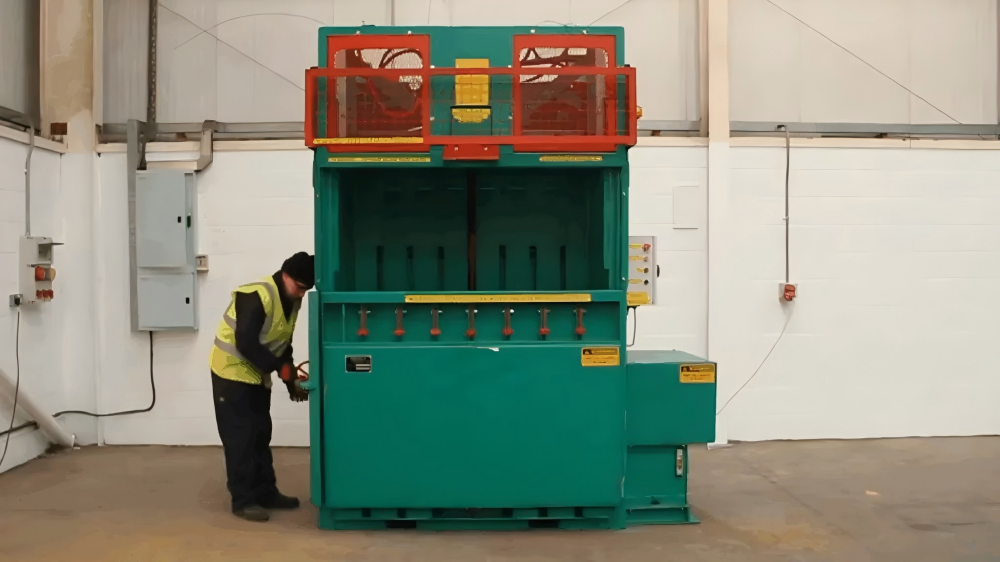
Configuration Impact: Tailoring the Machine to Your Needs
The configuration of a vertical baler determines its suitability for different materials and throughput requirements. One of the first decisions a buyer must make is the size of the bale. Standard industrial bales are often sized to fit perfectly on a pallet or to maximize the space in a shipping container. If your goal is to sell your recycled material, you must ensure the bale size and weight meet the requirements of your local recycling facility.
Another critical configuration aspect is the cylinder arrangement. Most vertical balers use a single central cylinder, but some heavy-duty models utilize dual cylinders to provide more even pressure across the press plate. This is particularly important when baling uneven loads or materials that tend to shift during compression. Dual cylinders help prevent the press plate from tilting, which can damage the hydraulic seals and the frame over time. Furthermore, the stroke length and cycle time are vital for performance; a faster cycle time allows for more bales per hour, which is essential for high-volume operations.
Material-specific configurations are also available. For example, if you are baling plastic bottles, you may need a machine with a longer stroke or specialized “dogs” (retaining teeth) that prevent the material from springing back up when the press plate retracts. For metal scraps, the machine needs reinforced wear plates to prevent the sharp edges of the metal from gouging the interior of the baling chamber. Choosing the right configuration during the Industrial Vertical Baler Buying: Safety, Reliability, Performance process ensures that the machine operates at peak efficiency for your specific waste stream.
The Importance of Safety and Reliability
In any industrial setting, safety is paramount. Vertical balers are powerful machines capable of exerting dozens of tons of force, making safety features a non-negotiable aspect of the buying process. Modern industrial balers should include interlocked safety gates that prevent the machine from operating while the door is open. Emergency stop buttons must be easily accessible, and the hydraulic system should include relief valves to prevent over-pressurization.
Reliability is closely linked to safety. A machine that is prone to mechanical failure is not only a productivity drain but also a potential safety hazard. Reliability is achieved through superior engineering and the use of high-quality components. For instance, using high-grade hydraulic hoses and fittings reduces the risk of high-pressure oil leaks. Similarly, a well-designed electrical system with proper circuit protection prevents motor burnouts and electrical fires. When researching Industrial Vertical Baler Buying: Safety, Reliability, Performance, always ask the manufacturer about their quality control processes and the brands of the components they use.
Maintenance plays a huge role in reliability. A reliable machine should be designed for easy servicing. This includes accessible grease points, clear oil level indicators, and a control system that provides diagnostic codes in the event of a fault. Regular maintenance not only extends the life of the machine but also ensures that safety features remain functional. Buyers should look for manufacturers that provide comprehensive manuals and have a responsive technical support team to assist with troubleshooting and spare parts.
Hidden Costs to Consider
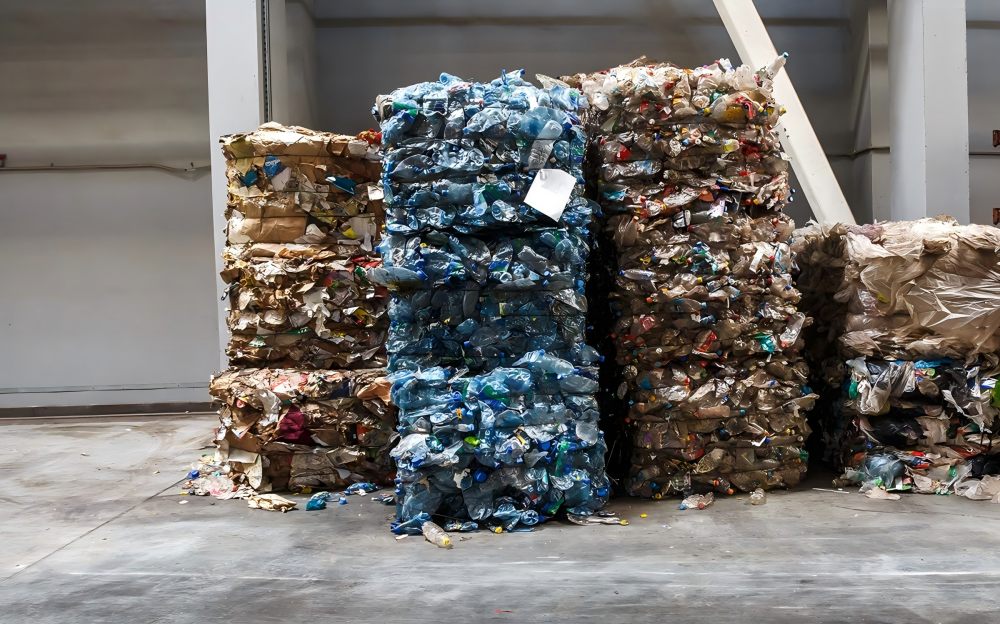
When budgeting for an industrial vertical baler, many buyers overlook the “hidden” costs that go beyond the initial purchase price. These costs can significantly impact the total investment and should be factored into the financial planning phase. One of the most immediate hidden costs is shipping and rigging. Because these machines are heavy and bulky, transporting them requires specialized freight services, and moving them into position within your facility may require a heavy-duty forklift or even a crane.
Electrical requirements are another common hidden cost. Industrial balers often require three-phase power, which may not be readily available in all parts of a facility. Upgrading your electrical infrastructure to accommodate the machine’s motor can be expensive. Additionally, there are ongoing costs for consumables. Baling wire or strapping is required for every bale produced, and the cost of these materials can add up over time, especially in high-volume operations. It is wise to calculate the cost per bale for these consumables during the evaluation process.
Finally, consider the cost of training and potential downtime. Operators must be properly trained to use the machine safely and efficiently. While many manufacturers offer initial training, turnover in staff may require ongoing training programs. Furthermore, while a high-quality machine minimizes downtime, no machine is immune to wear and tear. Budgeting for annual preventative maintenance and a small stock of critical spare parts (like seals or fuses) is essential for keeping the machine running smoothly without unexpected financial shocks.
ROI Calculation: Turning Waste into Profit
The Return on Investment (ROI) for an industrial vertical baler is typically very strong, often paying for itself within 12 to 24 months. The primary source of ROI is the reduction in waste disposal fees. Waste management companies usually charge by the “pull” (each time they empty a container) and by the weight. By baling your cardboard or plastic, you significantly reduce the volume of waste, meaning fewer pickups are required. In many cases, a facility can go from daily pickups to once-a-week or even once-a-month pickups.
Another significant factor in ROI is the potential revenue from selling baled recyclables. Loose cardboard is often seen as a nuisance, but clean, dense bales of cardboard are a valuable commodity. Depending on market prices, recycling centers will often pay for baled material, turning a disposal cost into a revenue stream. To calculate your ROI, compare your current monthly waste disposal costs against the projected costs after installing a baler, including the machine’s lease or purchase payment, labor, and consumables, then add any projected recycling revenue.
Labor savings should also be factored in. Without a baler, employees often spend significant time breaking down boxes manually and hauling them to an outdoor dumpster. A vertical baler located near the source of the waste streamlines this process, allowing employees to spend more time on their core productive tasks. When you combine disposal savings, recycling revenue, and labor efficiency, the financial argument for Industrial Vertical Baler Buying: Safety, Reliability, Performance becomes very compelling.
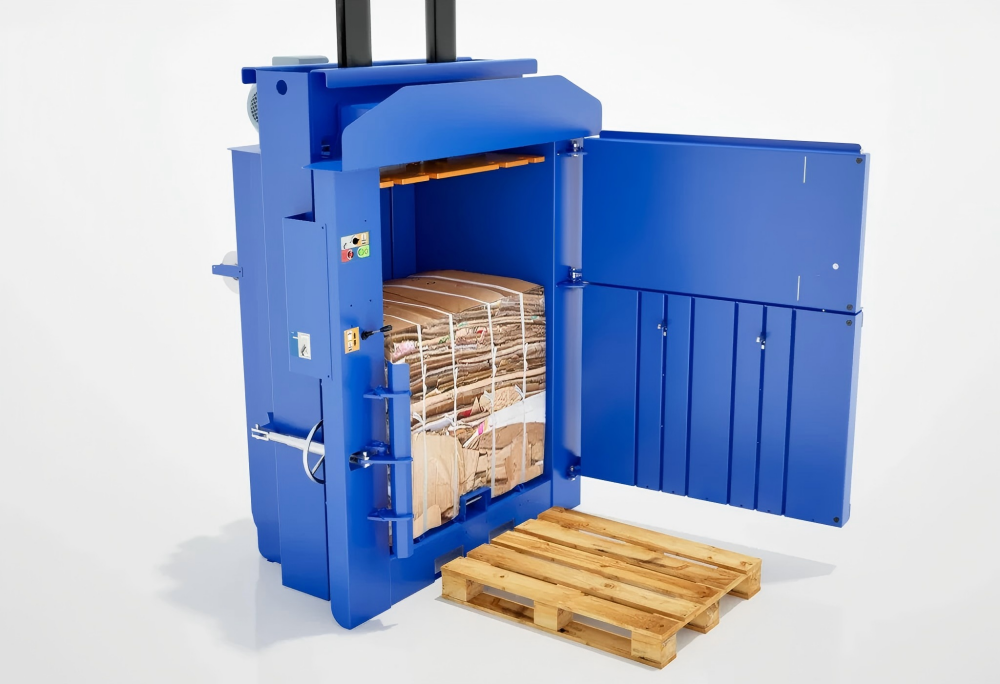
Buying Advice: How to Choose the Right Vendor
Choosing the right machine is only half the battle; choosing the right vendor is equally important. When embarking on the Industrial Vertical Baler Buying: Safety, Reliability, Performance journey, look for a manufacturer or distributor with a proven track record in the industry. A reputable vendor like HARSLE will not only sell you a machine but will also act as a consultant, helping you analyze your waste stream and recommending the most efficient solution for your needs.
Ask for references and case studies from similar industries. A vendor that understands the specific challenges of your sector (e.g., the high-volume demands of a distribution center vs. the space constraints of a retail outlet) is invaluable. Furthermore, inquire about the warranty and after-sales support. A standard one-year warranty is common, but some manufacturers offer extended warranties on the frame or hydraulic system. Ensure that the vendor has a local service network or can provide rapid shipping for replacement parts.
Finally, request a demonstration or a video of the machine in operation. Pay attention to the noise level, the ease of loading, and the bale ejection process. If possible, visit a facility that is already using the model you are considering. Seeing the machine perform in a real-world environment will give you the best insight into its reliability and performance. Don’t be afraid to ask technical questions about the steel grade, the hydraulic pressure settings, and the safety certifications. A transparent and knowledgeable vendor is a sign of a high-quality product.
Summary Table: Vertical Baler Comparison
| Feature | Entry-Level | Standard Industrial | Heavy-Duty |
|---|---|---|---|
| Press Force | 5 – 15 Tons | 30 – 60 Tons | 60 – 100+ Tons |
| Bale Weight (Cardboard) | 50 – 150 lbs | 500 – 1,100 lbs | 1,200 – 2,000+ lbs |
| Ideal For | Small Retail, Offices | Warehouses, Factories | Recycling Centers, Heavy Industry |
| Cycle Time | 35 – 50 Seconds | 25 – 40 Seconds | 15 – 30 Seconds |
| Construction | Light Steel Frame | Reinforced Q235/Q345 Steel | Heavy-Duty Plate Steel |
| Control System | Manual / Simple Relay | PLC with Safety Sensors | Advanced PLC / Touchscreen |
Frequently Asked Questions (FAQ)
1. How much space do I need for an industrial vertical baler?
The footprint of a vertical baler is relatively small, typically ranging from 4×3 feet to 6×5 feet. However, you must also account for the height (usually 8 to 12 feet) and the space required to open the door and remove the finished bale. Always check the ceiling height of your facility before purchasing.
2. Can one baler handle both cardboard and plastic?
Yes, most industrial vertical balers can handle both materials. However, plastic is more “elastic” than cardboard and tends to expand after compression. You may need to adjust the number of ties used or look for a machine with specialized retaining teeth to keep the plastic compressed during the baling process.
3. What kind of maintenance does a vertical baler require?
Routine maintenance includes checking hydraulic oil levels, inspecting hoses for leaks, greasing moving parts (like door hinges and the press plate guides), and ensuring safety sensors are clean and functional. An annual professional inspection is also recommended to ensure the hydraulic pump and motor are operating at peak efficiency.
4. Is it better to buy or lease a vertical baler?
This depends on your capital availability and tax situation. Buying offers the lowest long-term cost and allows you to claim the machine as an asset. Leasing preserves cash flow and often allows for easier upgrades at the end of the lease term. Many companies find that the monthly savings in waste disposal fees more than cover the monthly lease payment.
5. How do I know what press force I need?
The required press force depends on the material and the desired bale density. For standard cardboard, 30 to 50 tons is usually sufficient. For denser materials like plastic jugs or light metals, you may need 60 tons or more. A higher press force generally results in denser bales, which can reduce shipping costs and increase the value of the material.
6. Are vertical balers difficult to operate?
No, modern industrial balers are designed for ease of use. Most feature simple push-button controls and automatic cycles. However, proper safety training is essential for all operators to ensure they understand how to load the machine correctly and how to safely tie and eject the bales.