Vertical Baler Buying Guide for Cardboard Recycling Operations

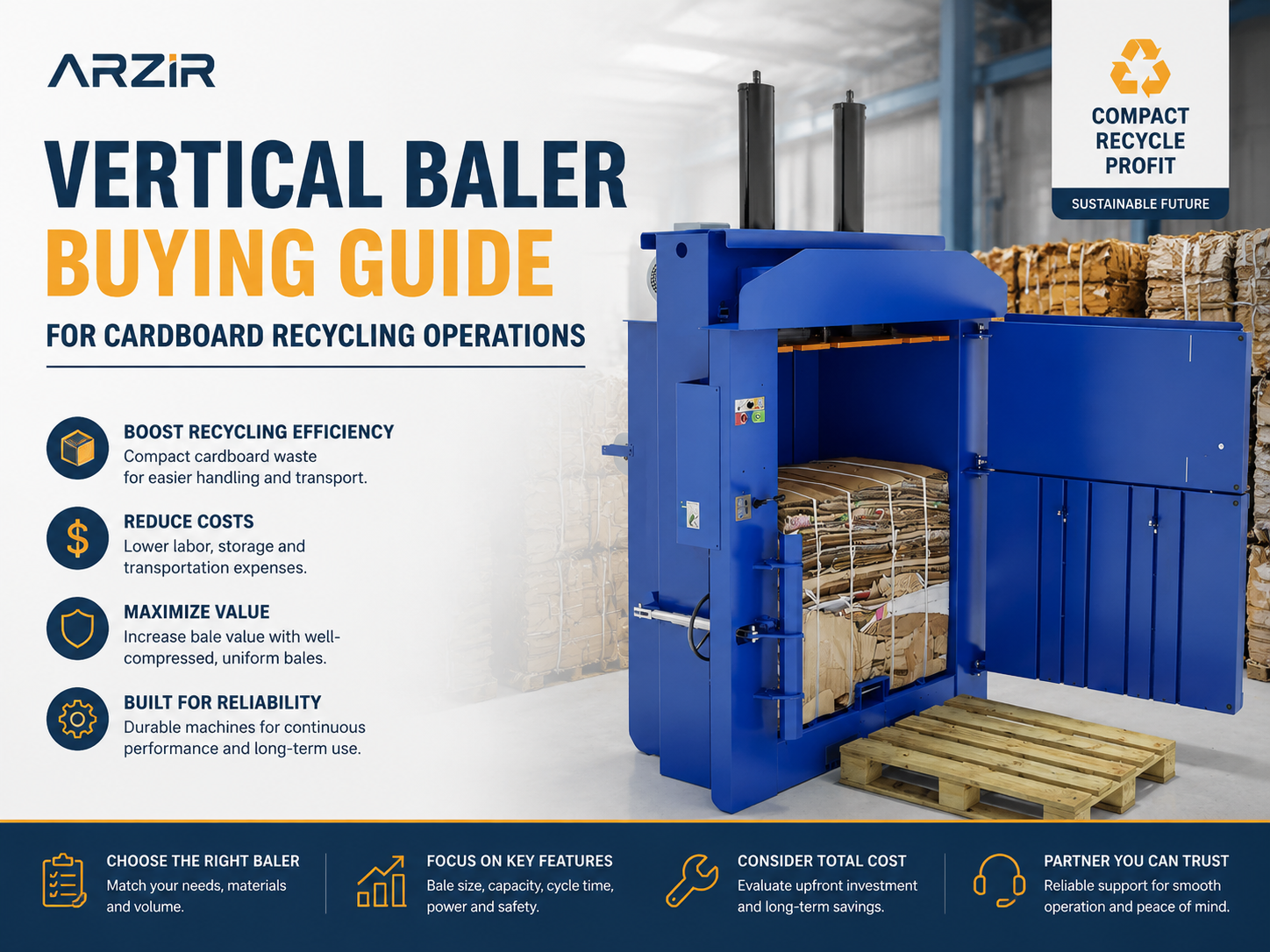
Introduction to Vertical Baler Buying for Cardboard Recycling Operations
In the modern industrial landscape, efficient waste management is no longer just a matter of environmental responsibility; it is a critical component of operational profitability. For businesses dealing with high volumes of packaging waste, specifically corrugated cardboard, the decision to invest in a vertical baler is a transformative step. This guide is designed to navigate the complexities of Vertical Baler Buying for Cardboard Recycling Operations, providing facility managers, business owners, and procurement specialists with the technical and financial insights needed to make an informed purchase.
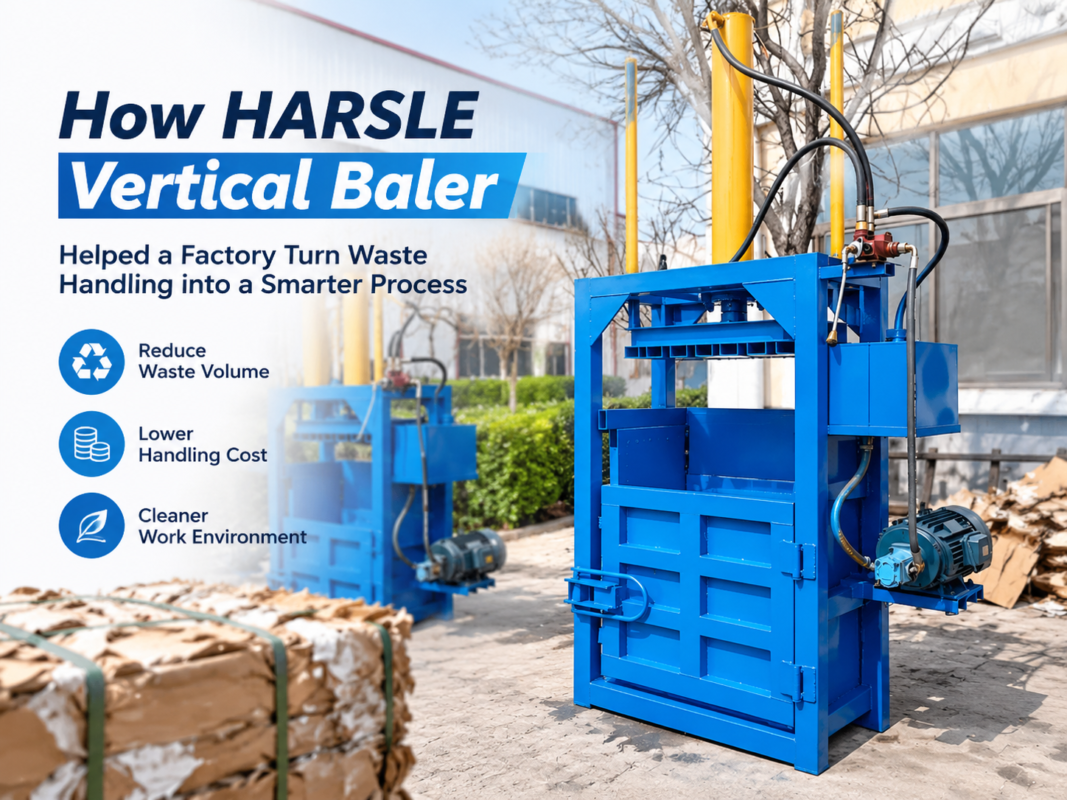
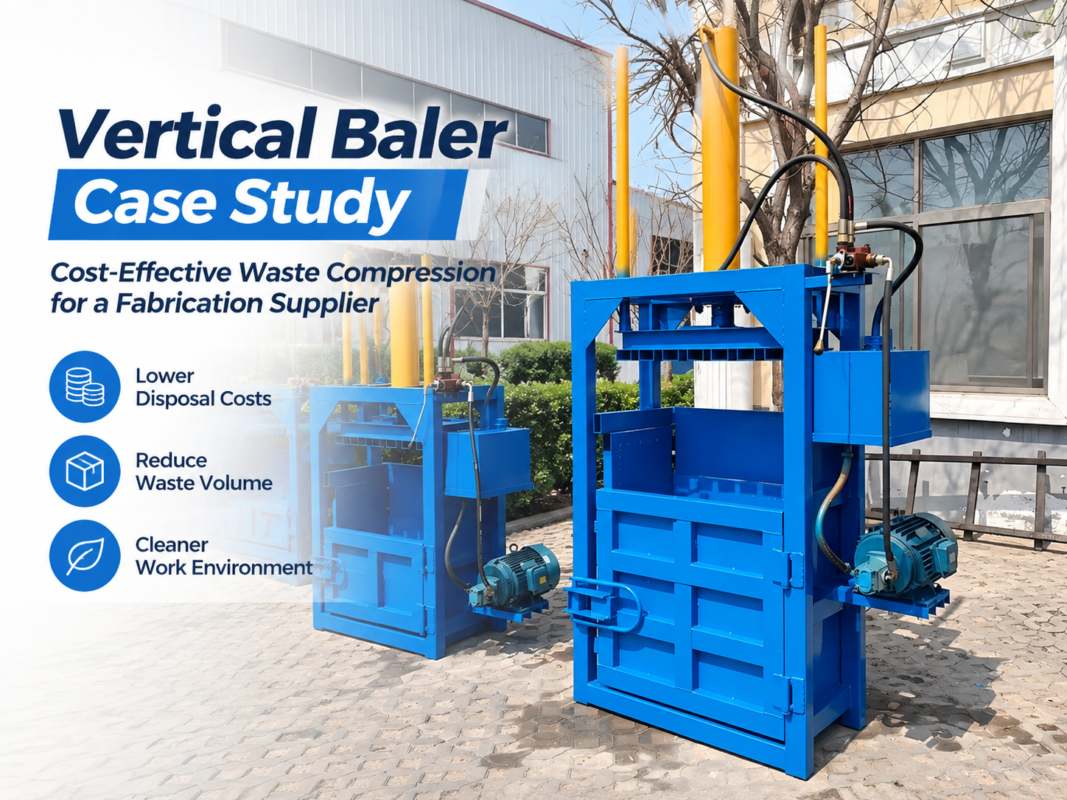
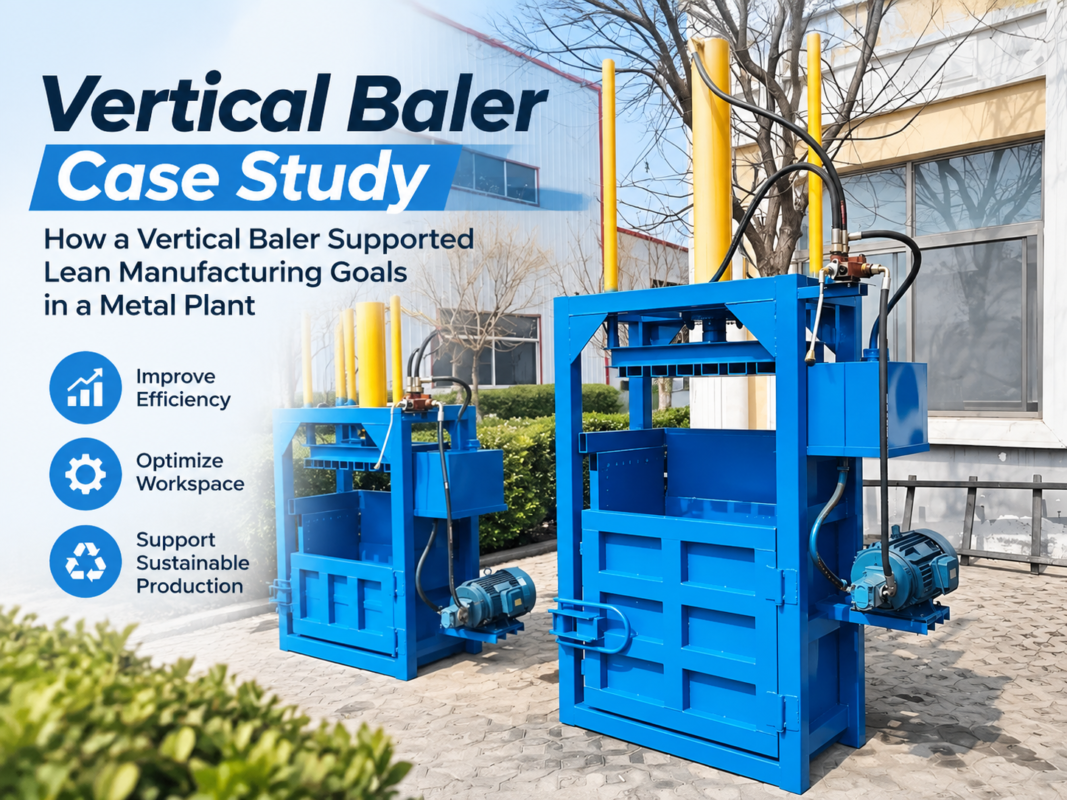
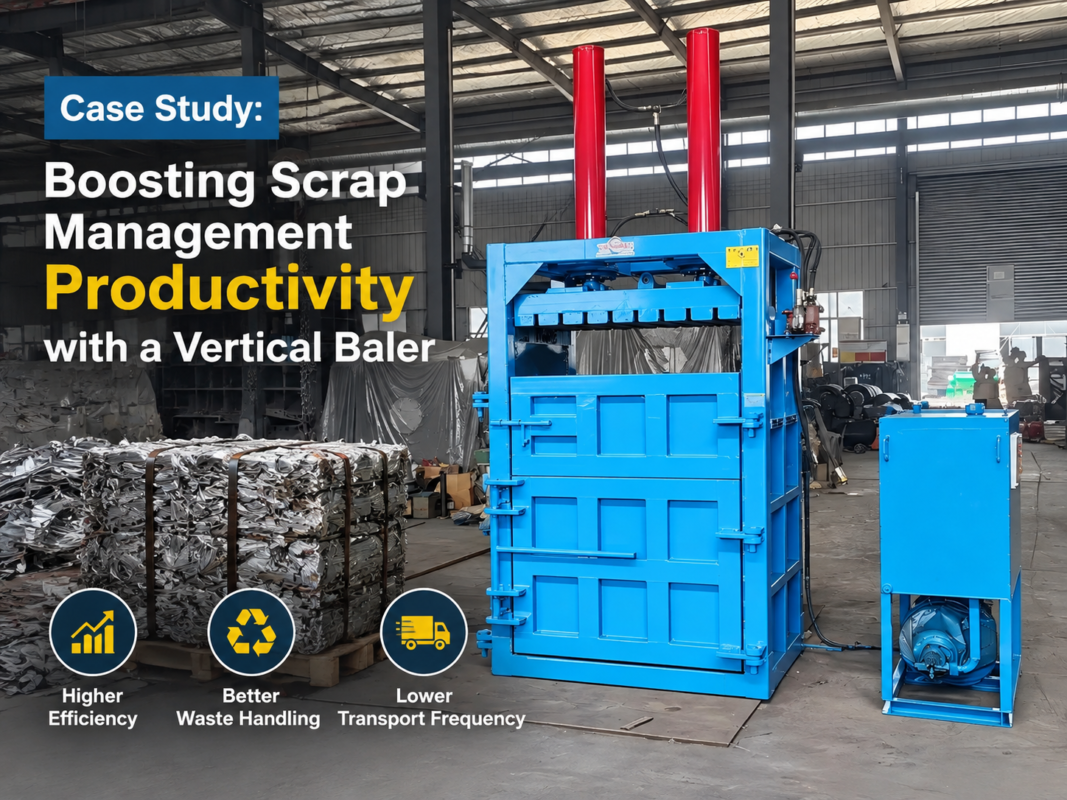
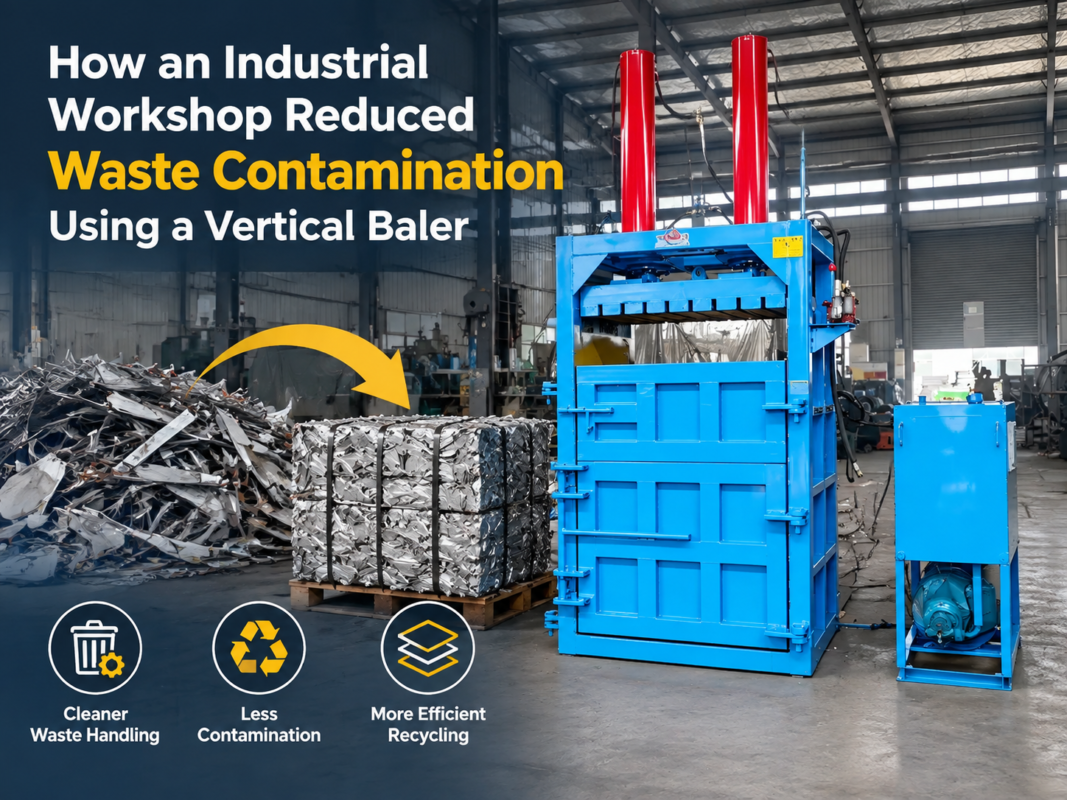
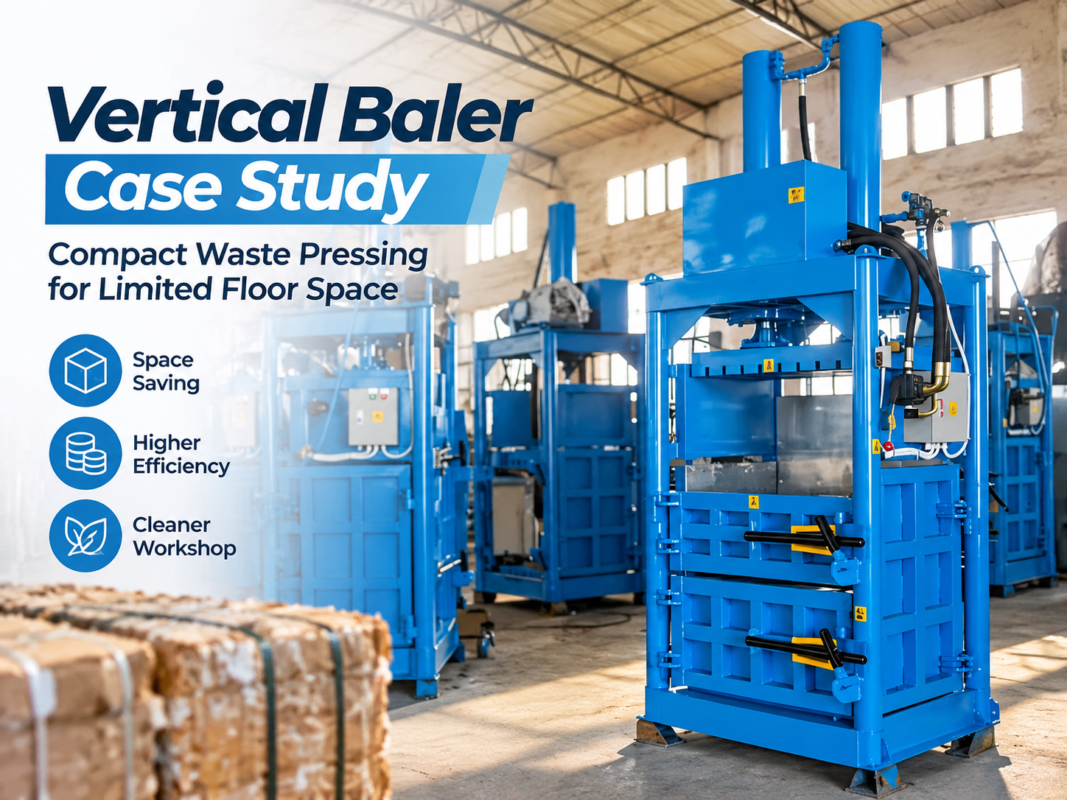
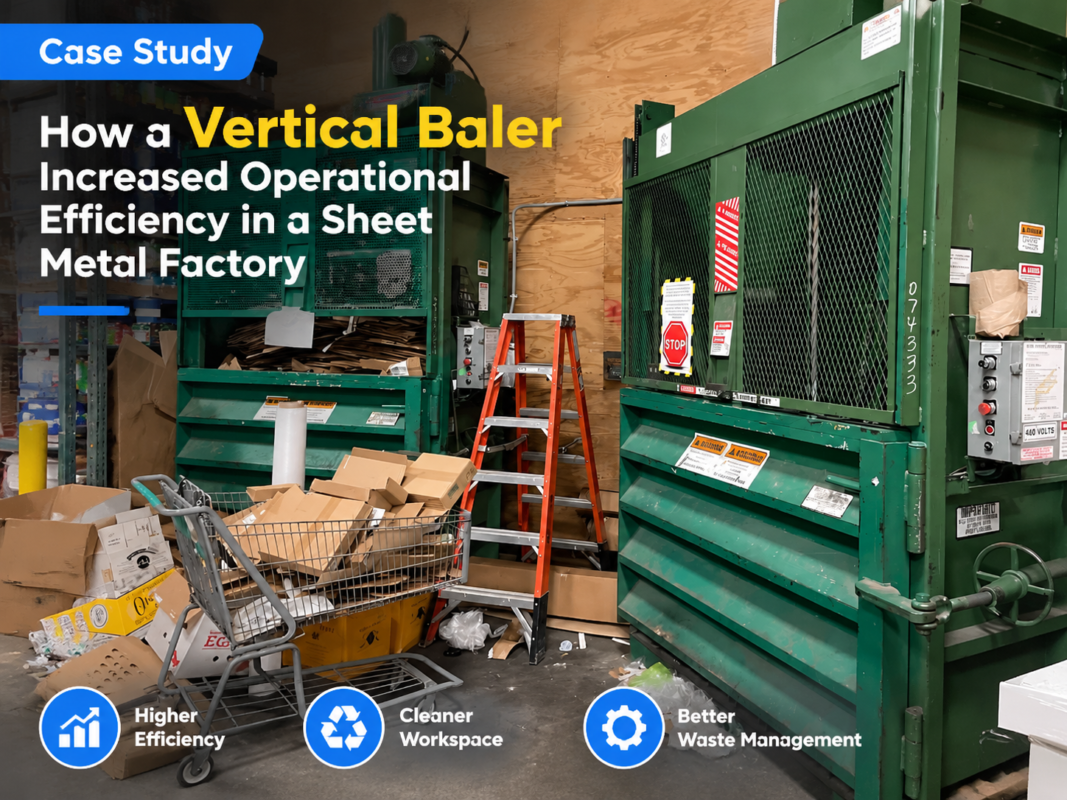
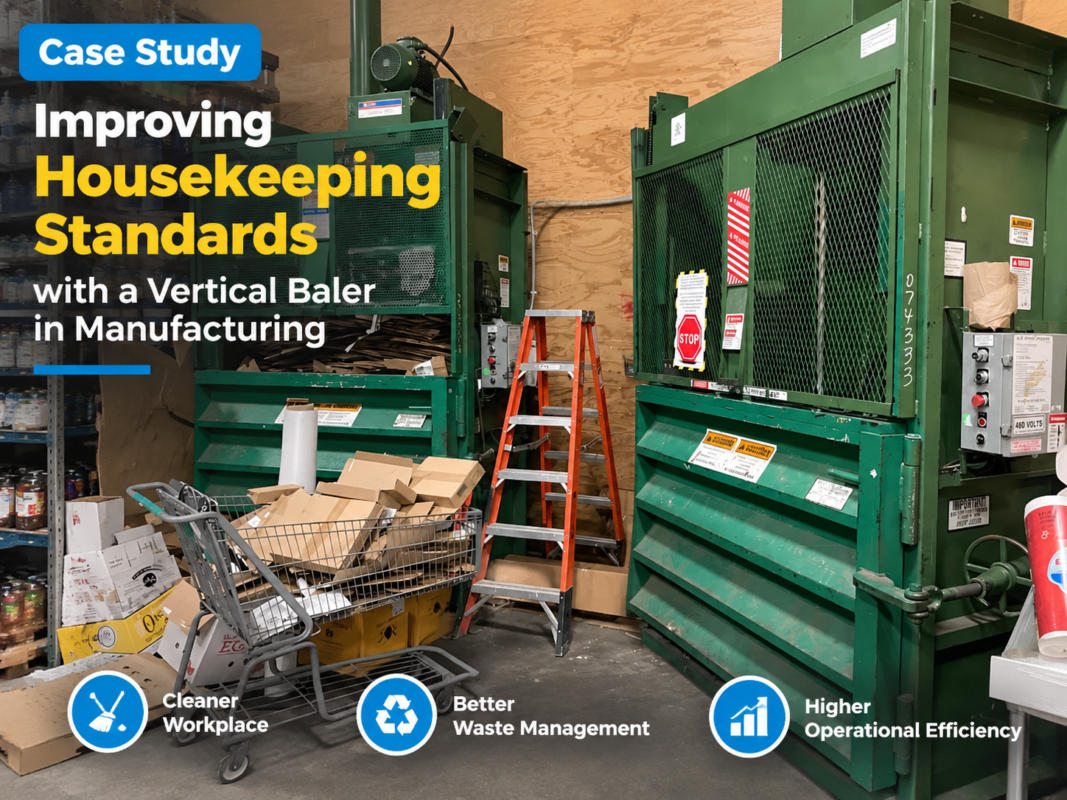
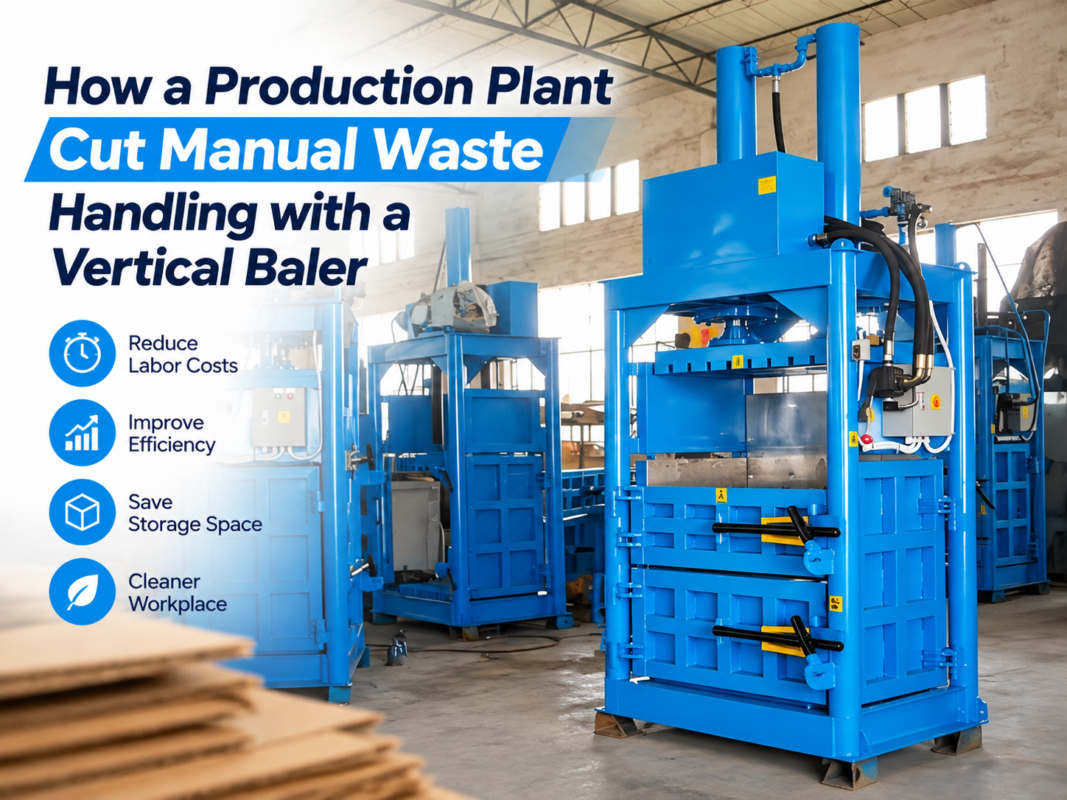
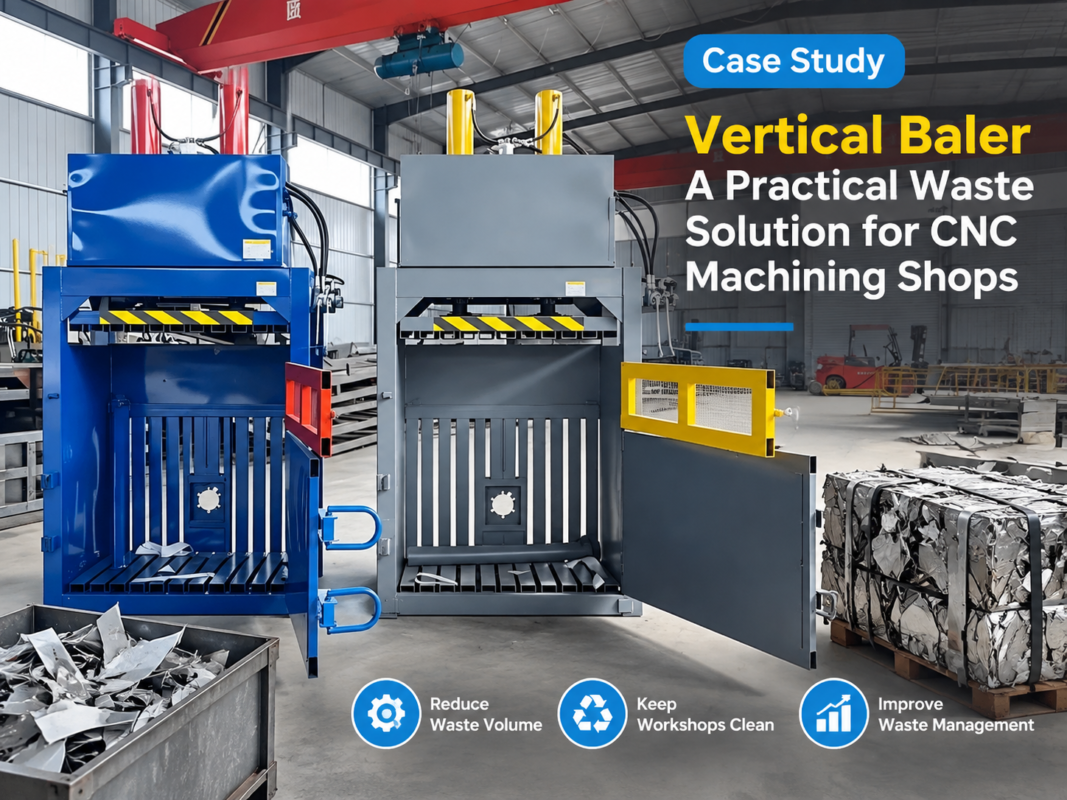
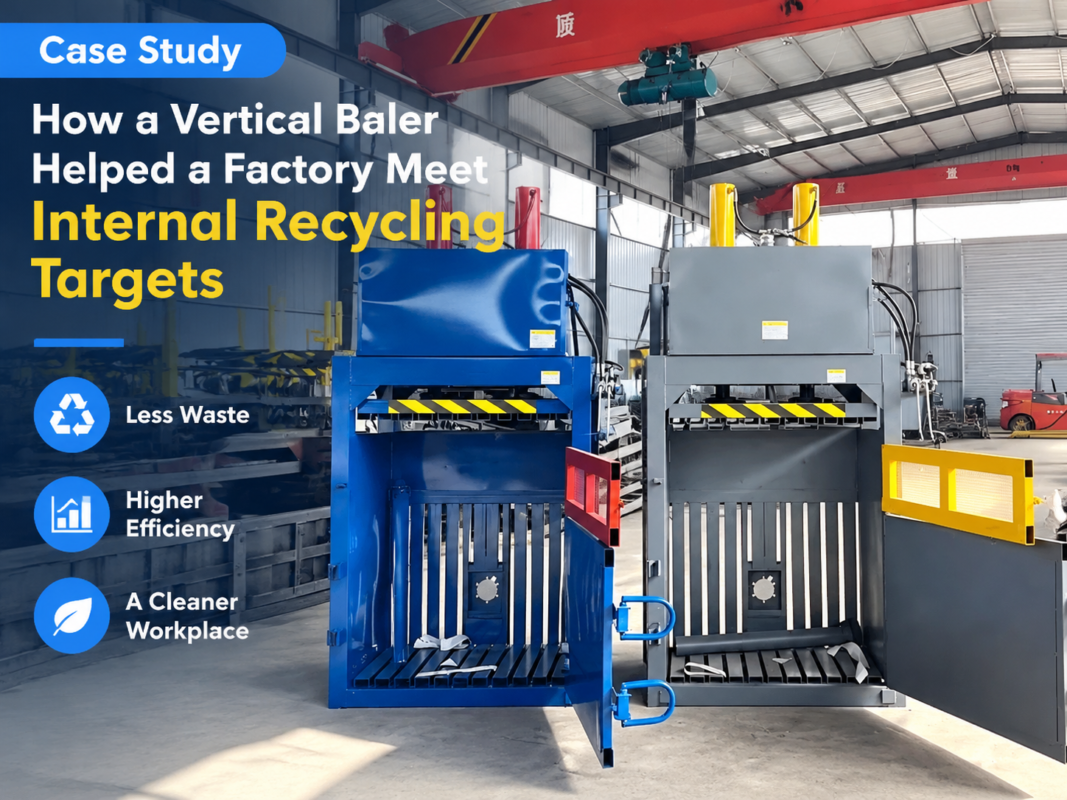
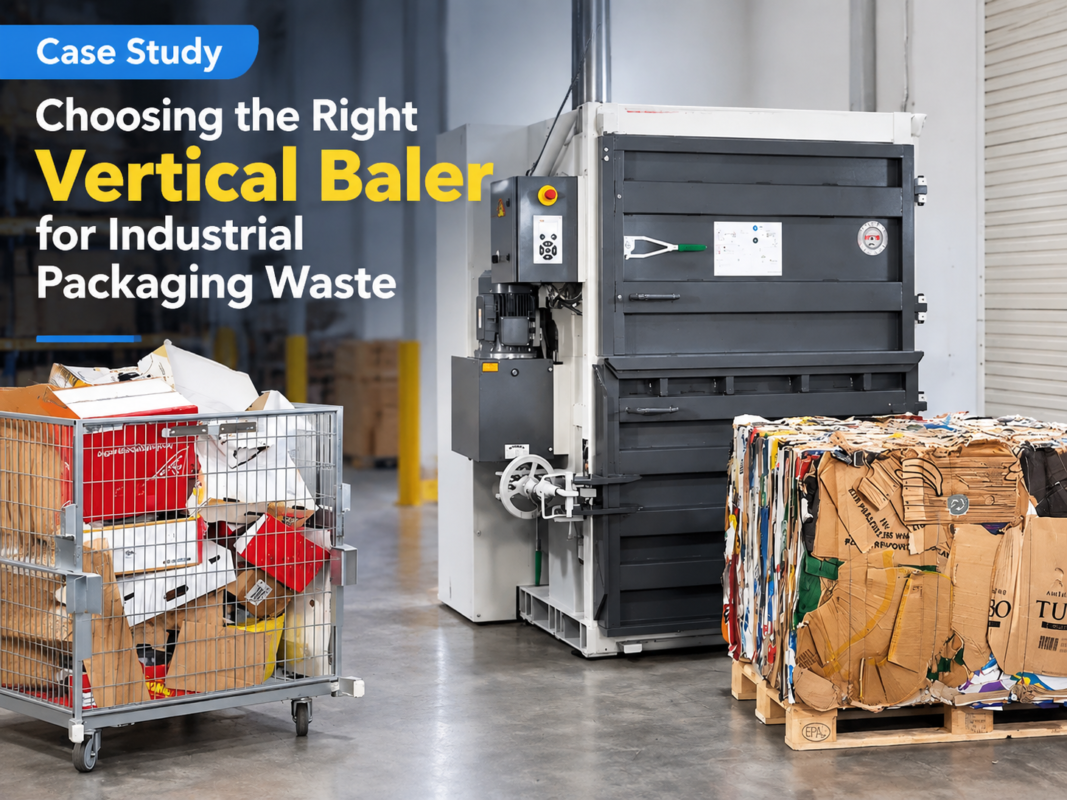
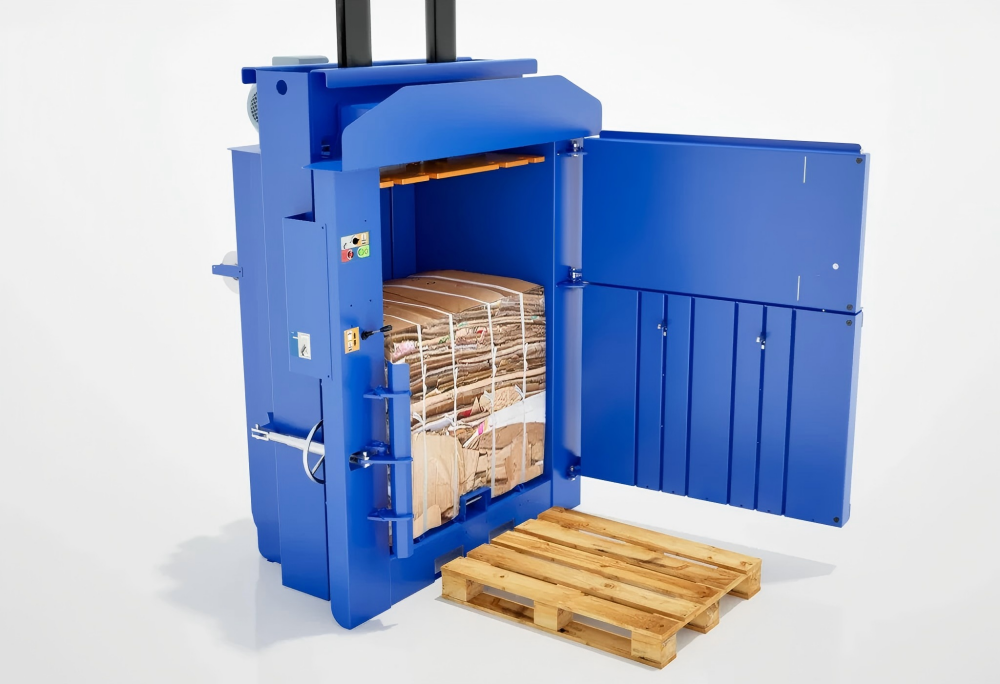
A vertical baler is a piece of industrial machinery that uses hydraulic pressure to compress loose cardboard into dense, manageable blocks known as bales. Unlike horizontal balers, which require significant floor space and are typically used for massive, continuous throughput, vertical balers operate on a smaller footprint and are loaded from the front. They are the workhorses of retail backrooms, manufacturing plants, and distribution centers. Understanding the nuances of these machines is essential because the wrong choice can lead to bottlenecks, safety hazards, or unnecessary capital expenditure.
The primary goal of cardboard recycling operations is to reduce the volume of waste to lower hauling costs and, in many cases, generate revenue by selling the compacted bales to recycling mills. However, the market for vertical balers is vast, ranging from small, light-duty units to heavy-duty industrial giants. This guide will break down the price ranges, technical configurations, and ROI calculations to ensure your investment aligns with your specific volume requirements and operational goals.
Price Range Overview: What to Expect
When entering the market for a vertical baler, the first question most buyers ask is about the cost. The price of a vertical baler is dictated by its compression force, bale size, and build quality. Generally, the market is divided into three primary tiers: entry-level, mid-range industrial, and heavy-duty high-density units. Understanding these tiers helps in setting a realistic budget for your cardboard recycling operations.
Entry-Level Balers ($3,000 – $7,000): These machines are typically designed for small retail outlets or offices that generate a few bales per week. They usually produce smaller bales (e.g., 30-inch or 42-inch widths) weighing between 100 and 300 pounds. While affordable, they often lack the speed and durability required for high-volume industrial environments. They are excellent for space-constrained areas but may struggle with thick, double-walled corrugated cardboard.
Mid-Range Industrial Balers ($8,000 – $15,000): This is the most common category for standard cardboard recycling operations. These machines typically produce the industry-standard “mill-size” bale (60 inches wide), which weighs approximately 800 to 1,100 pounds. These units feature more robust hydraulic systems, faster cycle times, and enhanced safety features. They are built to handle daily operation in warehouses and medium-sized manufacturing facilities.
Heavy-Duty and High-Density Balers ($16,000 – $30,000+): For operations that generate massive amounts of cardboard or require maximum bale density to optimize shipping costs, heavy-duty balers are the solution. These machines utilize high-pressure hydraulics (often exceeding 50 tons of force) and reinforced structural steel frames. They are designed for 24/7 operation and can produce bales that exceed 1,200 pounds, ensuring you get the highest possible rebate from recycling centers.
Main Cost Drivers in Vertical Baler Procurement
The price tag of a vertical baler is not arbitrary; it is driven by several key engineering and manufacturing factors. When comparing quotes, it is vital to look beyond the base price and evaluate the components that contribute to the machine’s longevity and performance. The following factors are the primary drivers of cost in the industry.
- Hydraulic System Power: The heart of the baler is its hydraulic pump and cylinder. Higher tonnage (compression force) requires larger cylinders and more powerful motors. A 50-ton baler will naturally cost more than a 20-ton unit because of the precision engineering required to manage those forces safely.
- Steel Quality and Frame Reinforcement: Cardboard exerts significant outward pressure when compressed. High-quality balers use thick, structural steel and heavy-duty welding to prevent the frame from warping over time. Cheaper models may use thinner gauges, leading to structural failure under heavy use.
- Component Brands: Machines equipped with globally recognized electronics and hydraulics (such as Siemens PLCs, Schneider electrics, or Rexroth valves) carry a premium. However, these components offer better reliability and easier sourcing of replacement parts compared to generic alternatives.
- Automation and Safety Features: Advanced features like automatic bale ejection, PLC-controlled cycles, and sophisticated safety interlocks increase the initial cost but significantly reduce labor time and the risk of workplace injuries.
Configuration Impact: Matching Specs to Your Needs
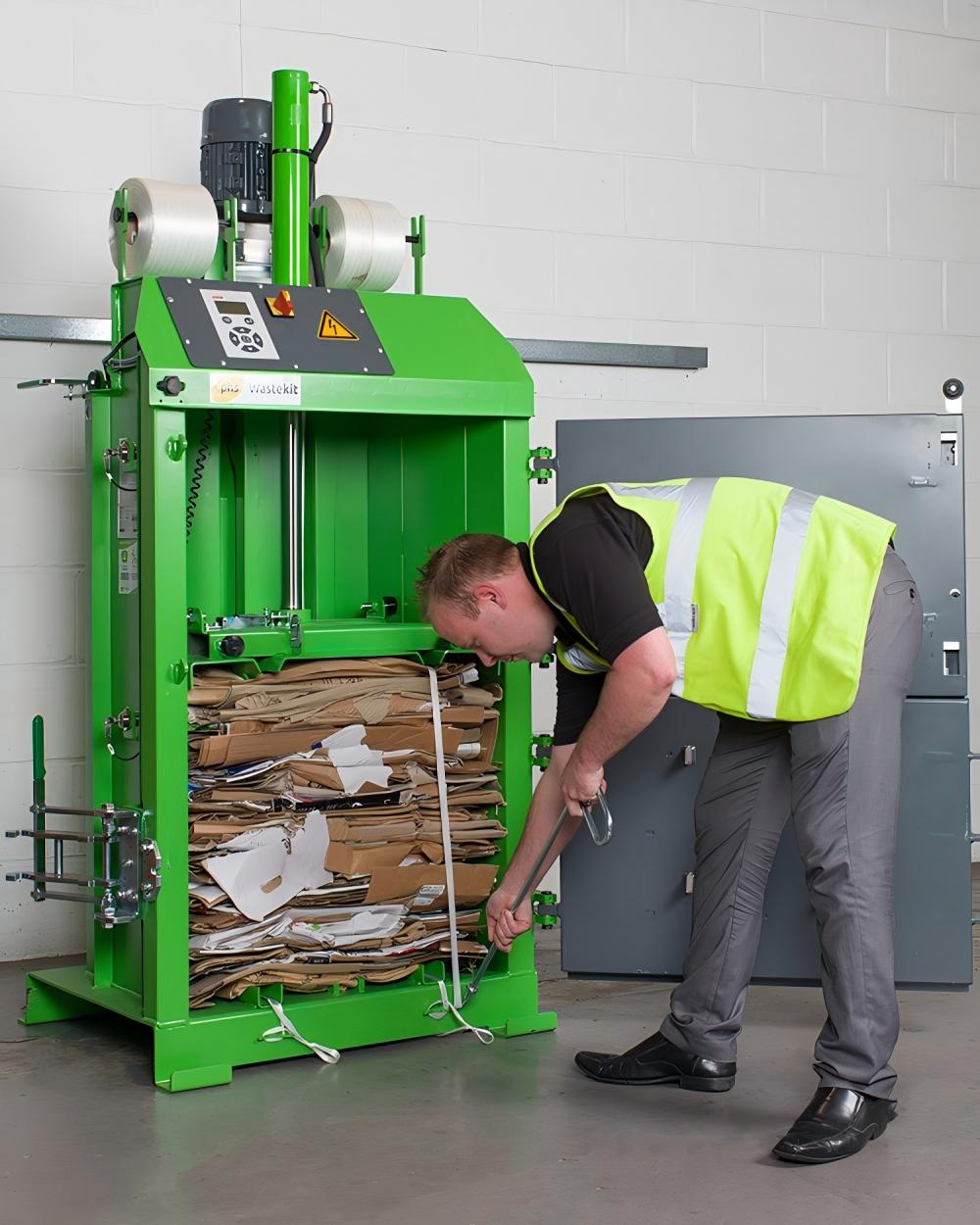
Choosing the right configuration is the most technical aspect of Vertical Baler Buying for Cardboard Recycling Operations. A mismatch between the machine’s specs and your facility’s output can lead to operational inefficiency. You must consider bale size, cycle time, and the physical footprint of the machine.
Bale Dimensions and Weight: The “Mill-Size” bale (60″ x 30″ x 48″) is the gold standard. Most recycling companies prefer this size because it fits perfectly into standard shipping containers and trailers. If you produce smaller bales, you may find it harder to sell them or may receive a lower price per ton. Ensure the baler you choose can meet the weight requirements of your local recycler.
Cycle Time: This refers to the time it takes for the press head to move down, compress the material, and return to the starting position. In high-volume environments, a cycle time of 40-50 seconds is standard. If your operations are fast-paced, a slow cycle time (over 60 seconds) can create a backlog of loose cardboard, cluttering your floor space and slowing down your team.
Loading Height and Door Style: Ergonomics play a huge role in safety and speed. A lower loading height reduces the strain on employees. Additionally, consider the door mechanism—whether it is a vertical lift or a side-swing door. Vertical lift doors are often preferred in tight spaces, while side-swing doors may offer easier access for cleaning and maintenance.
Hidden Costs of Vertical Baler Ownership
The purchase price is only the beginning. To truly understand the financial commitment, buyers must account for the “hidden” costs associated with industrial machinery. Ignoring these can lead to budget overruns and delayed implementation.
Shipping and Rigging: Vertical balers are incredibly heavy, often weighing between 2,000 and 5,000 pounds. Shipping these units requires specialized freight, and once they arrive at your facility, you will likely need a heavy-duty forklift or a professional rigging service to move them into position. Depending on your location, this can add $500 to $2,000 to your total cost.
Electrical Requirements: Most industrial vertical balers require three-phase power (208V, 230V, or 460V). If your facility is only wired for single-phase power, you will need to hire an electrician to run new lines or purchase a phase converter. This is a significant expense that must be addressed before the machine arrives.
Consumables: To keep a baler running, you need baling wire. Depending on your volume, the cost of wire can add up. Additionally, you must factor in the cost of hydraulic oil changes and periodic seal replacements. While these are minor compared to the machine’s cost, they are recurring operational expenses.
ROI Calculation: Is the Investment Worth It?
The primary justification for Vertical Baler Buying for Cardboard Recycling Operations is the Return on Investment (ROI). A well-chosen baler should pay for itself within 12 to 24 months. The ROI is calculated by looking at three main areas: waste hauling savings, labor efficiency, and recycling revenue.
Waste Hauling Savings: Loose cardboard takes up an enormous amount of space in dumpsters. Most waste management companies charge per “pull” or per cubic yard. By baling your cardboard, you can often reduce the frequency of dumpster pickups by 50% to 75%. If you are currently paying $500 a month for cardboard disposal, and a baler reduces that to $100, you save $4,800 annually.
Labor Efficiency: Breaking down boxes manually and walking them to an outdoor dumpster is a massive time-sink for employees. A vertical baler located near the source of the waste allows employees to quickly toss boxes into the machine. This can save several hours of labor per week, which, when multiplied by an hourly wage, adds up to significant annual savings.
Recycling Revenue: While the market for recycled cardboard (OCC – Old Corrugated Containers) fluctuates, mill-size bales have value. Instead of paying someone to take your cardboard away, you may be able to sell it. Even at a modest price of $50 per ton, a facility producing 10 tons of cardboard a month can generate $6,000 a year in revenue.
Buying Advice: A Step-by-Step Checklist
Before signing a purchase order, follow this checklist to ensure the machine meets your long-term needs. Industrial machinery is a long-term asset, and due diligence at the start prevents headaches later.
- Audit Your Volume: Track how many tons of cardboard you generate per week. This will dictate whether you need a light-duty or heavy-duty machine.
- Measure Your Space: Don’t just measure the footprint of the machine. Measure the ceiling height (for the cylinder extension) and the clearance needed to open the door and remove the bale.
- Check Local Power: Confirm your voltage and phase with an electrician. Ordering a machine with the wrong electrical specs is a costly mistake.
- Evaluate the Manufacturer: Does the manufacturer offer a warranty? Do they have a local service network? Companies like HARSLE provide robust support, which is vital when a machine goes down.
- Test the Safety Features: Ensure the machine has an emergency stop, safety interlocks on all doors, and meets OSHA or CE standards.
Maintenance and Longevity of Vertical Balers
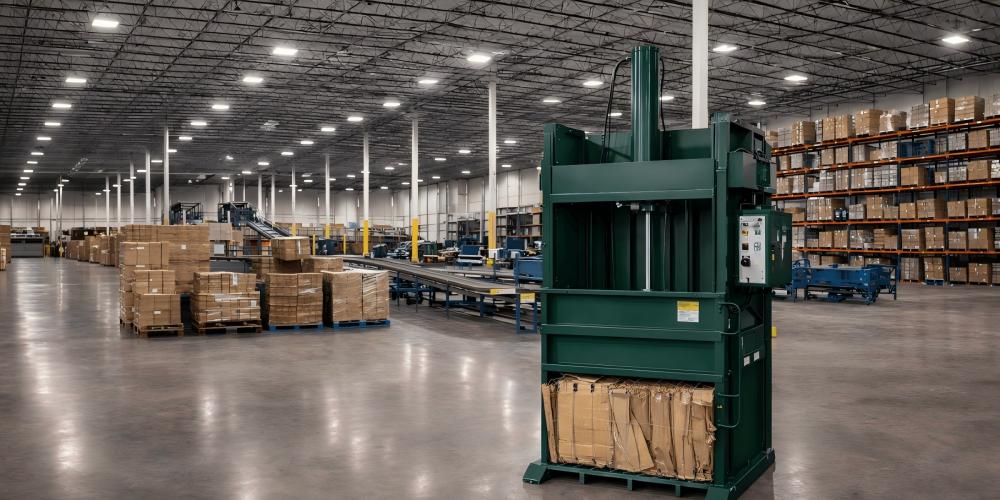
A vertical baler is a relatively simple machine, but it requires consistent maintenance to reach its expected lifespan of 10-15 years. The most critical maintenance task is monitoring the hydraulic oil. Contaminated or overheated oil can damage the pump and valves, leading to expensive repairs. It is recommended to check oil levels weekly and perform a full oil and filter change annually.
Furthermore, the structural integrity of the platen (the press head) and the floor should be inspected for cracks or warping. In cardboard recycling operations, small pieces of debris can sometimes get lodged behind the platen, causing it to track unevenly. Regular cleaning of the chamber and greasing of the door hinges and locking mechanisms will prevent mechanical binding and ensure the safety of the operator.
Frequently Asked Questions (FAQ)
1. What is the difference between a vertical and horizontal baler?
Vertical balers are loaded from the front and compress material downward. They are compact and ideal for low-to-medium volumes. Horizontal balers are much larger, often automated, and compress material sideways. They are used for high-volume operations where cardboard is fed via a conveyor belt.
2. Can I bale materials other than cardboard in a vertical baler?
Yes, most vertical balers can handle plastic film, shrink wrap, and even aluminum cans. However, you must adjust the pressure settings and potentially use different baling wire. Always check with the manufacturer before switching materials to avoid damaging the hydraulic system.
3. How much space do I need for a 60-inch vertical baler?
While the machine itself might be 72 inches wide and 40 inches deep, you need at least 3 to 4 feet of clearance in front for loading and bale removal. Additionally, check the “extended height” of the cylinder; many industrial balers require a ceiling height of at least 12 to 14 feet to allow the hydraulic ram to fully retract.
4. Do I need a special license to operate a vertical baler?
In most jurisdictions, no special license is required, but OSHA (in the US) and similar bodies elsewhere have strict age and training requirements. Generally, operators must be at least 18 years old and must be trained on the specific safety features and emergency stop procedures of the machine.
5. How do I sell my cardboard bales?
Contact local recycling centers or waste brokers. Many will provide a trailer for you to load your bales into and will pick it up once it is full. The price you receive will depend on the current market rate for OCC and the density/quality of your bales.
6. What is the typical lifespan of a HARSLE vertical baler?
With proper maintenance, including regular oil changes and structural inspections, a high-quality vertical baler can last between 10 and 20 years. The longevity is largely dependent on the volume of use and the environment in which it is stored.
Conclusion
Investing in a vertical baler is a strategic move for any cardboard recycling operation. By understanding the price drivers, technical configurations, and the true cost of ownership, you can select a machine that not only cleans up your facility but also contributes to your bottom line. Whether you are a small retailer or a large-scale manufacturer, the right vertical baler is an essential tool in the modern push for industrial efficiency and sustainability.