How to Select the Best Vertical Baler for Small and Medium Businesses

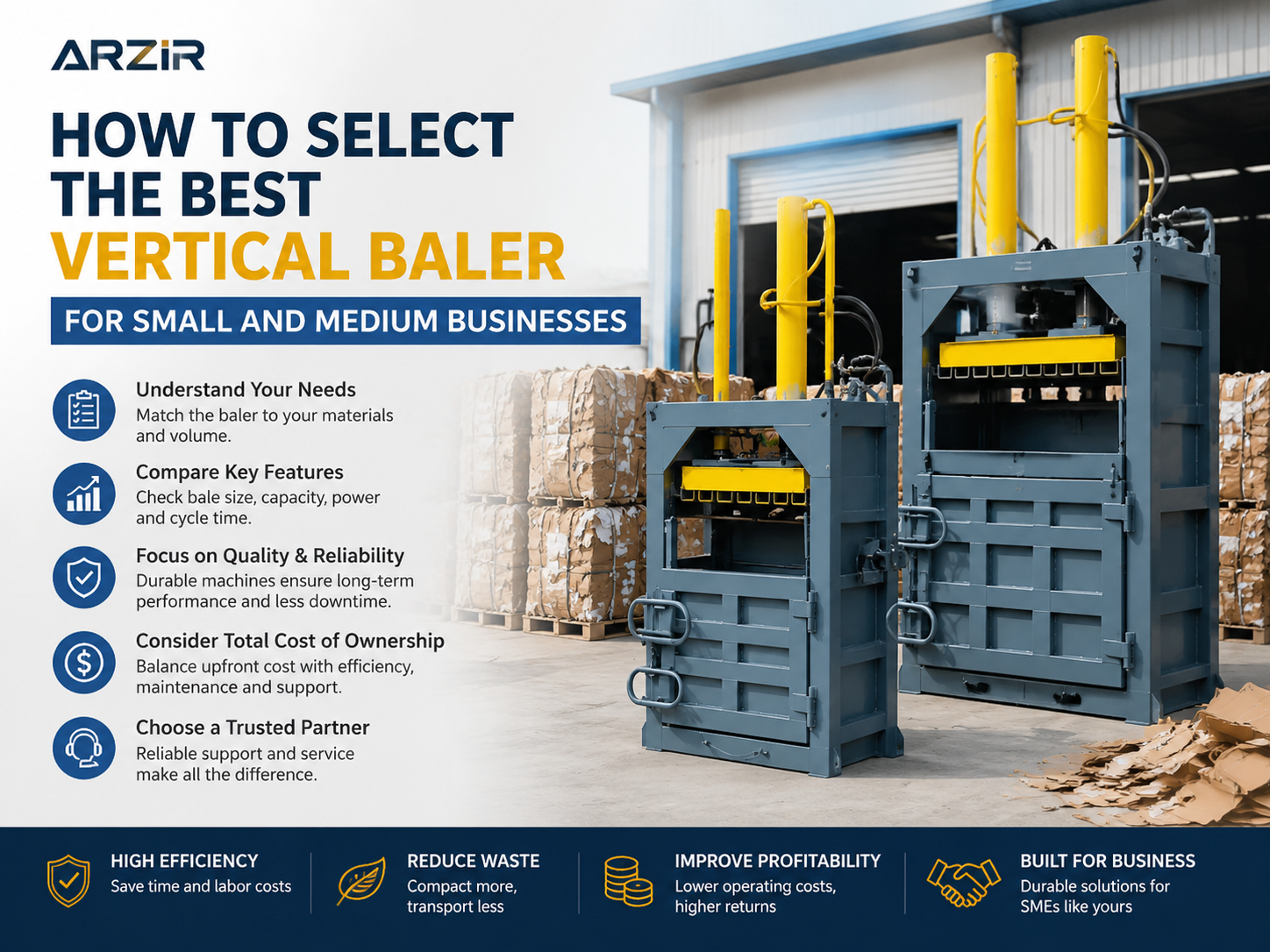
Introduction to Vertical Balers for SMBs
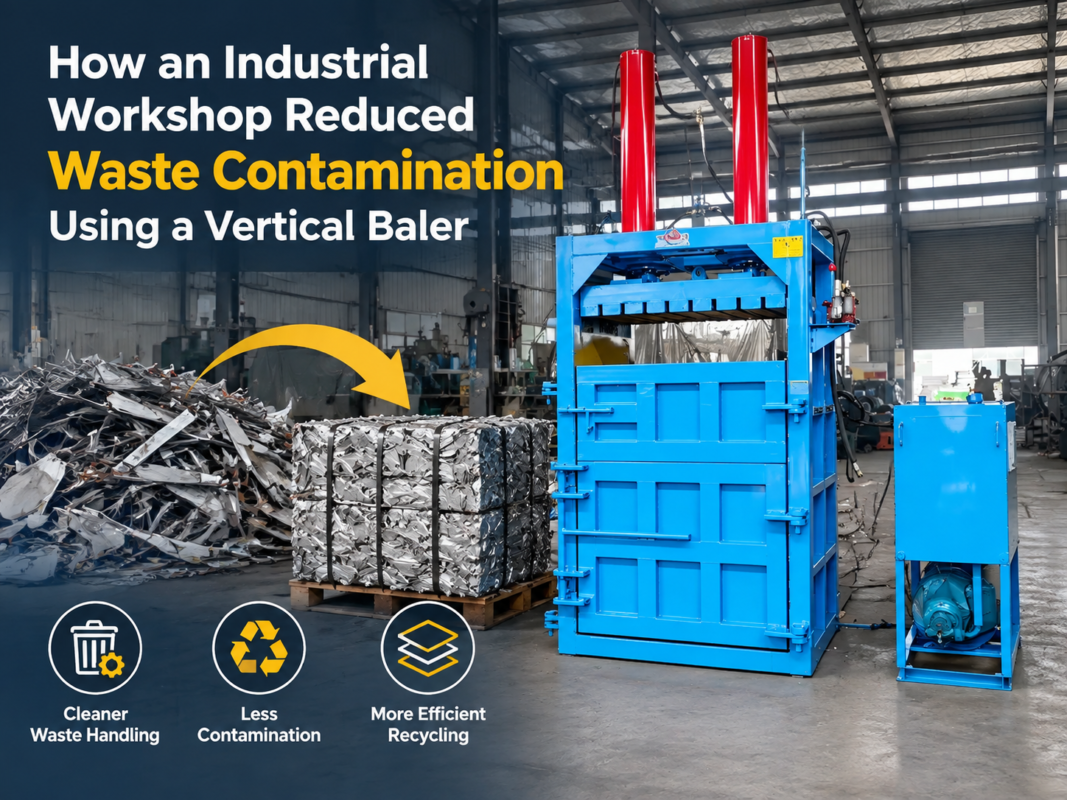
For small and medium-sized businesses (SMBs), managing waste efficiently is not just a matter of cleanliness; it is a critical component of operational cost control and environmental sustainability. As businesses grow, the volume of packaging materials—such as cardboard, plastic film, and aluminum—can quickly overwhelm floor space and lead to skyrocketing waste disposal fees. This is where the decision to select the best vertical baler for small and medium businesses becomes a strategic investment. A vertical baler compresses loose waste into dense, manageable blocks (bales), which can then be sold to recyclers or disposed of at a significantly lower cost.
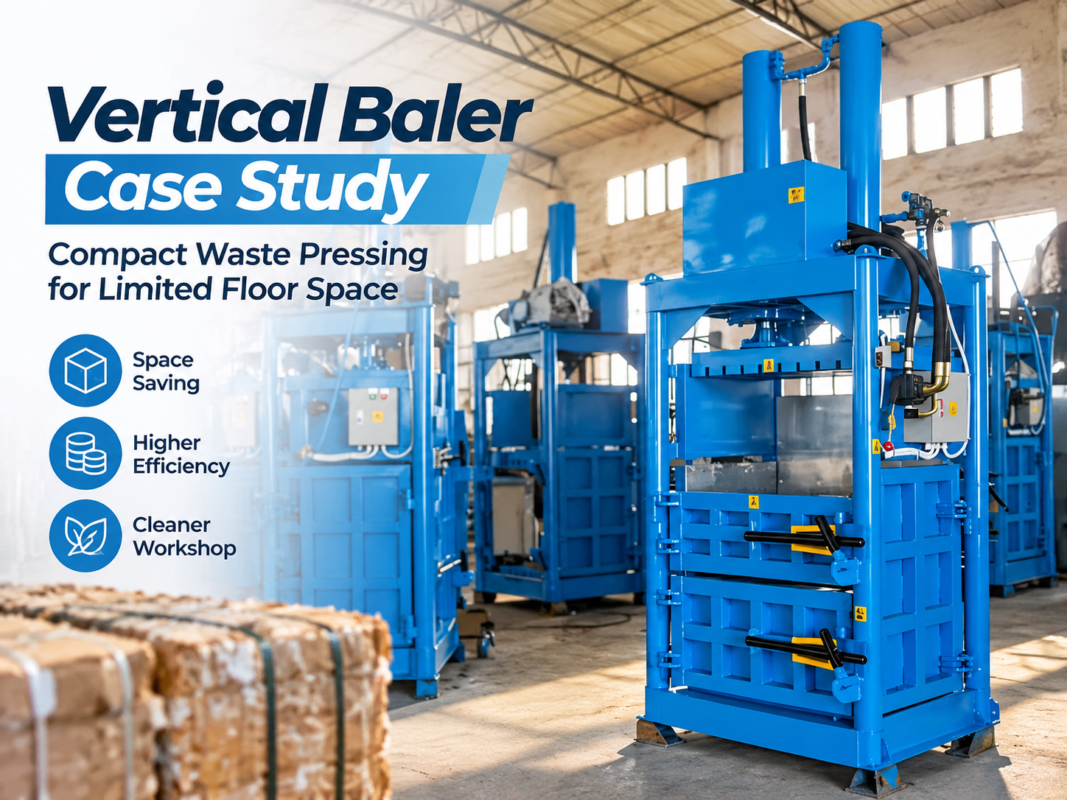
Unlike horizontal balers, which require significant floor space and are designed for high-volume industrial processing, vertical balers are compact, cost-effective, and perfectly suited for the constraints of a typical SMB warehouse or retail backroom. However, the market is flooded with various models, tonnages, and configurations. Choosing the wrong machine can lead to underperformance, safety risks, or unnecessary capital expenditure. This guide provides a comprehensive roadmap to help you navigate the technical and financial aspects of purchasing a vertical baler that aligns with your business goals.
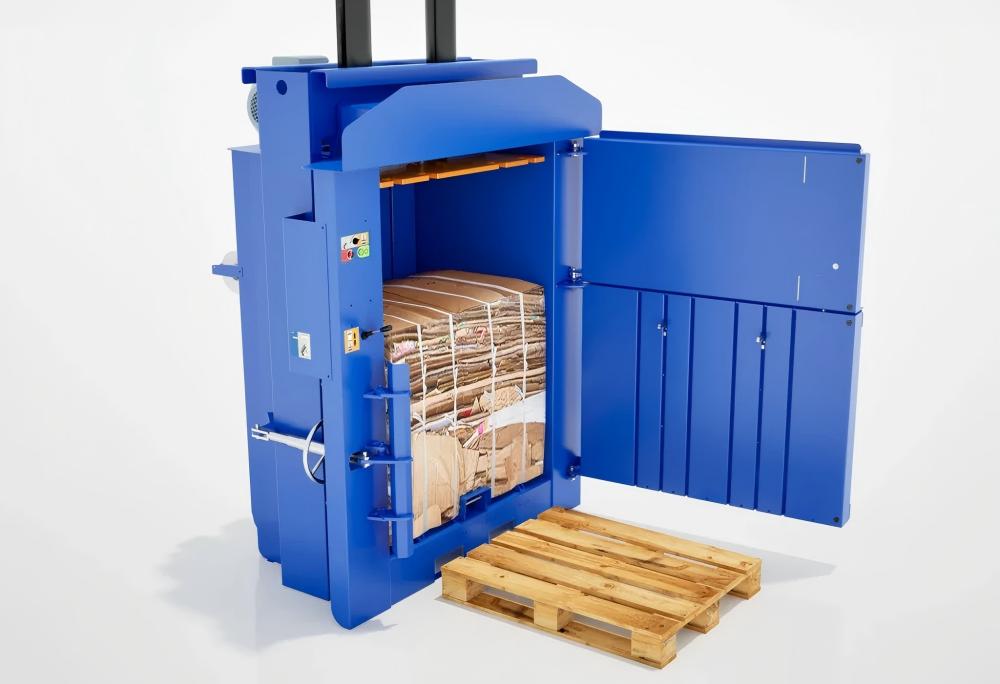
Price Range Overview: What to Expect
When you begin your journey to select the best vertical baler for small and medium businesses, the first question is often about the budget. The price of a vertical baler is generally determined by its pressing force (tonnage), chamber size, and automation features. For SMBs, the market can be categorized into three primary price tiers:
- Entry-Level Balers ($3,000 – $7,000): These are typically low-tonnage machines (5 to 15 tons of pressure) designed for small retail shops or offices. They produce smaller bales (often 50-150 lbs) and are ideal for businesses generating a few tons of waste per month. They are usually manual in operation and have a smaller footprint.
- Mid-Range Balers ($7,000 – $15,000): This is the “sweet spot” for most medium-sized businesses. These machines offer 20 to 50 tons of pressure and produce industry-standard mill-size bales (up to 1,000 lbs). They feature more robust hydraulic systems, improved safety interlocks, and faster cycle times.
- High-End/Heavy-Duty Balers ($15,000 – $25,000+): These are designed for 24/7 operations or specialized materials like hard plastics and light non-ferrous metals. They feature advanced PLC controls, high-speed hydraulics, and reinforced structural frames to withstand extreme pressure.
It is important to note that while the initial purchase price is a major factor, the total cost of ownership includes shipping, installation, and long-term maintenance. Investing slightly more upfront in a reputable brand like HARSLE can often save thousands in repair costs and downtime over the machine’s lifespan.
Main Cost Drivers in Vertical Baler Manufacturing
Understanding what drives the cost of a vertical baler helps you evaluate whether a specific model offers true value. The primary cost drivers include:
1. Hydraulic System Quality
The heart of the baler is its hydraulic system. High-quality pumps, cylinders, and valves are expensive but essential for consistent performance. A machine with a high-pressure rating but a cheap, undersized pump will have a slow cycle time, reducing productivity. SMBs should look for machines that balance tonnage with efficient hydraulic flow rates.
2. Steel Thickness and Structural Integrity
A baler is subjected to immense internal pressure. To prevent the frame from warping or cracking over time, manufacturers must use high-grade, thick-walled steel. The weight of the machine is often a good indicator of its durability; a heavier machine generally contains more steel and will last longer under heavy use.
3. Motor Power and Electrical Components
The horsepower (HP) of the motor dictates how quickly the platen moves. Furthermore, the quality of the electrical components—such as the control panel, sensors, and emergency stop buttons—affects both the price and the safety of the machine. UL-listed or CE-certified components are standard in high-quality industrial machinery.
4. Automation and Safety Features
Modern vertical balers include features like automatic bale ejection, safety gates with magnetic interlocks, and bale-full indicators. While these add to the cost, they significantly reduce the labor time required to operate the machine and minimize the risk of workplace injuries.
Configuration Impact: Matching the Machine to Your Waste
To select the best vertical baler for small and medium businesses, you must analyze the type and volume of waste you produce. Configuration choices will directly impact your operational efficiency.
Chamber Size and Bale Dimensions
If your goal is to sell your recycled material, you should aim for a “mill-size” baler. Recyclers prefer bales that are 60 inches wide because they fit perfectly into standard shipping containers and trucks. If your space is too small for a 60-inch baler, you may have to settle for smaller bales, which might be harder to sell or may even incur a collection fee.
Cylinder Configuration
Vertical balers come in single-cylinder or dual-cylinder configurations. Single-cylinder models are common for lighter materials like cardboard. Dual-cylinder models provide more balanced pressure across the platen, which is crucial for compacting uneven loads or denser materials like plastic jugs and aluminum cans. This prevents the platen from tilting and damaging the hydraulic seals.
Loading Height and Door Style
For SMBs with limited staff, ergonomics matter. A lower loading height reduces the physical strain on employees. Additionally, you can choose between a sliding gate (saves space) or a swing door (easier access for cleaning). Consider the workflow of your facility when choosing these options.
Hidden Costs of Owning a Vertical Baler
The sticker price is only one part of the equation. SMBs must account for several hidden costs to avoid budget overruns:
- Freight and Rigging: Vertical balers are heavy and top-heavy. Shipping them requires specialized freight, and moving them into your facility may require a heavy-duty forklift or a professional rigging crew.
- Electrical Upgrades: Many industrial balers require 3-phase power. If your facility only has single-phase power, you may need to install a phase converter or upgrade your electrical panel, which can cost several thousand dollars.
- Consumables: You will need a steady supply of baling wire or high-strength twine to secure the bales. Depending on your volume, this can add up to a significant monthly expense.
- Maintenance and Spare Parts: Like any hydraulic machine, balers require oil changes, seal replacements, and periodic inspections. Choosing a machine with readily available spare parts is crucial for minimizing downtime.
ROI Calculation: Is a Vertical Baler Worth It?
For most SMBs, a vertical baler pays for itself within 12 to 24 months. To calculate your Return on Investment (ROI), use the following formula:
Annual Savings = (Current Waste Disposal Costs – New Waste Disposal Costs) + (Revenue from Baled Material) – (Labor & Consumable Costs)
Consider a medium-sized warehouse that currently pays $1,200 a month for four large dumpster pickups. By baling their cardboard, they reduce their pickups to once a month, saving $900 monthly. If they produce 10 tons of cardboard a month and sell it for $50 per ton, they gain an additional $500 in revenue. After subtracting $100 for wire and electricity, the net monthly gain is $1,300. A $15,000 baler would reach ROI in just under 12 months.
Table: Estimated ROI Comparison for SMBs
| Business Size | Monthly Waste Vol. | Estimated Baler Cost | Monthly Savings/Revenue | Payback Period |
|---|---|---|---|---|
| Small Retail | 2-4 Tons | $5,000 | $300 | 16 Months |
| Medium Warehouse | 10-15 Tons | $12,000 | $1,100 | 11 Months |
| Small Manufacturer | 20+ Tons | $18,000 | $1,800 | 10 Months |
Buying Advice for Small and Medium Businesses
When you are ready to select the best vertical baler for small and medium businesses, follow this checklist to ensure a successful purchase:
- Audit Your Waste: Spend a week measuring exactly how much of each material you discard. This determines the tonnage and chamber size you need.
- Check Local Recycler Requirements: Before buying, call local recycling centers. Ask them what bale sizes they accept and what the current market rate is for different materials.
- Measure Your Space: Don’t just measure the floor space; measure the ceiling height. Vertical balers extend their cylinders upward during the stroke, and many require 10-12 feet of clearance.
- Prioritize Safety: Ensure the machine meets OSHA and ANSI standards. Look for features like emergency stops, safety interlocks on doors, and shielded moving parts.
- Evaluate the Manufacturer: Choose a manufacturer like HARSLE that offers comprehensive technical support, clear manuals, and a solid warranty. A cheap machine from an unknown vendor can become a liability if you can’t find parts or support.
- Test the Cycle Time: If you have high volumes, a 30-second cycle time vs. a 60-second cycle time makes a massive difference in labor productivity over the course of a year.
Maintenance Tips for Longevity
To maximize the life of your vertical baler, implement a strict maintenance schedule. Check hydraulic oil levels weekly and look for signs of leaks around the cylinders. Keep the area around the baler clean to prevent debris from entering the hydraulic reservoir or interfering with the safety sensors. Lubricate the door hinges and locking mechanisms monthly. By performing these simple tasks, an SMB can extend the life of a high-quality baler to 15 or even 20 years.
Frequently Asked Questions (FAQ)
1. Can one vertical baler handle multiple types of material?
Yes, most vertical balers are versatile. You can bale cardboard, plastics, and even light textiles in the same machine. However, you must ensure the chamber is completely emptied between different materials to avoid contaminating the recycling stream. For denser materials like PET bottles, a higher tonnage machine is recommended.
2. Do I need special training to operate a vertical baler?
While vertical balers are relatively simple to operate, basic safety training is essential. Operators must understand how to load the machine evenly, how to tie off the bales safely, and what to do in case of an emergency. Most manufacturers provide an operation manual that should be kept near the machine at all times.
3. What is the difference between a 30-ton and a 50-ton baler?
The tonnage refers to the maximum force the hydraulic ram can exert. A 30-ton baler is usually sufficient for cardboard and thin plastics. A 50-ton baler is better for “springy” materials like plastic jugs or tires, as it can compress them more tightly, resulting in heavier, more stable bales.
4. Is it better to buy new or used?
For SMBs, a new baler is often the better choice due to the warranty and the assurance that safety features are up to modern standards. Used balers can have hidden hydraulic issues or structural fatigue that are expensive to repair. If buying used, always inspect the cylinder seals and the frame for cracks.
5. How much floor space does a vertical baler actually need?
A standard 60-inch vertical baler typically has a footprint of about 80 inches wide by 40 inches deep. However, you must also account for the space needed to open the door and the space required for the operator to maneuver the bale out of the machine using a pallet jack.
6. Can a vertical baler be used outdoors?
Most vertical balers are designed for indoor use. If you must place it outdoors, it needs to be under a permanent roof and protected from rain and extreme temperatures, which can degrade the hydraulic oil and damage the electrical components. Specialized outdoor weatherproofing kits are available for some models.
7. How do I know when the bale is ready?
Most modern vertical balers are equipped with a “bale-full” indicator light. This sensor detects when the compressed material has reached a certain height in the chamber, signaling the operator that it is time to tie off the bale and eject it.