Vertical Baler Buying Guide for Manufacturers: Space, Power, and Performance Considerations

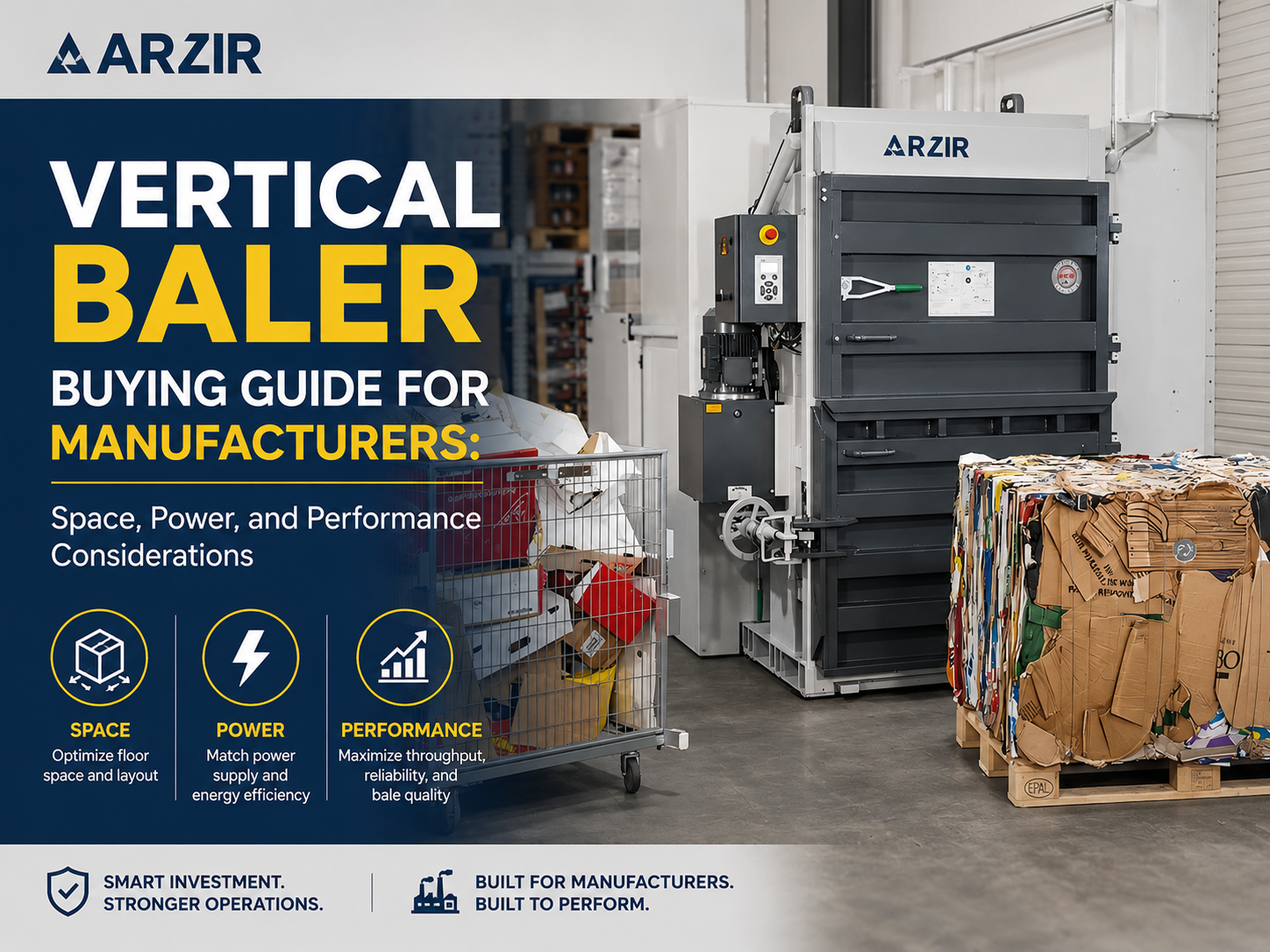
Introduction to Vertical Baler Procurement for Modern Manufacturing
In the modern manufacturing landscape, efficiency is not just measured by production output but also by how effectively a facility manages its waste streams. As sustainability mandates and waste disposal costs rise, the vertical baler has become an indispensable asset for manufacturers. Whether dealing with cardboard packaging, plastic films, or light metal scraps, a vertical baler compresses loose waste into manageable, high-density bales. This process significantly reduces the frequency of waste pickups, lowers carbon footprints, and often turns a waste expense into a secondary revenue stream through recycling rebates.
However, selecting the right machine is a complex decision that involves more than just looking at the price tag. Manufacturers must navigate a landscape of technical specifications where space, power, and performance intersect. A machine that is too small will create a bottleneck in the production line, while one that is over-engineered for the facility’s needs represents wasted capital and excessive energy consumption. This guide provides a deep dive into the critical factors that manufacturers must consider when investing in a vertical baler, specifically focusing on the HARSLE standard of engineering excellence.
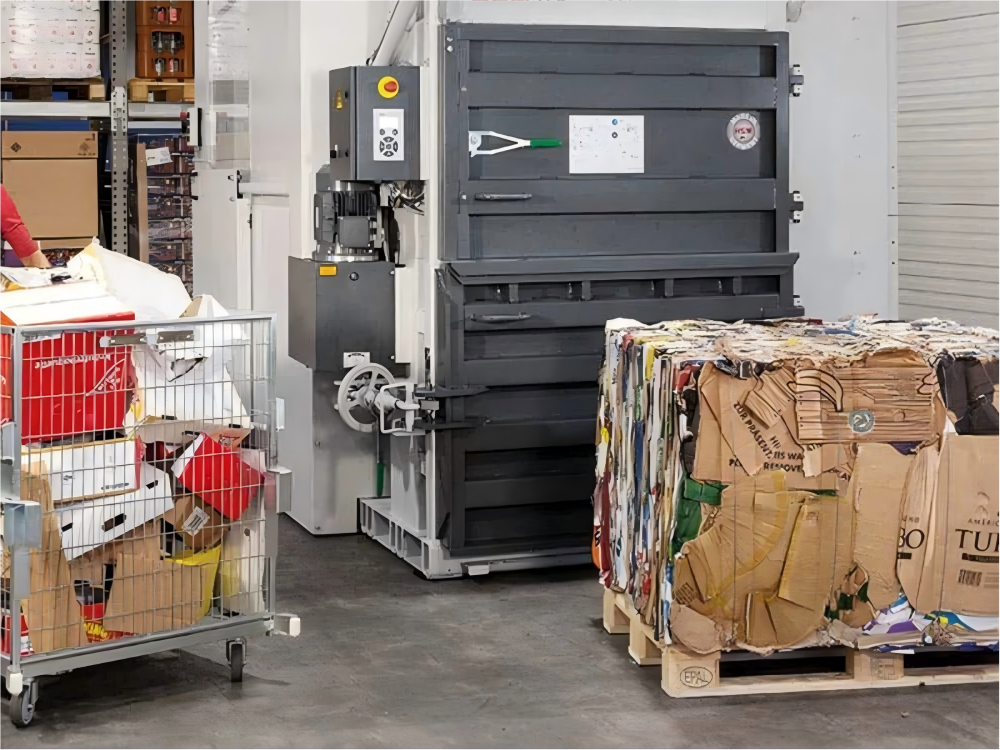
Price Range Overview: Understanding the Investment Tiers
When researching Vertical Baler Buying Manufacturers: Space, Power, Performance Considerations, the first question is usually regarding the budget. Vertical balers are generally categorized into three primary price tiers based on their capacity, automation level, and structural durability. Understanding these tiers helps manufacturers align their financial planning with their operational requirements.
Entry-Level/Light-Duty Balers ($3,000 – $8,000): These machines are typically designed for small-scale operations or facilities with low waste volumes (e.g., 1-2 bales per week). They usually offer a press force of 10 to 20 tons and are suitable for cardboard and soft plastics. While affordable, they often have slower cycle times and smaller feed openings, which can limit productivity in a fast-paced manufacturing environment.
Mid-Range Industrial Balers ($10,000 – $25,000): This is the “sweet spot” for most medium-sized manufacturing plants. These units provide 30 to 60 tons of pressure and are built with heavier steel frames to withstand daily use. They feature more advanced hydraulic systems, faster cycle times, and safety interlocks that meet rigorous industrial standards. HARSLE’s mid-range models are particularly popular for their balance of footprint and power.
Heavy-Duty/High-Capacity Balers ($30,000 – $60,000+): Designed for 24/7 operations or specialized materials like aluminum cans, heavy plastics, or high-volume textile waste. These machines offer 80+ tons of pressure, large feed openings, and often include semi-automated features. They are built to produce maximum-density bales that meet the strict requirements of international shipping and large-scale recycling processors.
Main Cost Drivers in Vertical Baler Manufacturing
The price of a vertical baler is driven by several engineering and material factors. Manufacturers should look beyond the exterior paint and evaluate the components that determine the machine’s longevity and performance. At HARSLE, we emphasize the following cost drivers to ensure our clients understand where their investment is going.
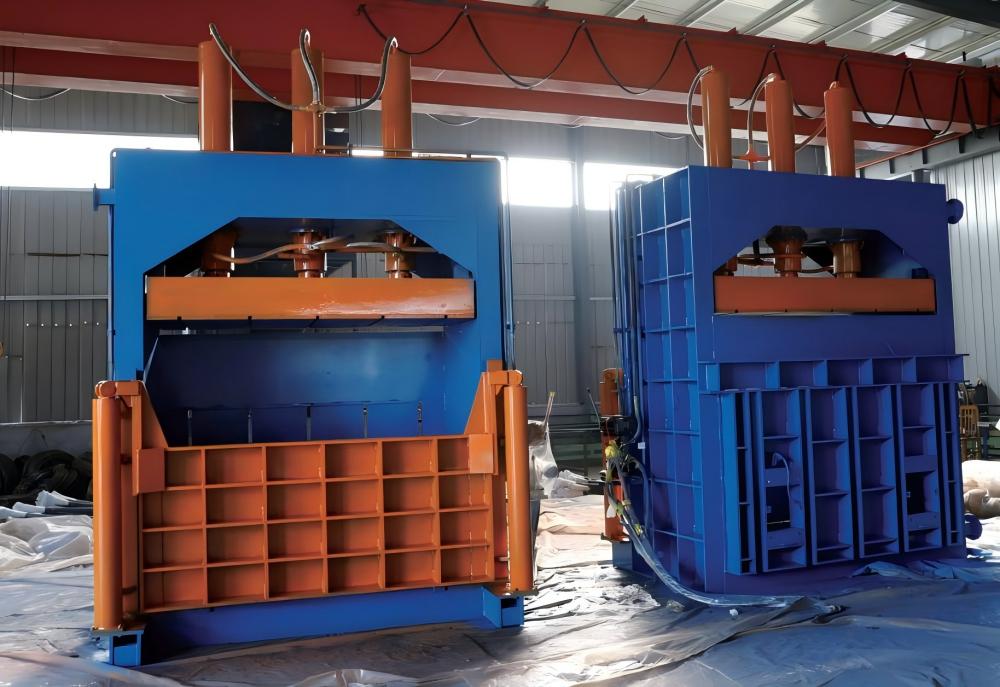
Hydraulic System Quality: The heart of the baler is its hydraulic system. High-quality pumps, valves, and cylinders are more expensive but offer smoother operation and fewer leaks over time. A dual-cylinder design, for instance, provides more balanced pressure across the platen, preventing the “tilting” effect that can damage the machine when uneven loads are processed. This engineering precision adds to the initial cost but drastically reduces long-term maintenance expenses.
Steel Grade and Frame Construction: A baler is subjected to immense internal stress. Manufacturers that use high-tensile, heavy-gauge steel for the frame and the pressing platen ensure that the machine will not warp or crack under pressure. The thickness of the chamber walls and the reinforcement of the door hinges are critical indicators of a machine built for industrial longevity versus a light-duty commercial unit.
Control Systems and Electronics: Modern balers utilize PLC (Programmable Logic Controller) systems to manage cycle times, safety sensors, and bale-full indicators. High-end electronics allow for easier troubleshooting and more precise control over the baling process. While basic manual lever systems are cheaper, they lack the safety and efficiency features required in a modern manufacturing facility.
Configuration Impact: Space, Power, and Performance
The configuration of a vertical baler directly impacts its integration into your facility. Manufacturers must conduct a thorough site audit before finalizing a purchase. The relationship between space, power, and performance is the cornerstone of a successful installation.
Space and Footprint Considerations
Vertical balers are prized for their small footprint compared to horizontal models, but they require significant vertical clearance. A standard industrial baler might stand 10 to 12 feet tall when the cylinder is fully extended. Manufacturers must ensure that their ceiling height, including overhead lights, sprinklers, and HVAC ducts, can accommodate the machine. Furthermore, the “operational footprint” includes the space needed to open the door fully and the area required for the operator to remove the finished bale with a pallet jack or forklift.
Power Requirements and Electrical Infrastructure
Power is a critical performance consideration. Most industrial vertical balers require three-phase power (208V, 230V, or 460V). If your facility only has single-phase power, you may need to invest in a phase converter or look for specialized low-power models, which may offer lower performance. The motor horsepower (typically ranging from 5HP to 20HP) determines the cycle time—the faster the motor and pump can move the hydraulic fluid, the more bales you can produce per hour.
Performance Metrics: Cycle Time and Bale Density
Performance is often measured by cycle time—the time it takes for the platen to travel down and return to the starting position. In a high-volume environment, a 30-second cycle time is significantly more valuable than a 60-second cycle time. Additionally, bale density is paramount. Higher density means more weight per bale, which translates to fewer bales to move, store, and transport. This is where the “Performance Considerations” of the focus keyword come into play; a high-performance machine maximizes the weight of every square inch of storage space.
Hidden Costs of Vertical Baler Ownership
The purchase price is only the beginning. Manufacturers must account for several “hidden” costs that can impact the total cost of ownership (TCO). Being aware of these allows for more accurate budgeting and ROI projections.
- Freight and Installation: Vertical balers are heavy, often weighing between 2,000 and 10,000 lbs. Shipping costs can be substantial, and you may need a professional rigging crew or a heavy-duty forklift to move the machine from the loading dock to its final position.
- Consumables: To secure the bales, you will need baling wire or high-strength polyester strapping. Depending on your volume, these recurring costs can add up. It is essential to use the gauge of wire recommended by the manufacturer to prevent bale breakage.
- Maintenance and Wear Parts: Like any hydraulic machinery, balers require regular oil changes, filter replacements, and inspections of the seals and hoses. Wear parts, such as the shear blades (if equipped) or the floor liners, will eventually need replacement.
- Operator Training: Safety is paramount. Budgeting for comprehensive operator training ensures that the machine is used correctly, reducing the risk of workplace injuries and preventing damage caused by improper loading (e.g., trying to bale un-balable materials like heavy engine blocks).
ROI Calculation: Turning Waste into Profit
The primary justification for a vertical baler is the Return on Investment (ROI). For most manufacturers, the ROI is realized through three main channels: labor savings, waste disposal savings, and recycling revenue.
Labor Savings: Without a baler, employees spend significant time breaking down boxes and hauling loose trash to an outdoor dumpster. A baler located near the source of the waste allows for immediate processing, saving hours of labor per week. If a baler saves 10 hours of labor per week at $20/hour, that is over $10,000 in annual savings alone.
Disposal Fee Reduction: Waste management companies charge per “pull” or per cubic yard. By compressing waste at a 10:1 or even 20:1 ratio, you drastically reduce the number of times your dumpsters need to be emptied. Many manufacturers see their waste hauling bills drop by 50% to 75% after installing a baler.
Recycling Revenue: Loose cardboard is often a cost to remove. However, mill-sized bales (typically 60x30x48 inches) are a commodity. Depending on market rates, recyclers may pay you for these bales, turning a former expense into a consistent revenue stream. In a high-volume facility, the machine can often pay for itself within 12 to 18 months.
| Factor | Before Baler (Monthly) | After Baler (Monthly) | Monthly Savings |
|---|---|---|---|
| Waste Hauling Fees | $1,200 | $400 | $800 |
| Labor (Waste Handling) | $1,600 | $600 | $1,000 |
| Recycling Rebates | $0 | $300 | $300 |
| Total Monthly Benefit | – | – | $2,100 |
Buying Advice for Manufacturers: A Step-by-Step Checklist
To ensure you choose the right machine for your specific Vertical Baler Buying Manufacturers: Space, Power, Performance Considerations, follow this strategic checklist:
- Analyze Your Waste Stream: What materials are you baling? Cardboard requires different pressure than plastic or light metals. Calculate the volume of waste generated per shift to determine the required bale size and cycle time.
- Measure Your Space: Don’t just measure the floor; measure the height. Check for any obstructions that might interfere with the hydraulic cylinder’s upward travel. Ensure there is a clear path from the baler to the loading dock for bale removal.
- Verify Electrical Capacity: Consult with an electrician to ensure your facility can support the voltage and amperage requirements of the baler’s motor. Upgrading electrical panels can be an expensive surprise if not planned for.
- Evaluate Safety Features: Ensure the machine is ANSI and OSHA compliant. Look for features like emergency stop buttons, safety interlocks on doors, and shielded moving parts.
- Consider the Manufacturer’s Reputation: Choose a partner like HARSLE that offers robust technical support, readily available spare parts, and a proven track record in industrial machinery. A cheap machine from an unknown vendor can become a liability if parts are impossible to find.
- Test the Material: If you are baling unusual materials (e.g., specialized foam or thick plastics), ask the manufacturer to perform a test bale to ensure the machine can achieve the desired density.
Frequently Asked Questions (FAQ)
What is the difference between a vertical and horizontal baler?
Vertical balers are loaded from the front and compress material downward. They have a smaller footprint and are generally more affordable, making them ideal for small to medium volumes. Horizontal balers are loaded from the top or via a conveyor and compress material sideways. They are designed for extremely high volumes and can run continuously, but they require much more floor space and a higher investment.
How long does a typical industrial vertical baler last?
With proper maintenance, a high-quality vertical baler from a reputable manufacturer like HARSLE can last 15 to 20 years. The lifespan is largely dependent on the quality of the hydraulic components and the consistency of routine maintenance, such as oil changes and bolt tightening.
Can I bale different materials in the same machine?
Yes, most vertical balers are versatile. However, you should not mix materials within a single bale. You can bale a load of cardboard, then a load of plastic. Some materials, like aluminum cans, may require a specialized “cinder block” or a liner to prevent small items from falling through the platen, but the core hydraulic press remains the same.
What is a “mill-sized” bale?
A mill-sized bale typically measures 60 inches wide, 30 inches deep, and 48 inches high, weighing approximately 1,000 to 1,200 lbs (for cardboard). This is the industry standard size that most large-scale recycling mills prefer, as it maximizes the efficiency of shipping containers and trucks. Producing mill-sized bales usually results in the highest possible recycling rebates.
Does a vertical baler require special operator certification?
While there is no federal “baler license,” OSHA requires that operators be at least 18 years old and properly trained on the specific machine they are using. Employers are responsible for providing this training and ensuring that all safety protocols are followed to prevent accidents.
How do I know if I need a single-cylinder or double-cylinder baler?
Single-cylinder balers are common for lighter materials and smaller bale sizes. Double-cylinder balers provide more even pressure across the platen, which is essential for larger “mill-sized” bales or for materials that might load unevenly. Double cylinders reduce the risk of the platen twisting and damaging the hydraulic seals, making them the preferred choice for heavy industrial use.
Conclusion
Investing in a vertical baler is a strategic move for any manufacturer looking to optimize their operational efficiency and sustainability. By carefully considering the interplay of space, power, and performance, and by understanding the true cost of ownership, you can select a machine that provides reliable service for decades. HARSLE remains committed to providing high-performance baling solutions that meet the rigorous demands of the modern factory floor, ensuring that your waste management is as streamlined as your production line.