What to Know Before Buying a Vertical Baler for Your Waste Management Line

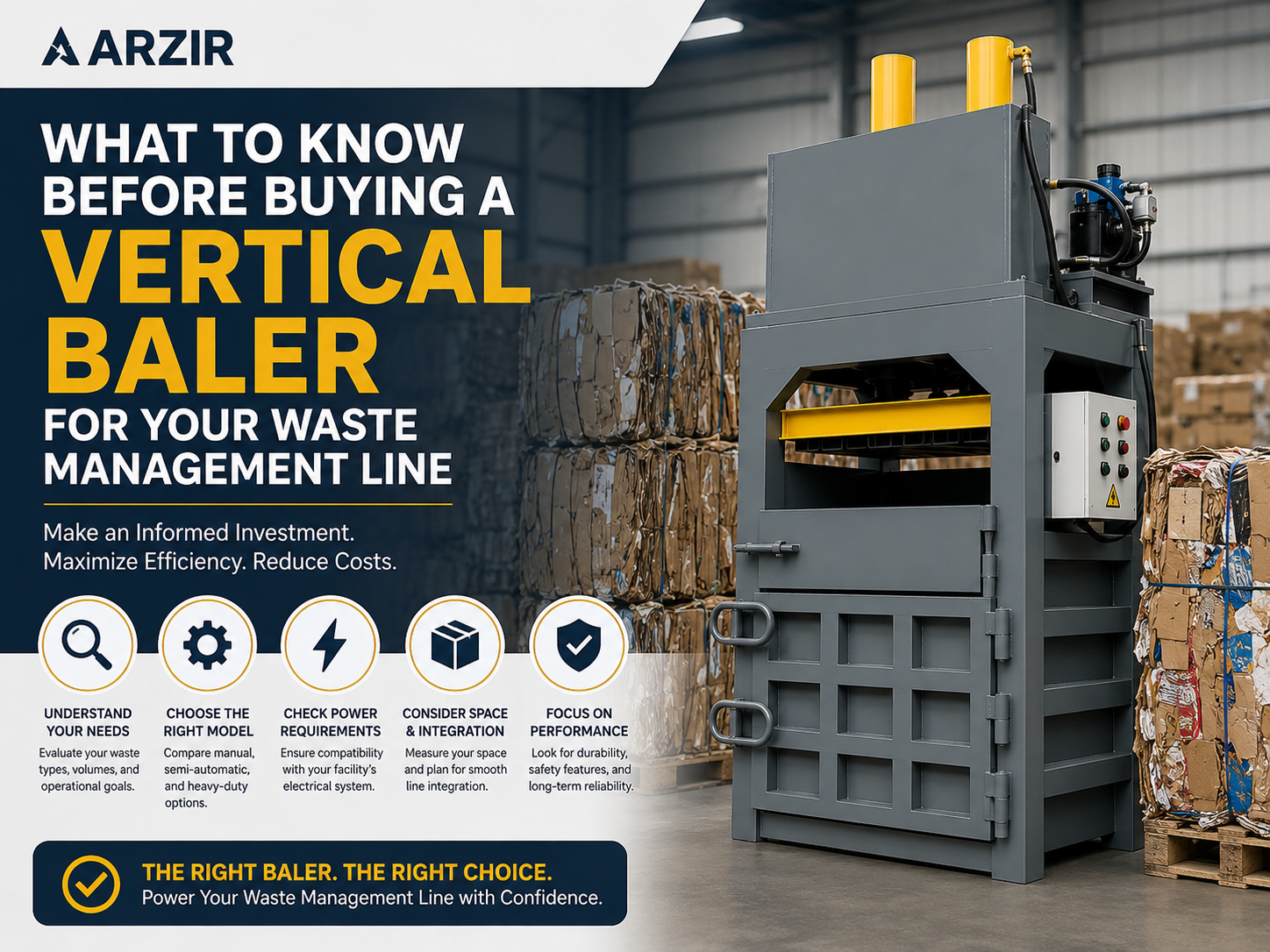
Introduction to Vertical Balers in Modern Waste Management
In the current industrial landscape, efficient waste management is no longer just a regulatory requirement; it is a critical component of operational profitability. For facilities dealing with high volumes of packaging, scrap metal, or plastic waste, the vertical baler stands as a cornerstone of efficiency. However, the decision to integrate this machinery into your workflow requires a deep understanding of technical specifications, financial implications, and long-term operational goals. This guide provides everything you need to know before buying a vertical baler waste management line, ensuring your investment yields the highest possible returns.
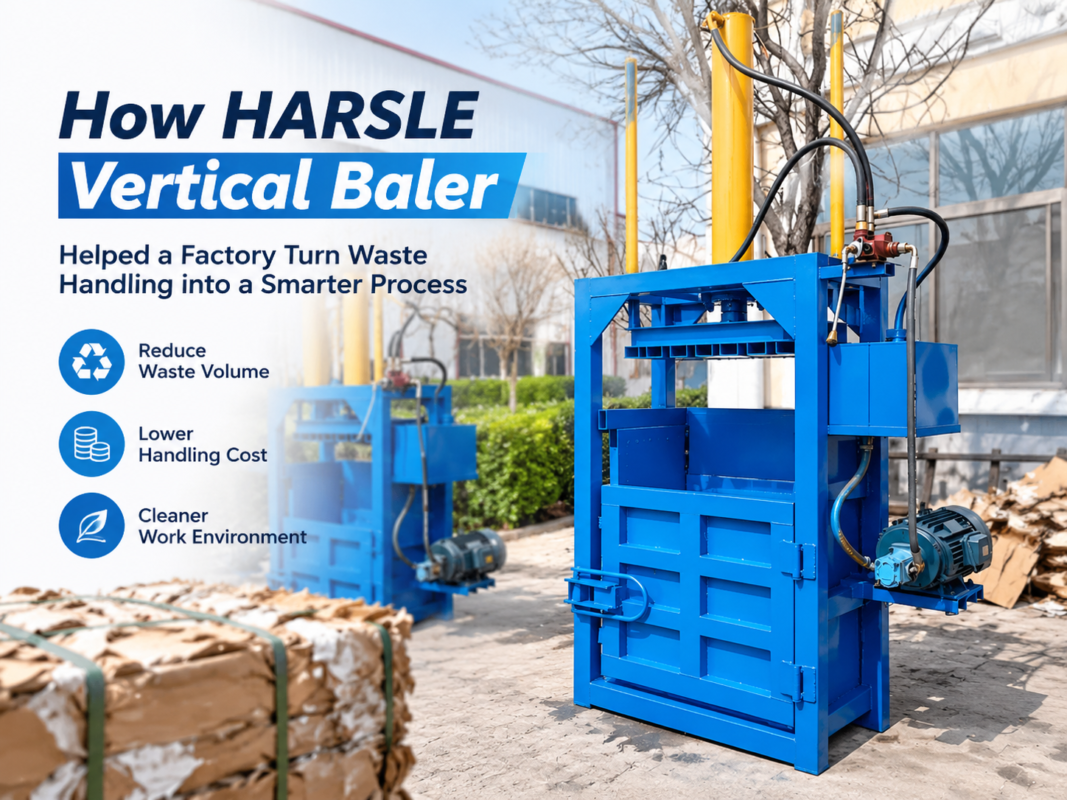
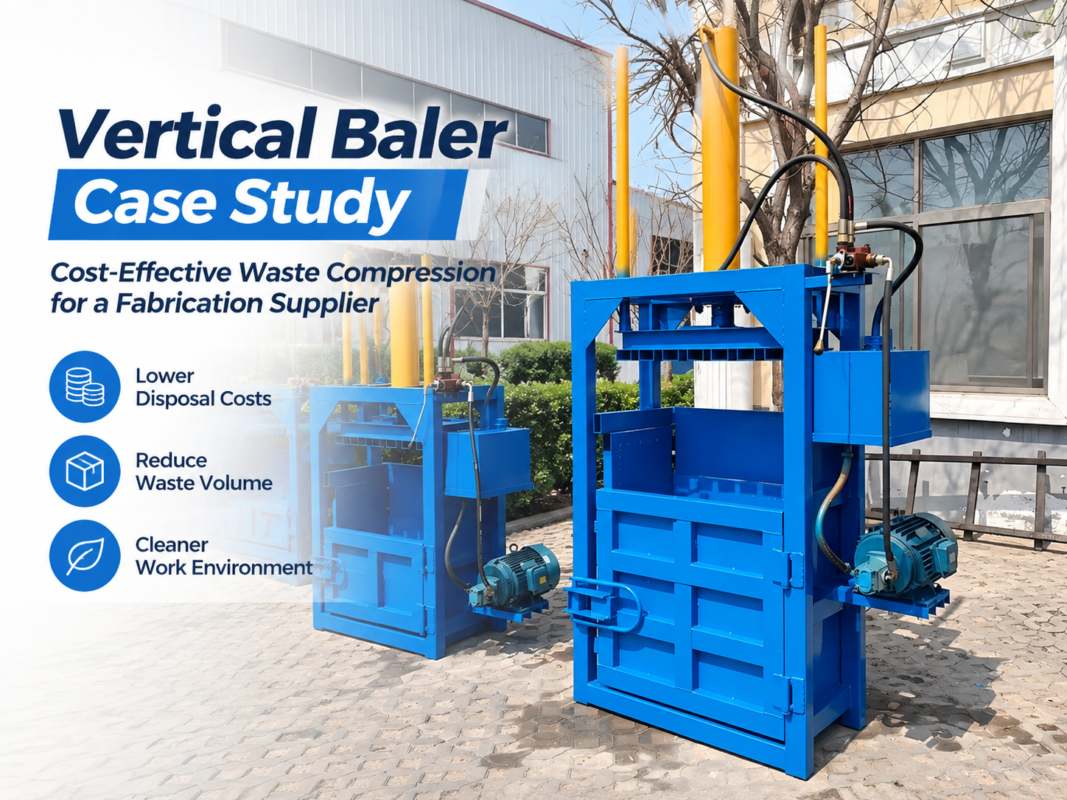
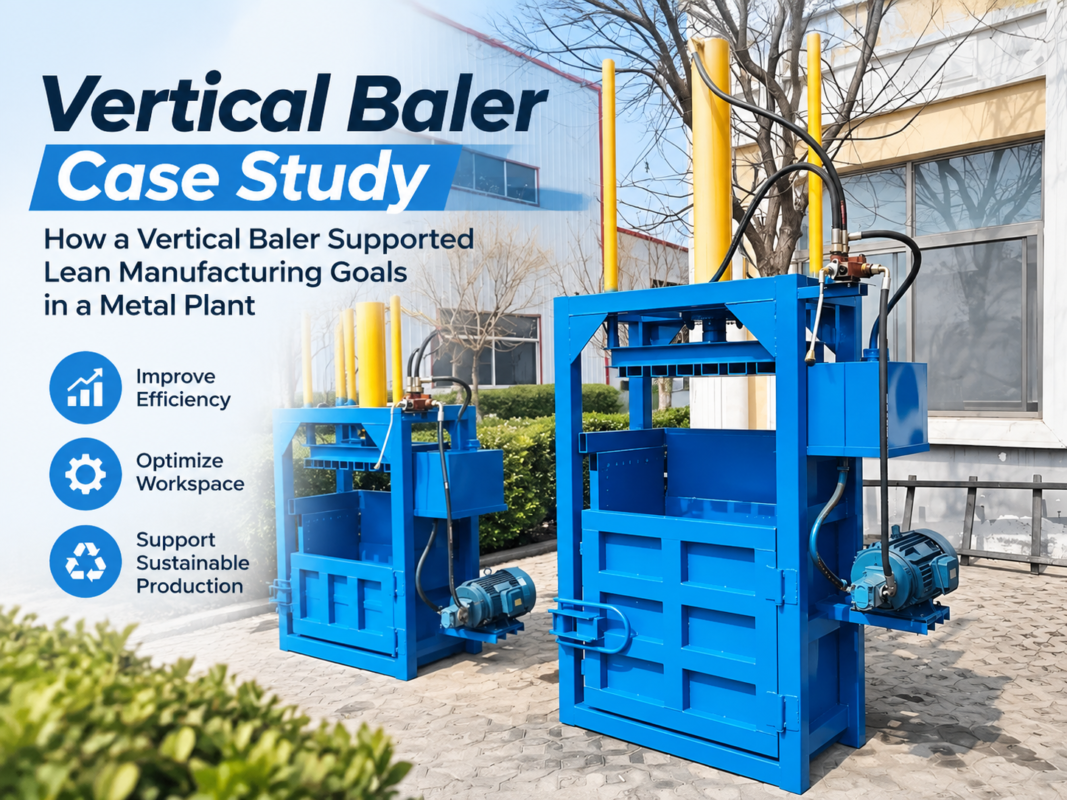
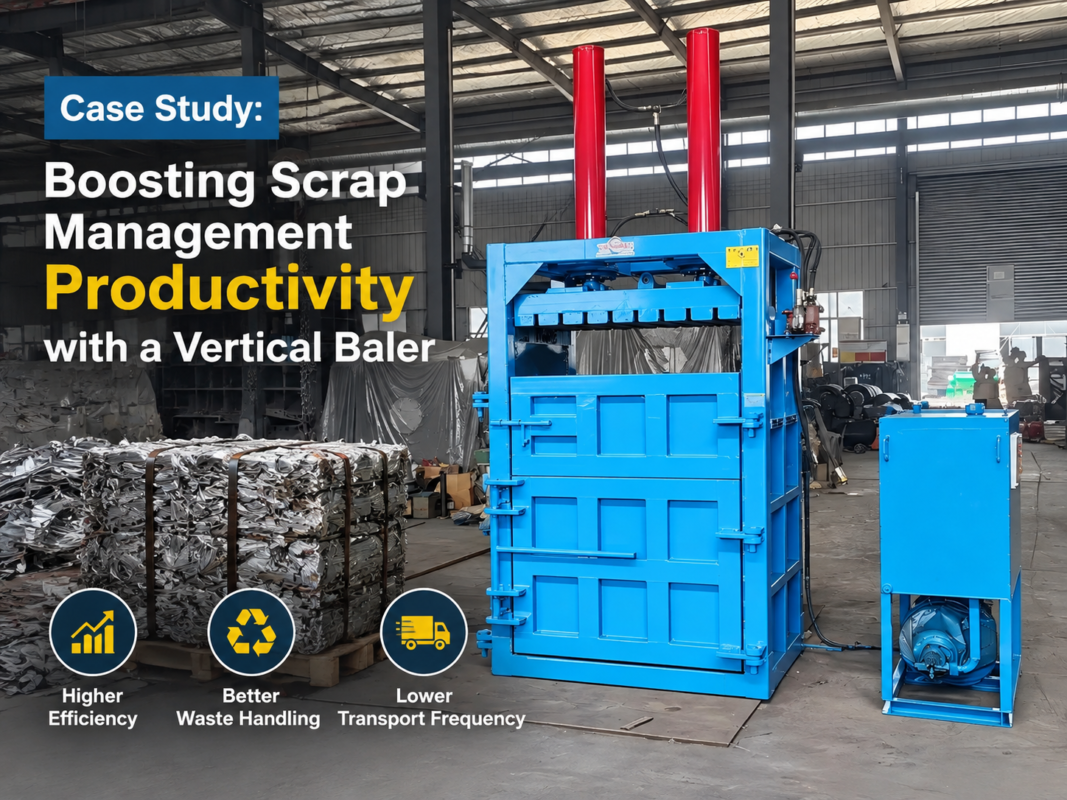
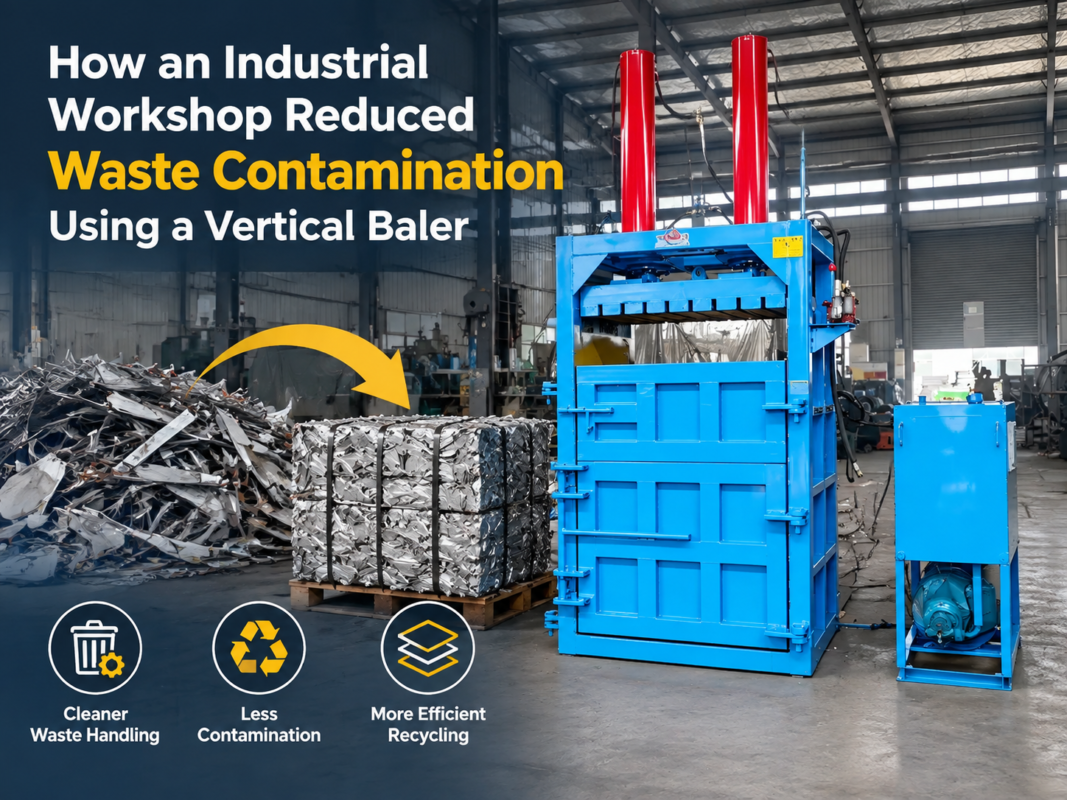
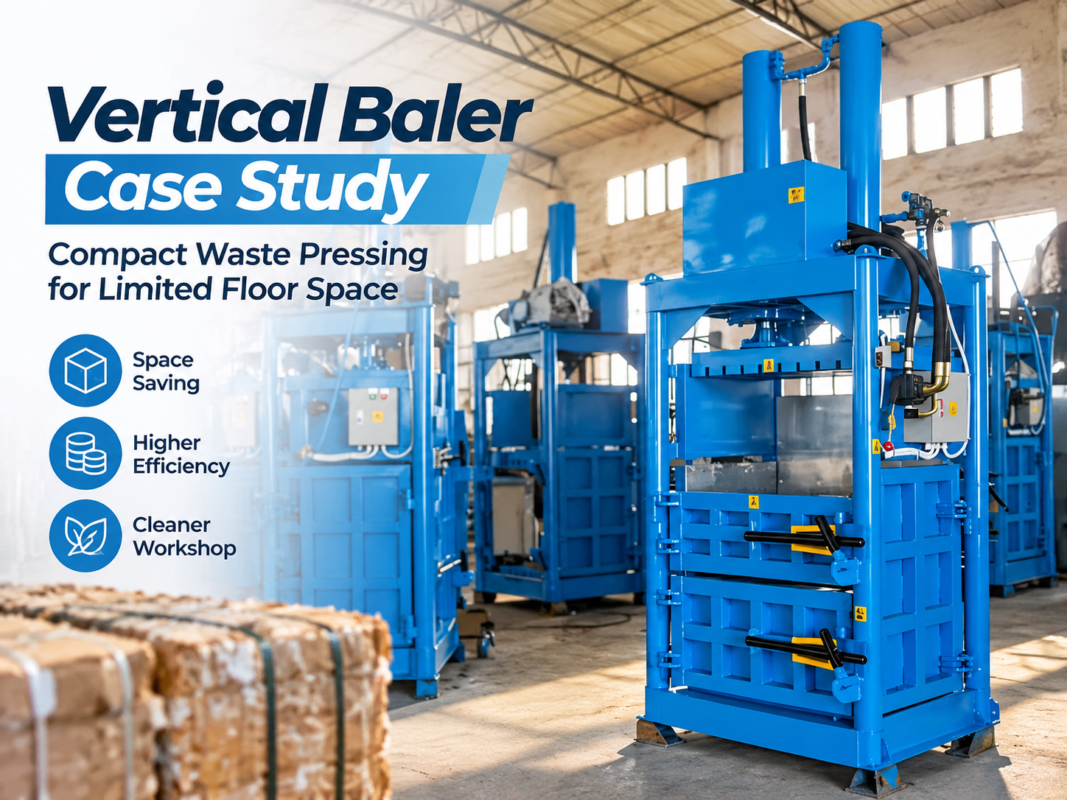
A vertical baler is a powerful hydraulic press designed to compress recyclable materials into dense, manageable blocks known as bales. Unlike horizontal balers, which require significant floor space and are often used for massive, continuous throughput, vertical balers offer a compact footprint, making them ideal for retail environments, manufacturing plants, and medium-sized recycling centers. HARSLE, a leader in metal fabrication and industrial machinery, emphasizes that the right baler does more than just crush trash; it transforms waste into a secondary revenue stream while drastically reducing disposal costs.
Before committing to a purchase, one must evaluate the specific needs of their waste stream. Are you processing corrugated cardboard, PET plastics, or light metal scraps? Each material requires different pressure levels and chamber configurations. Understanding these nuances is the first step toward a successful procurement process. In the following sections, we will break down the financial and technical aspects of vertical balers to help you make an informed decision.
Price Range Overview: What to Expect
The cost of a vertical baler can vary significantly based on its capacity, build quality, and automation features. Generally, the market is divided into three primary price tiers. Entry-level vertical balers, often used by small retail outlets for cardboard recycling, typically range from $3,000 to $7,000. These machines are designed for low-to-medium volume and usually produce smaller bales weighing between 100 and 300 pounds. While affordable, they may lack the durability required for 24/7 industrial operations.
Mid-range vertical balers, which are the most common choice for manufacturing facilities, fall within the $8,000 to $18,000 bracket. These units offer higher tonnage (typically 30 to 60 tons of pressure) and can produce industry-standard mill-size bales (60 inches wide). Mill-size bales are highly desirable because they are the standard for recycling pick-ups, often fetching the highest market prices for recycled materials. These machines feature more robust hydraulic systems and enhanced safety protocols.
High-end, heavy-duty vertical balers can exceed $25,000 to $40,000. These are specialized machines designed for difficult materials like heavy plastics, tires, or non-ferrous metal scraps. They feature advanced PLC (Programmable Logic Controller) systems, high-speed cycles, and reinforced structural frames to withstand extreme stress. When considering the price, it is vital to look beyond the initial sticker price and evaluate the total cost of ownership over the machine’s 10-to-15-year lifespan.
Main Cost Drivers: What Influences the Final Quote?
Several technical factors dictate the pricing of a vertical baler. The most prominent is the press force or tonnage. A 60-ton baler requires a much larger hydraulic cylinder, a more powerful motor, and a thicker steel frame than a 20-ton unit. The more pressure required to compress your specific material, the more expensive the machine will be. For instance, baling aluminum cans requires significantly more force than baling soft plastic film.
The hydraulic system quality is another major driver. High-quality pumps and valves from reputable brands ensure longevity and reduce the risk of leaks or pressure drops. HARSLE utilizes precision-engineered hydraulic components to ensure consistent performance. Additionally, the motor’s horsepower (HP) affects the cycle time—the time it takes for the ram to move down and back up. A faster cycle time increases productivity but adds to the initial cost due to the need for more robust electrical and hydraulic infrastructure.
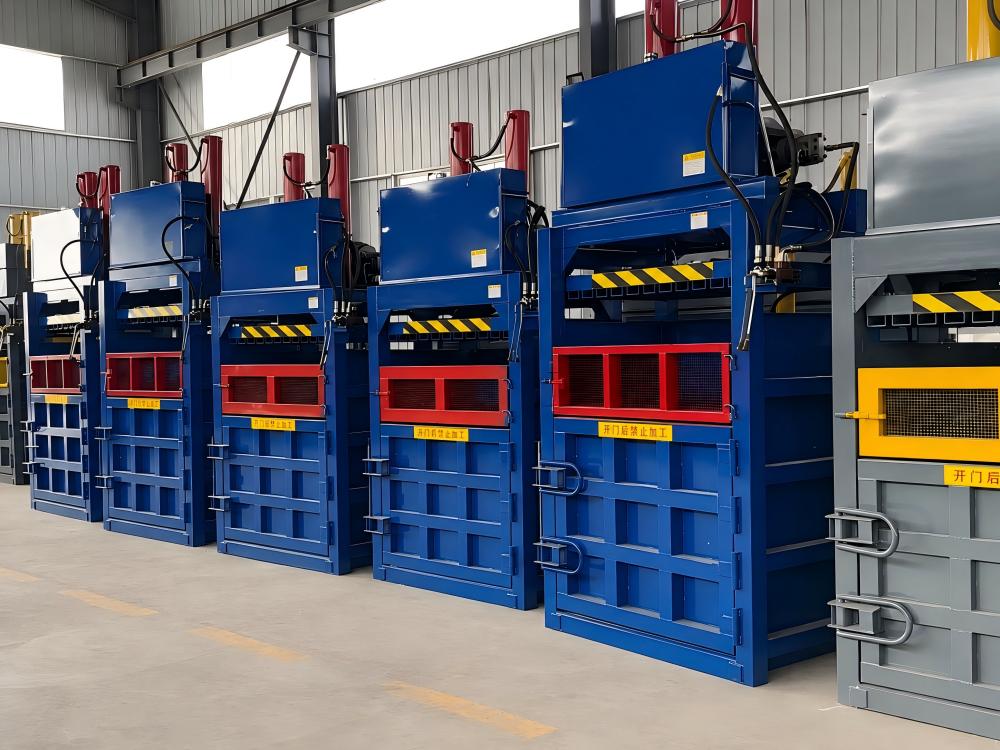
Material of construction and structural reinforcement also play a role. Balers designed for corrosive environments or abrasive materials may require specialized coatings or hardened steel liners. Furthermore, the level of automation—such as automatic bale ejection systems, touch-screen interfaces, and remote monitoring capabilities—will push the price higher. While these features increase the upfront investment, they often lead to lower labor costs and improved safety.
Configuration Impact: Tailoring the Machine to Your Needs
Choosing the right configuration is essential for ensuring the baler fits seamlessly into your waste management line. The chamber size is the most critical configuration element. It must be large enough to handle your largest pieces of waste without requiring extensive pre-cutting, which is labor-intensive. For most industrial applications, a 60-inch baler is the standard, as it produces bales that fit perfectly on standard shipping pallets and in semi-truck trailers.
Another configuration choice is the loading door style. Most vertical balers feature a front-loading gate, but some are designed with specialized hoppers for conveyor feeding. The height of the loading lip is also a factor; an ergonomically designed loading height reduces worker fatigue and the risk of injury. Furthermore, the power supply must be considered. While smaller balers might run on single-phase 110V or 220V power, industrial-grade units almost always require three-phase power (208V, 230V, or 460V). Ensuring your facility has the necessary electrical capacity is a prerequisite for installation.
Safety configurations cannot be overlooked. Modern vertical balers should come equipped with interlocked gates that prevent the machine from operating while the door is open, emergency stop buttons, and shielded moving parts. Compliance with standards such as ANSI Z245.5 or CE marking is non-negotiable for maintaining a safe workplace. HARSLE integrates these safety features as standard, recognizing that operator protection is paramount in industrial environments.
Hidden Costs: Beyond the Purchase Price
When budgeting for a vertical baler, many buyers overlook the secondary expenses that can arise. Shipping and rigging are significant factors. These machines are incredibly heavy, often weighing several tons, and require specialized freight and forklifts or cranes for offloading and positioning. Depending on your location and the machine’s size, delivery can add $500 to $3,000 to your total cost.
Installation and Training are also vital. While some balers are “plug-and-play,” larger units may require professional installation to calibrate the hydraulics and set up the electrical connections. Training your staff on proper loading, tying, and ejection procedures is essential for both safety and machine longevity. Neglecting proper training can lead to “dry firing” or uneven loading, which can warp the ram or damage the hydraulic seals over time.
Ongoing consumables and maintenance represent a continuous cost. You will need a steady supply of baling wire or high-strength twine to secure the bales. Additionally, hydraulic oil needs to be filtered or changed periodically, and wear parts like door hinges and limit switches may need replacement. A proactive maintenance contract can mitigate these costs by preventing major breakdowns, but it should be factored into the annual operating budget.
ROI Calculation: Turning Waste into Profit
The Return on Investment (ROI) for a vertical baler is typically realized through three channels: labor savings, waste hauling fee reductions, and revenue from recyclables. To calculate ROI, first determine your current monthly spend on waste disposal. Loose waste requires more frequent pickups and takes up more space in dumpsters. By baling material, you can often reduce the frequency of waste hauling by 50% to 75%.
Next, consider the labor efficiency. Manually breaking down boxes and stuffing them into bins is time-consuming. A vertical baler allows employees to quickly toss material into the chamber and move back to their primary tasks. If a baler saves just one hour of labor per day at $20/hour, that is $6,000 in annual savings. When combined with the revenue generated from selling mill-size bales to recyclers—which can range from $20 to $100+ per ton depending on the material and market—the machine often pays for itself within 12 to 24 months.
Furthermore, there is the “hidden” ROI of floor space. Loose trash is a fire hazard and an eyesore that consumes valuable square footage. By compacting waste into neat bales, you reclaim floor space that can be used for production or inventory. In high-rent industrial zones, the value of this reclaimed space can be substantial. A well-implemented waste management line using a HARSLE vertical baler turns a cost center into a streamlined, value-added department.
Buying Advice: How to Choose the Right Manufacturer
Selecting the right partner is as important as selecting the right machine. When looking for a vertical baler, prioritize manufacturers with a proven track record in hydraulic machinery. HARSLE stands out by offering robust engineering and comprehensive support. Always ask for a material test; a reputable manufacturer should be able to confirm that their machine can handle your specific waste type, whether it is high-density plastic or textile scraps.
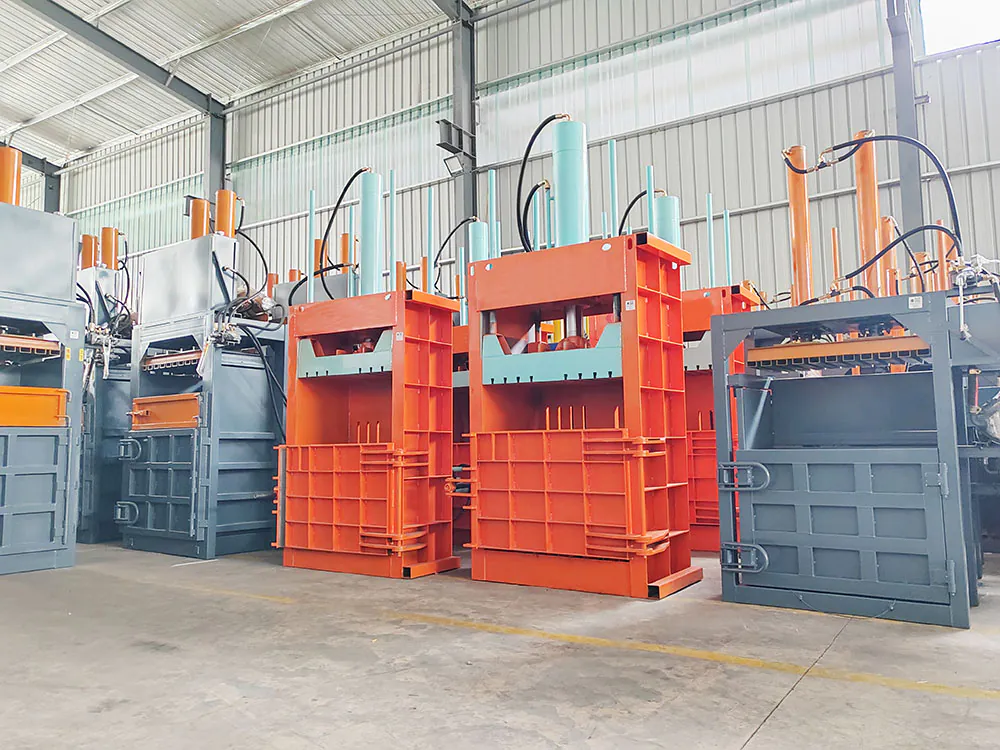
Check the availability of spare parts. Industrial machines will eventually need maintenance, and waiting weeks for a proprietary seal or sensor from overseas can halt your entire waste management line. Choose a supplier that maintains a local inventory of critical components. Additionally, read reviews and ask for references from similar industries. A manufacturer that understands the specific challenges of your sector—be it food processing, automotive manufacturing, or retail—will be better equipped to provide a machine that meets your demands.
Finally, consider the future-proofing of your purchase. If your business is growing, it may be wiser to buy a slightly larger baler than you currently need. A machine running at 90% capacity will wear out much faster than a larger machine running at 50% capacity. Investing in a higher-tonnage unit now can prevent the need for a costly upgrade in just a few years.
Frequently Asked Questions (FAQ)
1. What is the difference between a vertical and horizontal baler?
Vertical balers are loaded from the front and compress material downward. They are compact and ideal for smaller volumes. Horizontal balers are loaded from the top (often via conveyor) and compress material sideways. They are much larger, more expensive, and designed for continuous, high-volume industrial recycling operations.
2. Can I bale different materials in the same machine?
Yes, most vertical balers are versatile. However, you should not mix materials within a single bale. You can bale cardboard in the morning and plastic in the afternoon, provided you clear the chamber between runs. Some materials, like tires or scrap metal, require heavy-duty models specifically reinforced for those high-rebound or abrasive loads.
3. How long does a typical vertical baler last?
With proper maintenance, a high-quality vertical baler from a manufacturer like HARSLE can last 10 to 15 years or more. Longevity depends heavily on regular hydraulic oil changes, greasing of moving parts, and ensuring the machine is not consistently overloaded beyond its rated tonnage.
4. Do I need a special license to operate a vertical baler?
In most jurisdictions, no special license is required, but OSHA (in the US) and similar bodies elsewhere have strict age and training requirements. Generally, operators must be at least 18 years old and must be fully trained on the specific safety features and operating procedures of the machine.
5. How do I know what bale size I need?
If you plan to sell your recycled material, contact local recycling centers first. Most prefer “mill-size” bales (60x30x48 inches), as these are the most efficient for transport. If you are only baling to reduce trash volume for landfill disposal, a smaller, more compact bale size may be sufficient for your internal handling equipment.
6. What electrical requirements should I prepare for?
Most industrial vertical balers require 3-phase power. It is crucial to have a certified electrician check your facility’s power supply before ordering. Running a large motor on insufficient voltage can lead to motor burnout and void your warranty. HARSLE provides detailed electrical schematics for all models to assist in site preparation.