How to Choose the Right Vertical Baler for High-Volume Waste Handling

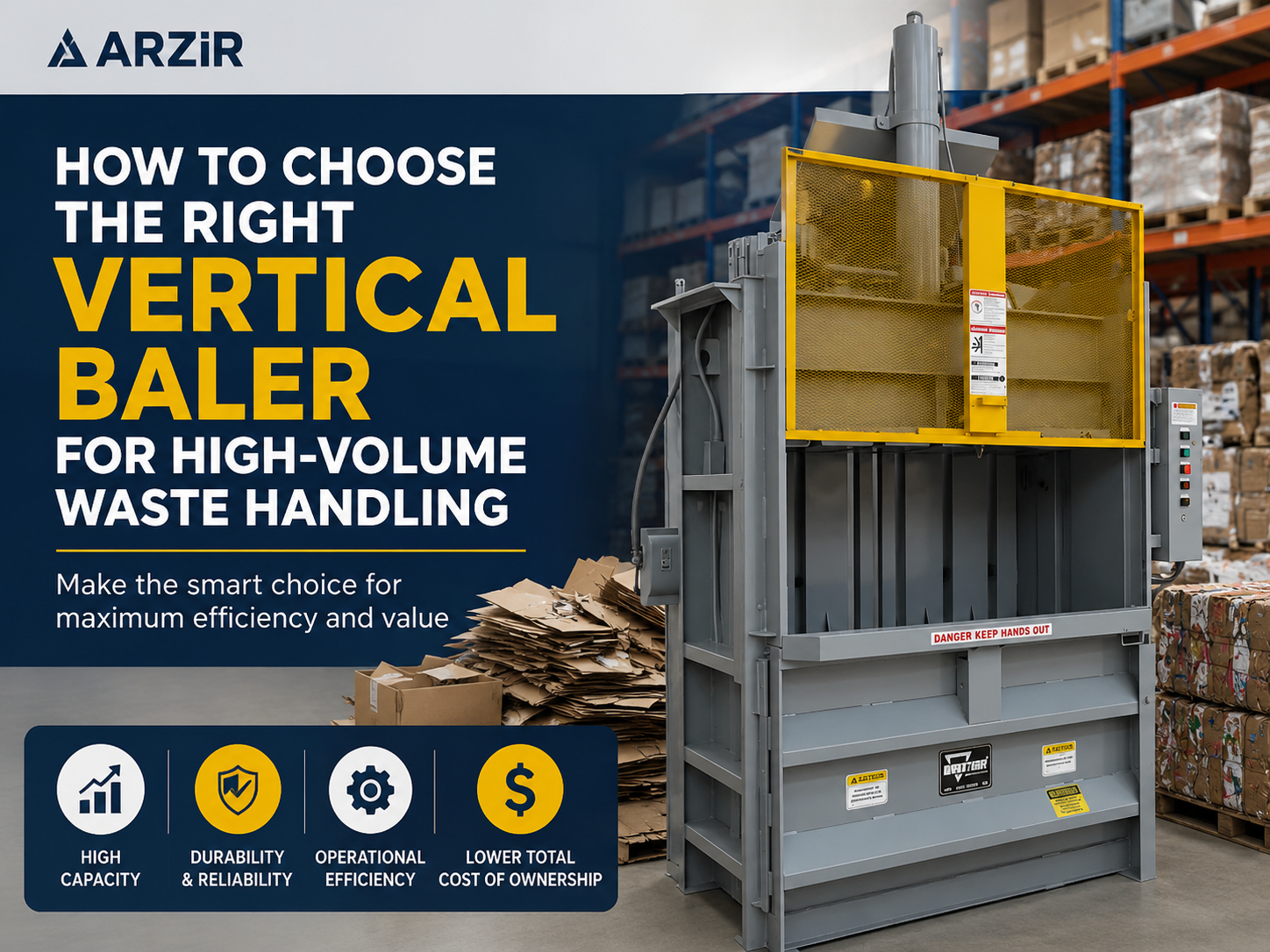
Introduction to High-Volume Waste Management
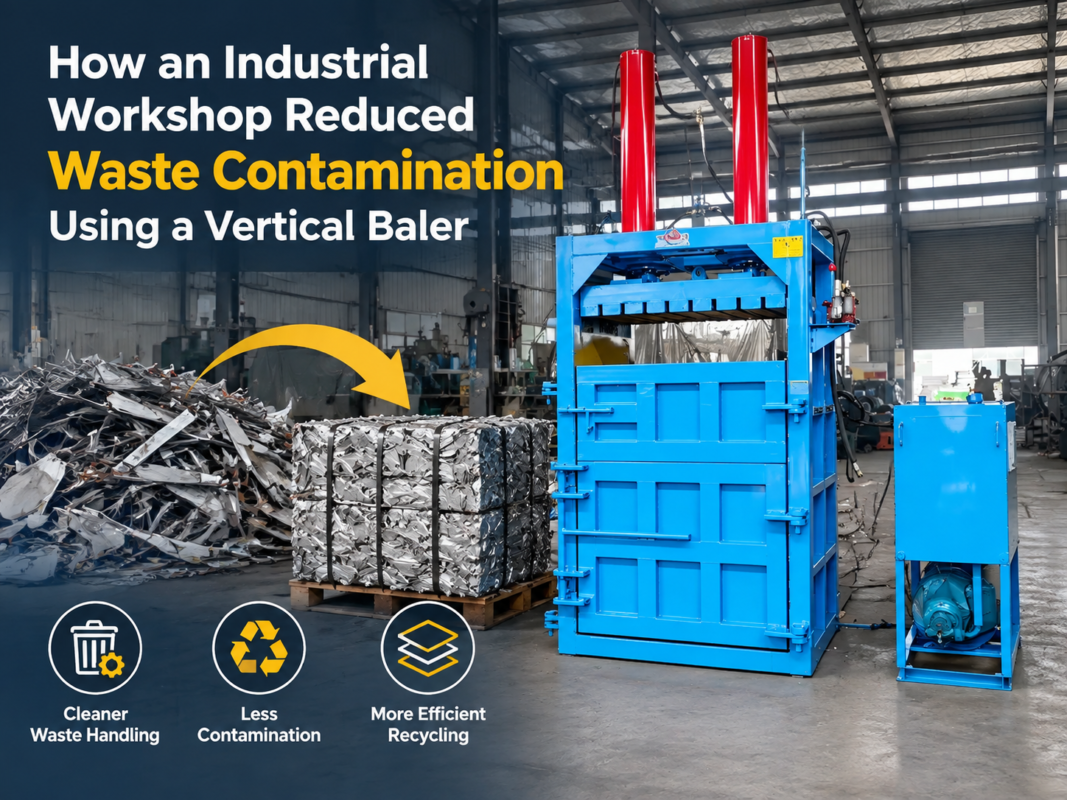
In the modern industrial landscape, managing waste efficiently is no longer just a matter of housekeeping; it is a critical component of operational profitability and environmental compliance. For facilities dealing with significant quantities of cardboard, plastic, textiles, or light metal scraps, the logistics of waste removal can become a massive overhead. This is where the decision to choose a vertical baler for high-volume waste handling becomes a strategic investment. A vertical baler compresses loose waste into dense, manageable blocks (bales), reducing the volume of waste by up to 90%, which significantly lowers transportation costs and may even turn a waste stream into a revenue source.
However, not all balers are created equal. High-volume environments—such as large distribution centers, manufacturing plants, and recycling facilities—require machinery that can withstand rigorous duty cycles, provide high compaction force, and ensure operator safety. Selecting the wrong machine can lead to frequent breakdowns, insufficient bale density, and safety hazards. This guide provides a comprehensive deep dive into the technical and financial considerations necessary to select the ideal vertical baler for your specific industrial needs.
Price Range Overview
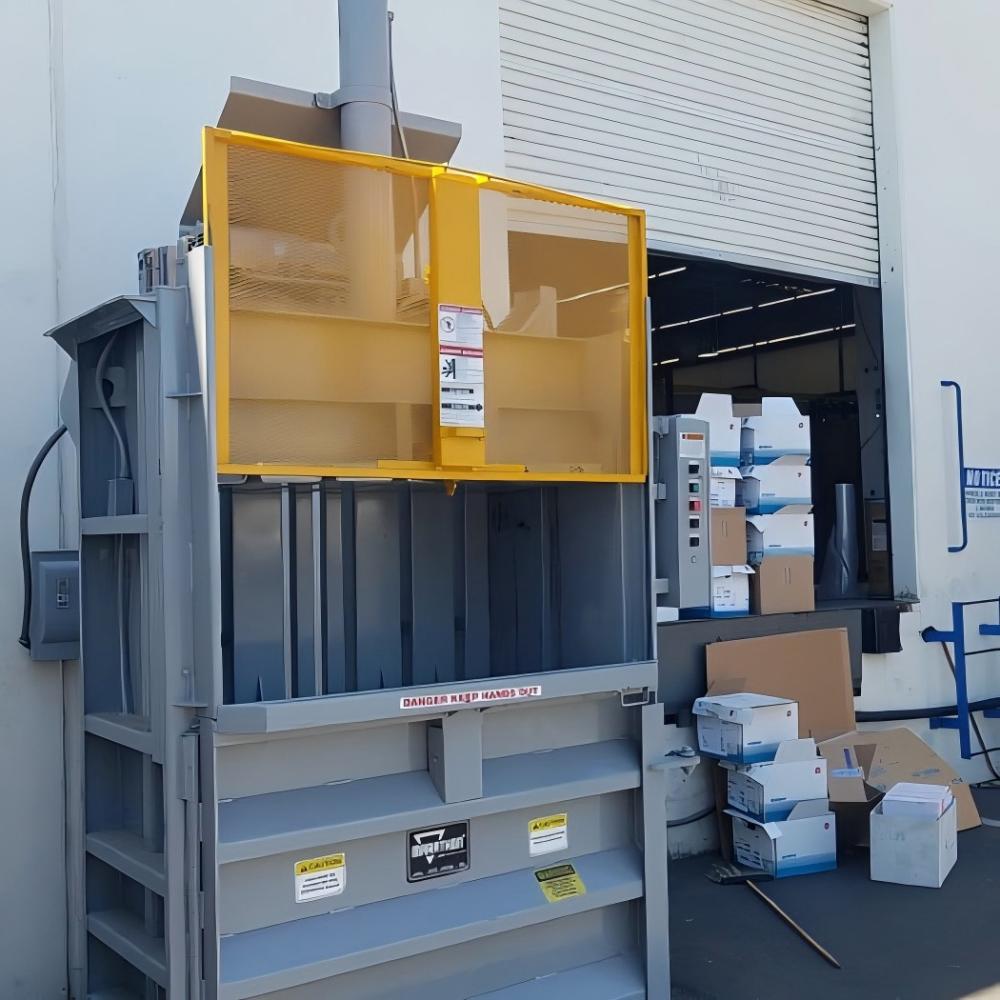
The cost of a vertical baler is primarily determined by its compaction force, chamber size, and automation features. For high-volume applications, entry-level machines are rarely sufficient. Understanding the price tiers helps in budgeting for a machine that won’t fail under the pressure of constant use.
- Entry-Level Industrial Balers ($5,000 – $10,000): These machines typically offer 10 to 30 tons of pressure. While suitable for small retail outlets, they are generally not recommended for high-volume industrial waste handling as their cycle times are slower and their structural frames are not designed for 24/7 operation.
- Mid-Range High-Capacity Balers ($10,000 – $22,000): This is the sweet spot for many medium-to-large enterprises. These machines offer 40 to 60 tons of pressure and are built with heavier steel. They can handle a variety of materials including heavy cardboard and plastic films, producing mill-size bales that are highly sought after by recyclers.
- Heavy-Duty / Specialized Vertical Balers ($22,000 – $45,000+): These are top-tier machines designed for the most demanding environments. They often feature 80 to 100+ tons of pressure, advanced PLC controls, and specialized configurations for materials like PET bottles, aluminum cans, or heavy textiles. They are built for maximum throughput and maximum bale density.
When evaluating price, it is vital to look beyond the initial sticker price. A cheaper machine that requires twice as many man-hours to operate or breaks down once a month will quickly become more expensive than a premium model from a reputable manufacturer like HARSLE.
Main Cost Drivers in Vertical Baler Manufacturing
Several technical factors dictate the manufacturing cost and, consequently, the market price of a vertical baler. Understanding these drivers allows buyers to distinguish between a machine that is “built to a price” and one that is “built to perform.”
1. Hydraulic System Sophistication
The heart of the baler is its hydraulic system. High-volume handling requires a robust pump and high-quality cylinders. The diameter of the cylinder bore and the quality of the seals directly impact the machine’s ability to maintain pressure over thousands of cycles. Premium machines use multi-stage pumps that allow for fast ram movement when there is no resistance and high-pressure movement during the actual compaction phase, optimizing cycle times.
2. Structural Steel and Frame Integrity
Under 60 tons of pressure, a poorly constructed baler frame will flex. Over time, this flexing leads to metal fatigue, cracked welds, and hydraulic leaks. High-volume balers use thicker gauge steel and reinforced stress points. The weight of the machine is often a good indicator of its durability; a heavier machine generally contains more structural steel, which is essential for longevity in a high-volume environment.
3. Motor Horsepower and Efficiency
To move large volumes of waste, the motor must be powerful enough to drive the hydraulics without overheating. High-volume balers typically feature 10HP to 20HP motors. Furthermore, the use of energy-efficient motors (such as IE3 rated motors) can significantly reduce long-term operational costs, especially in facilities where the baler runs continuously throughout the day.
4. Control Systems and Automation
Manual lever-operated balers are cheaper but slower and prone to operator error. High-volume units utilize PLC (Programmable Logic Controller) systems. These systems manage the cycle automatically, monitor for bale-full status, and provide diagnostic codes. Automation reduces the labor time required per bale, which is a critical factor when dealing with large waste streams.
Configuration Impact on Efficiency
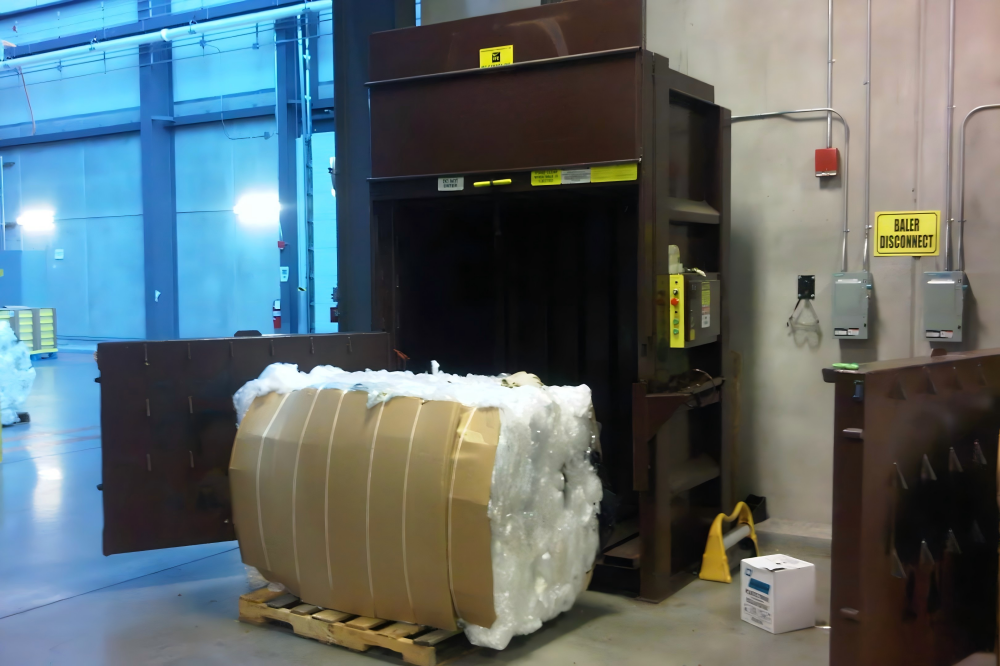
The configuration of the baler must match the workflow of the facility. For high-volume waste handling, small inefficiencies in the loading or tying process can aggregate into significant labor losses.
Feed Opening Size
One of the most overlooked aspects is the size of the feed opening. If you are processing large appliance boxes or bulky plastic crates, a small feed opening will require operators to manually break down the waste before loading it. A large “extra-wide” feed opening allows for faster loading and reduces pre-processing labor. For high-volume cardboard, a feed opening of at least 50-60 inches is standard.
Bale Ejection Systems
In a high-volume setting, the speed at which a finished bale can be removed is vital. Manual ejection is labor-intensive and dangerous. Hydraulic bale ejectors, which automatically tip the bale out onto a pallet when the door is opened, are a mandatory feature for any serious industrial application. This ensures the machine is ready for the next load in seconds rather than minutes.
Tying Methods
Vertical balers typically use wire ties. Some configurations allow for easier threading of the wire, reducing the time the machine sits idle. While fully automatic tying is usually reserved for horizontal balers, high-end vertical balers feature “easy-tie” systems that guide the wire through the channels, significantly speeding up the process for the operator.
Hidden Costs of Ownership
The purchase price is only the beginning. To accurately choose a vertical baler for high-volume waste handling, one must account for the total cost of ownership (TCO).
| Cost Category | Description | Estimated Impact |
|---|---|---|
| Installation & Rigging | Delivery, offloading, and positioning the machine. | $500 – $2,500 |
| Electrical Infrastructure | Upgrading to 3-phase power or installing dedicated breakers. | $1,000 – $3,000 |
| Consumables | Baling wire or strapping tape. | $0.50 – $2.00 per bale |
| Maintenance | Oil changes, seal replacements, and safety inspections. | $500 – $1,500 annually |
| Operator Training | Ensuring staff can operate the machine safely and efficiently. | Initial labor hours |
Energy consumption is another hidden cost. A baler that runs a 45-second cycle vs. a 25-second cycle not only processes less waste but also consumes more electricity per ton of material compacted. In high-volume scenarios, these seconds add up to thousands of dollars over the machine’s lifespan.
ROI Calculation: Turning Waste into Profit
The primary justification for a high-volume vertical baler is the Return on Investment (ROI). This is calculated by comparing the costs of your current waste management strategy against the costs of baling.
Step 1: Calculate Current Costs. Sum up your monthly waste hauling fees, the cost of renting large open-top containers, and the labor spent handling loose trash.
Step 2: Calculate Post-Baling Costs. This includes the reduced hauling frequency (since bales take up less space), the labor to operate the baler, and the cost of consumables like wire.
Step 3: Calculate Potential Revenue. Many recyclers will pay for “mill-size” bales of cardboard (OCC) or clear plastic (LDPE). If your waste is clean and well-compacted, it becomes a commodity. In many cases, the revenue from selling bales can cover the monthly financing cost of the machine itself.
Example: A distribution center spending $4,000 a month on loose waste pickups might reduce that to $800 a month by baling. If they produce 20 tons of cardboard a month and sell it for $50/ton, they gain an additional $1,000 in revenue. The total monthly swing is $4,200. A $20,000 baler would pay for itself in less than five months.
Buying Advice for Industrial Professionals
When you are ready to make a purchase, follow these expert tips to ensure you get the best machine for your high-volume needs:
- Analyze Your Material: Cardboard requires different pressure than plastic or light metals. If you are baling multiple materials, choose a machine with adjustable pressure settings or one rated for the toughest material in your stream.
- Measure Your Space: Vertical balers require significant ceiling height for the cylinders to extend. Ensure your facility has the clearance and the floor load capacity to handle a 2-4 ton machine.
- Check Safety Certifications: Ensure the machine complies with ANSI and OSHA standards. Look for features like dual-hand controls, safety interlocks on doors, and emergency stop buttons.
- Evaluate Manufacturer Support: High-volume machines will eventually need parts. Choosing a manufacturer like HARSLE ensures you have access to technical support and a reliable supply chain for wear parts like hydraulic seals and filters.
- Request a Throughput Guarantee: Ask the vendor how many bales the machine can realistically produce in an 8-hour shift. This is more important than the cycle time of a single empty stroke.
Frequently Asked Questions (FAQ)
How long does a vertical baler last in a high-volume environment?
With proper maintenance, a high-quality industrial vertical baler can last 10 to 15 years. In high-volume settings, the lifespan is determined by the number of cycles. Regular hydraulic oil changes and structural inspections are key to longevity.
Can one vertical baler handle both cardboard and plastic?
Yes, most vertical balers can handle both. However, plastic is “springy” and requires a machine with retainer dogs (teeth that hold the material down) to prevent it from expanding back up when the ram retracts. If you handle high volumes of both, you may need a machine with a longer stroke or higher compaction force.
What is a “Mill-Size” bale?
A mill-size bale typically measures 60″ x 30″ x 48″ and weighs approximately 1,000 lbs (for cardboard). This is the industry standard that most recycling mills require to pay the maximum rebate price. Choosing a baler that produces this size is essential for maximizing ROI.
Is a vertical baler better than a horizontal baler for high volume?
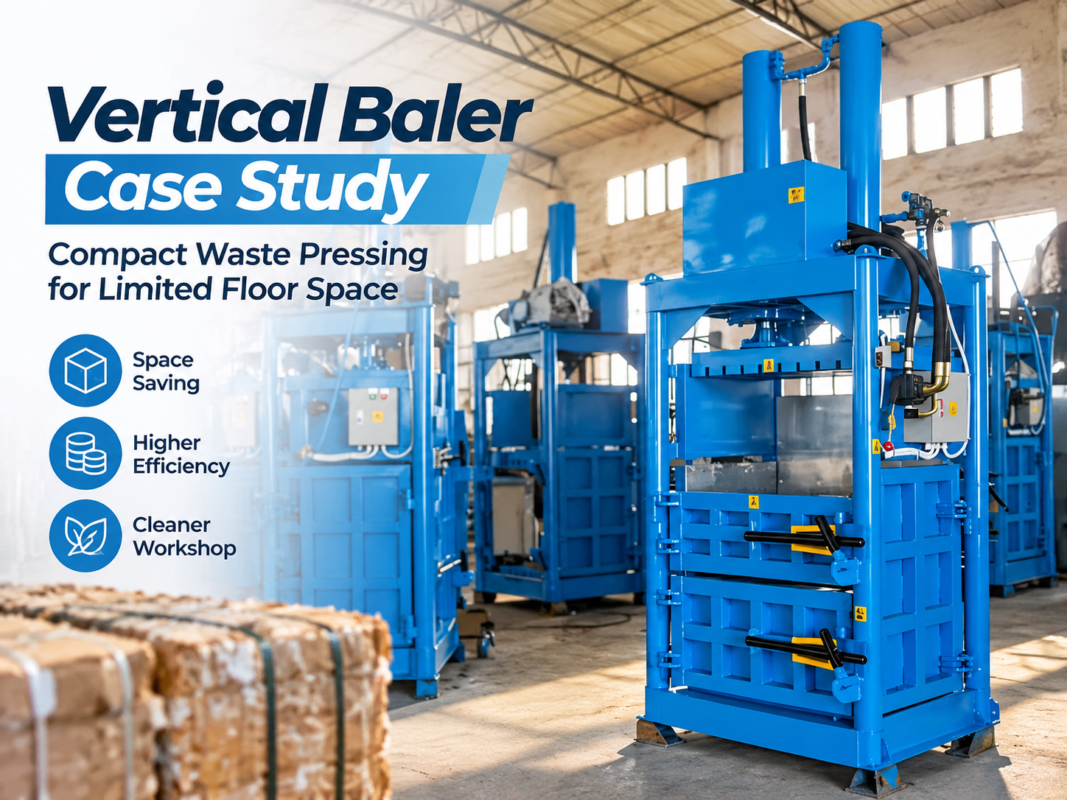
Vertical balers are generally better for facilities with limited floor space and volumes up to 10-15 tons per week. If your volume exceeds 20-30 tons per week, a horizontal baler (which allows for continuous feeding via conveyor) might be more efficient, though it requires a much larger footprint and higher investment.
What maintenance is required for a vertical baler?
Daily checks should include inspecting for hydraulic leaks and ensuring safety doors function correctly. Monthly maintenance involves greasing moving parts and checking oil levels. Annually, the hydraulic oil should be sampled or changed, and all structural bolts should be torqued to specification.
Conclusion
To choose a vertical baler for high-volume waste handling is to invest in the future efficiency of your facility. By focusing on structural integrity, hydraulic power, and the specific needs of your waste stream, you can transform a logistical headache into a streamlined, cost-saving operation. Manufacturers like HARSLE provide the robust engineering required to meet these industrial demands, ensuring that your investment provides reliable service for years to come. Always prioritize safety and throughput over the lowest initial cost, and your facility will reap the rewards of a cleaner, more profitable waste management strategy.