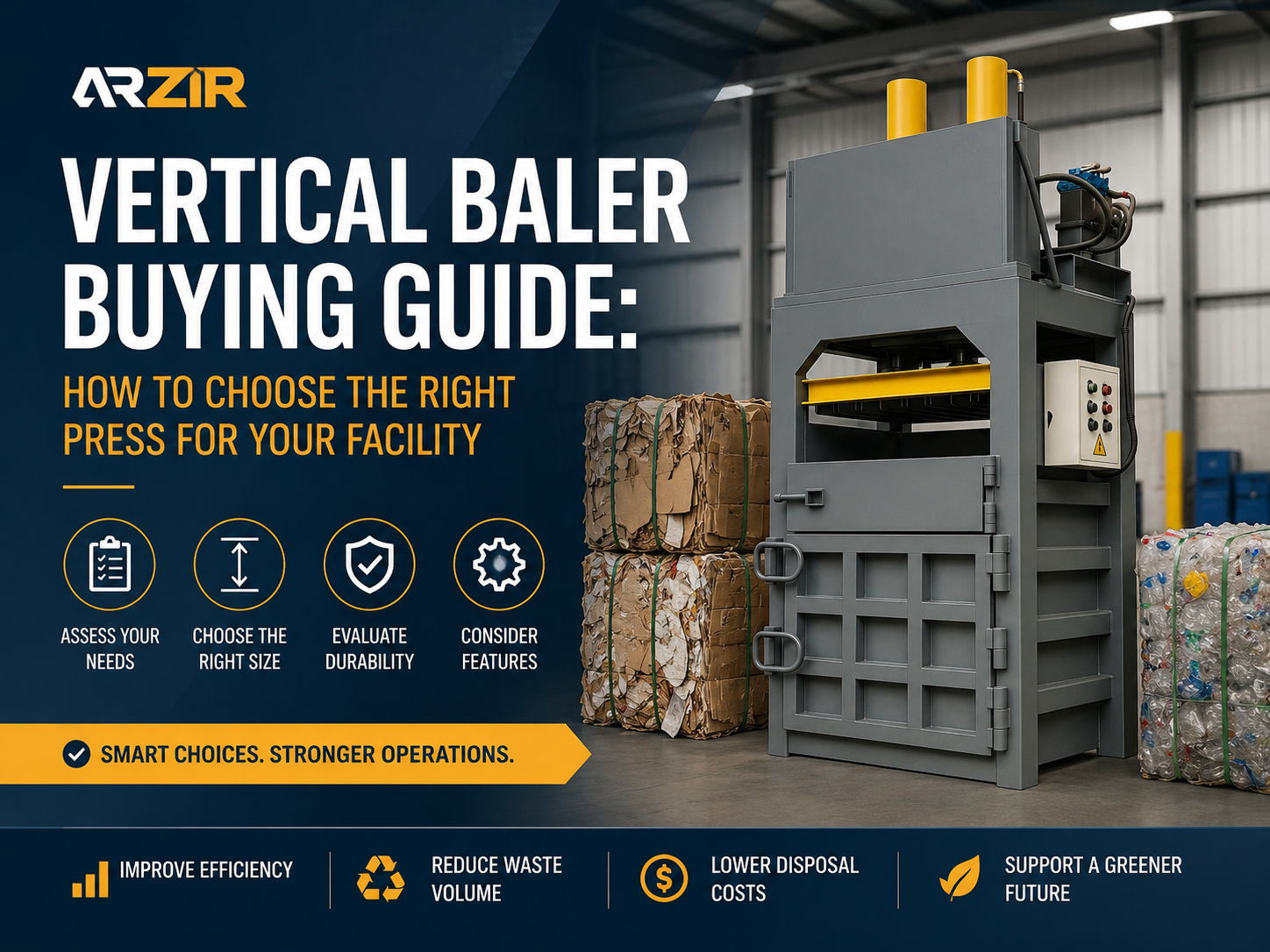
Vertical Baler Buying Guide: How to Choose the Right Press for Your Facility

Introduction to Vertical Baler Procurement
In the modern industrial landscape, waste management is no longer just a logistical necessity; it is a critical component of operational efficiency and sustainability. For facilities dealing with high volumes of cardboard, plastic, textiles, or light metal scraps, a vertical baler is an indispensable asset. However, the process of Vertical Baler Buying : Choose Press Facility managers often find daunting due to the wide array of specifications, tonnages, and configurations available on the market. Selecting the wrong machine can lead to bottlenecks, safety hazards, or unnecessary capital expenditure.
HARSLE, a leader in metal fabrication and industrial machinery, understands that a baler is a long-term investment. This guide is designed to walk you through every facet of the purchasing process, from initial cost assessments to calculating the return on investment (ROI). Whether you are a small retail warehouse or a large-scale manufacturing plant, understanding the technical nuances of vertical presses will ensure you select a machine that grows with your business needs.
Price Range Overview: Setting Your Budget
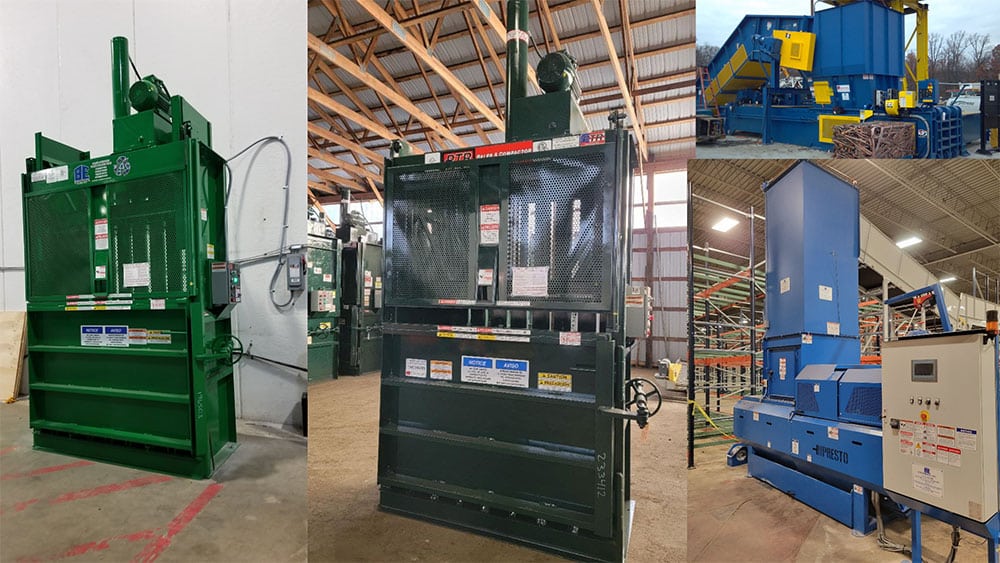
When embarking on the journey of Vertical Baler Buying : Choose Press Facility requirements must be balanced against financial constraints. The price of a vertical baler can vary significantly based on its compression force, bale size, and automation features. Generally, the market is divided into three primary tiers:
- Entry-Level / Small Capacity ($3,000 – $8,000): These machines are typically designed for small retail outlets or offices. They offer lower press force (usually 5 to 15 tons) and produce smaller bales that can be moved with a hand truck. They are ideal for facilities producing less than 5 tons of waste per month.
- Mid-Range / Standard Industrial ($8,000 – $20,000): This is the most common category for manufacturing plants and distribution centers. These balers offer 30 to 60 tons of pressure and produce industry-standard 60-inch bales. These bales are preferred by recyclers because they maximize truckload density.
- Heavy-Duty / Specialized ($20,000 – $50,000+): Designed for high-density materials like heavy plastics, rubber, or non-ferrous metals. These machines feature reinforced frames, high-horsepower motors, and advanced PLC controls to handle continuous, rigorous operation.
It is important to note that while the initial purchase price is a major factor, it is only one part of the total cost of ownership. A cheaper machine that requires frequent repairs or produces non-standard bale sizes may end up costing more in the long run through increased labor and lower recycling rebates.
Main Cost Drivers in Vertical Baler Manufacturing
Understanding what drives the cost of a vertical baler helps buyers distinguish between a high-quality machine and a budget-cut alternative. At HARSLE, we emphasize structural integrity and hydraulic efficiency, which are the primary cost drivers in the industry.
1. Hydraulic System Quality
The hydraulic system is the heart of the baler. High-quality pumps, valves, and cylinders ensure smooth operation and longevity. Machines equipped with premium hydraulic components can handle higher pressures without overheating or leaking. The diameter of the cylinder and the quality of the seals directly impact the machine’s ability to maintain consistent pressure over thousands of cycles.
2. Steel Construction and Frame Reinforcement
A vertical baler is subjected to immense internal stress during the compression cycle. The thickness of the steel plates and the quality of the welding are paramount. Heavy-duty balers use structural steel channels and reinforced doors to prevent warping. A lighter frame might save money upfront but will eventually succumb to metal fatigue, leading to door misalignment and safety switch failures.
3. Motor Horsepower and Cycle Time
Time is money in a busy facility. A more powerful motor (typically 10HP to 20HP for industrial units) allows for faster cycle times. A machine that completes a press cycle in 30 seconds is significantly more productive than one that takes 60 seconds, especially when processing multiple tons of material daily.
Configuration Impact: Tailoring the Machine to Your Waste Stream
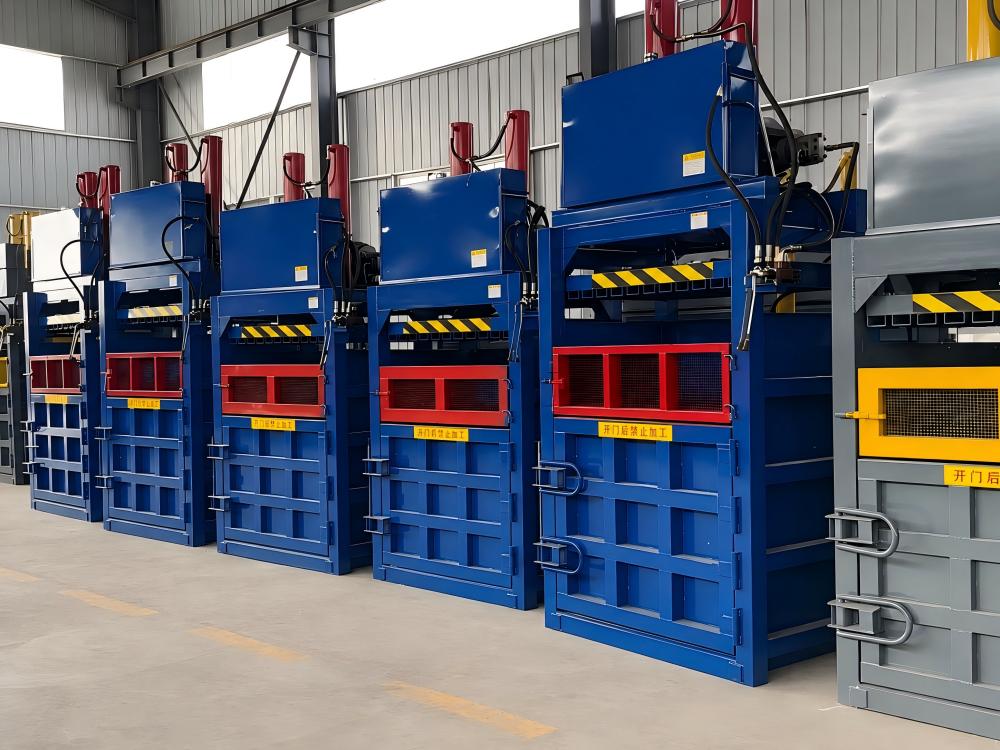
The configuration of the baler must match the specific type of waste your facility generates. Not all vertical presses are created equal, and certain features are essential for specific materials.
Bale Size and Weight
The 60-inch vertical baler is the industry standard. It produces a bale that weighs between 800 and 1,200 lbs (for cardboard). This size is critical because most recycling companies offer the best rates for “mill-size” bales. If your machine produces smaller, odd-sized bales, you may find it difficult to find a recycler willing to pick them up, or they may charge a transport fee that eats into your profits.
Single vs. Dual Cylinder
Small balers often use a single central cylinder. However, for wider bales, dual cylinders provide more even pressure distribution. This prevents the platen (the pressing plate) from tilting if the chamber is loaded unevenly. HARSLE’s dual-cylinder designs are particularly effective for materials that don’t compress uniformly, such as plastic containers or textile scraps.
Loading Height and Door Style
Ergonomics play a huge role in safety and efficiency. A low feed height reduces the strain on operators. Furthermore, buyers should choose between a sliding gate or a swing-out door. Sliding gates are excellent for space-constrained areas, while swing doors offer easier access for cleaning the chamber.
Hidden Costs of Vertical Baler Ownership
When performing a Vertical Baler Buying : Choose Press Facility analysis, many managers overlook the “soft costs” associated with installation and operation.
- Freight and Rigging: These machines are incredibly heavy (often 2,000 to 5,000 lbs). Shipping costs can be substantial, and you may need a professional rigging crew or a heavy-duty forklift to move the machine from the loading dock to its final position.
- Electrical Requirements: Most industrial balers require 3-phase power. If your facility only has single-phase power, you will need to invest in a phase converter or hire an electrician to upgrade your panel, which can cost thousands of dollars.
- Consumables: You will need a steady supply of baling wire or high-strength twine. Depending on your volume, this can add up to a significant monthly expense.
- Maintenance and Training: Regular oil changes, seal inspections, and safety checks are mandatory. Additionally, OSHA requires that only trained employees over the age of 18 operate these machines, necessitating ongoing safety training programs.
ROI Calculation: How the Baler Pays for Itself
The primary reason for Vertical Baler Buying : Choose Press Facility upgrades is the potential for a rapid return on investment. To calculate your ROI, consider the following factors:
1. Reduction in Disposal Fees
Waste hauling companies charge by the “pull” (each time they empty a dumpster) and often by weight. By compacting cardboard and plastic into dense bales, you significantly reduce the volume of your loose trash. Many facilities find they can reduce their dumpster pickups from four times a week to once a month.
2. Revenue from Recyclables
Loose cardboard is a liability; baled cardboard is a commodity. Depending on market rates, recyclers will pay per ton for mill-size bales. In a high-volume environment, the revenue generated from selling bales can cover the monthly lease payment of the machine.
3. Labor Efficiency
How much time do your employees spend breaking down boxes manually? A vertical baler allows staff to toss whole boxes into the chamber. This saves hundreds of man-hours per year, allowing your team to focus on core production tasks rather than waste management.
| Factor | Loose Waste (Annual) | Baled Waste (Annual) | Savings/Revenue |
|---|---|---|---|
| Hauling Fees | $12,000 | $2,400 | $9,600 Savings |
| Labor Cost | $8,000 | $2,000 | $6,000 Savings |
| Recycling Income | $0 | $3,500 | $3,500 Revenue |
| Total Benefit | – | – | $19,100 / Year |
Buying Advice: Choosing the Right Partner
Selecting a manufacturer is just as important as selecting the machine. When looking at Vertical Baler Buying : Choose Press Facility options, prioritize companies like HARSLE that offer comprehensive support. Here is a checklist for your final decision:
- Check Certifications: Ensure the machine meets ANSI Z245.5 standards and is UL/CE listed. Safety is the most critical aspect of any hydraulic press.
- Evaluate the Warranty: A standard warranty should cover the frame for several years and the hydraulic components for at least 12 months.
- Availability of Spare Parts: Choose a brand that maintains a robust inventory of wear parts like limit switches, hydraulic seals, and filters. You don’t want your waste management to grind to a halt because of a backordered $50 part.
- Material Testing: If you are baling unusual materials (e.g., aluminum cans, foam, or tires), ask the manufacturer to perform a test bale to ensure the machine can handle the expansion and density requirements.
Maintenance Tips for Longevity
To maximize the life of your vertical baler, a preventative maintenance schedule is essential. Daily checks should include inspecting the safety interlocks to ensure the machine won’t operate with the door open. Weekly, operators should clear debris from behind the platen to prevent damage to the cylinders. Monthly, check hydraulic oil levels and look for any signs of weeping around the hose fittings. By spending 15 minutes a week on maintenance, you can extend the life of a HARSLE baler to 15 or 20 years.
Frequently Asked Questions (FAQ)
What is the difference between a vertical and horizontal baler?
Vertical balers are loaded from the front and compress downward. they take up very little floor space and are ideal for small to medium volumes. Horizontal balers are much larger, usually automated, and are used for massive volumes (over 100 tons per month) where continuous feeding via conveyor is required.
Can I bale different materials in the same machine?
Yes, most vertical balers are versatile. You can bale cardboard in the morning and plastic film in the afternoon. However, you must never mix materials within a single bale, as this ruins the recycling value. You should also adjust the pressure settings if your machine allows it, as plastic requires more “dwell time” to stay compressed.
How much space do I need for a vertical baler?
While the footprint of the machine might only be 4×6 feet, you need to account for the “operating envelope.” This includes space to open the door fully, room for the operator to stand, and enough ceiling height for the cylinders to extend upward (often 10-12 feet). You also need space nearby to store the finished bales before they are picked up.
Is it better to lease or buy a baler?
Buying offers the lowest long-term cost and tax benefits (like Section 179 deductions). Leasing is excellent for businesses that want to preserve cash flow and include maintenance in a single monthly payment. HARSLE can provide guidance on which path suits your facility’s financial health.
What safety features should I look for?
Look for dual-hand controls (on some models), emergency stop buttons, and magnetic safety interlocks that prevent the cycle from starting unless the gate is fully closed. Also, ensure the machine has a “bale out” system that allows for safe ejection of the heavy bale onto a pallet.
Conclusion
The process of Vertical Baler Buying : Choose Press Facility optimization is a strategic move that pays dividends in safety, cleanliness, and profitability. By focusing on high-quality hydraulic systems, robust steel construction, and the right bale dimensions, you ensure that your facility remains efficient for years to come. HARSLE remains committed to providing top-tier industrial baling solutions tailored to the unique needs of the metal fabrication and recycling industries. Invest in quality today, and transform your waste stream into a steady revenue stream.