Why Industrial Shredders Are Essential in Recycling Operations: A Comprehensive Guide

Introduction: The Role of Shredding in Modern Industry
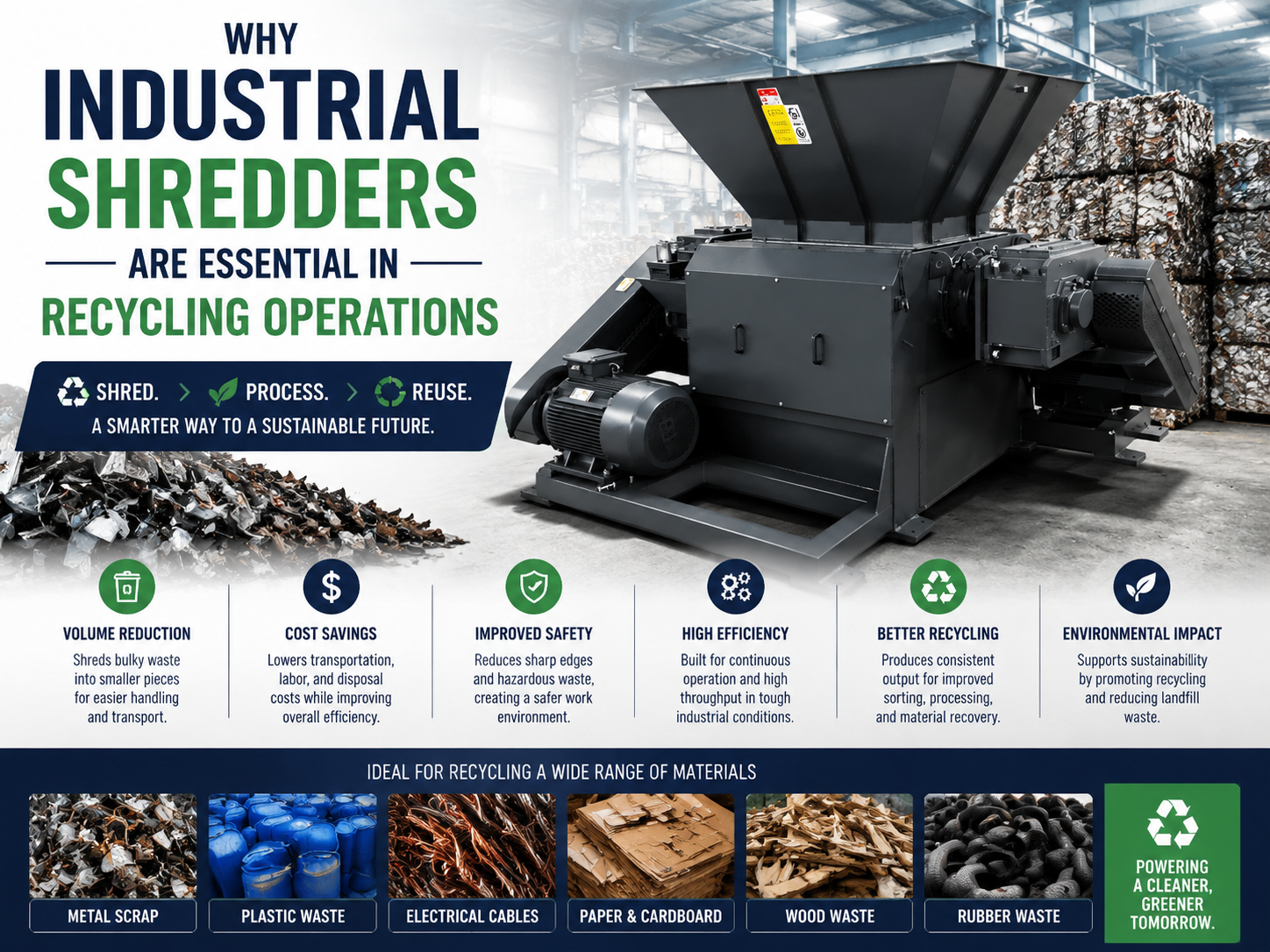
In the modern industrial landscape, the management of waste and the recovery of valuable resources have transitioned from secondary concerns to primary operational pillars. As global regulations tighten and the demand for sustainable manufacturing grows, the question of why industrial shredders are essential in recycling operations becomes increasingly pertinent. These robust machines serve as the first line of defense in waste reduction, transforming bulky, heterogeneous materials into manageable, uniform particles ready for downstream processing.
Industrial shredders are not merely cutting tools; they are sophisticated engineering solutions designed to handle high-torque demands and abrasive materials. From automotive scrap to electronic waste (e-waste) and industrial plastics, the ability to reduce volume and liberate constituent materials is what makes these machines indispensable. HARSLE, a leader in metal fabrication and processing machinery, recognizes that the efficiency of a recycling facility is often dictated by the performance and reliability of its shredding equipment.
Application Scenarios: Where Shredders Make the Difference
The versatility of industrial shredders allows them to be deployed across a vast array of sectors. Understanding these scenarios helps clarify why industrial shredders are essential in recycling operations across the globe.
1. Metal Scrap Processing
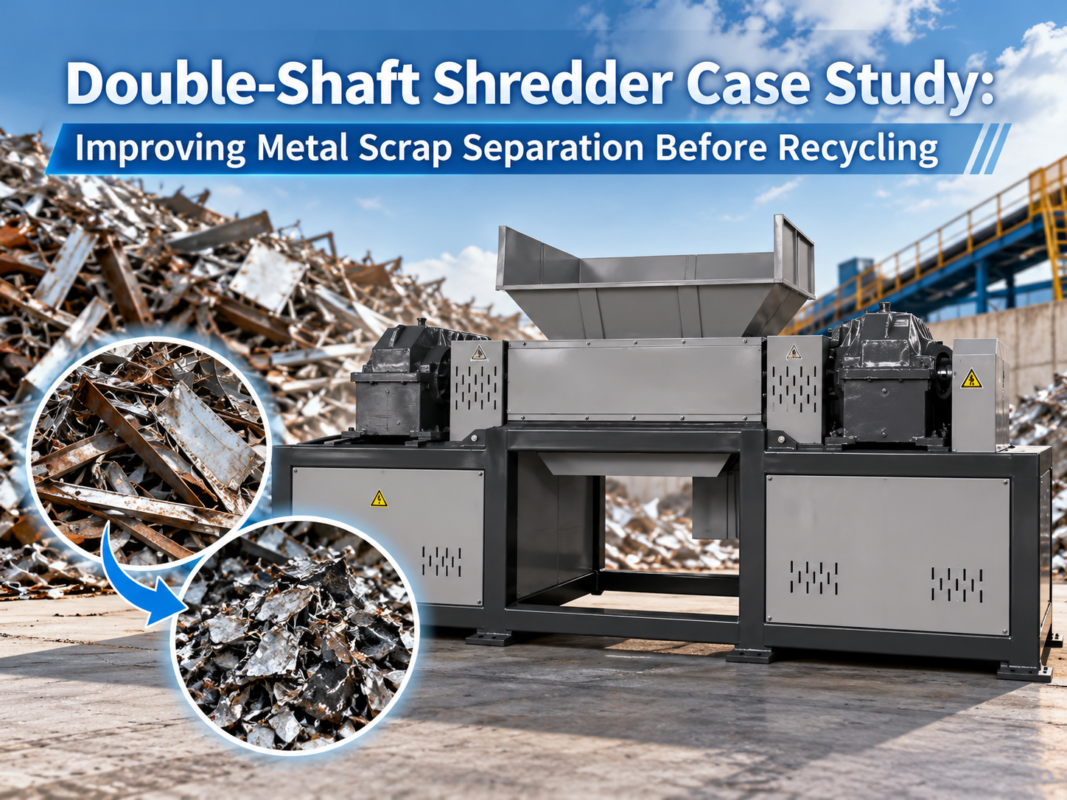
In the metal fabrication industry, offcuts, stampings, and end-of-life products represent a significant resource. Industrial shredders are used to process aluminum extrusions, copper wiring, and even light steel drums. By shredding these materials, facilities can increase the bulk density of the scrap, making it more cost-effective to transport to smelting plants. Furthermore, shredding facilitates the removal of contaminants like plastics or rubber coatings from metal components.
2. E-Waste and Electronic Scrap
Electronic waste is one of the fastest-growing waste streams. Circuit boards, hard drives, and consumer electronics contain both hazardous materials and precious metals like gold and silver. Shredders are critical here for ‘material liberation’—breaking down complex assemblies so that magnetic and eddy-current separators can effectively sort the metals from the plastics and glass.
3. Plastic and Polymer Recycling
From massive HDPE pipes to PET bottles, plastics require significant size reduction before they can be washed and pelletized. Industrial shredders handle the initial breakdown of large plastic purgings and baled plastics, ensuring that the subsequent granulators are not overloaded. This staged reduction is vital for maintaining the longevity of the equipment and the quality of the final recycled resin.
4. Municipal and Industrial Solid Waste (MSW/ISW)
In waste-to-energy plants, shredders are used to create Refuse Derived Fuel (RDF). By shredding municipal waste to a consistent size, the combustion process becomes more efficient and predictable. This application highlights the shredder’s role in converting ‘trash’ into a viable energy source, reinforcing the circular economy.
Material and Process Requirements
To understand why industrial shredders are essential in recycling operations, one must look at the technical requirements of the materials being processed. Not all waste is created equal, and the shredding process must be tailored to the physical properties of the input.
- Material Hardness and Tensile Strength: Processing high-strength alloys or reinforced plastics requires blades made from specialized tool steels like D2 or SKD-11. The machine must exert enough torque to overcome the material’s shear strength without fracturing the cutting teeth.
- Moisture Content: In applications like organic waste or washed plastics, the shredder must be designed to resist corrosion and prevent the ‘clogging’ of screens. Stainless steel components or specialized coatings are often required.
- Output Size Uniformity: Many recycling processes require a specific particle size for optimal sorting. This is achieved through the use of interchangeable screens located beneath the shredding chamber, which ensure that only material of the correct size exits the machine.
- Throughput Demands: Industrial operations often run 24/7. This necessitates heavy-duty bearings, robust gearboxes, and cooling systems for the hydraulic or electric drive units to prevent overheating during continuous operation.
Recommended Machine Configuration
Choosing the right configuration is critical for maximizing the return on investment. HARSLE recommends evaluating the following components when selecting an industrial shredder:
| Feature | Single-Shaft Shredder | Double-Shaft Shredder |
|---|---|---|
| Primary Use | Precise size reduction of plastics, wood, and paper. | High-volume primary shredding of metal, tires, and bulky waste. |
| Drive System | Electric motor with hydraulic pusher. | Dual high-torque electric or hydraulic motors. |
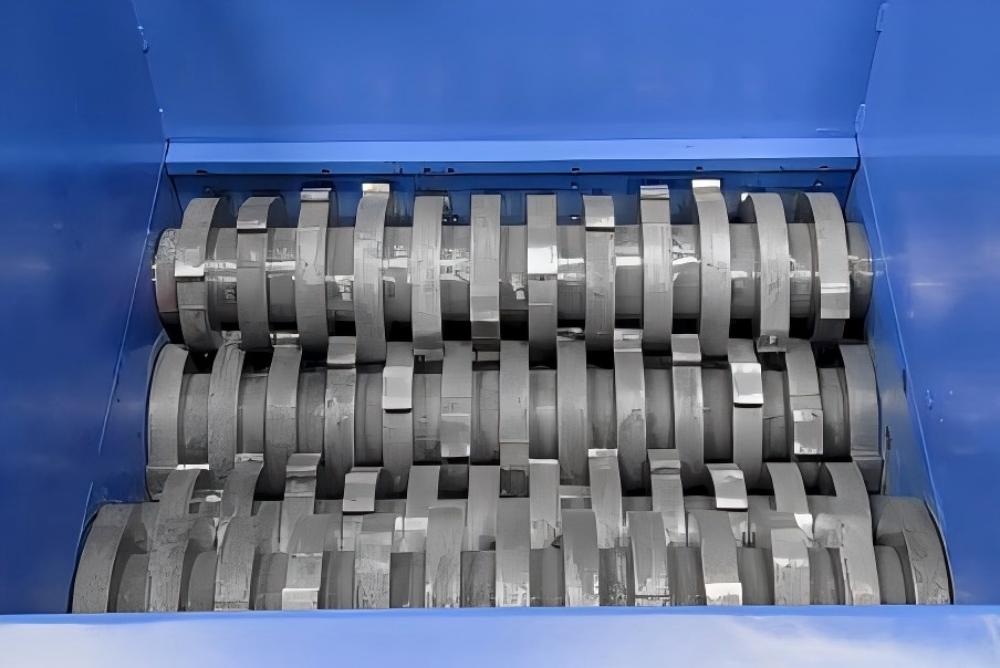
| Blade Type | Square, rotatable cutters. | Interlocking disk-shaped blades. |
| Feeding | Controlled via hydraulic ram. | Gravity-fed, high-capacity hopper. |
| Output Size | Very consistent (determined by screen). | Variable (determined by blade width). |
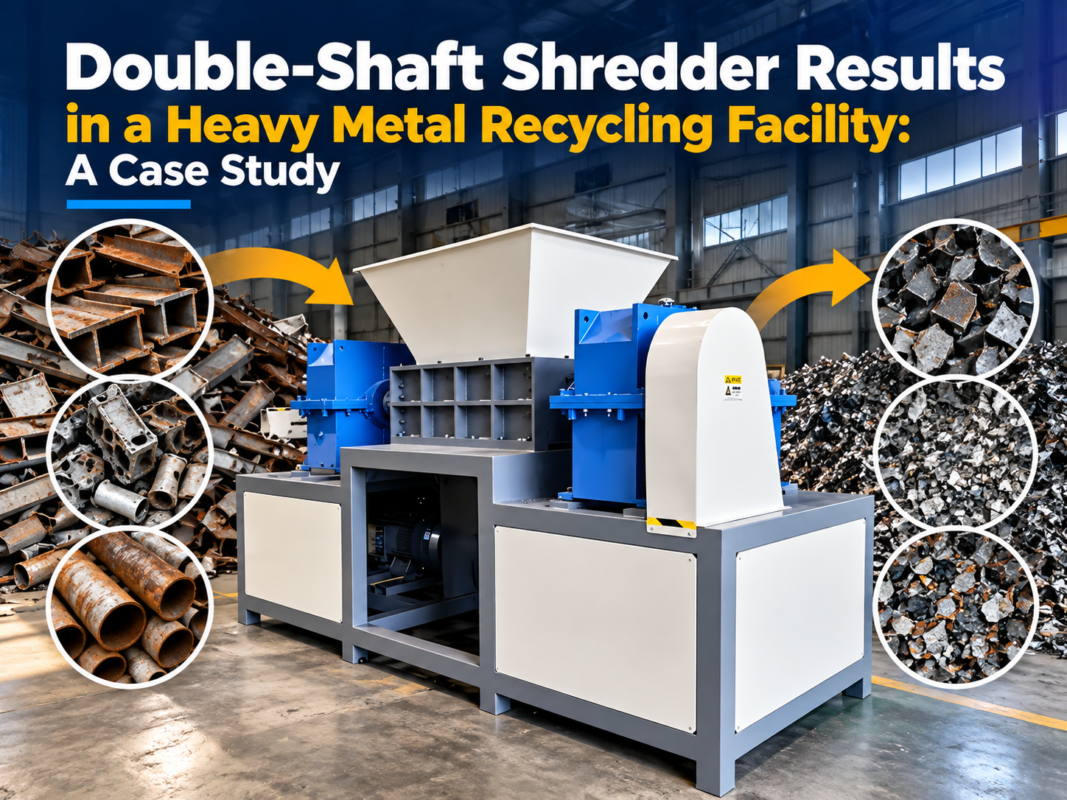
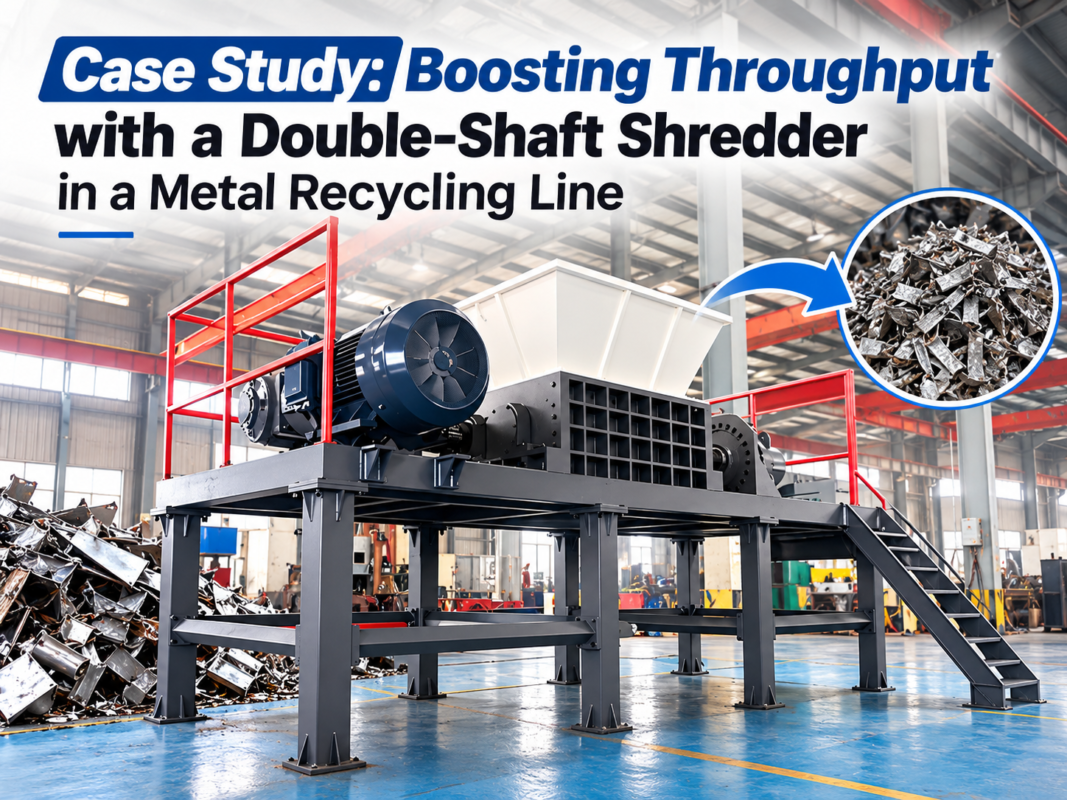
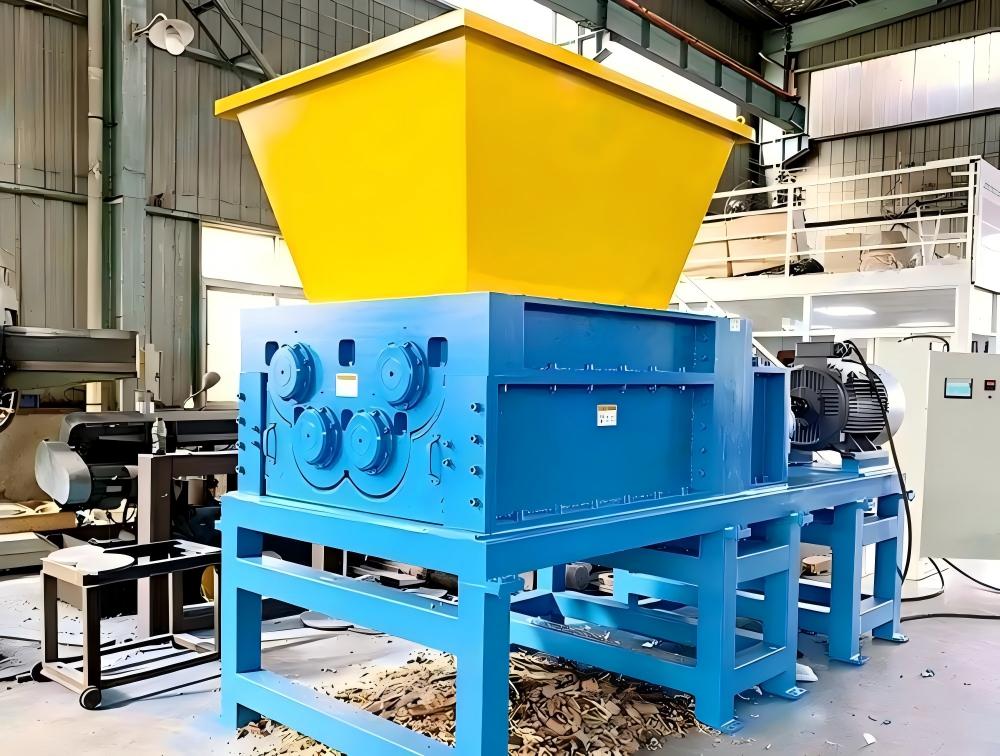
For heavy-duty metal recycling, a Double-Shaft Shredder is often the preferred choice due to its ability to ‘grab’ bulky items and pull them through the cutters. Conversely, for applications requiring a fine, uniform output, a Single-Shaft Shredder equipped with a hydraulic pusher and a sizing screen is more effective.
Workflow: From Raw Waste to Refined Resource
The operational workflow of an industrial shredder is a choreographed sequence of mechanical actions designed to maximize efficiency and safety.
- Feeding: Material is loaded into the hopper via conveyor belt, forklift, or crane. Advanced systems use sensors to monitor the load and prevent overfeeding.
- Shredding: The rotors spin at low speeds but with extremely high torque. The interlocking blades or cutters shear, tear, and break the material against a counter-knife or against the opposing rotor.
- Screening: In single-shaft models, the material is pressed against a screen. Particles small enough to pass through the holes fall onto a discharge conveyor, while larger pieces are recirculated for further shredding.
- Separation: Post-shredding, the material often passes under a magnetic cross-belt to remove ferrous metals, or through an eddy-current separator to recover non-ferrous metals like aluminum.
- Discharge: The processed material is transported to storage silos, balers, or further refining stages like granulation or smelting.
Productivity Benefits: The Economic Argument
Why industrial shredders are essential in recycling operations often comes down to the bottom line. The productivity benefits are multifaceted:
Volume Reduction and Logistics
Unprocessed waste is bulky and expensive to move. Shredding can reduce the volume of waste by up to 80%, significantly lowering transportation costs. A truck that could only carry 5 tons of loose scrap might carry 20 tons of shredded, densified material.
Increased Material Purity
By breaking down complex assemblies (like a car dashboard or a computer tower), shredders allow for much higher purity levels in the recovered materials. Higher purity translates directly to higher market value for the recycled output.
Automation and Labor Savings
Manual sorting is slow, dangerous, and expensive. An automated shredding line can process tons of material per hour with minimal human intervention, allowing staff to focus on quality control and facility management rather than manual labor.
Protection of Downstream Equipment
In many recycling lines, the shredder acts as a ‘pre-processor.’ By reducing the material to a uniform size, it protects more sensitive downstream equipment—such as fine grinders, extruders, or optical sorters—from damage caused by oversized or unshreddable items.
Case Example: Metal Fabrication Scrap Recovery
Consider a medium-sized metal fabrication plant that produces significant amounts of aluminum and steel offcuts. Initially, the plant sold its scrap as ‘loose’ material to a local dealer at a low price point. The logistics were a nightmare, with multiple daily pickups required to clear the bins.
By implementing a HARSLE Double-Shaft Shredder, the plant was able to process all offcuts on-site. The shredded metal was then passed through a magnetic separator. The result? The plant began selling ‘clean’ shredded steel and aluminum directly to smelters at a 35% higher price per ton. Additionally, the volume reduction meant they only needed one pickup per week, saving thousands in monthly logistics costs. This real-world scenario perfectly illustrates why industrial shredders are essential in recycling operations for modern manufacturers.
Frequently Asked Questions (FAQ)
How often do shredder blades need to be replaced?
Blade longevity depends entirely on the material being processed. For soft plastics, blades can last thousands of hours. For abrasive materials like glass-filled polymers or contaminated metals, blades may need sharpening or rotation every 500-1,000 hours. Most HARSLE shredders feature four-sided rotatable blades to extend service life.
Can one shredder handle all types of materials?
While many shredders are versatile, no single machine is optimal for everything. A shredder configured for paper will struggle with steel plates. It is essential to match the motor power, gearbox torque, and blade geometry to the specific primary material stream of your operation.
What safety features are standard on industrial shredders?
Safety is paramount. Standard features include emergency stop buttons, electronic interlocks on access panels, and ‘auto-reverse’ functionality. If the PLC detects a jam or an unshreddable object, the rotors automatically reverse to clear the obstruction, preventing mechanical failure and protecting the operator.
What is the power consumption of a large industrial shredder?
Power consumption varies by model, typically ranging from 15kW to over 200kW. However, because modern shredders use high-torque, low-speed designs and VFD (Variable Frequency Drive) technology, they are remarkably energy-efficient, only drawing maximum power when encountering high resistance.
Conclusion: Investing in the Future of Recycling
As we have explored, the reasons why industrial shredders are essential in recycling operations span from economic necessity to environmental responsibility. These machines are the engines of the circular economy, turning waste into wealth and ensuring that valuable raw materials are not lost to landfills. Whether you are looking to optimize a scrap yard, an e-waste facility, or a manufacturing plant, the right shredding solution is the key to unlocking hidden value in your waste stream.
HARSLE is committed to providing high-performance industrial shredders that meet the rigorous demands of the recycling industry. Our engineering team works closely with clients to configure machines that offer the perfect balance of torque, throughput, and durability. Ready to transform your recycling operations? Contact HARSLE today to discuss your material processing needs and discover how our advanced shredding technology can drive your productivity to new heights.