Common Industrial Shredder Applications In Fabrication Workshops: A Comprehensive Guide

Introduction to Industrial Shredders in Modern Fabrication
In the fast-paced world of metal fabrication, efficiency is often measured not just by what you produce, but by how you manage what is left over. Industrial shredders have transitioned from being optional recycling tools to essential components of a high-functioning workshop. Understanding the Common Industrial Shredder Applications In Fabrication Workshops is the first step toward optimizing your facility’s waste stream, reducing operational costs, and even generating new revenue from scrap materials.
Fabrication workshops deal with a diverse array of materials, from thin sheet metal offcuts to heavy-duty structural steel remnants. Without proper processing, these materials take up valuable floor space and incur high transportation costs for disposal. Industrial shredders solve these problems by reducing the volume of waste and preparing it for secondary processing or direct sale to recyclers. This guide explores the multifaceted roles these machines play in the modern industrial landscape.
Application Scenarios for Industrial Shredders
1. Metal Scrap Volume Reduction
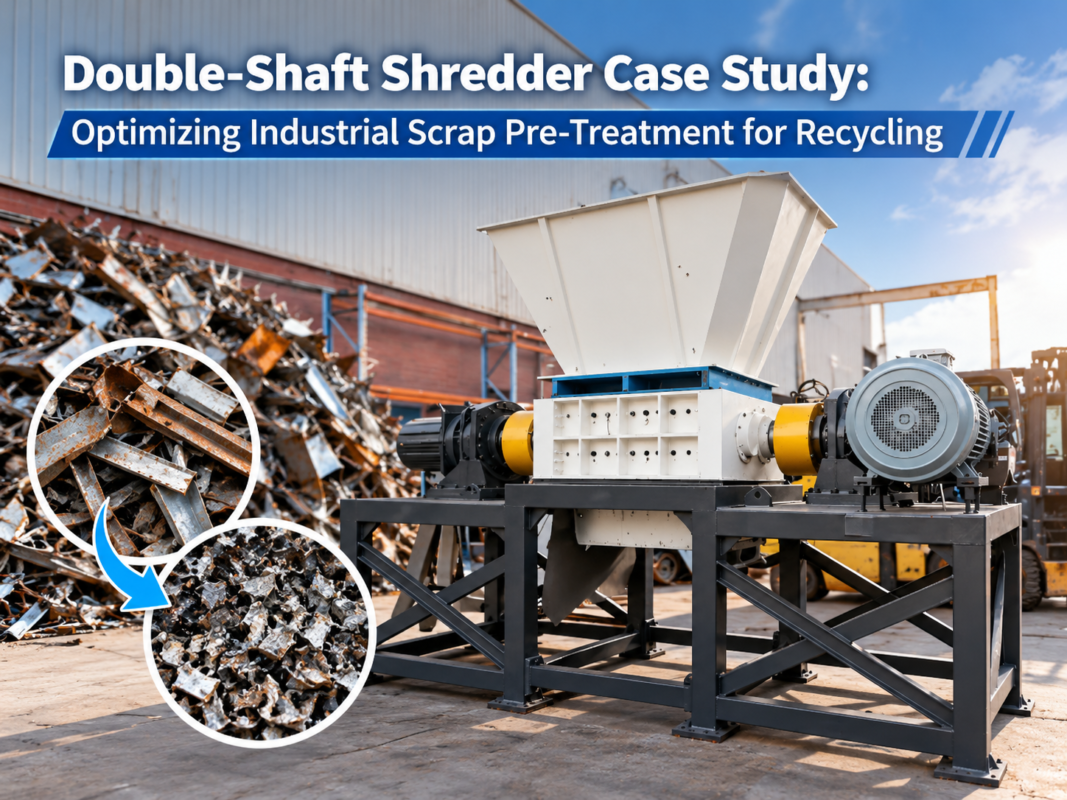
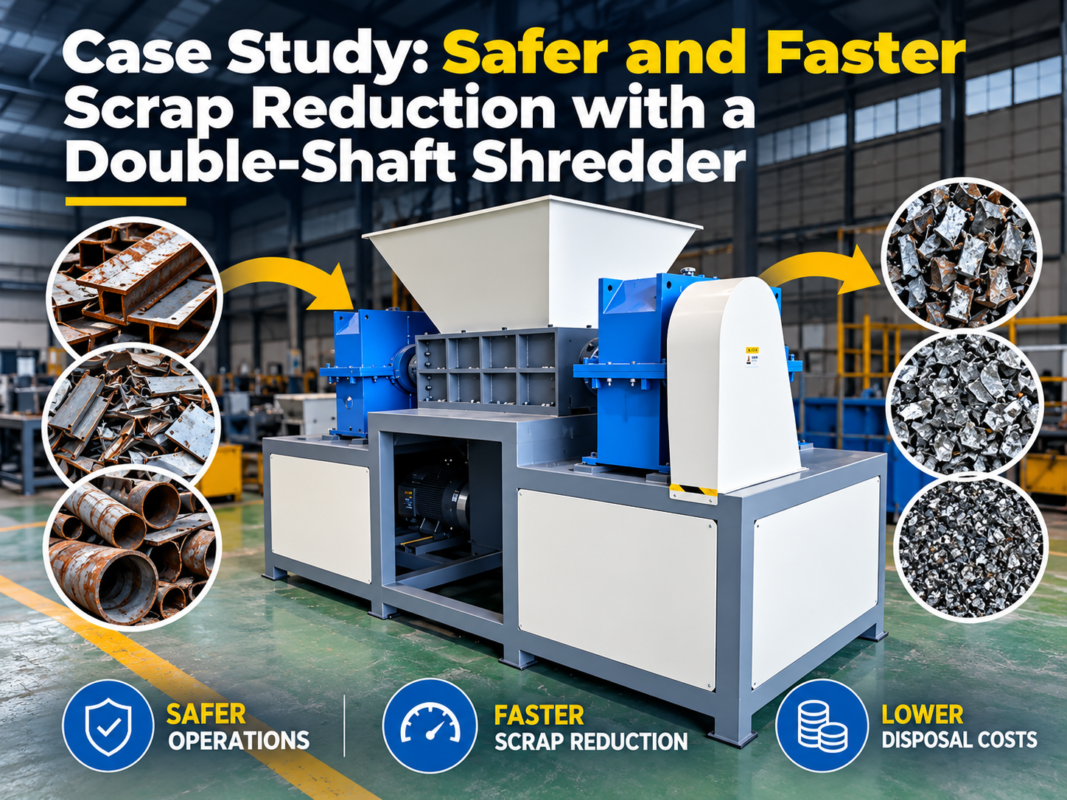
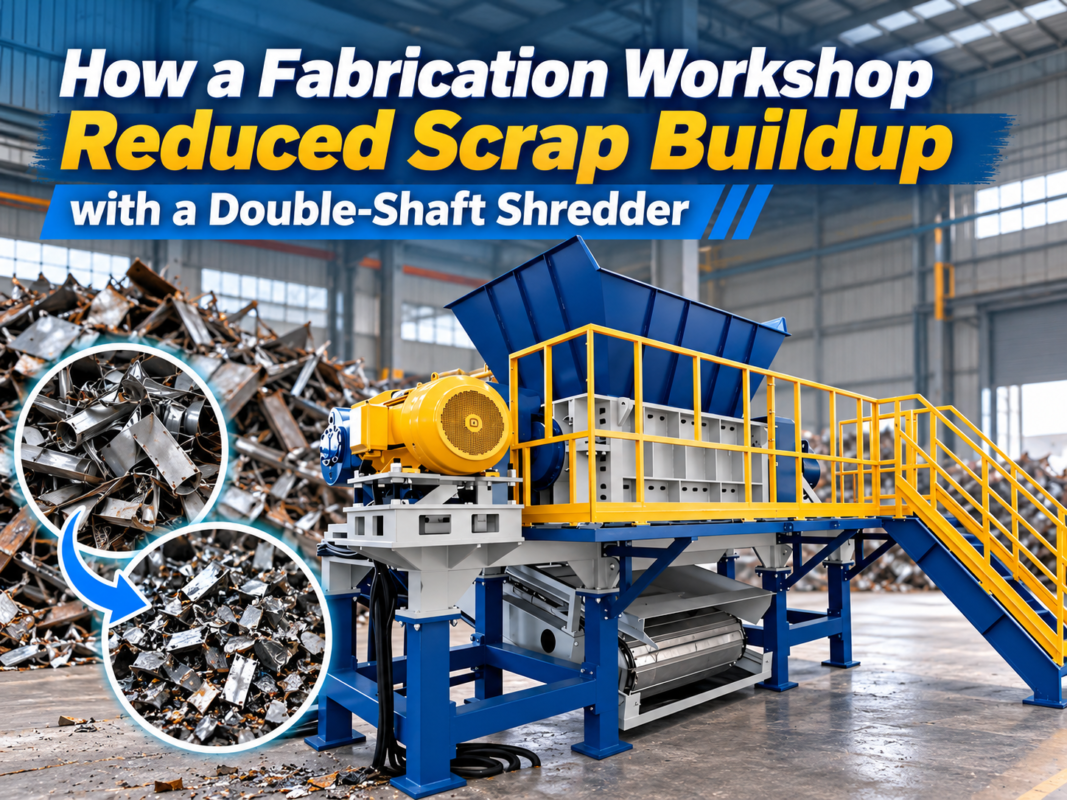
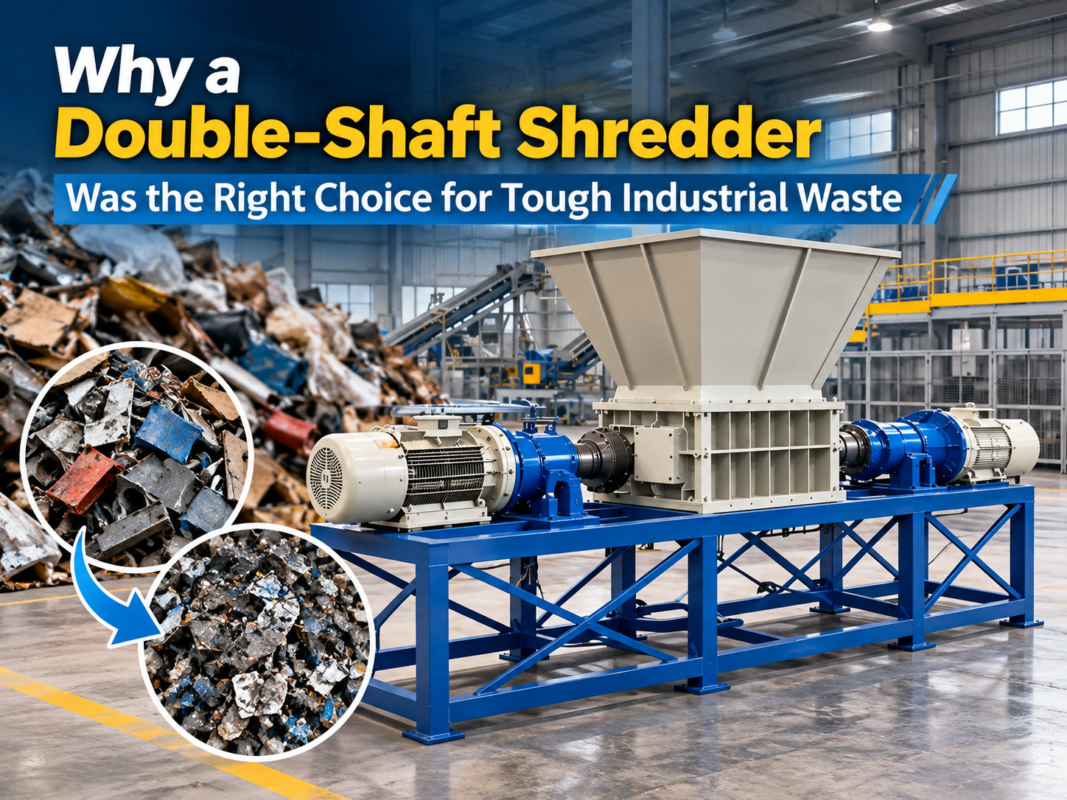
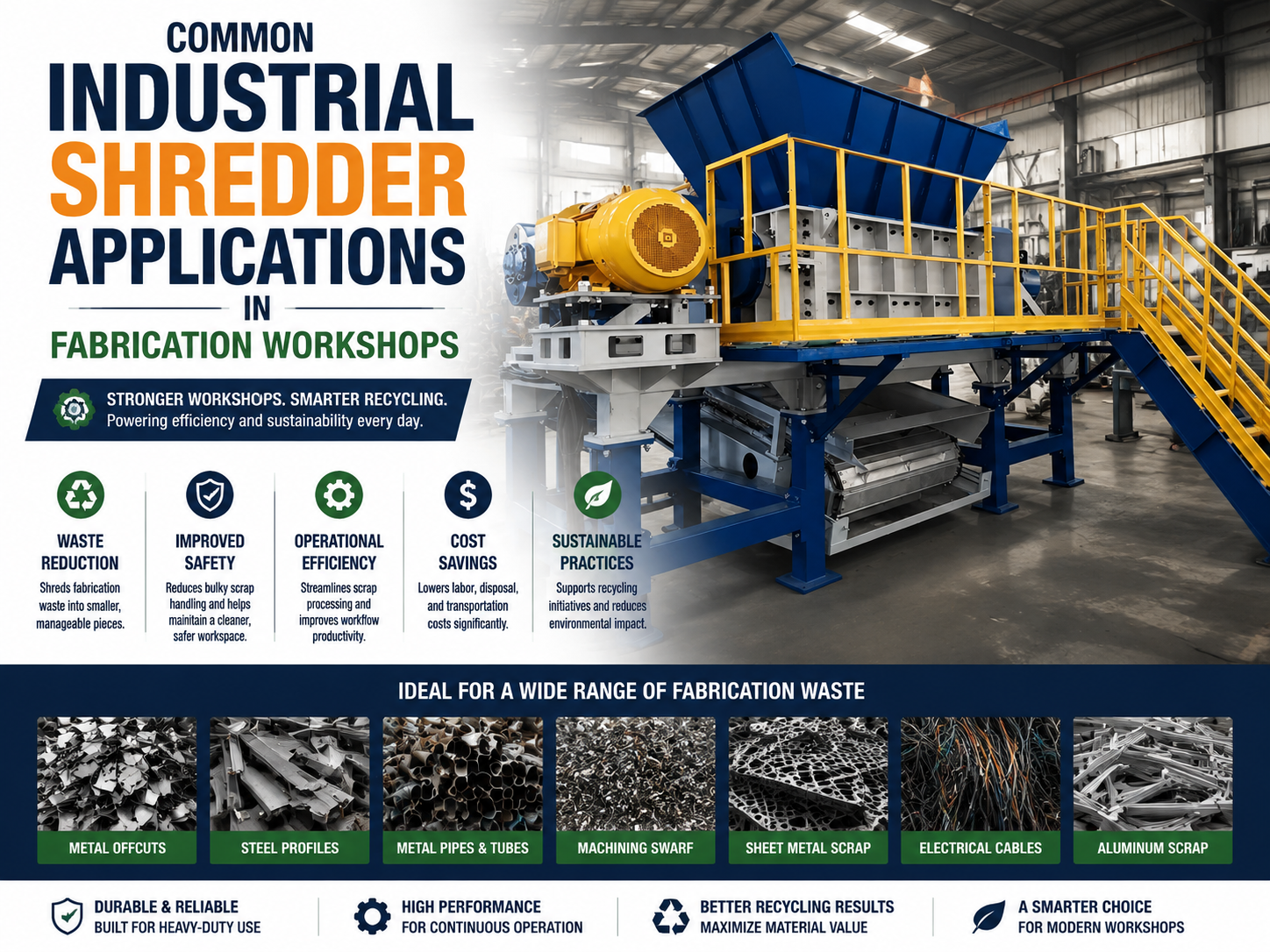
The most prevalent application in any fabrication shop is the reduction of metal scrap volume. CNC laser cutting, plasma cutting, and punching processes generate significant amounts of ‘skeletons’ and offcuts. These pieces are often awkward in shape and low in density, making them difficult to store. By utilizing a heavy-duty shredder, workshops can reduce the volume of this scrap by up to 80%, allowing for cleaner workspaces and more efficient logistics.
2. Electronic Waste (E-Waste) Processing
Many modern fabrication workshops also handle assembly and integration, which often results in electronic waste. This includes circuit boards, wiring harnesses, and plastic housings. Industrial shredders are used to break down these complex assemblies into smaller, uniform pieces, making it easier to separate precious metals from plastics and glass. This is a critical step in meeting environmental regulations and recovering high-value materials.
3. Automotive and Aerospace Component Recycling
Workshops specializing in the automotive or aerospace sectors frequently deal with specialized alloys and composite materials. Shredders are employed to destroy defective parts or prototypes to protect intellectual property while simultaneously preparing the material for recycling. Whether it is aluminum engine components or carbon fiber panels, the shredder provides a controlled method of material destruction and recovery.
4. Plastic and Packaging Waste Management
Fabrication isn’t just about metal. The influx of raw materials often comes with massive amounts of plastic wrapping, pallets, and protective packaging. Instead of filling dumpsters with loose plastic and wood, workshops use industrial shredders to create dense, manageable bales or chips. This not only keeps the shop floor clear but also reduces the frequency of waste pickup services, leading to direct cost savings.
Material and Process Requirements
To successfully implement Common Industrial Shredder Applications In Fabrication Workshops, one must understand the specific requirements of the materials being processed. Not all shredders are created equal, and the material’s physical properties dictate the machine’s design.
- Material Hardness and Tensile Strength: High-carbon steels and stainless steels require shredders with high-torque drives and hardened alloy blades (such as D2 or SKD-11). The machine must be able to withstand the shock loads associated with shearing tough metals.
- Input Size and Shape: Large skeletons from a 5×10 foot laser bed require a shredder with a wide hopper and aggressive ‘grab’ capabilities. Conversely, small turnings from a lathe might require a different blade configuration to prevent clogging.
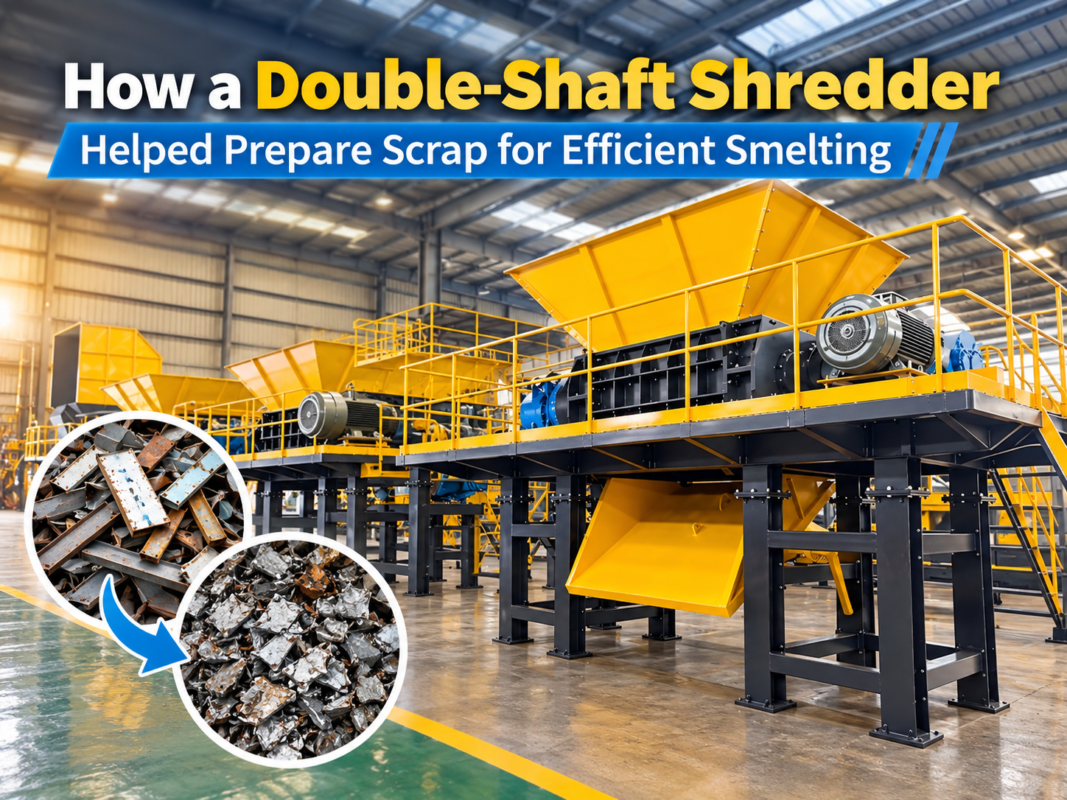
- Desired Output Size: If the goal is simply volume reduction, a coarse shred is sufficient. However, if the material is being prepared for a smelting furnace or chemical recycling, a specific screen size must be used to ensure uniform output.
- Throughput Capacity: Workshops must calculate their daily scrap generation. A machine that is too small will become a bottleneck, while an oversized machine represents unnecessary capital expenditure.
| Material Type | Recommended Shredder Type | Key Requirement |
|---|---|---|
| Sheet Metal Skeletons | Double-Shaft Shredder | High Torque, Large Hopper |
| Aluminum Offcuts | Single-Shaft Shredder | Precision Cutting, Fine Screen |
| Copper Wiring | Granulator/Shredder Combo | Separation Efficiency |
| Plastic Packaging | Single-Shaft Shredder | High Speed, Heat Management |
Recommended Machine Configuration
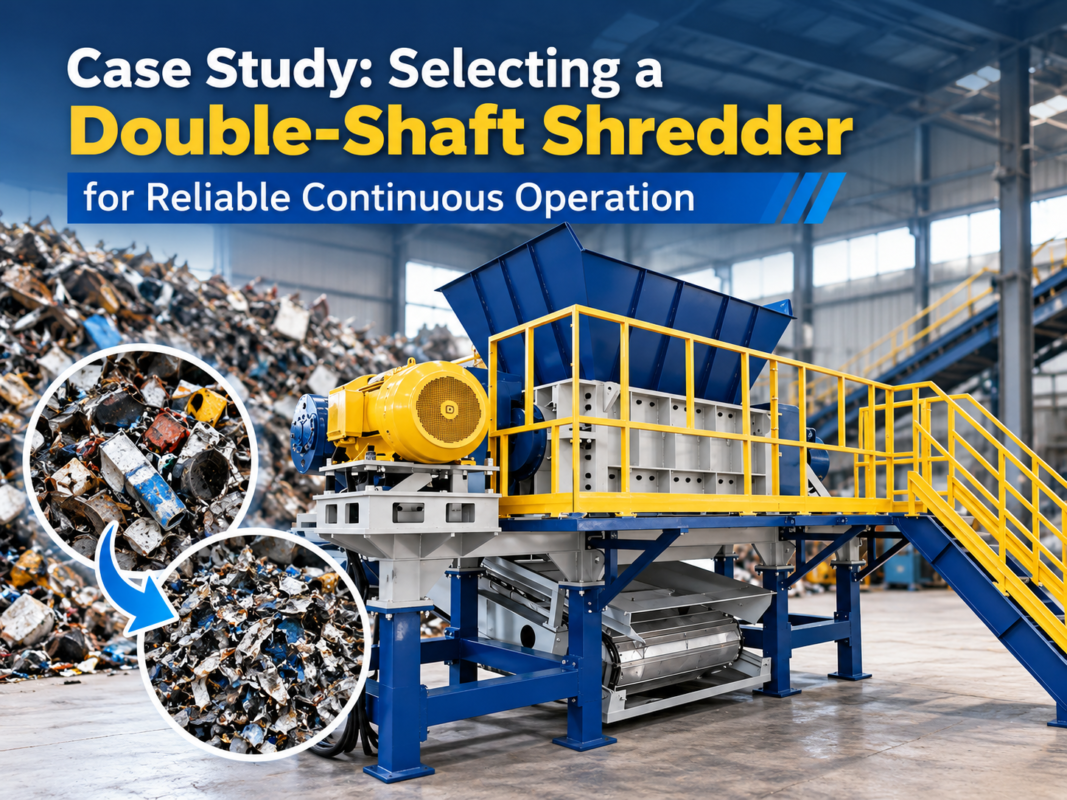
Choosing the right configuration is critical for the longevity of the equipment and the efficiency of the workshop. For most Common Industrial Shredder Applications In Fabrication Workshops, a double-shaft configuration is the industry standard due to its versatility.
The Double-Shaft Advantage
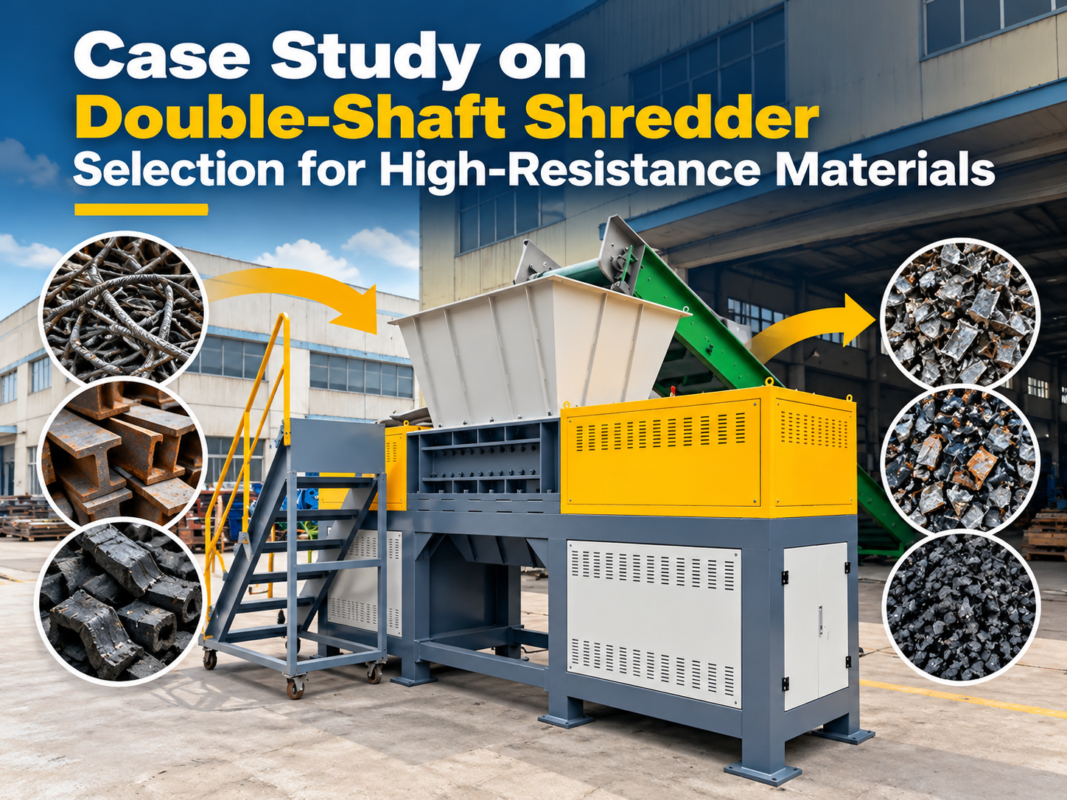
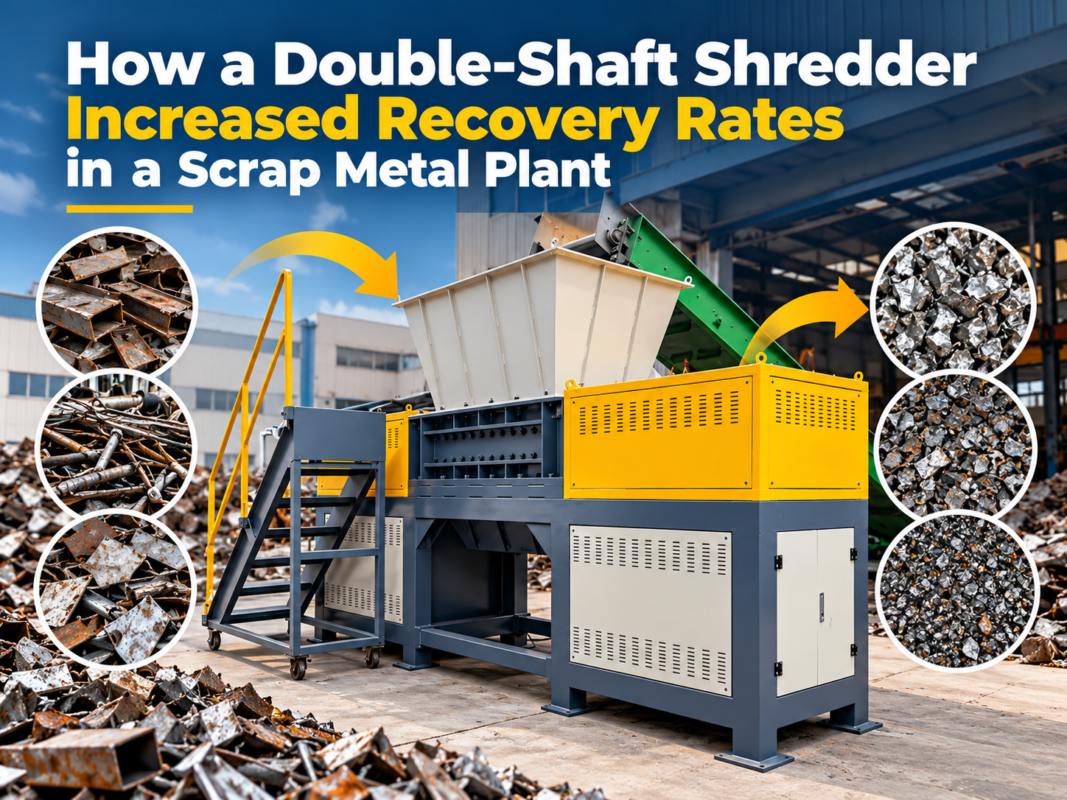
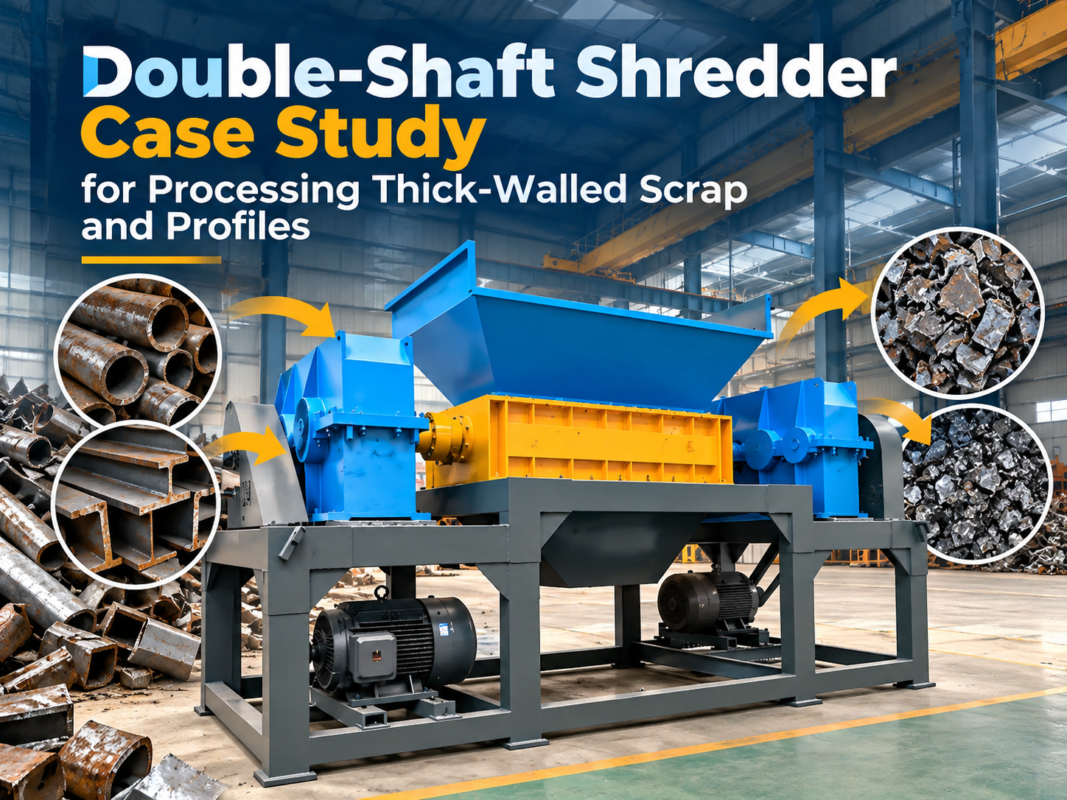
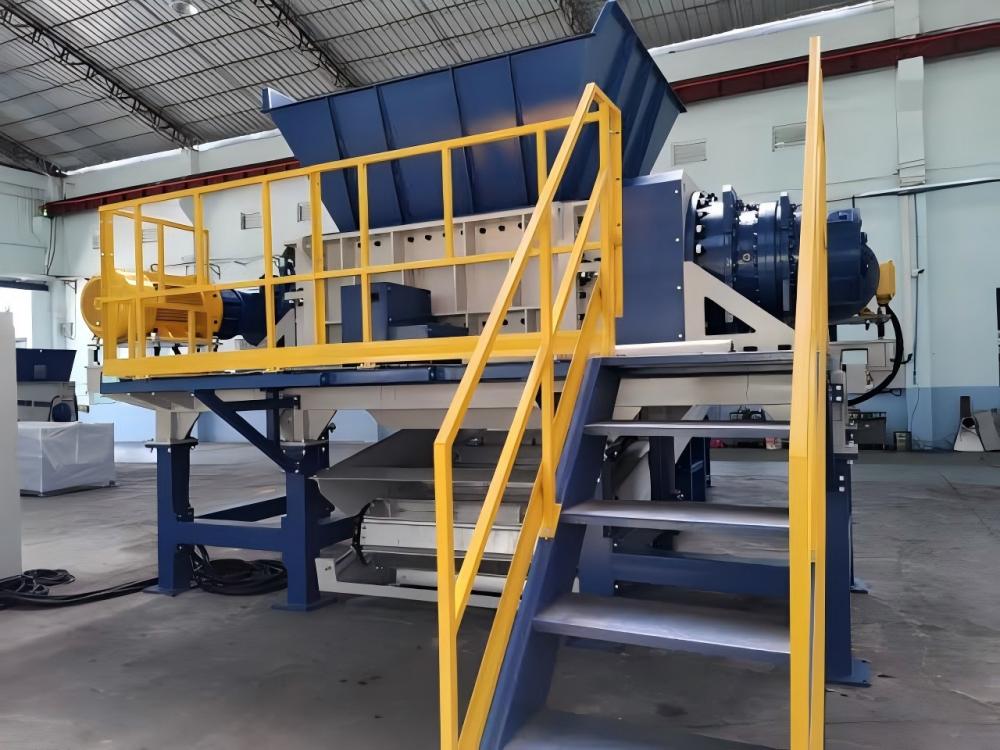
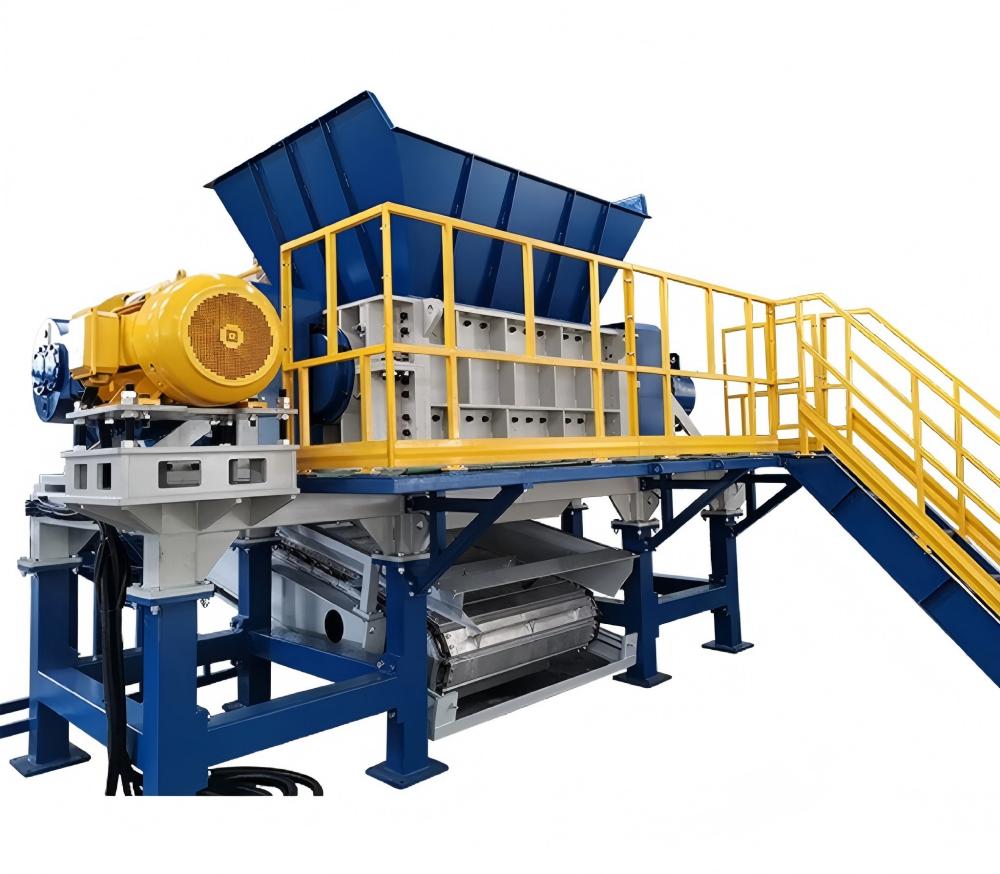
Double-shaft shredders utilize two counter-rotating shafts with interlocking blades. This design is particularly effective for bulky metal scrap because it ‘bites’ into the material, pulling it through the cutters. This configuration offers high torque at lower speeds, which minimizes dust, noise, and vibration—essential factors for a workshop environment.
Blade Selection and Maintenance
The blades are the heart of the shredder. For metal fabrication, blades should be made from high-strength alloy steel, heat-treated to a specific Rockwell hardness. HARSLE shredders often feature modular blade designs, allowing for individual blades to be replaced or sharpened without dismantling the entire shaft assembly. This significantly reduces downtime.
PLC Control Systems
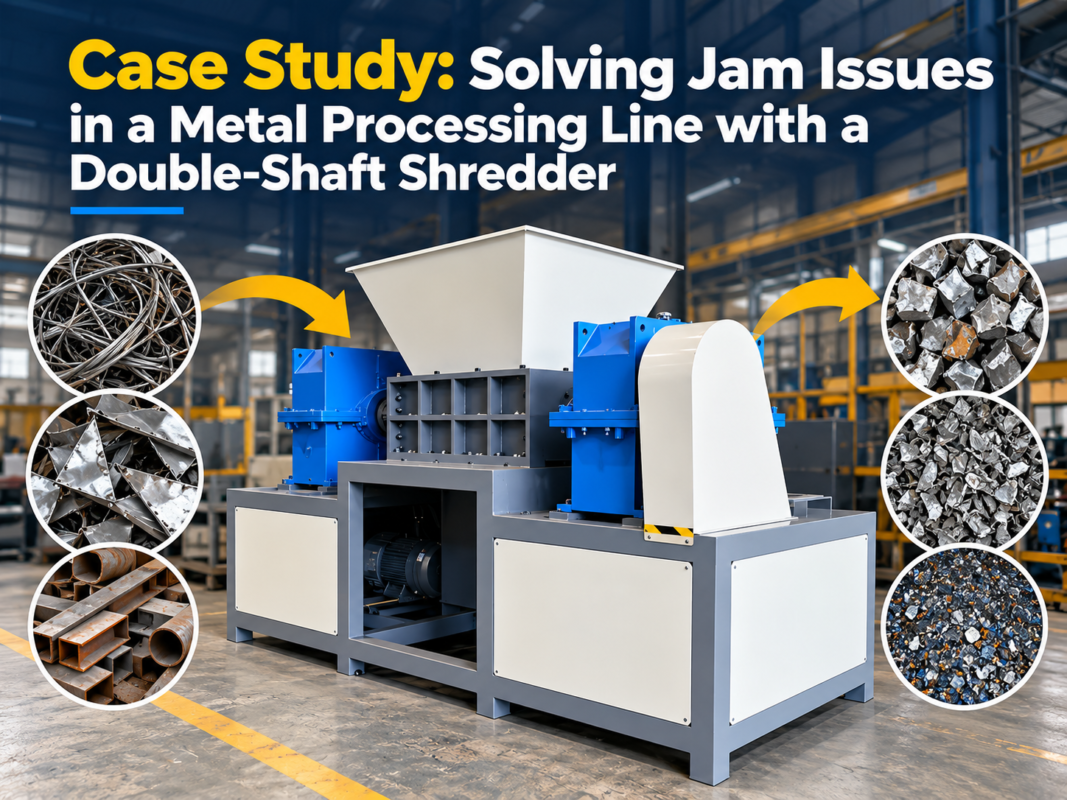
Modern industrial shredders should be equipped with an intelligent PLC (Programmable Logic Controller). This system monitors the motor load and automatically reverses the shafts if a jam is detected. This ‘auto-reverse’ feature prevents motor burnout and blade damage, ensuring the machine can handle the unpredictable nature of fabrication scrap.
Workflow: From Scrap to Value
Integrating a shredder into a fabrication workshop requires a logical workflow to maximize productivity. The process typically follows these steps:
- Collection: Scrap is collected at the source (e.g., under the laser cutter or next to the press brake) in bins.
- Feeding: Bins are transported to the shredder. For high-volume operations, an automated conveyor belt or a hydraulic tipper is used to feed the hopper.
- Shredding: The material passes through the cutting chamber. The PLC manages the speed and torque based on the resistance encountered.
- Separation: Post-shredding, the material often passes under a magnetic separator to remove ferrous metals from non-ferrous materials or plastics.
- Discharge: The processed material is moved via conveyor into a shipping container or a briquetting press for further densification.
Productivity Benefits and ROI
Investing in industrial shredding technology provides several layers of financial and operational benefits:
- Reduced Logistics Costs: By densifying scrap, you fit more weight into every truckload. Many workshops see a 50-70% reduction in the number of waste hauls required.
- Higher Scrap Value: Shredded and sorted scrap (often called ‘proler’ or ‘fragmentized’ scrap) commands a higher price from recyclers than loose, mixed ‘light iron’ or ‘busheling.’
- Space Optimization: Reclaiming floor space previously occupied by bulky scrap bins allows for more production machinery or better material flow.
- Safety and Compliance: Loose metal scrap is a tripping and cutting hazard. Shredding it into uniform pieces and storing it in closed containers improves shop safety and helps meet ISO 14001 environmental standards.
Case Example: Mid-Sized Sheet Metal Shop
A mid-sized fabrication shop in Ohio was producing approximately 15 tons of stainless steel and aluminum skeletons per month. Previously, they used large open-top containers that were picked up weekly. The containers were mostly filled with air due to the awkward shape of the skeletons, leading to high transportation fees.
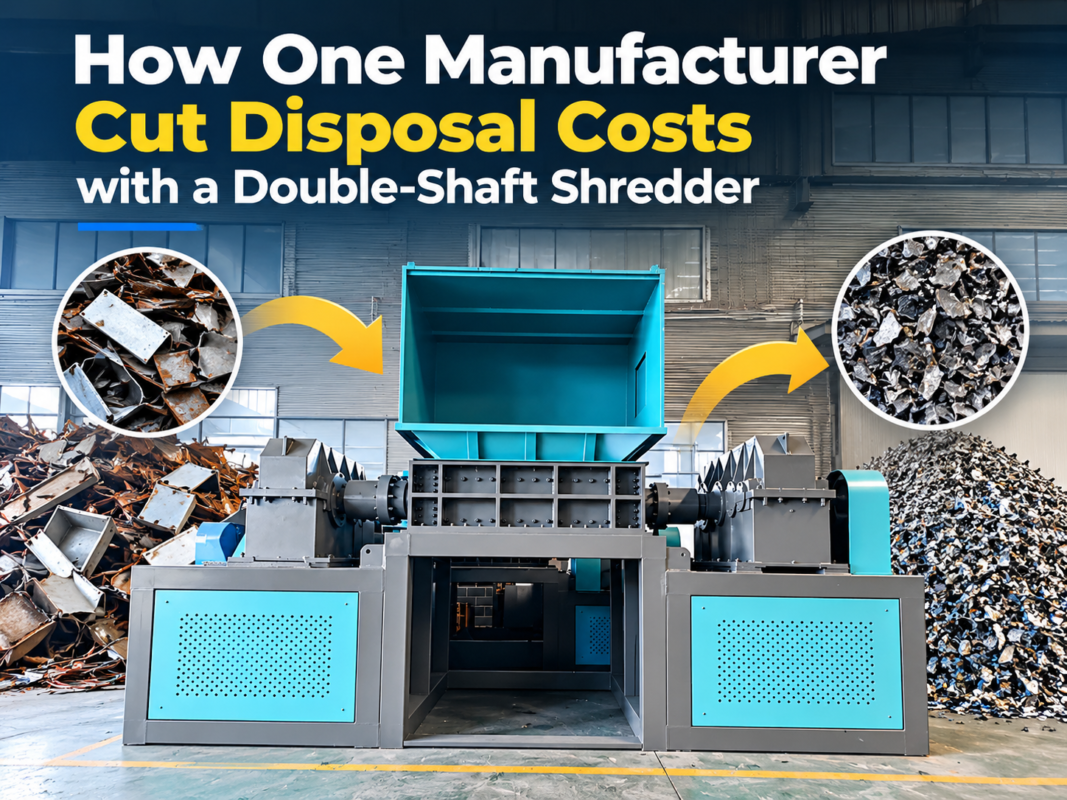
The shop implemented a HARSLE Double-Shaft Shredder. By shredding the skeletons into 2-inch strips, they were able to fit the entire month’s scrap into a single container. Not only did they save $1,200 per month in hauling fees, but the local recycler increased their payout by 15% because the material was now ‘shredded grade.’ The machine paid for itself in less than 14 months.
Frequently Asked Questions (FAQ)
What is the typical lifespan of shredder blades?
Blade life depends entirely on the material being shredded. For mild steel, blades may last 1,000 to 2,000 hours before requiring sharpening. For abrasive materials or high-strength alloys, this interval may be shorter. Regular inspection and maintaining the correct gap between blades are key to longevity.
Can one shredder handle both metal and plastic?
Yes, many double-shaft shredders are versatile enough to handle both. However, the blade profile and speed may need to be adjusted for optimal performance. If you primarily shred metal but occasionally shred plastic packaging, a standard metal-spec shredder will work fine.
How noisy are industrial shredders?
Low-speed, high-torque double-shaft shredders are surprisingly quiet, typically operating between 75-85 decibels. This is much quieter than high-speed granulators or hammer mills, making them suitable for indoor workshop use.
What safety features should I look for?
Essential safety features include emergency stop buttons, safety interlocks on access panels, hopper extensions to prevent reaching into the chamber, and the aforementioned PLC auto-reverse system to handle overloads safely.
Conclusion: Elevating Your Workshop with HARSLE
Understanding the Common Industrial Shredder Applications In Fabrication Workshops reveals that these machines are far more than just ‘trash grinders.’ They are strategic assets that improve cleanliness, safety, and the bottom line. By converting bulky, low-value waste into dense, high-value raw material, fabrication shops can close the loop on their production cycle.
HARSLE is committed to providing robust, high-performance shredding solutions tailored to the unique demands of the metalworking industry. Our machines are engineered for durability, ease of maintenance, and maximum throughput. Whether you are looking to reduce your carbon footprint or simply want to stop paying to ship air in your scrap bins, HARSLE has the expertise to help you select the perfect configuration for your needs.
Ready to optimize your scrap management? Contact HARSLE today for a consultation and discover how our industrial shredders can transform your workshop’s efficiency.