Common Industrial Materials Processed by Hydraulic Briquetting Machines: A Comprehensive Guide

Introduction to Hydraulic Briquetting Technology
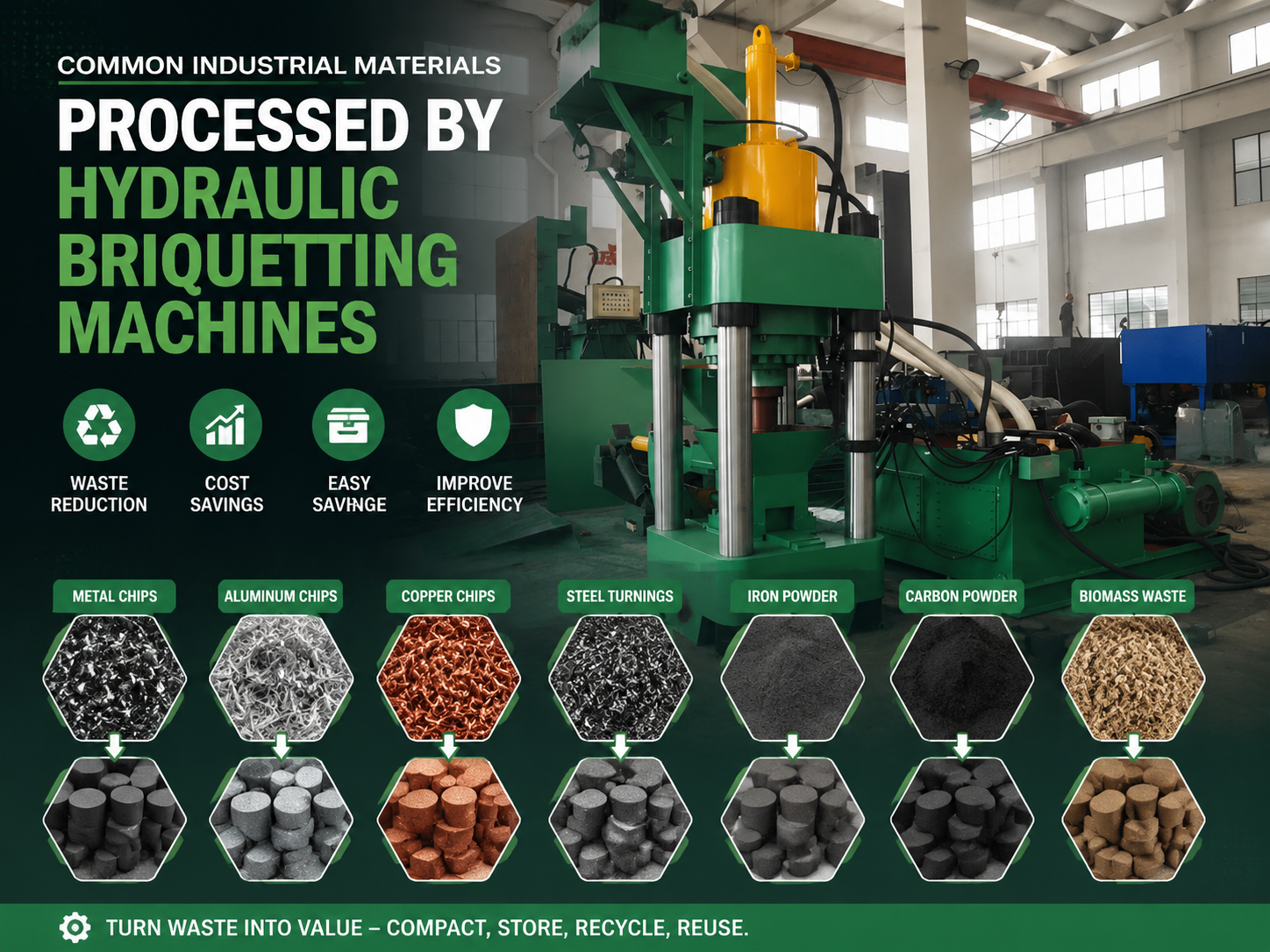
In the modern industrial landscape, the management of waste materials has transitioned from a logistical burden to a significant opportunity for cost recovery and environmental stewardship. Hydraulic briquetting machines stand at the forefront of this transformation. These robust machines are engineered to compress loose industrial waste—ranging from metal shavings to grinding sludge—into dense, manageable blocks known as briquettes. By utilizing high hydraulic pressure, these machines significantly reduce the volume of waste, making storage, transport, and recycling far more efficient.
HARSLE, a leader in metal fabrication machinery, provides advanced hydraulic briquetting solutions designed to handle a vast array of materials. The primary objective of using a hydraulic briquetting machine is to maximize the value of scrap. For instance, loose metal chips often carry residual cutting fluids and occupy massive amounts of floor space. When compressed, these chips lose their excess moisture and become a high-density feedstock for furnaces, which reduces oxidation during melting and improves yield. This article explores the Common Industrial Materials Processed By Hydraulic Briquetting Machines and provides technical insights into how these materials are transformed.
The adoption of briquetting technology is not merely about cleanliness; it is a strategic financial move. Companies across the globe are facing stricter environmental regulations and rising raw material costs. By integrating a HARSLE hydraulic briquetting machine into their production line, manufacturers can close the loop on their material usage, turning what was once ‘trash’ into a valuable secondary raw material. Whether you are dealing with ferrous metals, non-ferrous alloys, or even certain types of industrial biomass, understanding the compatibility of your material with briquetting technology is the first step toward operational excellence.
Key Considerations for Material Processing
Before diving into specific materials, it is crucial to understand the factors that influence the briquetting process. Not all materials behave the same under pressure. The success of the briquetting operation depends on several physical and chemical properties of the input material. The first major consideration is particle size and shape. Fine powders, long curly turnings, and granular chips all require different feeding mechanisms and pressure settings. For example, long steel turnings may need to be shredded before they can be effectively fed into the briquetting chamber.
Another critical factor is moisture and oil content. Many industrial metal chips are saturated with coolants or lubricants. A high-quality hydraulic briquetting machine is designed to squeeze out these liquids during the compression cycle. This not only results in a cleaner briquette but also allows the manufacturer to reclaim and reuse expensive cutting oils. However, if the moisture content is too high in non-metallic materials, it can lead to ‘spring-back’ or the disintegration of the briquette once it leaves the mold.
The material density and compressibility also dictate the required tonnage of the machine. Harder materials like stainless steel require significantly more force to achieve a stable briquette compared to softer metals like aluminum or lead. Furthermore, some materials possess natural binding properties, while others might require a binding agent to maintain their shape. In the context of metal fabrication, the mechanical interlocking of chips under high pressure usually suffices to create a solid block without any additives.
Common Industrial Materials Processed By Hydraulic Briquetting Machines
1. Aluminum Scrap and Chips
Aluminum is perhaps the most common material processed by hydraulic briquetting machines. Due to its lightweight nature, loose aluminum chips occupy an enormous volume relative to their weight. This makes transportation incredibly expensive. By briquetting aluminum, manufacturers can achieve a volume reduction ratio of up to 20:1. This density is vital for secondary aluminum smelters, as loose chips tend to burn up (oxidize) on the surface of the molten bath, leading to significant metal loss. Briquettes sink into the melt, ensuring a much higher recovery rate.
2. Steel and Cast Iron Swarf
Steel swarf, the byproduct of machining, milling, and drilling, is produced in massive quantities in the automotive and aerospace industries. Hydraulic briquetting machines compress these steel shavings into dense cylinders. For cast iron, which often produces a very fine, dusty swarf, briquetting is essential for dust control and safety. The high-pressure process ensures that the fine particles are locked together, preventing them from becoming airborne during handling and reducing the risk of respiratory issues for workers.
3. Copper and Brass Turnings
Copper and its alloys, such as brass and bronze, are high-value materials. Every gram of copper lost in the recycling process represents a direct financial hit. Briquetting copper turnings not only makes them easier to handle but also significantly increases their market value. Scrap dealers and smelters pay a premium for briquetted copper because it is easier to verify the purity and grade of the material when it is compacted into a solid form. Additionally, the removal of cutting fluids during the HARSLE briquetting process ensures the material meets the strict requirements of high-end foundries.
4. Grinding Sludge and Filter Cakes
Grinding sludge is a challenging material consisting of very fine metal particles mixed with high concentrations of water or oil. Traditionally, this was treated as hazardous waste and sent to landfills at a high cost. Modern hydraulic briquetting machines can process this sludge, separating the liquid from the solid. The resulting metal ‘pucks’ can be recycled, and the reclaimed oil can be filtered and returned to the grinding machines. This creates a dual revenue stream: reduced waste disposal fees and lower procurement costs for new lubricants.
Technical Details of the Briquetting Process
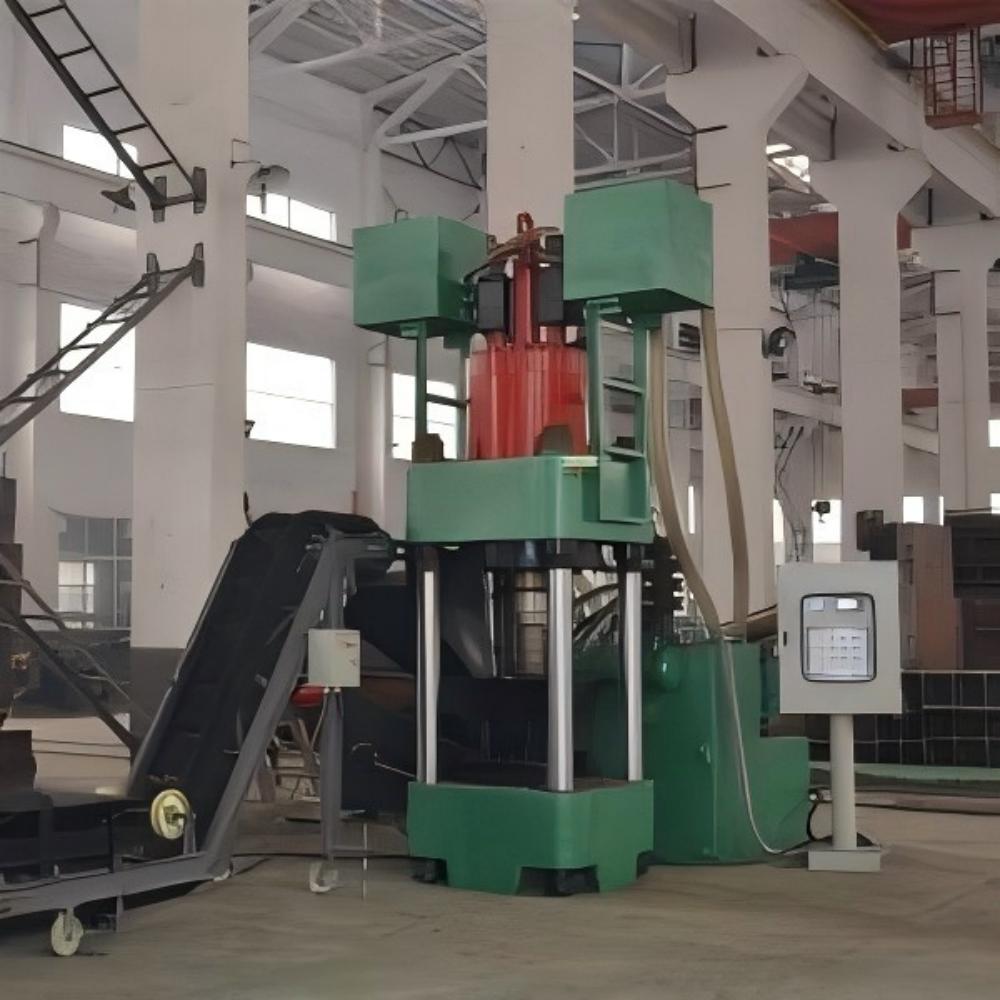
The technical heart of the hydraulic briquetting machine is its hydraulic system. Unlike mechanical presses, hydraulic presses provide a constant force throughout the entire stroke, which is essential for achieving uniform density in the briquette. The process typically begins with a hopper where the raw material is loaded. A screw conveyor or a secondary hydraulic ram then moves the material into the pre-compression chamber. Once the chamber is full, the main pressing cylinder exerts hundreds of tons of force against a fixed die or a sliding gate.
The PLC (Programmable Logic Controller) plays a vital role in managing the cycle. For materials like Common Industrial Materials Processed By Hydraulic Briquetting Machines, the PLC can be programmed with specific ‘recipes.’ For instance, an aluminum cycle might involve a fast approach and a long hold time to allow air to escape, whereas a steel cycle might focus on maximum peak pressure. HARSLE machines feature intuitive touch-screen interfaces that allow operators to switch between material types with ease, ensuring optimal performance regardless of the feedstock.
Cooling systems are another critical technical component. The friction generated during high-pressure compression can create significant heat. If the hydraulic oil becomes too hot, the viscosity drops, leading to seal wear and reduced pressure efficiency. HARSLE integrates advanced air or water-cooling systems to maintain the hydraulic fluid at an ideal operating temperature, allowing for 24/7 continuous operation in demanding industrial environments. This reliability is what sets professional-grade machinery apart from entry-level alternatives.
Selection Advice: Choosing the Right Machine for Your Material
Selecting the appropriate hydraulic briquetting machine requires a deep understanding of your waste stream. The first step is to quantify your hourly throughput requirements. Machines are rated by how many kilograms or tons of material they can process per hour. It is often advisable to choose a machine with a capacity 20% higher than your current needs to allow for future production growth. HARSLE offers a range of models, from compact units for small machine shops to massive industrial systems for large-scale recycling centers.
Next, consider the briquette diameter and shape. While cylindrical briquettes are standard, some smelting furnaces prefer specific shapes for better airflow during melting. The die design must also account for the abrasiveness of the material. For example, processing stainless steel or titanium chips will cause more wear on the mold than aluminum. Choosing a machine with hardened, replaceable wear plates and high-grade tool steel dies is essential for minimizing long-term maintenance costs.
Finally, evaluate the level of automation. Do you need a stand-alone machine that an operator manually feeds, or do you require a fully integrated system that sits under a conveyor belt and automatically starts when the hopper is full? HARSLE provides customizable solutions that include chip conveyors, magnetic separators (to remove ferrous contaminants from non-ferrous streams), and automated bagging systems. Investing in the right level of automation can significantly reduce labor costs and ensure a safer working environment.
Material Compatibility Table
| Material Type | Compression Ratio | Primary Benefit | Recommended Tonnage |
|---|---|---|---|
| Aluminum Chips | 10:1 to 20:1 | Reduced oxidation in melt | 150 – 300 Tons |
| Steel Swarf | 5:1 to 8:1 | Volume reduction for transport | 300 – 500 Tons |
| Copper Turnings | 6:1 to 10:1 | Increased scrap value | 200 – 400 Tons |
| Grinding Sludge | 3:1 to 5:1 | Oil recovery and waste reduction | 200 – 350 Tons |
| Cast Iron Dust | 4:1 to 6:1 | Dust suppression and safety | 250 – 450 Tons |
Frequently Asked Questions (FAQ)
What is the ROI of a hydraulic briquetting machine?
The Return on Investment (ROI) typically ranges from 6 to 18 months, depending on the volume of scrap and the current market price for briquetted versus loose material. Reclaimed cutting fluids also contribute significantly to the ROI by reducing new oil purchases.
Can I process multiple materials on the same machine?
Yes, HARSLE machines are versatile. However, to maintain the purity of the scrap, the machine should be thoroughly cleaned between different material runs. The PLC settings can be adjusted to accommodate the different pressure requirements of each material.
How much maintenance do these machines require?
Regular maintenance involves checking hydraulic oil levels, inspecting seals for leaks, and monitoring the wear on the pressing dies. Because HARSLE uses high-quality components, major overhauls are infrequent, but a daily visual inspection is recommended to ensure peak performance.
Does the machine require a binder to hold the briquettes together?
For most metal materials, no binder is required. The high hydraulic pressure causes the chips to mechanically interlock. For certain non-metallic industrial wastes, a binder might be necessary, and HARSLE can consult on the best approach for your specific material.
What happens to the liquid squeezed out during briquetting?
HARSLE machines are equipped with a collection tray and a drainage system. The liquid can be pumped into a filtration system or a storage tank for recycling or proper disposal, keeping your shop floor clean and dry.
Conclusion
The range of Common Industrial Materials Processed By Hydraulic Briquetting Machines is vast, reflecting the diversity of modern manufacturing. From the high-value recovery of copper and aluminum to the essential volume reduction of steel and the environmental management of grinding sludge, these machines are indispensable tools for the modern factory. By converting loose, messy waste into dense, clean briquettes, businesses can significantly improve their bottom line while contributing to a more sustainable industrial ecosystem.
Choosing HARSLE means investing in reliability, precision, and efficiency. Our hydraulic briquetting machines are engineered to withstand the rigors of heavy industrial use, providing consistent performance across a variety of materials. As the global focus on the circular economy intensifies, the ability to process and recycle your own industrial waste is no longer just an advantage—it is a necessity. Explore HARSLE’s range of briquetting solutions today and take the first step toward transforming your waste into a valuable asset.