Comprehensive Guide to Hydraulic Briquetting Machine Uses in Automotive Metal Waste Processing

Introduction to Hydraulic Briquetting in the Automotive Sector
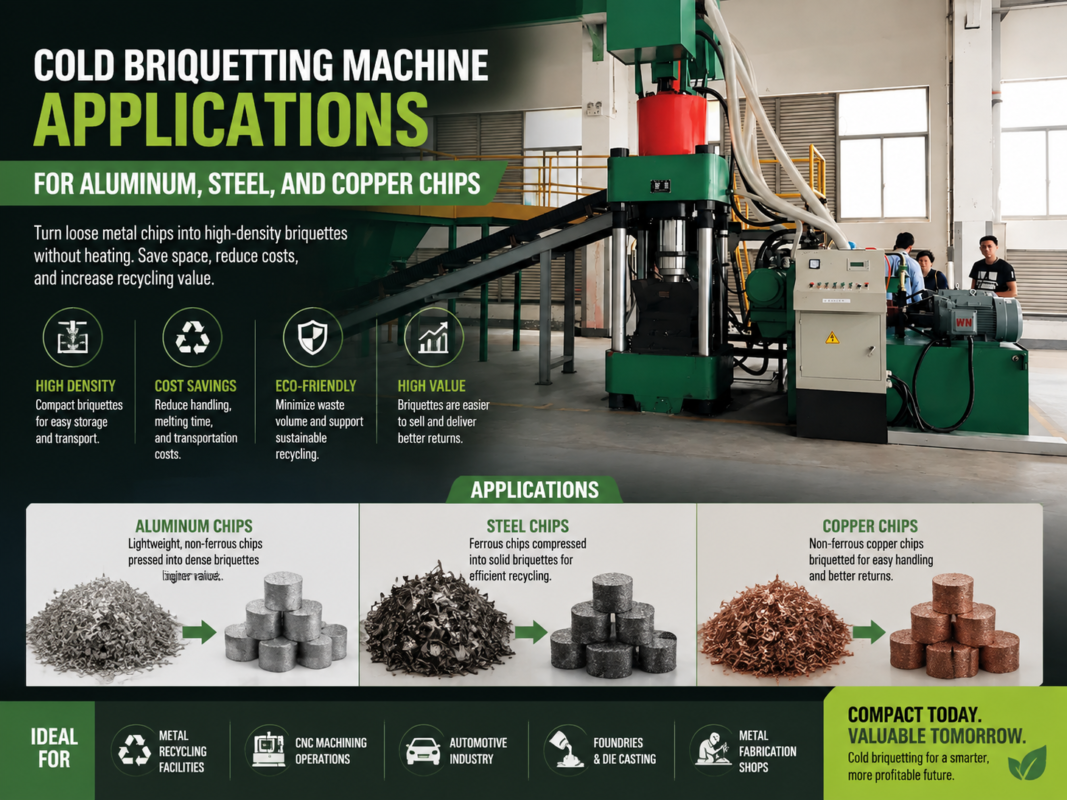
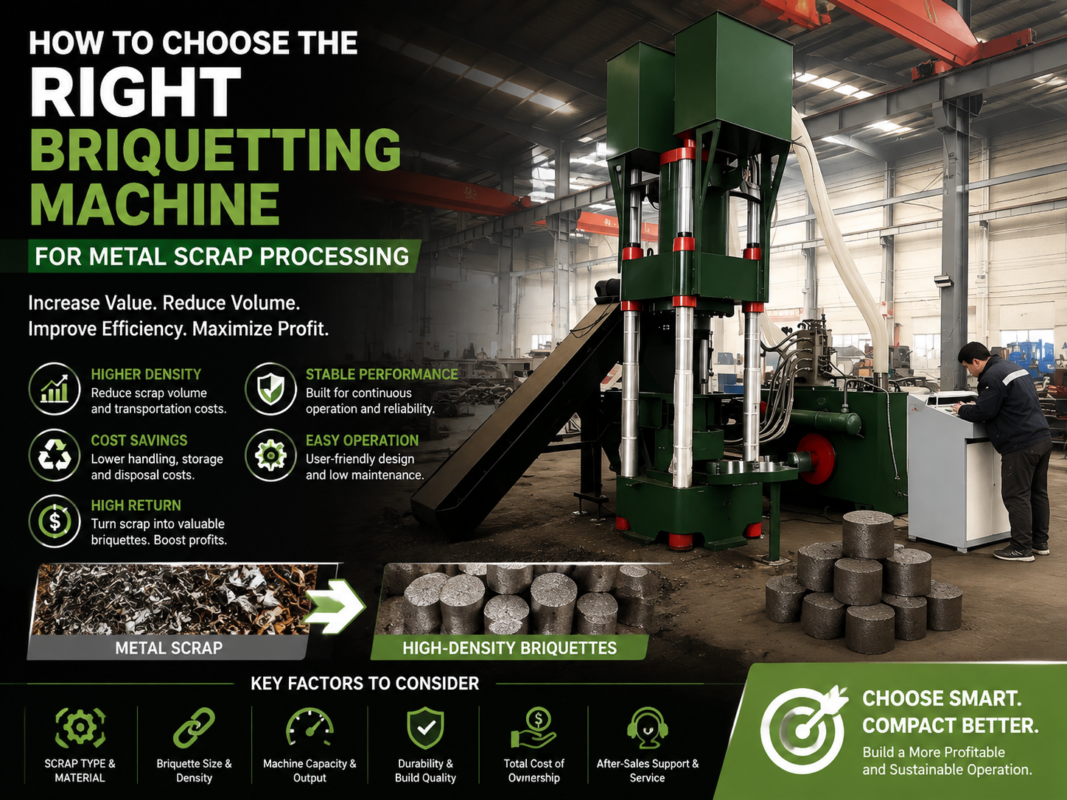
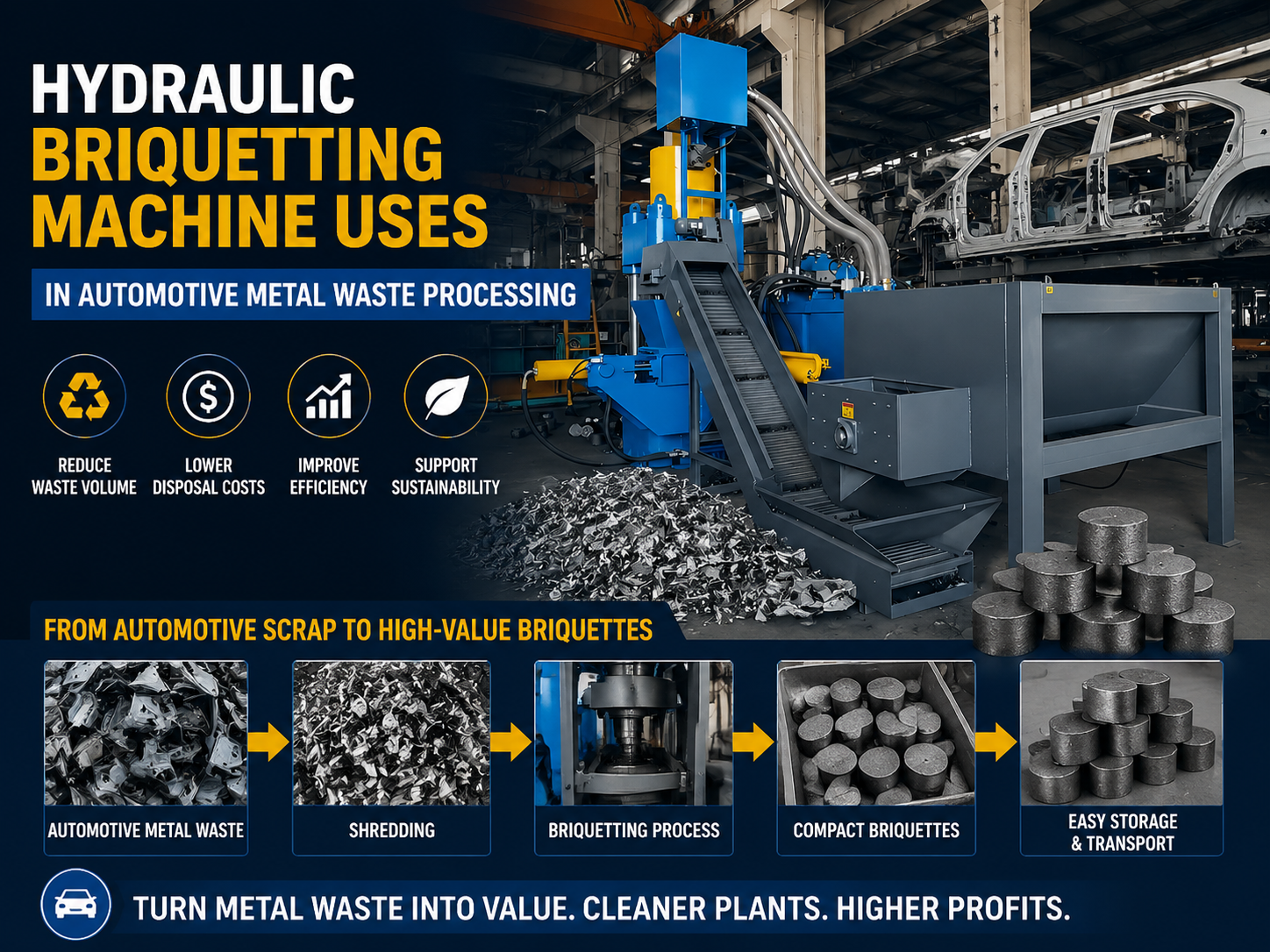
The automotive manufacturing industry is one of the largest producers of metal waste globally. From engine block machining to the stamping of body panels, the volume of metal chips, turnings, and swarf generated daily is staggering. In this high-stakes environment, efficient waste management is not just an environmental concern but a critical factor in operational profitability. This is where the Hydraulic Briquetting Machine Uses In Automotive Metal Waste Processing become indispensable. These machines are designed to transform loose metal scrap into dense, manageable blocks known as briquettes.
HARSLE, a leader in metal fabrication machinery, recognizes that the modern automotive plant requires more than just a disposal method; it requires a value-recovery system. Hydraulic briquetting technology allows manufacturers to compress voluminous metal waste by up to 90%, significantly reducing storage and transport costs. More importantly, it facilitates the recovery of expensive cutting fluids and coolants that are often trapped within the metal chips. By integrating a hydraulic briquetting press into the production line, automotive facilities can transition from a linear waste model to a circular economy model.
The process of briquetting involves high-pressure hydraulic cylinders that force metal particles together until they bond. Unlike baling, which is typically used for larger sheet metal scraps, briquetting is specifically tailored for the fine residues left behind by CNC milling, drilling, and grinding processes. As the automotive industry shifts toward lightweight materials like aluminum and high-strength alloys, the precision and power of hydraulic briquetting machines have become even more vital for maintaining material purity and maximizing scrap value.
In the following sections, we will delve deep into the technical nuances, strategic advantages, and selection criteria for hydraulic briquetting machines within the automotive context. Whether you are managing a Tier 1 supplier facility or a large-scale OEM assembly plant, understanding these applications is key to optimizing your metal waste stream.
Key Considerations for Automotive Metal Waste Processing
When evaluating Hydraulic Briquetting Machine Uses In Automotive Metal Waste Processing, several factors must be considered to ensure the equipment meets the rigorous demands of the industry. The first consideration is the type of material being processed. Automotive waste is diverse, ranging from cast iron and carbon steel to aluminum and brass. Each material has different compression characteristics. For instance, aluminum chips are highly elastic and require specific pressure profiles to prevent the briquette from expanding after it leaves the mold.
Another critical factor is the volume of waste generated. Automotive plants often operate 24/7, meaning the briquetting machine must be capable of continuous operation. Throughput capacity, measured in kilograms or tons per hour, must align with the output of the machining centers. If the machine is too small, it creates a bottleneck; if it is too large, it leads to unnecessary energy consumption. HARSLE provides a range of sizes to ensure a perfect match for any production scale.
Coolant recovery is perhaps the most significant economic driver for briquetting in the automotive sector. Metal chips are usually saturated with expensive synthetic or semi-synthetic coolants. During the compression process, these fluids are squeezed out and collected in a specialized tray. This recovered fluid can then be filtered and reused in the machining process, leading to substantial cost savings and reducing the environmental footprint of the facility. Without briquetting, these fluids are often lost or require expensive hazardous waste disposal.
Furthermore, the density of the briquettes is paramount. High-density briquettes are preferred by secondary smelters and foundries because they sink through the slag layer in the furnace, reducing oxidation and increasing the melt yield. In contrast, loose chips often burn up on the surface of the molten metal, leading to significant material loss. By producing high-quality briquettes, automotive manufacturers can command a higher price for their scrap metal, turning a waste product into a revenue stream.
Technical Details of Hydraulic Briquetting Machines
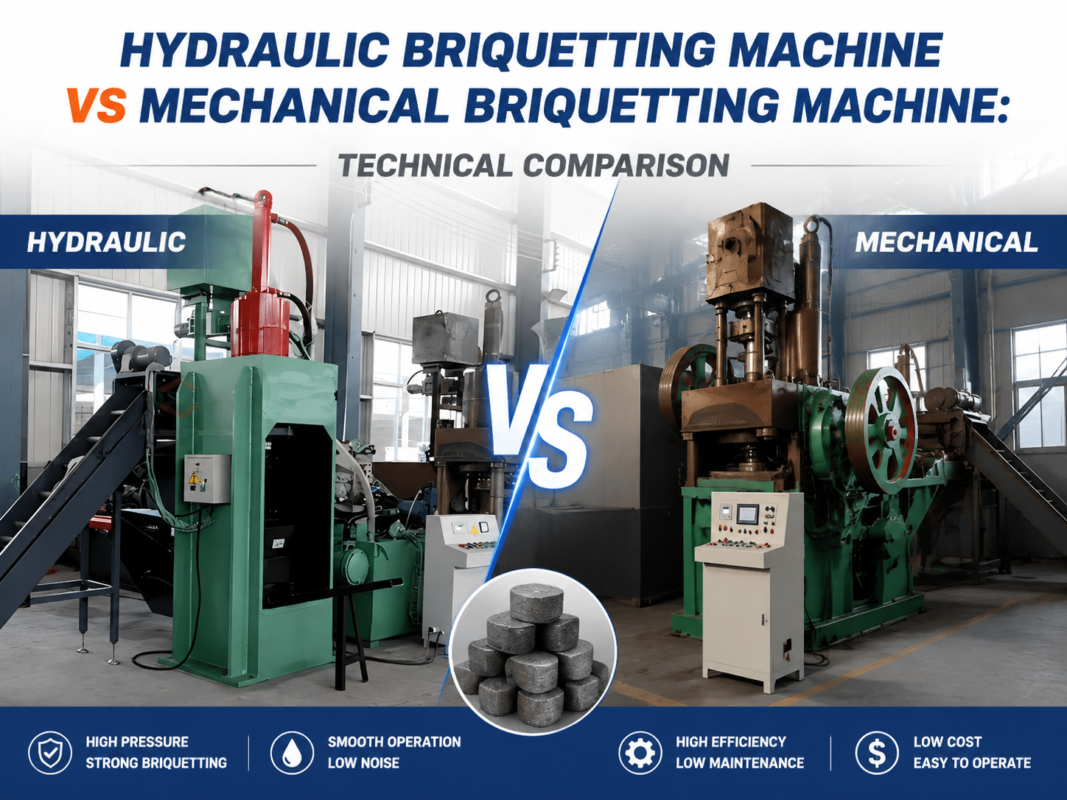
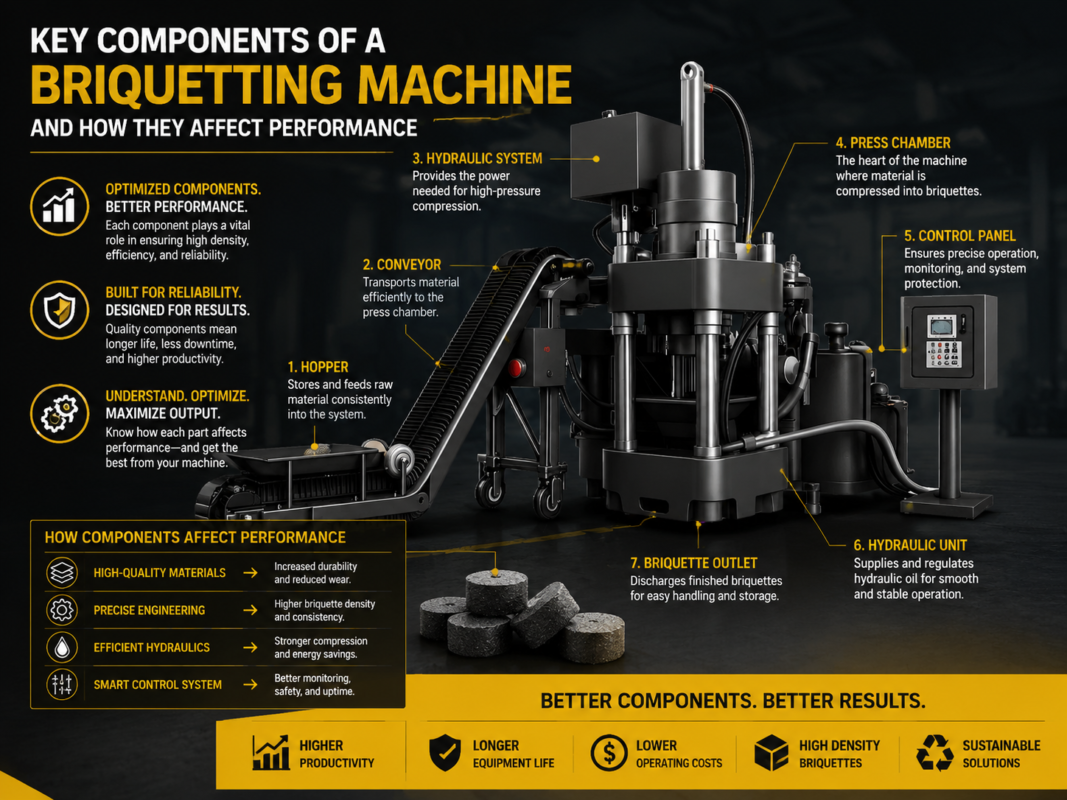
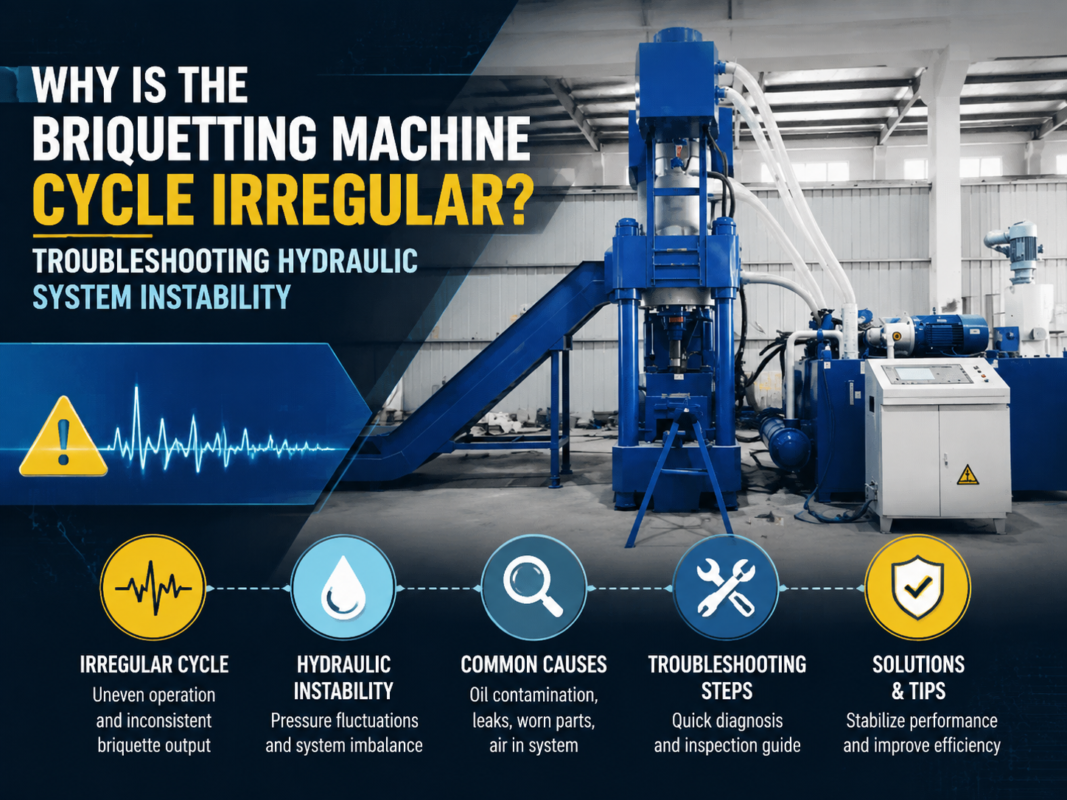
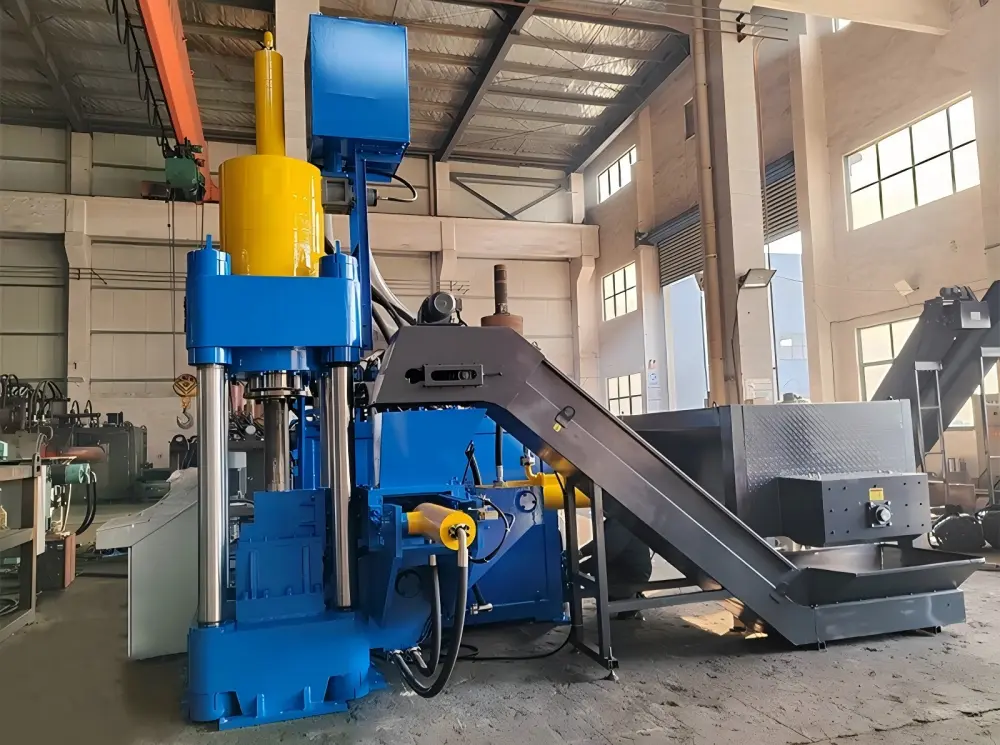
The engineering behind a HARSLE hydraulic briquetting machine is a testament to industrial durability and precision. At the heart of the machine is the hydraulic system, which consists of high-pressure pumps, precision valves, and heavy-duty cylinders. These components work in tandem to exert forces that can exceed several hundred tons, depending on the model. The hydraulic circuit is often equipped with cooling systems to maintain oil viscosity during long shifts, ensuring consistent pressure and preventing component wear.
The structural frame of the machine is typically a four-column or heavy-duty welded design, engineered to withstand the immense internal stresses of the compression cycle. The mold and punch are made from high-grade, wear-resistant tool steel, often heat-treated to handle the abrasive nature of metal chips. In automotive applications, where cast iron dust or hardened steel turnings are common, the longevity of these wear parts is crucial for minimizing downtime.
The Compression Cycle
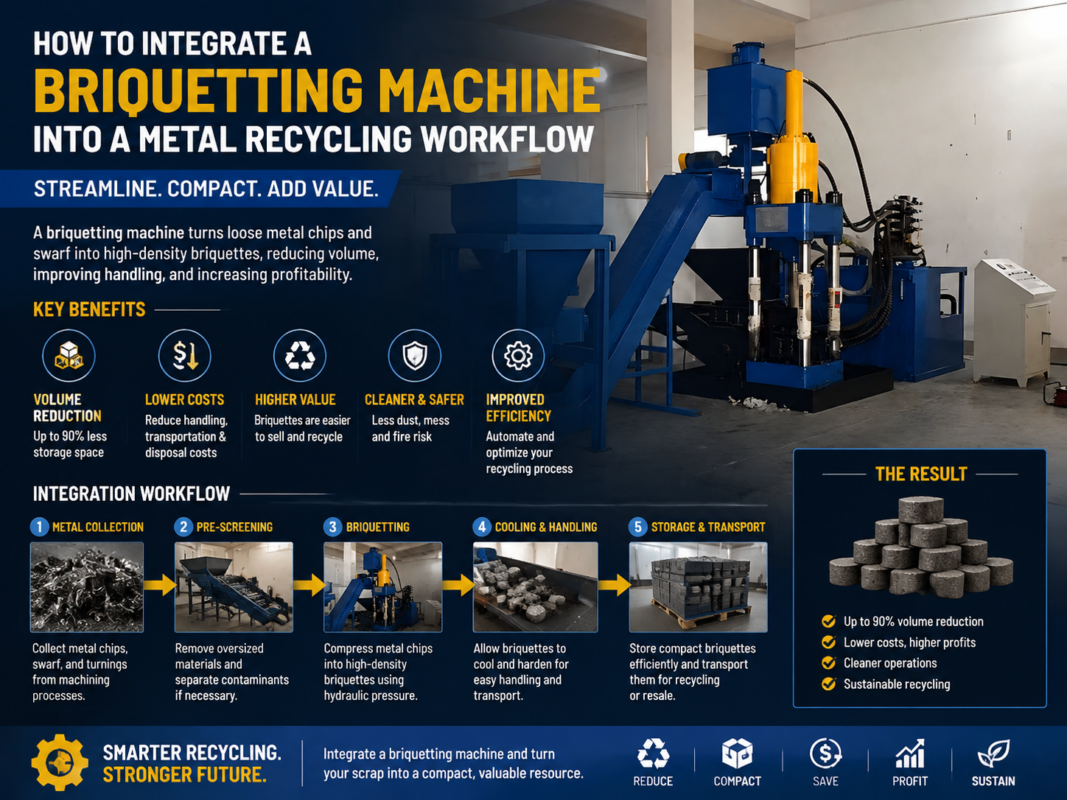
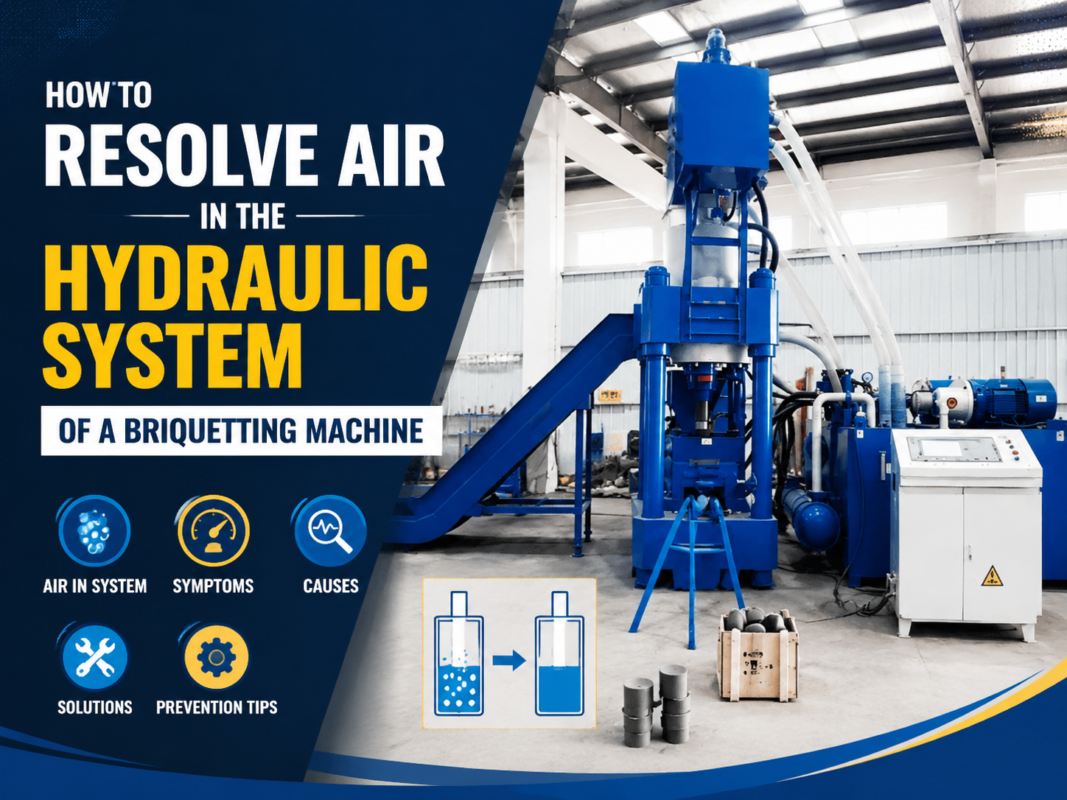
The briquetting process generally follows a specific sequence: feeding, pre-compression, main compression, and ejection. Loose chips are fed into a hopper, where an agitator or screw conveyor moves them into the compression chamber. A pre-compression cylinder often performs an initial squeeze to remove air and consolidate the material. Then, the main hydraulic ram descends, applying the full force required to create a solid briquette. Finally, the mold opens or the briquette is pushed out through a discharge chute.
Modern machines are controlled by advanced PLC (Programmable Logic Controller) systems. These systems allow operators to adjust parameters such as pressure, cycle time, and briquette length. In the context of Hydraulic Briquetting Machine Uses In Automotive Metal Waste Processing, PLC integration is vital for syncing the machine with automated chip conveyor systems. Sensors can detect when the hopper is full or if there is a blockage, allowing for autonomous operation with minimal human intervention.
Selection Advice for Automotive Manufacturers
Choosing the right hydraulic briquetting machine requires a strategic approach. The first step is to conduct a thorough audit of your metal waste. You need to know the exact alloy types, the moisture content (coolant percentage), and the physical shape of the chips (e.g., long turnings vs. fine powder). Long turnings may require a shredder or crusher before they can be effectively briquetted, as they can bridge in the hopper and cause feeding issues.
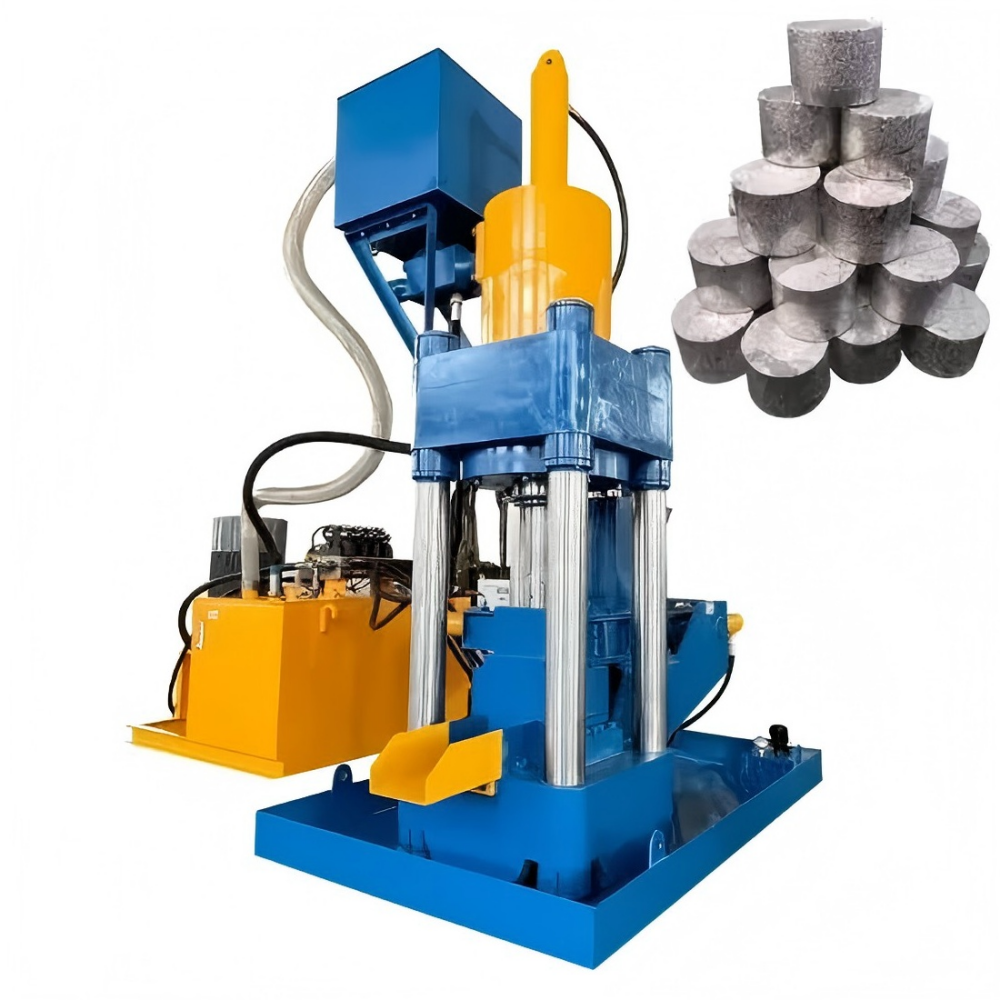
Consider the footprint and layout of your facility. In many automotive plants, space is at a premium. Vertical briquetting machines often have a smaller footprint and are easier to integrate into existing production lines. However, horizontal machines might be preferred for certain high-volume applications where height is a constraint. HARSLE offers customizable configurations to fit specific spatial requirements, ensuring that the machine enhances rather than hinders the workflow.
Automation level is another key decision point. For a Tier 1 supplier with high-volume output, a fully automated system with integrated conveyors, chip centrifuges, and briquette bagging systems is often the best investment. For smaller workshops, a semi-automated machine might suffice. Always look for machines that offer remote monitoring capabilities, as this allows maintenance teams to track performance and predict potential failures before they cause an outage.
Finally, evaluate the total cost of ownership (TCO). While the initial purchase price is important, the costs of energy consumption, replacement parts, and maintenance over the machine’s lifespan are equally significant. A high-quality HARSLE machine might have a higher upfront cost than a generic alternative, but its efficiency in coolant recovery and higher scrap value generation typically results in a much faster Return on Investment (ROI), often within 12 to 18 months.
Comparison Table: Metal Types and Briquetting Characteristics
| Material Type | Compression Ratio | Briquette Density | Key Benefit |
|---|---|---|---|
| Aluminum Alloys | 8:1 to 10:1 | High | Prevents oxidation in furnace |
| Cast Iron | 5:1 to 7:1 | Very High | Eliminates dust hazards |
| Steel Turnings | 6:1 to 9:1 | Medium-High | Maximizes transport efficiency |
| Copper/Brass | 7:1 to 10:1 | High | High value recovery per kg |
Maintenance and Longevity of Briquetting Equipment
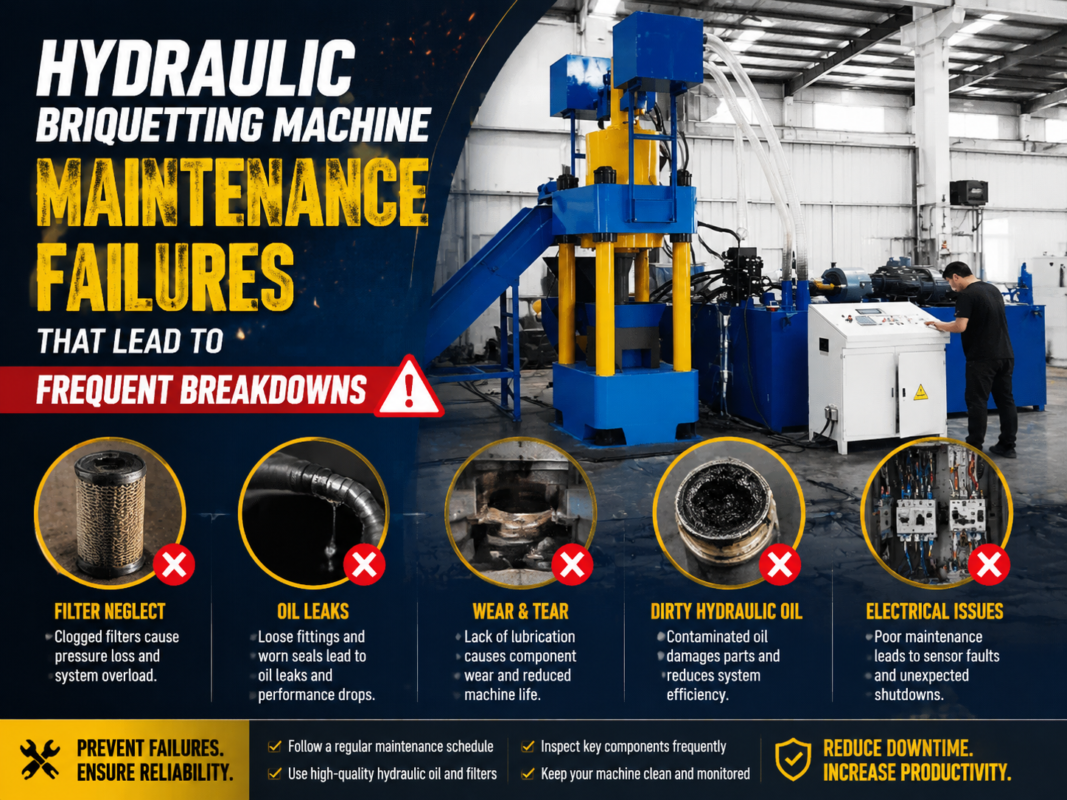
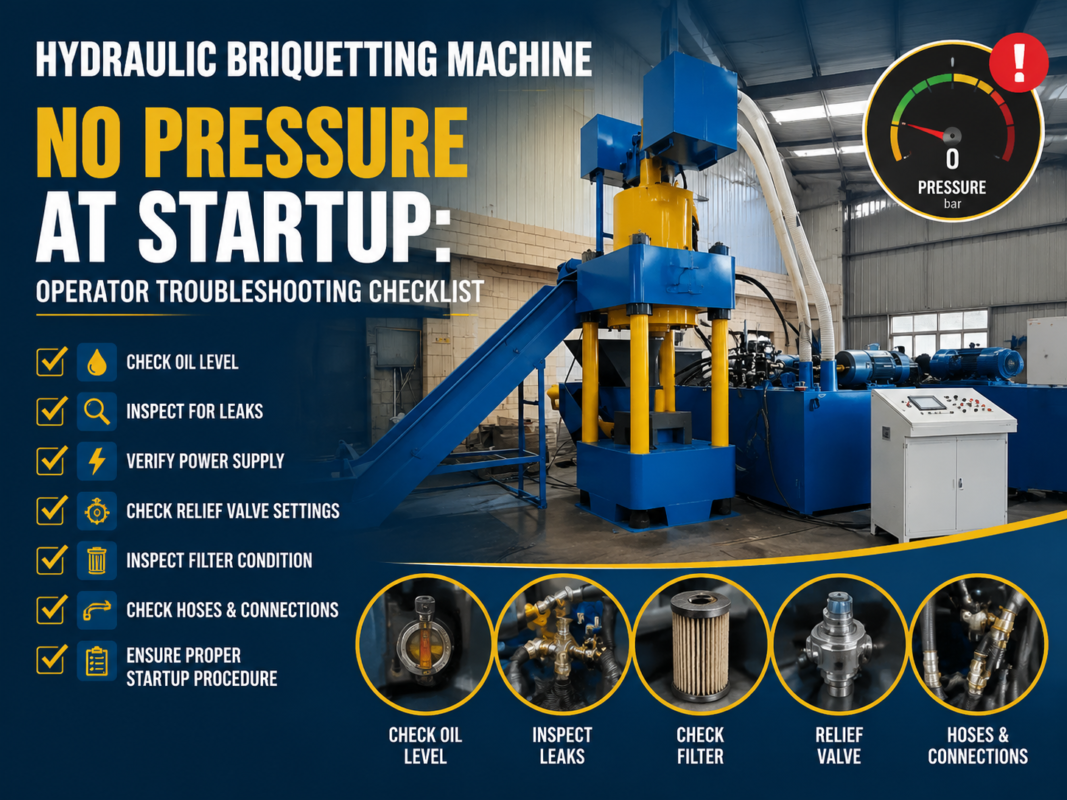
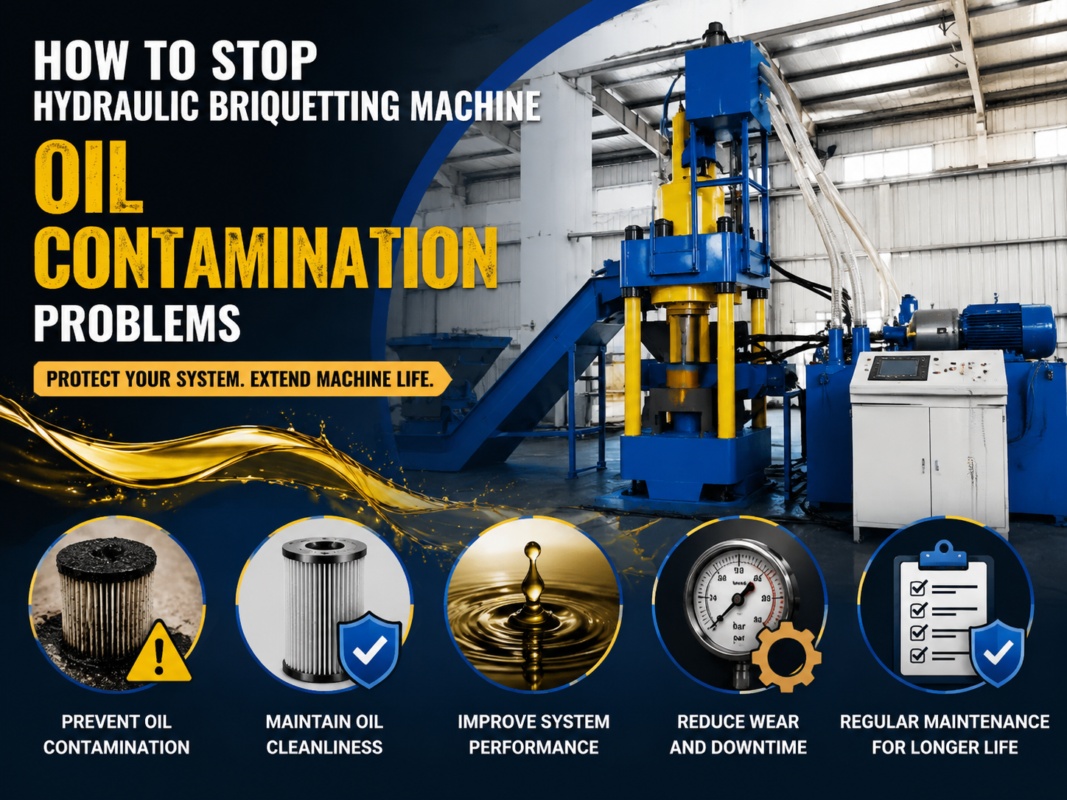
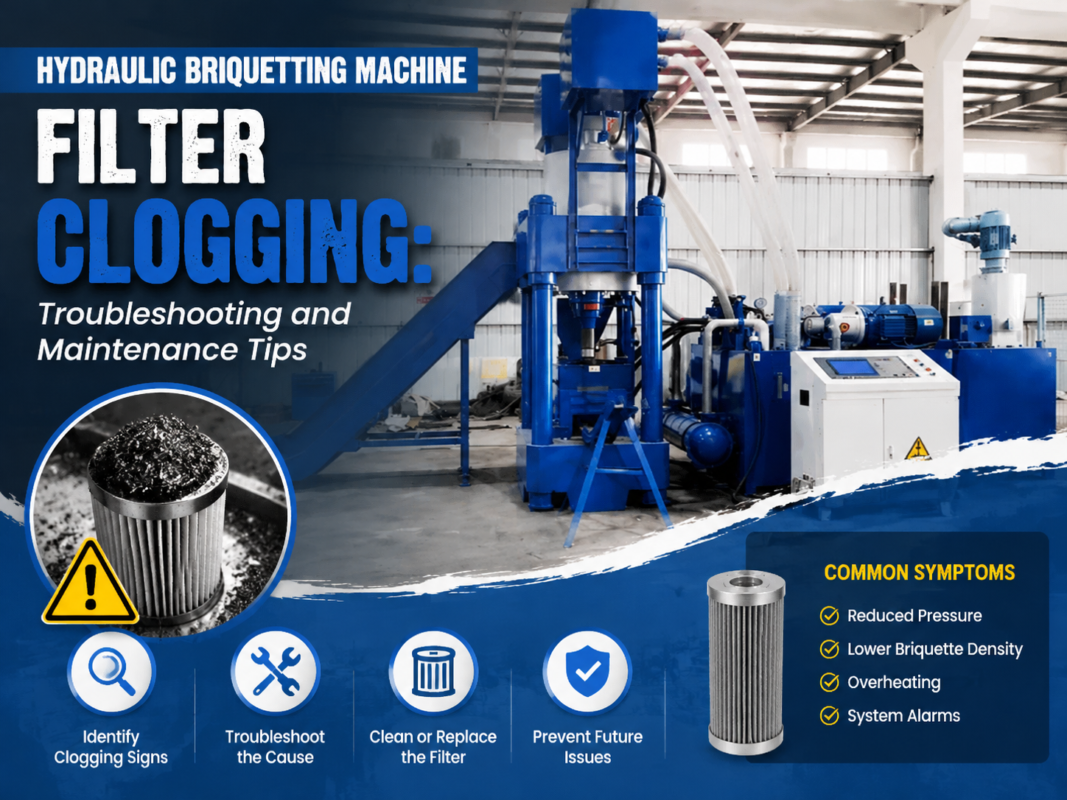
To ensure the long-term success of Hydraulic Briquetting Machine Uses In Automotive Metal Waste Processing, a robust maintenance schedule is essential. The hydraulic oil is the lifeblood of the machine; it must be kept clean and changed at regular intervals. Contaminated oil can damage sensitive valves and cause internal leakage in the cylinders, leading to a loss of compression force. Installing high-quality filtration systems can significantly extend the life of the hydraulic components.
Wear parts, specifically the mold and the pressing head, should be inspected weekly. In automotive environments where abrasive materials are processed, these parts will eventually wear down. Using genuine HARSLE replacement parts ensures that the machine maintains its original tolerances and performance levels. Furthermore, the lubrication of moving parts, such as the feeding screw and the ejection mechanism, prevents friction-related failures and reduces energy consumption.
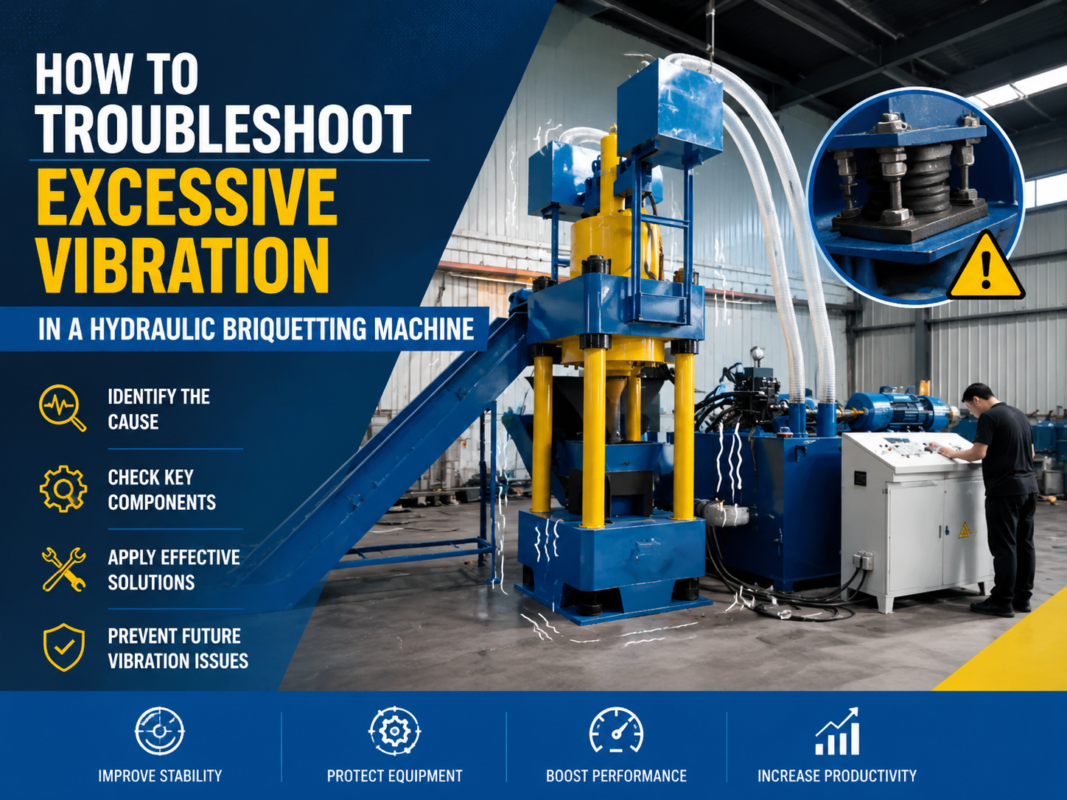
Electrical systems also require attention. Vibration from the compression process can occasionally loosen connections in the control panel. Regular thermal imaging of the electrical cabinet can identify overheating components before they fail. By following a proactive maintenance philosophy, automotive manufacturers can ensure their briquetting operations remain a reliable part of their sustainability strategy for decades.
Frequently Asked Questions (FAQ)
1. What is the difference between a baler and a hydraulic briquetting machine?
A baler is typically used for large, hollow, or flat metal scraps like car bodies or sheet metal offcuts, creating large cubes. A hydraulic briquetting machine is designed for small metal particles like chips, turnings, and swarf, creating much smaller, denser cylinders or blocks. Briquetting is far more effective for coolant recovery and improving melt yields in foundries.
2. Can the machine handle different types of metal simultaneously?
While the machine can physically compress a mix of metals, it is highly discouraged. The value of scrap metal depends heavily on its purity. Mixing aluminum and steel chips, for example, significantly devalues the resulting briquette. It is best to have dedicated machines for different materials or to thoroughly clean the system between batches.
3. How much coolant can be recovered during the process?
Depending on the initial moisture content of the chips, a hydraulic briquetting machine can recover up to 95% of the fluids trapped in the waste. For automotive plants using expensive cutting oils, this recovery often pays for the machine’s operating costs entirely.
4. Is a shredder always necessary before briquetting?
Not always, but it is recommended for “bird’s nest” turnings or long, stringy chips. These types of waste can clog the feeding hopper. A shredder breaks them down into a uniform size that the briquetting machine can process efficiently and consistently.
5. What is the typical ROI for a HARSLE briquetting machine?
Most automotive facilities see a full Return on Investment within 12 to 24 months. This is calculated based on reduced transport costs, higher scrap sale prices, and the value of recovered coolants.
Conclusion: The Future of Automotive Waste Management
The Hydraulic Briquetting Machine Uses In Automotive Metal Waste Processing represent a critical intersection of industrial efficiency and environmental stewardship. As the automotive industry faces increasing pressure to reduce its carbon footprint and optimize resource usage, technologies that enable the circular economy will become the standard. HARSLE remains at the forefront of this transition, providing robust, high-pressure solutions that turn problematic waste into a valuable asset.
By implementing a hydraulic briquetting system, manufacturers do more than just clean up their shop floor. They protect their margins against fluctuating raw material prices, reduce the risks associated with hazardous waste handling, and contribute to a more sustainable manufacturing ecosystem. The density, purity, and fluid recovery provided by HARSLE machines ensure that every gram of metal and every drop of coolant is utilized to its fullest potential.
In conclusion, whether you are looking to solve a space constraint, improve your environmental compliance, or simply increase the bottom line of your machining department, a hydraulic briquetting machine is a proven and powerful tool. Trust HARSLE to provide the expertise and equipment necessary to transform your automotive metal waste processing into a world-class operation.