Comprehensive Guide to Hydraulic Briquetting Machine Applications for Cast Iron Chip Recycling

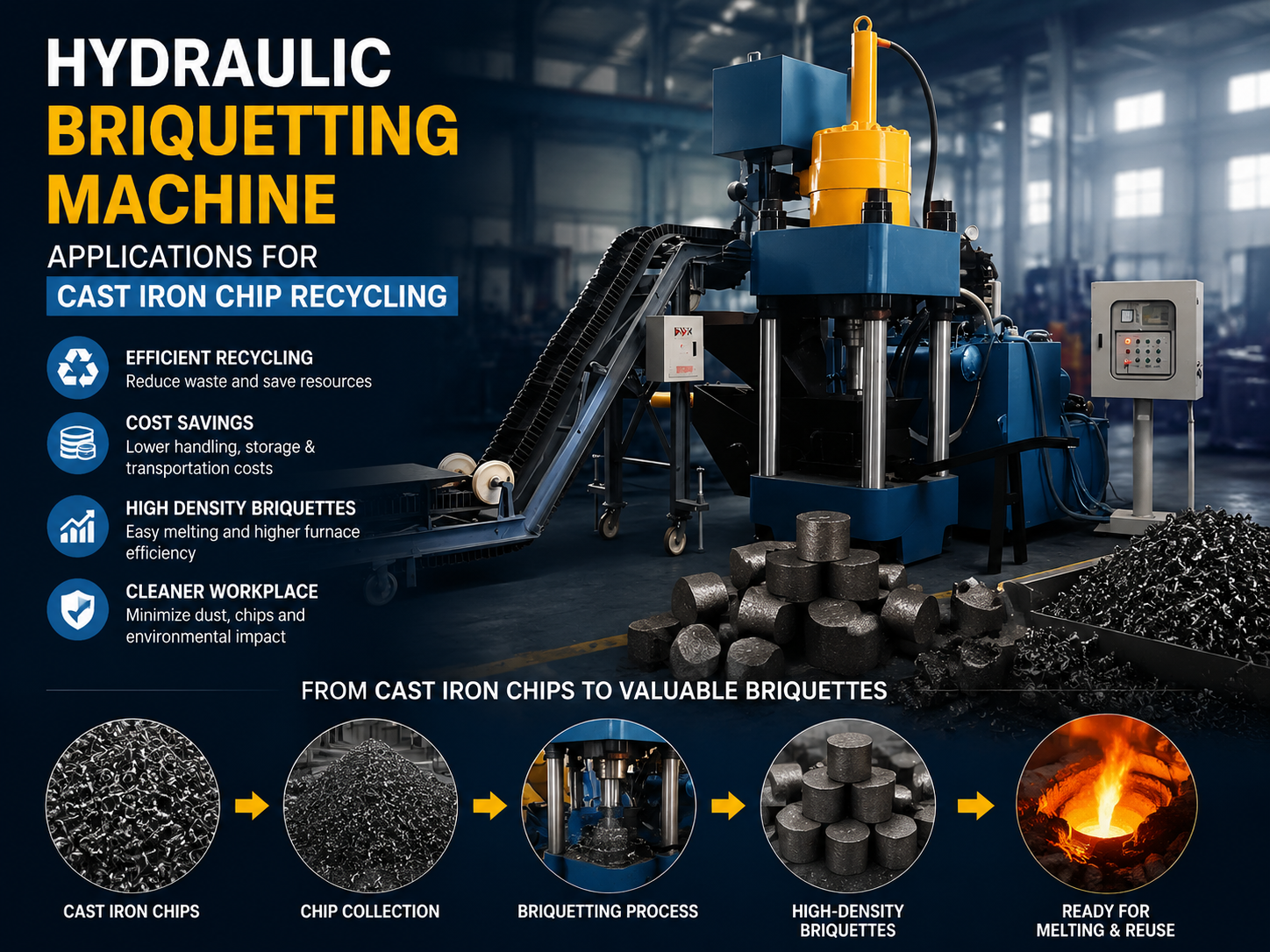
Introduction to Hydraulic Briquetting Machine Applications for Cast Iron Chip Recycling
In the modern industrial landscape, the management of metal waste has evolved from a simple disposal task into a critical component of operational efficiency and environmental stewardship. Among the various types of industrial waste, cast iron chips—byproducts of machining processes such as milling, drilling, and turning—present both a challenge and an opportunity. The implementation of Hydraulic Briquetting Machine Applications for Cast Iron Chip Recycling has revolutionized how foundries and machining shops handle these materials. By compressing loose, voluminous chips into dense, manageable briquettes, manufacturers can significantly enhance the value of their scrap while streamlining their internal logistics.
Cast iron is a unique material in the recycling world. Unlike steel or aluminum, it possesses specific metallurgical properties that make its loose form particularly difficult to handle. Loose chips are prone to oxidation, occupy massive amounts of floor space, and are notoriously difficult to melt in induction furnaces due to their low density and high surface area. HARSLE, a leader in metal fabrication machinery, provides advanced hydraulic solutions designed specifically to overcome these hurdles. Through high-pressure compaction, these machines transform what was once considered ‘nuisance waste’ into a high-quality raw material for the melting process.
The shift toward circular economy practices has further accelerated the adoption of briquetting technology. Companies are no longer satisfied with selling loose chips at a fraction of the price of solid scrap. Instead, they are investing in Hydraulic Briquetting Machine Applications Cast Iron Chip Recycling to close the loop on their production cycles. This guide explores the multifaceted benefits, technical specifications, and strategic considerations involved in selecting and operating these powerful industrial tools.
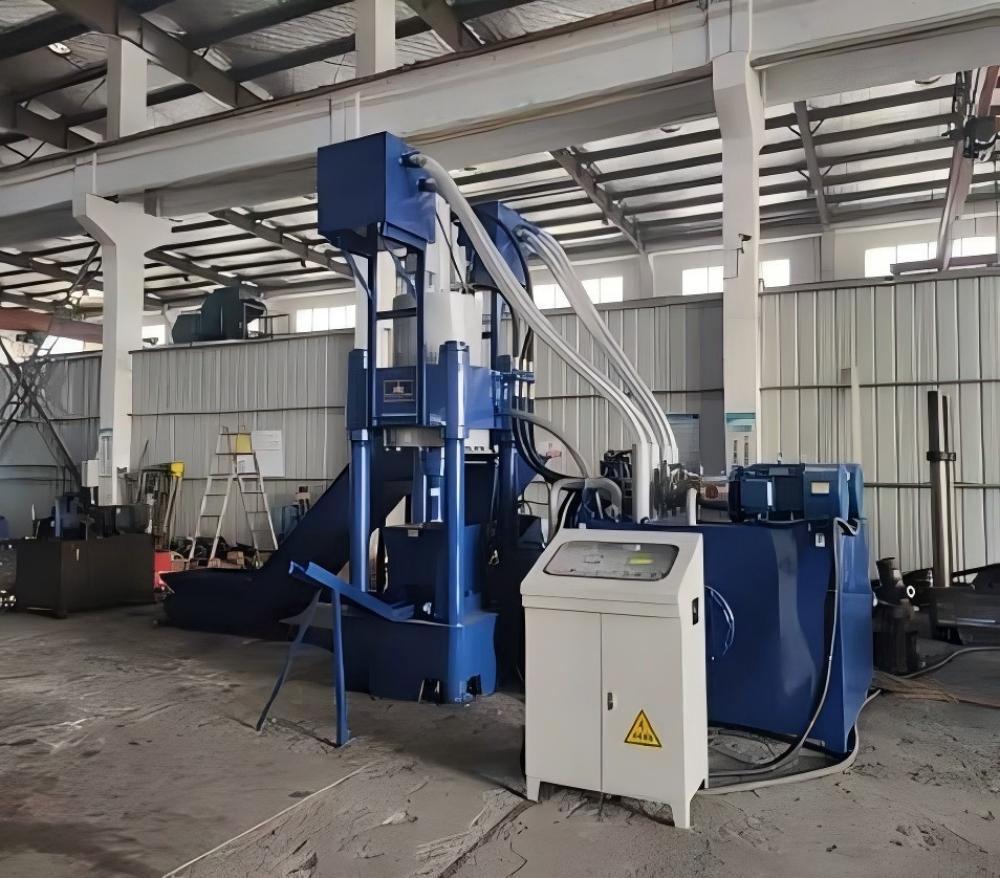
Key Considerations for Cast Iron Chip Recycling
Economic Impact and Return on Investment (ROI)
The primary driver for investing in a hydraulic briquetting machine is the immediate increase in scrap value. Loose cast iron chips typically fetch a significantly lower price from scrap dealers compared to solid cast iron or high-density briquettes. This price gap exists because loose chips are expensive to transport and inefficient to melt. By briquetting the chips, a facility can often see a price increase of 20% to 50% per ton of scrap sold. Furthermore, for facilities that operate their own foundries, the ability to recharge briquettes directly into the furnace reduces the need to purchase expensive pig iron or high-grade scrap.
Another economic factor is the recovery of cutting fluids. Cast iron machining often involves the use of expensive coolants and oils. When chips are compressed under the immense pressure of a hydraulic press, these fluids are squeezed out and can be collected, filtered, and reused. In high-volume operations, the value of recovered coolant alone can sometimes cover the monthly operating costs of the briquetting machine. This dual-stream of savings—increased scrap value and reduced fluid procurement—ensures a rapid ROI, often within 12 to 24 months.
Logistics and Storage Efficiency
Loose metal chips are incredibly bulky. A ton of loose cast iron chips can occupy up to ten times the volume of a ton of briquetted material. This creates a massive logistical burden, requiring frequent pickups by scrap haulers and taking up valuable floor space that could be used for production machinery. Hydraulic Briquetting Machine Applications for Cast Iron Chip Recycling allow for a volume reduction ratio of up to 10:1. This means fewer storage bins, fewer forklift trips, and significantly reduced transportation costs.
Furthermore, briquettes are much cleaner to handle. Loose chips are often saturated with oil, leading to leaks and environmental hazards on the shop floor. Briquettes, having had the majority of their moisture removed during the pressing process, are dry and stable. This improves the overall safety and cleanliness of the facility, reducing the risk of slips and falls and simplifying compliance with environmental regulations regarding hazardous waste management.
Melting Efficiency and Metallurgical Quality
From a foundry perspective, briquettes are vastly superior to loose chips. When loose chips are thrown into an induction furnace, they tend to float on the surface of the melt, where they are exposed to oxygen. This leads to high oxidation rates and significant ‘burn loss,’ where a portion of the metal is lost to slag. Additionally, the high surface area of chips can lead to hydrogen pickup, which compromises the quality of the final casting. Briquettes, due to their high density, sink directly into the melt, minimizing oxidation and ensuring a higher yield.
The consistency of briquettes also allows for more predictable furnace chemistry. Because the briquetting process removes the majority of cutting oils (which contain carbon and sulfur), the resulting melt is cleaner. This reduces the need for expensive additives and refining steps in the foundry. For manufacturers who pride themselves on the quality of their cast iron products, the transition to briquetted scrap is a logical step toward better metallurgical control.
Technical Details of Hydraulic Briquetting Systems
The Hydraulic Circuit and Pressure Dynamics
The heart of any briquetting machine is its hydraulic system. HARSLE machines utilize advanced variable displacement pumps and high-pressure cylinders to deliver the force necessary to bind cast iron chips without the need for external binders. Cast iron is naturally brittle; under extreme pressure, the jagged edges of the chips interlock and undergo cold welding, creating a solid block. The hydraulic system must be capable of maintaining consistent pressure throughout the stroke to ensure uniform density across the entire briquette.
Modern systems feature multi-stage compression. An initial ‘pre-compression’ stage uses a horizontal ram to push the chips into the main chamber, followed by a high-pressure vertical or horizontal main ram that performs the final compaction. This two-stage approach ensures that air is evacuated from the material, preventing the ‘spring-back’ effect that can cause lower-quality briquettes to crumble. The pressure ratings for these machines typically range from 200 to 600 tons, depending on the desired briquette diameter and density.
Automation and PLC Integration
To maximize efficiency, Hydraulic Briquetting Machine Applications Cast Iron Chip Recycling are almost always integrated with automated control systems. Programmable Logic Controllers (PLCs) manage the timing of the cylinders, the feeding mechanism, and the discharge conveyor. Sensors monitor the oil temperature, pressure levels, and the position of the rams in real-time. This automation allows the machine to run unattended, often positioned directly at the end of a chip conveyor system coming from a CNC machining center.
Advanced HARSLE models also include remote monitoring capabilities. Operators can track the number of briquettes produced, the total tonnage processed, and receive maintenance alerts on their smartphones or central control consoles. This level of data integration is essential for Industry 4.0 environments, where every aspect of the production and recycling chain must be documented and optimized for maximum throughput.
Material Handling and Cooling Systems
The physical handling of cast iron chips requires robust components. Cast iron is abrasive, meaning the feeding hoppers, screws, and compression chambers must be lined with wear-resistant materials such as hardened steel or specialized alloys. HARSLE designs these components to be easily replaceable, minimizing downtime when maintenance is required. The feeding system often includes a ‘chip breaker’ or agitator to prevent bridging, ensuring a steady flow of material into the compression chamber.
Because the process of high-pressure compaction generates heat, an efficient cooling system is vital for the hydraulic oil. If the oil becomes too hot, its viscosity drops, leading to reduced pressure and potential damage to the seals and pumps. HARSLE machines are equipped with high-capacity air or water cooling units that maintain the hydraulic fluid within the optimal temperature range, even during 24/7 continuous operation in hot industrial environments.
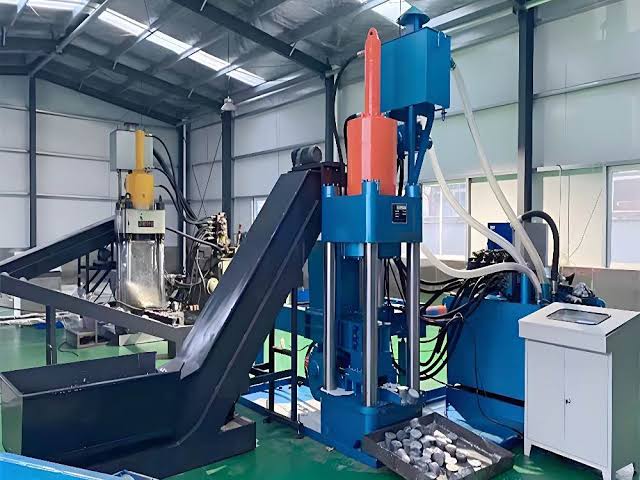
Selection Advice for Industrial Buyers
Assessing Capacity and Throughput Requirements
When selecting a hydraulic briquetting machine, the first step is to accurately calculate your chip generation rate. Machines are rated by their hourly output (e.g., 500kg/h, 1000kg/h, or 2000kg/h). It is generally advisable to choose a machine with a capacity 20-30% higher than your peak generation rate to account for future growth and to ensure the machine isn’t constantly running at its absolute limit. Overloading a machine can lead to premature wear and inconsistent briquette quality.
Consider the physical footprint of the machine as well. While the briquetting process saves space in the long run, the machine itself requires a dedicated area, including space for the chip hopper, the hydraulic power unit, and the briquette discharge area. HARSLE offers both vertical and horizontal configurations to accommodate different floor plans, with vertical models often being preferred for their smaller footprint in tight machining cells.
Material Compatibility and Briquette Density
Not all cast iron is the same. Gray iron, ductile iron, and alloyed irons have different compaction characteristics. It is essential to test your specific material with the manufacturer before purchase. The goal is to achieve a density of at least 5.0 to 6.0 g/cm³. A density lower than this may result in briquettes that break apart during transport or float in the furnace. The machine’s pressure settings and chamber design must be tuned to the specific ductility and chip size of your material.
If your chips are particularly large or ‘stringy,’ you may need a pre-shredder or crusher integrated into the system. The hydraulic briquetting machine works best with consistent, small-to-medium-sized chips. Ensuring the input material is uniform will lead to more consistent briquette weight and density, which is crucial for foundries that use automated charging systems.
Maintenance and Serviceability
Industrial machinery is only as good as its uptime. When evaluating a supplier, look at the accessibility of wear parts. How long does it take to change the compression sleeve? Are the hydraulic seals standard sizes that can be sourced locally in an emergency? HARSLE emphasizes serviceability in its designs, providing clear maintenance schedules and easy access to all critical components. A machine that is easy to maintain will have a much lower total cost of ownership over its 10-15 year lifespan.
| Feature | Benefit for Cast Iron Recycling |
|---|---|
| High-Pressure Hydraulic Ram | Ensures maximum density without binders, improving melt yield. |
| Integrated Fluid Collection | Recovers expensive coolants and oils for reuse. |
| PLC Control System | Allows for fully automated, unattended operation. |
| Wear-Resistant Liners | Extends the life of the machine when processing abrasive cast iron. |
| Compact Design | Saves valuable floor space in machining and foundry facilities. |
Frequently Asked Questions (FAQ)
1. Do I need to add a binder to make cast iron briquettes?
No, for most cast iron chip recycling applications, no binder is required. The high pressure exerted by the hydraulic system is sufficient to create a solid briquette through mechanical interlocking and cold welding of the chips. This is a significant advantage as it keeps the scrap pure and avoids introducing foreign chemicals into the melting furnace.
2. How much moisture can the machine handle?
Hydraulic briquetting machines are designed to handle ‘wet’ chips saturated with coolant or oil. The compression process naturally forces the liquid out through specialized drainage ports in the compression chamber. However, if the chips are dripping wet, it is often beneficial to have a settling tank or a centrifugal dryer upstream to manage the volume of liquid recovered.
3. What is the typical density of a cast iron briquette?
A high-quality hydraulic press can achieve densities between 5.0 and 6.2 g/cm³. For comparison, the density of solid cast iron is approximately 7.1 to 7.3 g/cm³. Achieving at least 80% of the solid density is usually the target for efficient melting and transport.
4. Can the machine handle other metals like aluminum or steel?
Yes, HARSLE hydraulic briquetting machines are versatile. However, the pressure settings and feeding mechanisms may need to be adjusted. Steel chips are often springier and may require higher pressure or different chamber geometry, while aluminum is softer and compacts easily but may require different lubrication for the ram.
5. How often does the hydraulic oil need to be changed?
Typically, the hydraulic oil should be sampled every 2,000 hours and changed every 4,000 to 6,000 hours, depending on the operating environment and the effectiveness of the filtration system. Regular maintenance of the filters is the most important factor in extending the life of the oil and the hydraulic components.
Conclusion: The Future of Cast Iron Recycling with HARSLE
The adoption of Hydraulic Briquetting Machine Applications for Cast Iron Chip Recycling represents a strategic move toward more sustainable and profitable manufacturing. By transforming a messy, low-value byproduct into a dense, clean, and high-value resource, companies can significantly improve their bottom line while reducing their environmental footprint. The benefits—ranging from increased scrap revenue and coolant recovery to improved furnace efficiency and shop floor cleanliness—make the investment in a high-quality hydraulic press a clear choice for forward-thinking industrial leaders.
HARSLE continues to innovate in this space, offering machines that are not only powerful and durable but also smart and integrated. As the global manufacturing industry faces increasing pressure to reduce waste and optimize resource use, the role of briquetting technology will only grow. Whether you are a small machining shop looking to tidy up your operations or a large-scale foundry seeking to stabilize your raw material costs, HARSLE has the expertise and the equipment to help you succeed in the evolving world of metal recycling.