Applications Of Hydraulic Briquetting Machines In Scrap Yard Operations: A Comprehensive Guide

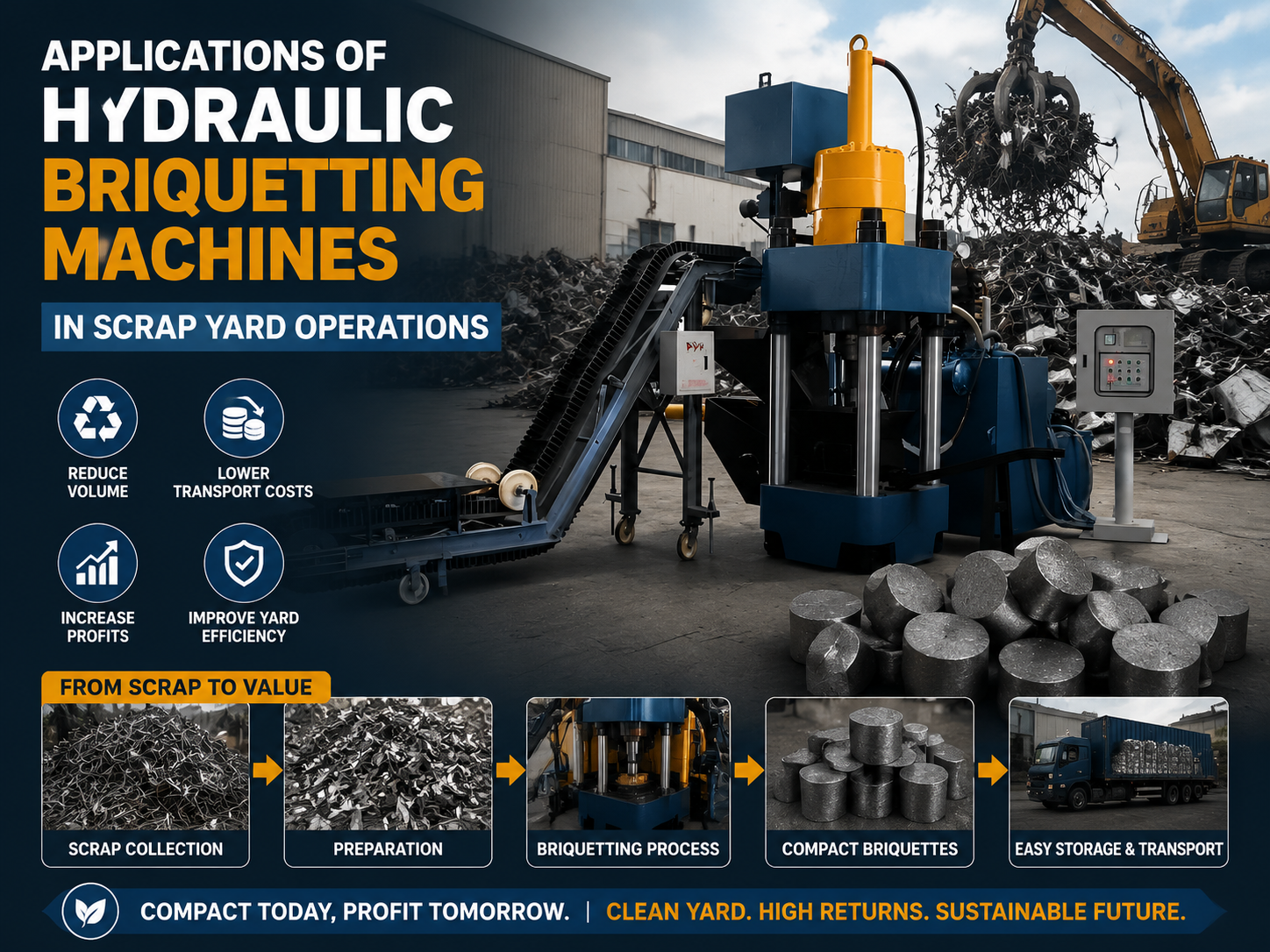
Introduction to Hydraulic Briquetting in Modern Scrap Yards
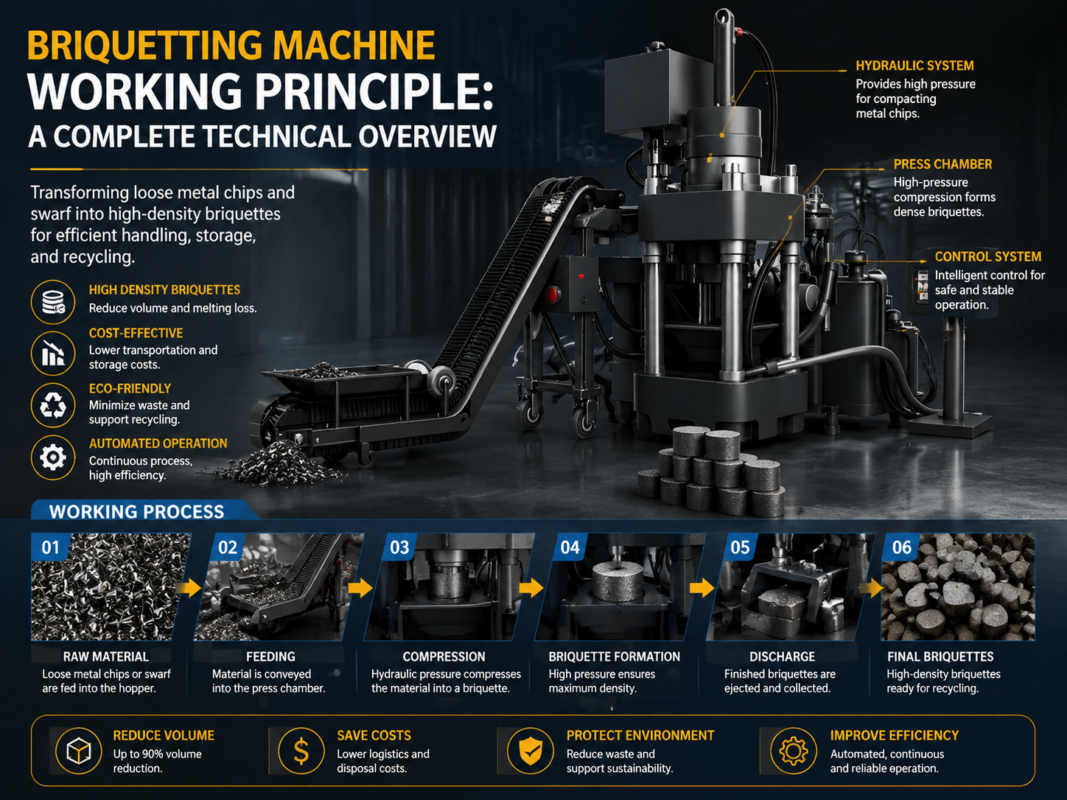
In the rapidly evolving landscape of metal recycling and industrial waste management, the efficiency of scrap yard operations has become a critical factor in determining profitability and environmental sustainability. One of the most transformative technologies in this sector is the hydraulic briquetting machine. These robust pieces of industrial machinery are designed to compress loose metal chips, turnings, filings, and swarf into dense, compact blocks known as briquettes. As global demand for recycled metals continues to rise, the Applications Of Hydraulic Briquetting Machines In Scrap Yard Operations have expanded from simple volume reduction to sophisticated value-added processes that benefit both the recycler and the foundry.
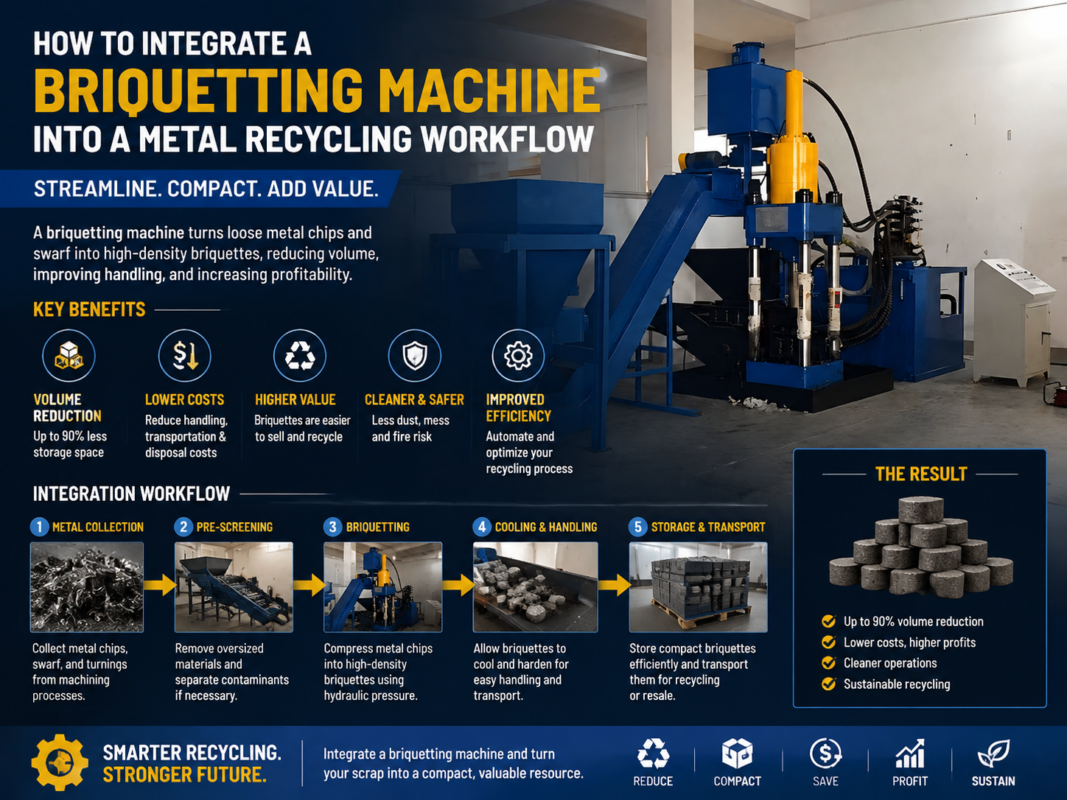
HARSLE, a leader in metal fabrication equipment, recognizes that the modern scrap yard is no longer just a storage site for waste but a high-tech processing facility. Loose metal waste, particularly from machining processes like milling and turning, presents significant logistical challenges. It is bulky, difficult to transport, and often contaminated with cutting fluids or oils. Hydraulic briquetting machines address these issues by applying immense pressure to the material, forcing out liquids and creating a solid product that is easy to handle. This process not only optimizes space but also significantly increases the market value of the scrap material.
The transition toward a circular economy has further emphasized the importance of briquetting. Foundries and smelters prefer briquetted material over loose scrap because it offers better melting yields and lower oxidation rates. For scrap yard operators, investing in a hydraulic briquetting machine is a strategic move that enhances operational efficiency, reduces environmental footprints, and opens up new revenue streams. In this guide, we will delve deep into the various applications, technical specifications, and selection criteria for these essential machines.
Key Considerations for Implementing Briquetting Systems
When integrating hydraulic briquetting machines into a scrap yard operation, several key considerations must be addressed to ensure maximum return on investment. The first and perhaps most significant factor is the type of material being processed. Different metals—such as aluminum, steel, cast iron, and copper—have varying compression ratios and physical properties. For instance, aluminum chips are lightweight and high-volume, making them ideal candidates for briquetting to save on transport costs. Conversely, steel turnings are often tougher and require higher hydraulic pressure to achieve the desired density.
Logistics and storage represent another critical consideration. Loose metal shavings can take up to ten times the space of briquetted material. In a busy scrap yard, space is a premium commodity. By converting loose waste into uniform briquettes, operators can maximize their storage capacity and reduce the number of truckloads required for transport. This leads to a direct reduction in fuel consumption and logistical overhead, contributing to a more sustainable business model. Furthermore, briquettes are much easier to load and unload using automated systems or forklifts, reducing labor costs and improving safety on-site.
Environmental compliance and fluid recovery are also paramount. Most metal chips from machining operations are saturated with coolants, lubricants, or cutting oils. When these chips are stored in the open, the fluids can leak into the ground, posing significant environmental risks and potential legal liabilities. Hydraulic briquetting machines are designed to squeeze out these fluids during the compression process. Many HARSLE machines feature integrated collection systems that allow operators to reclaim and reuse these expensive fluids or dispose of them responsibly. This not only protects the environment but also provides an additional cost-saving benefit by reducing the need to purchase new lubricants.
Technical Details and Engineering Excellence
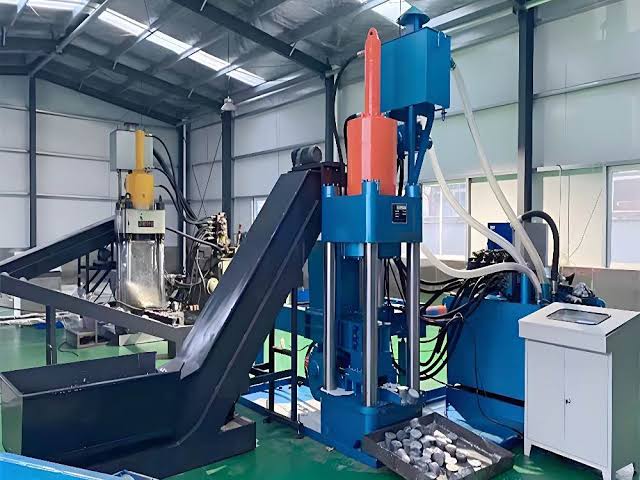
The engineering behind a hydraulic briquetting machine is a testament to industrial precision. At its core, the machine relies on a sophisticated hydraulic system to generate the force necessary for metal compression. High-quality pumps and valves ensure that the pressure is applied consistently and safely. The frame of the machine must be exceptionally rigid to withstand the repetitive stress of high-pressure cycles. HARSLE utilizes heavy-duty steel plates and advanced welding techniques to ensure that their machines can operate 24/7 in the demanding environment of a scrap yard.
Modern briquetting machines are equipped with Programmable Logic Controllers (PLC) and touch-screen interfaces. These systems allow operators to fine-tune the compression parameters based on the material type. For example, the dwell time (the duration the pressure is held at its peak) can be adjusted to ensure that even the most resilient materials achieve maximum density. Sensors monitor the temperature of the hydraulic oil and the status of the filters, providing real-time feedback to prevent breakdowns and extend the machine’s lifespan. Automation features, such as conveyor feed systems and automatic briquette discharge, further enhance productivity by minimizing manual intervention.
The design of the compression chamber and the piston is also crucial. To handle abrasive materials like cast iron or certain steel alloys, the wear parts of the machine are often made from hardened, replaceable materials. This ensures that the machine remains accurate and efficient over years of service. Additionally, the cooling system plays a vital role. Continuous operation generates significant heat within the hydraulic fluid; therefore, high-efficiency oil coolers are integrated to maintain the oil at an optimal viscosity, ensuring smooth operation and protecting the hydraulic seals from premature failure.
| Feature | Technical Specification | Benefit for Scrap Yards |
|---|---|---|
| Hydraulic Pressure | 100 – 600 Tons | Ensures high-density briquettes for all metal types. |
| Control System | Siemens/Schneider PLC | User-friendly interface and precise operation. |
| Material Compatibility | Al, Cu, Fe, Steel, Brass | Versatility to handle various scrap streams. |
| Fluid Recovery | Integrated Drainage | Reclaims expensive cutting oils and prevents leaks. |
| Automation | Full Auto/Manual Modes | Reduces labor costs and increases throughput. |
Selection Advice: Choosing the Right Machine for Your Operation
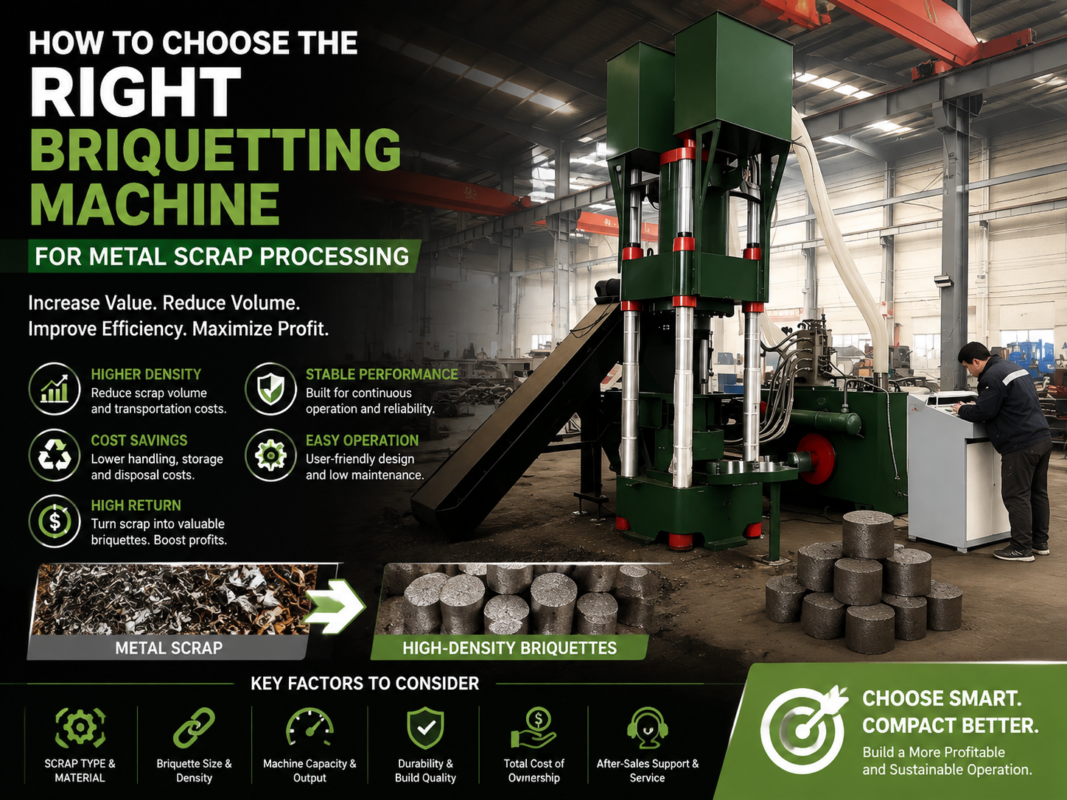
Selecting the appropriate hydraulic briquetting machine requires a thorough analysis of your scrap yard’s specific needs. The first step is to determine the required throughput. Machines are rated by their hourly production capacity, typically ranging from 500 kg/h to several tons per hour. It is essential to choose a machine that can handle your peak volume without being excessively oversized, which would lead to unnecessary energy consumption. HARSLE offers a range of models tailored to different scales of operation, from small recycling centers to large-scale industrial processing plants.
Another factor is the desired briquette size and shape. While most machines produce cylindrical briquettes, the diameter and height can vary. Smaller briquettes may be preferred by certain foundries for easier charging into small furnaces, while larger briquettes are more efficient for high-volume smelting. The density of the briquette is also a key quality metric. A higher density means less surface area, which directly translates to lower oxidation losses during the melting process. When evaluating a machine, ask for samples of briquettes made from your specific material to verify the density and structural integrity.
Consider the level of automation required. If your scrap yard handles a continuous flow of material from a production line, a fully automated system with integrated conveyors and hoppers is ideal. However, for yards that process batches of different materials, a more flexible machine with easy-to-clean hoppers might be better. Maintenance accessibility should not be overlooked. Look for designs that allow for easy access to hydraulic components and wear parts. A machine that is easy to maintain will have less downtime and a lower total cost of ownership over its lifetime.
The Economic and Environmental Impact of Briquetting
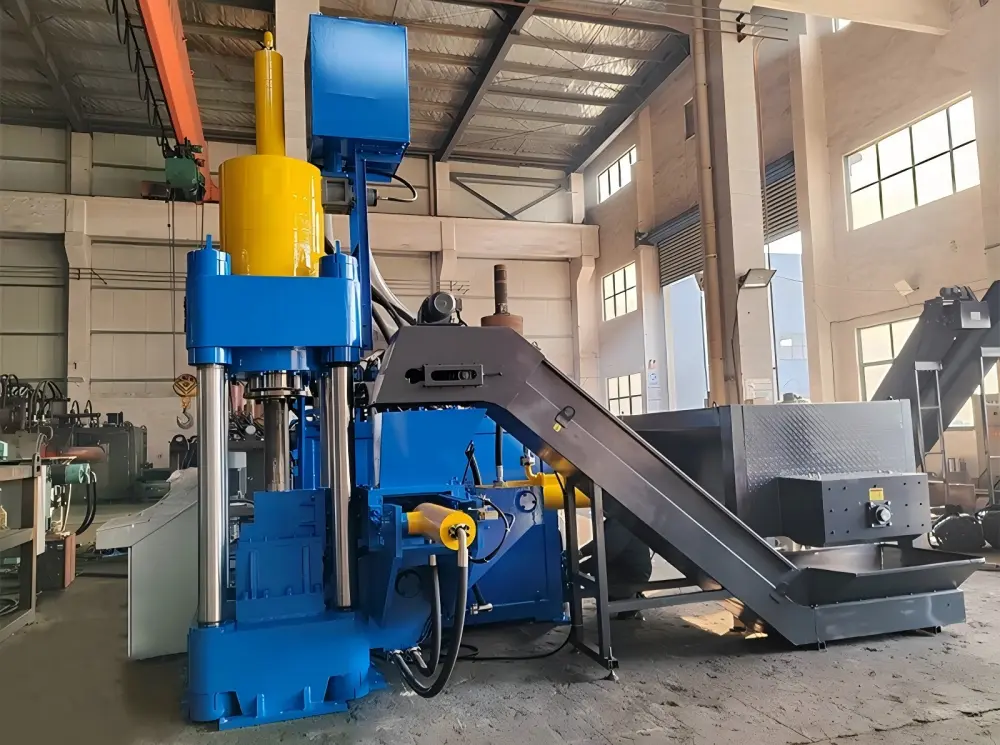
The economic benefits of Applications Of Hydraulic Briquetting Machines In Scrap Yard Operations are multifaceted. Beyond the obvious reduction in transport and storage costs, briquetting significantly increases the “yield” of the metal. When loose chips are thrown into a furnace, a large percentage is lost to oxidation (burning up) because of the high surface-area-to-volume ratio. Briquettes, being dense and solid, sink into the molten bath quickly, minimizing exposure to oxygen and increasing the metal recovery rate by up to 25%. This makes briquetted scrap much more valuable to foundries, who are often willing to pay a premium price for it.
From an environmental perspective, briquetting is a cornerstone of sustainable manufacturing. By making recycling more efficient and profitable, it encourages the reuse of metals, which requires significantly less energy than producing virgin metal from ore. For example, recycling aluminum saves approximately 95% of the energy required for primary production. Additionally, the recovery of cutting fluids prevents hazardous waste from entering the ecosystem. As governments worldwide tighten environmental regulations, having a briquetting system in place ensures that a scrap yard remains compliant and avoids potential fines related to soil and water contamination.
Furthermore, the compact nature of briquettes reduces the carbon footprint associated with logistics. Fewer trucks on the road mean lower CO2 emissions. In an era where corporate social responsibility (CSR) and ESG (Environmental, Social, and Governance) scores are becoming increasingly important to investors and partners, implementing briquetting technology demonstrates a commitment to green industrial practices. HARSLE is dedicated to providing machinery that supports these global sustainability goals while ensuring the economic viability of our clients’ operations.
Maintenance and Operational Best Practices
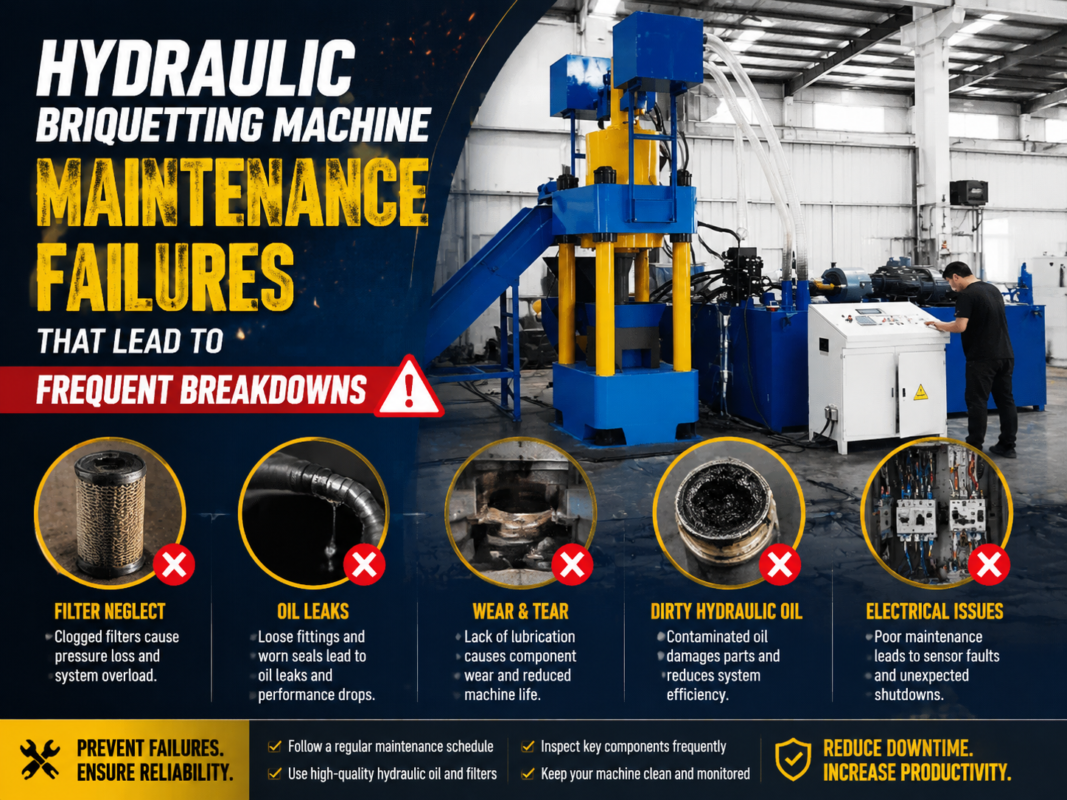
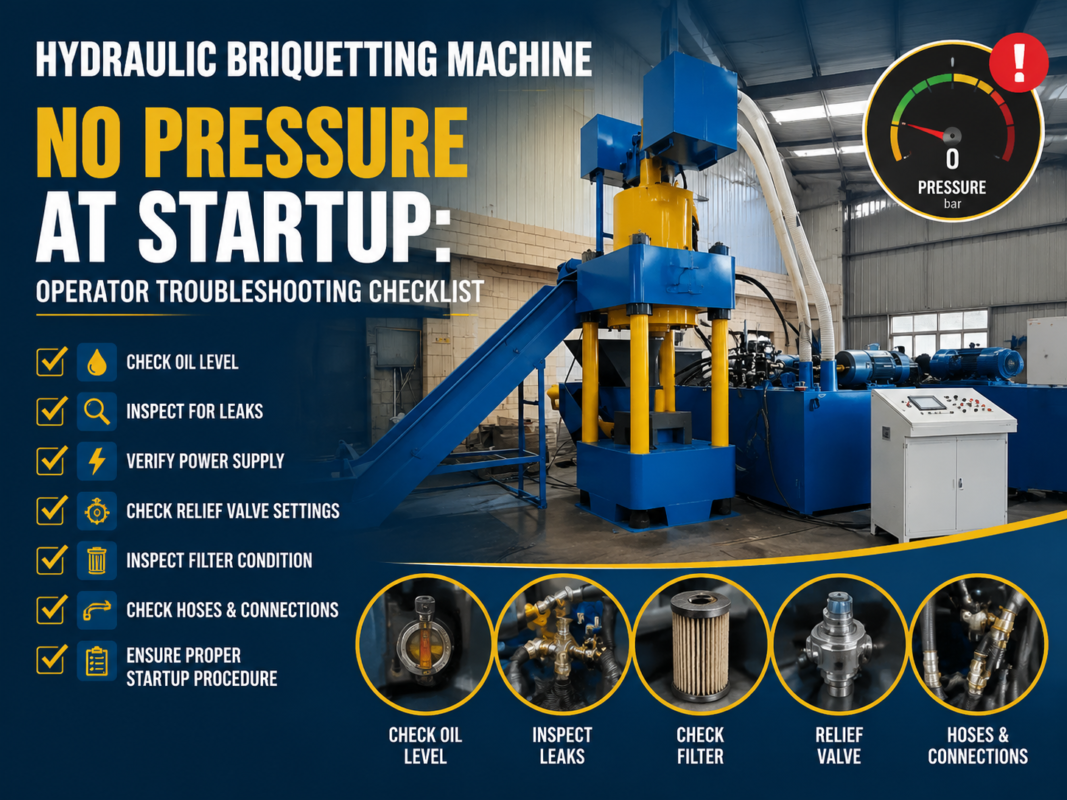
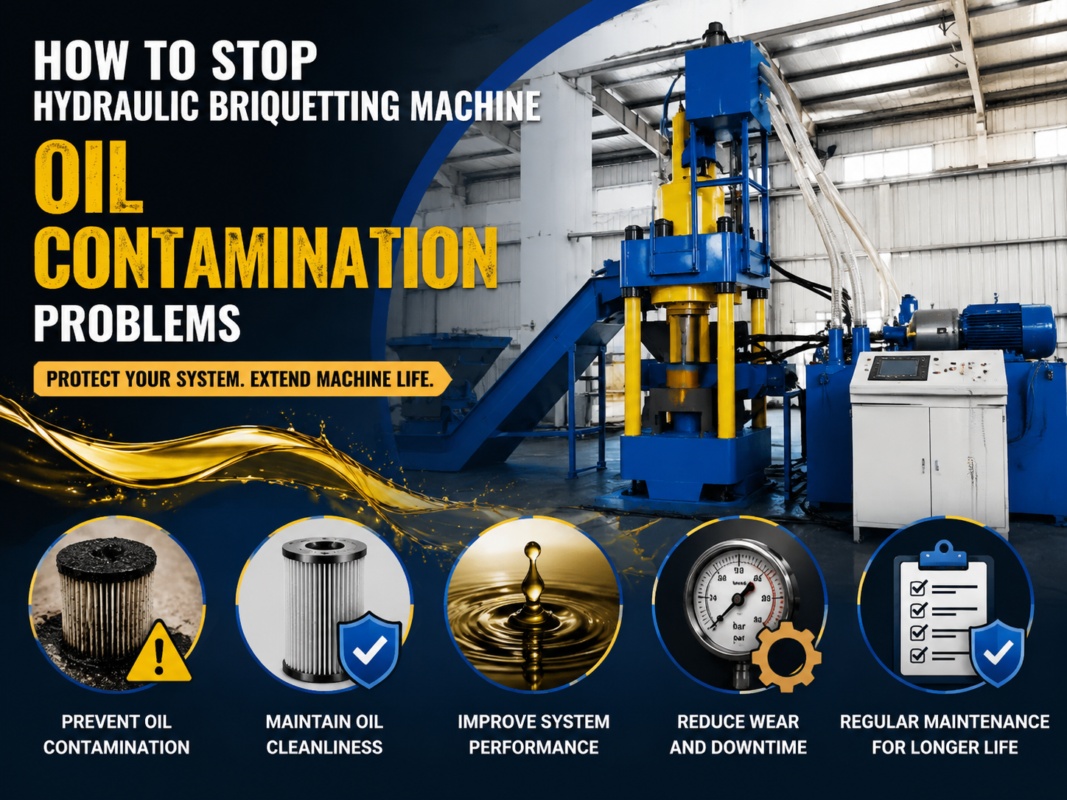
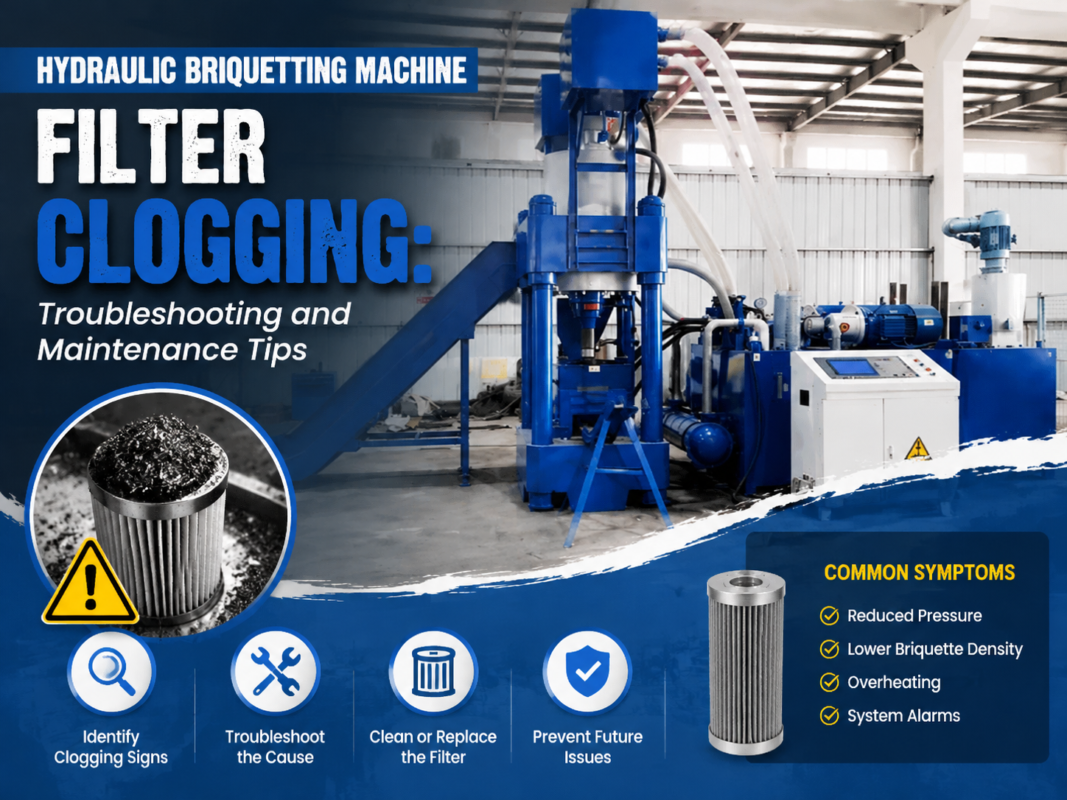
To ensure the longevity and peak performance of a hydraulic briquetting machine, a rigorous maintenance schedule is essential. The hydraulic oil is the lifeblood of the machine; it must be kept clean and at the correct temperature. Regularly checking and replacing oil filters prevents contaminants from damaging the sensitive valves and pumps. It is also advisable to perform periodic oil analysis to check for signs of internal wear or moisture contamination. HARSLE machines are designed with high-quality filtration systems, but operator diligence remains key.
The mechanical components, particularly the compression piston and the mold, are subject to extreme forces. These parts should be inspected daily for signs of wear or cracking. Lubricating moving parts according to the manufacturer’s guidelines will prevent friction-related damage. It is also important to ensure that the scrap material being fed into the machine is free from large solid objects or non-compressible items that could jam the mechanism or damage the piston. Implementing a pre-sorting process or using a magnetic separator can help protect the machine from such hazards.
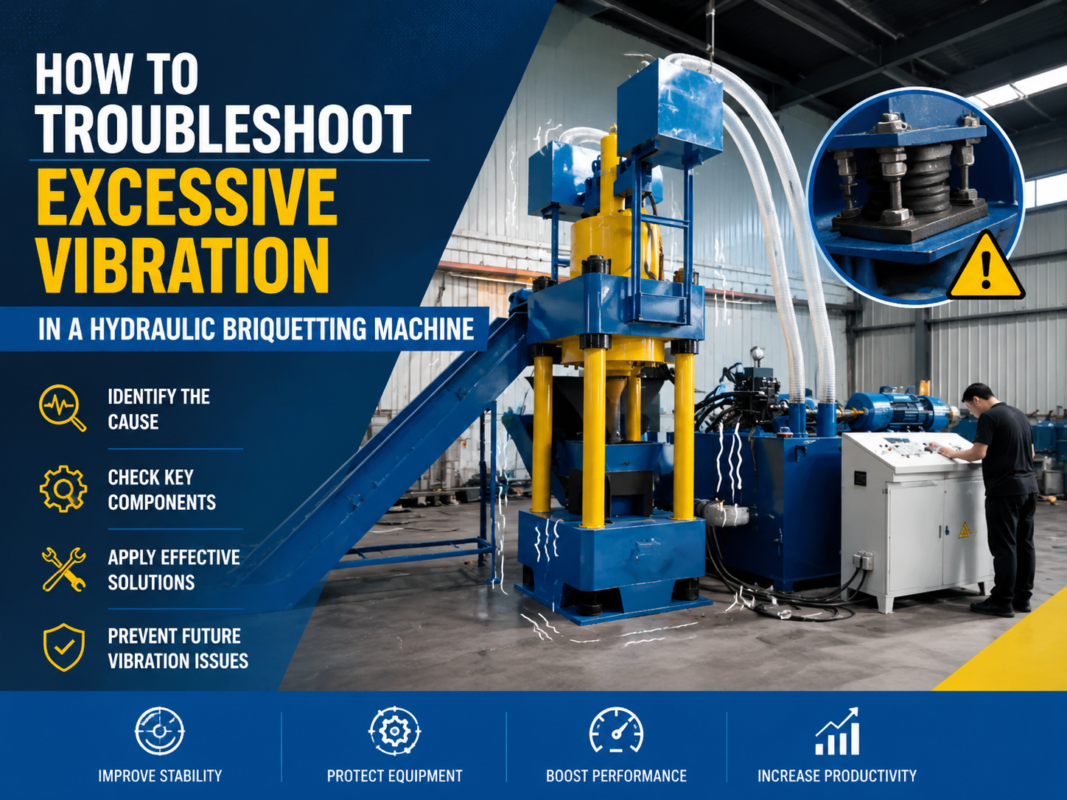
Operator training is another vital aspect of maintenance. A well-trained operator can identify unusual sounds or changes in machine behavior before they escalate into major failures. Understanding the PLC interface allows the operator to respond correctly to error codes and perform basic troubleshooting. HARSLE provides comprehensive training and support to ensure that your team is fully equipped to operate and maintain the machinery safely and efficiently. By following these best practices, scrap yard owners can maximize the uptime of their briquetting machines and ensure a long service life.
Frequently Asked Questions (FAQ)
1. What types of metal can be processed by a hydraulic briquetting machine?
Hydraulic briquetting machines are highly versatile and can process a wide range of metals, including aluminum, steel, cast iron, copper, brass, bronze, and titanium. The machine’s settings, such as pressure and dwell time, are adjusted based on the specific material’s density and characteristics.
2. Can the machine handle wet or oily metal chips?
Yes, one of the primary advantages of these machines is their ability to process wet or oily chips. The high pressure applied during the briquetting process squeezes out the fluids, which are then collected via an integrated drainage system for reclamation or disposal.
3. How much space can I save by briquetting my scrap?
Depending on the material, briquetting can reduce the volume of loose scrap by up to 90%. This massive reduction allows for much more efficient use of storage space and significantly lowers transportation costs.
4. What is the typical ROI for a hydraulic briquetting machine?
The Return on Investment (ROI) varies based on the volume of scrap processed and the market price of the metal. However, most scrap yards see a full return within 12 to 24 months through savings in transport, fluid recovery, and the higher market value of briquetted scrap.
5. Does the machine require a specialized operator?
While the machine is sophisticated, modern PLC systems make it very user-friendly. A standard operator can be trained to use the machine safely and effectively within a short period. HARSLE provides the necessary training and documentation to ensure smooth operation.
Conclusion: The Future of Scrap Yard Efficiency
The Applications Of Hydraulic Briquetting Machines In Scrap Yard Operations represent a significant leap forward in industrial efficiency and environmental stewardship. By transforming loose, messy, and low-value metal waste into clean, dense, and high-value briquettes, these machines provide a clear path to increased profitability. Whether it is through the recovery of expensive cutting fluids, the reduction of logistical costs, or the improvement of melting yields in the foundry, the benefits of briquetting are undeniable.
As the global manufacturing sector moves toward more sustainable practices, the role of the scrap yard as a critical link in the supply chain will only grow. Investing in high-quality metal fabrication equipment from HARSLE ensures that your operation is prepared for the challenges of tomorrow. Our hydraulic briquetting machines are engineered for durability, precision, and ease of use, making them the ideal choice for any scrap yard looking to optimize its processes. By choosing HARSLE, you are not just buying a machine; you are investing in a partnership dedicated to your long-term success in the recycling industry.