How to Use Industrial Shredders for Bulk Material Size Reduction: A Comprehensive Guide

Introduction to Bulk Material Size Reduction
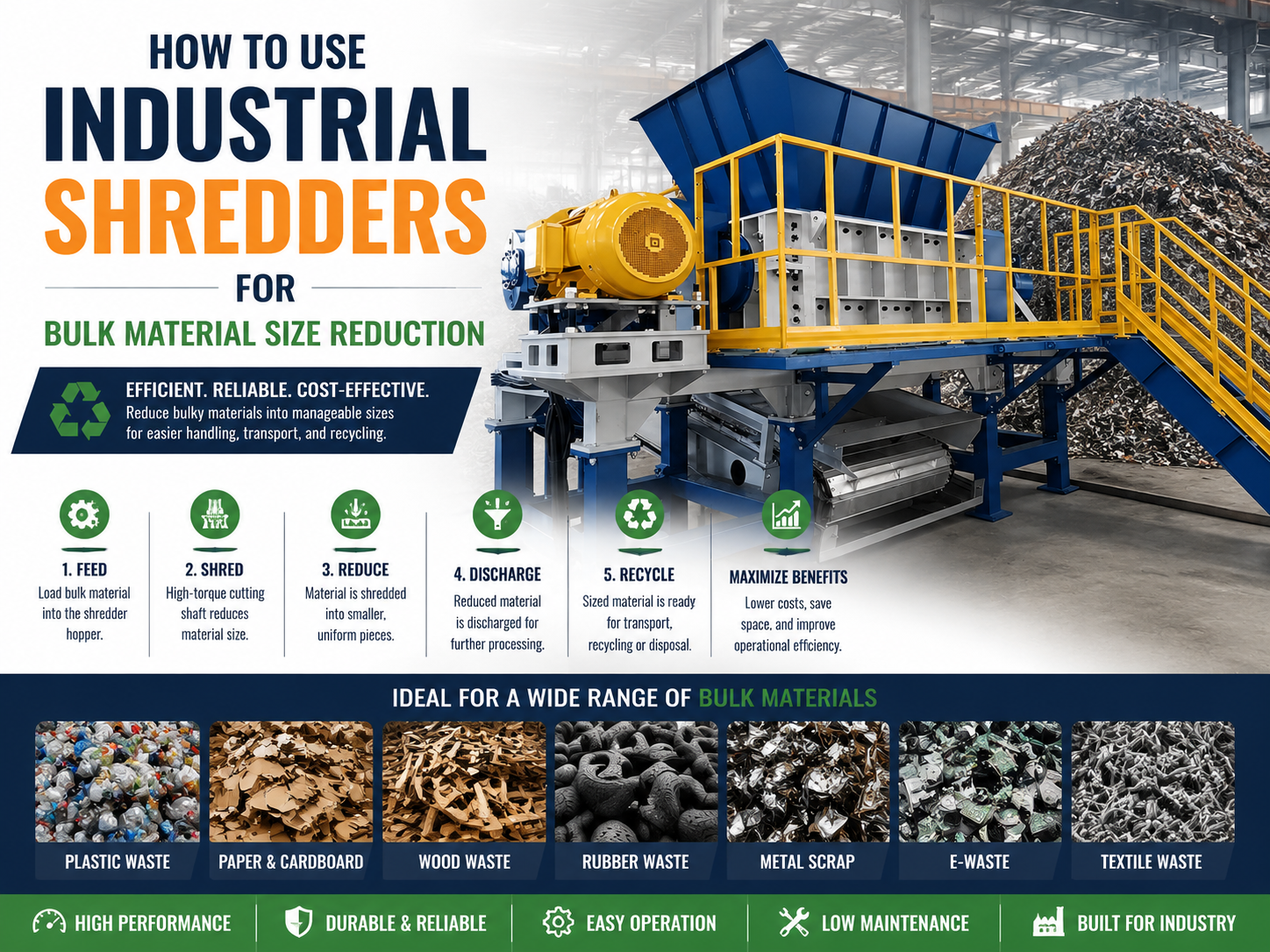
In the modern industrial landscape, the ability to efficiently manage waste and recycle raw materials is a cornerstone of sustainable and profitable operations. Industrial shredders play a pivotal role in this process, specifically in the domain of bulk material size reduction. Whether dealing with scrap metal, plastics, electronic waste, or industrial debris, the primary goal is to transform large, unwieldy volumes into manageable, uniform pieces. This process not only facilitates easier transport and storage but also prepares materials for secondary processing, such as smelting, pelletizing, or chemical recovery.
Using industrial shredders for bulk material size reduction requires a deep understanding of both the machinery and the materials being processed. It is not merely about feeding waste into a hopper; it involves optimizing torque, blade geometry, and throughput speeds to achieve the desired output while minimizing wear and tear on the equipment. For companies like HARSLE, providing high-performance shredding solutions means ensuring that operators understand the nuances of machine configuration and workflow integration to maximize Return on Investment (ROI).
Application Scenarios for Industrial Shredders
The application of industrial shredders spans across numerous sectors, each with unique challenges. In the metal fabrication and recycling industry, shredders are used to process everything from aluminum extrusions and copper wiring to end-of-life vehicle (ELV) components. By reducing the size of these metals, facilities can significantly lower their logistics costs, as shredded material has a much higher bulk density than loose scrap. This allows for more weight to be transported in a single load, reducing fuel consumption and carbon footprints.
Another critical scenario is in the management of Municipal Solid Waste (MSW) and industrial refuse. Here, shredders are used to break down bulky items like furniture, pallets, and tires. This size reduction is essential for waste-to-energy plants, where uniform particle size ensures consistent combustion and energy output. Furthermore, in the plastics industry, shredders are the first step in the recycling loop, breaking down large plastic purgings, drums, and pipes into smaller flakes that can then be washed and granulated for reuse in manufacturing.
Electronic waste (e-waste) processing is a rapidly growing application. Shredders are used to dismantle computers, circuit boards, and household appliances. The goal here is often liberation—breaking the physical bonds between different materials (like plastic casings and metal components) so they can be separated using magnets, eddy currents, or optical sorters. The precision of the shredding process directly impacts the purity of the recovered materials, making the choice of shredder and its operation critical to the facility’s profitability.
Material and Process Requirements
Before implementing a strategy to use industrial shredders for bulk material size reduction, one must analyze the material characteristics. The hardness, toughness, and moisture content of the input material dictate the type of shredder required. For instance, brittle materials like cast iron or certain plastics behave differently under stress than ductile materials like copper or rubber. Ductile materials require sharp cutting edges and high shear forces, whereas brittle materials may be broken down more effectively through impact or crushing forces.
Throughput requirements are another essential consideration. A facility processing 500 kg per hour has vastly different needs than a large-scale recycling plant handling 20 tons per hour. This determines the motor power, the size of the shredding chamber, and the feeding mechanism. Additionally, the desired final particle size is a major factor. If the goal is simply volume reduction for landfilling, a coarse shred is sufficient. However, if the material is destined for a secondary granulator or a specific chemical process, a much finer and more uniform output is required, often necessitating the use of internal screens or multi-stage shredding systems.
Contamination levels also play a role in process requirements. In scrap metal recycling, the presence of non-metallic contaminants or “unshreddables” (like heavy engine blocks in a light-duty shredder) can cause catastrophic failure. Therefore, pre-sorting processes and the inclusion of safety features like auto-reverse or hydraulic bypass systems are necessary to protect the machinery. Understanding these requirements ensures that the selected industrial shredder is not only capable of doing the job but can do so reliably over a long service life.
Recommended Machine Configuration
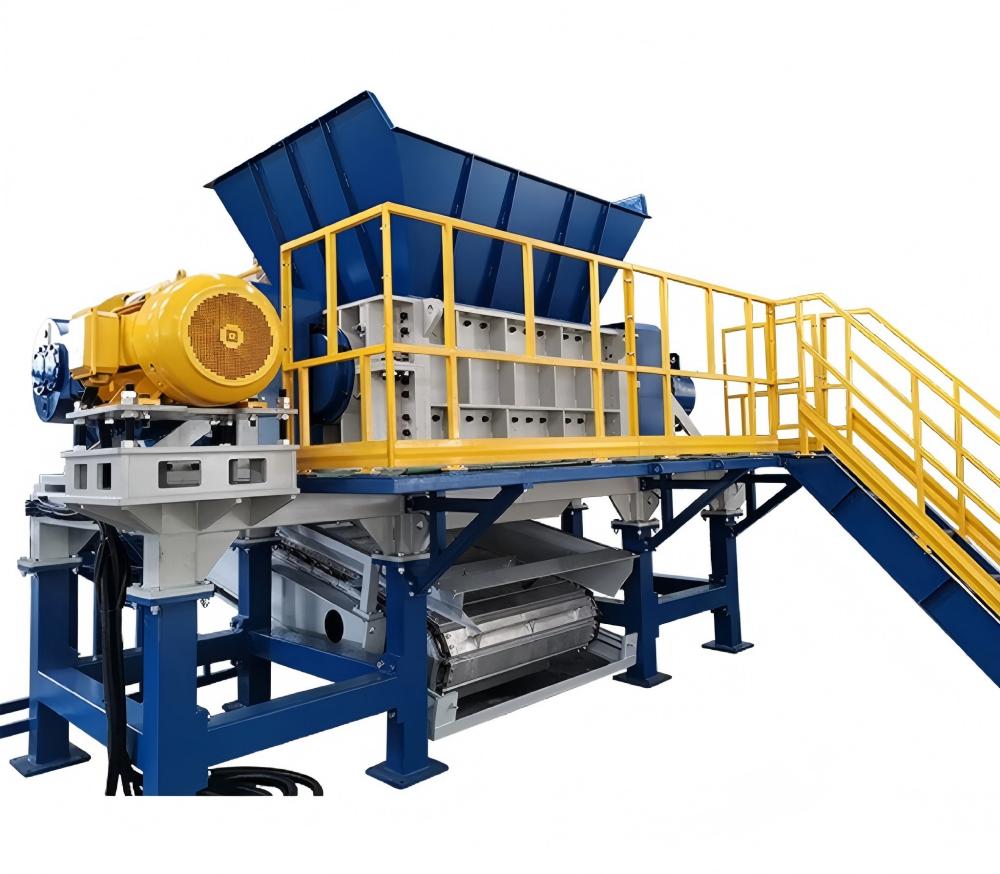
Choosing the right configuration is vital when you use industrial shredders for bulk material size reduction. The two most common configurations are single-shaft and double-shaft shredders. Single-shaft shredders are typically equipped with a hydraulic pusher that forces material against a high-speed rotating rotor fitted with replaceable cutters. These are excellent for achieving a specific, uniform output size thanks to the integration of a screen. They are ideal for plastics, wood, and light metals where precision is more important than raw volume.
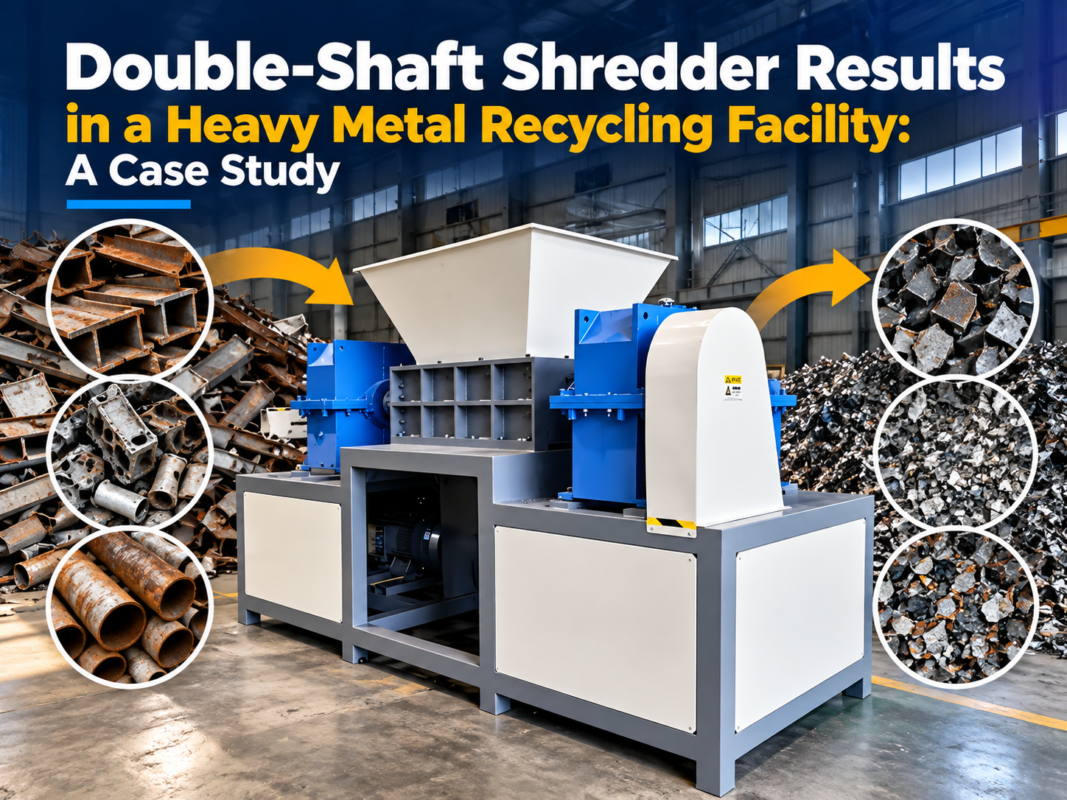
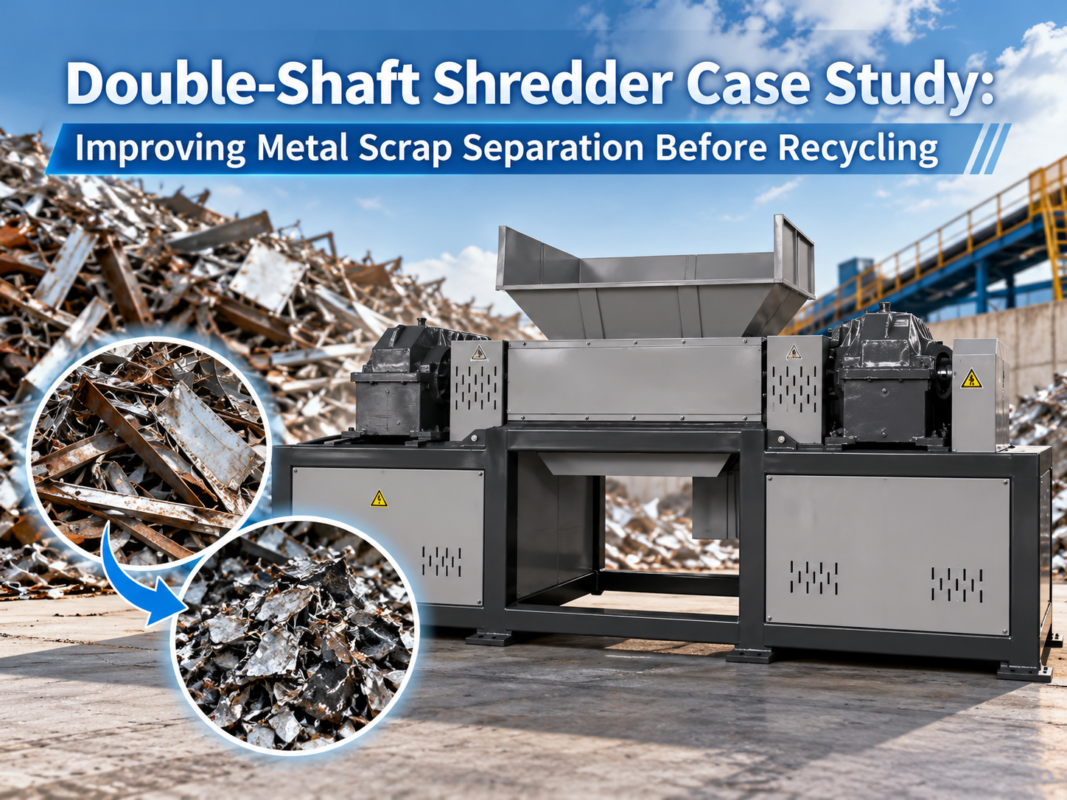
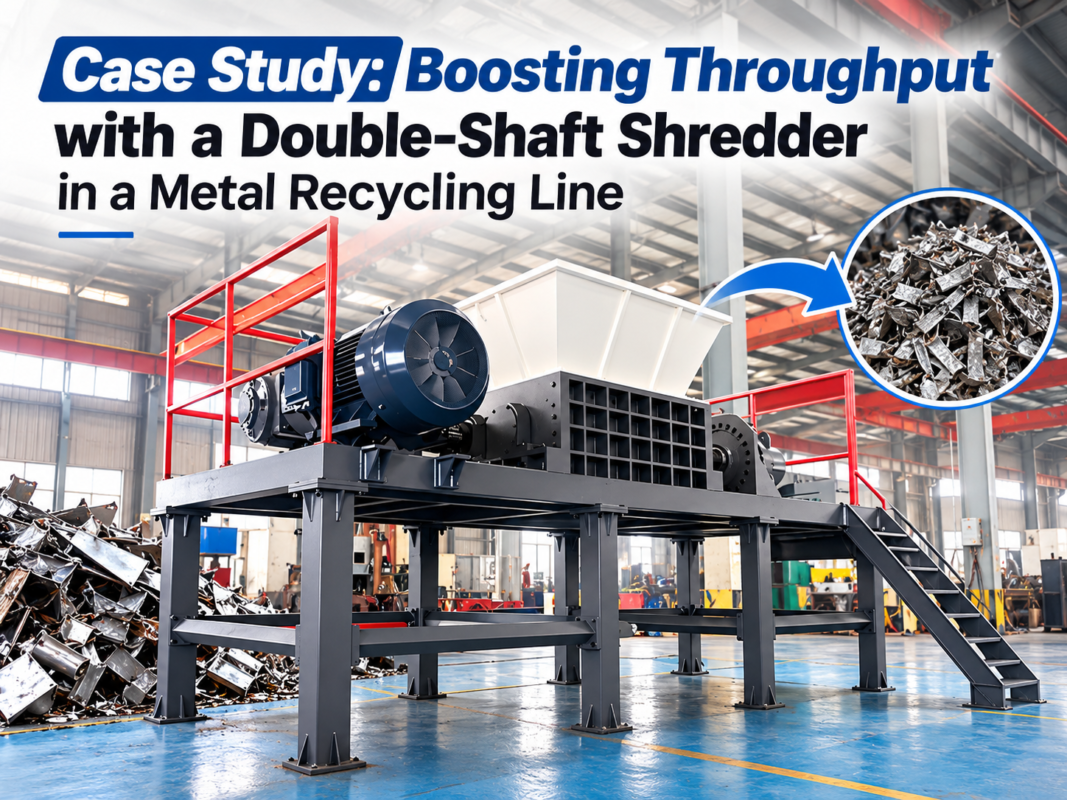
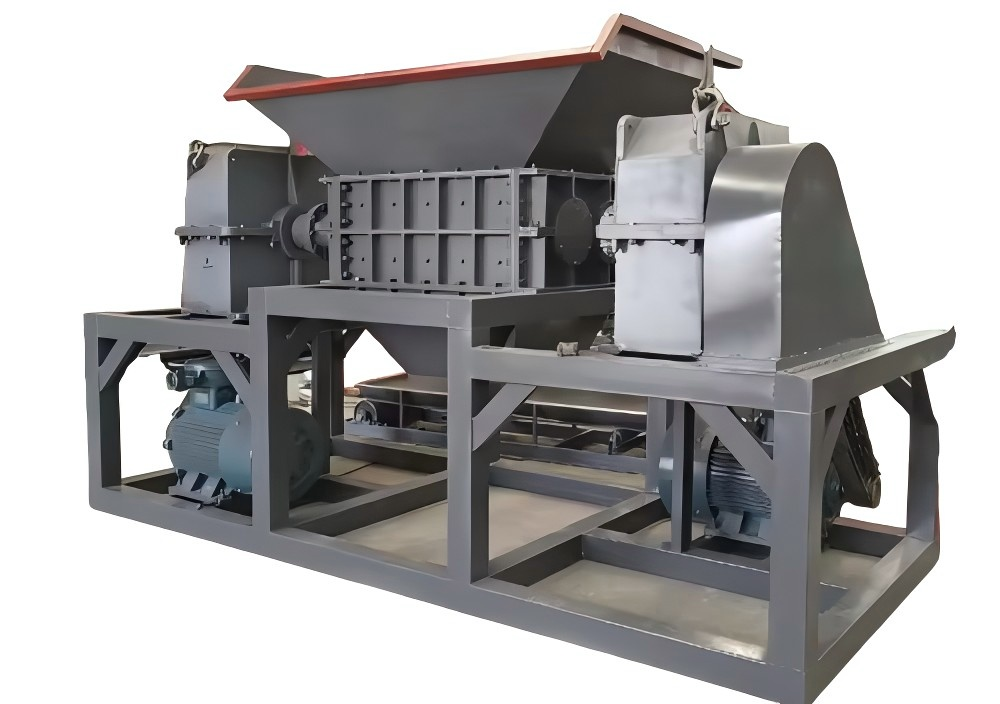
Double-shaft shredders, on the other hand, utilize two counter-rotating shafts with interlocking blades. These machines operate at lower speeds but generate immense torque. They are the workhorses of the bulk size reduction world, capable of grabbing and tearing through heavy-duty materials like tires, metal drums, and large bundles of scrap. Because they lack a screen, the output size is determined by the width and number of hooks on the blades. For many bulk applications, the double-shaft configuration is preferred due to its ability to handle diverse and contaminated feedstocks without frequent jamming.
| Feature | Single-Shaft Shredder | Double-Shaft Shredder |
|---|---|---|
| Primary Action | Cutting and Shearing | Tearing and Crushing |
| Rotor Speed | High (70-100 RPM) | Low (10-25 RPM) |
| Torque | Moderate | Very High |
| Output Size Control | Internal Screen | Blade Width/Geometry |
| Best For | Uniform plastics, wood, light scrap | Tires, metal drums, bulky waste |
Blade metallurgy is another critical configuration detail. For processing abrasive materials, blades made from D2 tool steel or specialized alloys with high chromium and vanadium content are recommended. These materials offer the hardness required to maintain a sharp edge and the toughness to resist chipping. Additionally, the drive system—whether electric or hydraulic—must be matched to the application. Electric drives are generally more energy-efficient for consistent loads, while hydraulic drives offer superior shock absorption and variable speed control for unpredictable, heavy-duty shredding tasks.
Step-by-Step Workflow for Bulk Size Reduction
To effectively use industrial shredders for bulk material size reduction, a standardized workflow must be followed. The process begins with **Pre-Sorting and Inspection**. Operators must ensure that the feedstock does not contain materials that exceed the machine’s capacity or pose a fire hazard (such as pressurized tanks or lithium batteries). This stage is crucial for preventing downtime and ensuring the quality of the final shredded product.
The second stage is **Feeding**. Consistency is key here. Overloading the hopper can lead to frequent jams and excessive wear, while underloading reduces efficiency. Automated feeding systems, such as vibrating hoppers or heavy-duty belt conveyors, are recommended to maintain a steady flow of material into the shredding chamber. For bulky items, a grapple crane might be used to place material directly into the shredder’s mouth.
The third stage is the **Shredding Process** itself. During this phase, the machine’s sensors monitor the load on the motors. If a jam is detected, the auto-reverse function kicks in, reversing the shafts to clear the obstruction before attempting to shred again. Operators should monitor the sound and vibration of the machine, as changes can indicate dull blades or mechanical issues. Following the shredding, the material passes through a **Discharge and Separation** phase. This often involves a discharge conveyor equipped with an over-belt magnet to remove ferrous metals, or an eddy current separator for non-ferrous metals, further refining the bulk material into valuable streams.
Productivity Benefits of Industrial Shredding
The primary benefit of using industrial shredders for bulk material size reduction is the dramatic increase in operational efficiency. By reducing the volume of waste, companies can reclaim valuable floor space and reduce the frequency of waste pickups. In many cases, the volume reduction ratio can be as high as 4:1 or even 6:1, depending on the material. This directly translates to lower overhead costs and a more organized production environment.
Furthermore, size reduction is a prerequisite for automated sorting and high-value recycling. Shredded material is much easier to handle with magnets, air classifiers, and optical sensors. This allows facilities to extract high-purity metal, plastic, and paper fractions that command higher prices on the commodities market. Instead of paying to dispose of bulk waste, companies can turn that waste into a revenue stream. Additionally, the use of modern shredders with high-efficiency motors and intelligent control systems reduces energy consumption per ton of processed material, contributing to both green initiatives and the bottom line.
Safety is another significant productivity benefit. Handling large, sharp, or heavy pieces of scrap manually is inherently dangerous. By utilizing a shredder and automated conveyor system, the need for manual intervention is minimized. This reduces the risk of workplace injuries and the associated costs of insurance and lost labor time. A well-integrated shredding line creates a safer, faster, and more predictable workflow for any industrial facility.
Case Example: Aluminum Scrap Processing
A mid-sized metal recycling facility was struggling with the logistics of transporting loose aluminum extrusions and used beverage cans (UBCs). The loose material was light but extremely bulky, meaning trucks were reaching their volume capacity long before their weight capacity. This resulted in high shipping costs and inefficient furnace charging at the smelting plant.
The facility implemented a HARSLE Double-Shaft Shredder configured with 40mm wide blades and a high-torque electric drive. By integrating this machine into their workflow, they were able to process the aluminum scrap into uniform 40mm-100mm pieces. The results were immediate: the bulk density of the material increased by over 300%. This allowed them to load three times as much material into each transport container. Additionally, the shredded aluminum was much easier to feed into the melting furnace, reducing melt loss and improving the overall energy efficiency of the recycling process. Within 14 months, the savings in logistics and the increased value of the processed scrap fully covered the capital investment of the shredder.
Frequently Asked Questions (FAQ)
1. How often should shredder blades be sharpened or replaced?
The frequency of blade maintenance depends entirely on the material being processed. For soft plastics, blades may last for thousands of hours. For abrasive materials like glass-filled plastics or contaminated scrap metal, blades may need inspection every few hundred hours. Most modern shredders feature replaceable blade inserts or allow for hard-facing (welding) to extend the life of the cutting edges.
2. Can one shredder handle all types of materials?
While many shredders are versatile, no single machine is optimal for every material. A machine designed for paper and cardboard will likely fail if fed heavy steel plates. It is essential to match the shredder’s torque, blade geometry, and motor power to the primary material you intend to process. HARSLE offers various configurations to suit specific industrial needs.
3. What safety features should I look for in an industrial shredder?
Key safety features include emergency stop buttons, safety interlocks on access panels, and an auto-reverse function to prevent motor burnout during jams. Additionally, look for machines with heavy-duty hopper guards to prevent material fly-back and robust electronic monitoring systems that can shut down the machine if abnormal vibrations or temperatures are detected.
4. How do I determine the right output size for my application?
The right output size depends on the next step in your process. If you are selling scrap to a mill, they will have specific size requirements for their furnaces. If you are granulating plastic, the shredder output should be small enough to feed into the granulator’s hopper without bridging. Always consult with your downstream partners or the machine manufacturer to determine the optimal size.
Conclusion and Call to Action
Mastering the use of industrial shredders for bulk material size reduction is a transformative step for any industrial operation. It turns the challenge of waste management into an opportunity for resource recovery and cost savings. By selecting the right machine configuration, understanding material requirements, and maintaining a disciplined workflow, businesses can achieve unprecedented levels of efficiency and sustainability.
At HARSLE, we specialize in providing robust, high-performance shredding solutions tailored to the rigorous demands of the metal fabrication and recycling industries. Our team of experts is ready to help you analyze your material streams and select the perfect shredder to optimize your production. Contact HARSLE today to learn more about our industrial shredder lineup and how we can help you revolutionize your bulk material processing.