Why Hydraulic Briquetting Machines Are Essential for Metal Recycling Lines

Introduction to Modern Metal Recycling Challenges
In the contemporary industrial landscape, the efficiency of waste management is no longer just a secondary concern; it is a core component of operational profitability and environmental stewardship. For metal fabrication facilities, machine shops, and foundries, the accumulation of metal scrap—specifically chips, turnings, and swarf—presents a significant logistical and financial challenge. This is where the realization that Hydraulic Briquetting Machines Are Essential Metal Recycling Lines becomes critical for any forward-thinking enterprise.
Loose metal scrap is inherently problematic. It is bulky, difficult to transport, and often saturated with expensive cutting fluids or coolants. When left in its loose state, this material occupies vast amounts of floor space and poses safety risks due to sharp edges and slippery residues. Furthermore, the economic value of loose scrap is significantly lower than that of processed, densified metal. HARSLE, a leader in metal fabrication machinery, recognizes that the integration of a hydraulic briquetting press is the transformative step needed to turn a waste stream into a revenue stream.
As global regulations regarding industrial waste tighten and the cost of raw materials continues to fluctuate, the ability to recycle internally or prepare scrap for high-value resale is paramount. This article explores the multifaceted reasons why these machines are the backbone of modern recycling lines, detailing their technical advantages, economic impact, and the strategic role they play in sustainable manufacturing.
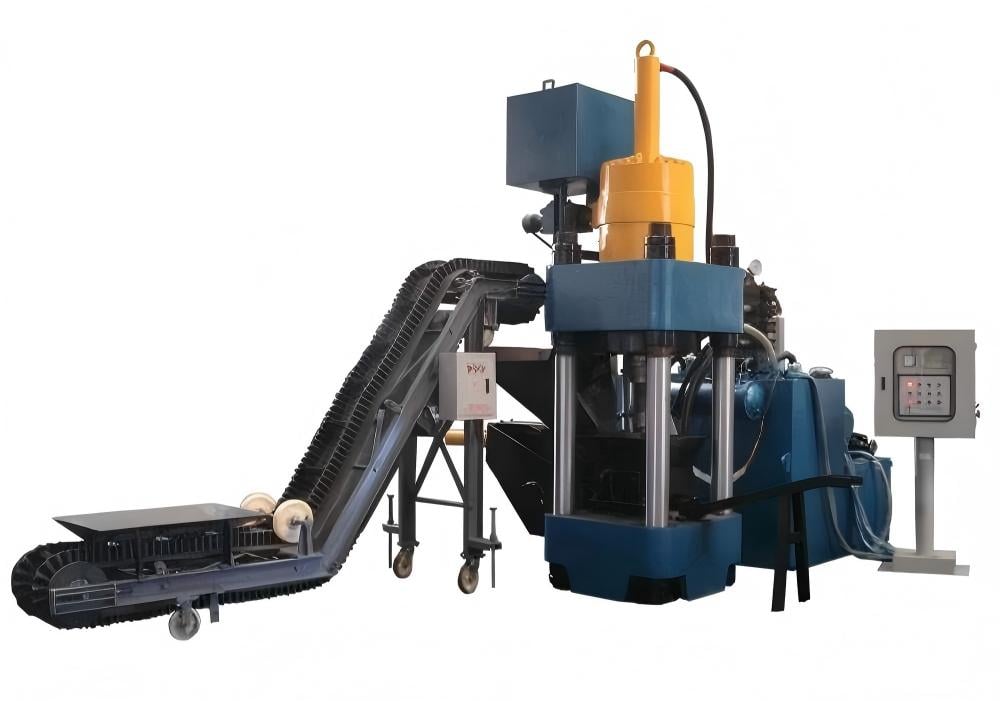
Key Considerations: The Economic and Operational Impact
1. Dramatic Volume Reduction and Logistics Optimization
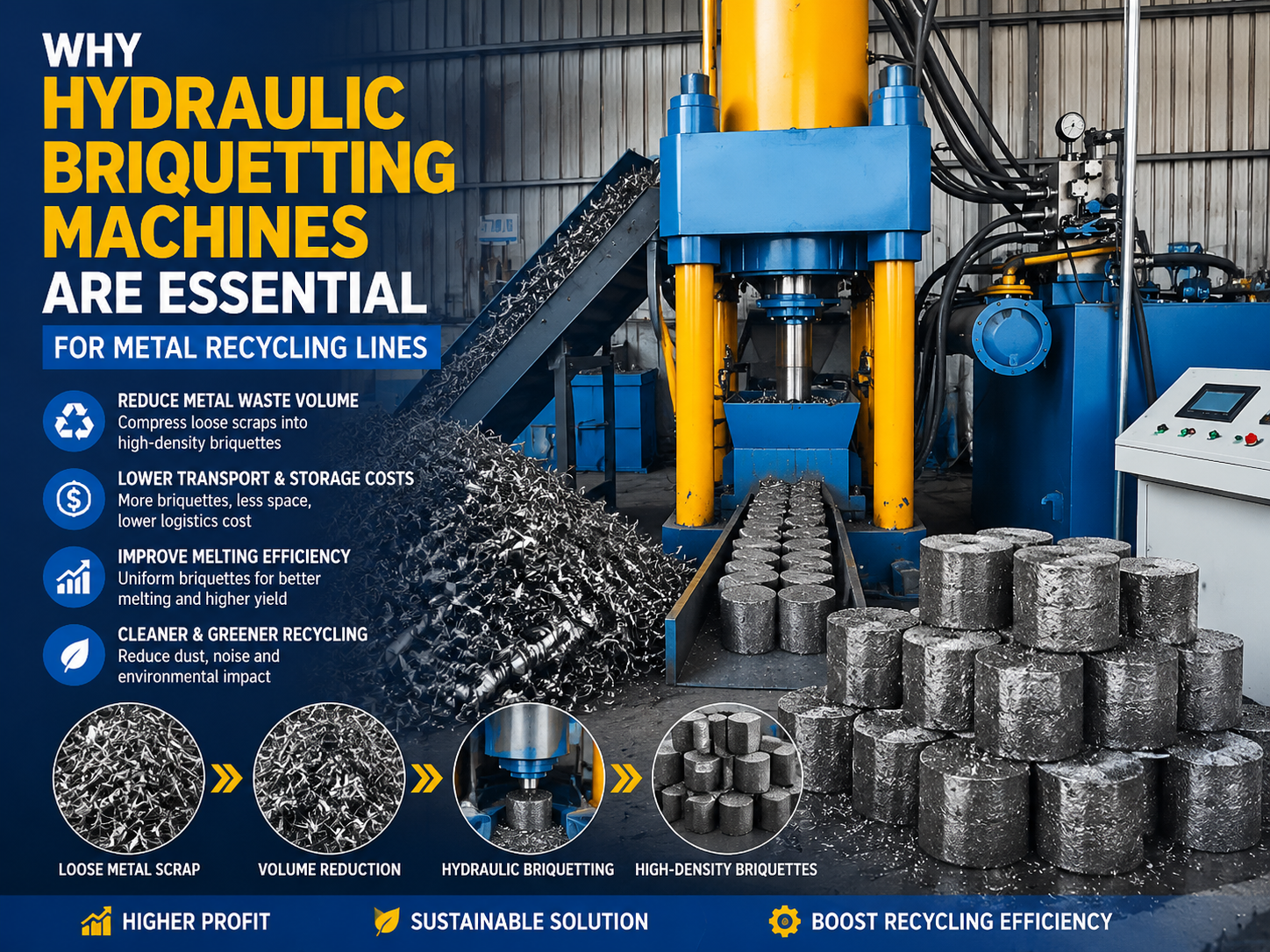
One of the most immediate benefits of implementing a hydraulic briquetting machine is the massive reduction in material volume. Loose metal chips and turnings can be compressed by a ratio of up to 20:1, depending on the material type. This means that twenty containers of loose scrap can be condensed into a single container of solid briquettes. The implications for logistics are profound: fewer truckloads are required for transport, reducing fuel costs and carbon emissions associated with scrap disposal.
Within the facility, this volume reduction frees up valuable floor space that can be redirected toward production activities. Instead of large, messy bins of swarf cluttering the workshop, compact pallets of briquettes can be neatly stacked and stored. This organization improves the overall workflow and safety of the manufacturing environment, reducing the risk of accidents associated with handling loose, sharp metal debris.
2. Maximizing Coolant Recovery and Environmental Compliance
Metal chips generated during milling, turning, and grinding are typically coated in cutting oils or water-based coolants. These fluids are expensive to purchase and even more expensive to dispose of as hazardous waste. A hydraulic briquetting machine acts as a secondary extraction system. As the metal is compressed under immense pressure, the fluids are squeezed out and collected in a dedicated tray or reservoir.
This recovered fluid can then be filtered and pumped back into the machine tools, significantly reducing the need for new coolant purchases. From an environmental perspective, briquetting ensures that hazardous fluids do not leak into the ground or contaminate the workspace. By producing “dry” briquettes, manufacturers also avoid the heavy fines associated with transporting dripping or contaminated scrap on public roads.
3. Enhancing Melting Efficiency and Yield
For foundries and steel mills, the form in which metal scrap is introduced into the furnace is critical. Loose chips have a very high surface-area-to-volume ratio. When thrown into a furnace, these thin chips tend to oxidize or “burn off” before they can melt into the bath, resulting in a significant loss of material (burn loss). In some cases, the yield loss for loose aluminum chips can be as high as 20-30%.
Briquettes, however, behave like solid scrap. Their high density allows them to sink beneath the surface of the molten metal quickly, where they melt with minimal oxidation. This increases the furnace yield and ensures that the chemical composition of the melt remains consistent. Consequently, scrap dealers are willing to pay a much higher price for briquettes than for loose chips, as the processing work has already been done, and the value of the material is guaranteed.
4. Workplace Safety and Housekeeping
Loose metal swarf is a notorious workplace hazard. It is sharp, can cause deep lacerations, and often carries bacteria from stagnant coolants. By automating the collection and briquetting process, workers have minimal contact with the raw scrap. Modern HARSLE briquetting lines can be integrated directly with conveyor systems that feed the machine automatically, creating a closed-loop system that keeps the shop floor clean and the workforce safe.
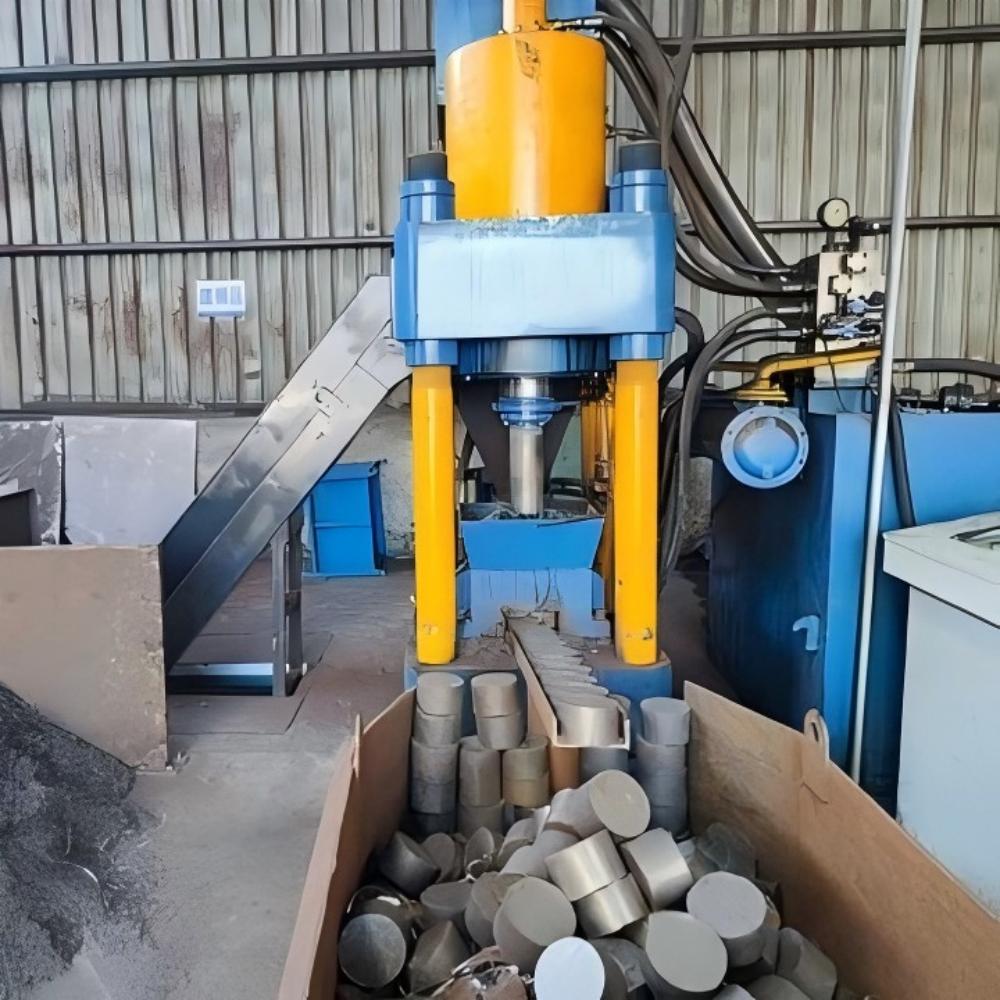
Technical Details: How Hydraulic Briquetting Machines Work
The Hydraulic Power Unit (HPU)
The heart of the machine is the hydraulic system. Unlike mechanical presses, hydraulic briquetting machines provide consistent pressure throughout the entire stroke. This is essential for achieving uniform density in the briquettes. HARSLE machines utilize high-pressure pumps and precision-engineered valves to deliver forces ranging from 100 to over 1000 tons, depending on the model and material requirements. The use of variable displacement pumps in modern units also ensures energy efficiency, as the motor only works as hard as the pressure demand requires.
Compression Chamber and Tooling
The compression process typically occurs in two or three stages. First, a pre-compression cylinder pushes the loose material into the main chamber. Then, the main hydraulic ram applies the final force against a fixed or sliding die. The design of the die is crucial; it must be made from high-strength, wear-resistant tool steel to withstand the abrasive nature of metal chips. For materials like cast iron or steel, the friction generated during compression can be intense, requiring integrated cooling systems for the hydraulic oil to maintain performance during continuous operation.
PLC Integration and Automation
Modern recycling lines require intelligence. HARSLE briquetting machines are equipped with advanced PLC (Programmable Logic Controller) systems, often featuring Siemens or Schneider components. These systems monitor everything from oil temperature and pressure levels to the cycle time and briquette length. Sensors detect when the hopper is full or empty, allowing the machine to start and stop automatically. This level of automation means a single operator can oversee multiple machines, or the system can run entirely unattended as part of a larger production line.
Material Compatibility
While often associated with aluminum, Hydraulic Briquetting Machines Are Essential Metal Recycling Lines for a wide variety of materials:
- Aluminum: High value, high volume reduction, and significant reduction in burn loss.
- Steel and Cast Iron: Extremely abrasive; requires heavy-duty liners and high compression force.
- Copper and Brass: High-value scrap where coolant recovery is a major financial driver.
- Titanium and Magnesium: Specialized applications where managing the fire risk of loose chips is a primary safety concern.
| Feature | Benefit for Recycling Line | Technical Specification Example |
|---|---|---|
| High Compression Force | Maximum density for furnace yield | 200 – 600 Tons |
| Coolant Recovery System | Reduces fluid costs and environmental impact | Integrated collection tray & pump |
| Automatic Feeding | Reduces labor costs and improves safety | Screw conveyor or vibrating hopper |
| Wear-Resistant Liners | Extends machine life when processing steel | Hardened HCHCR steel liners |
| PLC Touch Screen | Ease of operation and troubleshooting | 10-inch HMI interface |
Selection Advice: Choosing the Right Machine for Your Facility
Assessing Material Type and Volume
The first step in selecting a hydraulic briquetting machine is understanding your scrap profile. Not all machines are created equal. For example, aluminum chips are relatively soft and compress easily, but they are voluminous. A machine with a large hopper and fast cycle time is ideal. Conversely, steel turnings are tough and springy; they require much higher pressure to stay in a solid briquette form. You must match the machine’s tonnage and chamber design to the specific physical properties of your waste material.
Throughput Requirements
How many kilograms or tons of scrap do you generate per hour? Over-specifying a machine leads to unnecessary capital expenditure, while under-specifying leads to bottlenecks and premature wear. HARSLE offers a range of models from small units for boutique machine shops to massive industrial presses for large-scale recycling centers. Consider your future growth as well; it is often wiser to choose a machine with 20% more capacity than your current needs.
Footprint and Integration
Space is often at a premium. Measure your available floor area and consider how the machine will be fed. Will you use a manual forklift tip, or do you need a conveyor system integrated with your CNC machines? Look for a compact design that allows for easy maintenance access. The orientation of the discharge—where the finished briquettes come out—should also align with your storage or transport bins.
The Importance of After-Sales Support
A briquetting machine is a workhorse that operates in a harsh environment. Wear and tear are inevitable. When choosing a manufacturer like HARSLE, ensure that spare parts (like seals, filters, and chamber liners) are readily available. A machine that is down for weeks due to a lack of parts is a liability, not an asset. Look for manufacturers that provide comprehensive manuals, remote technical support, and onsite training for your maintenance team.
Maintenance and Longevity of Briquetting Equipment
To ensure that Hydraulic Briquetting Machines Are Essential Metal Recycling Lines remain productive for decades, a strict maintenance schedule is required. The primary enemy of hydraulic systems is contamination. Metal dust and fine particles can migrate into the hydraulic oil if seals are not maintained, leading to pump failure. Regular oil analysis and filter changes are the most cost-effective ways to extend the life of the machine.
Furthermore, the compression chamber should be inspected weekly for signs of scoring or excessive wear. In machines processing abrasive materials like cast iron, the liners are designed to be replaceable. Replacing a liner early is much cheaper than repairing a damaged main cylinder. Lubrication of moving parts, such as the gate or the feeder screw, should be performed daily to prevent friction-related heat buildup.
Frequently Asked Questions (FAQ)
Q1: Can a hydraulic briquetting machine handle wet and dry chips simultaneously?
Yes, most HARSLE machines are designed to handle varying moisture levels. The hydraulic pressure will effectively remove the liquid regardless of the initial saturation. However, for very wet sludge, specialized drainage systems may be required to prevent splashing and ensure clean recovery.
Q2: What is the typical Return on Investment (ROI) for these machines?
Most facilities see an ROI within 12 to 24 months. This is calculated based on the increased sale price of briquettes vs. loose scrap, the value of recovered coolant, and the reduction in transport and labor costs. In high-volume environments, the ROI can be even faster.
Q3: Do I need to crush long turnings before briquetting?
Generally, yes. Long, “bird-nest” turnings can clog the feeding mechanism. A chip crusher or shredder is often placed before the briquetting machine in a complete recycling line to ensure the material is a consistent size for optimal compression.
Q4: Are these machines noisy?
While any industrial machinery makes noise, hydraulic briquetting machines are significantly quieter than mechanical stamping presses. HARSLE utilizes dampened motor mounts and precision hydraulics to keep noise levels within standard industrial safety limits.
Q5: Can I process different metals in the same machine?
Technically yes, but it is not recommended unless the machine is thoroughly cleaned between batches. Mixing metals (like aluminum and steel) reduces the purity and resale value of the resulting briquettes. Most facilities dedicated to high-value recycling will have separate lines for different alloys.
Conclusion: The Future of Metal Fabrication and Recycling
The evidence is clear: Hydraulic Briquetting Machines Are Essential Metal Recycling Lines for any business looking to thrive in a competitive, resource-conscious market. By converting voluminous, low-value waste into dense, high-value raw material, these machines provide a rare combination of economic gain and environmental responsibility. They solve the logistical nightmares of scrap handling, recover expensive fluids, and improve the efficiency of the global metal supply chain.
As we move toward a more circular economy, the role of onsite recycling will only grow. Investing in high-quality equipment from a trusted manufacturer like HARSLE ensures that your facility is prepared for this shift. Whether you are a small machine shop looking to tidy up your floor or a large-scale manufacturer aiming for zero-waste certification, the hydraulic briquetting press is the key to unlocking the hidden value in your scrap metal. The transition from seeing metal chips as a nuisance to seeing them as a resource begins with the right technology, and the hydraulic briquetting machine is undoubtedly that technology.