Top Applications of Hydraulic Briquetting Machines for Waste Reduction: A Comprehensive Guide

Introduction to Hydraulic Briquetting and Waste Management
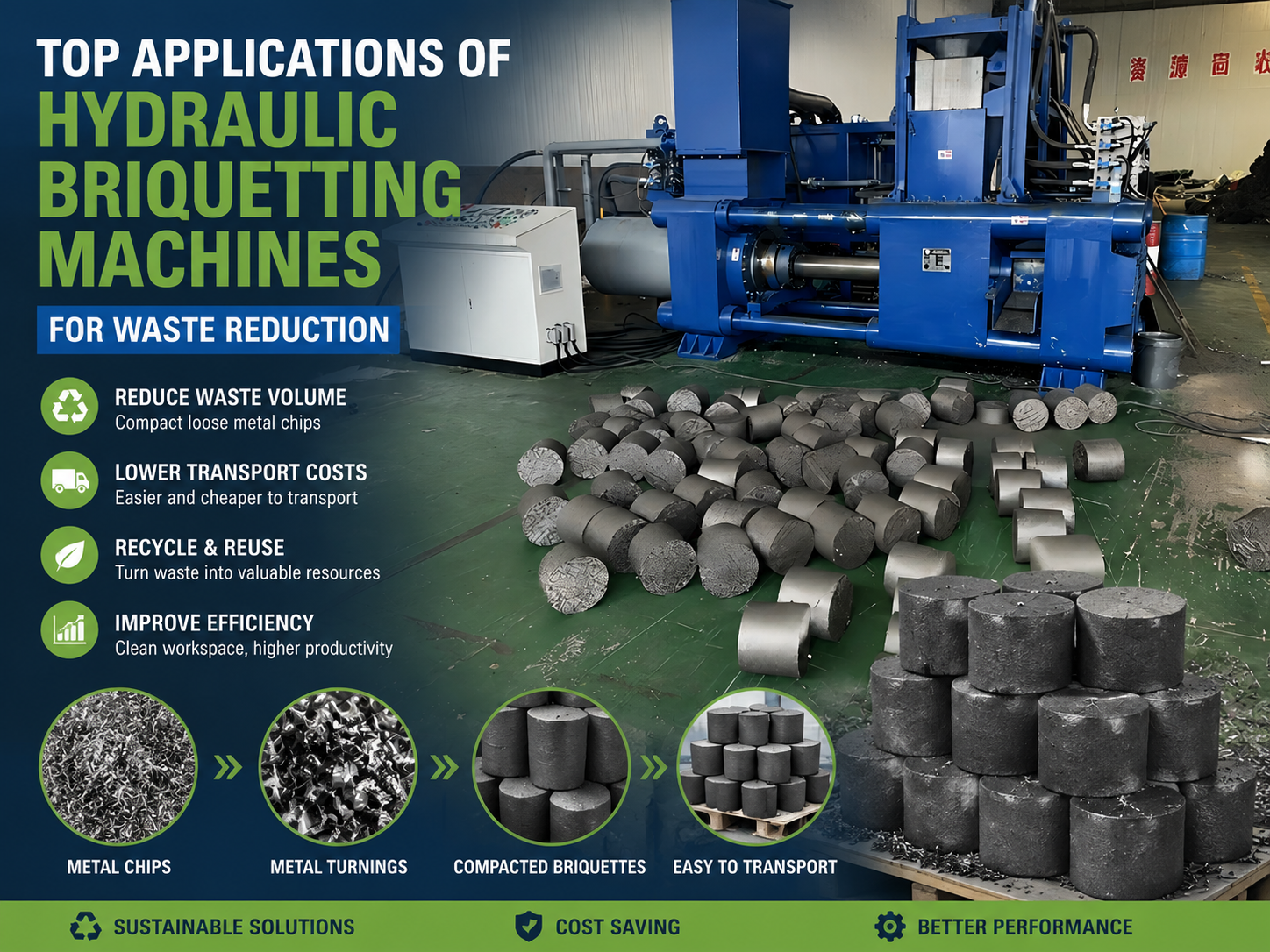
In the modern industrial landscape, the management of waste materials has transitioned from a secondary operational concern to a primary strategic priority. As manufacturers strive for greater efficiency and environmental compliance, the role of specialized machinery like the hydraulic briquetting machine has become indispensable. These machines are designed to transform loose industrial waste—primarily metal chips, shavings, and turnings—into dense, compact blocks known as briquettes. This process, often referred to as ‘briquetting,’ is a cornerstone of sustainable manufacturing, offering a dual benefit of environmental stewardship and significant cost savings.
The fundamental challenge in metalworking and fabrication is the sheer volume of waste generated. Machining processes such as milling, turning, and drilling produce vast quantities of metal swarf. This material is not only bulky and difficult to transport but is often saturated with expensive cutting fluids and coolants. Without proper processing, this waste represents a significant loss of raw material value and a logistical nightmare. The Top Applications Of Hydraulic Briquetting Machines Waste Reduction strategies focus on reclaiming this lost value by compressing the waste under high hydraulic pressure, effectively squeezing out fluids and creating a product that is easy to handle and melt.
HARSLE has been at the forefront of developing high-performance hydraulic briquetting solutions that cater to a wide range of industrial needs. By integrating advanced hydraulic systems with precision engineering, these machines ensure that manufacturers can achieve maximum density in their briquettes, which is crucial for efficient smelting and recycling. As global regulations regarding industrial waste become more stringent, the adoption of hydraulic briquetting technology is no longer just an option for the elite; it is a necessity for any competitive fabrication facility.
This article explores the diverse applications of these machines across various sectors, detailing how they contribute to waste reduction, resource recovery, and operational excellence. From the automotive shop floor to the high-precision environments of aerospace manufacturing, the hydraulic briquetting machine is proving to be a versatile tool in the quest for a circular economy.
Key Considerations for Implementing Briquetting Technology
Before integrating a hydraulic briquetting machine into a production line, several key considerations must be addressed to ensure the investment yields the expected returns. The first and perhaps most critical factor is the nature of the waste material. Different metals—such as aluminum, steel, cast iron, and copper—have varying physical properties that affect how they compress. For instance, aluminum is highly ductile but has a low density, requiring specific pressure settings to achieve a stable briquette without excessive spring-back.
Another vital consideration is the volume of waste produced. Hydraulic briquetting machines come in various sizes and capacities. A small-scale machine might be suitable for a boutique machine shop, while a large-scale foundry requires a heavy-duty system capable of processing several tons of scrap per hour. Calculating the Return on Investment (ROI) involves looking at the reduction in transport costs, the increase in the resale value of the scrap, and the volume of coolant recovered. In many cases, the recovered coolant alone can pay for the machine’s operational costs over time.
Space and logistics also play a role. A briquetting machine should ideally be placed close to the source of the waste to minimize internal handling. However, it also needs to be accessible for the removal of finished briquettes and the collection of reclaimed fluids. Modern HARSLE machines are designed with compact footprints to fit into existing layouts, but planning the workflow around the machine is essential for maximizing efficiency. Furthermore, the level of automation required—whether a manual feed or a fully integrated conveyor system—will depend on the facility’s labor costs and production volume.
Finally, environmental compliance and safety cannot be overlooked. Briquetting machines help facilities meet ISO 14001 standards by reducing the risk of oil leaks from loose chips and minimizing the carbon footprint associated with scrap transport. Safety features, such as emergency stops, pressure sensors, and automated shut-offs, are standard in high-quality hydraulic systems, ensuring that the reduction of waste does not come at the cost of operator safety.
Technical Details of Hydraulic Briquetting Machines
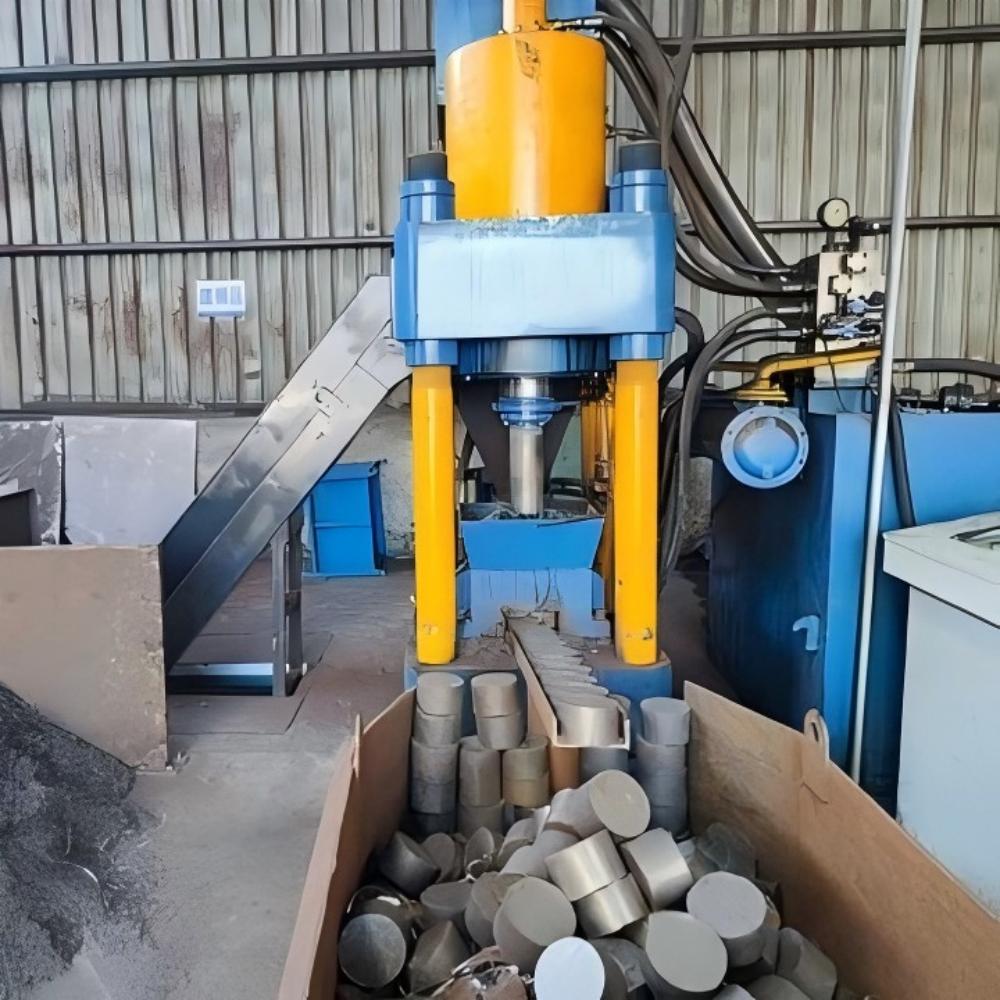
The technical prowess of a hydraulic briquetting machine lies in its ability to exert massive force consistently. At the heart of the machine is the hydraulic power unit, which consists of a high-pressure pump, a reservoir for hydraulic oil, and a series of valves that control the flow and pressure. The compression process typically involves two or three stages: a pre-compression stage where the loose material is pushed into the chamber, and a main compression stage where the final briquette is formed against a fixed die or counter-platen.
One of the standout technical features of HARSLE briquetting machines is the precision of the PLC (Programmable Logic Controller) system. This allows operators to fine-tune the pressure and cycle times based on the specific material being processed. For example, when processing cast iron, which is brittle, the pressure must be applied steadily to prevent the briquette from crumbling. Conversely, for tough steel shavings, a higher initial force may be required to break down the structure of the turnings before final compaction.
Material Density and Compression Ratios
The effectiveness of a briquetting machine is often measured by the compression ratio it achieves. For most metals, a ratio of 5:1 to 10:1 is common, though this can be higher for very light materials like aluminum foil or fine turnings. The resulting briquettes typically reach a density of 70% to 90% of the solid metal’s density. This high density is crucial because it prevents the metal from oxidizing (burning up) when it is reintroduced into a furnace, thereby increasing the melt yield significantly compared to loose chips.
| Material Type | Loose Density (kg/m³) | Briquette Density (kg/m³) | Volume Reduction % |
|---|---|---|---|
| Aluminum Chips | 150 – 300 | 1,800 – 2,200 | 85% – 90% |
| Steel Turnings | 400 – 600 | 5,000 – 6,000 | 80% – 85% |
| Cast Iron Borings | 1,200 – 1,500 | 5,500 – 6,500 | 70% – 75% |
| Copper Shavings | 300 – 500 | 6,500 – 7,500 | 90% + |
Beyond the hydraulic force, the design of the compression chamber and the wear-resistant materials used in the dies are critical. Since metal chips can be highly abrasive, the components in contact with the scrap must be made from hardened alloys to ensure a long service life. HARSLE utilizes high-grade tool steels for these components, reducing maintenance downtime and ensuring consistent briquette quality over millions of cycles.
Top Applications of Hydraulic Briquetting Machines Waste Reduction
1. Aluminum Machining and Casting
Aluminum is one of the most widely used metals in modern industry, from aerospace to consumer electronics. However, it is also one of the most problematic to recycle in its loose form. Aluminum chips are light and have a high surface-area-to-volume ratio, which leads to significant oxidation losses during melting. By using a hydraulic briquetting machine, manufacturers can compress these chips into dense blocks. This not only reduces the storage space required by up to 90% but also ensures that the metal sinks into the melt in the furnace, minimizing oxidation and maximizing the recovery of the raw material.
2. Automotive Component Manufacturing
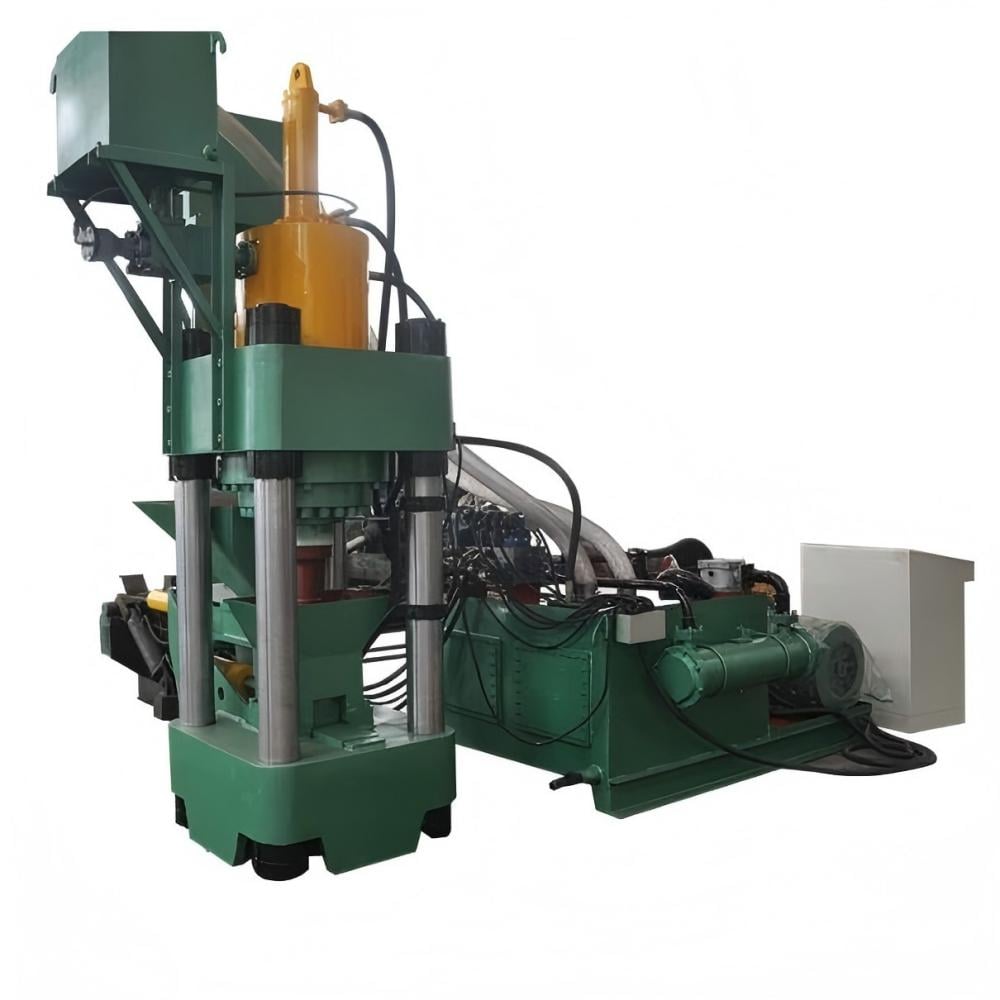
The automotive industry generates massive amounts of steel and cast iron waste from engine block machining, transmission parts, and chassis components. In these high-volume environments, the Top Applications Of Hydraulic Briquetting Machines Waste Reduction involve the continuous processing of swarf. These machines are often integrated directly into the production line, where conveyors feed the chips into the briquetter. The reclaimed cutting oil is then filtered and pumped back into the machining centers, creating a closed-loop system that significantly lowers the cost of consumables.
3. Aerospace and High-Value Alloys
In the aerospace sector, materials like titanium, Inconel, and high-grade stainless steels are common. These materials are incredibly expensive, and any waste represents a significant financial loss. Briquetting these high-value alloys ensures that they remain uncontaminated and are in a form that is preferred by specialty recyclers. Because aerospace components require strict material traceability, briquetting also helps in segregating different alloys, preventing the mixing of scrap which would otherwise devalue the material.
4. Foundries and Smelting Operations
Foundries use briquetting machines to process their own internal scrap as well as purchased chips. The primary advantage here is the improvement in furnace efficiency. Loose chips can cause ‘bridging’ in the furnace and are susceptible to being blown out by the exhaust systems. Briquettes, being heavy and uniform, provide a consistent charge for the furnace, leading to faster melt times and lower energy consumption. This application is a prime example of how briquetting directly contributes to the bottom line of heavy industrial operations.
5. Grinding Sludge and Fine Particulates
Grinding sludge—a mixture of fine metal particles, abrasive grit, and coolant—is one of the most difficult waste products to manage. It is often classified as hazardous waste due to its oil content. Hydraulic briquetting machines can process this sludge, squeezing out the liquid and creating a solid cake. This transforms a hazardous liquid waste into a manageable solid, drastically reducing disposal costs and allowing for the reclamation of expensive grinding oils.
Selection Advice: Choosing the Right Briquetting Machine
Selecting the right hydraulic briquetting machine requires a thorough analysis of your facility’s specific needs. The first step is to conduct a waste audit. Determine the types of metal you produce, the volume of each, and the amount of moisture (coolant) present in the scrap. If you handle multiple types of metal, you may need a machine that is easy to clean out between batches to prevent cross-contamination, or you might consider multiple smaller units dedicated to specific materials.
Capacity is the next major factor. It is generally advisable to choose a machine with a capacity slightly higher than your current peak waste production. This allows for future growth and ensures the machine isn’t constantly running at its absolute limit, which can extend its lifespan. Look for machines with robust hydraulic systems; the quality of the pumps and valves will determine the reliability of the machine in a 24/7 production environment. HARSLE offers various models that balance speed and pressure, allowing for customization based on whether you prioritize throughput or briquette density.
Consider the level of automation. A basic machine might require manual loading, which is labor-intensive. For most industrial applications, an automated hopper with an agitator (to prevent bridging of the chips) and a discharge conveyor is the preferred setup. Furthermore, check the availability of spare parts and technical support. Since these machines operate in harsh environments, having a reliable partner like HARSLE for maintenance and parts is crucial for minimizing downtime. Finally, evaluate the footprint and power requirements to ensure the machine can be integrated into your existing facility without major electrical or structural overhauls.
Frequently Asked Questions (FAQ)
What is the typical ROI for a hydraulic briquetting machine?
The Return on Investment (ROI) typically ranges from 6 to 18 months, depending on the volume of scrap, the value of the metal, and the amount of coolant recovered. Facilities that process high-value metals like aluminum or copper often see a faster ROI due to the significant difference in price between loose chips and briquetted scrap.
Can one machine handle different types of metal?
Yes, most hydraulic briquetting machines can handle various metals. However, the settings (such as pressure and cycle time) may need to be adjusted for each material. It is also important to clean the hopper and compression chamber when switching between metals to avoid contaminating the scrap, which could lower its resale value.
How much coolant can be recovered during the briquetting process?
Depending on the initial moisture content of the chips, a hydraulic briquetting machine can recover up to 95% of the fluids trapped in the scrap. This reclaimed coolant can often be filtered and reused, providing a direct saving on the purchase of new cutting fluids.
What maintenance is required for these machines?
Regular maintenance includes checking hydraulic oil levels and filters, inspecting seals for leaks, and monitoring the wear on the compression dies and punches. Because the environment is often dirty and abrasive, keeping the machine clean and well-lubricated is essential for long-term performance.
Does briquetting affect the quality of the metal for recycling?
Actually, it improves it. By reducing the surface area and removing contaminants (coolants), briquettes are much more desirable for smelters. They result in a higher melt yield and less slag, which often translates to a higher price per ton paid by scrap dealers.
Conclusion: The Future of Industrial Waste Reduction
The Top Applications Of Hydraulic Briquetting Machines Waste Reduction demonstrate that this technology is much more than a simple trash compactor. It is a sophisticated solution for resource recovery that addresses the economic and environmental challenges of modern manufacturing. By transforming voluminous, oil-soaked scrap into clean, dense briquettes, companies can turn a waste stream into a profit center. The reduction in transport costs, the reclamation of expensive coolants, and the increased value of the scrap metal all contribute to a more sustainable and profitable operation.
As we look toward the future, the integration of IoT and smart sensors into hydraulic systems will further optimize the briquetting process, allowing for real-time monitoring of machine health and material quality. HARSLE remains committed to leading this evolution, providing manufacturers with the tools they need to achieve zero-waste goals and maintain a competitive edge in a resource-constrained world. Investing in a hydraulic briquetting machine is not just a purchase; it is a commitment to industrial efficiency and environmental responsibility that will pay dividends for years to come.