Industrial Uses Of Hydraulic Briquetting Machines In Manufacturing Plants: A Comprehensive Guide

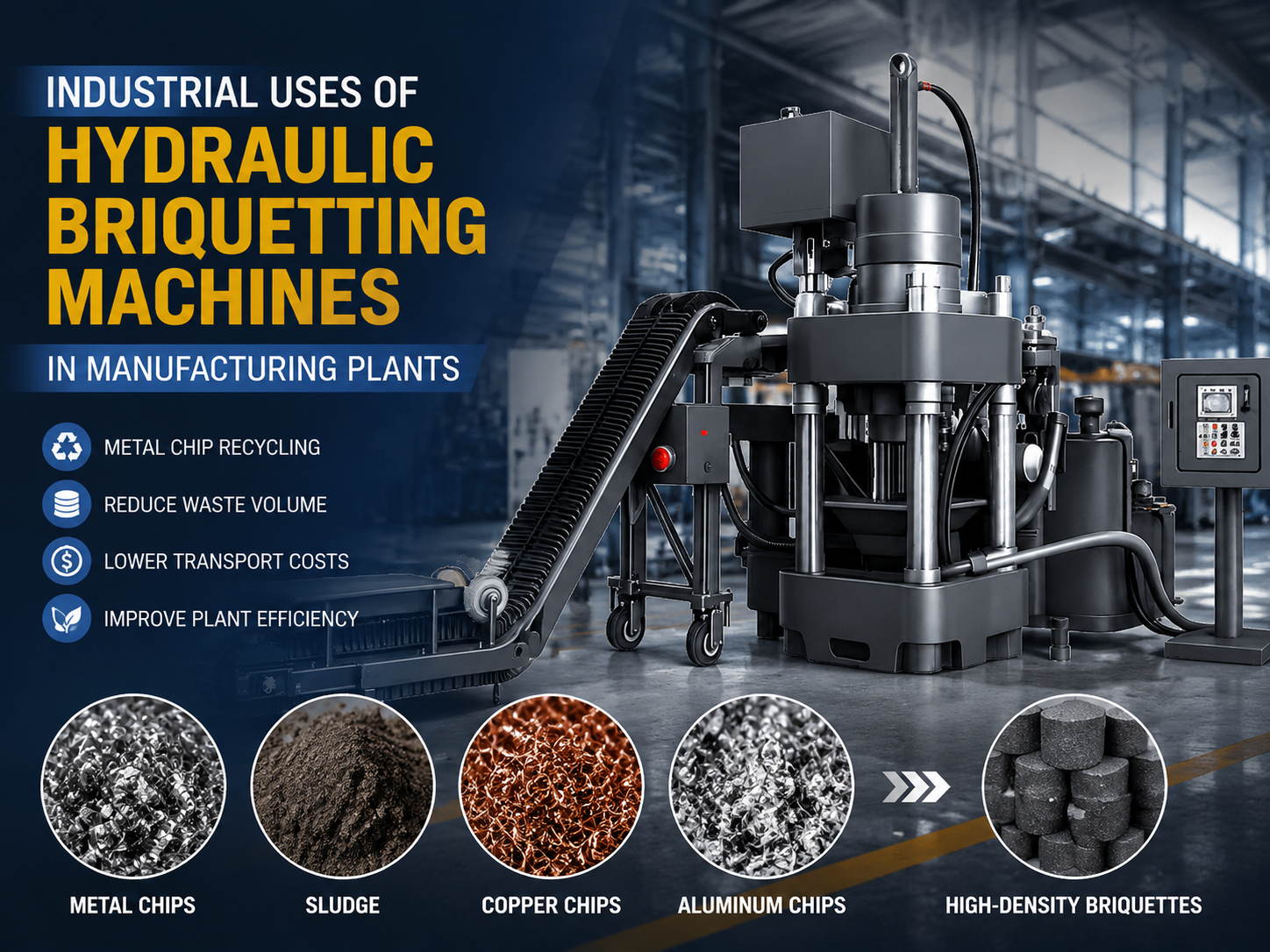
Introduction to Hydraulic Briquetting in Modern Manufacturing
In the contemporary landscape of industrial manufacturing, efficiency and sustainability are no longer optional; they are the pillars of a successful enterprise. As factories strive to minimize waste and maximize resource recovery, the role of specialized machinery has become paramount. One such piece of equipment that has revolutionized waste management is the hydraulic briquetting machine. Specifically, the Industrial Uses Of Hydraulic Briquetting Machines In Manufacturing Plants have expanded from simple scrap handling to sophisticated resource recovery systems that directly impact a company’s bottom line.
HARSLE, a leader in metal fabrication equipment, has been at the forefront of developing high-pressure hydraulic solutions that transform loose metal chips, turnings, and swarf into dense, manageable briquettes. This process, known as briquetting, involves using immense hydraulic force to compress material without the need for binders. The resulting briquettes are easy to store, transport, and, most importantly, melt down for reuse. For manufacturing plants dealing with high volumes of metal waste, these machines are essential for maintaining a clean workspace and optimizing the value of scrap materials.
The shift toward circular economy practices has further accelerated the adoption of these machines. By converting what was once considered ‘trash’ into a valuable secondary raw material, manufacturers can significantly reduce their carbon footprint. Whether it is aluminum, steel, cast iron, or copper, the hydraulic briquetting press provides a versatile solution for various metallurgical challenges. In this guide, we will delve deep into the technical specifications, industrial applications, and selection criteria for these powerful machines.
Key Considerations for Implementing Briquetting Systems
Before integrating a hydraulic briquetting machine into a production line, manufacturing managers must consider several critical factors. The first is the volume of waste generated. Small-scale operations might find manual scrap handling sufficient, but for plants producing hundreds of kilograms of metal chips daily, an automated briquetting system is a necessity. The return on investment (ROI) is often realized through reduced transportation costs and the higher market price commanded by briquetted scrap compared to loose turnings.
Another vital consideration is the type of material being processed. Different metals have varying compression ratios and physical properties. For instance, aluminum is highly ductile and compresses easily, whereas cast iron is brittle and produces significant amounts of fine dust. The machine must be configured with the appropriate pressure settings and filtration systems to handle these specific characteristics. HARSLE machines are designed with adjustable parameters to accommodate a wide range of materials, ensuring optimal density for every briquette produced.
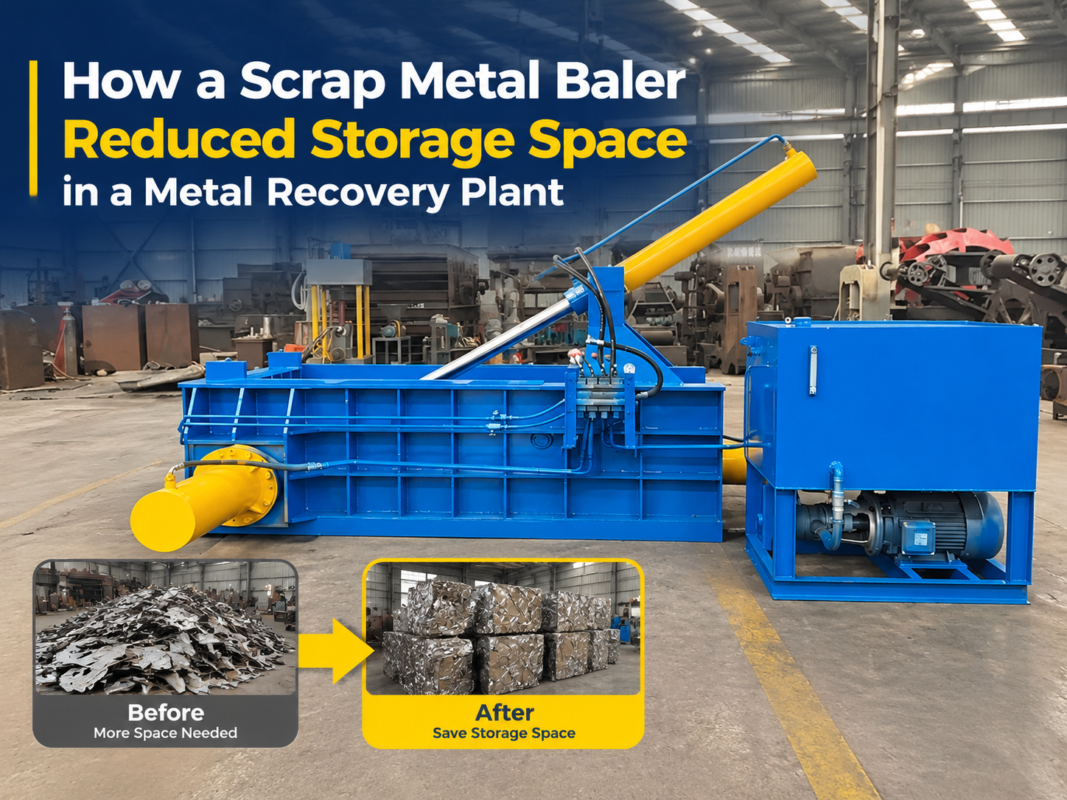
Space optimization is also a major driver for the Industrial Uses Of Hydraulic Briquetting Machines In Manufacturing Plants. Loose metal chips are incredibly bulky and can take up vast amounts of floor space. By compressing these chips into briquettes, plants can reduce the volume of their waste by up to 90%. This reclaimed space can then be used for additional production machinery or improved logistics flow within the facility. Furthermore, briquetting helps in maintaining a safer work environment by containing sharp metal shards and reducing the risk of oil spills associated with wet chips.
Environmental compliance and fluid recovery are the final key considerations. Most metal chips from CNC machining are saturated with cutting oils or coolants. When these chips are stored in bins, the oil often leaks, creating environmental hazards and slipping risks. A high-quality hydraulic briquetting press effectively squeezes out these fluids during the compression process. The recovered oil can then be filtered and reused in the machining process, leading to substantial savings on lubricant costs and ensuring compliance with strict environmental regulations regarding hazardous waste disposal.
Technical Details and Engineering Excellence of HARSLE Machines
The engineering behind a HARSLE hydraulic briquetting machine is a testament to precision and durability. At the heart of the machine is a high-pressure hydraulic system capable of exerting hundreds of tons of force. This system is powered by advanced hydraulic pumps and controlled by sophisticated PLC (Programmable Logic Controller) units. The PLC allows operators to monitor the entire process in real-time, adjusting cycle times, pressure levels, and feeding speeds to match the material flow.
The compression chamber is another critical component. It is typically constructed from high-strength, wear-resistant alloy steel to withstand the constant friction and pressure of metal-on-metal contact. HARSLE utilizes heat-treated components to ensure a long service life even in 24/7 manufacturing environments. The feeding mechanism, often a screw conveyor or a vibrating hopper, is designed to provide a consistent flow of material into the chamber, preventing jams and ensuring uniform briquette size and density.
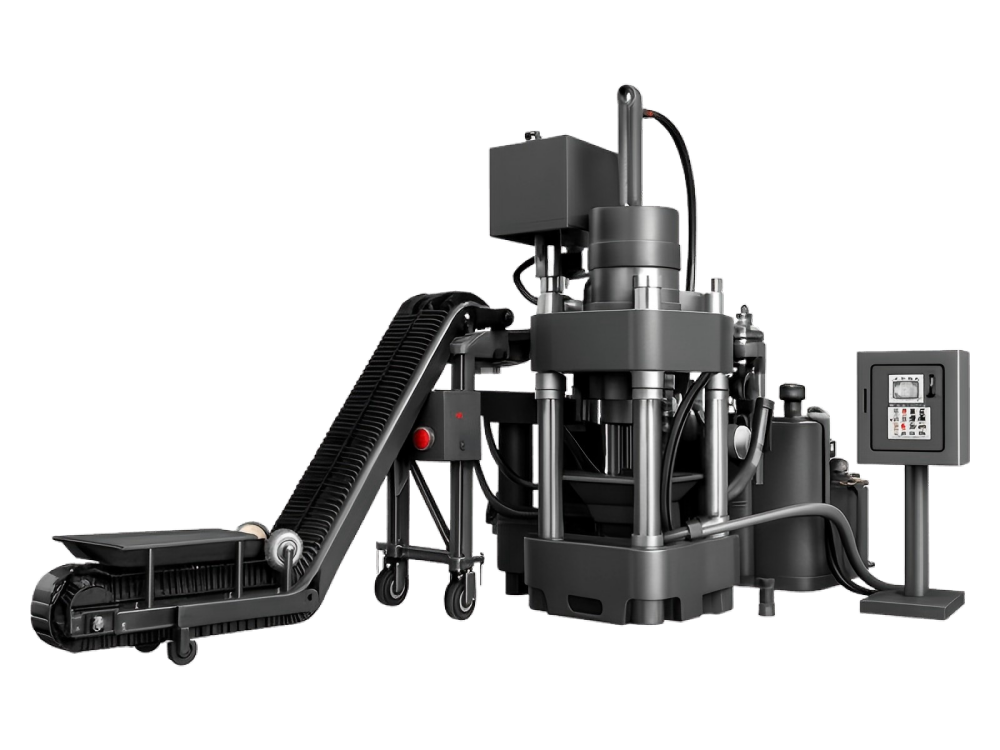
One of the standout technical features of modern briquetting presses is the integrated cooling system. High-pressure compression generates significant heat, which can affect the viscosity of the hydraulic oil and the integrity of the seals. HARSLE machines incorporate efficient air or water-cooling systems to maintain the hydraulic fluid at an optimal temperature, ensuring consistent performance and preventing premature component failure. Additionally, the use of high-quality seals and valves minimizes the risk of leaks, which is crucial for maintaining a clean and efficient operation.
Automation is also a key technical highlight. Many HARSLE models feature fully automatic operation, where sensors detect the level of material in the hopper and start or stop the machine accordingly. This reduces the need for constant operator supervision and allows the machine to be integrated directly into a CNC machining cell. The resulting briquettes are ejected via a discharge chute, which can be directed into a collection bin or onto a conveyor belt for further transport. This level of technical sophistication is what makes the Industrial Uses Of Hydraulic Briquetting Machines In Manufacturing Plants so effective for modern industry.
Diverse Industrial Uses of Hydraulic Briquetting Machines in Manufacturing Plants
The versatility of hydraulic briquetting machines allows them to serve a wide array of industries. In the automotive sector, where precision machining of engine blocks and transmission components produces massive quantities of aluminum and cast iron chips, briquetting is standard practice. These plants use briquetting to reclaim expensive cutting fluids and prepare the metal for high-efficiency melting in foundries. Because briquettes have a smaller surface-area-to-volume ratio than loose chips, they experience significantly less oxidation during the melting process, resulting in a higher metal yield.
In the aerospace industry, the materials used are often exotic and expensive, such as titanium and high-grade aluminum alloys. The Industrial Uses Of Hydraulic Briquetting Machines In Manufacturing Plants within this sector focus heavily on material purity and value recovery. Briquetting ensures that these high-value scraps are kept clean and compact, making them easier to segregate by alloy type. This segregation is vital for maintaining the integrity of the recycled material, which can then be sold back to suppliers at a premium price.
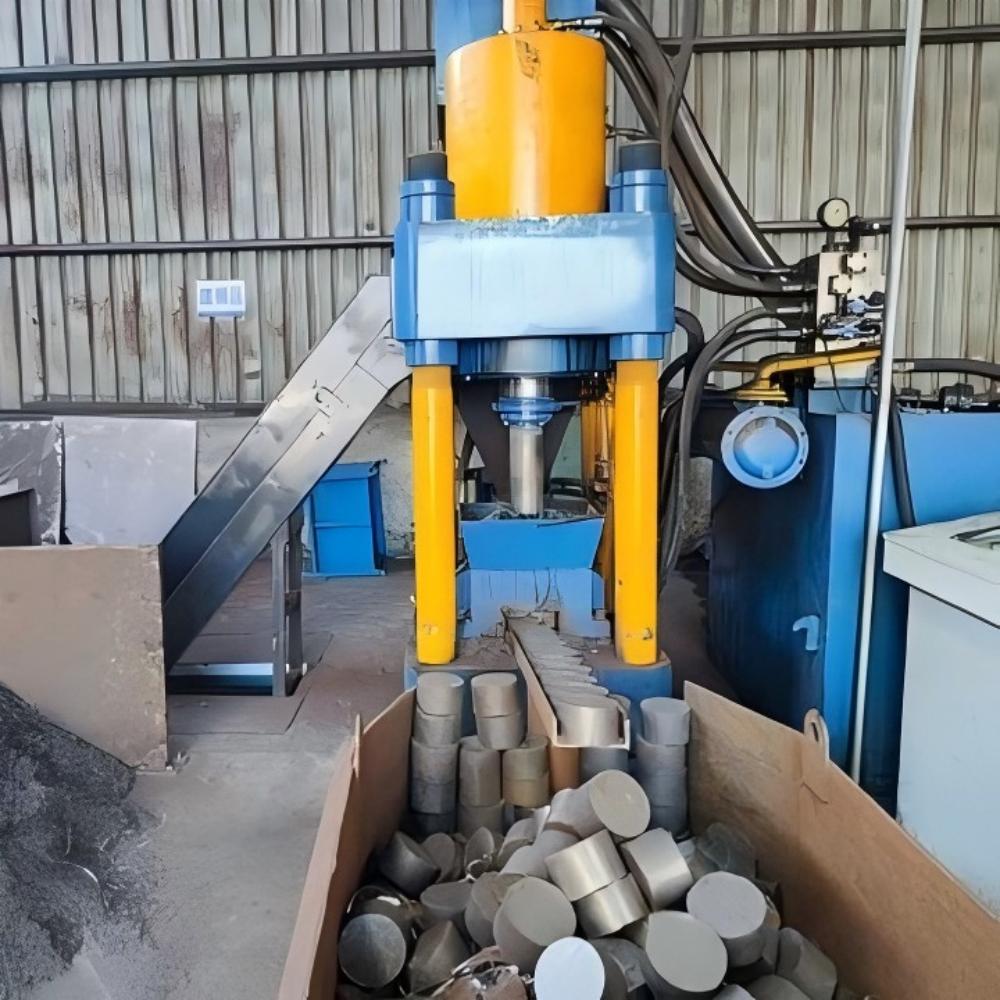
General job shops and CNC machining centers also benefit immensely. These facilities often handle a variety of metals throughout the week. A versatile HARSLE briquetting press allows them to switch between materials quickly. By briquetting their waste, these smaller shops can transform a messy scrap yard into a tidy, organized storage area. It also simplifies logistics; instead of multiple weekly pickups for loose scrap, they can schedule fewer pickups for dense briquettes, reducing transportation fees and their overall carbon footprint.
Beyond metalworking, hydraulic briquetting technology is used in the chemical and pharmaceutical industries to compress powders and granular materials into tablets or blocks for easier handling and dosage control. However, the most common Industrial Uses Of Hydraulic Briquetting Machines In Manufacturing Plants remain centered on metal fabrication. In foundries, briquettes are preferred over loose scrap because they sink through the slag layer in the furnace more effectively, leading to faster melt times and reduced energy consumption. This direct link between briquetting and energy efficiency makes it a cornerstone of modern industrial sustainability.
Selection Advice: Choosing the Right Briquetting Press
Selecting the right hydraulic briquetting machine requires a thorough analysis of your plant’s specific needs. The first step is to determine the required throughput. Machines are rated by the weight of material they can process per hour. It is advisable to choose a machine with a capacity slightly higher than your current peak waste production to allow for future growth. HARSLE offers a range of models, from compact units for small shops to massive industrial presses for large-scale manufacturing hubs.
The second factor is the briquette diameter and density. Depending on your recycling partner’s requirements or your own foundry’s specifications, you may need a specific briquette size. Larger diameters are generally more efficient for high-volume processing, while smaller diameters might be necessary for specific furnace charging systems. The density of the briquette is determined by the hydraulic pressure; higher pressure results in a denser, more durable briquette that is less likely to crumble during transport.
Consider the level of automation required. If the machine is to be part of a continuous production line, look for features like automatic hopper loading, oil-water separators, and remote monitoring capabilities. For plants with limited manpower, a fully automated HARSLE system can run unattended for long periods, providing a “set and forget” solution for waste management. Additionally, check the footprint of the machine to ensure it fits within your available floor space without obstructing forklift paths or other equipment.
Finally, evaluate the manufacturer’s support and spare parts availability. A briquetting machine is a heavy-duty piece of equipment that will eventually require maintenance. Choosing a reputable brand like HARSLE ensures that you have access to expert technical support and a reliable supply of wear parts like seals, filters, and liners. Investing in a high-quality machine from the start will save significant costs in downtime and repairs over the long term. Always request a material test where the manufacturer processes a sample of your specific scrap to prove the machine’s effectiveness before purchase.
Maintenance and Operational Best Practices
To ensure the longevity and efficiency of a hydraulic briquetting machine, a rigorous maintenance schedule is essential. The most critical aspect of maintenance is the hydraulic oil. It must be kept clean and at the correct temperature. Regularly checking oil levels and replacing filters is the simplest way to prevent pump and valve failures. HARSLE machines often include built-in sensors that alert operators when a filter change is due, but manual inspections should still be performed weekly.
The compression chamber and the ram are subject to intense wear. These areas should be inspected daily for any signs of scoring or excessive wear. If the machine is processing abrasive materials like cast iron or certain alloys, the wear liners may need to be replaced more frequently. Keeping the feeding mechanism clear of large foreign objects (like discarded tools or heavy bolts) is also vital, as these can cause catastrophic damage to the internal components of the press.
Operator training is another key component of successful operation. Staff should be trained not only on how to operate the machine but also on how to identify early signs of trouble, such as unusual noises, vibrations, or changes in briquette quality. Proper training ensures that the Industrial Uses Of Hydraulic Briquetting Machines In Manufacturing Plants are maximized while minimizing the risk of accidents. Safety protocols, including lockout/tagout procedures during maintenance, must be strictly enforced to protect personnel working around high-pressure equipment.
Lastly, cleanliness around the machine is important. While the briquetting process helps contain oil and chips, some residue is inevitable. Regularly cleaning the area around the hopper and the discharge chute prevents the buildup of grime that can interfere with sensors or moving parts. By following these best practices, manufacturers can ensure their HARSLE briquetting press remains a reliable asset for decades, consistently delivering high-quality briquettes and maximizing the value of their scrap metal.
Frequently Asked Questions (FAQ)
| Question | Answer |
|---|---|
| What materials can be briquetted? | Most metals including aluminum, steel, cast iron, copper, brass, and titanium can be processed. Some machines also handle wood chips or plastic. |
| How much can I save on cutting oil? | Depending on the moisture content of your chips, you can recover up to 95% of the fluids, which can then be filtered and reused. |
| Do I need to add a binder to the metal chips? | No, HARSLE hydraulic briquetting machines use high pressure to create a solid bond between the metal particles without any additives. |
| What is the typical ROI for a briquetting machine? | Most plants see a return on investment within 12 to 24 months through scrap value increases, fluid recovery, and reduced logistics costs. |
| Can the machine be integrated with CNC conveyors? | Yes, many models are designed for direct integration, allowing for a fully automated waste management workflow. |
Conclusion
The Industrial Uses Of Hydraulic Briquetting Machines In Manufacturing Plants represent a significant leap forward in how modern industry handles its byproducts. By transforming voluminous, oil-soaked metal waste into clean, dense, and valuable briquettes, these machines solve multiple operational challenges simultaneously. They reduce storage requirements, lower transportation costs, recover expensive coolants, and improve the efficiency of the recycling and melting process. For any manufacturing plant looking to enhance its sustainability profile and improve its bottom line, a hydraulic briquetting press is an indispensable investment.
HARSLE continues to innovate in this space, providing robust and technologically advanced solutions tailored to the needs of diverse industries. From the automotive sector to aerospace and general machining, the benefits of briquetting are clear. As global regulations on waste management tighten and the cost of raw materials continues to fluctuate, the ability to efficiently recycle and reuse metal scrap will become an even greater competitive advantage. By choosing the right equipment and following best practices for operation and maintenance, manufacturers can ensure a cleaner, more profitable, and more sustainable future.