Comprehensive Guide to Hydraulic Briquetting Machine Applications in Aluminum Chip Recovery

Introduction to Aluminum Chip Recovery and Hydraulic Briquetting
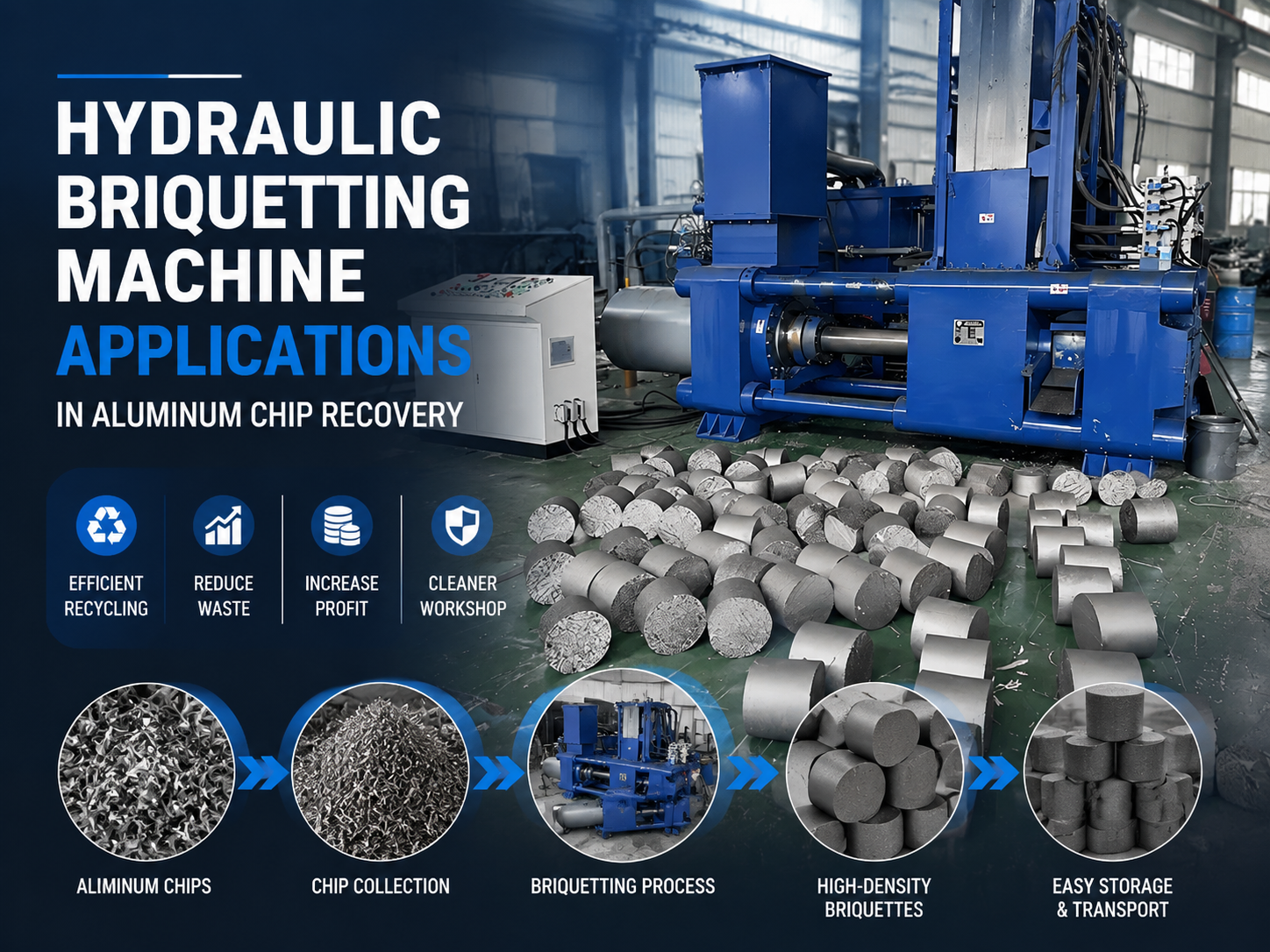
In the modern landscape of high-precision manufacturing, the generation of metal waste is an unavoidable byproduct. Aluminum, prized for its strength-to-weight ratio and corrosion resistance, is widely used in industries ranging from aerospace to automotive. However, the machining processes—such as milling, turning, and drilling—produce vast quantities of aluminum chips, shavings, and swarf. Managing this waste efficiently is not just a matter of cleanliness; it is a critical factor in operational profitability and environmental sustainability. This is where the Hydraulic Briquetting Machine Applications In Aluminum Chip Recovery become indispensable.
A hydraulic briquetting machine is a specialized piece of industrial equipment designed to compress loose metal chips into dense, compact blocks known as briquettes. For aluminum, this process is particularly transformative. Loose aluminum chips are bulky, difficult to transport, and prone to significant material loss during the melting process due to oxidation. By applying high hydraulic pressure, these machines eliminate air pockets and squeeze out residual cutting fluids, creating a product that is much easier to handle and far more valuable in the recycling market.
HARSLE, a leader in metal fabrication machinery, recognizes that the transition from loose scrap to briquettes represents a major leap in efficiency for any workshop. The application of this technology allows manufacturers to close the loop on their material usage, turning what was once considered a waste disposal headache into a high-quality raw material for secondary smelting. In this guide, we will explore the technical nuances, economic benefits, and selection criteria for hydraulic briquetting machines in the context of aluminum recovery.
Key Considerations in Aluminum Briquetting
Material Characteristics and Volume Reduction
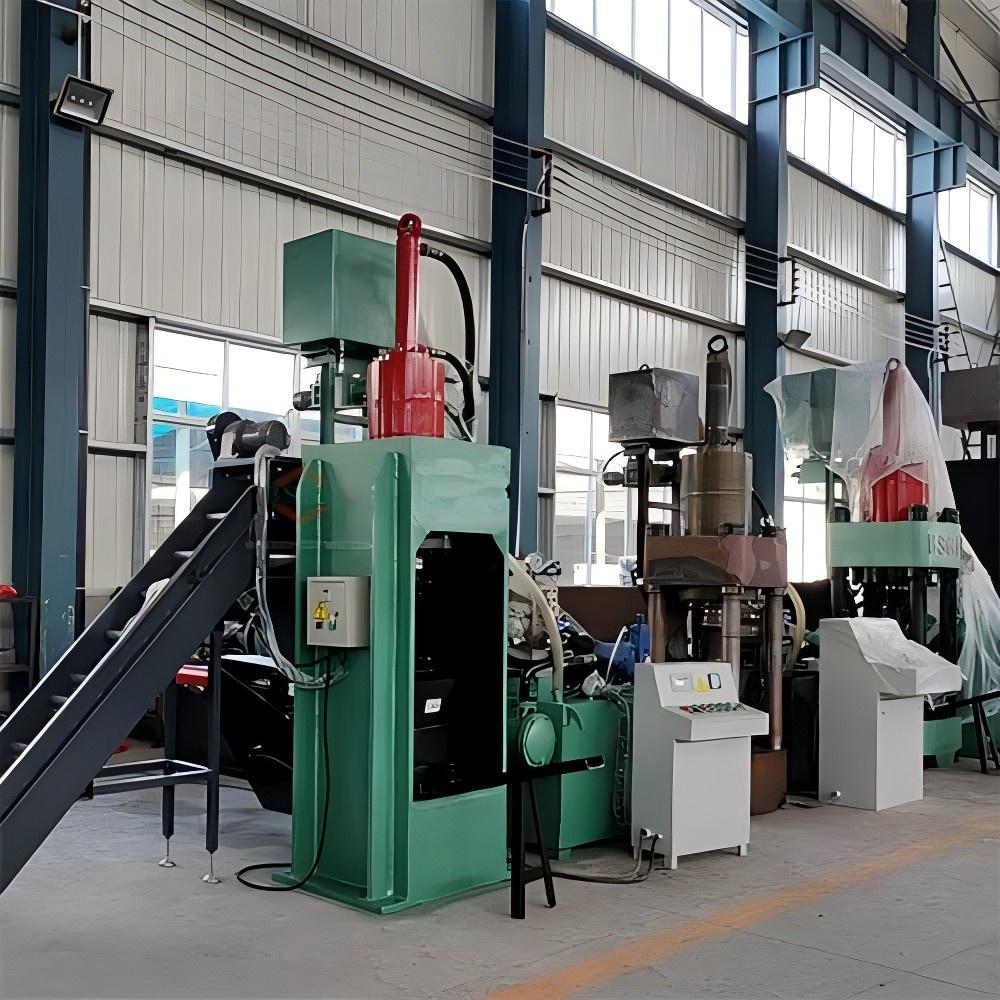
The primary challenge with aluminum chips is their low bulk density. Loose chips can take up to ten times more space than the solid metal from which they originated. This creates a logistical nightmare, requiring frequent transport and large storage areas. One of the most significant Hydraulic Briquetting Machine Applications In Aluminum Chip Recovery is the drastic reduction in volume. A high-quality hydraulic press can achieve a volume reduction ratio of up to 20:1, depending on the initial state of the chips.
When considering a briquetting solution, it is essential to analyze the type of aluminum scrap being produced. Long, stringy turnings may require a shredder before entering the briquetting machine, whereas fine chips from milling can often be fed directly. The density of the final briquette is a key performance indicator; higher density typically leads to better results during the remelting process, as it minimizes the surface area exposed to oxygen, thereby reducing dross formation.
Coolant Recovery and Environmental Impact
Machining aluminum almost always involves the use of cutting oils or water-based coolants. When chips are collected, they are often saturated with these fluids. If left in a pile, the coolant can leak into the factory floor or contaminate the ground during transport, posing environmental risks and violating safety regulations. Hydraulic briquetting machines solve this by effectively “wringing out” the fluids during the compression cycle.
The recovered coolant can be filtered and reused in the machining process, leading to significant cost savings on consumables. Furthermore, dry briquettes are much more environmentally friendly to transport and store. For companies aiming for ISO 14001 certification or looking to improve their ESG (Environmental, Social, and Governance) scores, implementing a briquetting system is a clear and measurable step toward sustainable manufacturing.
Economic Value and Smelting Efficiency
From a financial perspective, the ROI of a hydraulic briquetting machine is driven by the difference in scrap value. Smelters and recyclers pay a premium for briquetted aluminum compared to loose chips. This is because loose chips have a high surface-to-volume ratio, which leads to high burn-off rates (oxidation) when placed in a furnace. In some cases, up to 20-30% of loose aluminum chips can be lost to dross during melting.
Briquettes, being dense and solid, sink to the bottom of the melt pool quickly, minimizing oxidation and ensuring a much higher metal yield—often exceeding 95%. This increased yield translates directly into higher prices from scrap dealers. Additionally, the reduction in transportation costs—fewer truckloads needed to move the same weight of metal—further enhances the economic case for briquetting.
Technical Details of Hydraulic Briquetting Machines
The Hydraulic System and Pressure Dynamics
The heart of the briquetting machine is its hydraulic system. To compress aluminum chips into a solid block without the use of binders or adhesives, immense pressure is required. Most industrial machines operate at pressures ranging from 200 to 600 tons. The system typically consists of a main cylinder for compression, a secondary cylinder for the mold gate or ejection, and sometimes a pre-compression cylinder to pack the material into the chamber.
HARSLE machines utilize advanced hydraulic circuits designed for high-speed cycling and energy efficiency. Variable displacement pumps and high-quality valves ensure that the pressure is applied smoothly, preventing mechanical shock and extending the lifespan of the machine. The hydraulic oil is often cooled by an integrated heat exchanger to maintain consistent viscosity during continuous 24/7 operations.
PLC Control and Automation
Modern Hydraulic Briquetting Machine Applications In Aluminum Chip Recovery rely heavily on automation. A Programmable Logic Controller (PLC) manages the entire sequence: feeding the material from the hopper, the compression strokes, the dwell time (to allow air and fluids to escape), and the ejection of the finished briquette. Touchscreen interfaces (HMI) allow operators to adjust parameters such as briquette length, pressure settings, and cycle times.
Integration with existing factory systems is also a key technical feature. Many machines can be equipped with sensors to detect when the hopper is full or empty, allowing them to run autonomously alongside CNC machining centers. This “lights-out” capability reduces labor costs and ensures that scrap is processed as soon as it is generated, preventing the accumulation of messy chip piles.
Structural Design and Wear Resistance
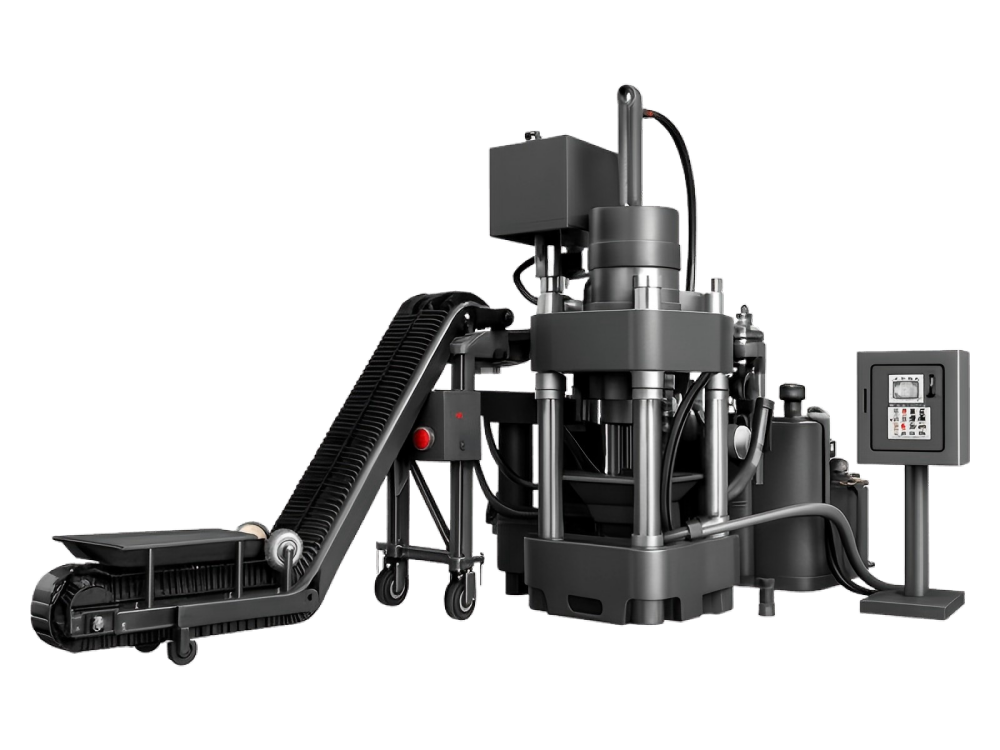
Aluminum chips can be surprisingly abrasive, especially if they contain alloying elements like silicon. Therefore, the compression chamber and the pressing tools (punches and dies) must be made from high-grade, hardened tool steel. The structural frame of the machine is typically a heavy-duty welded steel construction, designed to withstand the repetitive stress of high-pressure cycles without deformation.
Maintenance-friendly design is another technical hallmark. Components that are subject to wear, such as the liners of the compression chamber, should be easily replaceable. HARSLE focuses on ensuring that downtime is minimized by providing accessible service points and using standardized components that are available globally.
Selection Advice for Industrial Buyers
Assessing Capacity and Throughput Requirements
When selecting a hydraulic briquetting machine, the first step is to calculate your hourly scrap generation. Machines are rated by their output in kilograms or pounds per hour. It is generally advisable to choose a machine with a capacity 20-30% higher than your peak scrap production to account for future growth and to avoid running the machine at its absolute limit constantly. For small workshops, a compact unit producing 50-100 kg/h might suffice, while large-scale automotive plants may require heavy-duty systems capable of processing several tons per hour.
Briquette Specifications and Smelter Requirements
Not all briquettes are created equal. Different smelters may have specific requirements regarding the diameter and density of the briquettes they accept. Common diameters range from 60mm to 150mm. A smaller diameter often allows for higher density but may result in lower overall throughput. You should consult with your scrap buyer or internal foundry manager to determine the ideal briquette specifications for your specific aluminum alloy and melting process.
Table: Comparison of Loose Chips vs. Briquetted Aluminum
| Feature | Loose Aluminum Chips | Briquetted Aluminum |
|---|---|---|
| Bulk Density | Very Low (approx. 150-200 kg/m³) | High (approx. 1800-2300 kg/m³) |
| Storage Space | Extensive; requires large bins/areas | Minimal; can be stacked on pallets |
| Melting Yield | 70% – 85% (high oxidation loss) | 95% – 99% (minimal oxidation) |
| Coolant Content | High (up to 20% by weight) | Low (usually < 2% after pressing) |
| Market Value | Standard Scrap Price | Premium Scrap Price |
Evaluating Automation and Integration
Consider how the machine will fit into your existing workflow. Do you need a manual loading system, or would a fully automated conveyor-fed system be more appropriate? For high-volume environments, look for features like automatic chip centrifuges (to remove excess oil before briquetting) and vibrating hoppers to prevent material bridging. The goal is to minimize human intervention, thereby reducing the risk of injury and lowering operational costs.
Frequently Asked Questions (FAQ)
1. Can a hydraulic briquetting machine handle different aluminum alloys?
Yes, most machines can process various aluminum alloys, including 6061, 7075, and casting alloys. However, the hardness of the alloy can affect the density of the briquette and the wear rate of the tooling. It is best to inform the manufacturer about the specific alloys you use so they can recommend the appropriate pressure settings and tool steel grades.
2. What is the typical Return on Investment (ROI) for this equipment?
The ROI depends on the volume of scrap produced and the price difference between loose and briquetted aluminum. For many medium-to-large facilities, the machine pays for itself within 12 to 24 months through increased scrap value, coolant recovery, and reduced logistics costs.
3. Does the machine require a binder to hold the aluminum together?
No. High-quality Hydraulic Briquetting Machine Applications In Aluminum Chip Recovery use pure mechanical pressure to create a solid bond between the chips. The pressure causes the aluminum to undergo plastic deformation, effectively interlocking the particles into a solid mass without the need for any chemical additives.
4. How much maintenance does a briquetting machine need?
Routine maintenance involves checking hydraulic oil levels, inspecting filters, and lubricating moving parts. The most critical maintenance task is monitoring the wear on the compression chamber and punches. Depending on the material and usage, these wear parts may need replacement every 6 to 12 months.
5. Can the machine process wet chips?
Absolutely. In fact, one of the primary benefits of briquetting is the removal of moisture and coolants. The machine is designed with drainage channels to collect the squeezed-out fluids, which can then be pumped to a storage tank or recycling system.
Conclusion: The Future of Aluminum Recovery with HARSLE
The implementation of Hydraulic Briquetting Machine Applications In Aluminum Chip Recovery is a strategic move for any forward-thinking manufacturing enterprise. By converting voluminous, oil-soaked scrap into clean, dense, and high-value briquettes, companies can significantly improve their bottom line while contributing to a more circular economy. The benefits are clear: reduced storage and transport costs, reclaimed expensive coolants, and vastly improved melting yields.
HARSLE remains committed to providing robust, high-performance hydraulic solutions that meet the rigorous demands of the metal fabrication industry. Our machines are engineered for durability, precision, and ease of use, ensuring that your investment delivers long-term value. As the global focus on sustainability intensifies, the ability to efficiently recycle aluminum on-site will become a competitive necessity rather than just an option. Partner with HARSLE to transform your waste management into a profit center and lead the way in industrial efficiency.