Industrial Shredder Applications for Mixed Metal Waste Streams: A Comprehensive Guide

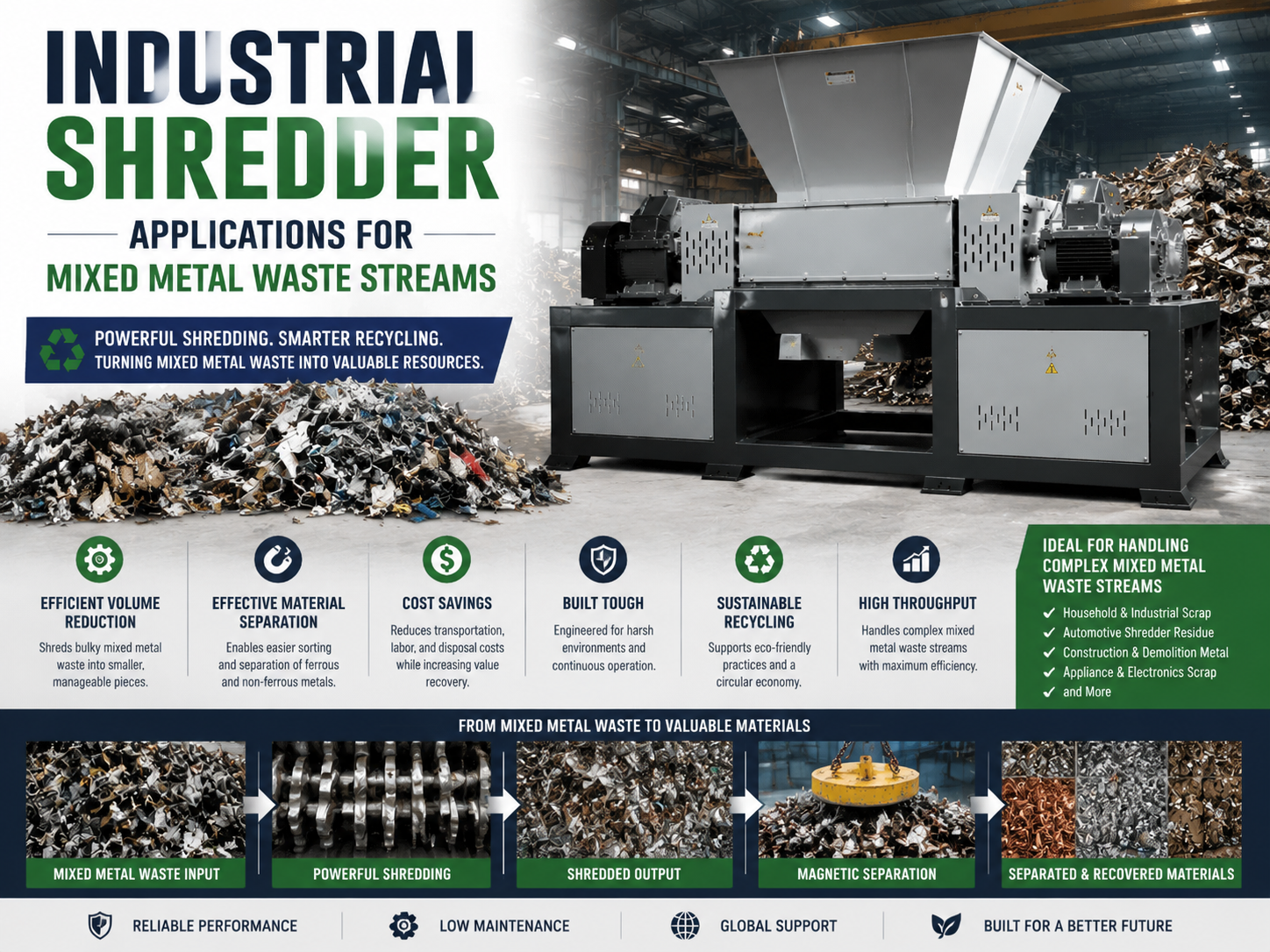
Introduction to Industrial Shredder Applications for Mixed Metal Waste Streams
In the modern industrial landscape, the management of scrap metal has evolved from a simple disposal task into a sophisticated resource recovery operation. The core of this transformation lies in the strategic use of high-performance machinery. Specifically, Industrial Shredder Applications for Mixed Metal Waste Streams have become the backbone of the circular economy, allowing facilities to process diverse materials—ranging from aluminum extrusions to heavy steel offcuts—into manageable, high-value raw materials. As global demand for recycled metals continues to surge, understanding the nuances of shredding technology is essential for any fabrication or recycling enterprise looking to optimize its bottom line.
Mixed metal waste streams are notoriously difficult to handle. Unlike homogenous waste, these streams contain a variety of alloys, thicknesses, and physical forms. Without proper processing, this waste is bulky, expensive to transport, and difficult to melt down efficiently. Industrial shredders solve these challenges by utilizing high-torque, low-speed shearing mechanisms to reduce the volume of the waste and liberate different material types for easier separation. This article explores the comprehensive landscape of shredder applications, technical requirements, and the productivity gains realized through advanced HARSLE machinery.
Application Scenarios for Mixed Metal Shredding
The versatility of industrial shredders allows them to be deployed across a wide array of sectors. One of the most prominent Industrial Shredder Applications for Mixed Metal Waste Streams is in the automotive recycling industry. End-of-life vehicles (ELVs) are a complex mix of steel, aluminum, copper wiring, and various alloys. A heavy-duty shredder can process entire engine blocks, body panels, and chassis components, breaking them down into small fragments that can be sorted magnetically or via eddy current separators.
Another critical scenario is the processing of industrial manufacturing scrap. Factories producing appliances, HVAC systems, or heavy machinery often generate large volumes of mixed offcuts. These materials are frequently contaminated with plastics, rubber, or insulation. Industrial shredders are designed to handle these multi-material streams, ensuring that the metal content is recovered while the non-metallic components are separated for alternative disposal or recycling. This not only reduces the footprint of the waste but also turns a liability into a revenue stream.
Construction and demolition (C&D) sites also benefit significantly from on-site or centralized shredding. Mixed metal waste from demolished buildings—such as rebar, copper piping, and aluminum window frames—can be processed quickly to facilitate transport. By shredding these materials at the source, companies can fit significantly more weight into a single transport container, drastically reducing logistics costs and carbon emissions associated with waste hauling.
Material and Process Requirements
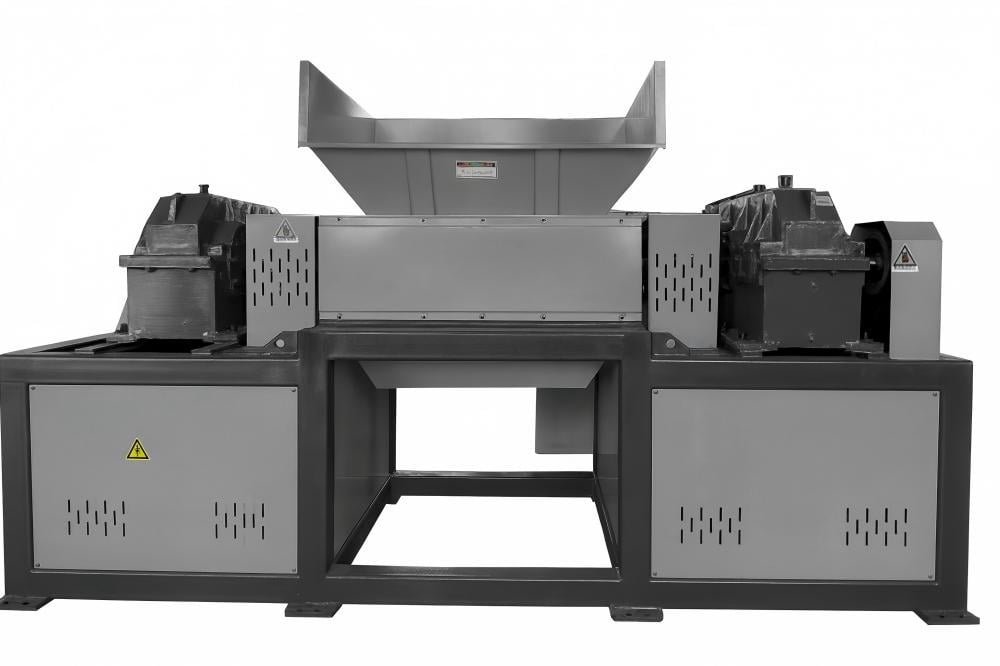
Processing mixed metal waste is not a one-size-fits-all operation. The physical properties of the waste stream dictate the requirements for the shredding process. Hardness and tensile strength are the primary factors. For instance, high-carbon steel requires significantly more torque than aluminum alloys. A robust industrial shredder must be capable of handling the peak loads encountered when a thick steel plate enters the cutting chamber without stalling or sustaining mechanical damage.
Contamination levels also play a vital role. Mixed metal waste often includes “tramp” materials—non-shreddable items like heavy solid steel shafts or hardened tool steel that could damage the blades. Modern shredding systems must include protection mechanisms, such as auto-reverse functions or hydraulic pressure sensors, to detect these obstructions. Furthermore, the desired output size is a critical process requirement. Depending on whether the material is headed for a secondary refiner or a foundry, the shredder must be configured with specific blade widths and hook profiles to achieve the necessary particle size.
Moisture and chemical exposure are additional considerations. In many scrap yards, waste is stored outdoors, leading to rust and the presence of oils or coolants. The shredder’s components, particularly the bearings and seals, must be engineered to withstand these abrasive and potentially corrosive environments. HARSLE machines are built with reinforced housings and specialized sealing systems to ensure longevity even in the harshest industrial settings.
Recommended Machine Configuration
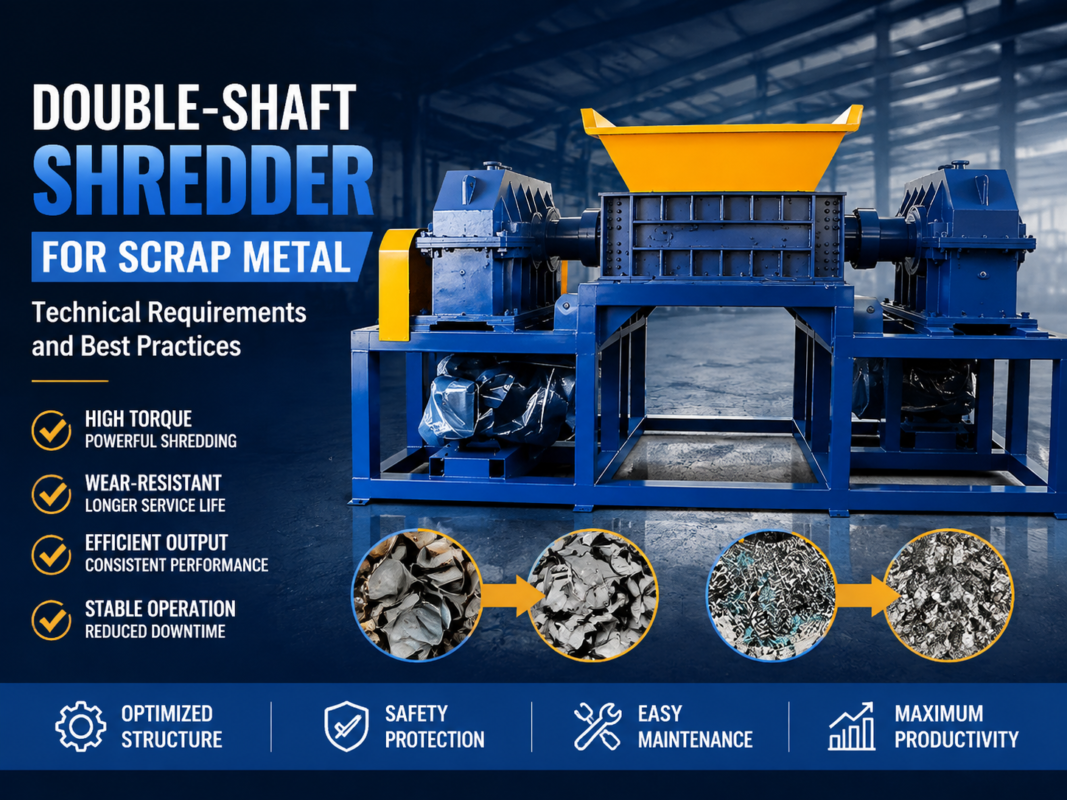
For effective Industrial Shredder Applications for Mixed Metal Waste Streams, the double-shaft shredder is the industry standard. This configuration features two counter-rotating shafts equipped with interlocking blades. The primary advantage of this design is its ability to grab and pull large, bulky items into the cutting zone, providing a high-throughput solution for irregular scrap.
Key Configuration Components:
- High-Torque Drive Systems: Whether powered by electric motors with heavy-duty gearboxes or hydraulic drive systems, the goal is to provide maximum force at low RPMs. This minimizes dust generation and noise while maximizing shearing power.
- Blade Material and Geometry: Blades are typically crafted from high-alloy tool steels like D2 or H13, heat-treated to achieve a balance between hardness (for wear resistance) and toughness (to prevent chipping). The number of hooks on each blade can be customized based on the material’s grip requirements.
- PLC Control Systems: An intelligent control panel is essential. It monitors the motor load and automatically triggers a reverse cycle if a jam is detected, preventing downtime and protecting the drivetrain.
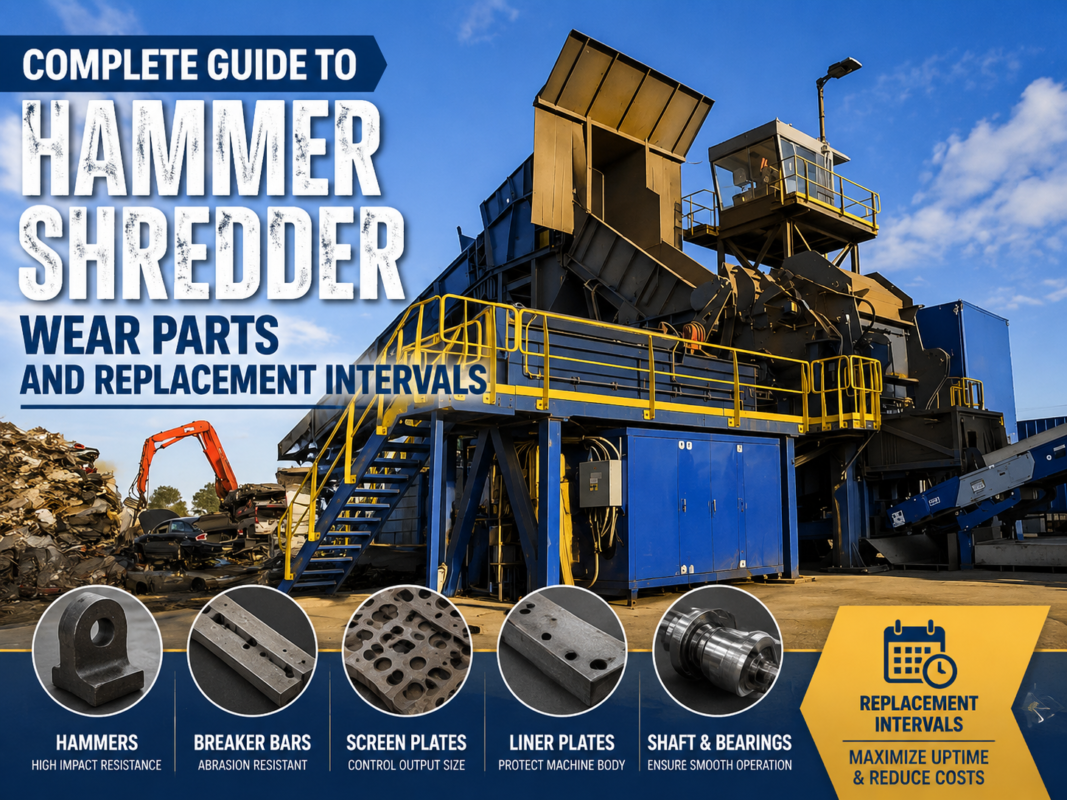
- Reinforced Cutting Chamber: The chamber walls must be lined with replaceable wear plates to protect the main structure from the abrasive nature of moving metal fragments.
Workflow of a Metal Shredding Operation
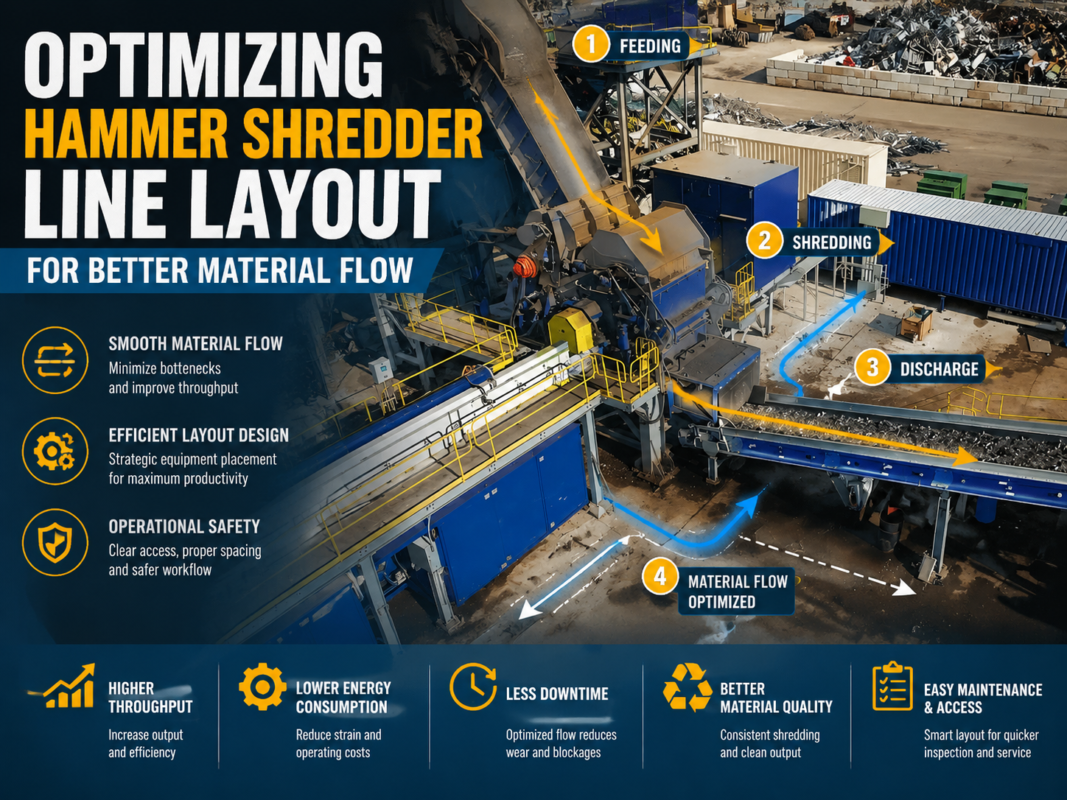
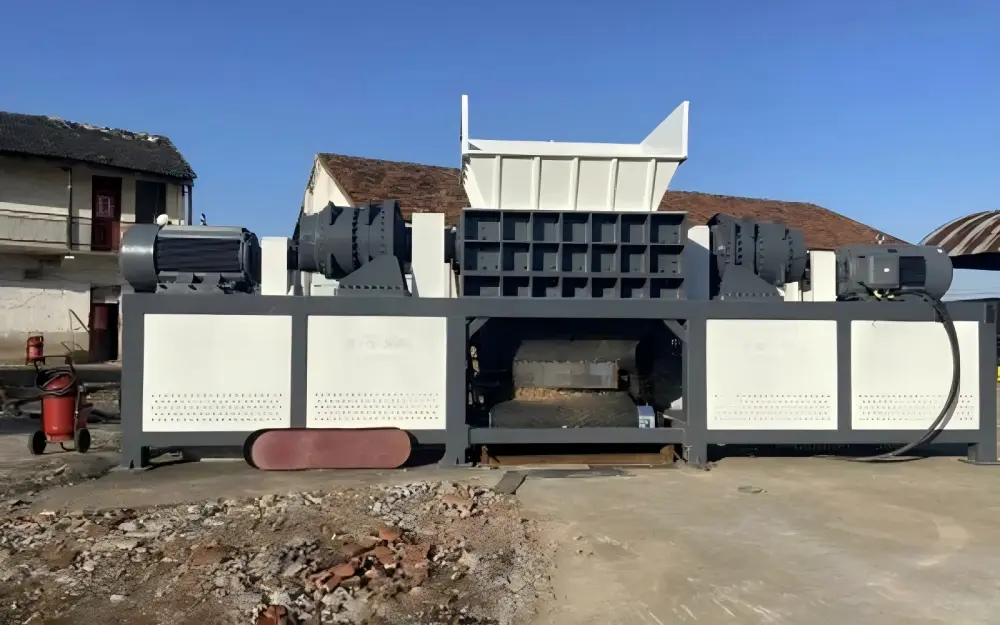
The workflow begins with the feeding stage. In a professional setup, a crane or a conveyor belt delivers the mixed metal waste into the shredder’s hopper. It is crucial to maintain a consistent feed rate to prevent the machine from being overwhelmed, which is often managed by automated vibrating feeders. Once the material enters the hopper, the gravity-fed system directs it toward the rotating shafts.
During the shredding phase, the interlocking blades perform a shearing and tearing action. Unlike grinders that use impact, shredders use mechanical force to cut through the metal. This process is highly efficient for mixed streams because it handles different thicknesses simultaneously. As the material is reduced in size, it falls through the space between the shafts or through a sizing screen (if equipped) onto a discharge conveyor.
The post-shredding phase is where the true value is unlocked. The shredded material is typically passed under a magnetic overbelt to extract ferrous metals (iron and steel). The remaining non-ferrous stream (aluminum, copper, brass) can then be processed by an eddy current separator. This automated workflow transforms a chaotic pile of mixed waste into sorted, clean, and sized commodities ready for the furnace.
Productivity and Economic Benefits
Investing in high-quality shredding equipment yields immediate productivity benefits. The most obvious is volume reduction. Mixed metal scrap is often 70-80% air. By shredding this material, companies can increase the density of their loads, allowing them to transport three to four times more weight per truckload. This directly translates to lower fuel costs and a smaller carbon footprint.
Furthermore, shredded metal commands a higher market price. Foundries and smelters prefer shredded scrap because it has a higher surface-area-to-volume ratio, which leads to faster melting times and lower energy consumption in the furnace. Clean, shredded, and sorted scrap is considered a “premium” grade, often fetching 15-25% more per ton than unprocessed mixed scrap. Additionally, the automation of the shredding and sorting process significantly reduces labor costs, as fewer workers are needed to manually sort through dangerous and heavy waste.
Case Example: Large-Scale Scrap Processing Facility
A regional recycling center in Eastern Europe recently upgraded their facility with a HARSLE double-shaft shredder to handle an influx of mixed industrial waste. Previously, they relied on manual torch cutting and small-scale balers, which were slow and labor-intensive. The waste stream consisted of old machinery parts, mixed aluminum extrusions, and light iron scrap.
After implementing the HARSLE shredding system, the facility saw a 300% increase in daily throughput. The machine’s ability to process 10-15 tons per hour allowed them to clear their backlog within weeks. By integrating a magnetic separator at the end of the discharge conveyor, they were able to recover 98% of the ferrous material with zero manual intervention. The facility reported that the machine paid for itself within 14 months through a combination of reduced transport costs and the higher premiums received for their sorted aluminum and steel fragments.
Frequently Asked Questions (FAQ)
1. How long do the blades last when shredding mixed metal?
Blade life depends heavily on the abrasiveness of the material and the presence of contaminants. On average, high-quality D2 steel blades can process 1,000 to 3,000 tons of mixed metal before requiring sharpening or replacement. Regular maintenance and avoiding non-shreddable items can extend this lifespan significantly.
2. Can an industrial shredder handle heavy engine blocks?
Yes, but it requires a specific heavy-duty configuration. For engine blocks, a shredder with higher torque, thicker blades, and a reinforced housing is necessary. HARSLE offers specialized models designed specifically for the rigors of automotive component destruction.
3. What is the power consumption of these machines?
Power consumption varies by model and load. While these are high-power machines (often ranging from 45kW to 200kW+), the use of VFDs (Variable Frequency Drives) and efficient gearboxes ensures that power is only used when needed, optimizing energy efficiency during idle or light-load periods.
4. Is it possible to adjust the output size?
The output size is primarily determined by the width of the blades and the number of hooks. While it is not “adjustable” with a dial, the machine can be customized during the manufacturing phase or by swapping the shaft assemblies to meet specific size requirements.
Conclusion: Optimizing Your Waste Stream with HARSLE
The strategic implementation of Industrial Shredder Applications for Mixed Metal Waste Streams is a game-changer for any business involved in metal fabrication or recycling. By converting bulky, low-value waste into dense, high-value raw materials, companies can achieve unprecedented levels of efficiency and profitability. HARSLE remains at the forefront of this industry, providing robust, high-torque shredding solutions tailored to the most demanding environments.
Whether you are looking to reduce transport costs, improve material purity, or simply manage your industrial waste more effectively, HARSLE has the expertise and the machinery to help you succeed. Our double-shaft shredders are engineered for durability, safety, and maximum throughput, ensuring that your investment delivers value for years to come. Contact us today to discuss your specific waste stream and discover how our customized shredding solutions can transform your operations.