Comprehensive Guide to Industrial Shredder Applications for Aluminum Scrap Handling

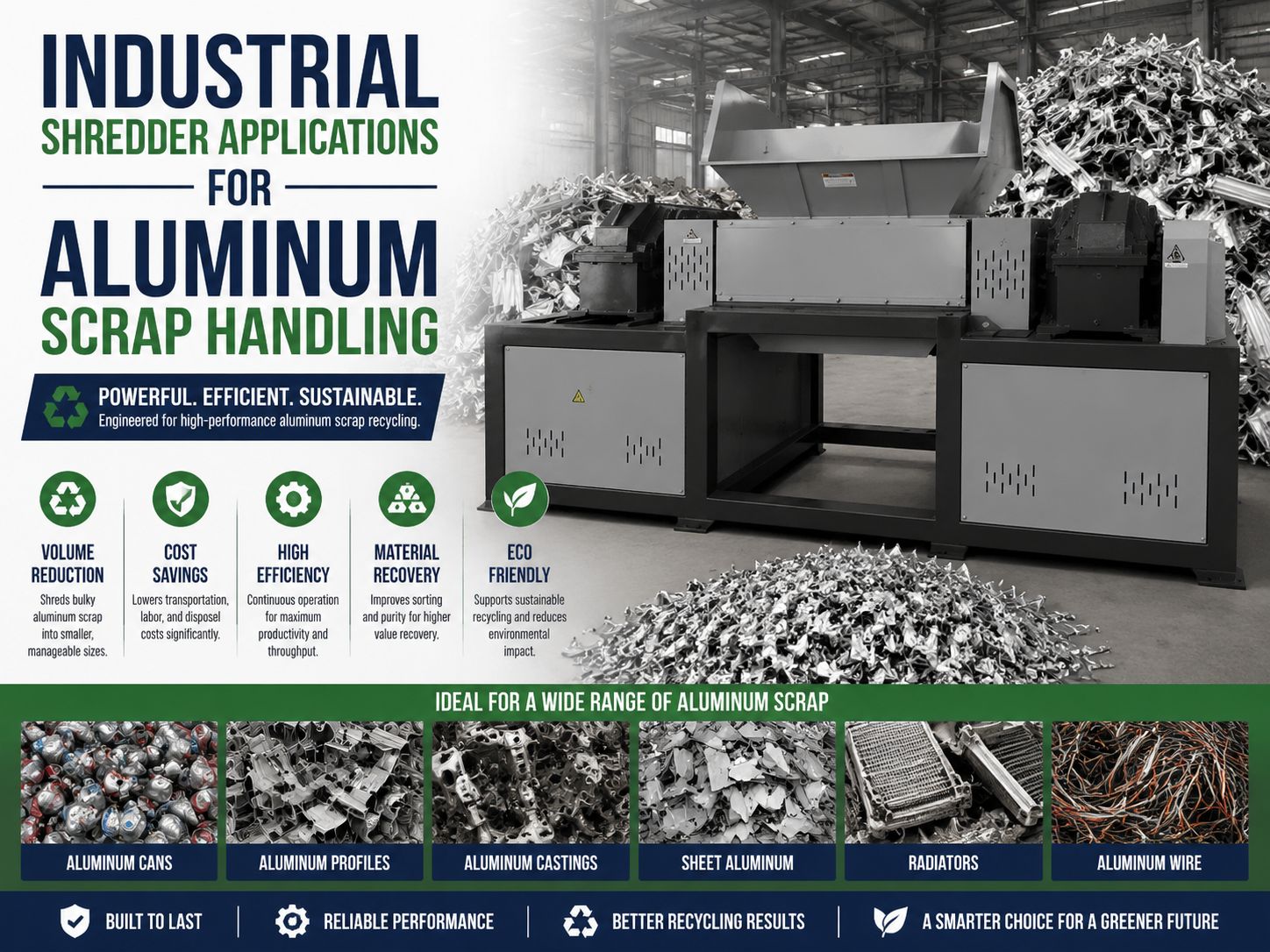
Introduction to Industrial Shredder Applications for Aluminum Scrap Handling
In the modern industrial landscape, the recycling of non-ferrous metals, particularly aluminum, has become a cornerstone of sustainable manufacturing and resource management. Aluminum is unique because it can be recycled infinitely without losing its inherent properties, saving up to 95% of the energy required to produce primary aluminum from bauxite ore. However, the efficiency of this recycling process depends heavily on the initial preparation of the scrap material. This is where Industrial Shredder Applications for Aluminum Scrap Handling play a pivotal role. By reducing bulky, irregular scrap into uniform, manageable pieces, industrial shredders facilitate easier sorting, cleaning, and melting.
HARSLE, a leader in metal fabrication and processing machinery, recognizes that the demand for high-performance shredding solutions is growing. Whether dealing with automotive components, construction extrusions, or post-consumer beverage cans, the right shredding technology ensures that the material is ready for the next stage of the circular economy. This guide explores the technical nuances, application scenarios, and operational benefits of using industrial shredders specifically for aluminum scrap.
Application Scenarios for Aluminum Shredding
The versatility of aluminum leads to a wide variety of scrap types, each requiring a specific approach to shredding. One of the most common scenarios is the processing of Used Beverage Cans (UBC). While UBCs are relatively soft, they are often collected in massive, baled volumes. Shredding these bales is essential to break them down for decoating and melting. Without shredding, the density of the bales would prevent uniform heat distribution in the furnace, leading to high metal loss through oxidation.
Another critical application is found in the automotive industry. Modern vehicles contain significant amounts of aluminum in engine blocks, transmission housings, and body panels. These components are often bulky and contain steel inserts or plastic contaminants. Industrial shredders are used to liberate these materials, allowing for magnetic separation of ferrous parts and air-density separation of plastics, ensuring the resulting aluminum flake is of high purity.
In the construction and demolition sector, aluminum extrusions from window frames, doors, and siding represent a significant portion of the scrap stream. These materials are often long and awkward to handle. Shredders reduce these extrusions into small chips that can be easily transported. Furthermore, the shredding process helps remove thermal breaks (plastic strips) and hardware (screws and hinges) that are commonly attached to architectural aluminum.
Finally, industrial manufacturing scrap, such as turnings, borings, and skeletons from stamping operations, requires shredding to improve handling safety and furnace charging efficiency. Fine turnings, in particular, have a high surface-area-to-volume ratio; shredding and subsequent briquetting can significantly reduce the burn-off rate during smelting, directly impacting the bottom line of the recycling facility.
Material and Process Requirements
Processing aluminum scrap is not a one-size-fits-all operation. The material’s physical properties—such as its ductility, tensile strength, and the presence of alloys—dictate the requirements for the shredding process. For instance, 6000-series aluminum used in extrusions is much harder than the 1000-series used in foil. The shredder must be capable of handling these variations without excessive blade wear or mechanical failure.
Contamination is perhaps the biggest challenge in aluminum scrap handling. Scrap often arrives mixed with iron, stainless steel, rubber, plastics, and oils. The shredding process must be designed to “liberate” these materials. Liberation refers to the physical separation of different materials that are joined together. If a shredder produces a clean, consistent particle size, downstream equipment like eddy current separators and overband magnets can work with maximum efficiency to remove impurities.
The desired output size is another critical requirement. For secondary aluminum smelters, a particle size of 20mm to 50mm is often ideal. This size allows for rapid melting while minimizing the surface area exposed to oxygen, which reduces dross formation. Achieving this specific size requires a shredder with precise screen configurations or a multi-stage shredding approach where a primary shredder breaks down large items and a secondary granulator refines the size.
Lastly, moisture and oil content must be considered. Many aluminum scraps, especially from machining, are covered in coolants. Shredders used in these environments must feature robust seals to protect bearings and drive systems from corrosive fluids. In some high-end systems, the shredding chamber is integrated with a centrifugal dryer or a thermal de-oiling system to prepare the scrap for immediate melting.
Recommended Machine Configuration
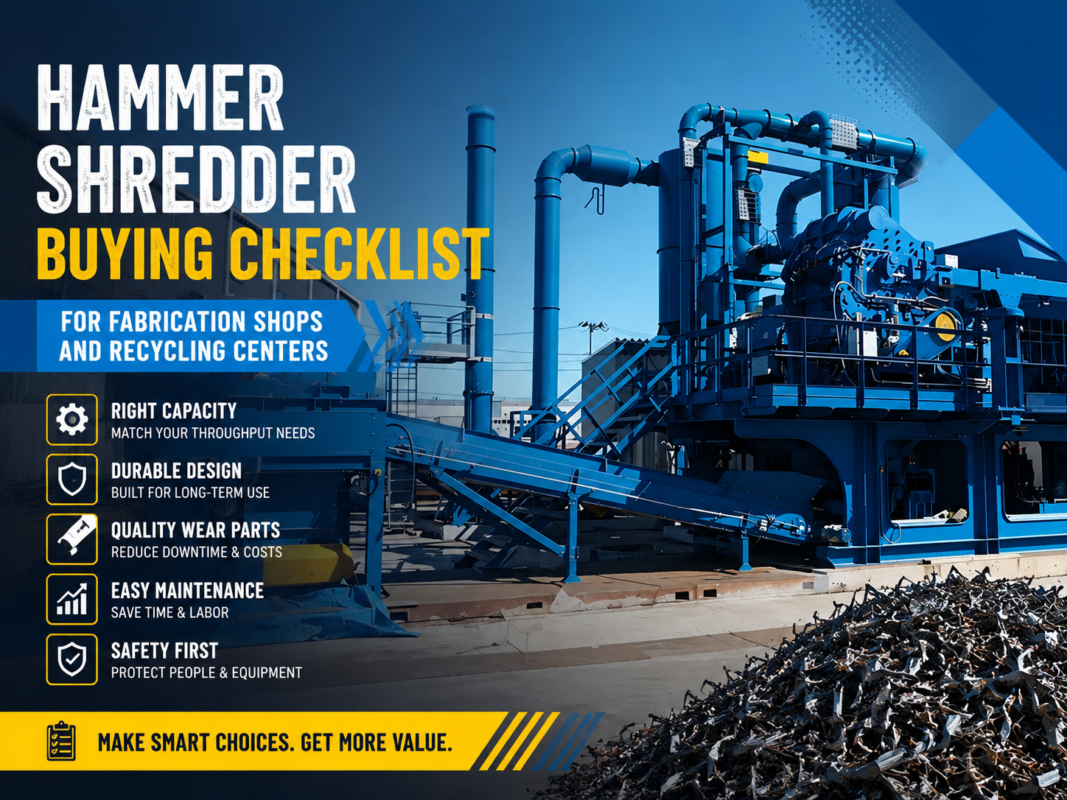
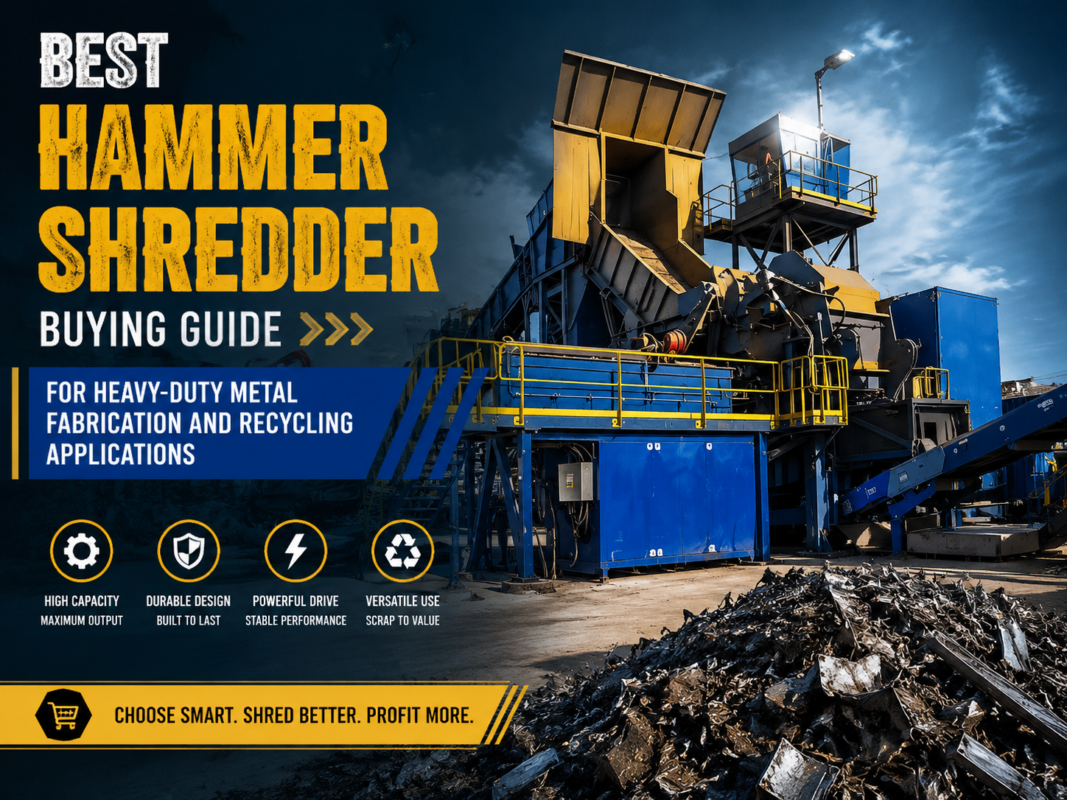
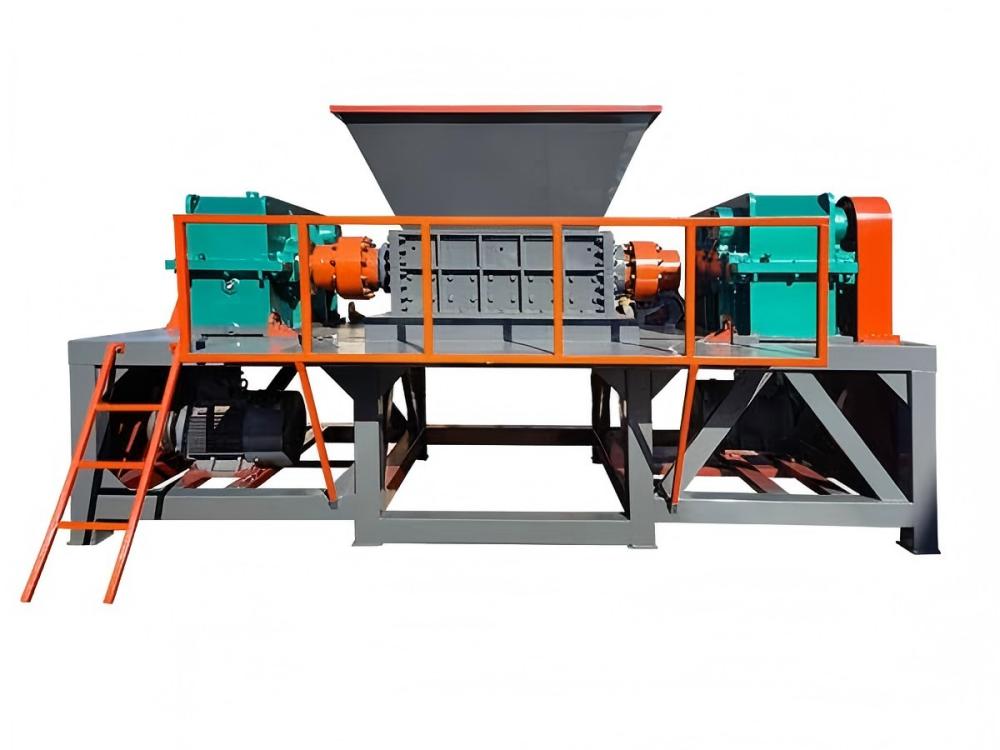
When selecting a machine for Industrial Shredder Applications for Aluminum Scrap Handling, the choice usually falls between a single-shaft and a double-shaft configuration. Each has distinct advantages depending on the scrap type. For heavy, bulky items like engine blocks or thick-walled castings, a Double-Shaft Shredder is recommended. These machines operate at low speeds with high torque, using two counter-rotating shafts with hooked blades to tear the material apart. This design is excellent for “grabbing” large objects and reducing them to coarse shreds.
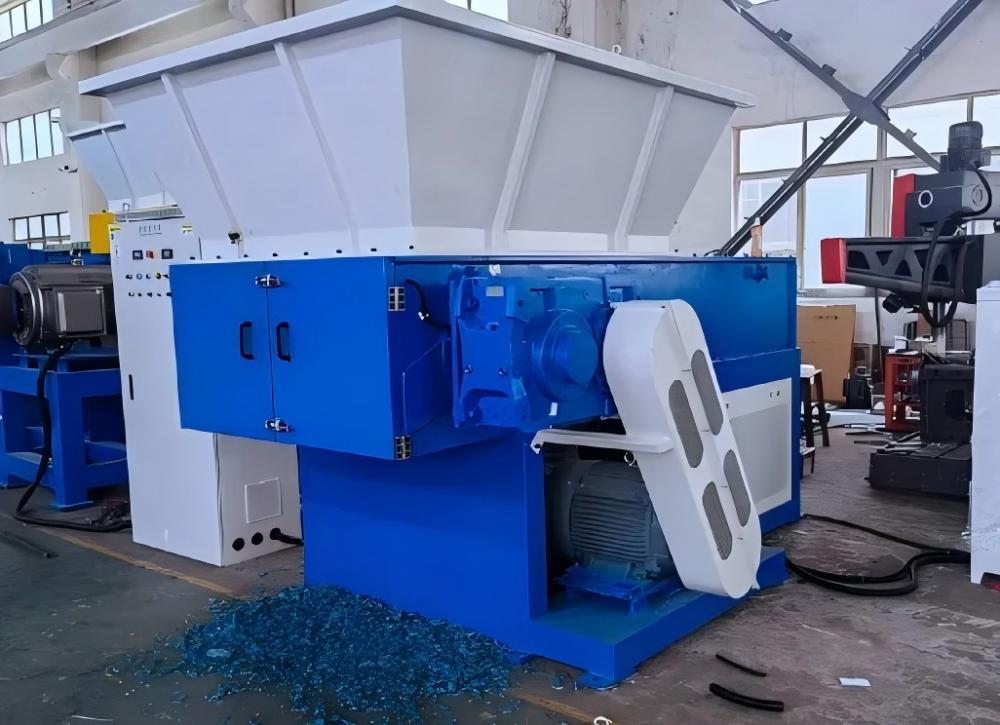
For applications requiring a specific, uniform output size, such as processing aluminum profiles or UBCs into small flakes, a Single-Shaft Shredder is often the better choice. These machines feature a high-speed rotor equipped with multiple cutting inserts and a hydraulic pusher that forces the material against the rotor. A screen located beneath the rotor ensures that only material of the correct size exits the machine, recirculating larger pieces until they are sufficiently reduced.
| Feature | Double-Shaft Shredder | Single-Shaft Shredder |
|---|---|---|
| Primary Use | Heavy, bulky scrap (Castings, Bales) | Uniform sizing (Profiles, UBC, Turnings) |
| Operating Speed | Low (10-20 RPM) | High (60-100 RPM) |
| Torque | Very High | Moderate to High |
| Output Size Control | Determined by blade width | Determined by screen mesh size |
| Maintenance | Blade sharpening/replacement | Rotatable cutting inserts |
Key technical specifications to look for include the blade material. For aluminum, blades made from D2 (DIN 1.2379) or SKD-11 tool steel are preferred due to their high hardness and wear resistance. Additionally, the motor power should be scaled to the throughput requirements; a typical industrial aluminum shredder might range from 37kW to over 200kW. Advanced PLC control systems are also essential, providing auto-reverse functionality to prevent jams when the machine encounters non-shreddable items like heavy steel shafts.
Workflow of an Aluminum Shredding Line
A professional aluminum scrap handling workflow begins with Feeding. Material is typically loaded into a large hopper using a crane, forklift, or conveyor belt. For continuous operations, a vibrating feeder or an apron conveyor is used to ensure a steady flow of material into the shredder, preventing overloads. The hopper design is crucial; it must be large enough to accommodate bulky scrap without bridging.
The second stage is the Shredding itself. As the material enters the chamber, the blades engage and reduce the scrap. During this phase, dust extraction systems are often active to capture fine particles and improve the working environment. If the system is a multi-stage setup, the material may pass from a primary double-shaft shredder into a secondary single-shaft shredder via a conveyor belt.
Following shredding, the material undergoes Separation and Sorting. This is where the value is truly added. An overband magnet or magnetic drum removes ferrous metals (iron and steel). After the magnets, an Eddy Current Separator (ECS) is used. The ECS uses a rapidly rotating magnetic field to induce currents in the aluminum, creating a repulsive force that “jumps” the aluminum away from non-metallic contaminants like plastic, glass, and rubber.
The final stage is Collection and Packaging. The clean, shredded aluminum is conveyed into silos, big bags, or directly into a briquetting press. Briquetting is a common final step for shredded aluminum turnings or flakes, as it increases the density of the material, making it safer to transport and more efficient to melt in a furnace by reducing surface oxidation.
Productivity and Economic Benefits
Investing in high-quality shredding equipment yields significant productivity benefits. The most immediate is Volume Reduction. Aluminum scrap, especially extrusions and cans, is incredibly voluminous. Shredding can reduce the volume by up to 80%, allowing for much higher transport weights per truckload. This drastically lowers logistics costs and reduces the carbon footprint associated with moving scrap to the smelter.
From a metallurgical perspective, shredded aluminum offers Improved Melting Efficiency. Small, uniform pieces have a consistent melt rate. In a rotary or reverberatory furnace, shredded scrap can be submerged into the molten bath more easily than large, irregular pieces. This reduces the time the metal spends exposed to high-temperature air, which minimizes the formation of dross (aluminum oxide). Since dross represents a permanent loss of metal, reducing it directly increases the yield and profitability of the recycling operation.
Furthermore, the ability to produce high-purity scrap through shredding and automated sorting allows recyclers to command Premium Pricing. Smelters are willing to pay more for “clean” scrap that requires less fluxing and refining. By removing plastics and oils during the shredding and cleaning process, the recycler also avoids the environmental penalties and equipment damage associated with burning contaminants in the furnace.
Finally, Automation reduces labor costs. A well-designed shredding line requires minimal manual intervention. Sensors and PLC systems monitor the load on the motors, the flow of material, and the fill levels of collection bins. This allows a single operator to oversee a high-capacity processing line, ensuring consistent output and high safety standards.
Case Example: Aluminum Extrusion Recycling Plant
Consider a mid-sized recycling facility that processes 500 tons of aluminum extrusions per month. Previously, they manually sorted the scrap and sold it in loose form. This resulted in high transport costs and lower margins due to contamination from steel screws and plastic thermal breaks. They decided to implement a HARSLE-designed shredding line featuring a 110kW double-shaft shredder followed by a magnetic separator and an eddy current system.
After installation, the facility was able to process the same 500 tons in significantly less time. The double-shaft shredder easily handled 6-meter long profiles, reducing them to 50mm shreds. The magnetic separator removed approximately 2% of the weight in steel contaminants, which were sold separately. The eddy current separator removed another 3% in plastics and rubber. The resulting “clean” aluminum chips were sold to a secondary smelter at a 15% premium over the previous loose scrap price. Within 14 months, the increased margins and reduced transport costs allowed the company to achieve a full return on investment (ROI) for the machinery.
Frequently Asked Questions (FAQ)
1. How often do the shredder blades need to be sharpened?
Blade longevity depends on the material being shredded and the presence of contaminants like sand or stainless steel. For clean aluminum, blades can often last 500-1,000 hours before requiring rotation or sharpening. Using high-quality tool steel like D2 significantly extends this interval.
2. Can an aluminum shredder handle other metals?
Yes, most industrial shredders designed for aluminum can also handle copper, brass, and light steel. However, processing heavy steel or large stainless steel sections requires a machine specifically rated for those materials to avoid damaging the shafts or gearbox.
3. What is the typical power consumption for an aluminum shredding line?
Power consumption varies by throughput. A standard line processing 2-3 tons per hour typically requires between 75kW and 150kW of total installed power, including conveyors and separation equipment. Modern inverter drives can help optimize energy use by adjusting motor speed to the load.
4. How is dust managed during the shredding process?
Industrial shredders are usually equipped with dust extraction ports. A cyclone or baghouse filter system is connected to these ports to pull fine particles out of the air, ensuring compliance with environmental regulations and protecting worker health.
5. What safety features are standard on HARSLE shredders?
Standard safety features include emergency stop buttons, safety interlocks on all access doors, and PLC-controlled auto-reverse functions. The auto-reverse triggers if the motor current spikes, indicating a jam or an un-shreddable object, preventing mechanical failure.
Conclusion and Call to Action
Industrial Shredder Applications for Aluminum Scrap Handling are essential for any business looking to thrive in the competitive metal recycling industry. By choosing the right machine configuration and implementing a robust workflow, operators can transform low-value, bulky scrap into high-value, furnace-ready material. The benefits of volume reduction, purity, and melting efficiency make the industrial shredder an indispensable tool for the modern circular economy.
At HARSLE, we specialize in providing high-performance shredding and metal processing solutions tailored to your specific needs. Whether you are starting a new recycling facility or upgrading an existing line, our team of experts is ready to help you select the ideal equipment to maximize your productivity and ROI. Contact HARSLE today to discuss your aluminum scrap handling requirements and discover how our advanced shredding technology can drive your business forward.