Vertical Baler Buying Checklist for First-Time Buyers: A Complete Industrial Guide

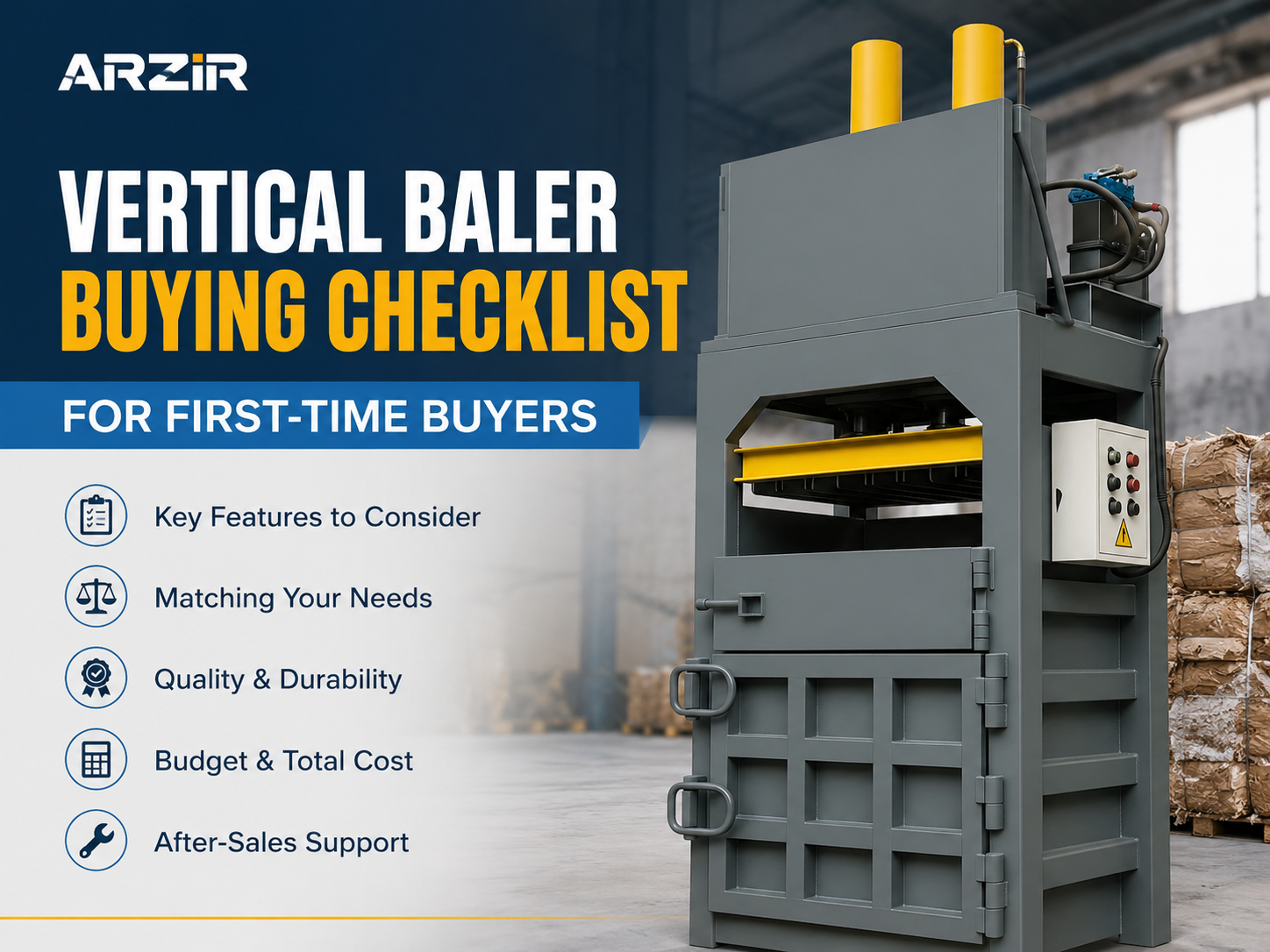
Introduction to Vertical Balers for Industrial Waste Management
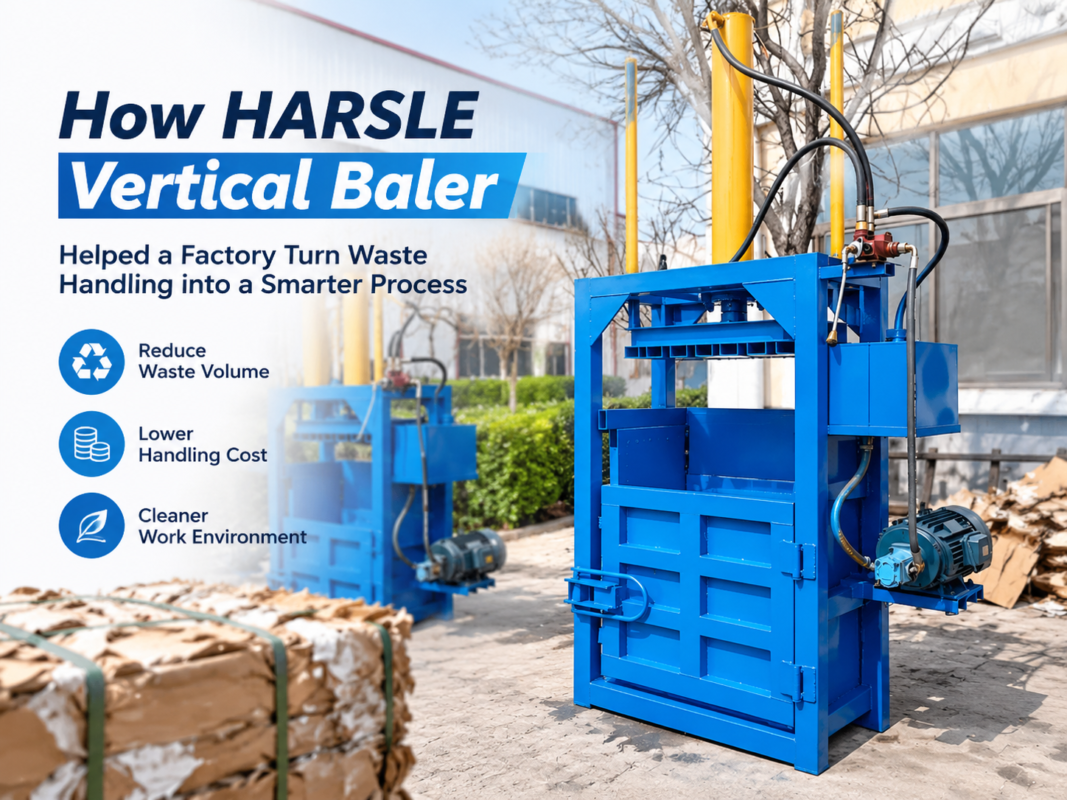
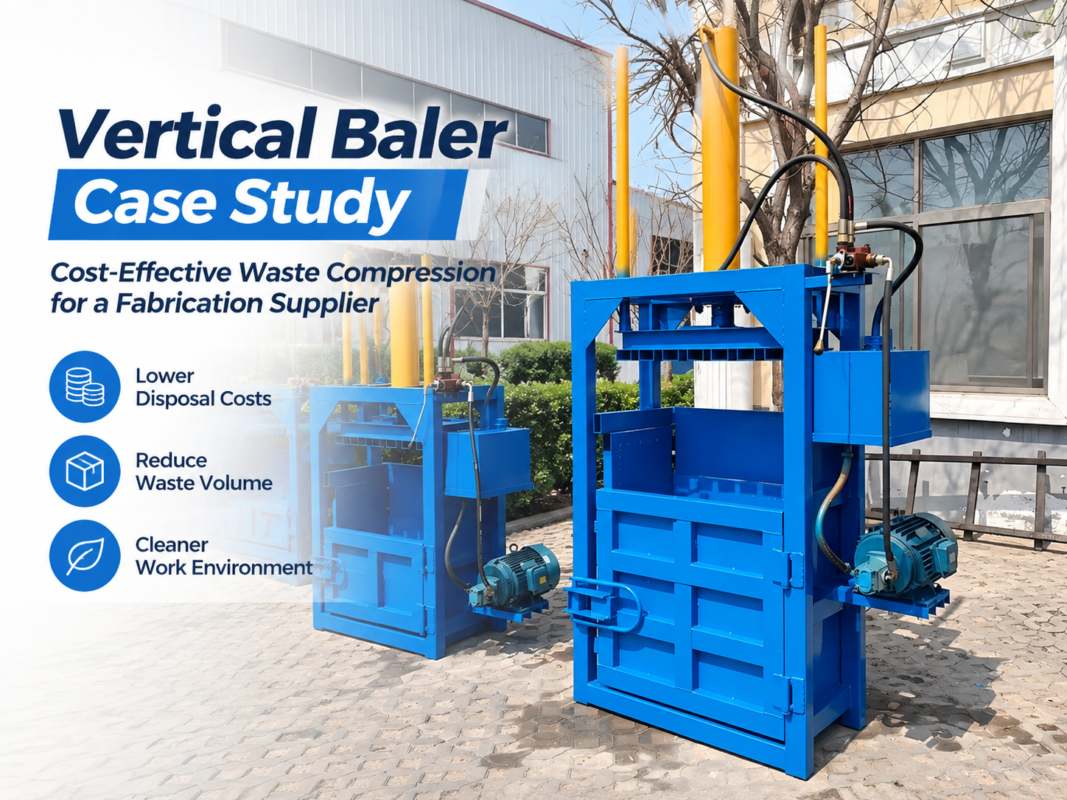
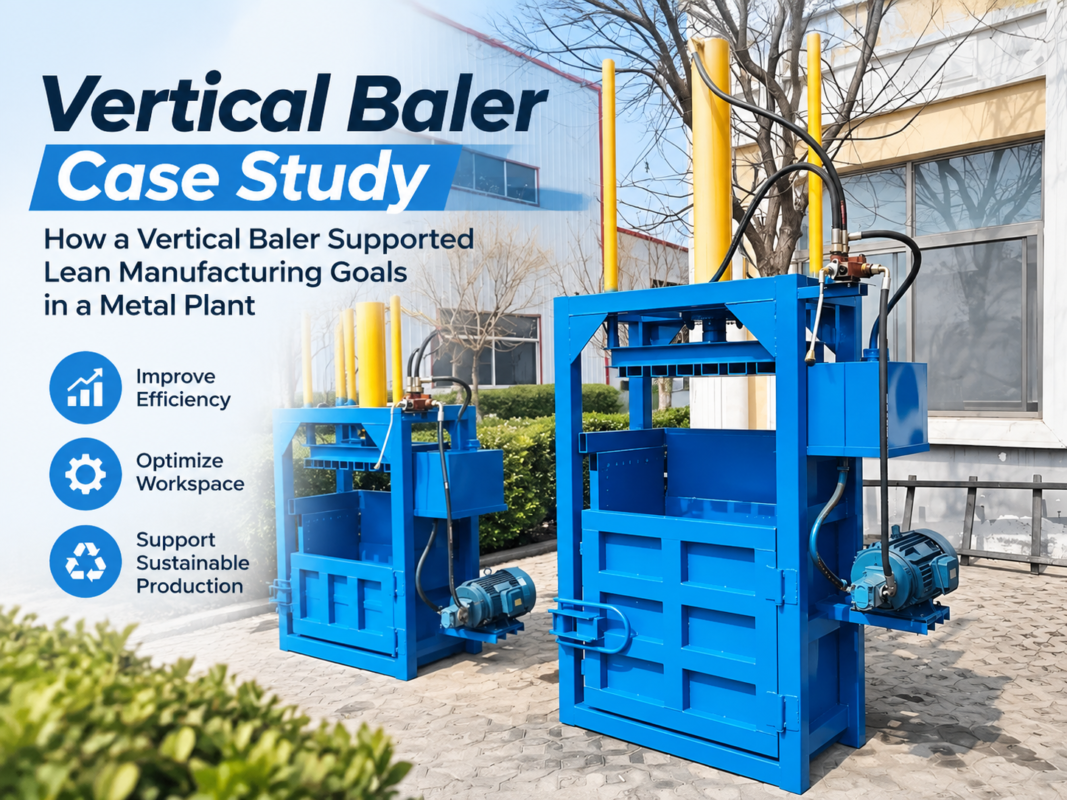
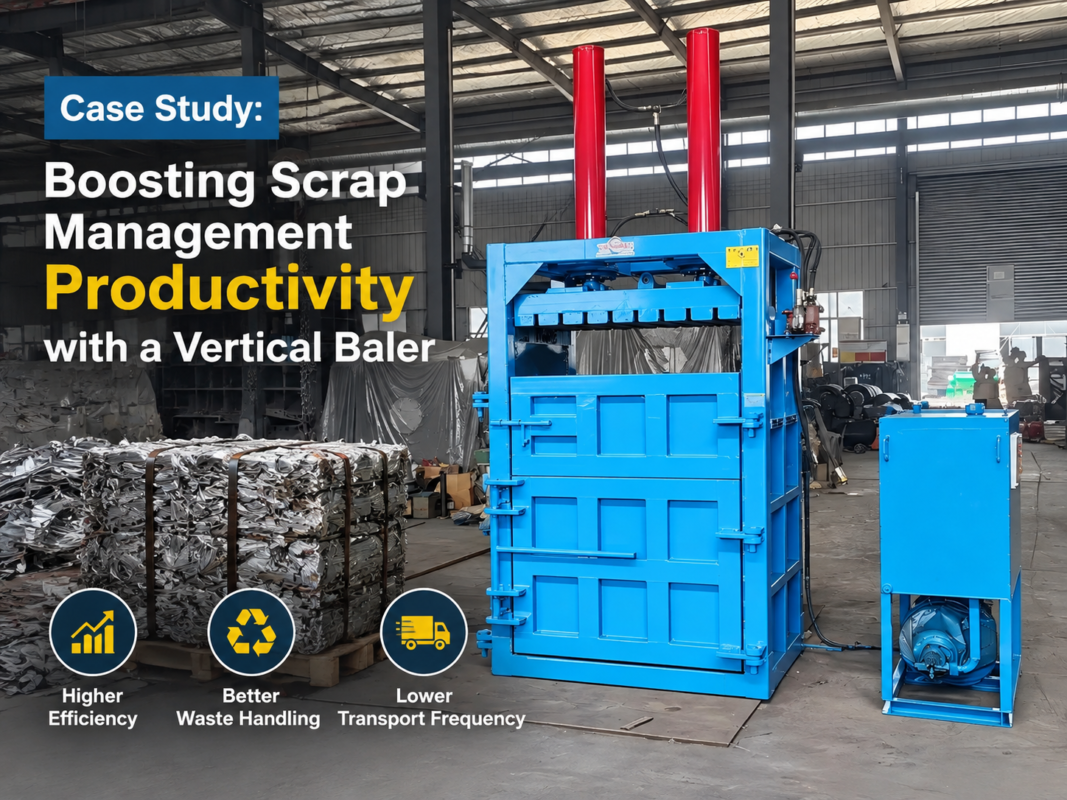
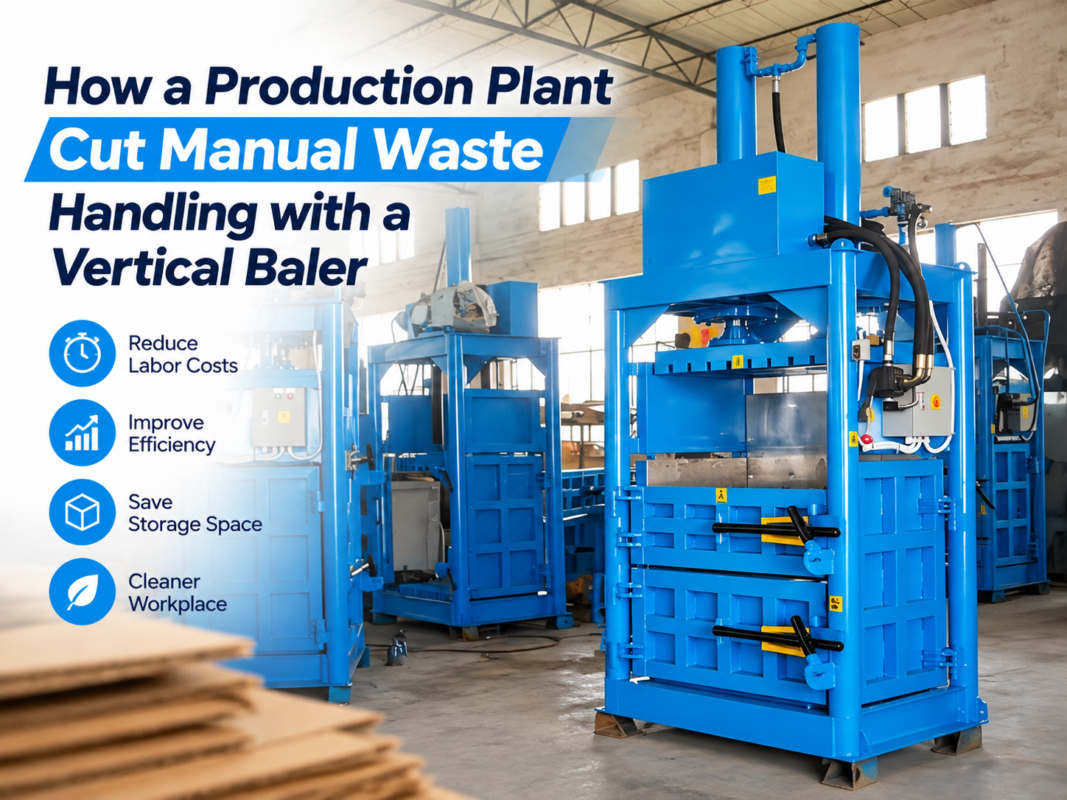
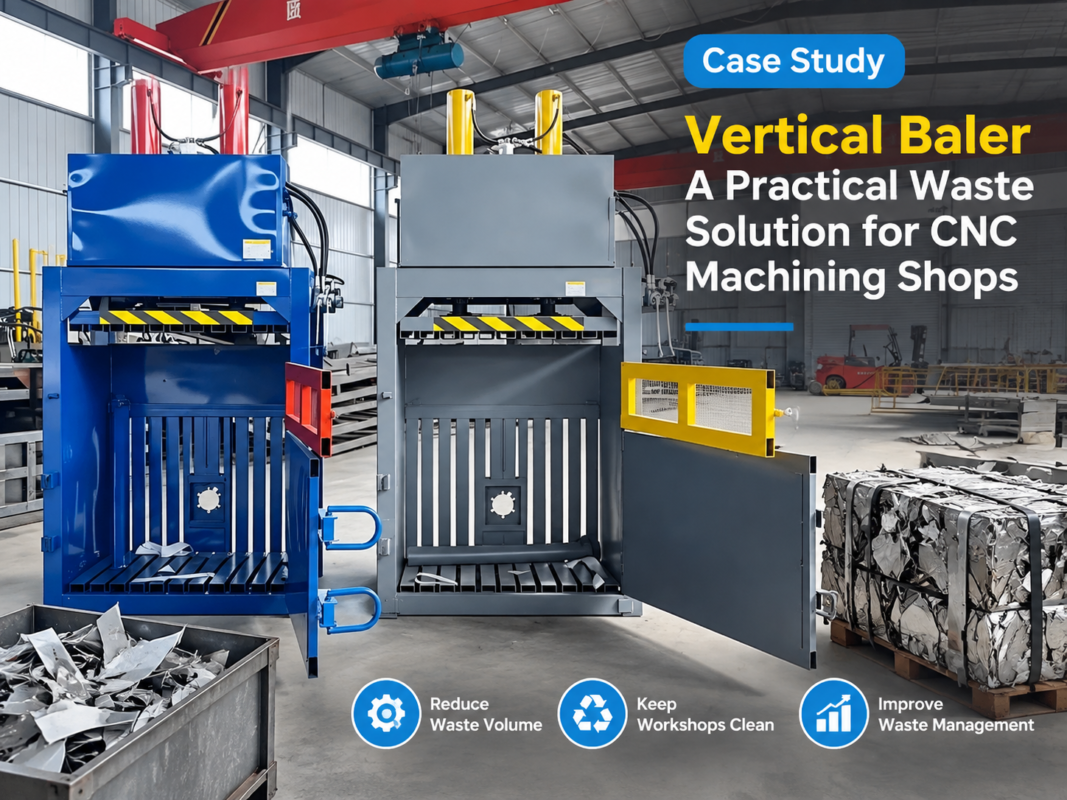
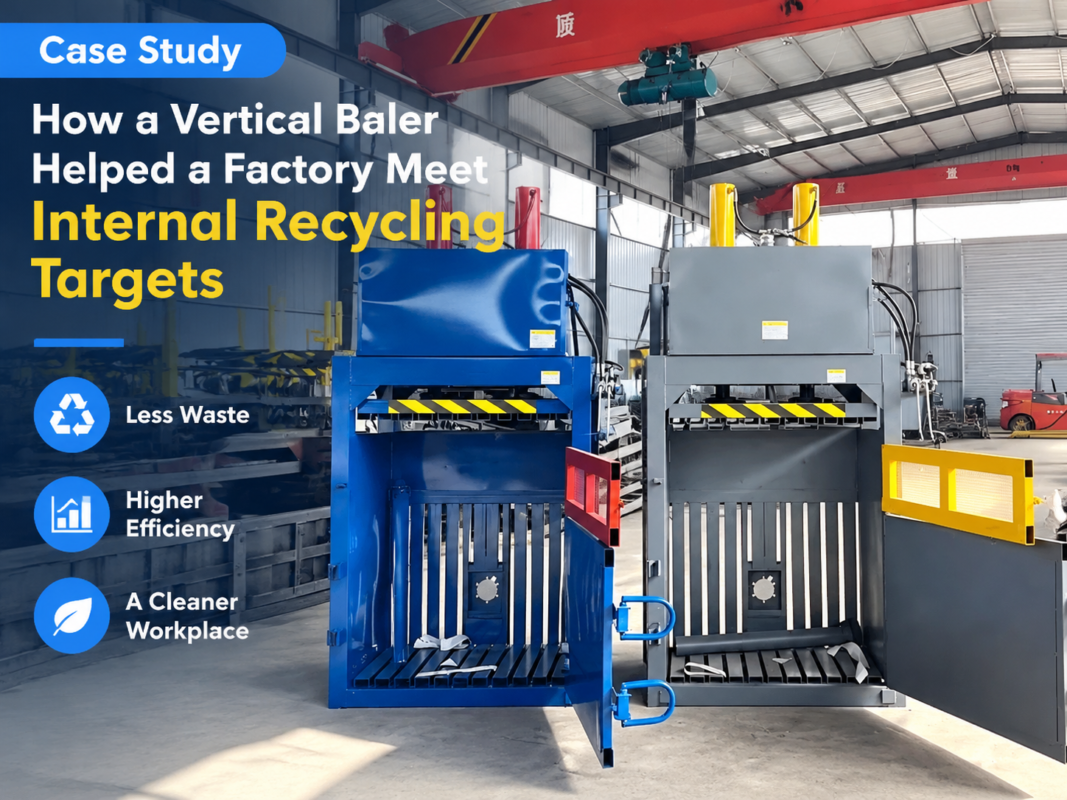
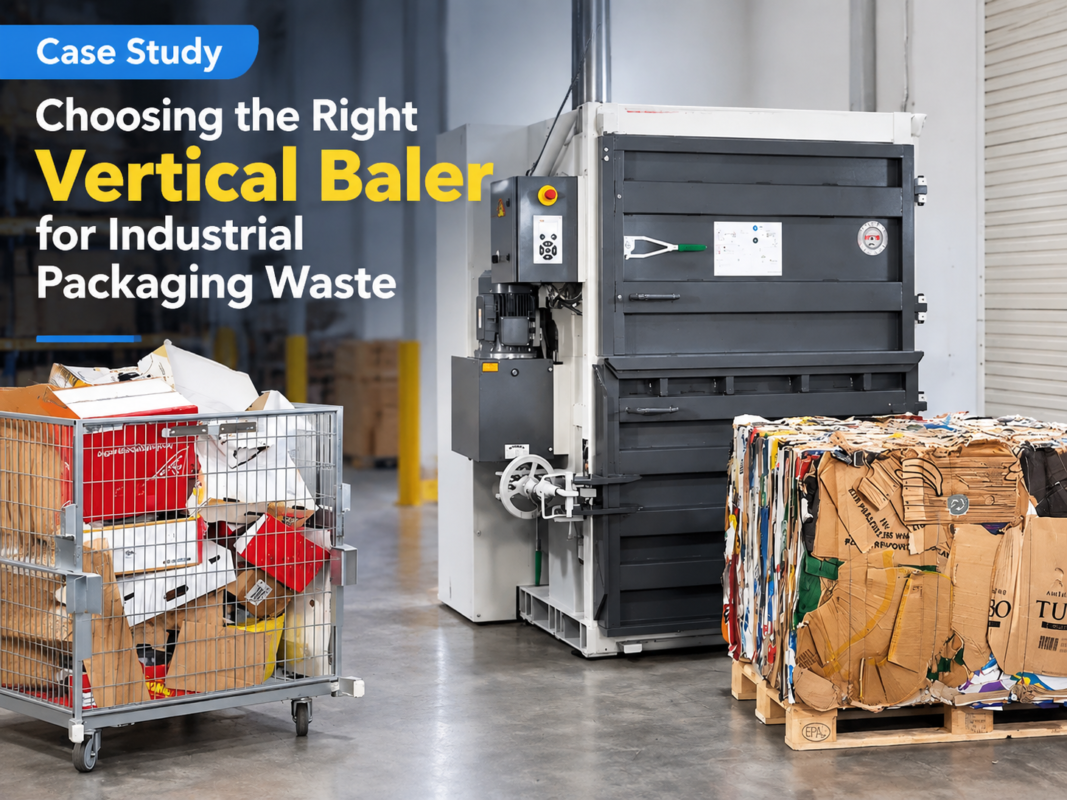
For many manufacturing facilities, warehouses, and retail centers, managing waste is a significant operational challenge. A vertical baler is often the first major investment a company makes to streamline its recycling process. These machines use hydraulic pressure to compress loose materials—such as cardboard, plastic, textiles, or light metal scraps—into dense, manageable blocks known as bales. By reducing the volume of waste, businesses can significantly lower disposal costs and even generate revenue by selling baled materials to recyclers.
However, for a first-time buyer, the market can be overwhelming. With various tonnages, bale sizes, and technical specifications, choosing the wrong machine can lead to inefficiencies or safety hazards. This Vertical Baler Buying Checklist for First-Time Buyers is designed to guide you through the technical and financial landscape of industrial baling, ensuring your investment with HARSLE or any reputable manufacturer is sound and productive.
Understanding the nuances of hydraulic systems, frame construction, and safety standards is critical. A vertical baler is not just a piece of equipment; it is a component of your logistics and sustainability strategy. In the following sections, we will break down the costs, configurations, and ROI factors that define a successful purchase.
Price Range Overview: What to Expect
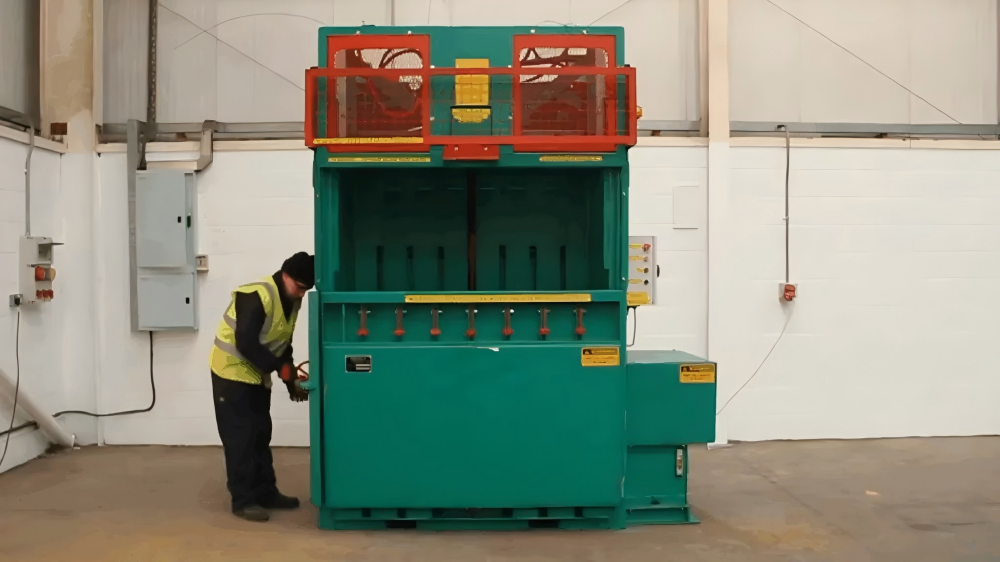
The cost of a vertical baler varies significantly based on its capacity, build quality, and automation level. For first-time buyers, understanding these price brackets helps in setting a realistic budget. Generally, vertical balers are categorized into three main tiers based on their intended duty cycle and material handling capabilities.
Entry-Level/Light-Duty Balers ($3,000 – $7,000): These machines are typically designed for small retail outlets or offices that primarily handle cardboard and soft plastics. They usually offer a pressing force of 5 to 15 tons and produce smaller bales (often 30 to 40 inches wide). While affordable, they have slower cycle times and are not built for 24/7 industrial operations.
Mid-Range/Standard Industrial Balers ($8,000 – $18,000): This is the most common category for manufacturing plants. These machines offer 20 to 50 tons of pressure and can produce industry-standard 60-inch bales weighing up to 1,000 lbs. They feature more robust hydraulic systems, faster cycle times, and are capable of handling a wider variety of materials, including heavy-duty plastics and thin aluminum cans.
Heavy-Duty/Specialty Balers ($20,000 – $45,000+): These are high-performance machines designed for scrap yards or large-scale recycling centers. They often feature 60 to 100+ tons of pressure and are reinforced to handle rigid plastics, rubber, or even light metal extrusions. They include advanced PLC controls, high-efficiency motors, and specialized safety enclosures.
Main Cost Drivers in Vertical Baler Manufacturing
When reviewing a quote, it is important to understand why one machine costs more than another. The primary cost drivers are the quality of the components and the engineering required to withstand thousands of tons of pressure over the machine’s lifespan.
- Hydraulic System Quality: The heart of the baler is its hydraulic pump and cylinder. High-end machines use premium valves and chrome-plated piston rods to prevent leaks and ensure smooth operation. A larger oil reservoir also helps in heat dissipation, which is crucial for high-volume environments.
- Steel Frame Thickness: A baler is subjected to immense internal stress. Manufacturers like HARSLE use heavy-gauge structural steel and reinforced welding at high-stress points. Thinner steel may save money upfront but will lead to frame warping or cracking over time.
- Motor Horsepower and Efficiency: The motor drives the hydraulic pump. Higher horsepower (HP) usually translates to faster cycle times. Furthermore, energy-efficient motors (IE3 rating) may cost more initially but save thousands in electricity costs over the machine’s life.
- Control Systems: Basic models use manual lever controls, while advanced models feature PLC (Programmable Logic Controller) systems with touchscreens. PLCs allow for automated cycles, bale-full indicators, and diagnostic troubleshooting, which reduces operator error and downtime.
Configuration Impact: Matching the Machine to Your Material
The Vertical Baler Buying Checklist for First-Time Buyers must prioritize the specific material you intend to process. Not all balers are created equal; a machine optimized for cardboard may struggle with the “memory” (rebound) of plastic film or the rigidity of PET bottles.
Bale Size and Weight: Most recyclers prefer the “mill-size” bale, which is typically 60 inches wide. These bales are the most economical to transport and often fetch the highest market price. If your facility has limited space or low volume, a smaller 30-inch or 48-inch baler might be sufficient, but be aware that smaller bales may be harder to sell to large-scale recyclers.
Loading Door Design: For high-volume operations, a large feed opening is essential to minimize the need for pre-cutting material. Some balers feature a counterbalanced sliding door, while others use a heavy-duty swing door. The choice depends on your floor space and the ergonomics of your loading process.
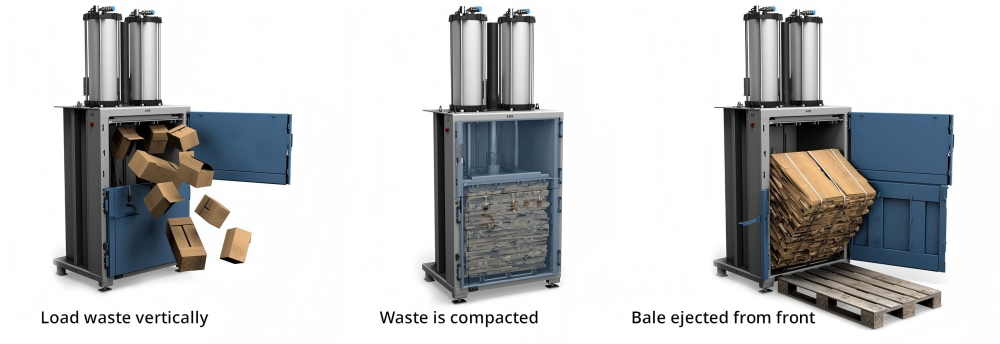
Ejection Systems: How the bale is removed from the machine is a critical safety and efficiency factor. Manual ejection requires the operator to pull the bale out, whereas semi-automatic or hydraulic ejection systems use the machine’s power to tip the bale onto a pallet. For first-time buyers, a hydraulic ejection system is highly recommended to prevent workplace injuries.
Hidden Costs: Beyond the Sticker Price
The purchase price is only one part of the total cost of ownership. First-time buyers often overlook several secondary expenses that can impact the budget.
- Freight and Rigging: Vertical balers are heavy, often weighing between 2,000 and 6,000 lbs. Shipping costs can be substantial, and you will likely need a heavy-duty forklift or a professional rigging service to move the machine from the delivery truck to its final location.
- Electrical Requirements: Most industrial balers require 3-phase power (208V, 230V, or 460V). If your facility only has single-phase power, you may need to hire an electrician to run new lines or purchase a phase converter, which adds significant cost.
- Consumables: To keep a bale together, you need baling wire or high-strength twine. Depending on your volume, these recurring costs can add up. It is wise to source a reliable supplier for galvanized or black annealed wire at the time of purchase.
- Maintenance and Spare Parts: Like any hydraulic machinery, balers require regular oil changes, filter replacements, and seal inspections. Budgeting for a preventative maintenance contract or keeping a stock of critical spare parts (like limit switches and hydraulic seals) is essential for minimizing downtime.
ROI Calculation: Is a Vertical Baler Worth It?
To justify the investment, you must calculate the Return on Investment (ROI). For most businesses, the ROI comes from three sources: labor savings, reduced waste hauling fees, and recycling revenue.
Waste Hauling Savings: Calculate how many loose dumpsters you currently fill per week. A vertical baler can reduce waste volume by a ratio of 5:1 or even 10:1. If you currently pay for four pickups a month, you might reduce that to one, saving hundreds or thousands of dollars in monthly tipping fees.
Labor Efficiency: Without a baler, employees often spend hours breaking down boxes manually. With a baler, they simply toss the material in and let the machine do the work. If you save 10 hours of labor per week at $20/hour, that’s over $10,000 in annual savings.
Recycling Revenue: While the market for recyclables fluctuates, clean, mill-sized bales of cardboard (OCC) or clear plastic (LDPE) have value. Instead of paying someone to take your waste, a recycler might pay you for it. In a high-volume environment, the machine can often pay for itself within 12 to 18 months.
The Ultimate Vertical Baler Buying Checklist for First-Time Buyers
Before signing a purchase order, go through this comprehensive checklist to ensure no detail is missed:
- Material Identification: What is the primary material? (Cardboard, Plastic, Metal, Textile).
- Volume Assessment: How many tons of waste do you produce per week? This determines the required cycle time and motor power.
- Space Constraints: Measure your ceiling height and floor space. Remember to account for the height of the cylinder when fully extended.
- Power Supply: Confirm if you have 3-phase power available and check the amperage of your circuit breakers.
- Safety Compliance: Does the machine meet ANSI and OSHA standards? Look for emergency stop buttons, safety interlocks on doors, and protective guarding.
- Bale Requirements: What size and weight does your local recycler require?
- Vendor Reputation: Does the manufacturer (like HARSLE) offer a warranty, technical support, and readily available spare parts?
- Operator Training: Does the vendor provide training materials or on-site commissioning to ensure staff can operate the machine safely?
Maintenance Tips for Longevity
Once you have purchased your vertical baler, proper maintenance is the key to protecting your investment. Hydraulic oil is the lifeblood of the machine; it should be checked weekly for levels and clarity. Cloudy or dark oil indicates contamination or overheating and should be replaced immediately. Furthermore, ensure that the platen (the pressing head) is moving straight and that the guides are lubricated to prevent metal-on-metal wear.
Regularly inspect the safety limit switches. These components ensure the machine won’t operate if the door is open. If a switch becomes loose or faulty, it poses a severe safety risk. A monthly “walk-around” inspection, looking for hydraulic leaks or loose bolts, can prevent a minor issue from turning into a major mechanical failure.
Frequently Asked Questions (FAQ)
1. Can I bale different materials in the same machine?
Yes, most vertical balers are versatile. However, you should not mix materials within a single bale. You can bale cardboard in the morning and plastic in the afternoon, but you must clear the chamber completely between materials to maintain the purity and value of the recycled bale.
2. How much ceiling height do I need for a vertical baler?
This is a common mistake for first-time buyers. While the machine might be 8 feet tall, the hydraulic cylinder often extends upward during the stroke. Always check the “operating height” in the spec sheet, not just the “shipping height.” Some low-profile models are available for facilities with low ceilings.
3. Is a vertical baler better than a horizontal baler?
For most first-time buyers, a vertical baler is better because it is more affordable and takes up much less floor space. Horizontal balers are generally reserved for extremely high-volume operations (processing several tons per hour) and require a much larger capital investment and footprint.
4. What safety features should I look for?
At a minimum, the machine should have an E-stop, a safety interlock system that prevents operation when the gate is open, and a bale-door locking mechanism that prevents the door from flying open under pressure. Look for CE or UL certification for electrical components.
5. How long does a typical vertical baler last?
With proper maintenance, a high-quality industrial vertical baler from a manufacturer like HARSLE can last 15 to 20 years. The longevity depends heavily on the environment (indoor vs. outdoor) and whether the machine is being used within its rated capacity.
Conclusion
Investing in a vertical baler is a significant step toward operational efficiency and environmental responsibility. By following this Vertical Baler Buying Checklist for First-Time Buyers, you can navigate the complexities of technical specifications and financial projections with confidence. Remember that the cheapest machine is rarely the most cost-effective in the long run. Focus on build quality, safety features, and the specific needs of your waste stream to ensure your baler remains a productive asset for decades to come. Whether you are processing cardboard or scrap metal, the right vertical baler will transform your waste management from a cost center into a streamlined, value-generating operation.