Top Mistakes Buyers Make When Choosing A Briquetting Machine

Introduction to Briquetting Machine Procurement
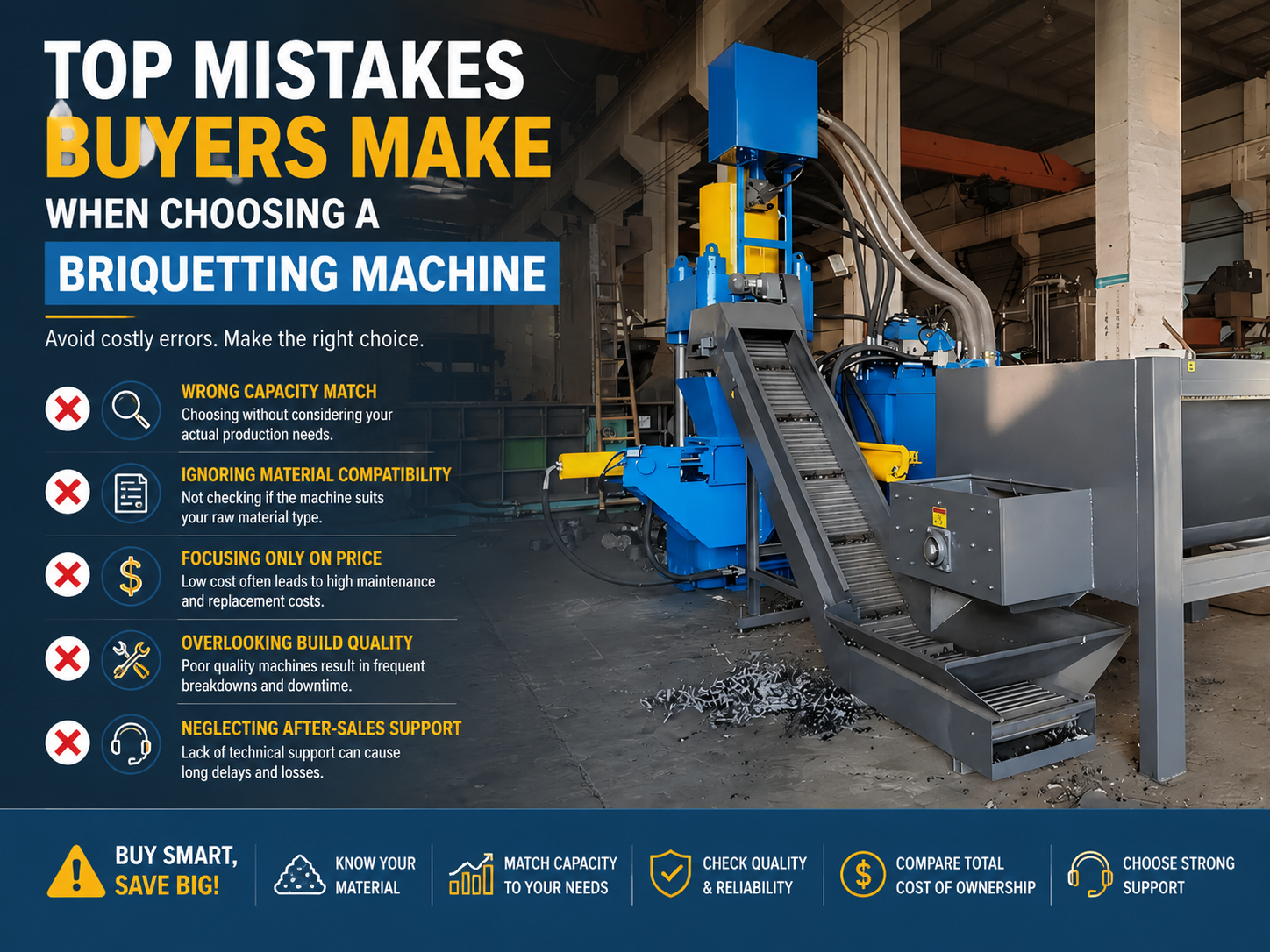
In the modern metal fabrication and machining industry, waste management has transitioned from a secondary concern to a primary driver of profitability. Briquetting machines, which compress metal chips, swarf, and turnings into dense, manageable blocks, are at the heart of this transition. However, the path to acquiring the right machinery is fraught with technical complexities. Many procurement managers and business owners fall into traps that lead to underperforming equipment, high maintenance costs, or a failure to achieve the expected return on investment (ROI). Understanding the Top Mistakes Buyers Make When Choosing A Briquetting Machine is essential for any facility looking to optimize its scrap value and operational efficiency.
HARSLE has observed that the most successful installations are those where the buyer looks beyond the initial price tag. A briquetting machine is not a ‘one-size-fits-all’ solution; it is a precision-engineered hydraulic system that must be matched to the specific metallurgy, volume, and moisture content of the waste material. In this comprehensive guide, we will break down the financial and technical aspects of choosing a briquetting machine, ensuring you avoid the common pitfalls that plague industrial buyers.
Price Range Overview: What to Expect
The market for briquetting machines is diverse, ranging from small-scale units for boutique machine shops to massive, fully automated systems for high-volume automotive or aerospace manufacturers. Generally, the price of a briquetting machine is dictated by its pressing force (measured in tons) and its throughput capacity (kg/hour). Entry-level machines, often designed for light aluminum or brass chips, typically start in the $15,000 to $30,000 range. These units are suitable for shops producing less than 100kg of scrap per hour.
Mid-range industrial machines, which offer higher compression ratios and better durability for steel and cast iron, usually fall between $40,000 and $85,000. These machines often include basic automation features and integrated coolant collection systems. At the top end of the spectrum, heavy-duty, high-capacity systems can exceed $150,000. These premium models are built for 24/7 operation, featuring advanced PLC controls, high-efficiency hydraulic pumps, and specialized wear-resistant liners. Understanding these price brackets helps buyers set realistic budgets and avoid the mistake of expecting high-volume performance from a budget-tier machine.
Main Cost Drivers in Briquetting Technology
Several factors influence the final invoice of a briquetting machine. The most significant is the Hydraulic System Power. A machine capable of exerting 300 tons of pressure requires a much more robust frame, larger cylinders, and more powerful motors than a 100-ton machine. The quality of the hydraulic components—such as valves and pumps—also plays a role. Brands that utilize world-class components like Rexroth or Vickers will naturally command a higher price but offer significantly better reliability.
Another major cost driver is the Material Compatibility. Processing abrasive materials like cast iron or certain stainless steel alloys requires specialized hardened dies and liners. If a buyer chooses a machine with standard steel components for abrasive scrap, the wear parts will fail prematurely, leading to high operational costs. Additionally, the Level of Automation significantly impacts the price. Features such as automatic chip feeding, integrated conveyors, and remote monitoring systems add to the initial cost but drastically reduce labor requirements.
Configuration Impact: Vertical vs. Horizontal Designs
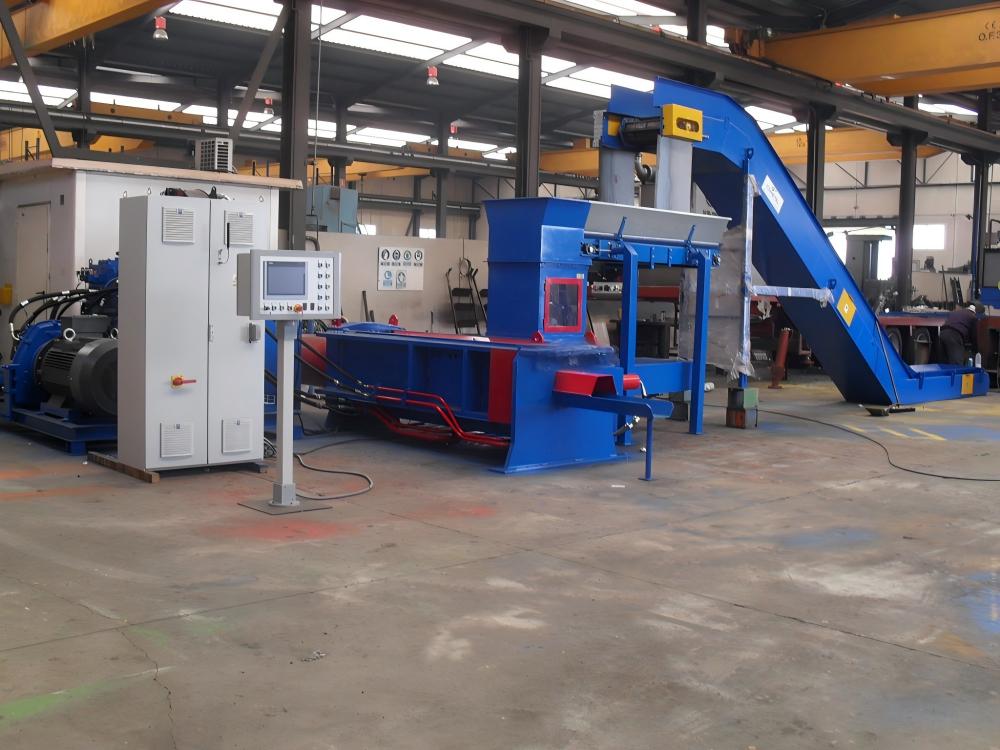
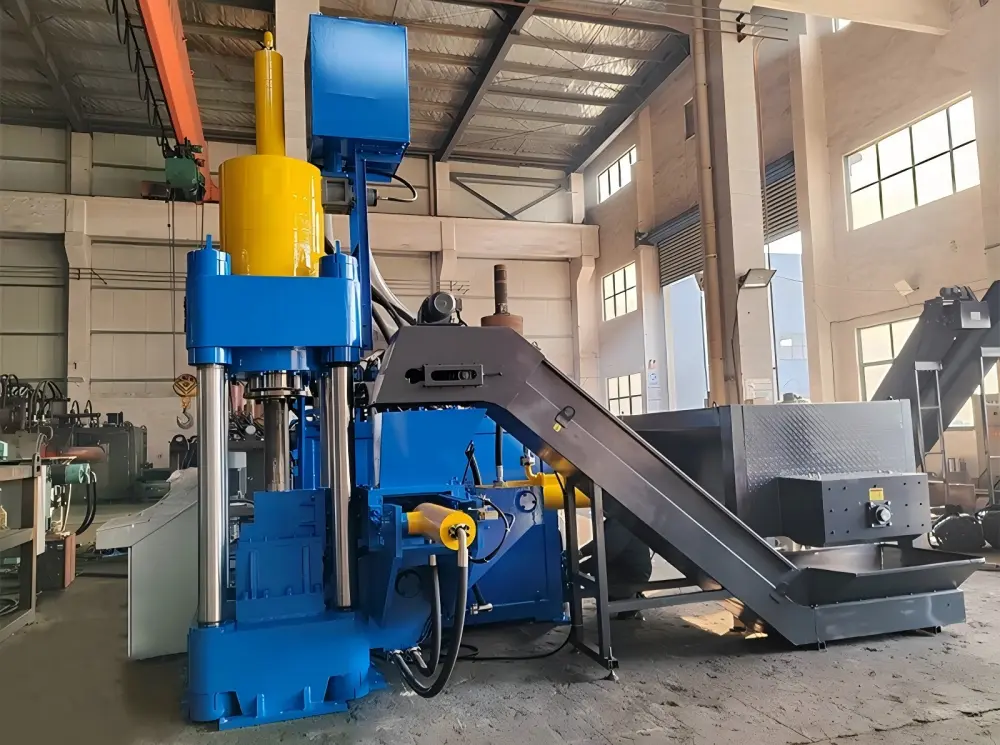
One of the Top Mistakes Buyers Make When Choosing A Briquetting Machine is selecting the wrong orientation. Briquetting machines generally come in two configurations: vertical and horizontal. Vertical machines are often more compact, making them ideal for facilities with limited floor space. They are excellent for processing loose, dry chips. However, they can sometimes struggle with very long, stringy turnings unless a shredder is integrated into the system.
Horizontal machines are typically more robust and are better suited for high-volume applications where heavy turnings are common. They often allow for easier integration of large hoppers and conveyor systems. The choice between vertical and horizontal also affects how coolant is recovered. In a vertical press, gravity helps the squeezed-out coolant flow into a collection tray at the bottom. In horizontal presses, specialized drainage channels must be engineered into the compression chamber. Choosing the wrong configuration can lead to bottlenecks in your production line or an inability to handle the specific geometry of your scrap metal.
Hidden Costs: Beyond the Initial Purchase
The ‘sticker price’ of a briquetting machine is only the beginning. Buyers often overlook the Operational and Maintenance Costs. Hydraulic oil is a significant recurring expense; a large machine may require hundreds of liters of high-grade hydraulic fluid, which must be filtered and changed periodically. Furthermore, the electrical consumption of a 30kW or 45kW motor running 16 hours a day can add thousands of dollars to monthly utility bills.
Wear Parts are another hidden cost. The dies, punches, and chamber liners are subject to extreme pressure and friction. Depending on the material being processed, these parts may need replacement every 6 to 12 months. If the machine design makes these parts difficult to access, the labor cost for maintenance will skyrocket. Finally, consider the Installation and Training costs. A complex automated system requires professional calibration and operator training to ensure it runs at peak efficiency and safety. Ignoring these factors is a classic mistake that can turn a seemingly profitable investment into a financial burden.
ROI Calculation: The Path to Profitability
To justify the purchase of a briquetting machine, a detailed ROI calculation is mandatory. The primary source of revenue is the Increased Scrap Value. Smelters and scrap dealers pay a significant premium for briquettes compared to loose chips. This is because briquettes have a higher density, lower oxidation rate during melting, and are much easier to transport. Typically, the value increase can range from 20% to 50% depending on the metal type.
The second major factor is Coolant Recovery. For shops using expensive cutting oils or synthetic coolants, a briquetting machine can recover up to 95% of the fluid trapped in the chips. This recovered fluid can be filtered and reused, potentially saving thousands of dollars per year. Additionally, consider the Logistics Savings. Loose chips are bulky and require frequent pickups. Briquettes reduce the volume of scrap by up to 90%, meaning fewer bins, less floor space dedicated to waste, and fewer truck shipments. A well-chosen machine in a high-volume shop can often pay for itself within 12 to 18 months.
Buying Advice: Avoiding the Top Mistakes
When navigating the market, the first piece of advice is to Never Underestimate Your Volume. Many buyers purchase a machine based on their current average output, only to find it overwhelmed during peak production periods or as the business grows. Always opt for a machine with at least 20% more capacity than your current needs. Secondly, Test Your Material. Reputable manufacturers like HARSLE will often offer to test a sample of your specific scrap to determine the optimal compression ratio and die design.
Another critical piece of advice is to Prioritize the Cooling System. Hydraulic systems generate heat, especially during continuous operation. If the machine does not have an adequate oil cooling system (either air or water-cooled), the oil will degrade, seals will leak, and the machine will shut down due to overheating. Lastly, Check for PLC Flexibility. Modern machines should allow you to adjust pressing times and pressures for different materials. A rigid, manual system will limit your ability to process different types of scrap in the future.
Detailed Comparison Table: Machine Specifications
| Feature | Entry-Level Unit | Industrial Standard | High-Output System |
|---|---|---|---|
| Pressing Force | 80 – 120 Tons | 150 – 250 Tons | 300 – 600+ Tons |
| Throughput (Al) | 30 – 60 kg/hr | 100 – 250 kg/hr | 500+ kg/hr |
| Motor Power | 5.5 – 11 kW | 15 – 30 kW | 37 – 75+ kW |
| Coolant Recovery | Basic Tray | Integrated Pump/Filter | Centrifugal Separation |
| Control System | Manual/Basic Relay | Standard PLC/HMI | Advanced IoT/Remote Access |
| Best For | Small Job Shops | Mid-sized Manufacturers | Foundries & Large Plants |
Maintenance Checklist for Longevity
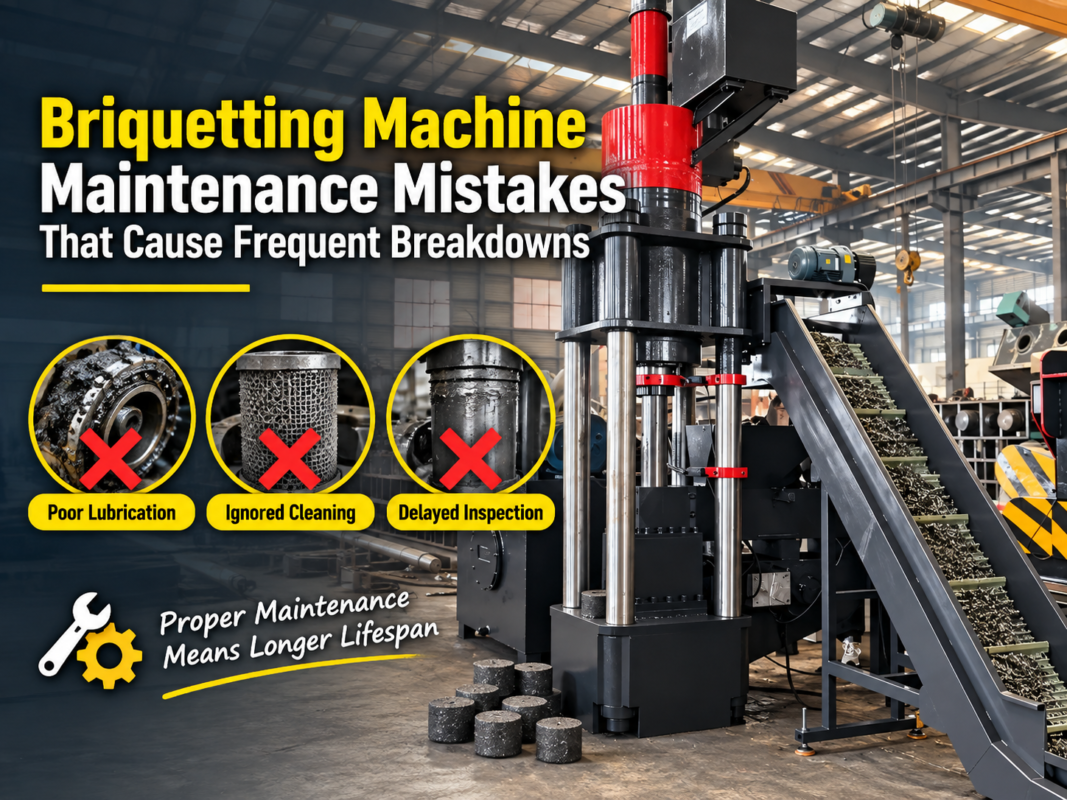
To ensure your briquetting machine remains a productive asset, a strict maintenance schedule is required. One of the Top Mistakes Buyers Make When Choosing A Briquetting Machine is neglecting the post-purchase care. Below is a recommended checklist:
- Daily: Check hydraulic oil levels and inspect for any visible leaks around hoses and cylinders. Clear any debris from the feeding sensors.
- Weekly: Grease all moving mechanical joints and pivot points. Inspect the condition of the briquette discharge chute.
- Monthly: Check the hydraulic oil temperature during peak operation. Clean or replace air filters on the cooling system.
- Quarterly: Inspect the die and punch for signs of excessive wear or cracking. Tighten all electrical connections in the control cabinet.
- Annually: Perform a full hydraulic oil change and replace all high-pressure filters. Conduct a structural integrity check on the main frame.
Conclusion: Making an Informed Decision
Choosing a briquetting machine is a strategic decision that impacts your facility’s cleanliness, environmental footprint, and bottom line. By avoiding the Top Mistakes Buyers Make When Choosing A Briquetting Machine—such as ignoring material specifics, under-budgeting for maintenance, or failing to calculate true ROI—you position your business for long-term success. HARSLE remains committed to providing high-quality, durable machinery that meets the rigorous demands of the metal fabrication industry. Remember, the goal is not just to buy a machine, but to implement a solution that turns waste into a valuable resource.
Frequently Asked Questions (FAQ)
1. Can one machine handle different types of metal?
Yes, most high-quality briquetting machines can handle various metals like aluminum, steel, and copper. However, the PLC settings (pressure and cycle time) must be adjusted for each material. Abrasive materials like cast iron may require different die sets to prevent excessive wear.
2. How much moisture can the machine handle?
While briquetting machines are excellent at squeezing out fluids, extremely wet or ‘soupy’ sludge may require a pre-thickening process or a specialized hopper design to prevent splashing and ensure consistent briquette formation.
3. What is the ideal briquette density?
The ideal density depends on the material, but generally, a briquette should be dense enough to be handled and transported without crumbling. For steel, a density of 5-6 g/cm³ is often targeted to ensure high value at the foundry.
4. Do I need a shredder before the briquetting machine?
If your scrap consists of long, ‘bird-nest’ turnings, a shredder or crusher is highly recommended. The briquetting machine’s feeding system works most efficiently with chips that are 50mm or smaller in length.
5. How long does a typical briquetting machine last?
With proper maintenance and the use of high-quality wear parts, an industrial briquetting machine can easily last 10 to 15 years in a heavy-duty production environment. Regular hydraulic oil maintenance is the single most important factor in longevity.