Briquetting Machine Automation Options Explained for Buyers: The Ultimate Guide to Metal Scrap Efficiency

Introduction to Briquetting Machine Automation
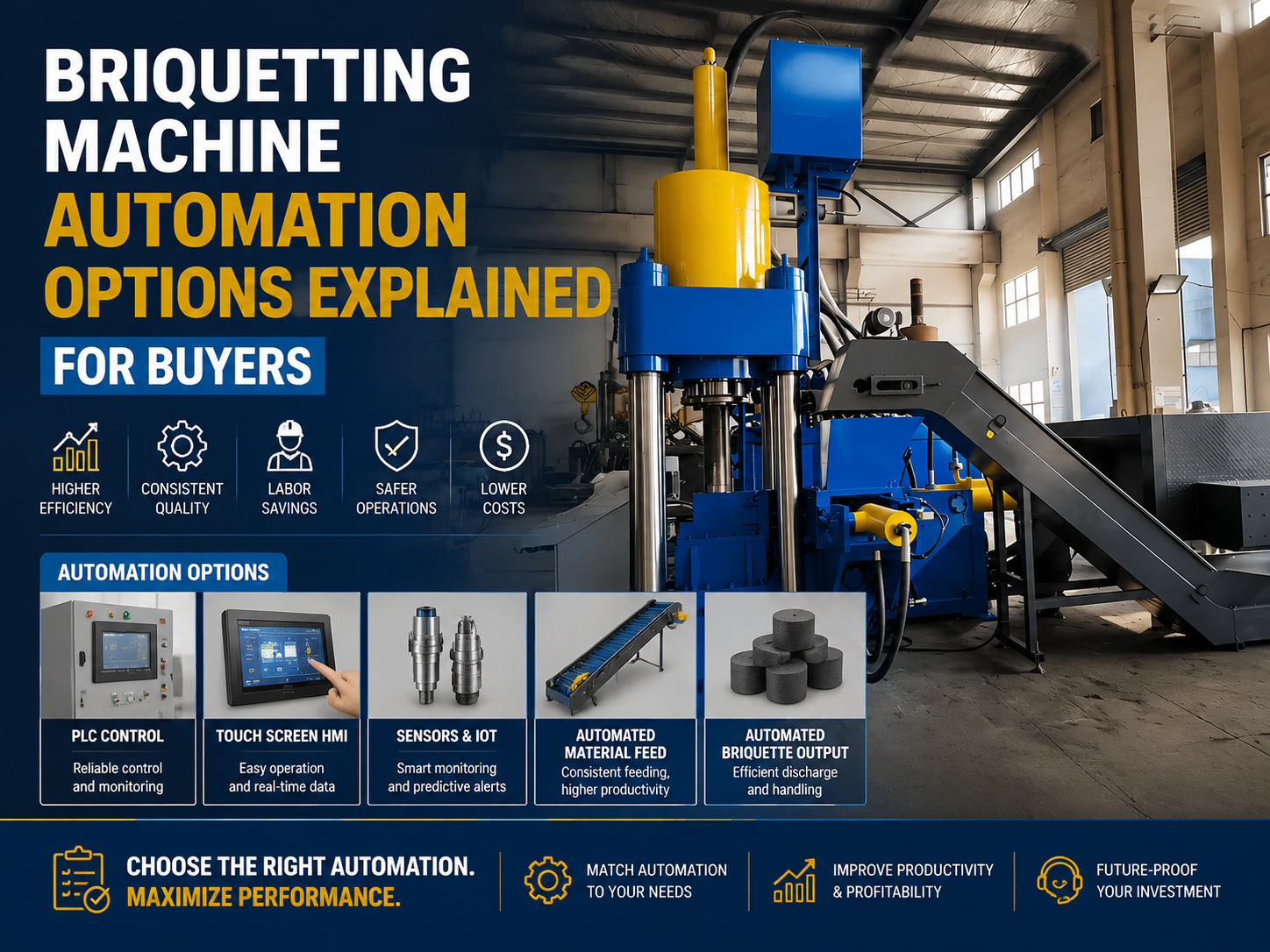
In the modern metal fabrication and machining landscape, the management of scrap material has evolved from a waste disposal headache into a significant revenue stream. Briquetting machines, which compress metal chips, turnings, and swarf into dense, manageable blocks, are at the heart of this transformation. However, as technology advances, the market has become saturated with various levels of automation. For procurement managers and shop owners, understanding the Briquetting Machine Automation Options Explained Buyers need to know is essential for making a cost-effective investment. Automation doesn’t just mean ‘hands-off’ operation; it encompasses integrated sensors, smart PLC controls, and sophisticated material handling systems that directly impact the bottom line.
The primary goal of a briquetting machine is to reduce the volume of loose scrap, often by a ratio of up to 20:1. This reduction lowers storage and transport costs while significantly increasing the value of the scrap when sold to smelters. Furthermore, the process allows for the recovery of expensive cutting fluids and coolants, which are squeezed out during compression. As we delve into the automation options, it is important to view these features not as luxuries, but as tools for operational efficiency and safety. This guide provides a deep dive into the technical and financial aspects of automated briquetting systems.
Price Range Overview: From Manual to Fully Autonomous
When discussing the Briquetting Machine Automation Options Explained Buyers must first categorize equipment by its price and capability. The investment required for a briquetting system varies wildly based on the throughput capacity and the level of human intervention required. Generally, the market is divided into three tiers: entry-level, mid-range, and high-end industrial systems.
Entry-level machines, often priced between $15,000 and $30,000, typically offer basic semi-automation. These units require an operator to manually load the hopper and monitor the output. While they utilize hydraulic pressure, they lack the advanced sensor arrays found in more expensive models. These are suitable for small job shops producing limited amounts of scrap per week. However, the labor costs associated with manual operation can quickly offset the lower initial purchase price.
Mid-range systems, falling in the $40,000 to $85,000 bracket, introduce significant automation. These machines often feature PLC (Programmable Logic Controller) systems that manage the compression cycle automatically. They include basic material level sensors in the hopper and can be integrated into existing conveyor lines. For most medium-sized fabrication facilities, this tier offers the best balance between capital expenditure and operational efficiency.
High-end, fully autonomous briquetting lines can exceed $150,000. These systems are designed for 24/7 operation and are often part of a larger ‘closed-loop’ recycling system. They include features like chip centrifuges for pre-drying, magnetic separators to remove tramp metal, and sophisticated IoT connectivity for remote monitoring. At this level, the machine is essentially a ‘set and forget’ asset that communicates directly with the factory’s ERP system.
Main Cost Drivers in Automated Systems
The price of a briquetting machine is driven by several key technological components. Understanding these drivers helps buyers decide which Briquetting Machine Automation Options Explained Buyers should prioritize based on their specific needs. The first major driver is the PLC and HMI (Human Machine Interface) package. High-end brands like Siemens or Schneider Electric provide more reliability and easier integration than generic controllers, but they come at a premium.
The hydraulic system is another critical cost factor. Automation requires precise control over pressure and flow. Variable displacement pumps and proportional valves allow the machine to adjust its force based on the material density, preventing jams and reducing energy consumption. These components are significantly more expensive than fixed-flow pumps found in manual machines. Additionally, the inclusion of an automated cooling system for the hydraulic oil is necessary for high-volume automation to prevent overheating during continuous cycles.
Material handling and feeding mechanisms also play a huge role. A standard gravity-fed hopper is inexpensive, but an automated screw feeder or a vibrating conveyor system adds to the cost. These feeders ensure a consistent flow of material into the compression chamber, which is vital for maintaining uniform briquette density. Without a consistent feed, the automation system may struggle to maintain optimal cycle times, leading to inefficiencies.
Configuration Impact: Vertical vs. Horizontal and Feeders
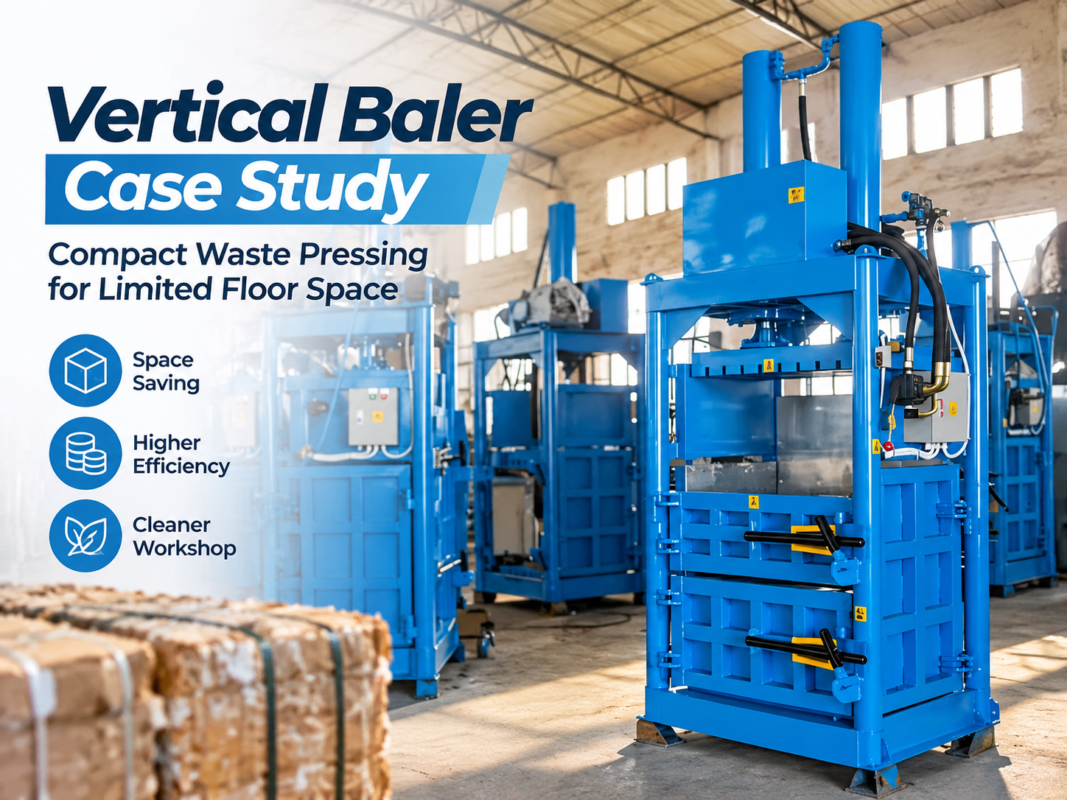
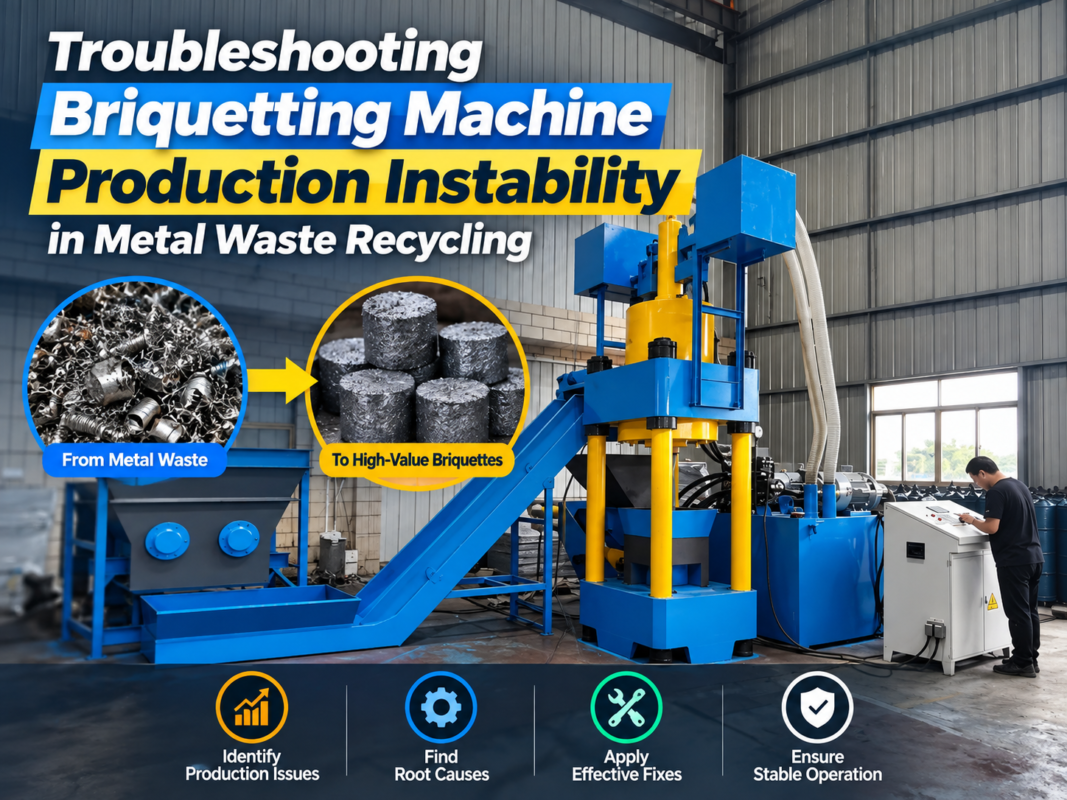
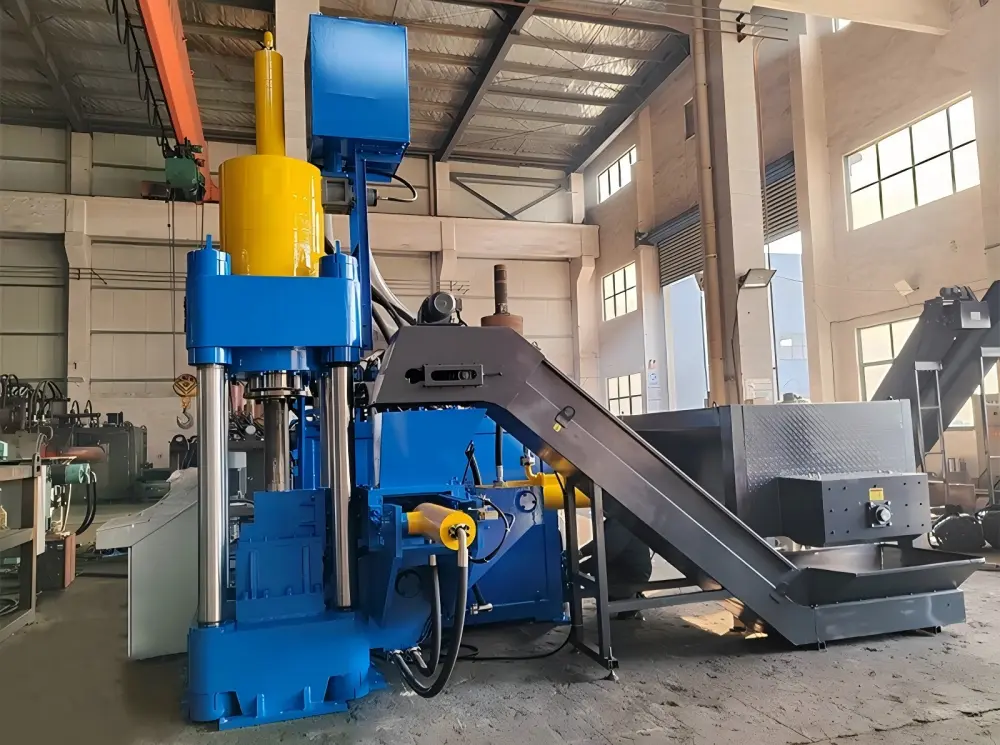
The physical configuration of the machine is a fundamental choice that dictates how automation can be implemented. Vertical briquetting machines, like the one shown in our first image, are often preferred for their compact footprint. They are excellent for integrating into cells where space is at a premium. Automation in vertical machines often focuses on the ejection system and the integration of coolant collection trays, as gravity helps in the drainage of fluids.
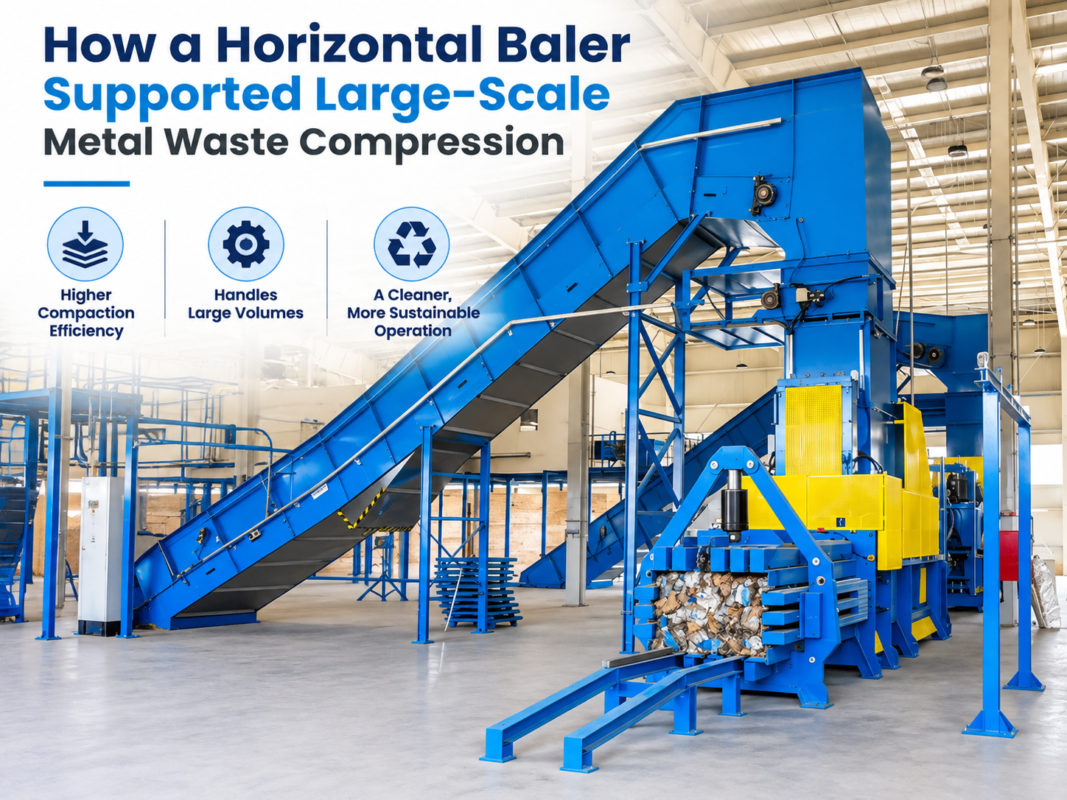
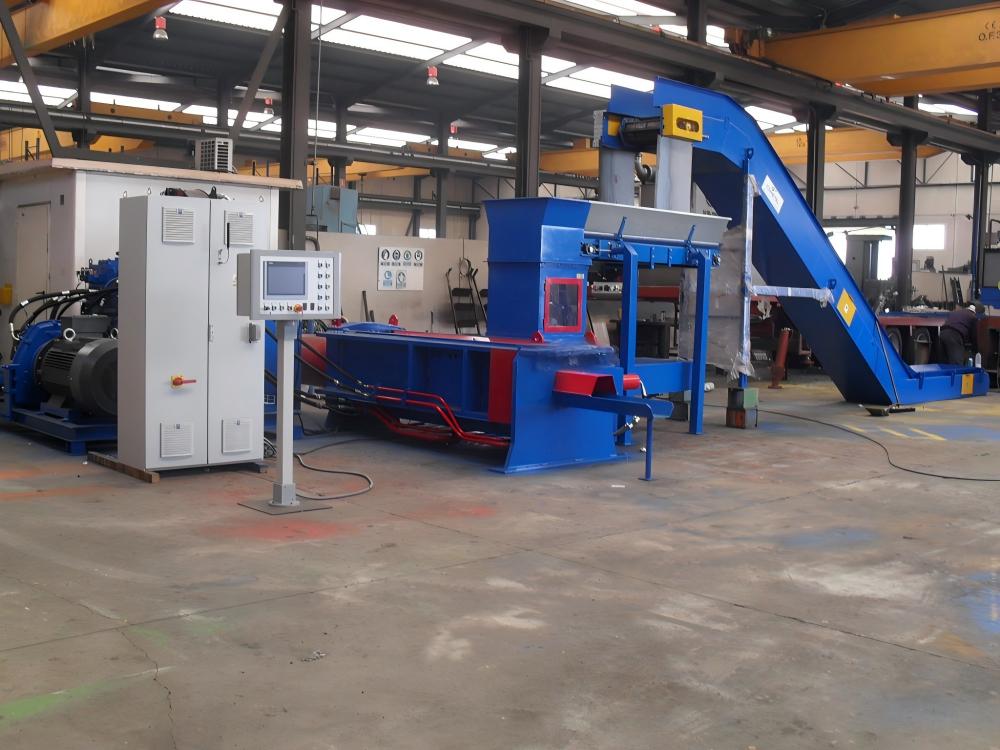
Horizontal briquetting machines are typically used for higher volumes and longer turnings. Their configuration allows for larger hoppers and more robust feeding systems. When considering Briquetting Machine Automation Options Explained Buyers should note that horizontal machines are often easier to link with long-distance conveyor systems that bring scrap directly from the CNC machines. This ‘under-floor’ or ‘overhead’ transport is the pinnacle of factory automation, removing the need for forklifts and bins entirely.
The choice of feeder—screw, piston, or gravity—impacts the machine’s ability to handle different types of scrap. For example, ‘bird’s nest’ turnings require a pre-shredder or a specialized feeder with a breaking mechanism before they can be briquetted. Automating this pre-processing stage is a significant configuration choice that ensures the briquetting press operates without interruption. Buyers must match the feeder configuration to their most common scrap geometry to avoid frequent manual clearing of jams.
Hidden Costs of Automated Briquetting
While the sticker price is the most visible cost, automated systems come with hidden expenses that buyers must account for in their budgets. One of the most overlooked costs is the requirement for high-quality hydraulic oil and its regular filtration. Automated valves are sensitive to contaminants; therefore, a high-end filtration system is a mandatory ‘hidden’ cost to ensure the longevity of the automation components.
Wear parts are another ongoing expense. The dies and punches that form the briquettes are subjected to immense pressure and abrasion, especially when processing materials like cast iron or abrasive alloys. In an automated setup, these parts wear out faster simply because the machine is running more cycles per hour. Buyers should inquire about the ease of replacing these parts and whether the automation system includes ‘wear monitoring’ sensors that alert operators before a failure occurs.
Energy consumption is also a factor. While modern automated machines use energy-efficient motors and start-stop technology, a machine running 16 hours a day will have a noticeable impact on the utility bill. Finally, there is the cost of training. An automated machine is only as good as the person programming it. Ensuring your maintenance team understands the PLC logic and sensor calibration is essential for minimizing downtime, and this training often comes at an additional cost from the manufacturer.
ROI Calculation: Is Automation Worth It?
Calculating the Return on Investment (ROI) for Briquetting Machine Automation Options Explained Buyers involves more than just looking at scrap prices. The first pillar of ROI is labor reduction. If an automated system replaces 20 hours of manual labor per week, the savings can reach $15,000-$25,000 annually depending on local wage rates. The second pillar is coolant recovery. In many machining operations, the value of recovered oil or coolant can pay for the machine’s monthly financing alone.
Consider this example: A facility produces 10 tons of aluminum chips per month. Loose chips might sell for $0.50 per pound, but dense briquettes can fetch $0.65 per pound due to lower melt loss at the foundry. That is a $3,000 monthly increase in scrap value. Add to that the recovery of 200 gallons of coolant at $15 per gallon ($3,000), and the total monthly gain is $6,000. Against a $60,000 machine price, the payback period is only 10 months, excluding labor savings.
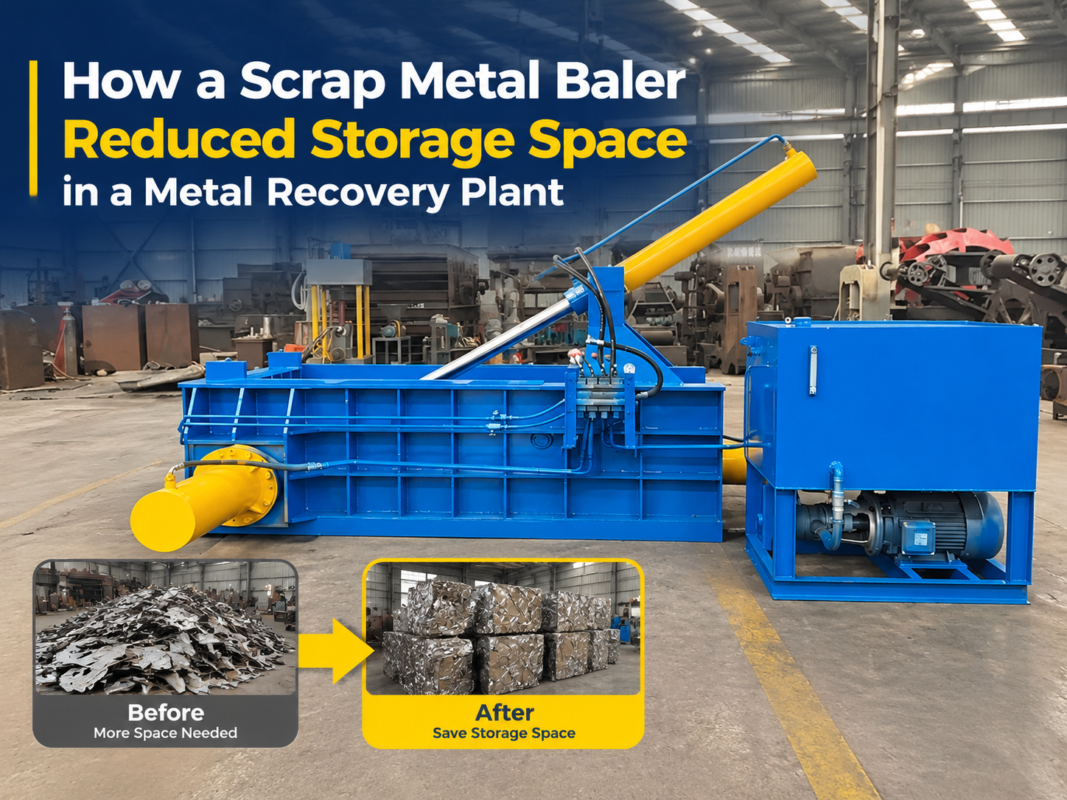
Furthermore, the reduction in floor space required for scrap storage can be quantified. If an automated briquetter reduces the scrap footprint from 500 square feet to 50 square feet, that reclaimed space can be used for an additional CNC machine, generating further revenue. When these factors are combined, the ROI for automation is often much faster than for the primary production machinery itself.
Buying Advice for Industrial Managers
When you are ready to purchase, follow a structured evaluation process. First, conduct a ‘Scrap Audit.’ Identify the volume, material type, and fluid content of your waste. This data will dictate the size and pressure requirements of the machine. Second, evaluate your facility layout. Do you need a standalone unit with a hopper, or a system that integrates with a central conveyor? This will determine the level of automation required for material handling.
Third, prioritize ‘Support over Specs.’ A machine with slightly lower specs but excellent local technical support and spare parts availability is always a better investment than a high-tech machine with no local service. Ask the vendor for a demonstration of the PLC interface—is it intuitive for your operators? Does it offer remote diagnostics? These features are lifesavers when a sensor goes out of alignment in the middle of a shift.
Finally, consider the future. If your production is growing, choose a machine with a modular automation controller. This allows you to add features like automated bagging or robotic palletizing of the briquettes later without replacing the entire press. Always request a test run using your own material; different alloys behave differently under pressure, and seeing your own scrap turned into a high-quality briquette is the best proof of performance.
Frequently Asked Questions (FAQ)
What is the difference between semi-auto and full-auto briquetting?
Semi-automatic machines require manual loading of the material and manual removal of the finished briquettes or bins. Fully automatic systems are integrated into the production line, receiving material via conveyors and discharging briquettes directly into shipping containers or silos without human intervention.
Can one machine handle different types of metal?
Yes, but the automation settings must be adjusted. Aluminum, steel, and cast iron require different compression pressures and cycle times. Advanced automated machines allow you to save ‘recipes’ in the PLC for different materials, making the switchover quick and easy.
How much maintenance does an automated briquetting machine need?
Daily maintenance involves checking oil levels and cleaning sensors. Weekly tasks include inspecting the feeder and checking for leaks. Monthly, the hydraulic filters should be checked. Because they are automated, these machines often have self-diagnostic tools that notify you when maintenance is due.
Does briquetting really increase the value of scrap?
Absolutely. Foundries prefer briquettes because they have a much higher density, which leads to less oxidation and ‘burn-off’ during melting. This higher yield for the smelter translates to a higher purchase price for the fabricator.
What safety features should I look for in an automated system?
Look for E-stop buttons at multiple points, safety interlocks on all access doors, and pressure relief valves. Automated systems should also have ‘jam detection’ that shuts down the feeder and press if an obstruction is detected, preventing mechanical damage and injury.
Is a vertical or horizontal machine better for automation?
It depends on your space and volume. Vertical machines are great for saving space and are often easier to automate for coolant drainage. Horizontal machines are typically better for very high volumes and integration into long-distance conveyor systems.