Scrap Metal Shear Applications In Modern Recycling Yards: A Comprehensive Guide

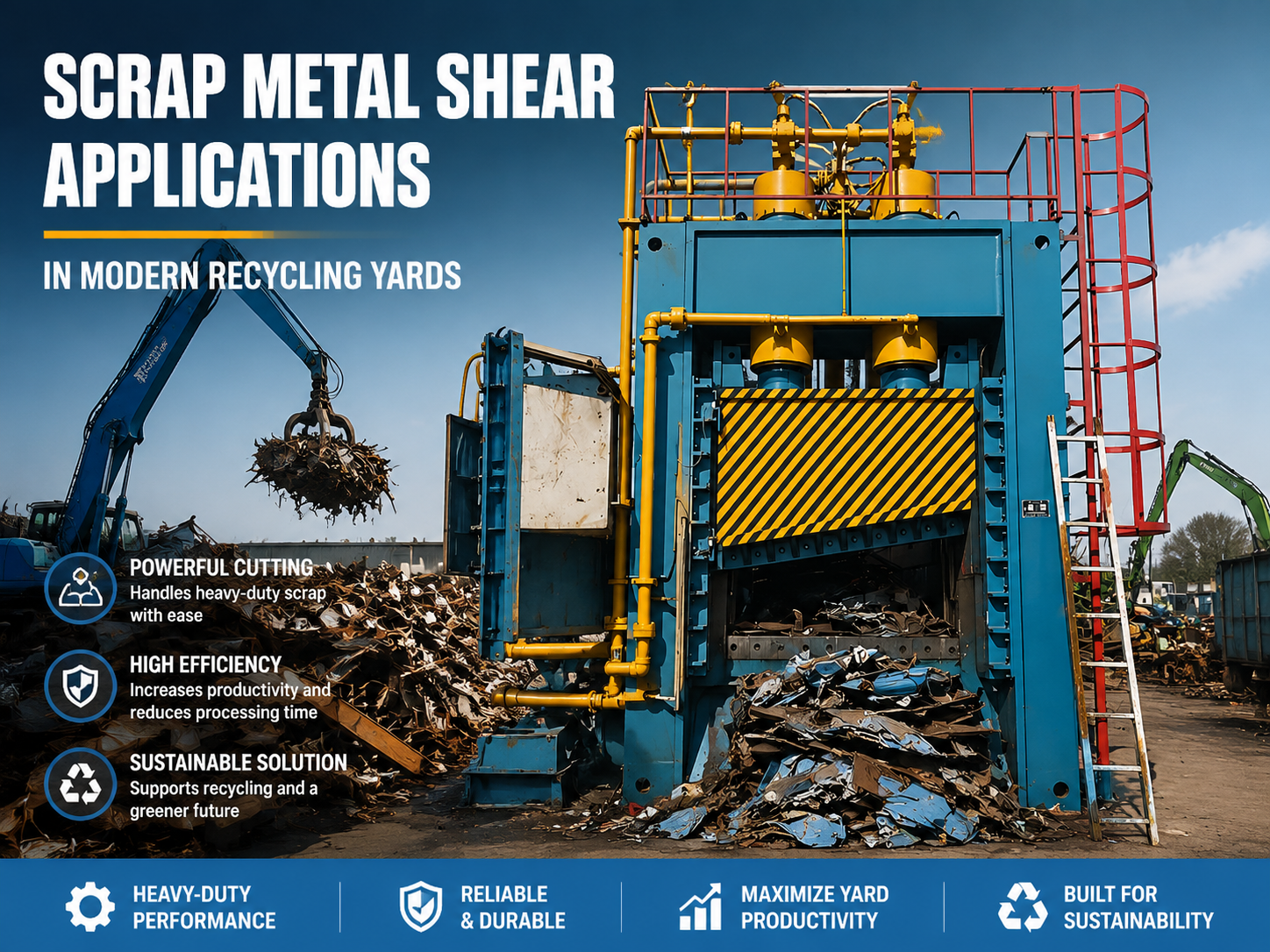
Introduction to Scrap Metal Shear Applications In Modern Recycling Yards
In the rapidly evolving landscape of the global circular economy, the efficiency of metal recovery has become a cornerstone of industrial sustainability. Modern recycling yards are no longer just collection points; they are sophisticated processing centers where raw scrap is transformed into high-value secondary raw materials. Central to this transformation is the heavy-duty scrap metal shear. The diverse range of scrap metal shear applications in modern recycling yards has revolutionized how we handle everything from decommissioned bridges to end-of-life vehicles.
As steel mills and foundries demand higher density and cleaner scrap to optimize their furnace yields, the role of the hydraulic shear has shifted from a luxury to a necessity. These machines provide the mechanical force required to downsize oversized metal structures into ‘furnace-ready’ dimensions, significantly reducing logistics costs and increasing the market value of the processed material. HARSLE, a leader in metal fabrication machinery, provides the cutting-edge technology required to meet these rigorous industrial demands.
This article explores the intricate details of scrap metal shear applications in modern recycling yards, examining the scenarios where these machines excel, the technical requirements for different materials, and the productivity benefits that drive ROI for recycling entrepreneurs. Whether you are managing a small-scale yard or a massive industrial processing facility, understanding the strategic application of shearing technology is vital for staying competitive in today’s market.
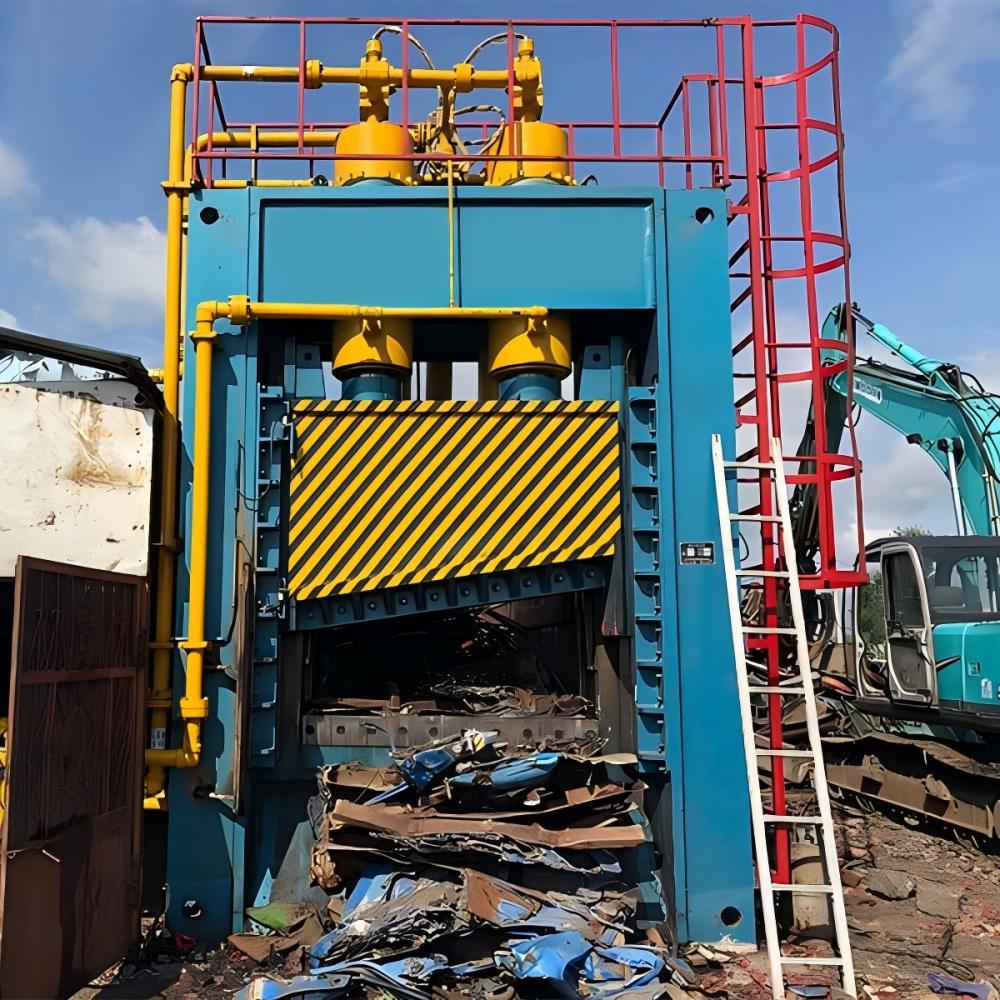
Application Scenarios for Scrap Metal Shears
1. Construction and Demolition (C&D) Waste Processing
One of the most prominent scrap metal shear applications in modern recycling yards involves the processing of structural steel from demolition sites. I-beams, H-beams, rebar, and heavy plates are often too large for direct transport or melting. Hydraulic gantry shears are deployed to cut these massive components into manageable lengths. This process not only facilitates easier loading into containers but also ensures that the scrap meets the strict size specifications of steel mills, which typically require pieces to be under 1.5 meters in length for efficient charging.
2. Automotive and Transportation Recycling
The automotive industry is a massive contributor to the scrap stream. While shredders are common for thin-gauge body panels, the heavier components—such as frames, axles, and engine supports—require the sheer force of a hydraulic shear. Modern recycling yards use container shears or gantry shears to process ‘log’ scrap from crushed cars. By shearing these logs, yards can achieve a higher bulk density, which is critical for maximizing the weight capacity of shipping containers and trucks.
3. Shipbreaking and Marine Salvage
Decommissioning large vessels generates enormous quantities of thick-plate steel and heavy structural ribs. In these scenarios, the scrap metal shear is indispensable. The ability to cut through plates exceeding 50mm in thickness allows recycling yards to process ship hulls into high-quality heavy melting scrap (HMS 1 & 2). The precision of modern shears also allows for the separation of different alloys, ensuring that high-value marine-grade metals are not contaminated by lower-grade carbon steel.
4. Industrial Manufacturing Scrap
Factories producing heavy machinery, wind turbines, or railway equipment generate significant amounts of ‘new’ scrap—offcuts and skeletons from CNC plasma or laser cutting processes. These materials are often high-grade but awkwardly shaped. Scrap metal shears are used to consolidate this material, making it easier to handle and more attractive to foundries that prefer clean, sized industrial scrap over mixed post-consumer waste.
Material and Process Requirements
Understanding Material Hardness and Tensile Strength
Not all scrap is created equal. The effectiveness of scrap metal shear applications in modern recycling yards depends heavily on matching the machine’s cutting force to the material’s properties. For instance, processing stainless steel requires significantly higher shearing force than carbon steel due to its work-hardening characteristics. Modern shears must be equipped with high-strength alloy blades (such as 6CrW2Si or H13) that can maintain a sharp edge under extreme pressure and heat.
Volume and Throughput Demands
A recycling yard’s profitability is tied to its hourly throughput. Process requirements dictate whether a yard needs a continuous-feed container shear or a batch-process gantry shear. For high-volume operations, the machine must support rapid cycle times, often requiring advanced hydraulic systems with high-flow pumps and regenerative circuits that speed up the cylinder stroke without consuming excessive energy.
Contamination and Sorting
Before shearing, materials must be sorted to remove non-metallic contaminants and hazardous components (like pressurized tanks). The shearing process itself can help in further sorting; as the metal is compressed and cut, trapped debris often falls away, resulting in a cleaner end product. Modern yards integrate magnetic separators and eddy current systems post-shearing to ensure the highest purity of the processed metal.
Recommended Machine Configuration
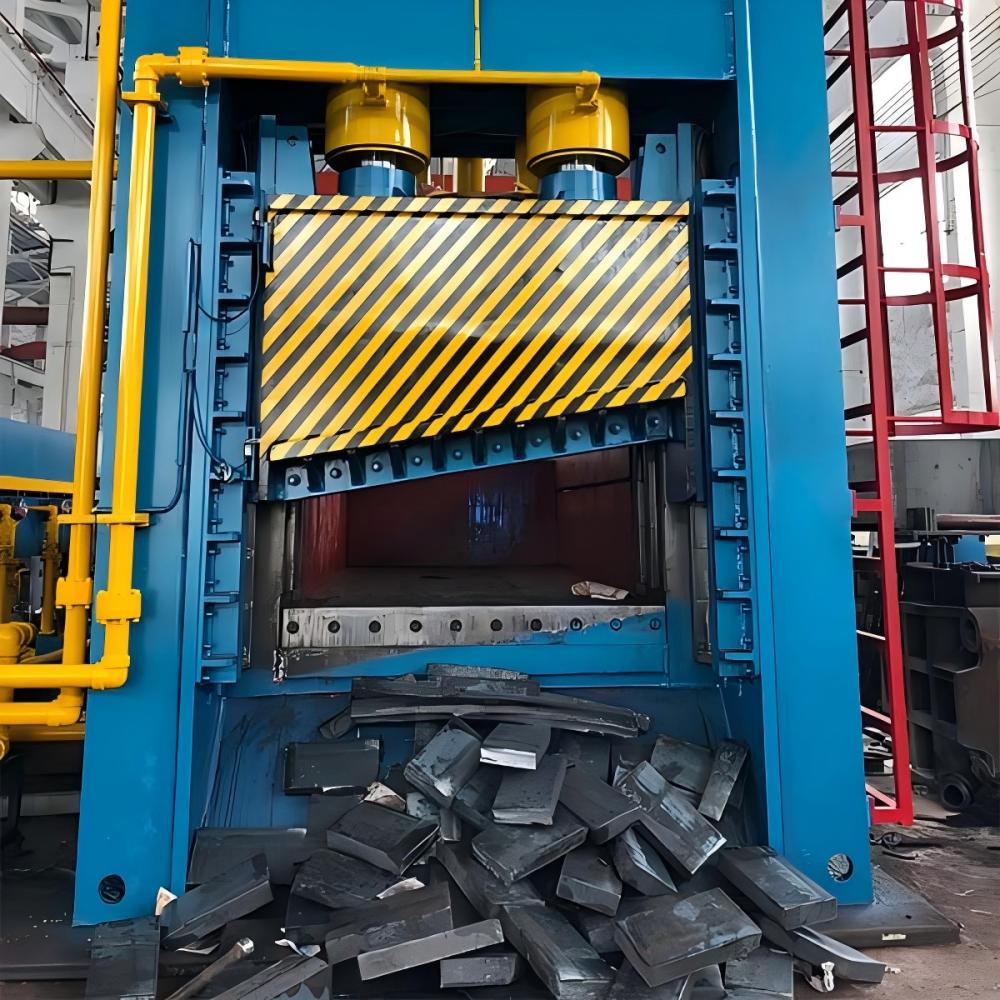
Gantry Hydraulic Shears (Q91 Series)
For the most demanding scrap metal shear applications in modern recycling yards, the Gantry Shear is the gold standard. These machines feature a vertical cutting gate and a horizontal compression box. Configuration should include:
- Cutting Force: Ranging from 400 to 2000 tons depending on the maximum thickness of the scrap.
- PLC Control: Siemens or Schneider PLC systems for automated cycles and remote diagnostics.
- Hydraulic System: Variable displacement piston pumps (like Rexroth) to optimize power consumption.
- Automatic Lubrication: To reduce wear on the massive sliding guides of the shear head.
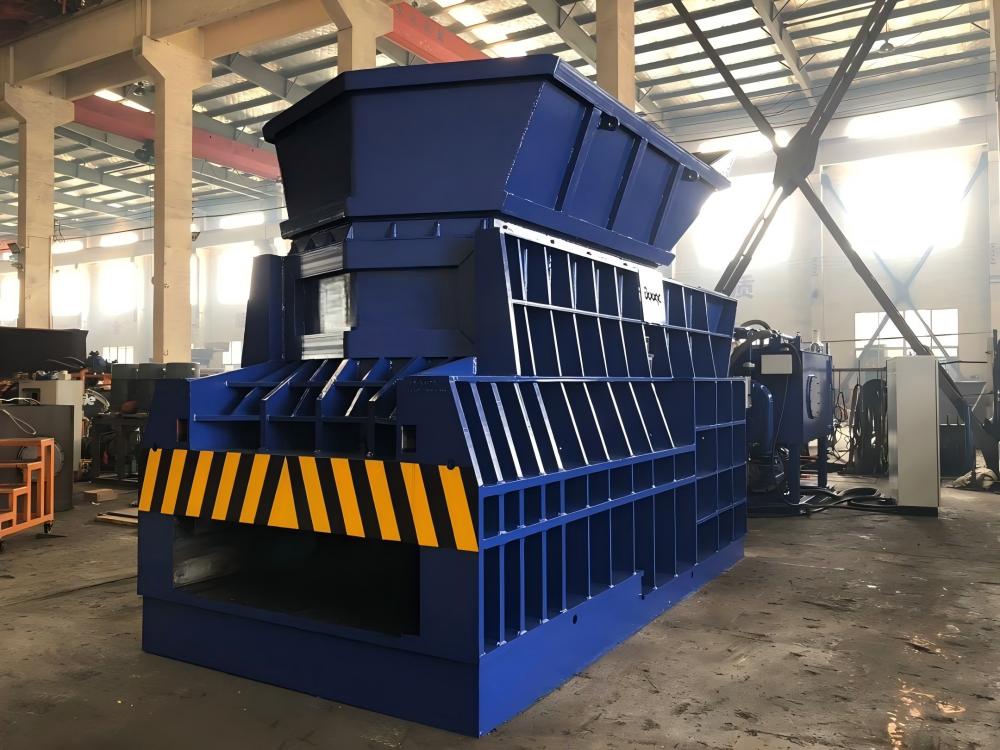
Container Shears (Q15 Series)
Container shears are ideal for yards with limited space or those requiring mobility. They are designed to fit within a standard shipping container footprint and offer a continuous feeding mechanism. Key configurations include:
- Gravity Feed: Utilizing an inclined hopper to feed scrap into the blade via gravity and vibration.
- Remote Operation: Allowing the grapple loader operator to control the shear from the cab, reducing labor costs.
- Integrated Cooling: Air or water cooling systems to maintain hydraulic oil viscosity during 24/7 operation.
Alligator Shears (Q43 Series)
For smaller yards or specialized non-ferrous processing (like aluminum extrusions or copper busbars), alligator shears are the recommended configuration. They are simple, robust, and allow for manual feeding, providing high precision for cleaning and ‘topping’ scrap pieces.
Workflow in a Modern Recycling Yard
- Collection and Weighing: Scrap arrives via truck and is weighed on a weighbridge. Radiation detection is often performed at this stage to ensure safety.
- Pre-Sorting: Grapple loaders or magnets sort the scrap into categories (HMS, Plate & Structural, Non-ferrous). Large pieces are set aside for the shear.
- Loading: The material is loaded into the shear’s compression box. In a gantry shear, the side-press and lid compress the scrap into a dense ‘log’.
- Shearing: The hydraulic cylinder drives the shear blade down, cutting the compressed log into specific lengths (e.g., 600mm or 1000mm).
- Discharge and Secondary Sorting: The sheared pieces fall onto a conveyor belt. A secondary magnet often removes any remaining small ferrous bits, while the main product is stockpiled.
- Logistics: The uniform, high-density scrap is loaded into containers or bulk carriers for transport to the steel mill.
Productivity Benefits of Advanced Shearing
1. Significant Volume Reduction
The primary benefit of scrap metal shear applications in modern recycling yards is the drastic reduction in material volume. Loose scrap is incredibly inefficient to transport. By shearing and densifying the metal, yards can increase the weight of a single truckload by up to 300%, directly slashing transportation overheads.
2. Enhanced Market Value
Steel mills pay a premium for ‘furnace-ready’ scrap. Because sheared scrap is dense and sized correctly, it melts more efficiently with less energy loss and lower electrode consumption. By investing in a high-quality HARSLE shear, recycling yards move up the value chain from being a mere collector to a high-tier supplier.
3. Labor Efficiency and Safety
Manual torch cutting is slow, dangerous, and environmentally hazardous due to fumes. A single hydraulic shear can replace a dozen torch cutters, significantly reducing labor costs and insurance premiums. Automated cycles mean the operator spends less time managing the machine and more time managing the yard’s flow.
4. Environmental Compliance
Modern shears are designed with environmental regulations in mind. They produce no toxic fumes (unlike thermal cutting) and are equipped with oil filtration and containment systems to prevent ground contamination. This makes it easier for recycling yards to obtain and maintain operating permits in urban areas.
Case Example: Upgrading a Regional Recycling Facility
A mid-sized recycling yard in Eastern Europe was struggling with a backlog of heavy structural steel from a local industrial decommissioning project. They were relying on manual oxygen-fuel cutting, which limited their processing capacity to 10 tons per day. The labor costs were high, and the resulting scrap was inconsistent in size, leading to rejections from the local steel mill.
After consulting with HARSLE, the yard installed a 600-ton Gantry Hydraulic Shear (Q91-600). The results were transformative:
- Throughput Increase: The yard’s processing capacity jumped from 10 tons per day to over 80 tons per day.
- Quality Improvement: The scrap was consistently cut to 600mm lengths, meeting the ‘Premium HMS’ grade and increasing the selling price by 15% per ton.
- Cost Savings: The yard reduced its specialized labor force by four people, reassigning them to sorting roles that further improved material purity.
- ROI: The machine paid for itself within 14 months through a combination of increased volume, higher margins, and lower logistics costs.
Frequently Asked Questions (FAQ)
What is the typical lifespan of shear blades?
Blade life depends on the material being processed. For standard carbon steel, blades can typically process 2,000 to 5,000 tons before requiring a flip (most blades have 4 cutting edges) or regrinding. Processing high-tensile alloys or contaminated scrap will shorten this interval.
Can a scrap metal shear handle non-ferrous metals?
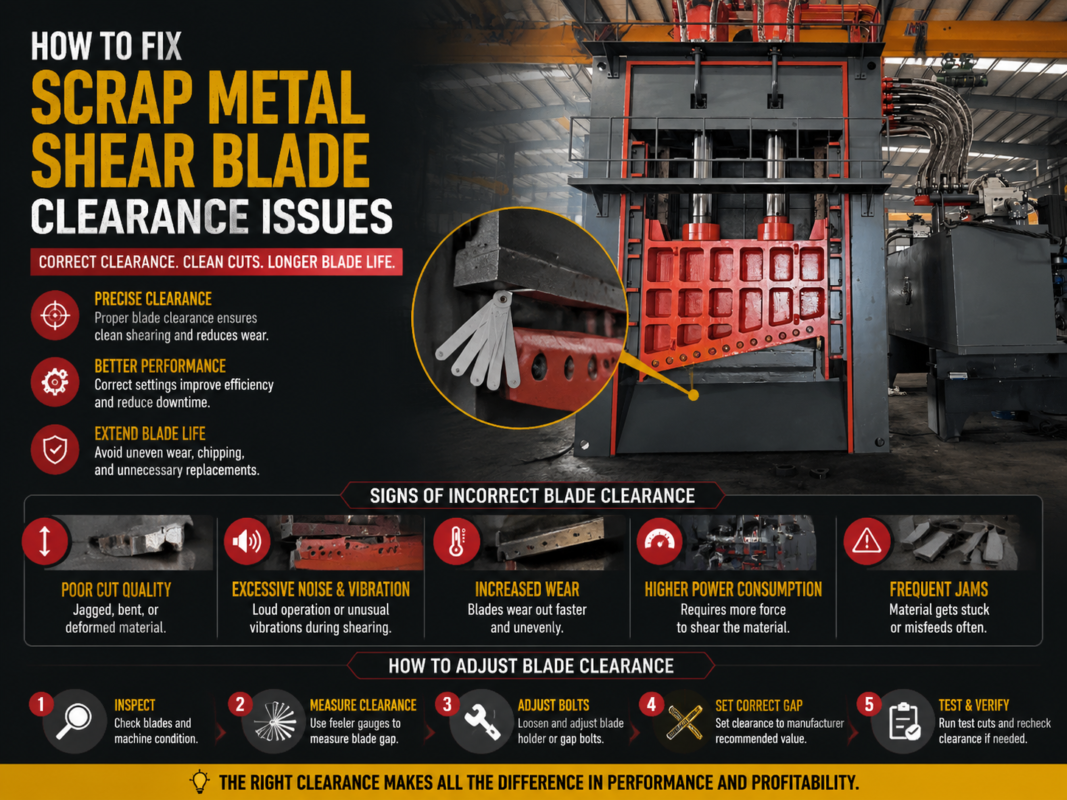
Yes, scrap metal shear applications in modern recycling yards frequently include aluminum, copper, and stainless steel. However, the machine settings (pressure and blade gap) may need adjustment to ensure a clean cut without ‘smearing’ the softer metals.
What maintenance is required for a hydraulic gantry shear?
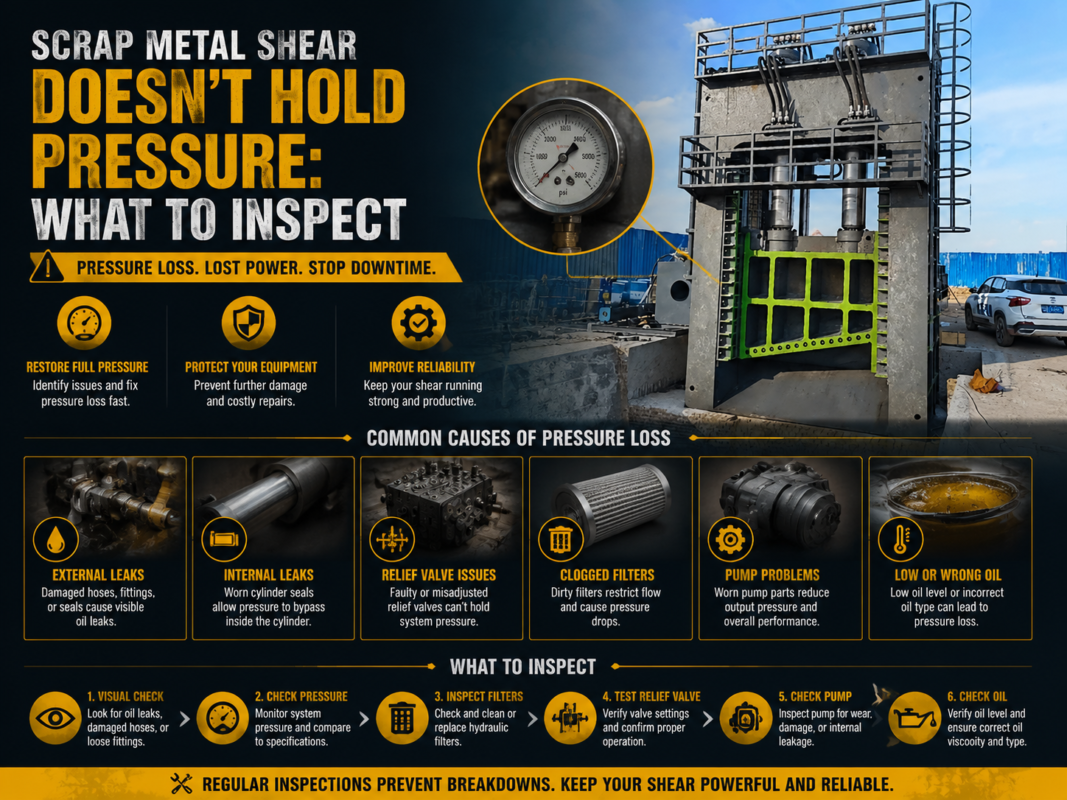
Daily maintenance includes checking hydraulic oil levels, inspecting hoses for leaks, and lubricating moving parts. Monthly tasks involve checking blade bolt tightness and inspecting the filtration system. HARSLE machines are designed with accessible service points to simplify these tasks.
How do I choose between a gantry shear and a container shear?
Choose a gantry shear if you have a permanent site and need to process very heavy, oversized scrap (like thick I-beams). Choose a container shear if you need a smaller footprint, lower installation costs, or the ability to move the machine between different sites.
Conclusion and Call to Action
The strategic implementation of scrap metal shear applications in modern recycling yards is the key to unlocking higher profitability and operational efficiency. As the demand for recycled metal continues to grow, the ability to process scrap quickly, safely, and to exact specifications will define the leaders in the recycling industry. HARSLE is committed to providing the robust, high-performance machinery needed to meet these challenges head-on.
Are you ready to elevate your recycling yard’s productivity? Contact HARSLE today to discuss our range of gantry shears, container shears, and customized recycling solutions. Our engineers are ready to help you select the perfect configuration for your specific material and volume requirements. Visit our website or call our sales team to request a quote and take the first step toward a more efficient future.