How Scrap Metal Shears Handle Mixed Scrap In Industrial Operations: A Comprehensive Guide

Introduction to Mixed Scrap Processing in Modern Industry
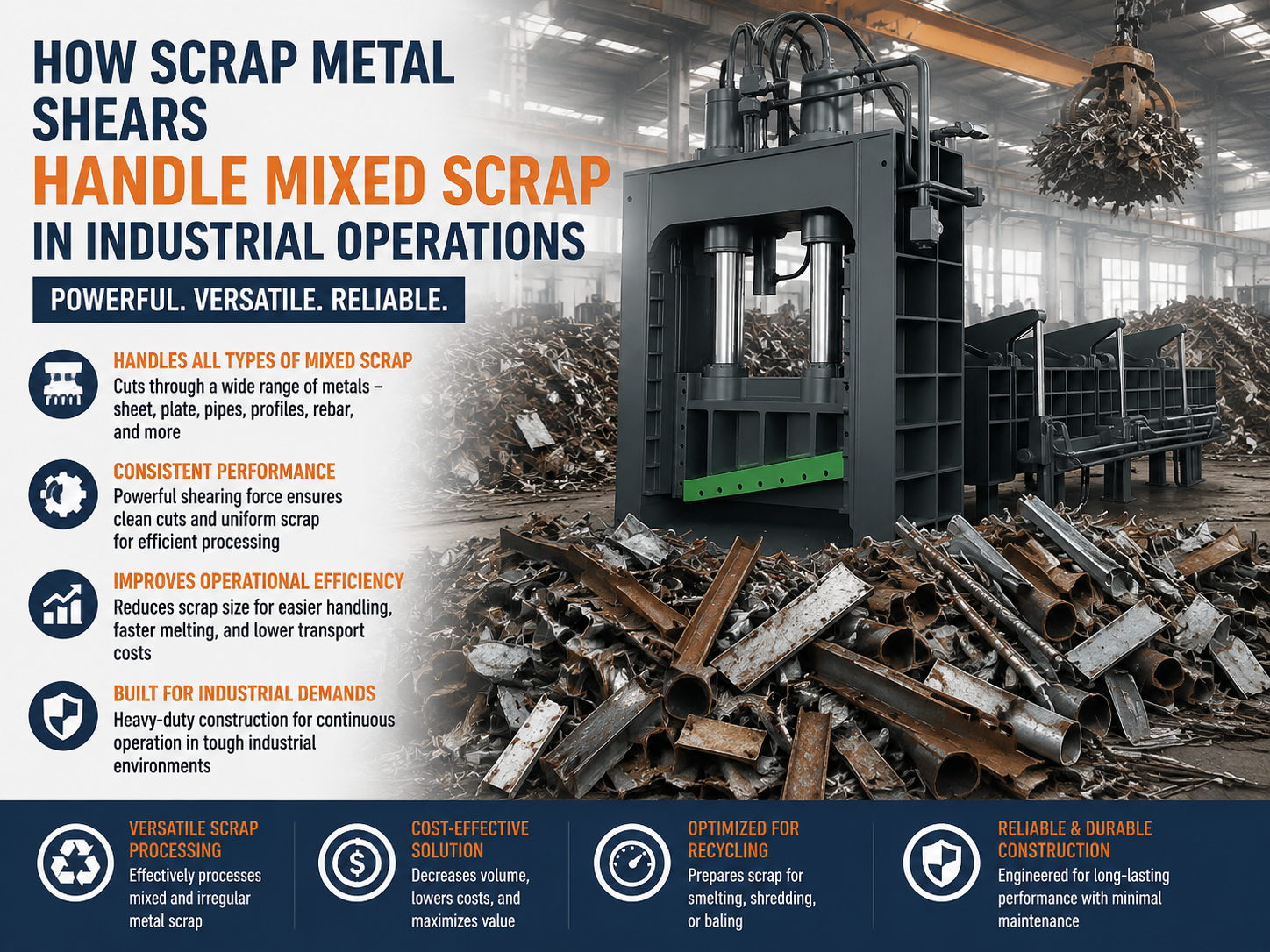
In the global recycling landscape, the ability to process diverse materials efficiently is the cornerstone of profitability. Industrial operations often face the challenge of ‘mixed scrap’—a heterogeneous collection of metal waste ranging from structural steel beams and rebar to automotive frames and light gauge sheet metal. Understanding How Scrap Metal Shears Handle Mixed Scrap In Industrial Operations is essential for facility managers looking to optimize their throughput and produce high-quality, furnace-ready material.
Mixed scrap presents unique challenges because of its varying thickness, tensile strength, and geometric complexity. Without the right equipment, processing these materials can lead to excessive tool wear, safety hazards, and inefficient energy consumption. Heavy-duty hydraulic shears, particularly gantry-style shears, have emerged as the industry standard for transforming this chaotic waste into standardized, high-value commodities. This article explores the technical nuances, machine configurations, and operational workflows that allow these machines to dominate the scrap metal sector.
Application Scenarios for Industrial Scrap Shears
The application of scrap metal shears extends far beyond simple waste reduction. In large-scale industrial environments, these machines are integrated into complex supply chains. One primary scenario is the Demolition and Construction Sector. When old industrial plants or bridges are dismantled, the resulting scrap is a mix of heavy I-beams, pipes, and reinforced steel. A gantry shear is used on-site or at a nearby processing hub to cut these oversized pieces into manageable lengths for transport and melting.
Another critical scenario is Automotive Recycling. While shredders are often used for thin-gauge car bodies, the heavier components—such as axles, frames, and engine mounts—require the immense force of a hydraulic shear. By processing these mixed automotive components, recyclers can separate ferrous from non-ferrous materials more effectively. Furthermore, Shipbreaking Yards rely heavily on massive scrap shears to dismantle decommissioned vessels, where the steel thickness can vary significantly from the hull to the internal superstructure.
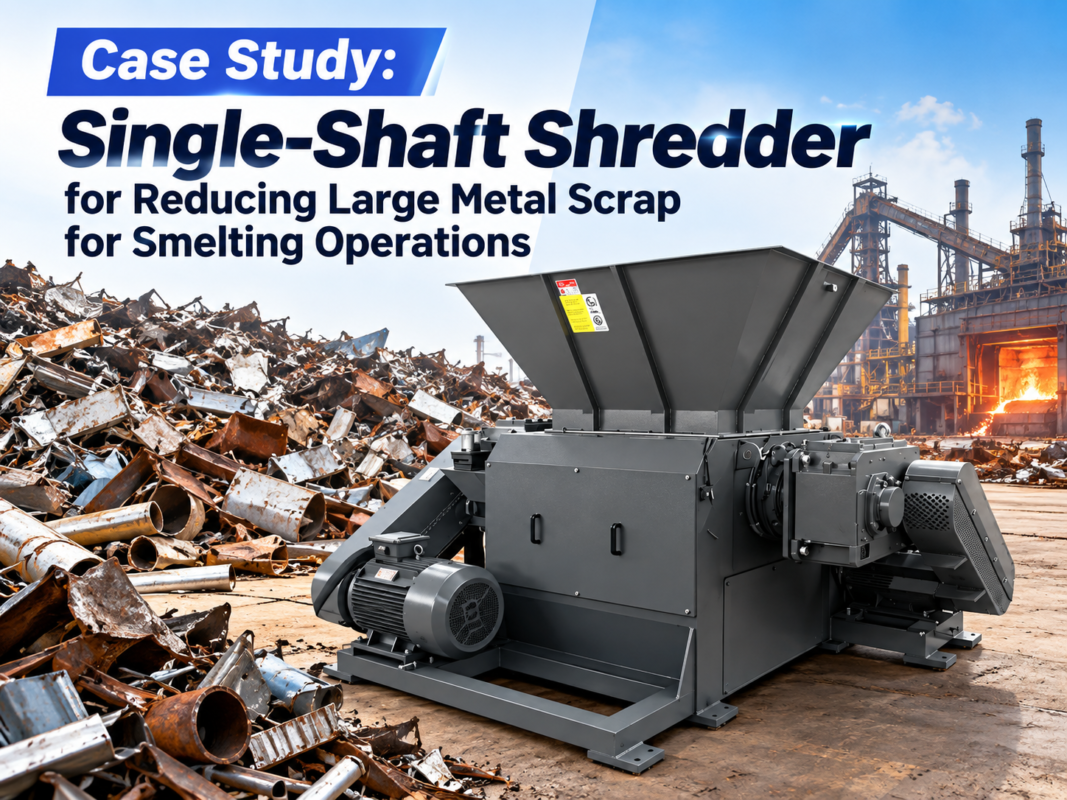
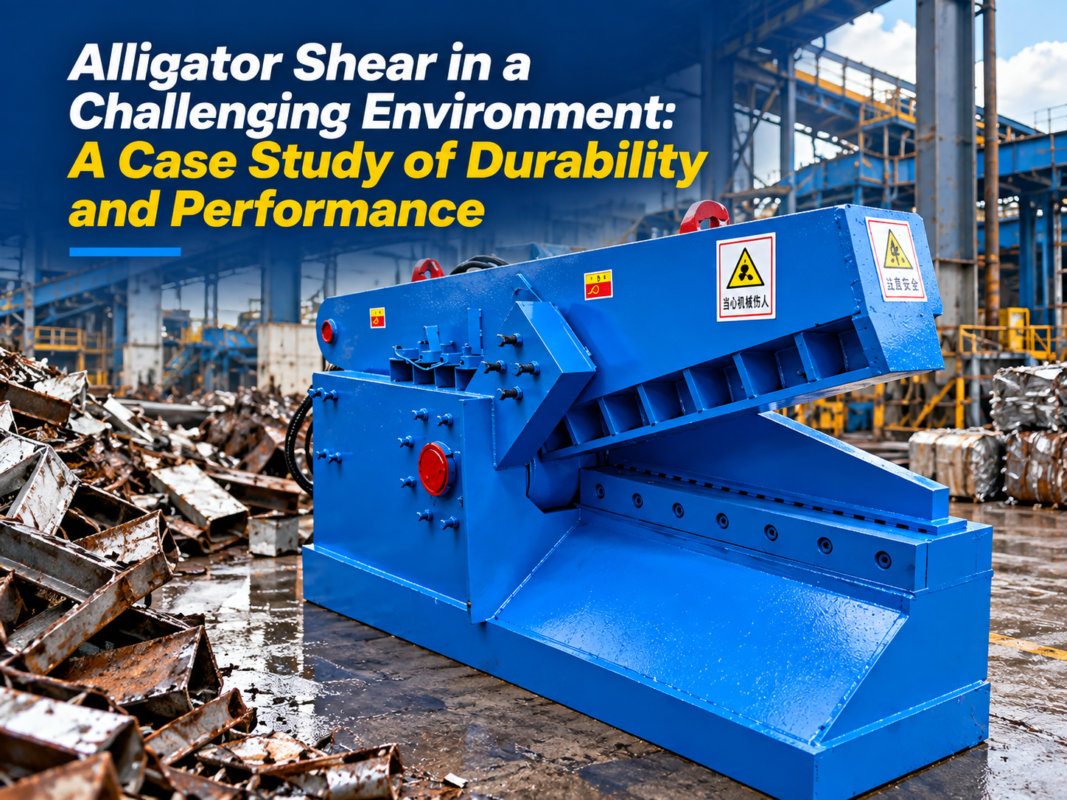
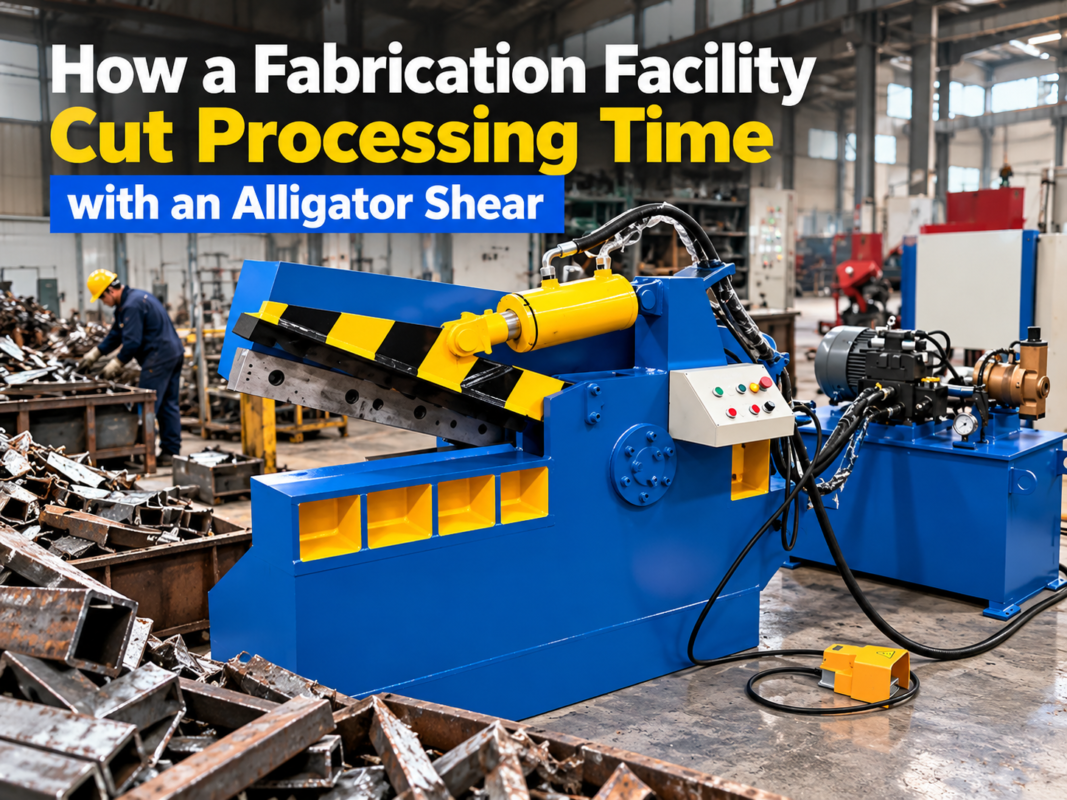
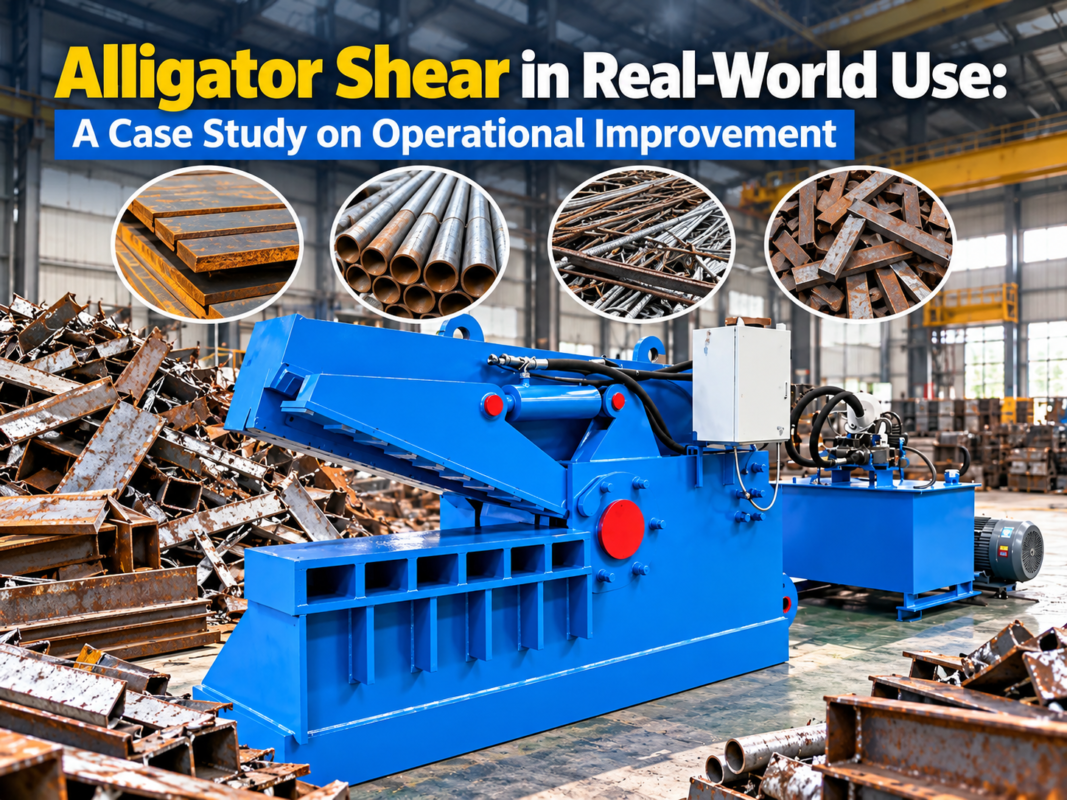
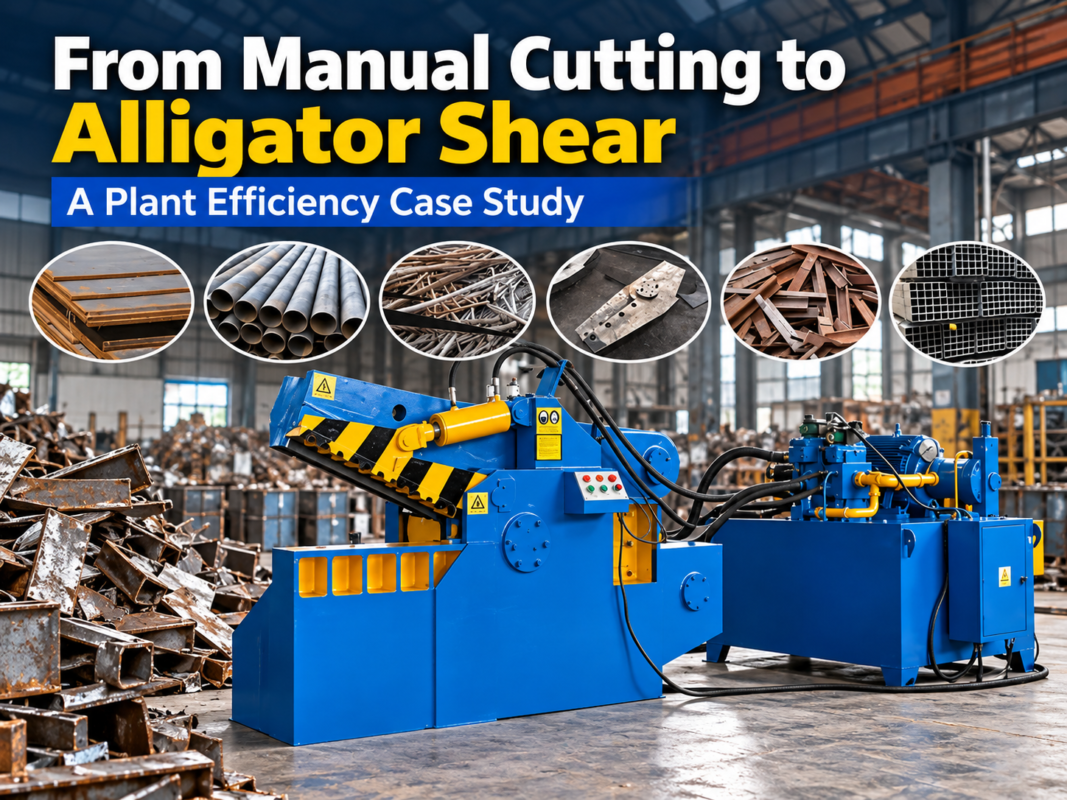
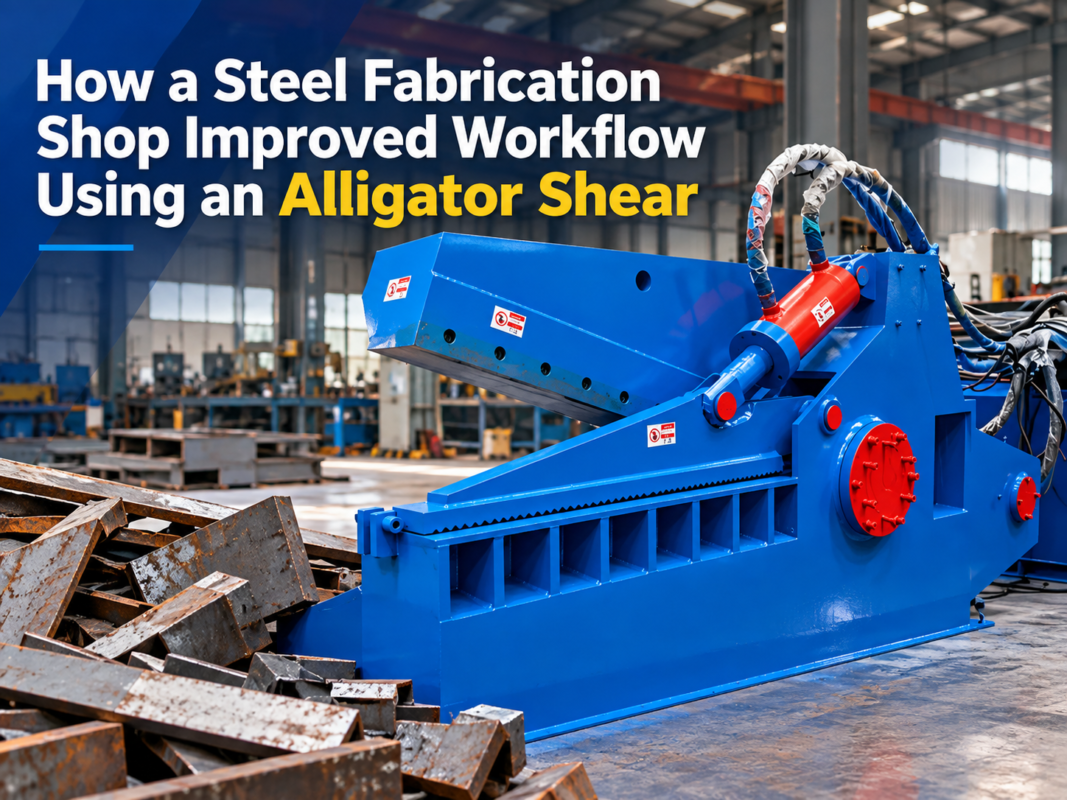
Finally, Manufacturing Plant Waste Management utilizes smaller alligator or container shears to handle offcuts and skeletons from stamping or laser cutting processes. In all these scenarios, the goal remains the same: to reduce the volume of the scrap, increase its density, and ensure it meets the strict size requirements of steel mills and foundries. The versatility of the shear allows it to adapt to whatever material is fed into its hopper, making it an indispensable tool for modern circular economies.
Material and Process Requirements
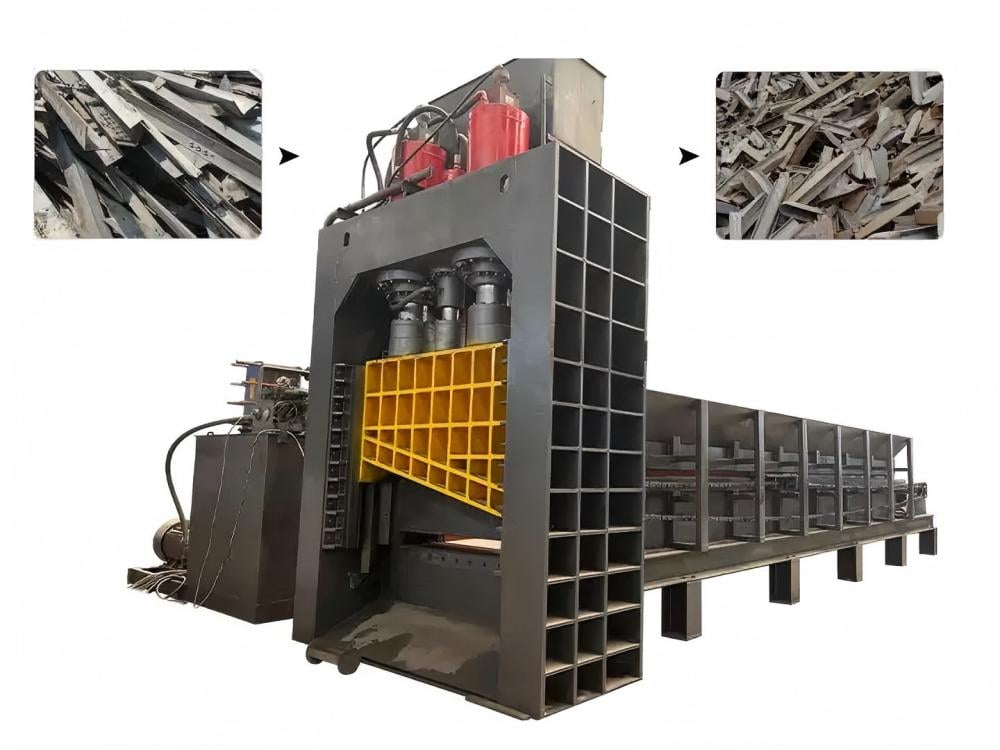
To understand How Scrap Metal Shears Handle Mixed Scrap In Industrial Operations, one must first look at the material requirements. Mixed scrap is generally categorized into Heavy Melting Steel (HMS 1 & 2), P&S (Plate and Structural), and light iron. Each category requires a different approach to shearing. For instance, HMS 1 consists of wrought iron or steel scrap 1/4 inch and over in thickness, while HMS 2 includes thinner materials. A robust shear must be capable of handling the highest common denominator of thickness in a batch without stalling.
The process requirements involve more than just raw cutting force. Pre-compression is a vital step. Mixed scrap is often ‘fluffy’ or voluminous, containing a lot of air. Before the vertical blade can make a cut, the material must be compressed into a dense log. This is achieved through side-presses or a lid-style compression box. This process ensures that the material is held firmly, preventing it from shifting during the shear stroke, which could damage the blades or the machine frame.
Furthermore, the chemical composition of the scrap affects the process. High-carbon steels or alloyed metals are harder and more brittle, requiring specialized blade materials and specific cutting angles. Industrial operations must also account for ‘contamination’—non-metallic attachments like rubber, plastic, or concrete. While the shear can physically cut through many of these, the process must be managed to prevent damage to the hydraulic seals from dust and debris generated during the crushing phase.
Recommended Machine Configuration for Mixed Scrap
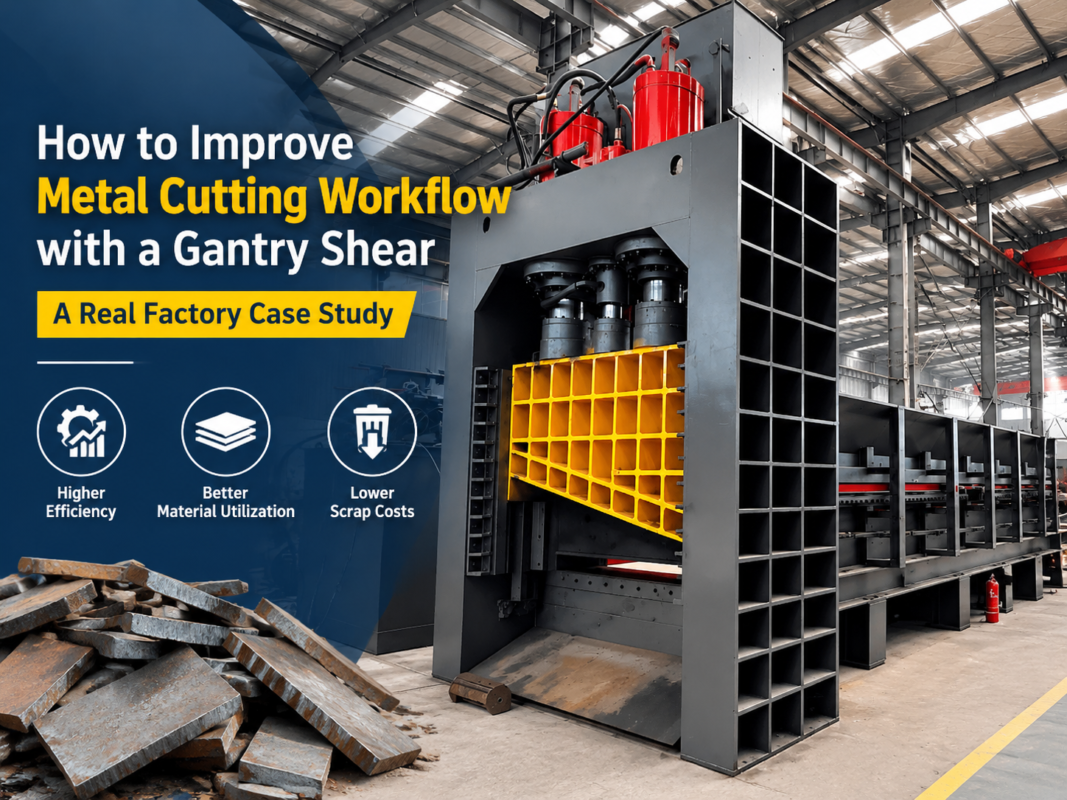
When selecting a machine to handle mixed scrap, the configuration is paramount. For high-volume industrial operations, the Hydraulic Gantry Shear (Q91 Series) is the most recommended. These machines are characterized by their vertical cutting action and massive frames. A typical configuration for mixed scrap includes a cutting force ranging from 400 to 2000 tons, depending on the maximum thickness of the material expected.
- Hydraulic System: High-pressure piston pumps (often from brands like Rexroth) are essential. They provide the necessary flow rate to maintain fast cycle times while delivering the peak pressure required for thick sections. Variable displacement pumps help in energy saving by adjusting the flow based on the resistance encountered.
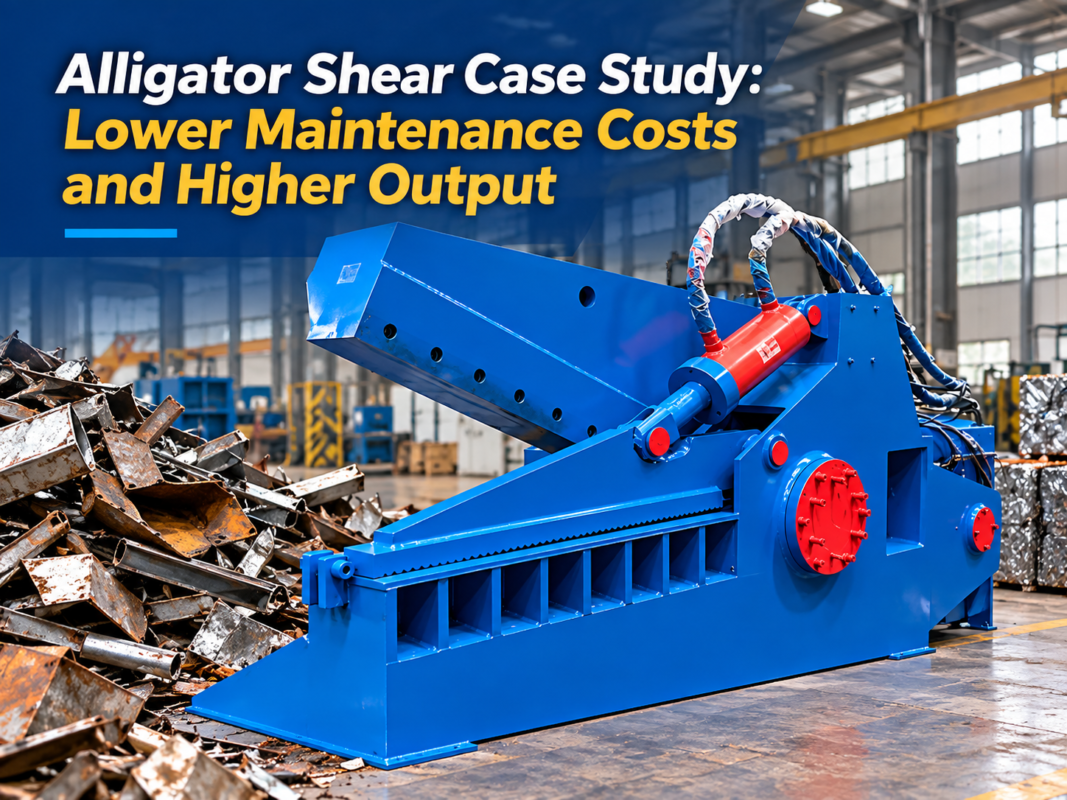
- Blade Design: The blades should be made from high-strength tool steel (such as 6CrW2Si or Cr12MoV). A 4-sided rotatable blade design is highly recommended, as it allows the operator to flip the blade to a fresh edge when one side becomes dull, significantly reducing downtime and maintenance costs.
- PLC Control and Automation: Modern shears utilize Siemens or Mitsubishi PLC systems. These allow for ‘Automatic Mode,’ where the machine senses the material position and executes the compression and shearing cycle without constant manual input. This is crucial for handling mixed scrap where the feeding rate might vary.
- Feeding Mechanism: A large hopper or a vibrating conveyor feed system is ideal for mixed scrap. This allows a crane operator to dump large quantities of material into the machine at once, ensuring the shear is always working at maximum capacity.
Workflow: From Raw Scrap to Finished Product
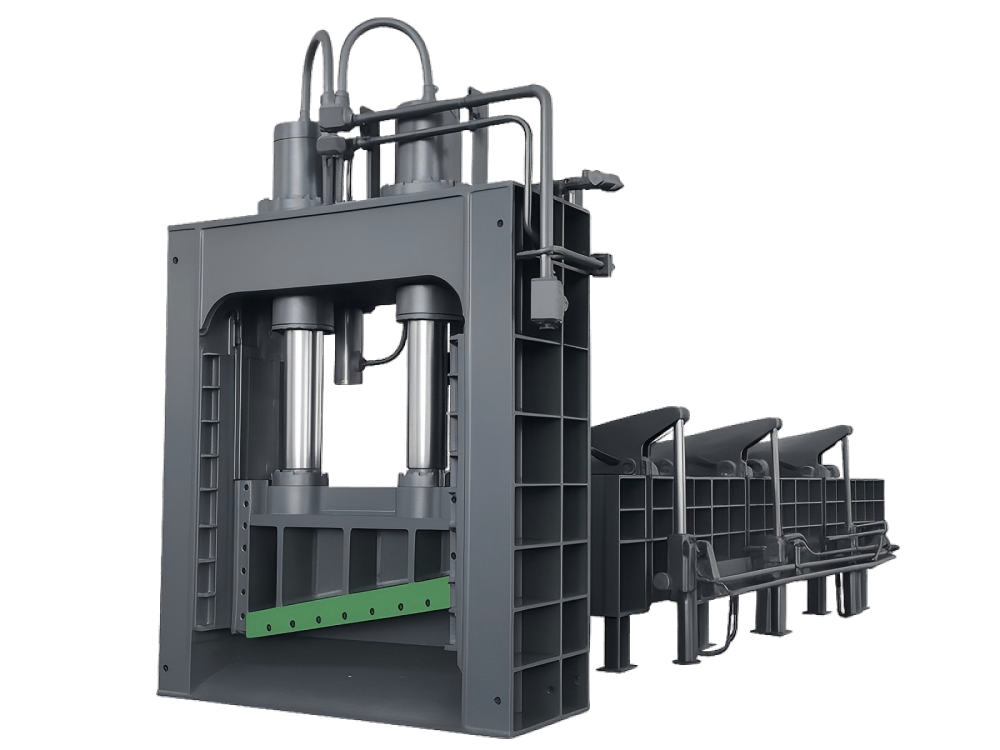
The workflow of How Scrap Metal Shears Handle Mixed Scrap In Industrial Operations is a synchronized sequence of mechanical and hydraulic actions. It begins with Loading, where a hydraulic grab or magnet crane deposits mixed scrap into the charging box. Because the scrap is mixed, the operator must ensure that no ‘un-shearable’ items (like massive solid shafts or sealed pressure vessels) enter the box.
Once loaded, the Compression Phase begins. The side-press or the ‘wing’ of the compression box moves inward, crushing the scrap into a long, rectangular log. This step is critical for mixed scrap because it flattens hollow sections (like pipes) and bundles loose wires or rebar together. The density of the log determines the quality of the final cut; a tighter log results in cleaner, more uniform pieces.
The third stage is Feeding and Shearing. A hydraulic pusher cylinder moves the compressed log forward toward the shear gate by a predetermined distance (the ‘cut length’). The hold-down cylinder then descends to lock the material in place, followed immediately by the shear blade. The blade descends with immense force, slicing through the entire cross-section of the log. The sheared pieces fall onto a discharge conveyor, while the pusher moves the log forward for the next cut. This cycle repeats until the entire log is processed, at which point the pusher retracts, and the box is ready for a new load.
Productivity Benefits of Using Advanced Shears
Implementing a high-quality scrap shear offers transformative productivity benefits. The most immediate is Volume Reduction. Mixed scrap is notoriously difficult to transport due to its low bulk density. By shearing it into uniform pieces, a facility can fit significantly more weight into a single truck or railcar, slashing logistics costs by up to 50%. This makes the operation more competitive in the global scrap market.
Another benefit is Increased Material Value. Steel mills pay a premium for ‘clean’ and ‘sized’ scrap. Sheared scrap is easier to melt, requires less energy in the furnace, and allows for more accurate chemical dosing. By using a shear to process mixed waste into specific grades (like HMS 1), a recycling yard can command higher prices per ton. Additionally, the automation of the shearing process reduces the need for manual torch cutting, which is slow, labor-intensive, and presents significant fire and health risks.
Finally, there is the benefit of Operational Versatility. A well-configured gantry shear can handle almost anything thrown at it. This flexibility means the industrial operator doesn’t need multiple specialized machines for different types of scrap. The ability to switch from processing light aluminum siding to heavy steel plates in the same afternoon ensures that the machine’s ROI (Return on Investment) is realized quickly through high utilization rates.
Case Example: HARSLE Gantry Shear in Action
Consider a large-scale recycling facility in Eastern Europe that recently upgraded to a HARSLE 800-ton Gantry Shear. Previously, they relied on manual sorting and smaller alligator shears, which created a bottleneck in their production line. Their mixed scrap pile consisted of 40% demolition waste, 30% industrial offcuts, and 30% miscellaneous light iron. The manual process could only handle 5 tons per hour, and the resulting product was inconsistent in size.
After installing the HARSLE Q91-800, the facility saw an immediate jump in productivity. The machine’s large 6-meter charging box allowed them to process entire structural beams without pre-cutting. With the automated PLC cycle, their throughput increased to 15-20 tons per hour. The 4-sided blades meant they only had to stop for blade maintenance once every three months, compared to every two weeks with their older equipment. The facility reported that the cost of transporting their processed scrap to the local steel mill dropped by 35% because they could now maximize the weight capacity of every outgoing shipment.
Frequently Asked Questions (FAQ)
1. What is the maximum thickness a scrap shear can handle?
The maximum thickness depends on the machine’s tonnage and the material’s tensile strength. For example, a 600-ton shear can typically cut through solid mild steel plate up to 60-70mm thick, or much larger dimensions of hollow sections and beams. Always consult the machine’s pressure-to-thickness chart provided by the manufacturer.
2. How often do the blades need to be changed?
Blade life depends on the material being cut. If processing clean industrial offcuts, blades can last hundreds of hours. However, mixed scrap containing sand, concrete, or hardened alloys will wear blades faster. Using 4-sided rotatable blades allows you to extend the time between full replacements by simply rotating the blade to a new edge.
3. Can scrap shears handle non-ferrous metals like aluminum and copper?
Yes, scrap shears are excellent for non-ferrous metals. In fact, they are often used to process large aluminum extrusions or copper busbars. The hydraulic pressure can be adjusted to prevent excessive deformation of softer metals if necessary.
4. Is it better to use a Gantry Shear or a Container Shear?
Gantry shears are better for high-volume, heavy-duty applications where the scrap is oversized and diverse. Container shears are more compact and sometimes mobile, making them suitable for smaller yards or sites where the machine needs to be moved frequently. For most industrial mixed scrap operations, the Gantry shear is the preferred choice for its power and durability.
Conclusion and Call to Action
Understanding How Scrap Metal Shears Handle Mixed Scrap In Industrial Operations is the first step toward building a more profitable and efficient recycling business. By investing in the right hydraulic configuration, robust blade materials, and automated workflows, industrial operators can turn the challenge of mixed scrap into a streamlined revenue stream. HARSLE is a leader in providing high-performance metal fabrication and recycling machinery, offering a range of gantry shears designed to withstand the rigors of heavy industrial use.
Are you ready to upgrade your scrap processing capabilities? Contact HARSLE today to discuss your specific material requirements and find the perfect shear configuration for your operation. Our team of experts is ready to help you optimize your workflow and maximize your ROI with our industry-leading hydraulic solutions.