Maximizing Efficiency: Scrap Metal Shear Benefits In Metal Resale Processing Centers

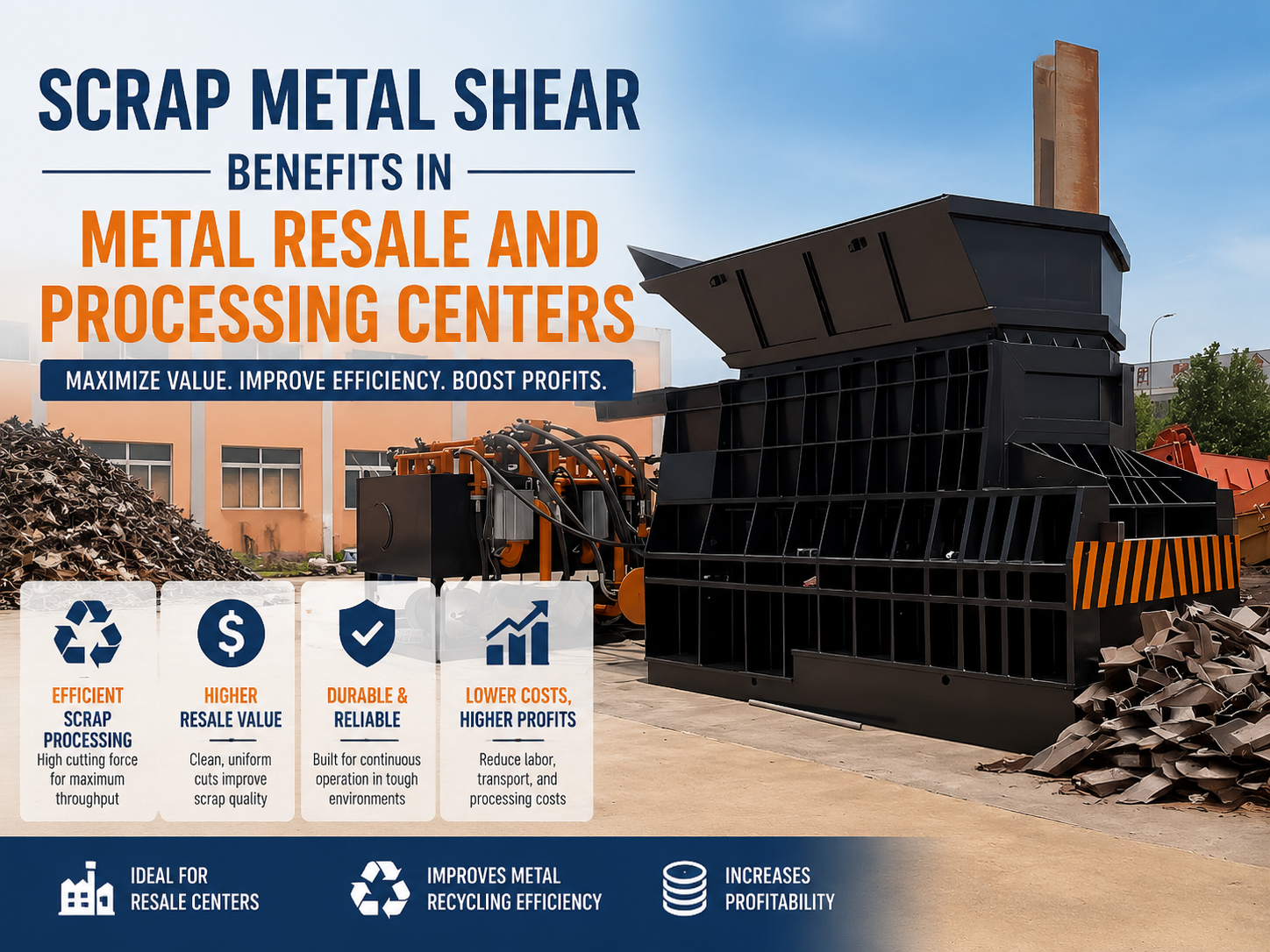
Introduction to Modern Scrap Metal Processing
In the rapidly evolving landscape of the global circular economy, the role of metal resale and processing centers has never been more critical. As the demand for recycled steel, aluminum, and copper continues to surge, the efficiency of processing equipment becomes the primary differentiator between a profitable operation and one burdened by overhead. Central to this efficiency is the industrial scrap metal shear. Understanding the Scrap Metal Shear Benefits In Metal Resale Processing Centers is essential for any facility manager or business owner looking to scale their operations and improve their bottom line.
HARSLE, a leader in metal fabrication machinery, provides high-performance shearing solutions designed to meet the rigorous demands of modern recycling. These machines are not merely tools for cutting metal; they are sophisticated systems that transform bulky, low-value scrap into high-density, furnace-ready material. This article explores the multifaceted advantages of integrating advanced shearing technology into your processing workflow, covering everything from application scenarios to technical configurations and productivity gains.
Application Scenarios for Scrap Metal Shears
Scrap metal shears are utilized in a diverse range of industrial environments, each with unique requirements for material handling and processing speed. In metal resale centers, the primary goal is to prepare scrap for secondary smelting. This requires reducing the size of oversized structural steel, pipes, and automotive frames into manageable pieces that meet the strict specifications of foundries and steel mills.
Demolition sites represent another major application scenario. When large structures are dismantled, the resulting steel beams and rebar are often too large for transport. Mobile or stationary shears at the site allow for immediate processing, significantly reducing logistics costs. By cutting the material on-site, processing centers can maximize the weight-to-volume ratio of every truckload, ensuring that transportation resources are used to their fullest potential.
Manufacturing facilities also benefit from on-site shearing. Large-scale fabrication plants often generate significant amounts of off-cuts and skeletal remains from CNC laser or plasma cutting. Instead of selling this as loose, bulky scrap, a dedicated shear allows the facility to process the waste into dense scrap, which commands a higher market price. This internal processing capability turns a waste stream into a significant revenue source.
Finally, specialized recycling centers focusing on non-ferrous metals like aluminum and copper use smaller, high-speed shears. These machines are designed for precision and speed, allowing for the quick separation of different metal grades. By ensuring that materials are clean and properly sized, these centers can achieve the highest possible purity levels, which is critical for the resale value of non-ferrous commodities.
Material and Process Requirements
The effectiveness of a scrap metal shear is determined by its ability to handle a wide variety of materials while maintaining consistent output quality. Processing centers typically deal with a mix of light and heavy scrap. Light scrap includes household appliances, thin-walled tubing, and sheet metal, while heavy scrap consists of I-beams, heavy-duty piping, and thick plate steel. A versatile shear must be capable of exerting enough force to cut through the toughest materials without stalling or sustaining damage.
Process requirements often dictate the need for specific blade lengths and opening widths. For instance, processing long pipes requires a shear with a wide throat to accommodate the diameter, while structural beams require a high tonnage to shear through the thick flanges. The hydraulic system must be robust enough to provide continuous pressure, and the cooling system must be efficient enough to allow for multi-shift operations without overheating.
Furthermore, the “furnace-ready” standard is a key process requirement. Steel mills generally require scrap to be cut into lengths of 2 feet or 3 feet (approximately 600mm to 900mm). Consistency is vital; if the pieces are too long, they may cause bridging in the furnace, leading to operational delays. Advanced shears from HARSLE feature programmable logic controllers (PLCs) that allow operators to set precise cutting lengths, ensuring that every batch meets the buyer’s exact specifications.
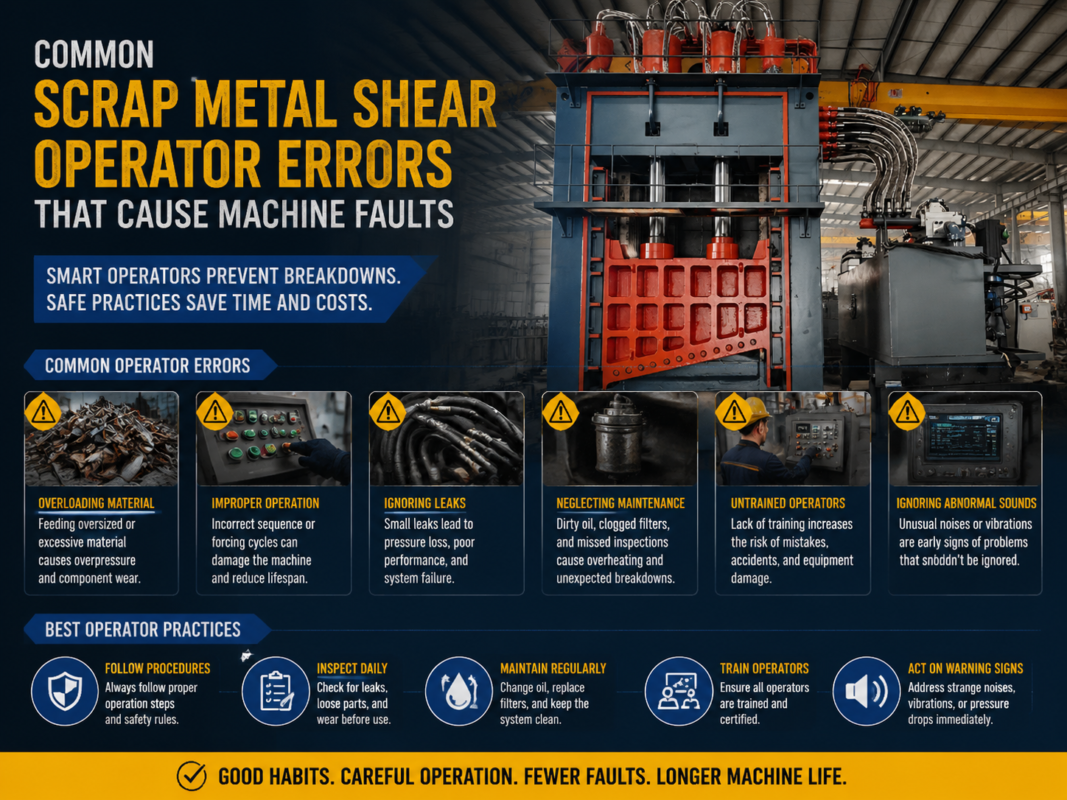
Safety and environmental regulations also impose strict requirements on the shearing process. Modern machines must include safety interlocks, emergency stop buttons, and protective shielding to prevent accidents. Additionally, the hydraulic systems must be designed to prevent leaks, protecting the ground from oil contamination—a critical factor for ISO 14001 certified processing centers.
Recommended Machine Configuration
Choosing the right configuration is paramount to realizing the full Scrap Metal Shear Benefits In Metal Resale Processing Centers. HARSLE offers several categories of shears, each optimized for different scales of operation. The most common configurations include Gantry Shears, Crocodile Shears, and Container Shears.
Gantry Shears (Q91 Series)
For high-volume processing centers, the Gantry Shear is the gold standard. These machines feature a large hopper where scrap is loaded by a crane or grapple. A hydraulic pusher then moves the material into the shearing zone, where a vertical blade descends with immense force. HARSLE’s Q91 series can provide shearing forces ranging from 400 to 2000 tons, making them capable of handling the heaviest industrial scrap.
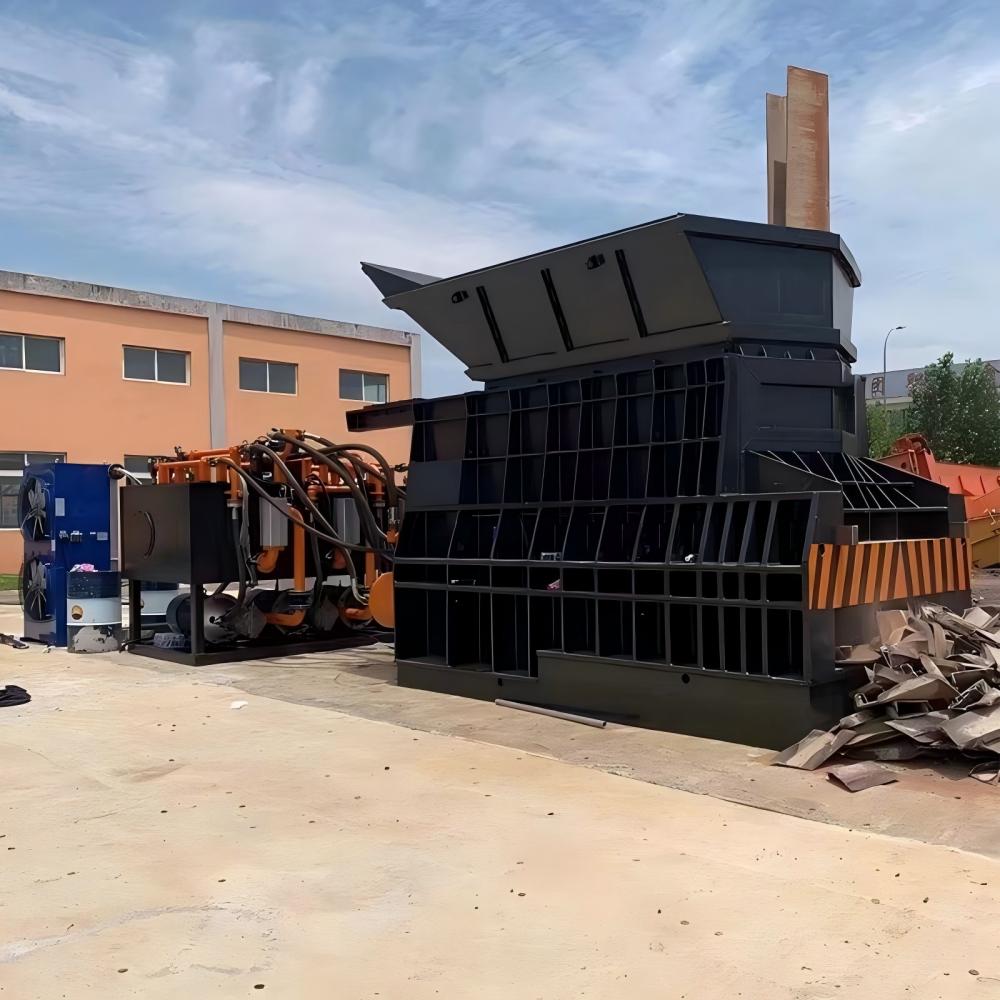
Crocodile Shears (Q43 Series)
Crocodile or Alligator shears are ideal for smaller yards or for secondary processing tasks. These machines are characterized by a hinged upper blade that moves in a scissor-like motion. They are perfect for cutting rebar, small pipes, and cleaning non-ferrous scrap. Their compact footprint and ease of use make them a versatile addition to any metal resale center.
Container Shears
Container shears are a relatively modern innovation designed for mobility and ease of installation. These units are built within a reinforced container frame, allowing them to be easily transported between sites. They combine the power of a gantry shear with the flexibility of a mobile unit, making them excellent for demolition contractors and regional processing hubs.
| Feature | Gantry Shear | Crocodile Shear | Container Shear |
|---|---|---|---|
| Shearing Force | 400 – 2000 Tons | 63 – 500 Tons | 400 – 800 Tons |
| Best For | Heavy Industrial Scrap | Small Profiles / Rebar | Mobile Demolition / Mid-size Yards |
| Automation Level | High (PLC Controlled) | Manual / Semi-Auto | High (Integrated) |
| Footprint | Large | Small | Medium (Portable) |
Workflow in a Metal Resale Processing Center
The workflow of a scrap metal shear is a synchronized process designed to maximize throughput while minimizing manual labor. It typically begins with the Collection and Sorting phase. Scrap is brought into the facility and sorted by material type (ferrous vs. non-ferrous) and thickness. This sorting ensures that the shear is operating at its optimal capacity for the specific material being processed.
The next step is Loading. In a gantry shear setup, a grapple loader fills the large feeding box. Once the box is full, the Pre-compression phase begins. Hydraulic side-presses or a lid compress the scrap into a dense “log.” This compression is vital because it stabilizes the material, preventing it from shifting during the cut and ensuring a cleaner shear.
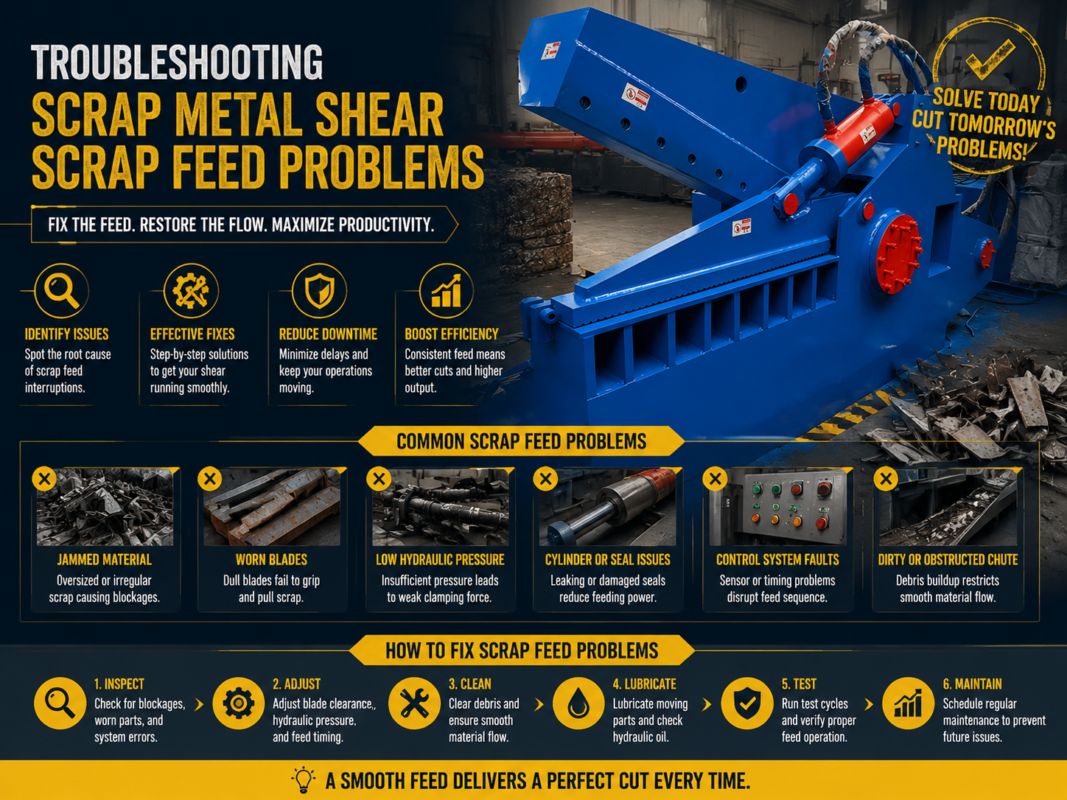
Once compressed, the Feeding and Shearing cycle starts. The hydraulic pusher advances the scrap log toward the blades by a pre-set distance. The shear head descends, cutting the material. This cycle repeats automatically until the entire log has been processed. The cut pieces then fall onto a Discharge Conveyor, which transports the finished product to a stockpile or directly into a waiting trailer.
Finally, the Quality Control and Loading phase involves a quick inspection of the sheared material to ensure it meets size requirements. Magnetic separators are often used at the end of the conveyor to remove any remaining non-ferrous contaminants from a ferrous stream, further increasing the value of the final product. The processed scrap is then loaded for transport to the end-user.
Productivity Benefits and ROI
The primary driver for investing in high-quality shearing machinery is the significant boost in productivity. One of the most immediate Scrap Metal Shear Benefits In Metal Resale Processing Centers is the reduction in transportation costs. Loose scrap is incredibly inefficient to move; a truck might reach its volume limit long before it reaches its weight limit. By shearing and densifying the scrap, centers can fit significantly more weight into each load, often reducing shipping costs by 30% to 50%.
Labor efficiency is another major factor. Traditional methods of cutting scrap, such as using oxy-fuel torches, are slow, dangerous, and require highly skilled labor. A single gantry shear operator can process more material in an hour than a team of ten torch cutters can in a day. This not only reduces payroll expenses but also eliminates the high cost of industrial gases and the safety risks associated with open flames and fumes.
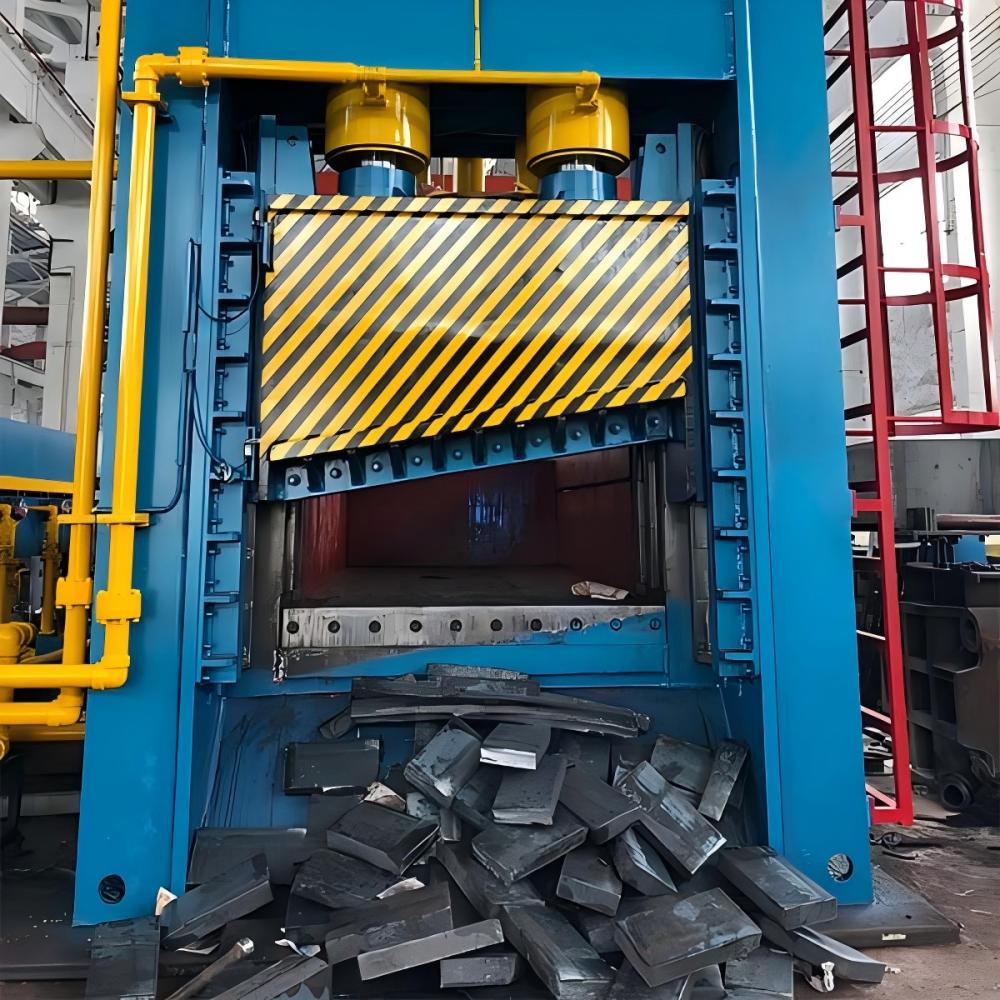
Furthermore, sheared scrap commands a premium price. Steel mills prefer sheared scrap over torch-cut scrap because it is cleaner and more uniform. Torch cutting can introduce slag and oxidation, which are undesirable in the melting process. By providing a superior product, processing centers can negotiate better contracts and secure more reliable buyers. The Return on Investment (ROI) for a HARSLE shear is typically realized within 12 to 24 months, depending on the volume of material processed.
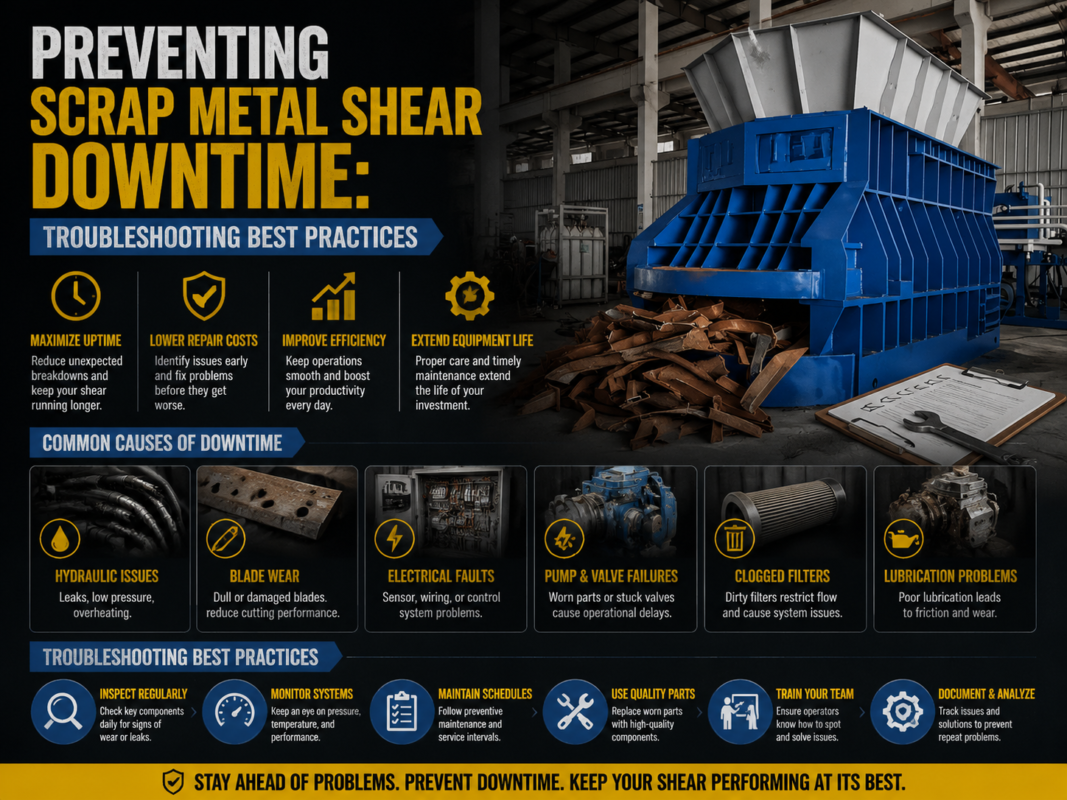
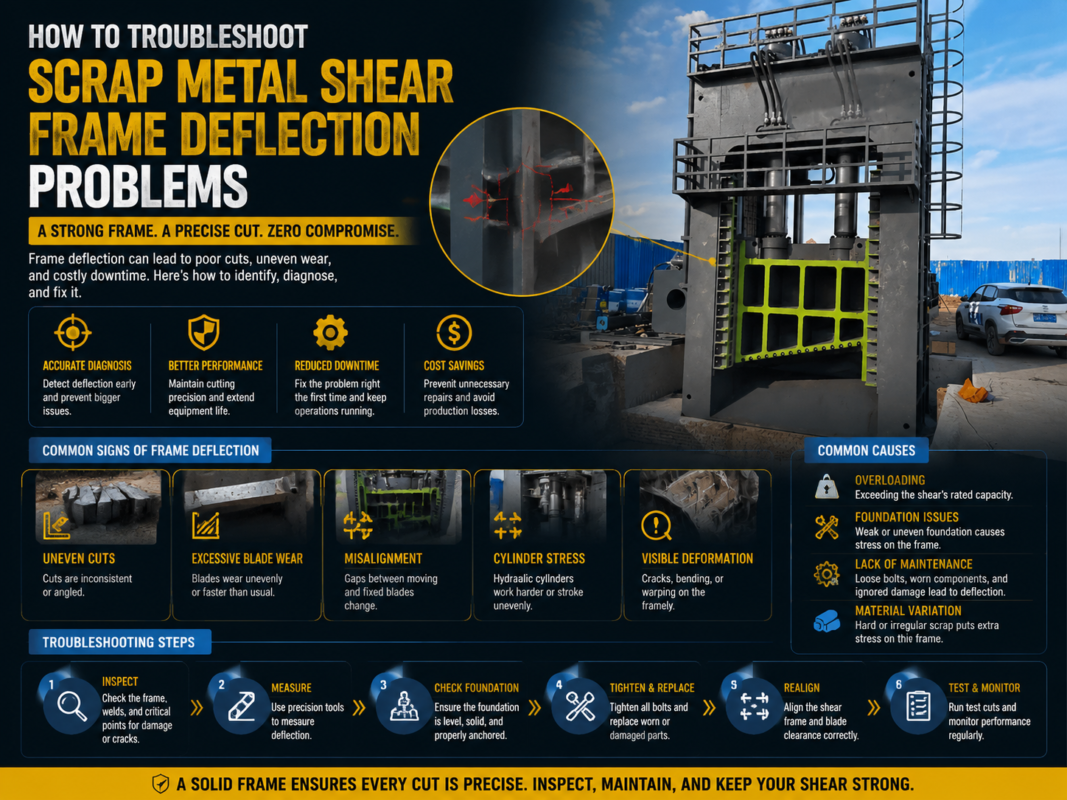
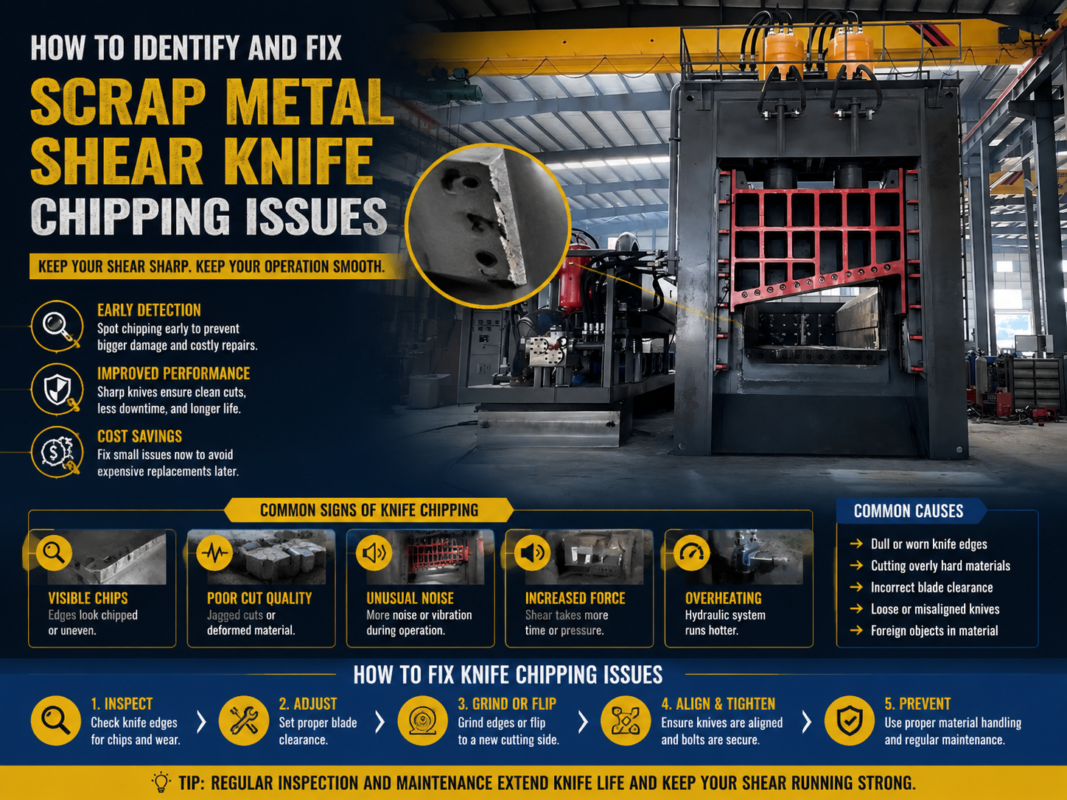
Maintenance and longevity also contribute to productivity. HARSLE machines are engineered with wear-resistant plates and high-grade tool steel blades. This durability ensures that the machine remains operational for longer periods between maintenance intervals. When maintenance is required, the modular design of the hydraulic and electrical systems allows for quick troubleshooting and repair, minimizing downtime.
Case Example: Efficiency Gains in a Regional Scrap Hub
Consider a regional scrap processing center in Southeast Asia that previously relied on manual sorting and torch cutting. The facility processed approximately 500 tons of mixed scrap per month. However, they struggled with high labor costs and a backlog of oversized material that they couldn’t process quickly enough to meet market demand.
After consulting with HARSLE, the facility installed a 600-ton Q91 series Gantry Shear. The results were transformative. Within the first three months, their processing capacity tripled to 1,500 tons per month. The labor force previously dedicated to torch cutting was reassigned to more productive sorting and logistics roles, improving overall site safety.
The center also reported a 40% reduction in logistics costs. Because the scrap was now cut to uniform 2-foot lengths, they could maximize the weight of their export containers. Additionally, the higher quality of the sheared scrap allowed them to secure a contract with a major domestic steel mill at a price $20 per ton higher than what they were receiving for their unprocessed scrap. The combination of increased volume, lower costs, and higher resale prices resulted in the machine paying for itself in just under 14 months.
Frequently Asked Questions (FAQ)
1. How often do the shear blades need to be sharpened or replaced?
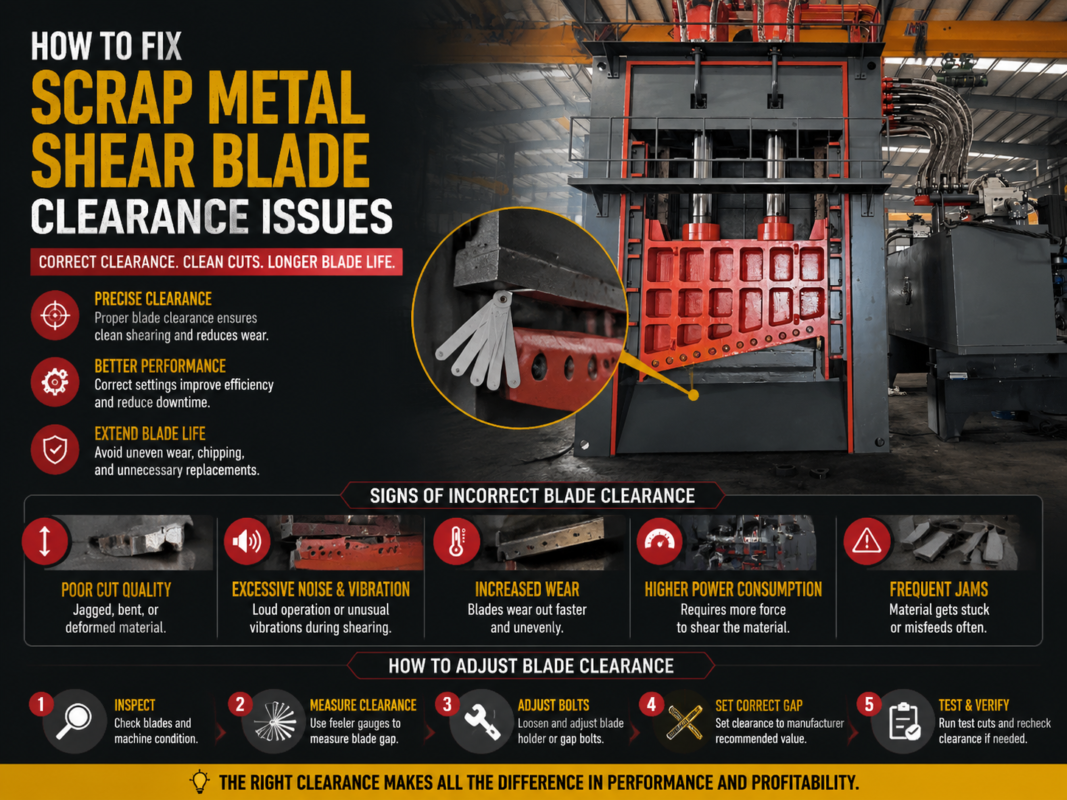
Blade life depends heavily on the type of material being processed. For standard structural steel, blades can typically process 1,000 to 2,000 tons before needing to be rotated or sharpened. HARSLE blades are designed with multiple cutting edges, allowing them to be flipped several times before a full replacement is necessary.
2. Can a scrap metal shear handle non-ferrous metals like aluminum?
Yes, scrap shears are excellent for non-ferrous metals. In fact, because aluminum and copper are softer than steel, the shear can often operate at higher speeds, and the blades will last significantly longer. Shearing is the preferred method for processing aluminum extrusions and copper busbars.
3. What kind of maintenance is required for the hydraulic system?
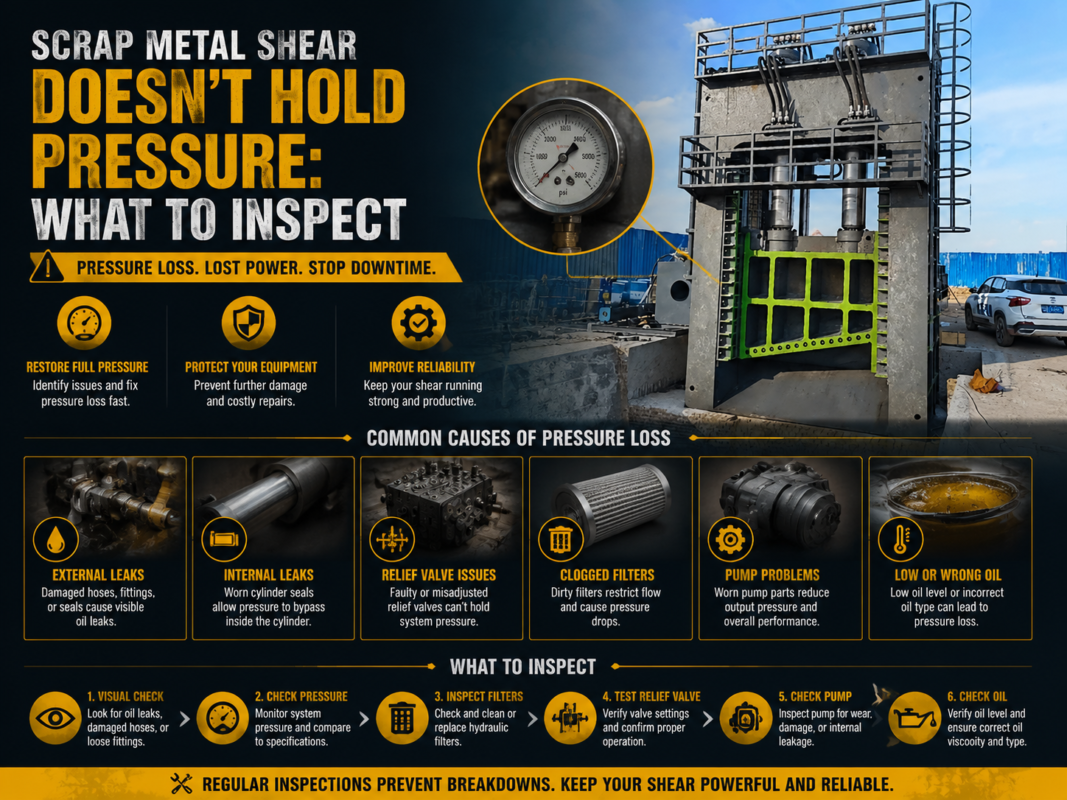
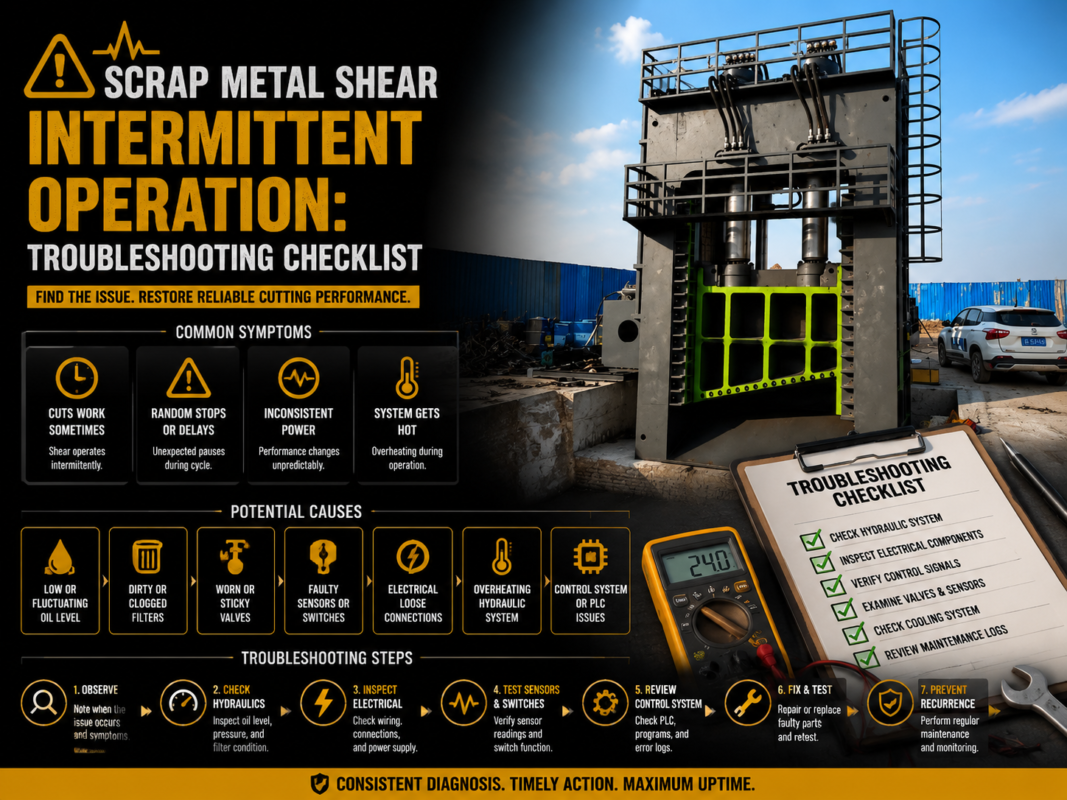
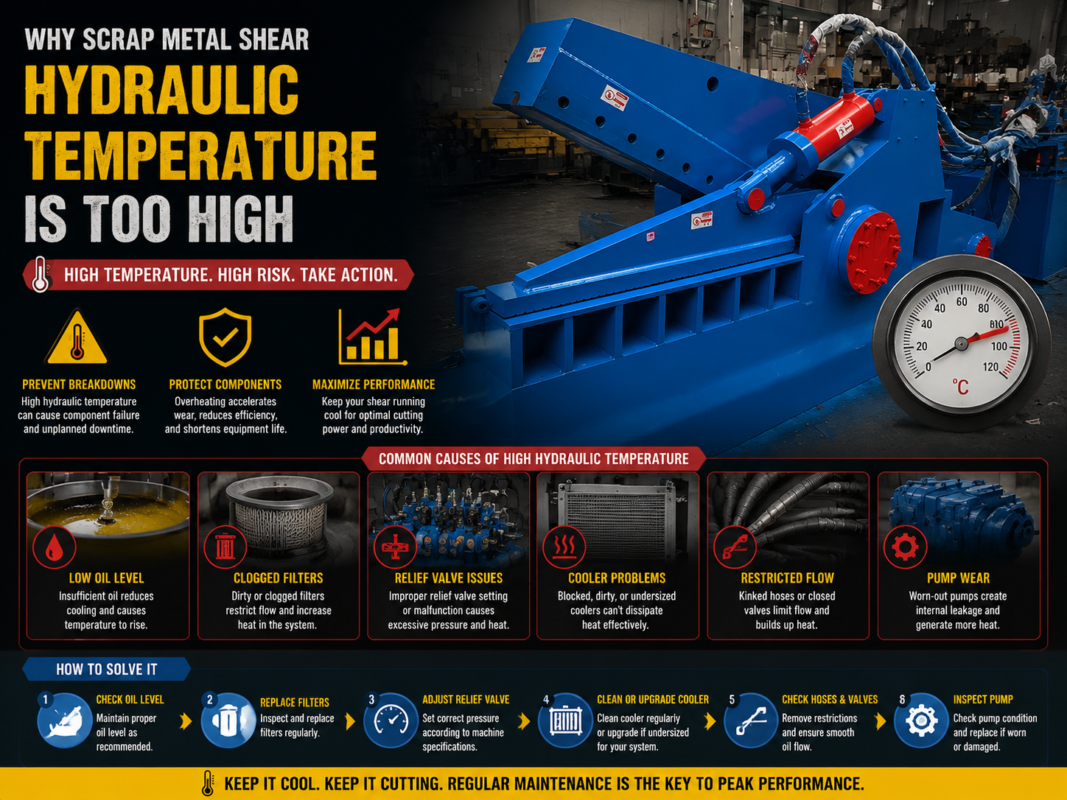
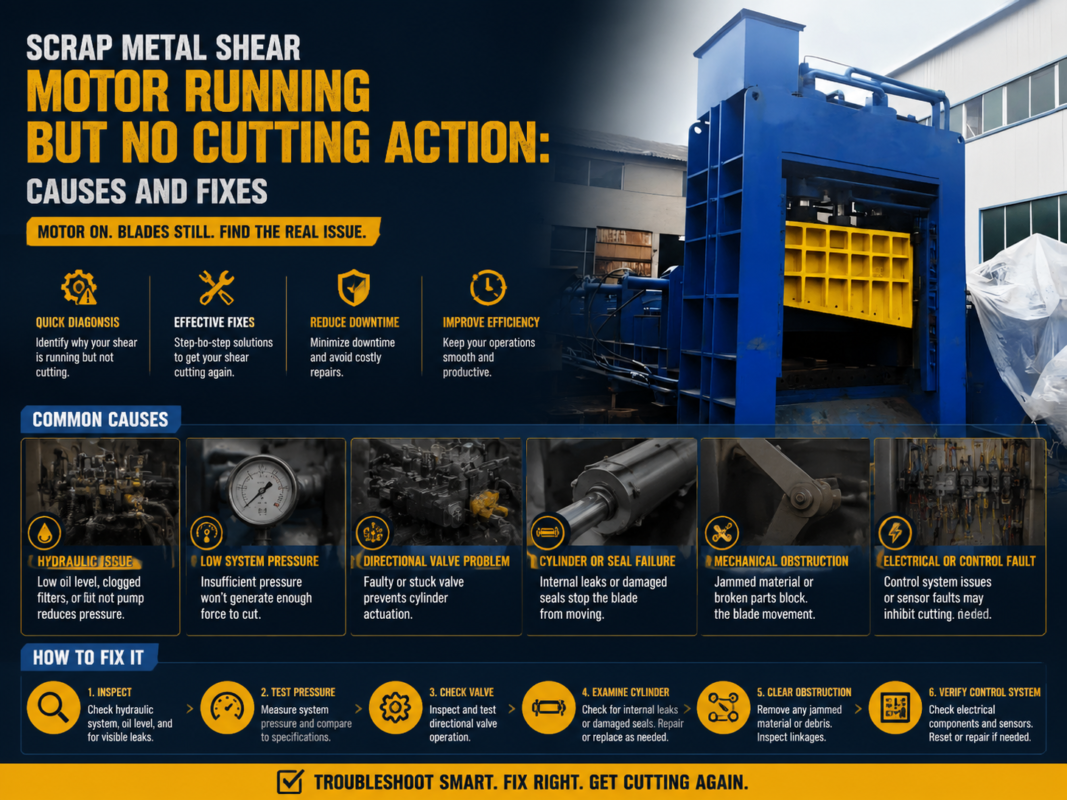
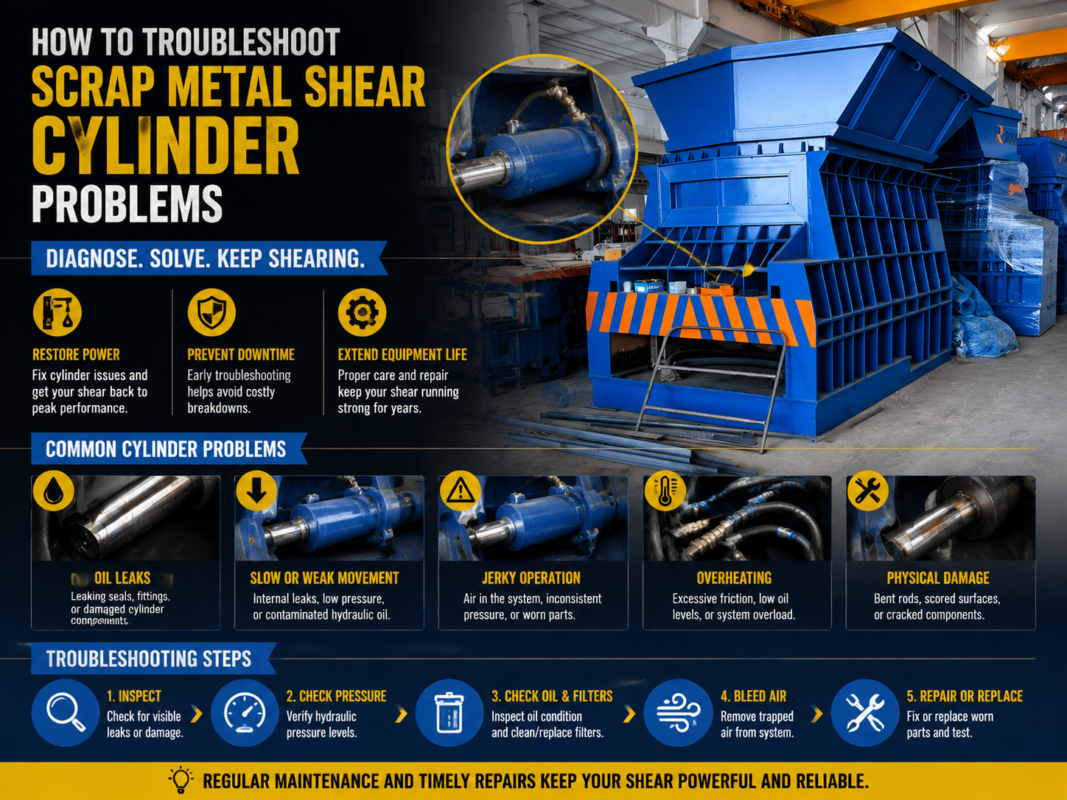
Regular maintenance involves checking oil levels, replacing hydraulic filters, and monitoring the temperature of the oil. It is also important to inspect hydraulic hoses for signs of wear or leaks. HARSLE machines include integrated diagnostic systems that alert operators to potential issues before they cause a breakdown.
4. Is it better to choose a stationary or a mobile shear?
This depends on your business model. If you have a centralized yard where all scrap is brought, a stationary gantry shear offers the highest power and throughput. If you frequently work on demolition sites or have multiple smaller yards, a mobile container shear provides the flexibility to move the machine to where the scrap is located.
5. What safety features are included in HARSLE shears?
HARSLE prioritizes operator safety. Our shears include emergency stop circuits, hydraulic pressure relief valves to prevent overloading, safety cages around moving parts, and infrared sensors that can halt the machine if an object enters the danger zone during operation.
Conclusion: Investing in the Future of Metal Recycling
The Scrap Metal Shear Benefits In Metal Resale Processing Centers are clear: higher efficiency, lower operational costs, and a superior end-product. As the recycling industry becomes more competitive, the ability to process large volumes of scrap quickly and safely is the key to long-term success. By choosing HARSLE’s advanced shearing solutions, processing centers can ensure they are equipped to handle the challenges of today’s market while maximizing their profitability.
Whether you are looking to upgrade an existing facility or start a new processing venture, HARSLE provides the expertise and machinery needed to achieve your goals. Our commitment to quality, innovation, and customer support makes us the ideal partner for your metal fabrication and recycling needs.
Ready to optimize your scrap processing? Contact HARSLE today to speak with our technical experts and find the perfect shearing solution for your operation. Visit our website to view our full range of products and see our machines in action.