How Scrap Metal Shears Improve Industrial Metal Processing: A Comprehensive Guide

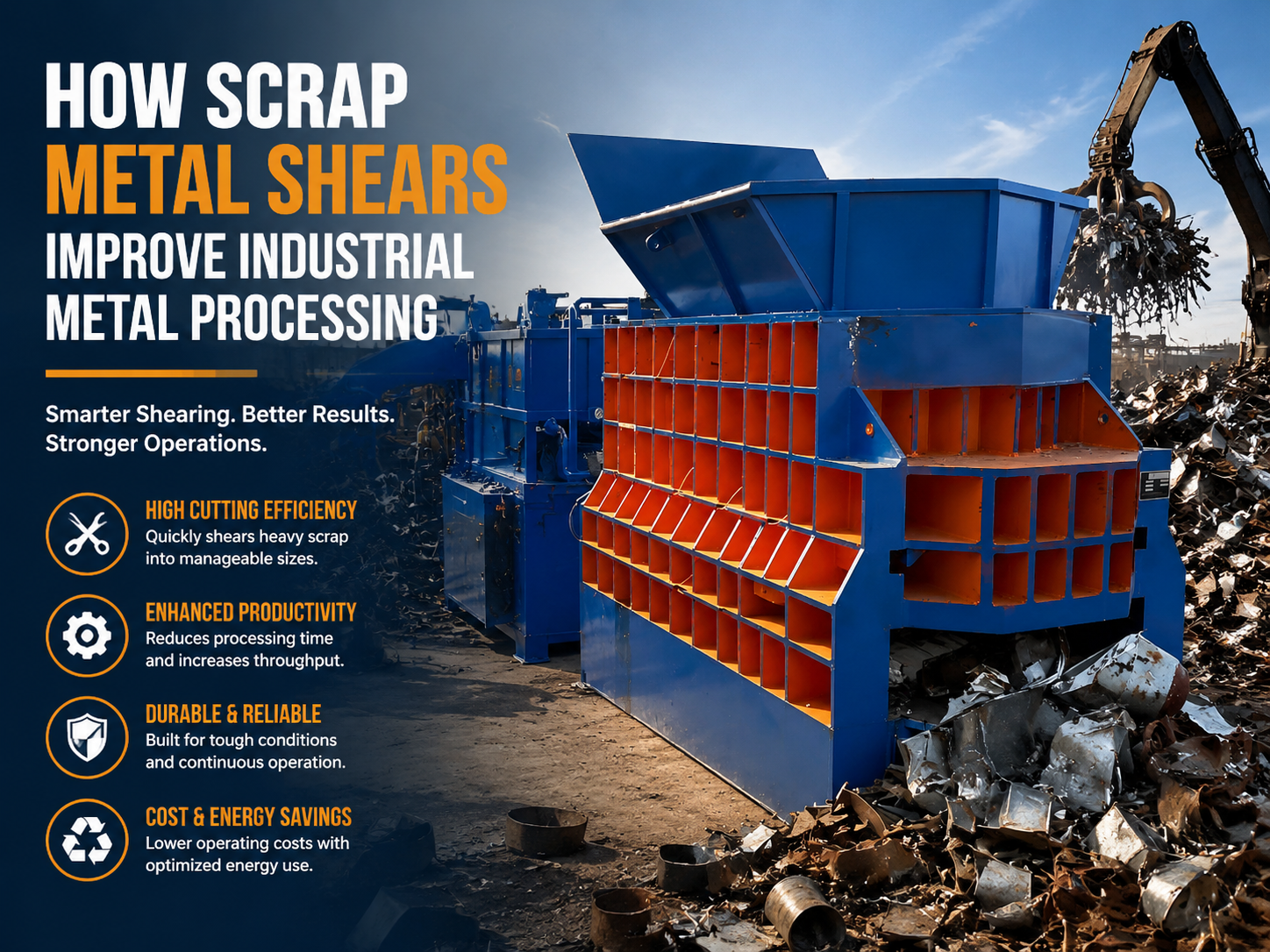
Introduction to Industrial Metal Processing Efficiency
In the modern industrial landscape, the management of waste materials is no longer just an environmental concern; it is a critical component of economic efficiency. As global demand for steel, aluminum, and copper continues to rise, the ability to process scrap metal quickly and effectively has become a competitive advantage. This is where the role of specialized machinery becomes paramount. Specifically, understanding how scrap metal shears improve industrial metal processing is essential for any facility looking to optimize its recycling workflow and maximize the value of its waste streams.
Scrap metal shears are heavy-duty hydraulic machines designed to cut large, bulky metal pieces into smaller, more manageable sizes. By reducing the volume of scrap and preparing it for further processing or smelting, these machines serve as the backbone of the metal recycling industry. From small-scale scrap yards to massive industrial demolition sites, the implementation of high-quality shearing technology transforms raw waste into a valuable commodity. This article explores the multifaceted ways these machines enhance productivity, safety, and profitability in metal fabrication and recycling.
Application Scenarios for Scrap Metal Shears
The versatility of scrap metal shears allows them to be deployed across a wide range of industrial environments. One of the most common scenarios is in metal recycling centers. These facilities receive a chaotic mix of materials, from old appliances and automotive parts to structural steel beams. Without efficient shearing, these materials would occupy massive amounts of space and remain difficult to transport. Shears allow operators to quickly downsize these items, ensuring they meet the ‘furnace-ready’ specifications required by steel mills and foundries.
Another critical application is in demolition and construction sites. When large steel structures, bridges, or industrial plants are dismantled, the resulting scrap is often too large for standard transport vehicles. Mobile or stationary shears are used on-site to cut I-beams, pipes, and rebar into uniform lengths. This not only facilitates easier removal but also increases the immediate resale value of the scrap material. By processing the metal on-site, companies can significantly reduce logistics costs and improve site safety by eliminating the need for dangerous manual torch cutting.
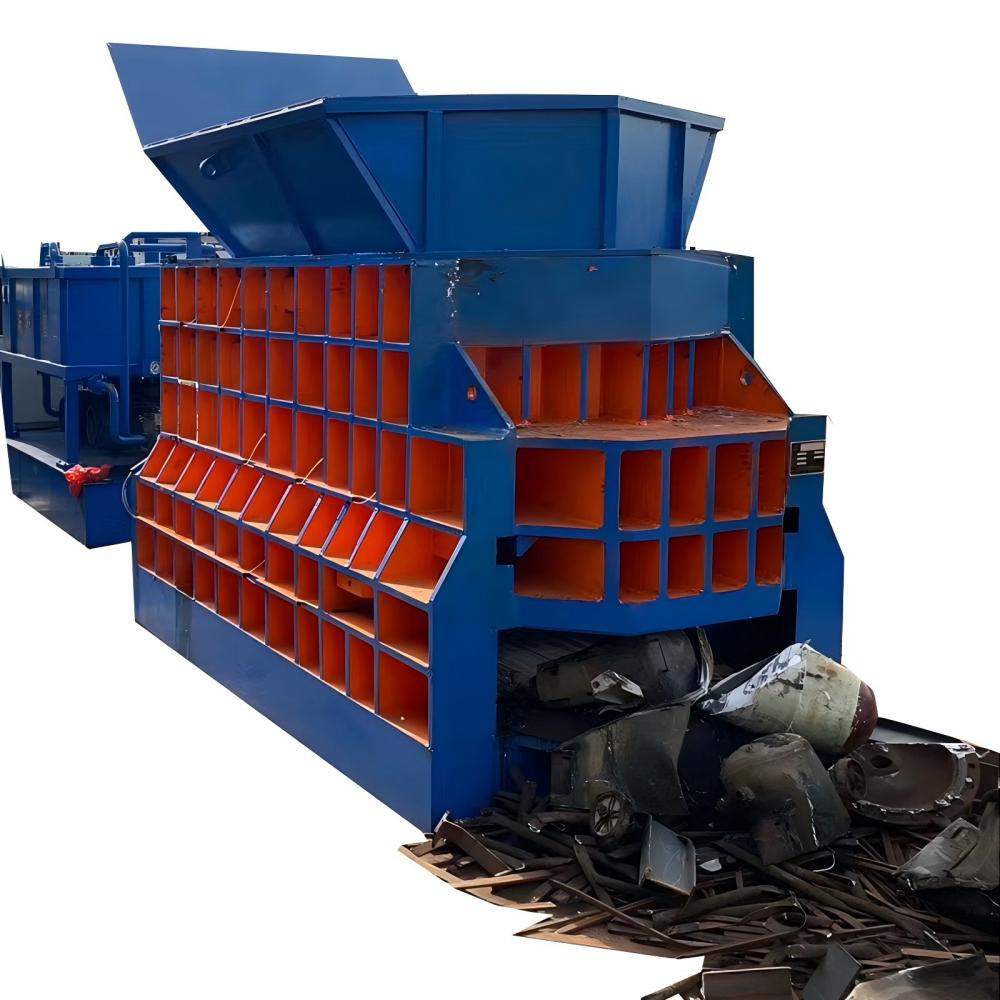
In the automotive dismantling industry, scrap metal shears are used to process vehicle frames and engine components. While balers are often used for thin sheet metal, shears are necessary for the thicker structural components that a baler cannot handle effectively. Furthermore, in shipbreaking yards, where massive vessels are decommissioned, heavy-duty gantry shears are the only viable solution for cutting through thick hull plates and internal structural members. In every scenario, the goal remains the same: to convert oversized waste into a standardized, high-density product.
Material and Process Requirements
To understand how scrap metal shears improve industrial metal processing, one must look at the specific material requirements they address. Not all scrap is created equal; different metals require different shearing forces and blade configurations. Ferrous metals, such as carbon steel and cast iron, are typically harder and require higher hydraulic pressure. Non-ferrous metals like aluminum, copper, and brass are softer but often come in complex shapes that require precise cutting to avoid material loss.
The process requirements often dictate the type of shear used. For instance, purity and sorting are vital. Modern shearing processes often involve a pre-sorting phase where different alloys are separated. The shear must be able to handle the specific thickness of the material without dulling the blades prematurely. For heavy industrial scrap, such as HMS 1 and HMS 2 (Heavy Melting Scrap), the shear must exert hundreds of tons of force to ensure a clean cut. Clean cuts are important because they prevent the metal from folding or jamming, which can lead to machine downtime.
- Material Thickness: Shears must be rated for the maximum thickness of the steel plates or profiles being processed.
- Volume Throughput: High-volume operations require continuous-feed systems, such as container shears, while lower volumes may suit alligator shears.
- Blade Hardness: Blades must be made of high-strength alloy steel (like H13 or 6CrW2Si) to withstand the abrasive nature of scrap metal.
- Precision: While scrap shearing isn’t as precise as CNC laser cutting, maintaining consistent lengths is crucial for furnace charging.
Recommended Machine Configuration
Choosing the right machine configuration is the most important step in improving processing efficiency. HARSLE offers several types of shears, each tailored to specific industrial needs. The Alligator Shear is the most common entry-level machine. It features a hinged jaw that opens and closes like a crocodile’s mouth. These are ideal for cutting long pipes, profiles, and smaller scrap pieces. They are manually fed, making them suitable for smaller yards or as a secondary machine in larger facilities.
.jpg)
For high-capacity industrial processing, the Container Shear or Gantry Shear is recommended. Container shears are integrated units where the scrap is loaded into a large hopper, compressed, and then pushed through a shearing head. This configuration allows for continuous operation and can handle massive amounts of material with minimal labor. Gantry shears, on the other hand, are stationary giants used for the heaviest scrap, utilizing a vertical downward stroke to slice through thick steel beams and plates.
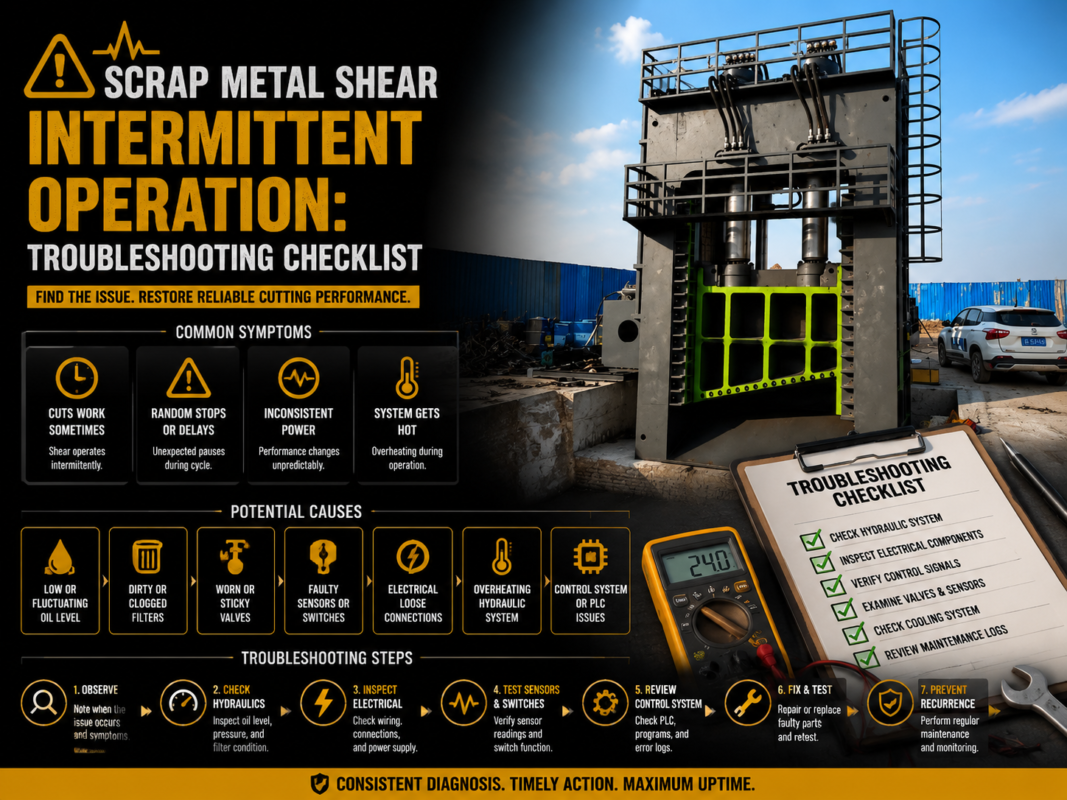
When configuring a machine, operators should look for features such as automatic lubrication systems, which extend the life of moving parts, and PLC control systems that allow for automated cycles. Hydraulic cooling systems are also essential for machines operating in multi-shift environments to prevent overheating. By matching the machine’s tonnage and blade length to the specific scrap profile of the facility, businesses can ensure they are not over-investing in power they don’t need or under-performing with a machine that is too weak.
The Workflow of Scrap Metal Shearing
The workflow of an efficient metal processing operation begins long before the shear blade touches the metal. It starts with collection and inspection. Scrap is gathered and inspected for hazardous materials, such as sealed tanks or explosive residues, which must be removed for safety. Once cleared, the material is sorted by type (e.g., stainless steel vs. carbon steel) to ensure maximum value recovery.
The next stage is loading. In a container shear setup, a crane with a grapple or magnet loads the scrap into the charging box. The machine then uses a lid or a side-press to compress the scrap into a dense log. This compression is a vital part of how scrap metal shears improve industrial metal processing; it ensures that the material is held firmly in place, leading to a cleaner cut and preventing the blades from twisting. The pusher then advances the scrap log toward the shear head at pre-set intervals.
After the shearing stroke, the cut pieces fall onto a discharge conveyor. This processed scrap is now uniform in size, making it much easier to load into containers or trucks. The final step is transportation to the end-user, typically a steel mill. Because the scrap is now high-density and uniform, the cost of shipping per ton is significantly reduced compared to transporting loose, bulky scrap. This streamlined workflow reduces manual handling and minimizes the time the material spends sitting in the yard.
Productivity and Economic Benefits
The primary way scrap metal shears improve industrial metal processing is through volume reduction. Loose scrap is incredibly inefficient to store and move. By shearing it into small, dense pieces, a facility can store three to four times more material in the same footprint. This allows for better inventory management and the ability to wait for favorable market prices before selling. Furthermore, transportation costs are slashed because trucks can be loaded to their maximum weight capacity rather than being limited by the volume of the scrap.
From a labor perspective, automated shears drastically reduce the need for manual cutting. Manual torching is slow, requires expensive gases, and poses significant health and safety risks to workers, including burns and inhalation of toxic fumes. A single operator running a container shear can process more material in an hour than a team of five can do with torches in a day. This shift from manual to mechanical processing not only lowers payroll costs but also significantly reduces insurance premiums and workplace accidents.
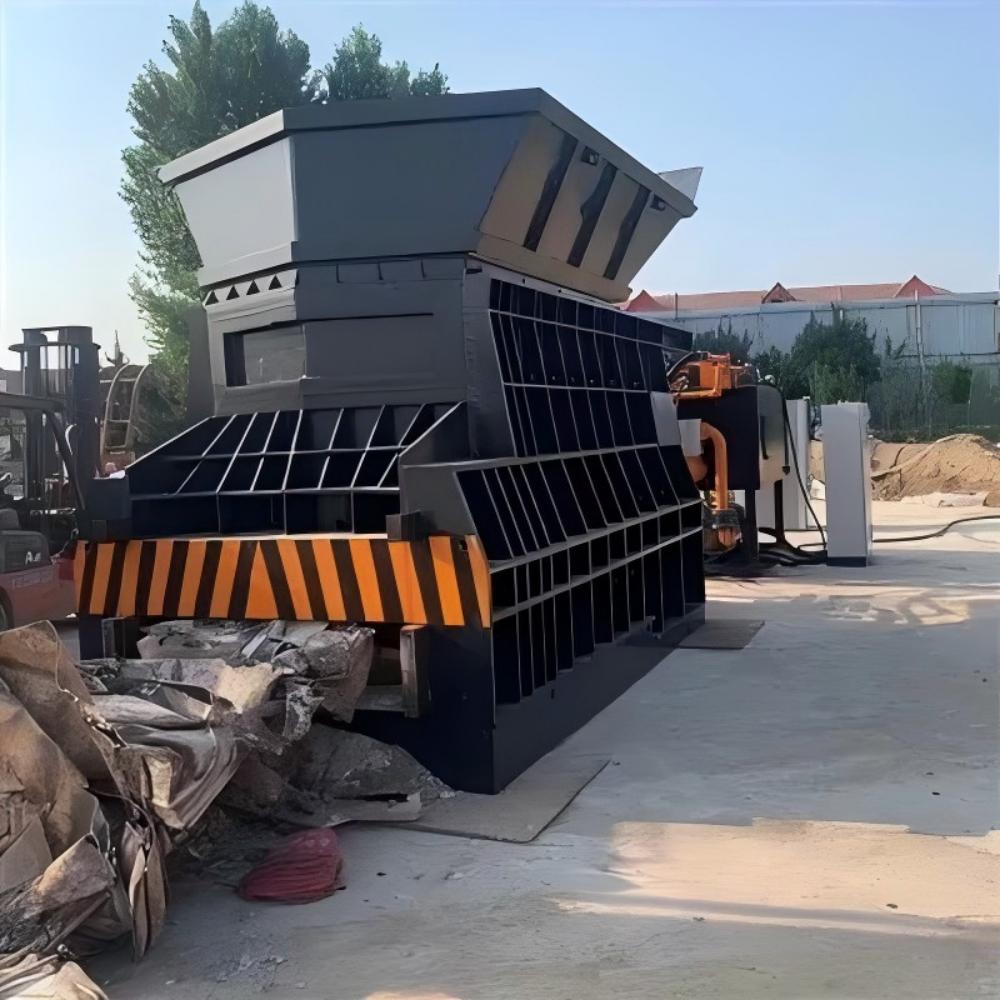
Additionally, furnace-ready scrap commands a higher market price. Steel mills prefer sheared scrap because it melts more efficiently and is easier to handle with magnets and charging buckets. By investing in a shear, a recycling business moves up the value chain from a simple collector to a high-quality material processor. The return on investment (ROI) for a high-quality HARSLE shear is often realized within the first 12-18 months through a combination of labor savings, reduced transport costs, and higher scrap margins.
Case Example: Upgrading a Regional Recycling Facility
Consider a regional recycling facility that previously relied on manual labor and small alligator shears to process 500 tons of scrap per month. Their biggest challenges were the high cost of oxygen-acetylene for torching and the inability to accept large structural steel from local demolition projects. They were essentially losing out on high-margin contracts because they lacked the equipment to process heavy material.
After consulting with HARSLE, the facility installed a 600-ton Container Shear. The results were immediate. Their processing capacity tripled to 1,500 tons per month without adding any additional staff. They were able to bid on large-scale demolition projects, knowing they could process the heavy I-beams on-site or back at their yard. The facility also reported a 40% reduction in transportation costs because they were now shipping dense, sheared scrap instead of loose material. Within two years, the increased throughput and higher margins allowed them to expand their operations to a second location, proving that the right machinery is the catalyst for business growth.
Frequently Asked Questions (FAQ)
1. How often do the blades on a scrap metal shear need to be changed?
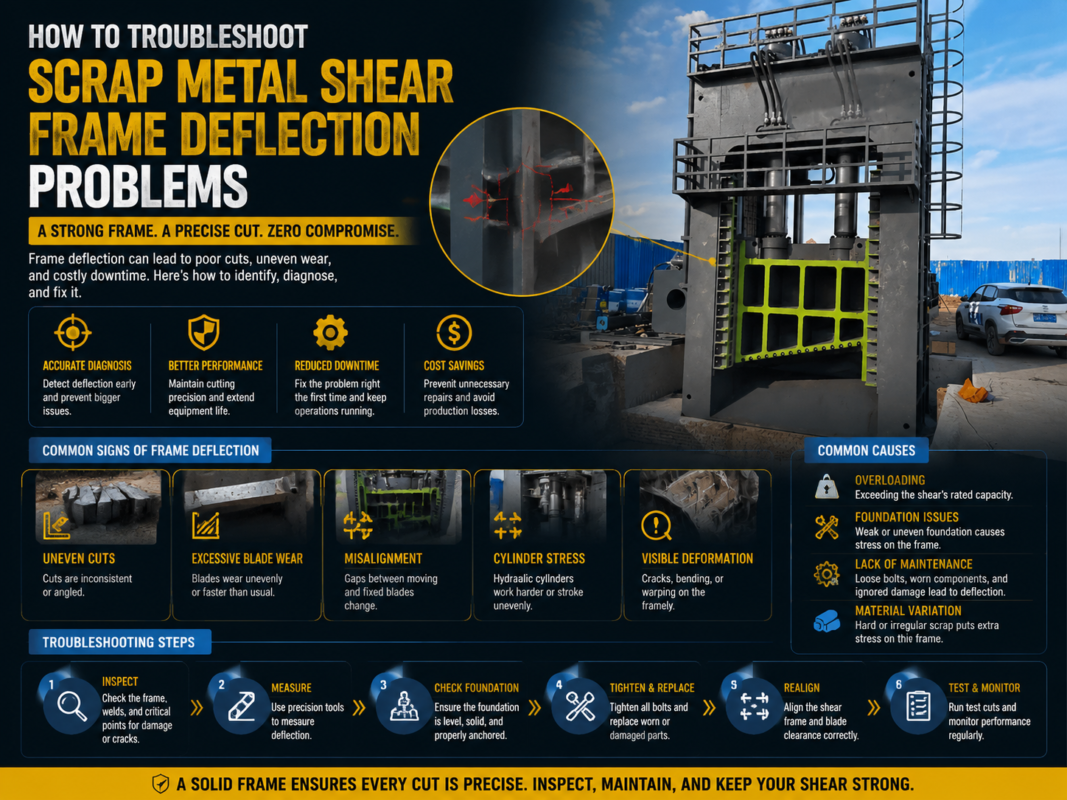
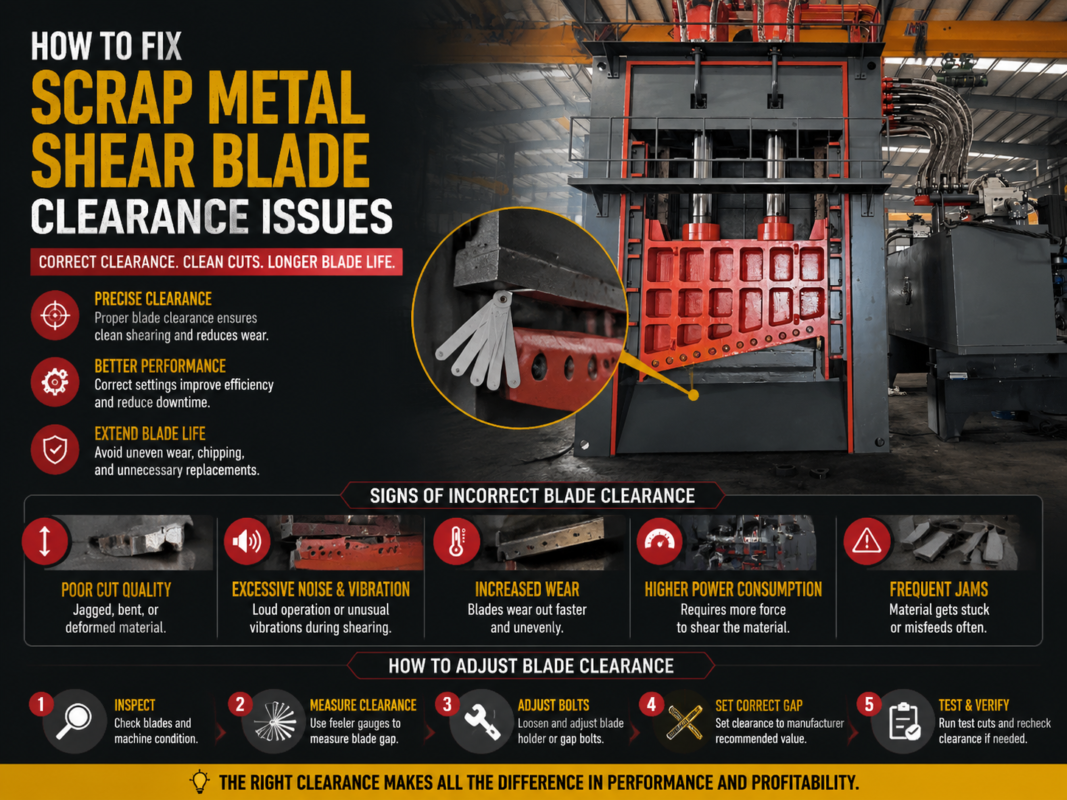
Blade life depends heavily on the material being cut. For standard steel scrap, blades can typically be rotated (most have four cutting edges) every 200-500 hours of operation. A full replacement is usually needed after all edges have been worn down. Regular sharpening and maintaining the correct blade gap can significantly extend their lifespan.
2. Can scrap metal shears handle non-metal materials?
While designed for metal, shears can cut through wood or plastic, but it is not recommended. Non-metal materials can sometimes get wedged in the blade gap or fail to provide the resistance the hydraulic system expects, leading to inefficient operation. It is best to keep the machine dedicated to the metals it was designed for.
3. What is the difference between an alligator shear and a gantry shear?
The main difference is the scale and the mechanism. Alligator shears are smaller, manually fed, and use a scissor-like motion. They are best for light to medium scrap. Gantry shears are massive, automated machines that use a vertical guillotine-style stroke. They are designed for high-volume, heavy-duty industrial processing.
4. How do I maintain the hydraulic system of the shear?
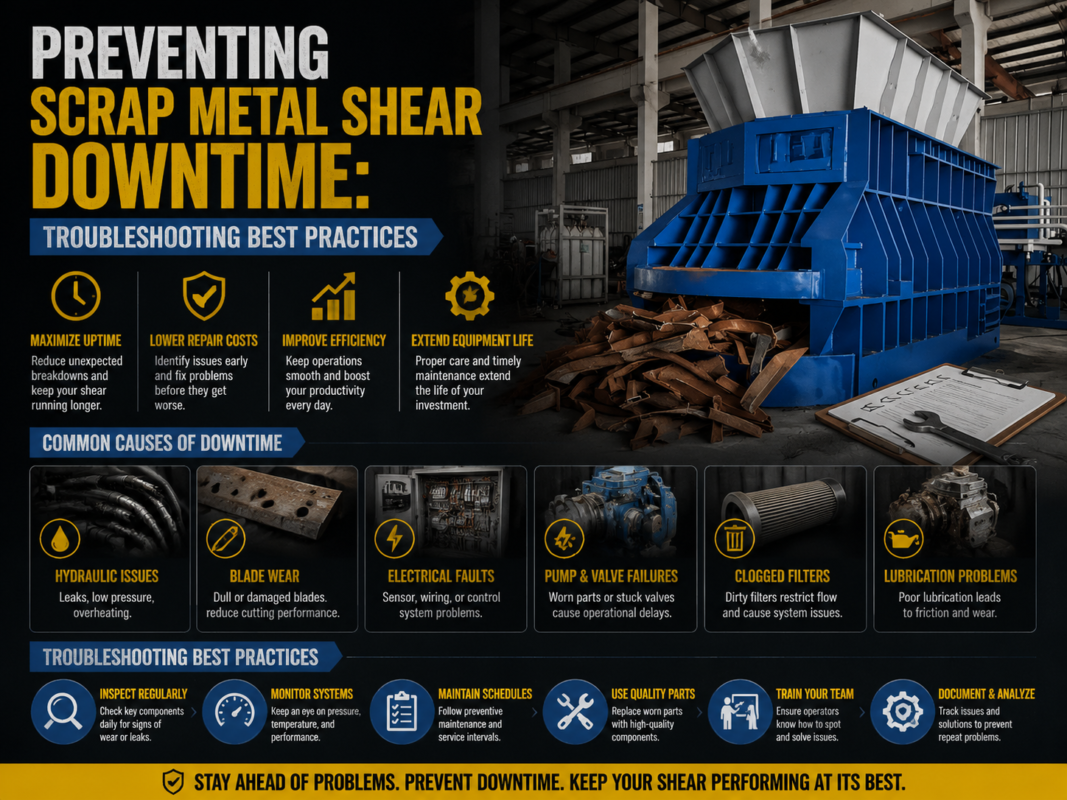
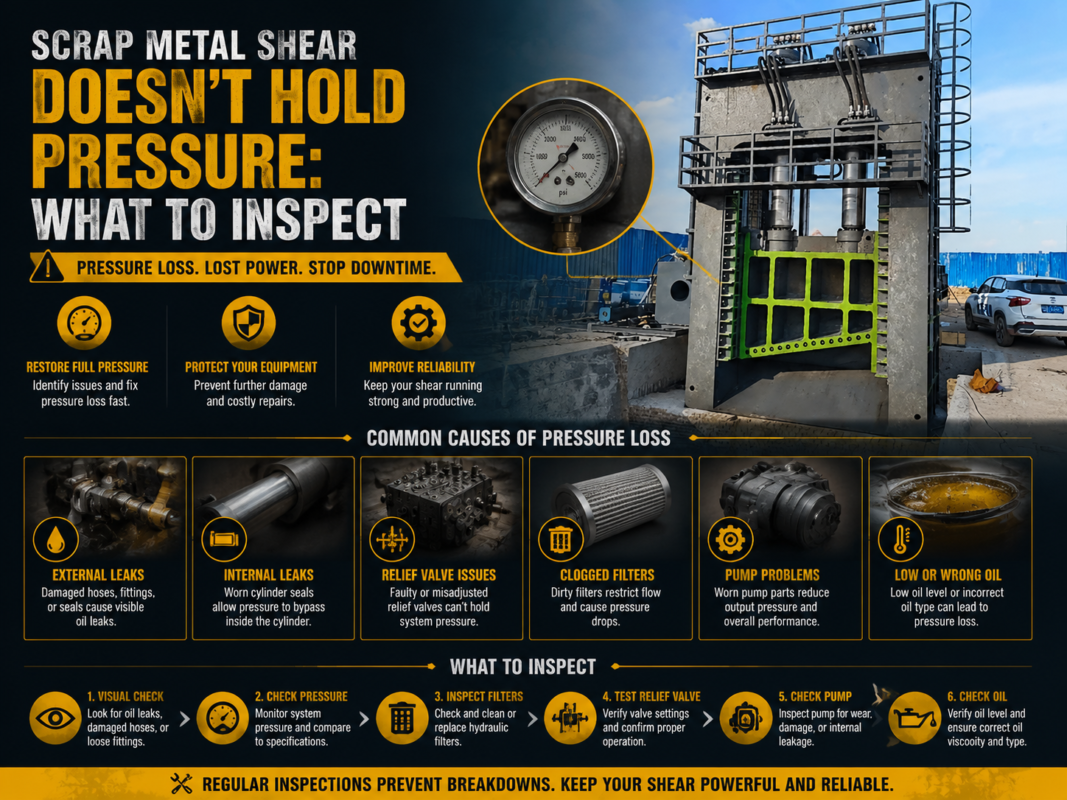
Maintenance involves regular oil changes, monitoring filter indicators, and checking for leaks in hoses and seals. It is also crucial to keep the hydraulic oil clean and at the correct temperature. HARSLE machines come with detailed maintenance schedules to help operators keep the system in peak condition.
5. Is it better to buy a mobile or stationary shear?
This depends on your business model. If you frequently work on demolition sites, a mobile shear (often an attachment for an excavator) is better. However, for a dedicated recycling yard, a stationary container or gantry shear offers much higher throughput, better stability, and lower long-term operating costs.
Conclusion: Investing in the Future of Metal Processing
Understanding how scrap metal shears improve industrial metal processing is the first step toward building a more profitable and sustainable recycling operation. These machines are not just tools; they are strategic assets that enable businesses to handle larger volumes, reduce operational costs, and produce a higher-quality end product. As the global economy moves toward a more circular model, the demand for efficient metal processing will only grow.
By choosing high-quality equipment from HARSLE, you are ensuring that your facility stays ahead of the competition. Whether you need a compact alligator shear for specialized tasks or a massive container shear for high-volume throughput, the right machinery will transform your workflow. Improve your efficiency, protect your workers, and maximize your profits by integrating advanced shearing technology into your industrial process today.
Contact HARSLE for Expert Metal Processing Solutions
Ready to take your metal recycling or fabrication business to the next level? HARSLE provides industry-leading scrap metal shears designed for durability and performance. Our team of experts is ready to help you select the perfect machine configuration for your specific needs.
Visit our website or contact us today for a custom quote and technical consultation!