Top Scrap Metal Shear Applications In Steel Recycling Operations

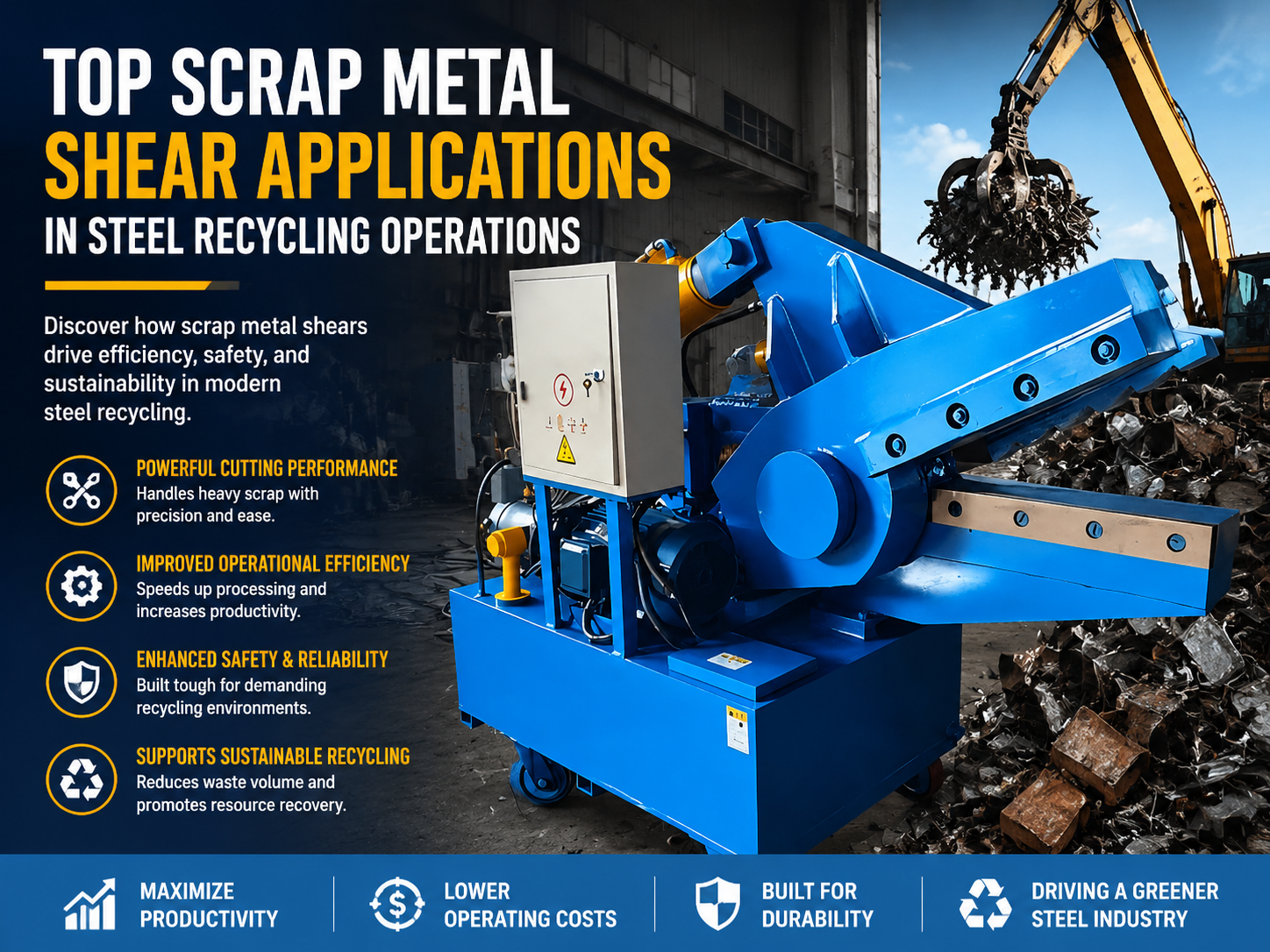
Introduction to Scrap Metal Shearing in the Modern Industry
The global steel recycling industry is a cornerstone of the circular economy, transforming millions of tons of waste into valuable raw materials for construction, automotive manufacturing, and infrastructure. At the heart of this transformation lies the scrap metal shear. Understanding the Top Scrap Metal Shear Applications In Steel Recycling Operations is essential for facility managers and business owners looking to optimize their throughput and maximize profitability. These machines are designed to handle the immense physical demands of cutting through heavy-duty steel, providing the necessary size reduction for efficient transport and melting.
As environmental regulations tighten and the demand for high-quality secondary steel grows, the role of advanced shearing technology becomes even more critical. Scrap shears do more than just cut; they prepare material for the furnace, ensuring that the density and size of the scrap meet strict metallurgical standards. This article explores the diverse applications, technical requirements, and operational workflows that define modern scrap metal shearing, highlighting how HARSLE machinery leads the way in industrial efficiency.
Application Scenario: Where Shears Make the Difference
The versatility of scrap metal shears allows them to be deployed across various sectors of the recycling industry. Each scenario presents unique challenges regarding material hardness, shape, and volume. By identifying the Top Scrap Metal Shear Applications In Steel Recycling Operations, businesses can better align their equipment investments with their specific operational needs.
1. Demolition and Structural Steel Recovery
In the construction and demolition (C&D) sector, scrap shears are indispensable for processing structural steel. When buildings or bridges are dismantled, the resulting steel beams, I-beams, and rebar are often too large for direct transport. Heavy-duty gantry shears are used to cut these massive components into manageable lengths. This not only facilitates easier logistics but also increases the value of the scrap by converting it into ‘HMS 1’ or ‘HMS 2’ (Heavy Melting Steel) grades.
2. Automotive and Transportation Recycling
The automotive industry generates a significant amount of scrap, from end-of-life vehicles (ELVs) to manufacturing offcuts. Scrap shears are used to process car frames, axles, and suspension components. While shredders are often used for the bodywork, the heavier structural elements of a vehicle require the concentrated force of a hydraulic shear. In railroad recycling, shears are specifically used to cut old rails and locomotive frames, which are composed of high-carbon steel that is notoriously difficult to process without specialized machinery.
3. Shipbreaking and Marine Salvage
Shipbreaking is perhaps one of the most demanding applications for scrap shears. Ships are constructed from thick, high-tensile steel plates and reinforced ribs. Gantry shears with immense cutting force are required to break down these massive sections. The ability to process large plates into smaller, uniform pieces is critical for the efficiency of the steel mills that eventually melt down the marine scrap.
4. Industrial Manufacturing Waste
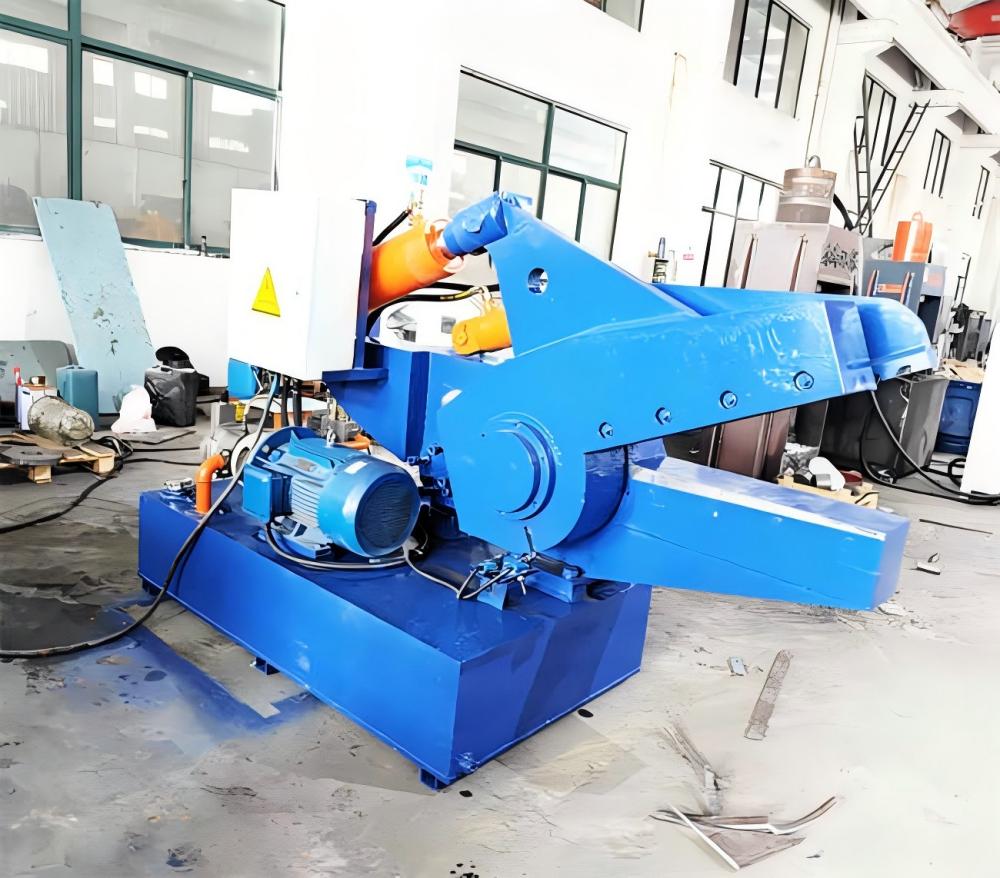
Factories producing appliances, machinery, and heavy equipment generate significant volumes of steel offcuts and skeletons. These materials, while often cleaner than demolition scrap, still require processing to meet furnace dimensions. Alligator shears are frequently used in these settings for smaller, more precise cuts, while larger gantry shears handle the bulk volume from high-output manufacturing plants.
Material and Process Requirements
To successfully execute the Top Scrap Metal Shear Applications In Steel Recycling Operations, one must understand the physical properties of the materials being processed. Steel is not a monolithic category; it varies significantly in alloy composition, thickness, and tensile strength.
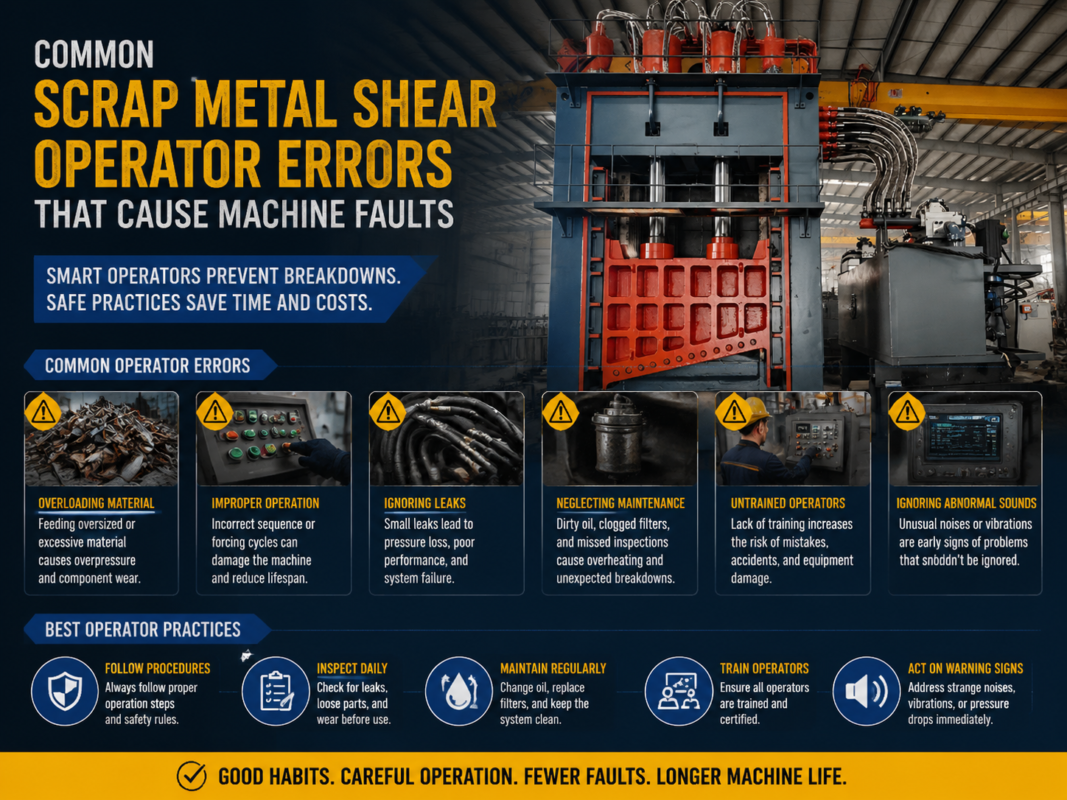
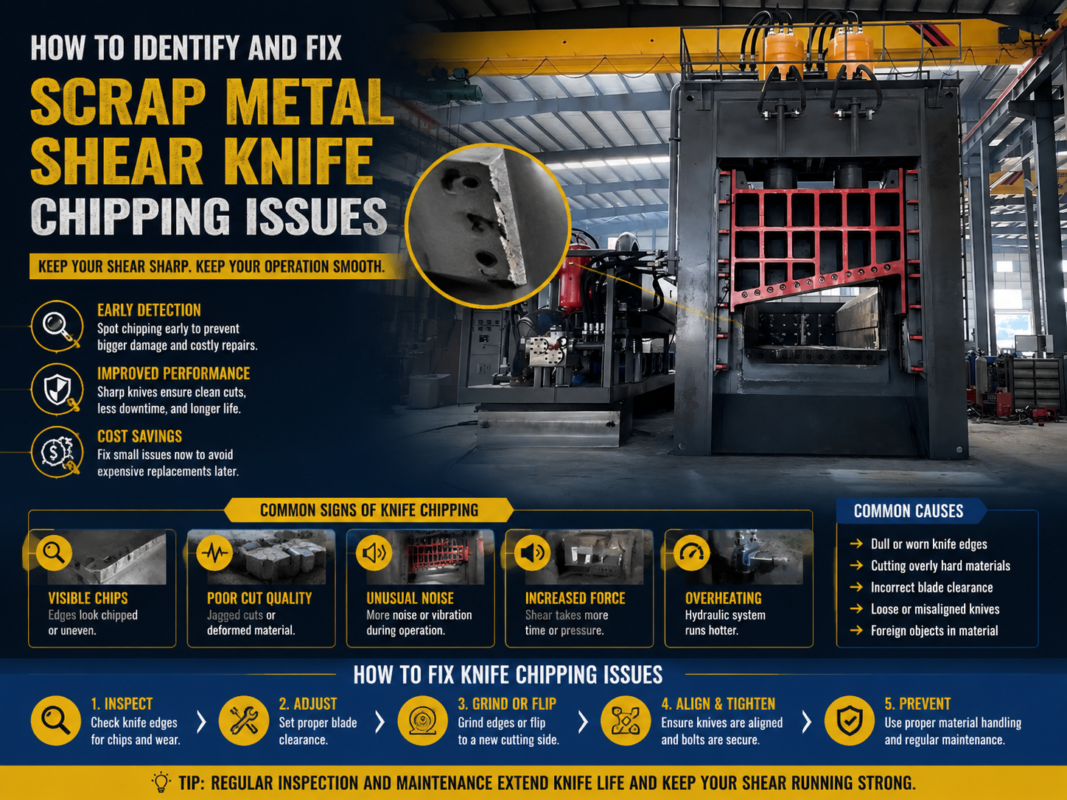
- Tensile Strength and Hardness: High-carbon steels and specialized alloys used in industrial machinery require shears with high-pressure hydraulic systems and reinforced blade seats. Attempting to shear material beyond the machine’s rated capacity can lead to blade chipping or hydraulic failure.
- Material Geometry: The shape of the scrap—whether it is hollow piping, solid bars, or flat plates—dictates the type of shear needed. For instance, pipes may require a shear with a specific blade geometry to prevent crushing before the cut is completed.
- Volume and Throughput: A recycling yard processing 500 tons a day has vastly different requirements than a local scrap dealer. Continuous-feed gantry shears are necessary for high-volume operations, whereas manual-feed alligator shears suffice for lower volumes.
- Contamination Control: Effective shearing processes must also account for non-metallic attachments. While the shear itself handles the metal, the workflow must include a stage for removing rubber, plastics, or hazardous fluids before the metal enters the shearing chamber.
Recommended Machine Configuration
Choosing the right machine is the most critical step in optimizing Top Scrap Metal Shear Applications In Steel Recycling Operations. HARSLE offers a range of configurations tailored to different industrial scales.
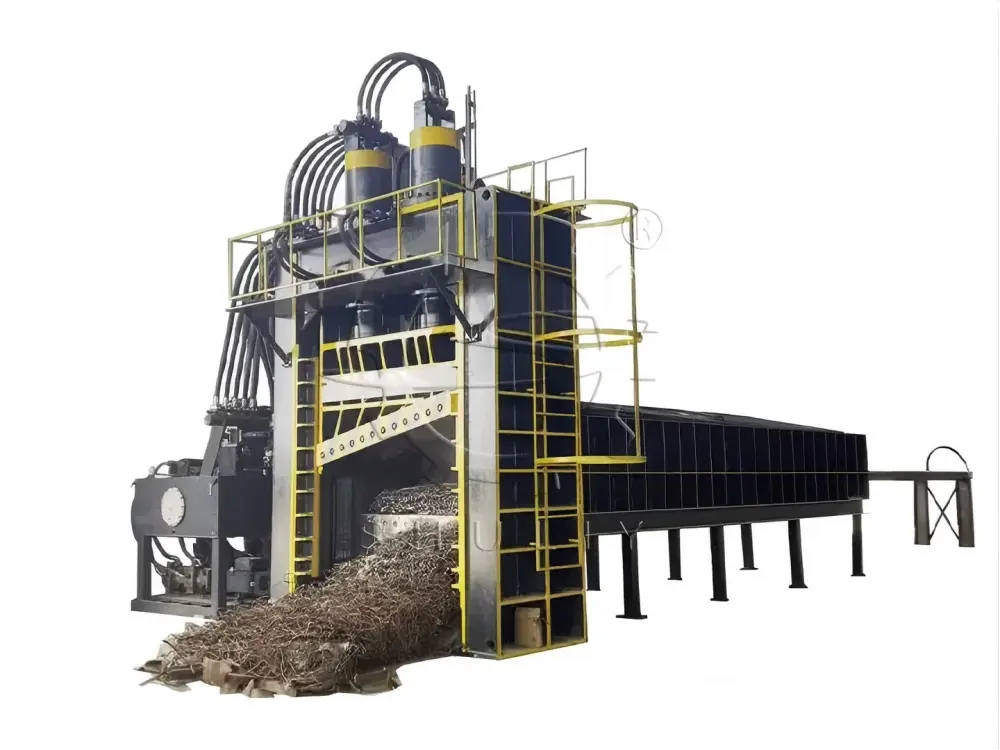
Gantry Shears (Heavy-Duty)
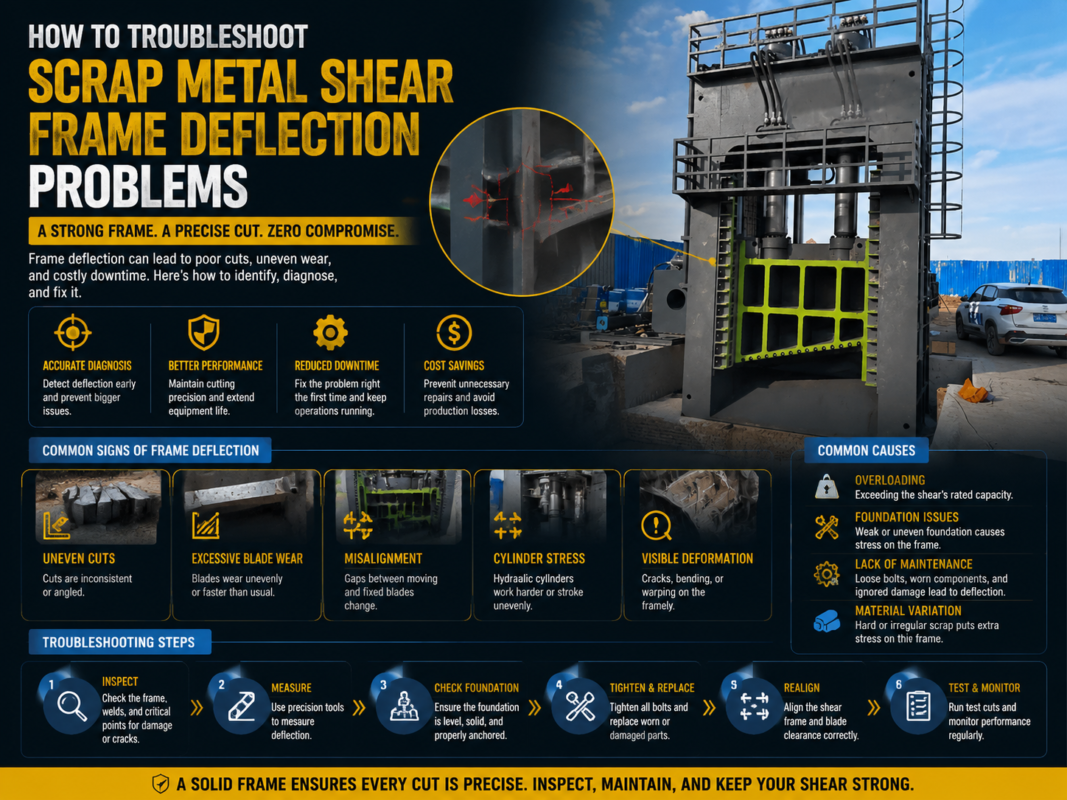
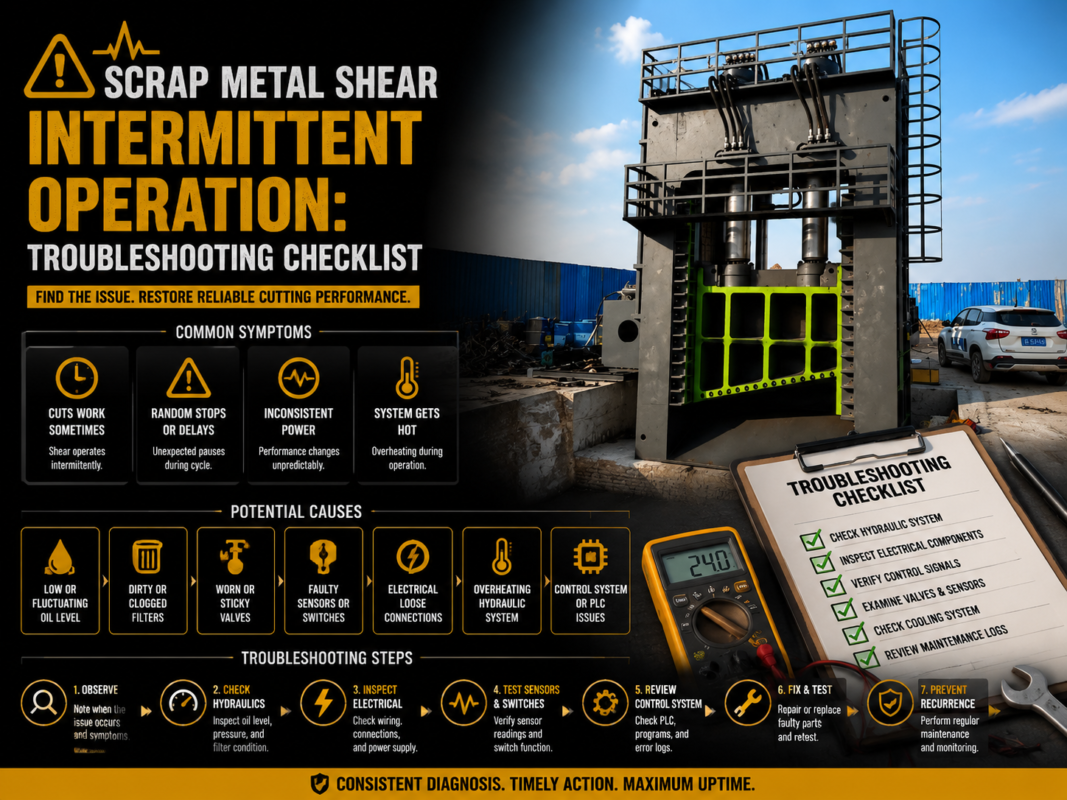
Gantry shears are the workhorses of large-scale recycling centers. They feature a vertical cutting action and a large hopper for continuous feeding. These machines are often equipped with automatic compression wings that pre-compact the scrap before the blade descends. This configuration is ideal for HMS processing and heavy demolition scrap.
Alligator Shears (Medium to Small Scale)
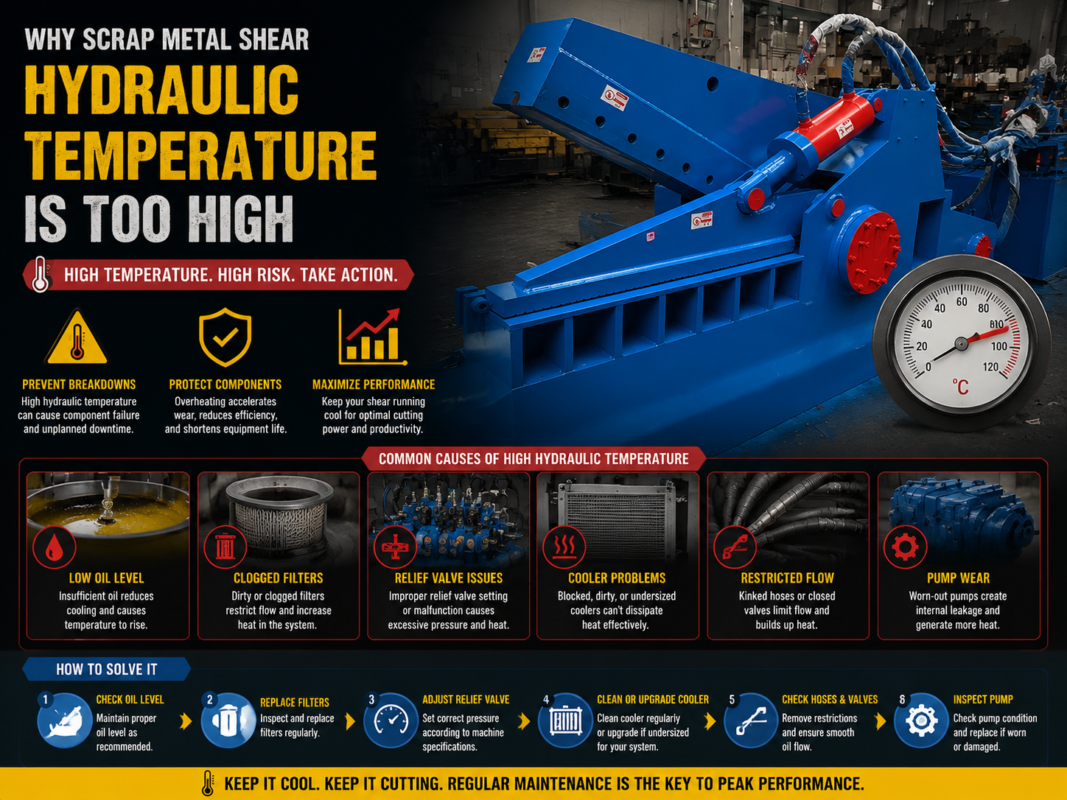
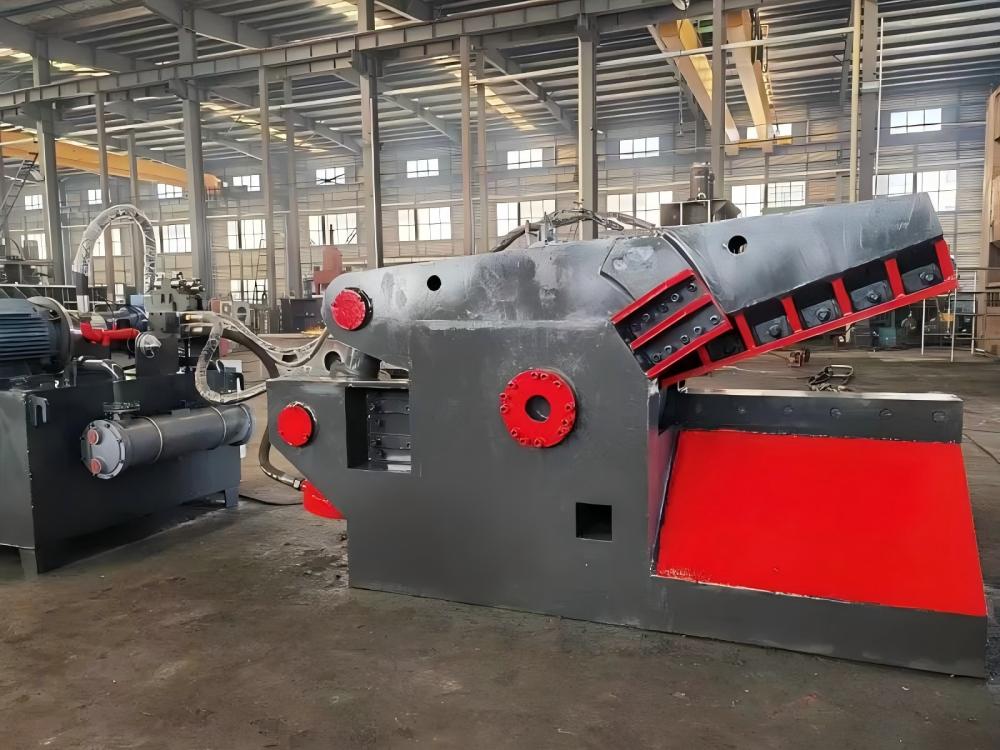
Alligator shears are characterized by their hinged, jaw-like cutting mechanism. They are perfect for smaller yards or for secondary processing within a larger facility. They are commonly used for cutting rebar, cleaning non-ferrous metals (removing steel attachments from aluminum), and processing smaller pipes.
Technical Specifications Table
| Feature | Alligator Shear | Gantry Shear | Container Shear |
|---|---|---|---|
| Cutting Force | 50 – 250 Tons | 400 – 2000+ Tons | 300 – 800 Tons |
| Feeding Method | Manual / Gravity | Automatic Conveyor/Hopper | Crane / Loader |
| Best For | Rebar, Small Pipes, Sorting | Heavy Plate, I-Beams, HMS | Mobile Recycling, Mixed Scrap |
| Mobility | Stationary / Semi-Mobile | Stationary (Foundation required) | Highly Mobile (Hook-lift) |
Workflow in a Steel Recycling Operation
The efficiency of Top Scrap Metal Shear Applications In Steel Recycling Operations depends on a well-structured workflow. A bottleneck at any stage can reduce the overall profitability of the recycling yard.
- Collection and Sorting: Scrap arrives at the facility and is sorted by grade (e.g., carbon steel, stainless steel, cast iron). This ensures that the shear is only processing materials it is rated for and prevents alloy contamination.
- Pre-Processing: Large oversized pieces may be pre-cut using torches or mobile shears to fit into the gantry shear’s hopper. This stage also involves removing hazardous materials like fuel tanks or sealed cylinders.
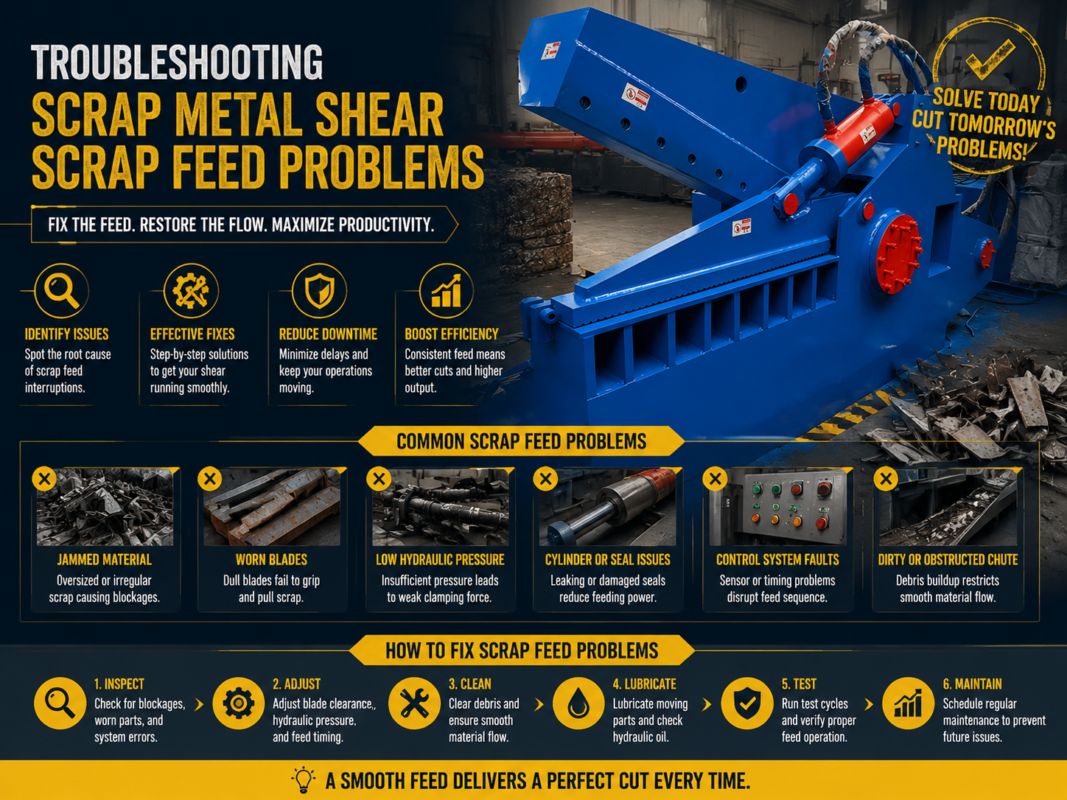
- Feeding: For gantry shears, a crane or a conveyor belt feeds the material into the charging box. Modern HARSLE shears utilize sensors to optimize the feed rate, preventing jams.
- Compression and Shearing: The machine’s side-press or lid compresses the scrap into a dense log. The hydraulic ram then pushes the log toward the blade, where it is cut to the programmed length.
- Discharge and Transport: The sheared pieces fall onto a discharge conveyor, often passing under a magnetic separator to remove any remaining non-ferrous debris before being loaded into trucks or railcars for delivery to the steel mill.
Productivity Benefits of Advanced Shearing
Investing in high-quality scrap shears yields significant dividends. When discussing the Top Scrap Metal Shear Applications In Steel Recycling Operations, the focus often shifts to the bottom line.
- Reduced Logistics Costs: Loose scrap is expensive to transport due to its low density. Shearing increases the bulk density of the load, allowing more tons to be carried per trip, significantly reducing fuel and labor costs.
- Higher Market Value: Steel mills pay a premium for ‘clean’ and ‘sized’ scrap. By using a shear to produce uniform HMS 1/2 grades, recyclers can command higher prices compared to selling unprocessed ‘unprepared’ scrap.
- Energy Efficiency in Melting: Smaller, denser scrap pieces melt more efficiently in Electric Arc Furnaces (EAF). This reduces the ‘tap-to-tap’ time for steel producers, making sheared scrap a preferred feedstock.
- Enhanced Safety: Automated shearing reduces the need for manual torch cutting, which is hazardous due to fumes, fire risks, and potential for operator injury. A hydraulic shear provides a controlled, enclosed environment for metal reduction.
Case Example: Maximizing ROI in a Regional Recycling Hub
A regional recycling facility in Eastern Europe recently upgraded its operations by replacing three aging alligator shears with a single HARSLE 800-ton Gantry Shear. Before the upgrade, the facility struggled with a backlog of heavy structural steel from a local industrial decommissioning project. The manual labor required for torch cutting was driving up costs and slowing down the turnaround time.
After implementing the HARSLE Gantry Shear, the facility saw a 40% increase in monthly throughput. The machine’s ability to process heavy I-beams and thick plates automatically meant that the facility could accept a wider range of scrap types. Furthermore, the consistency of the cut lengths allowed them to secure a long-term contract with a major steel mill that required strict adherence to size specifications. Within 18 months, the increased margin on prepared scrap and the savings in labor costs allowed the facility to fully recoup its investment in the new machinery.
Frequently Asked Questions (FAQ)
What is the average lifespan of scrap shear blades?
The lifespan of blades depends heavily on the material being cut. For standard carbon steel, blades may last between 200 to 500 hours of active cutting before needing to be rotated or reground. HARSLE shears feature four-sided reversible blades to extend the time between replacements.
Can a scrap shear handle stainless steel?
Yes, but stainless steel is significantly harder and more abrasive than mild steel. When processing stainless steel, it is recommended to reduce the maximum thickness capacity by approximately 20-30% to prevent excessive wear on the hydraulic system and blades.
How do I choose between a gantry shear and a container shear?
If your operation is stationary and handles very high volumes of heavy scrap, a gantry shear is the best choice. If you need to move the machine between different sites or have limited space, a container shear offers mobility and versatility without the need for a permanent foundation.
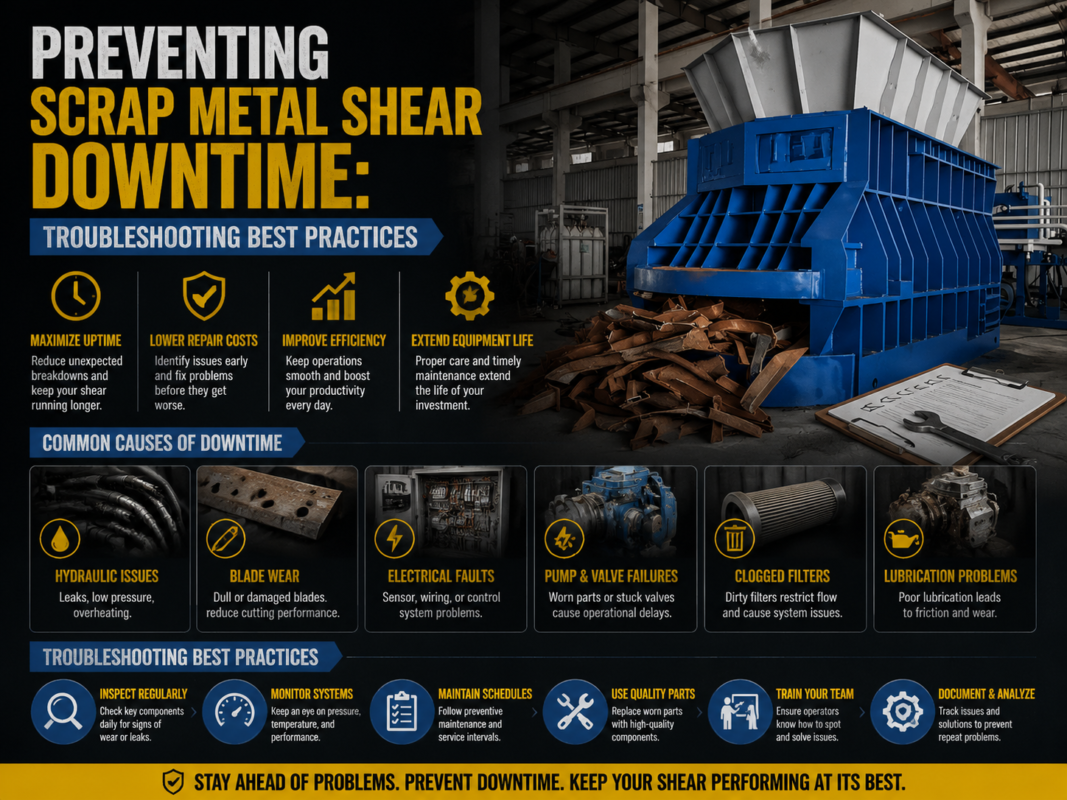
What maintenance is required for hydraulic scrap shears?
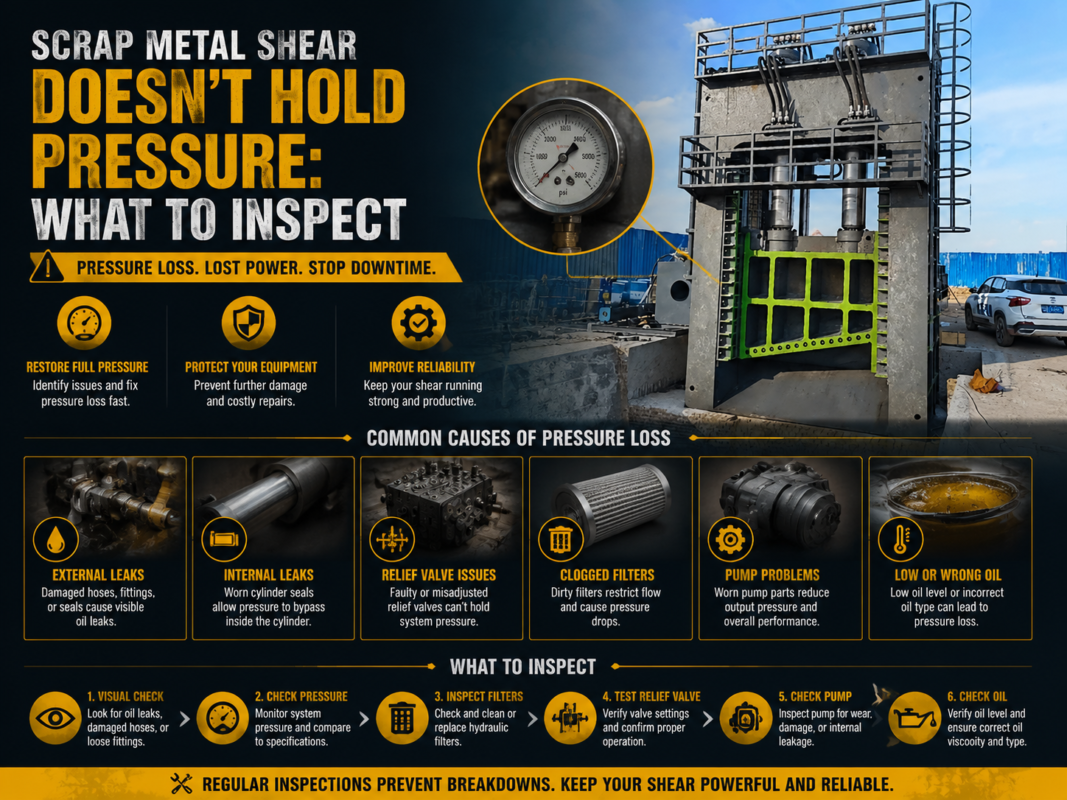
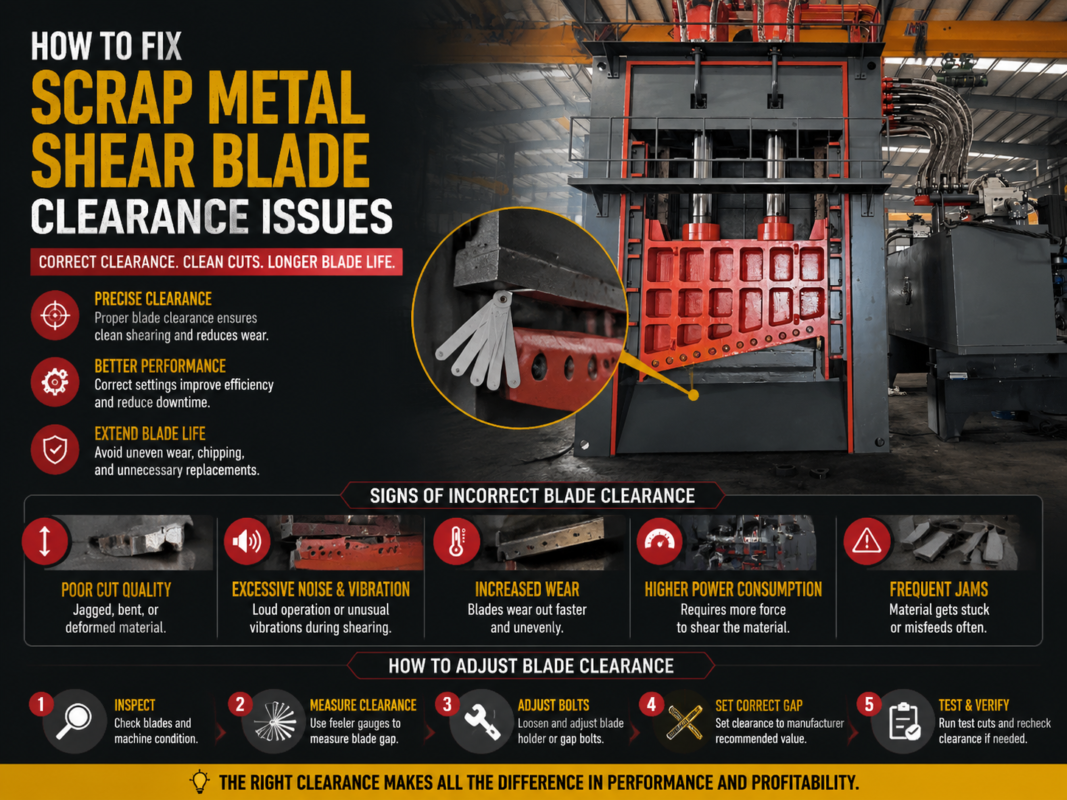
Regular maintenance includes monitoring hydraulic oil levels and cleanliness, lubricating moving parts daily, checking blade gap tolerances, and inspecting hydraulic hoses for wear. HARSLE provides detailed maintenance schedules to ensure long-term reliability.
Conclusion: Partnering with HARSLE for Recycling Success
The Top Scrap Metal Shear Applications In Steel Recycling Operations demonstrate that the right machinery is the foundation of a successful recycling business. From demolition sites to high-tech manufacturing plants, the ability to efficiently process scrap metal into a high-value commodity is what separates industry leaders from the competition. HARSLE is committed to providing robust, high-performance shearing solutions that meet the rigorous demands of the modern recycling landscape.
Whether you are looking to upgrade your current facility or are starting a new recycling venture, our team of experts is ready to help you select the perfect machine configuration for your needs. Contact HARSLE today to learn more about our gantry shears, alligator shears, and custom recycling solutions designed to drive your productivity forward.