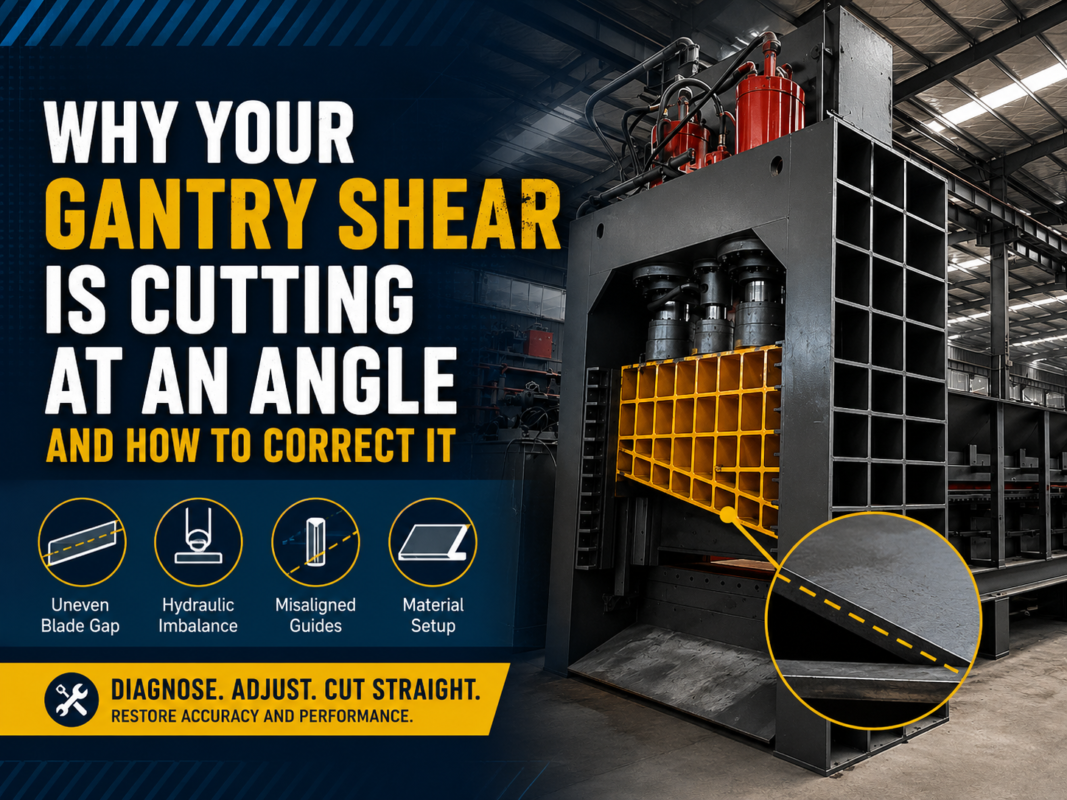
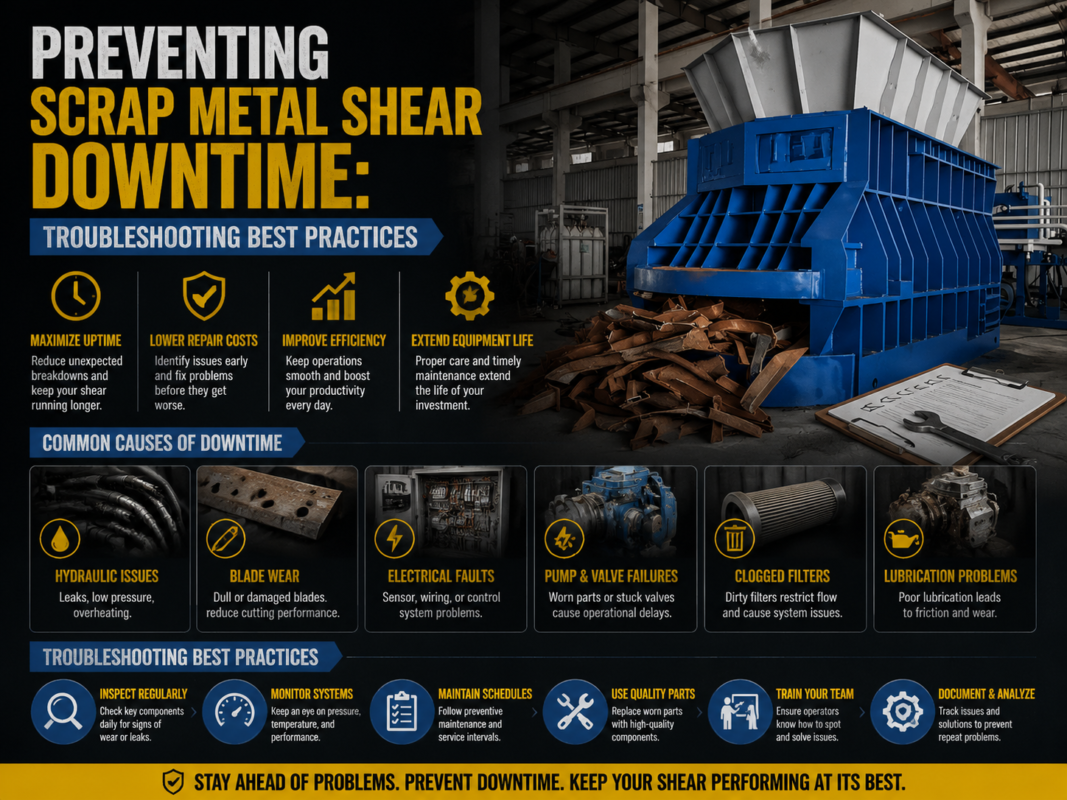
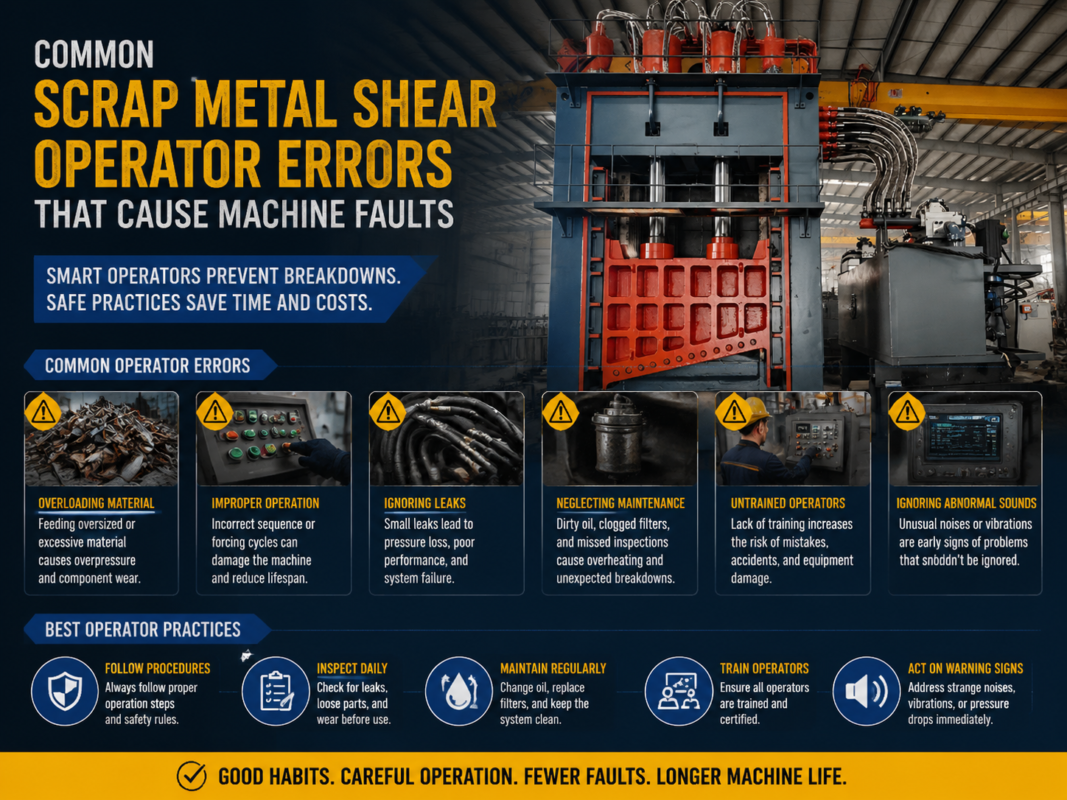
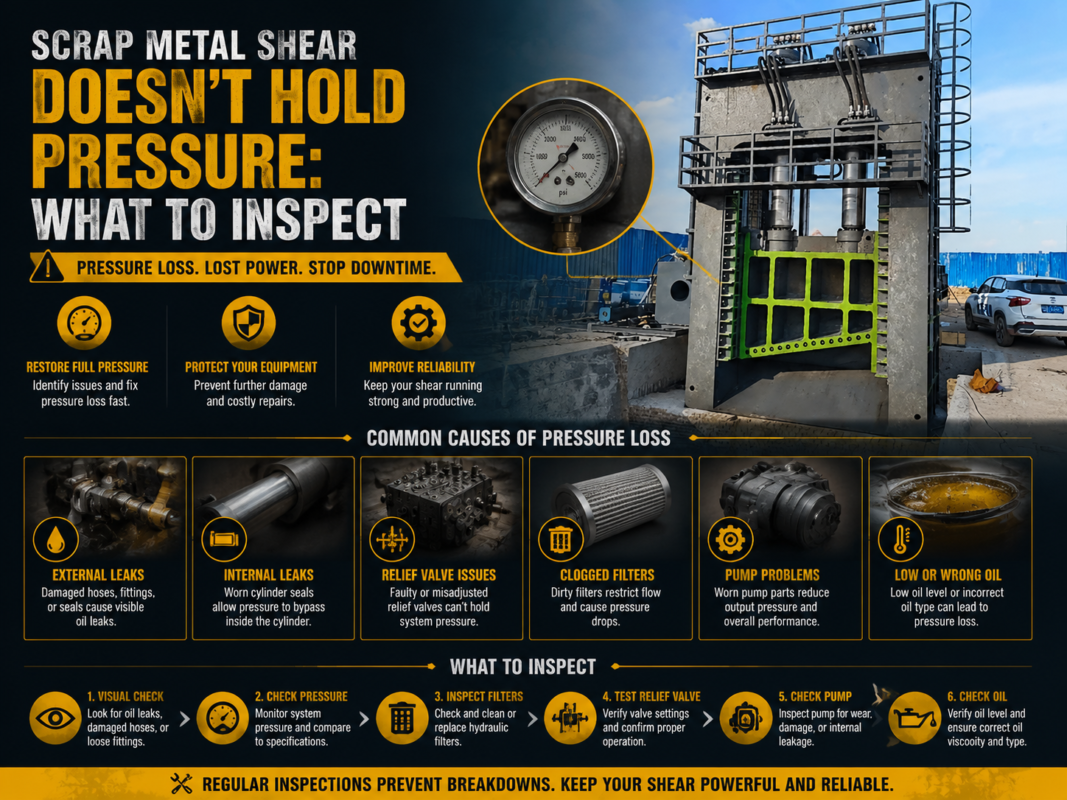
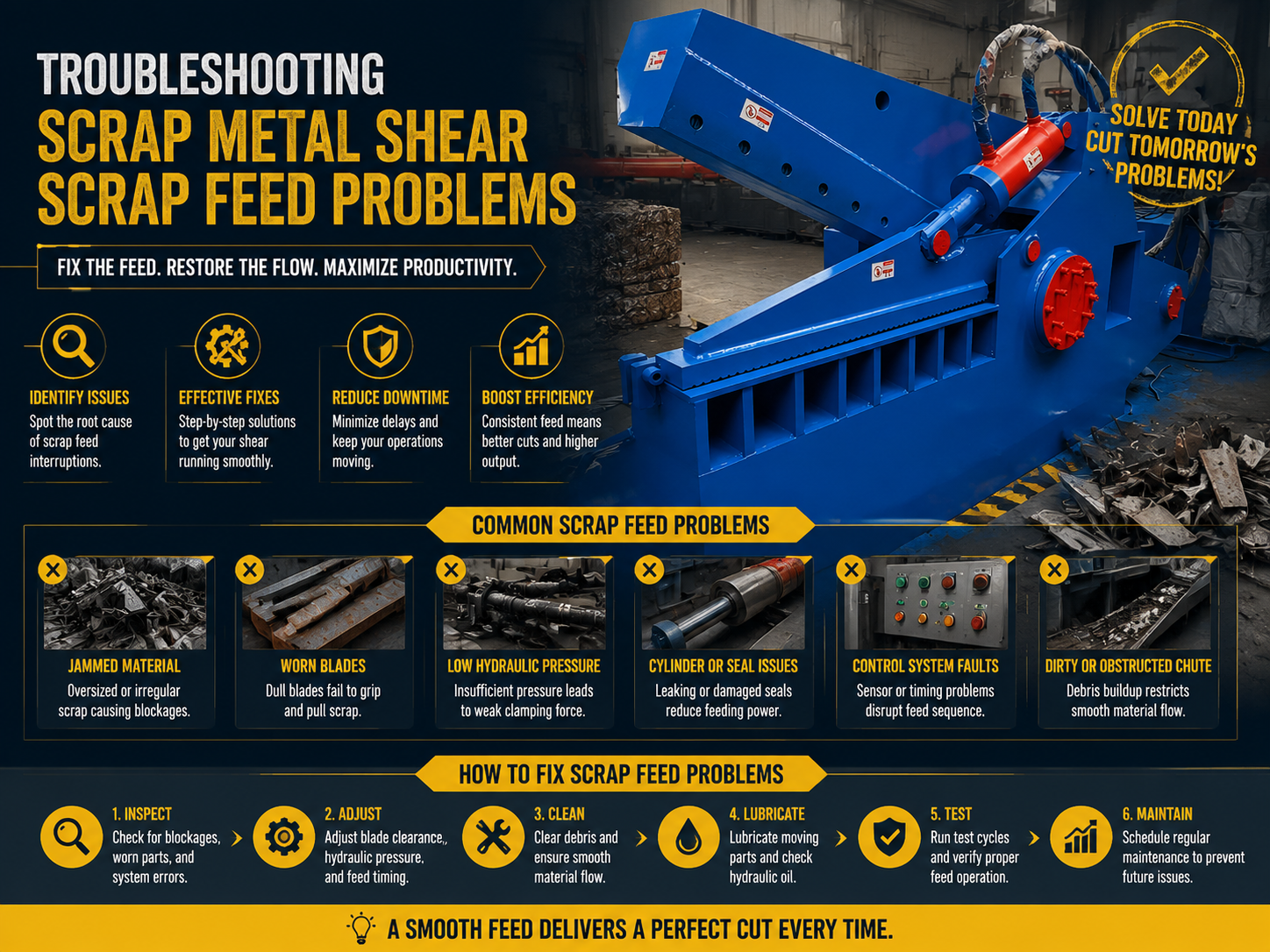
Troubleshooting Scrap Metal Shear Scrap Feed Problems: A Comprehensive Guide for Industrial Efficiency

Introduction to Scrap Metal Shear Feeding Systems
In the high-stakes world of metal recycling, throughput is the primary metric of success. A scrap metal shear is a powerhouse of industrial engineering, designed to exert thousands of tons of force to render bulky metal waste into manageable, furnace-ready sizes. However, the efficiency of the shearing process is entirely dependent on the consistency of the material feed. When operators encounter Troubleshooting Scrap Metal Shear Scrap Feed Problems, the entire production line grinds to a halt, leading to lost revenue and potential damage to the equipment. HARSLE, a leader in metal fabrication machinery, understands that a shear is only as productive as its feeding mechanism.
Feeding problems can range from simple material jams to complex hydraulic synchronization failures. Whether you are operating a massive gantry shear with a pre-compression box or a smaller alligator shear, the principles of material movement remain critical. The feeding system must handle a diverse array of materials—from tangled rebar and structural steel to automotive scrap and HMS (Heavy Melting Scrap). This guide provides an in-depth look at the technical causes of feeding issues and offers actionable solutions to keep your HARSLE machinery running at peak performance.
The Importance of a Continuous Feed Cycle
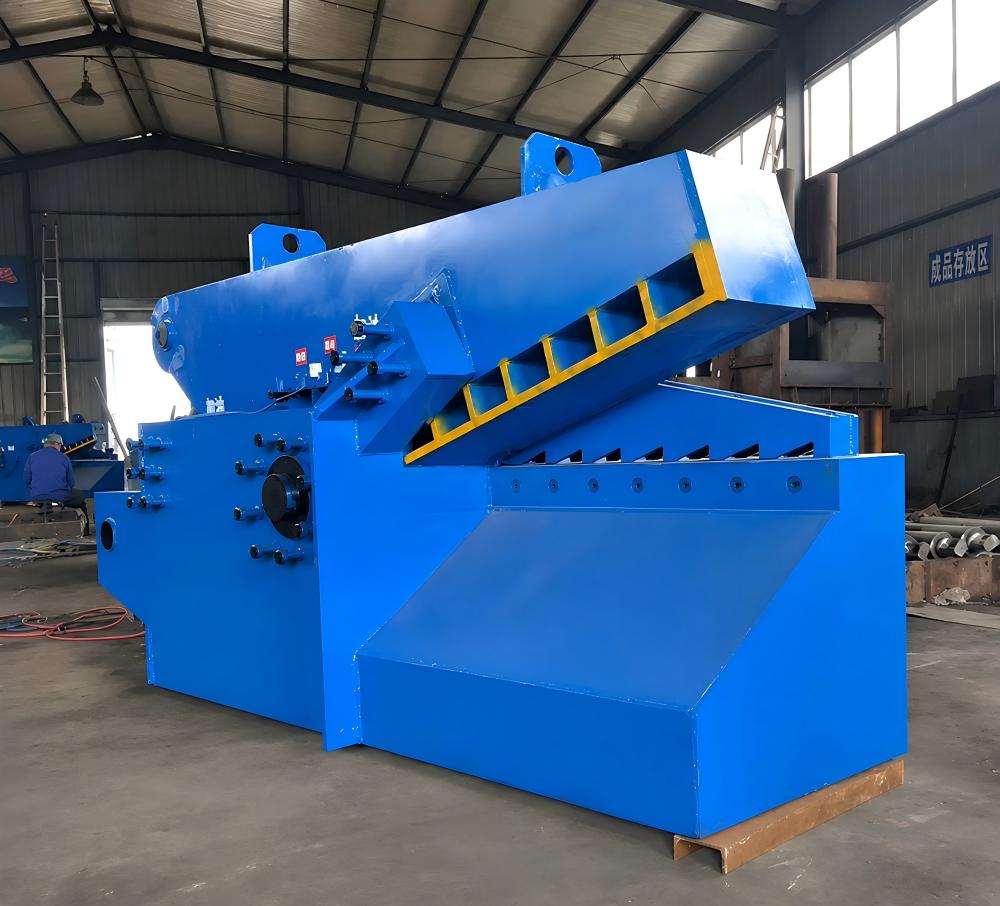
A continuous feed cycle ensures that the hydraulic system maintains optimal temperature and pressure. When feeding is interrupted, the machine often cycles ‘dry’ or remains in a high-pressure bypass state, which can lead to premature wear of the hydraulic pumps and seals. Understanding the mechanics of the feed—whether it is gravity-fed, pusher-ram-fed, or conveyor-fed—is the first step in effective troubleshooting. By identifying the root cause of feed interruptions, facilities can implement preventative maintenance schedules that drastically reduce downtime.
Key Considerations for Identifying Feed Issues
Before diving into the mechanical and hydraulic specifics, it is essential to consider the external factors that influence how scrap moves through the machine. Troubleshooting scrap metal shear scrap feed problems often starts with an analysis of the material itself and the environment in which the machine operates.
Material Composition and Density
The most common cause of feeding problems is the ‘bridging’ effect. This occurs when oversized or awkwardly shaped scrap pieces lock together, forming a structural arch over the feeding throat or inside the hopper. For instance, long sections of pipe or tangled wire can create a mesh that prevents gravity or the pusher ram from moving the material toward the blades. Operators must be trained to recognize ‘difficult’ loads and pre-sort or pre-process them using a grapple or torch before they enter the shear’s feed box.
Hopper and Feed Box Geometry
The design of the feed box is critical. In HARSLE gantry shears, the feed box often utilizes side-press or ‘wing’ compression to consolidate the scrap into a log before it is pushed toward the shear head. If the liners of these wings are worn or if the hinges are fouled with debris, the compression will be uneven. This unevenness causes the scrap log to twist or jam against the side walls, preventing the longitudinal pusher ram from advancing the material. Regular inspection of the internal liners for gouges or ‘hook’ points is vital.
Hydraulic Pressure and Flow Rates
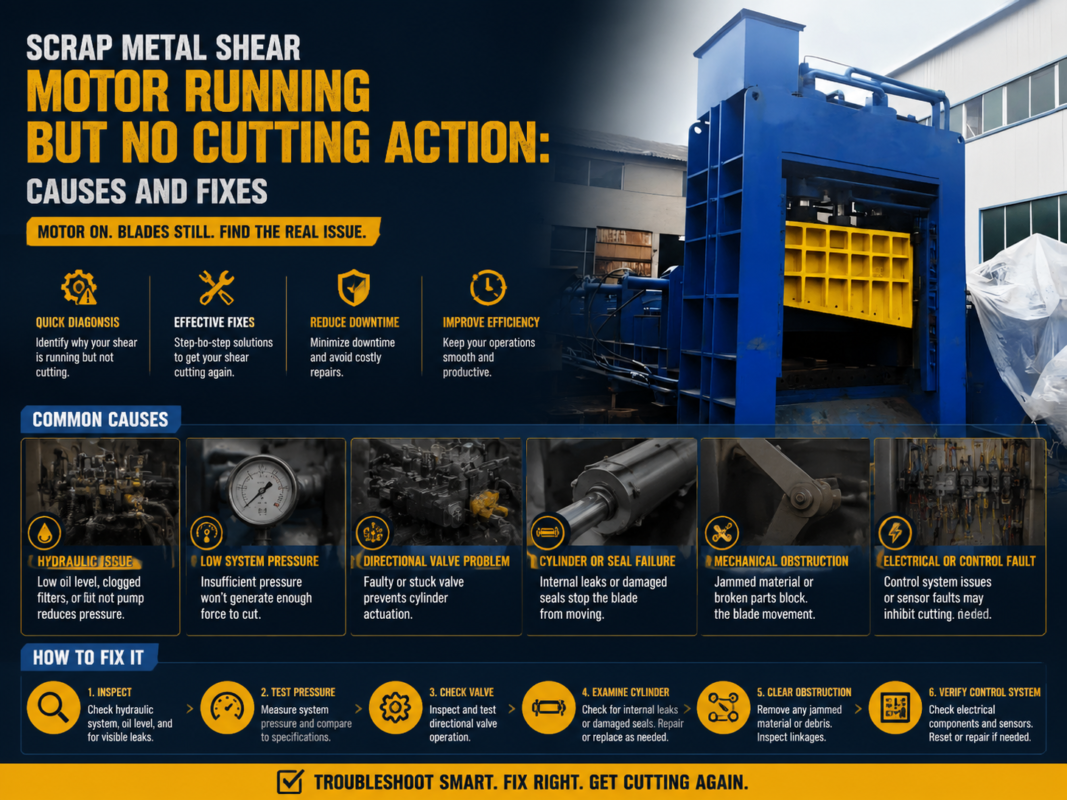
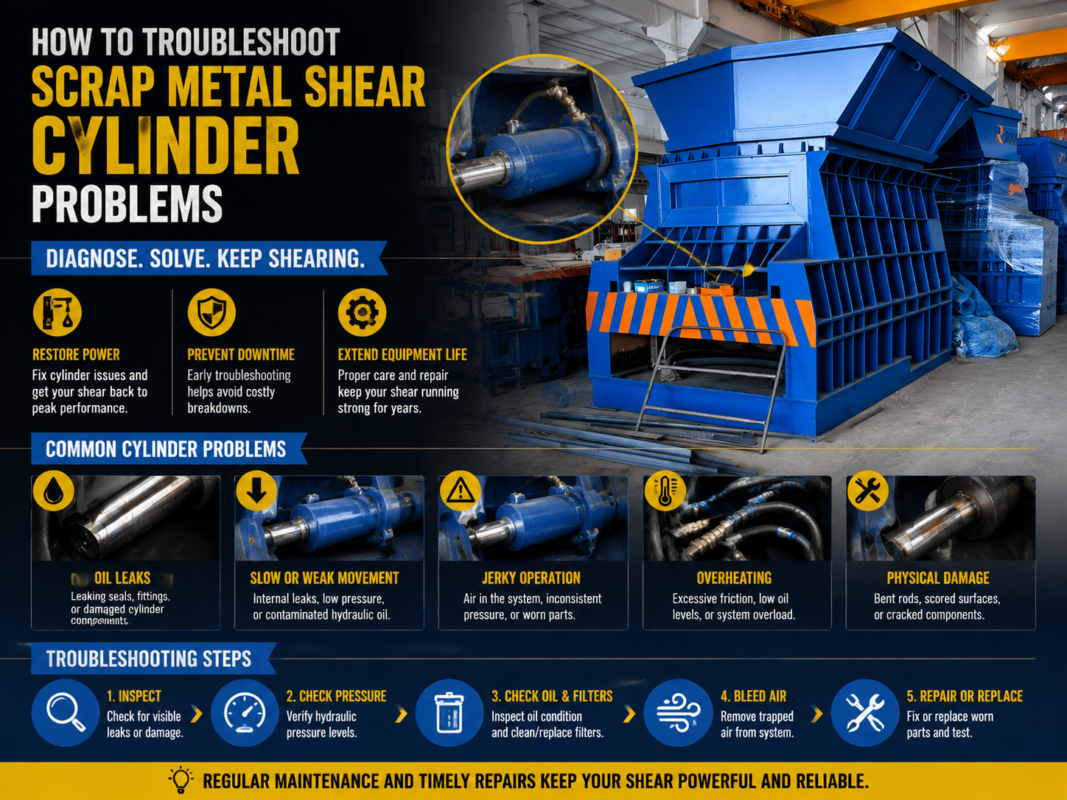
The feeding mechanism—usually a hydraulic pusher ram—requires specific pressure and flow to overcome the friction of the scrap against the box walls. If the hydraulic system is underperforming due to a worn pump, a clogged filter, or an incorrectly set relief valve, the pusher ram will lack the force necessary to advance heavy loads. Troubleshooting scrap metal shear scrap feed problems frequently involves checking the pressure gauges during the feed stroke to ensure the system isn’t hitting its relief limit prematurely.
Technical Details: Mechanical and Hydraulic Troubleshooting
When basic material handling adjustments fail to resolve the issue, a deeper technical investigation into the machine’s components is required. This section explores the specific mechanical and hydraulic failures that lead to feeding disruptions.
Pusher Ram Alignment and Wear
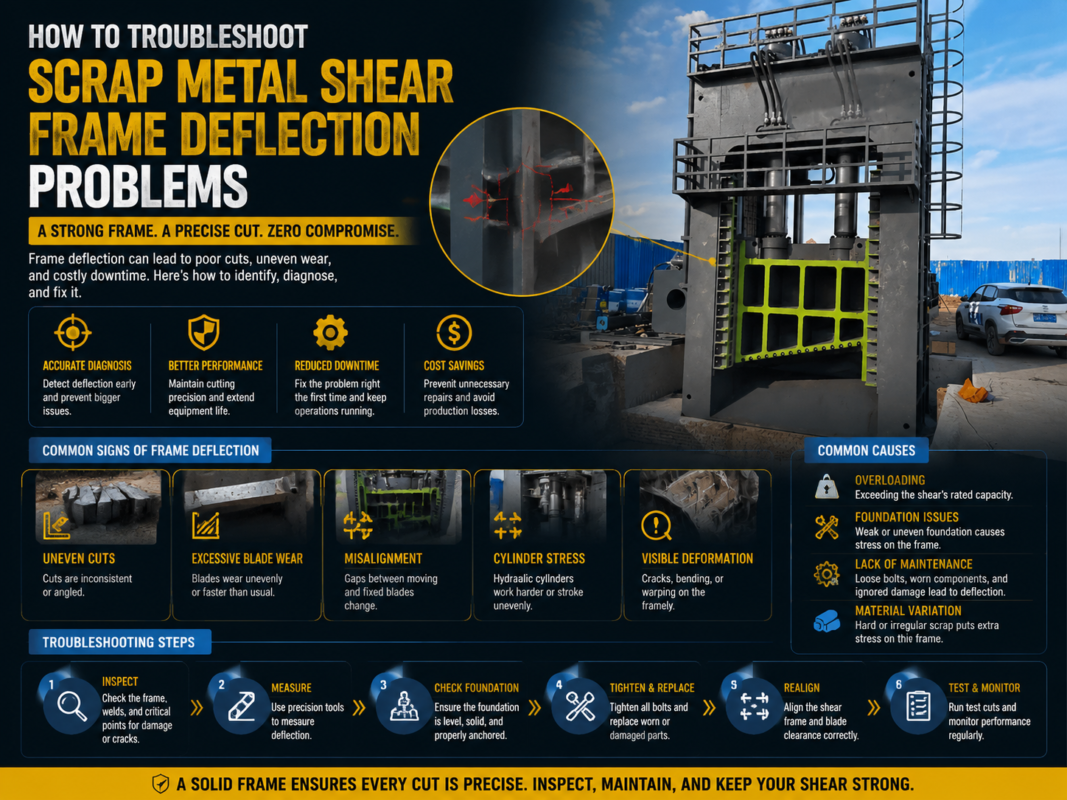
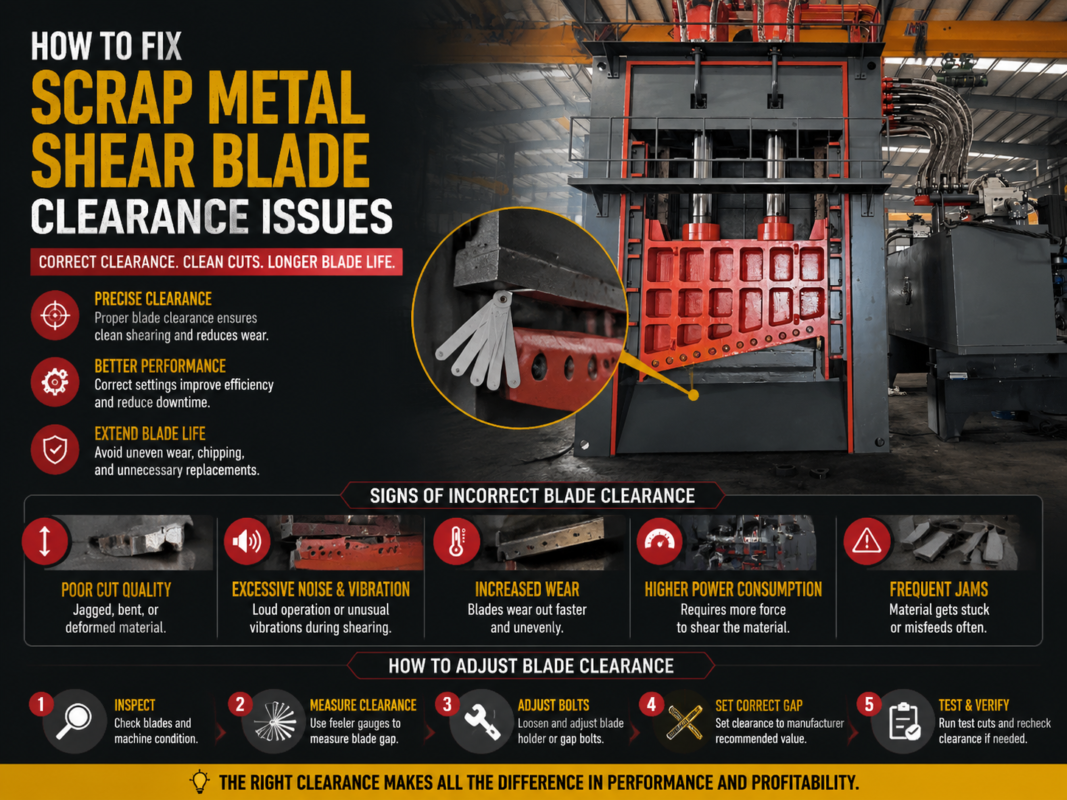
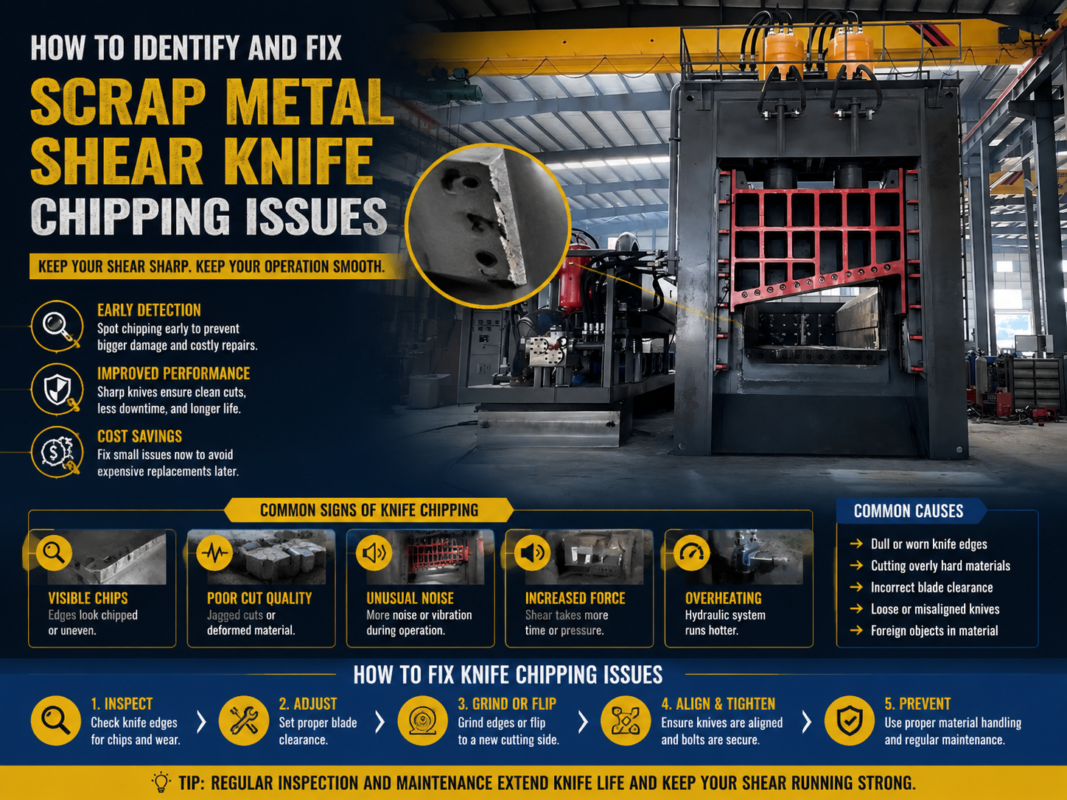
The pusher ram is the heart of the feeding system in most heavy-duty shears. Over time, the guide rails or wear plates that support the ram can become misaligned or excessively worn. If the ram is not perfectly square to the feed box, it will exert lateral force, increasing friction and potentially causing the ram to seize. Troubleshooting Scrap Metal Shear Scrap Feed Problems should always include a measurement of the ram’s clearance at various points along its stroke. HARSLE recommends replacing wear plates once they reach the manufacturer’s specified wear limit to prevent damage to the main cylinder rod.
Sensor and Limit Switch Calibration
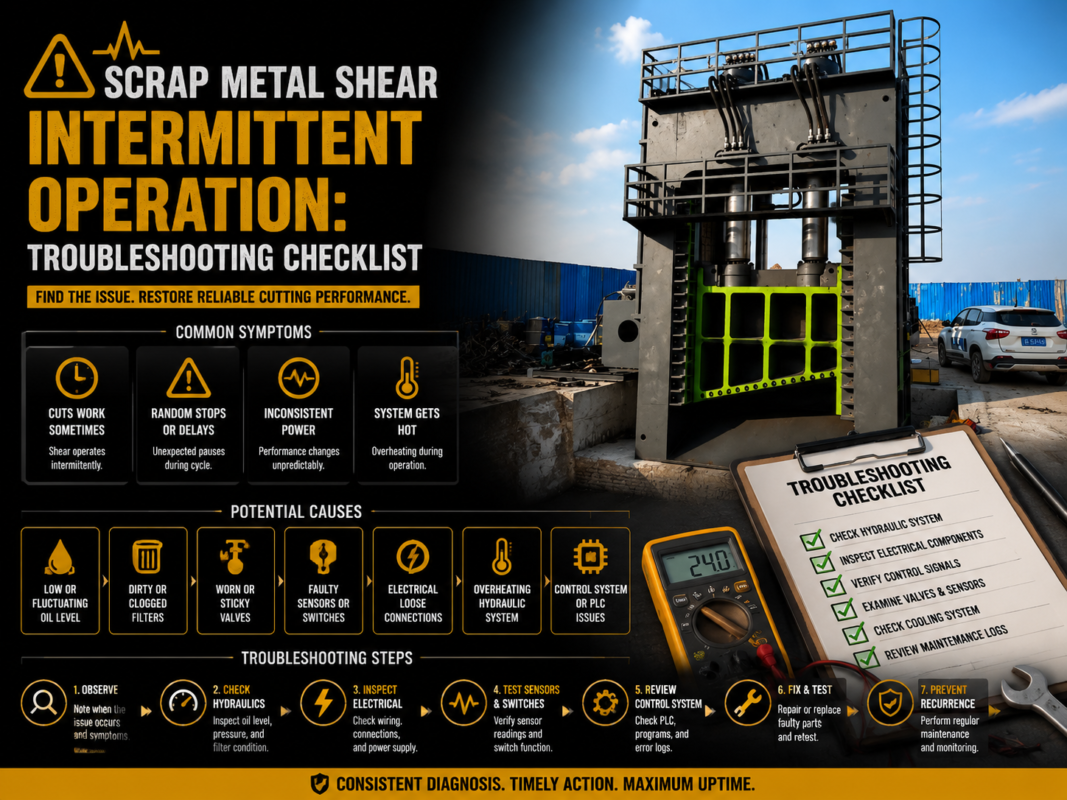
Modern scrap shears rely on a network of sensors (proximity switches, laser sensors, or encoders) to communicate the position of the scrap and the feed ram to the PLC (Programmable Logic Controller). If a limit switch is caked with grease and metal dust, it may send a false signal that the ram is fully extended or retracted. This halts the automatic cycle. Cleaning and recalibrating these sensors is a low-cost, high-impact maintenance task. Furthermore, the ‘auto-feed’ logic in the PLC may need adjustment if the type of scrap being processed changes significantly (e.g., switching from light tin to heavy plate).
Hydraulic Valve Manifold Issues
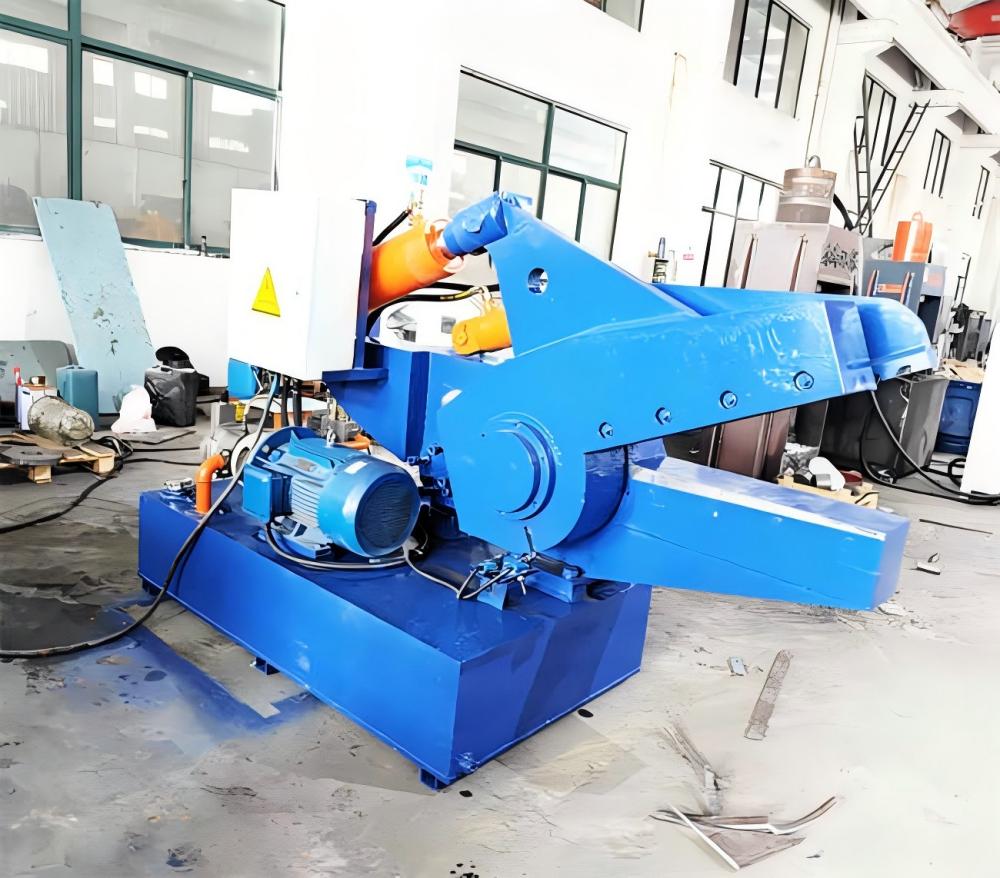
The sequencing of the feed box wings, the hold-down (stamper), and the pusher ram is controlled by a complex hydraulic manifold. If a directional control valve is sticking or if a solenoid coil has failed, the sequence will break. For example, if the hold-down cylinder does not retract fully, the pusher ram will be blocked from advancing the scrap. Troubleshooting involves ‘ringing out’ the electrical signals to the solenoids and manually overriding the valves to check for mechanical sticking.
Table: Common Feed Problems and Solutions
| Symptom | Potential Cause | Recommended Action |
|---|---|---|
| Pusher ram moves slowly or stalls | Low hydraulic pressure or worn pump | Check relief valve settings and pump flow rate. |
| Scrap ‘bridges’ in the hopper | Oversized or tangled material | Pre-sort scrap; use a grapple to break the bridge. |
| Automatic cycle stops unexpectedly | Fouled or misaligned limit switches | Clean sensors and check PLC input status. |
| Scrap log twists in the feed box | Uneven wear on side-press liners | Inspect and replace internal wear plates. |
| Loud banging during feed stroke | Mechanical obstruction or loose liners | Clear debris from under the ram; tighten liner bolts. |
Selection Advice: Choosing the Right Shear to Avoid Feed Issues
Preventing feed problems starts with the initial purchase of the machinery. Not all shears are created equal, and selecting a machine that is mismatched to your scrap stream is a recipe for operational headaches. When evaluating a HARSLE shear or any industrial metal shear, consider the following selection criteria to ensure smooth feeding.
Match the Feed Box Size to Your Largest Scrap
One of the most common mistakes in scrap yard management is buying a shear with a feed box that is too small for the typical material received. If your yard processes a lot of ‘white goods’ (appliances) or automotive frames, you need a wide, deep feed box with high-force compression wings. A smaller box will require excessive pre-processing (cutting with torches), which increases labor costs and reduces the overall efficiency of the shear.
Consider the Feeding Method: Gravity vs. Forced Feed
For lighter, consistent scrap, a gravity-fed alligator shear may suffice. However, for industrial-scale recycling, a forced-feed system with a longitudinal pusher ram is essential. Forced-feed systems provide the mechanical advantage necessary to densify the scrap, which results in a cleaner cut and higher quality end-product. Ensure the machine you select has a ‘continuous feed’ option, allowing the operator to load the hopper while the machine is shearing the previous load.
Evaluate the Hydraulic Cooling System
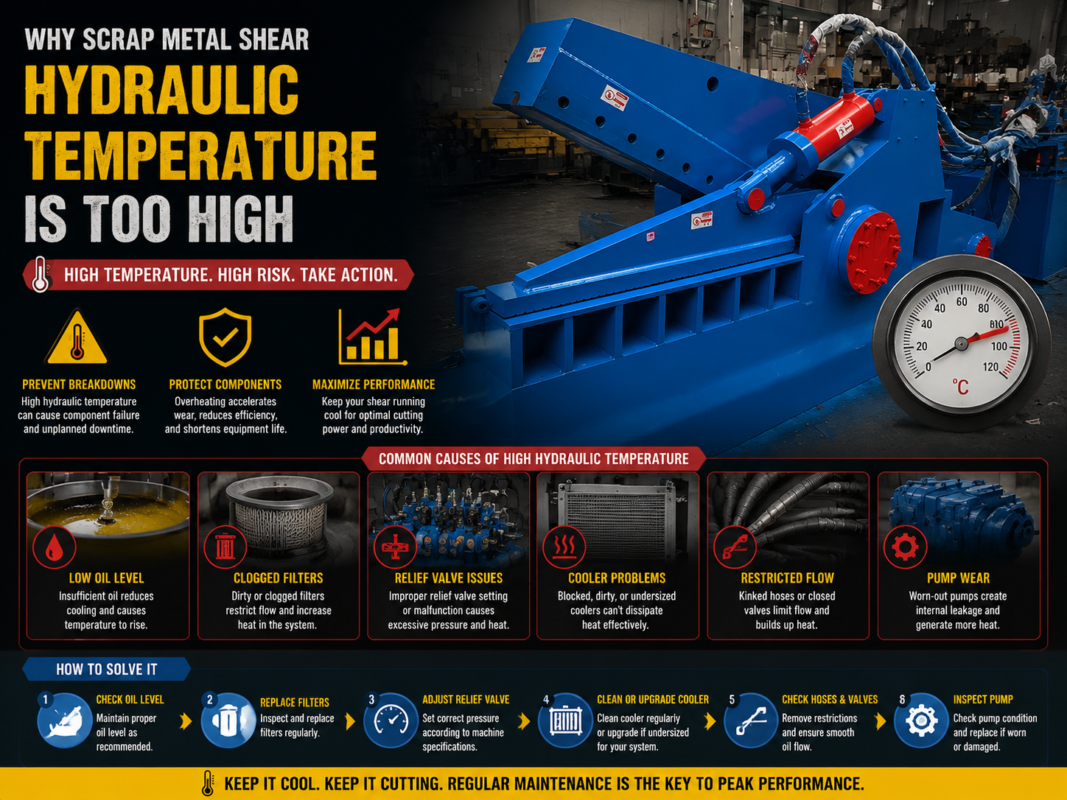
Feeding heavy scrap generates significant heat in the hydraulic system due to the high pressures required. If the shear’s cooling system is undersized, the oil will thin out, leading to internal leakage in the pumps and valves. This results in a sluggish feed ram. Look for machines with oversized heat exchangers and high-efficiency filtration systems, especially if operating in warmer climates.
Frequently Asked Questions (FAQ)
Why is my scrap metal shear jamming even with light material?
Jamming with light material often points to a ‘gap’ issue. If the clearance between the pusher ram and the floor of the feed box is too large, thin sheets of metal can slide under the ram, causing it to wedge and jam. Check the wear plates and adjust the ram’s height. Additionally, ensure that the blades are sharp; dull blades can cause the material to fold rather than cut, creating a backup in the feed throat.
How often should I lubricate the feeding mechanism?
Lubrication is vital for the longevity of the feed box and pusher ram. For high-volume operations, an automatic lubrication system is recommended. If manual lubrication is used, it should be performed every 8 hours of operation. Focus on the ram’s guide rails, the wing hinges, and the cylinder clevis pins. Use a high-pressure, molybdenum-disulfide grease that can withstand the extreme loads of metal processing.
Can I upgrade the feeding speed of my existing shear?
In many cases, yes. Upgrading the hydraulic power unit (HPU) with a higher-flow pump or adding a ‘regenerative circuit’ to the pusher ram cylinder can increase the feed speed. However, this must be done in consultation with HARSLE engineers to ensure that the structural integrity of the machine can handle the increased cycle speed and that the cooling system can dissipate the additional heat.
What is the role of the ‘stamper’ in the feeding process?
The stamper, or hold-down, serves two purposes: it compresses the scrap vertically before the cut and holds it firmly in place during the shearing stroke. If the stamper does not apply enough pressure, the scrap can kick back or shift during the cut, which often leads to the next ‘charge’ of scrap getting stuck in the feed throat. Troubleshooting scrap metal shear scrap feed problems should always include a check of the stamper’s hydraulic pressure.
How do I handle ‘tangled’ scrap like rebar or wire?
Tangled scrap is the most difficult to feed. The best approach is to ‘sandwich’ the tangled material between heavier, flatter pieces of scrap. This helps the pusher ram maintain a solid face to push against. If the machine is equipped with a pre-compression lid, use it to flatten the ‘nest’ of wire before attempting to advance the pusher ram.
Conclusion: Maintaining Peak Performance
Troubleshooting scrap metal shear scrap feed problems is an essential skill for any recycling facility manager or machine operator. By understanding the interplay between material characteristics, mechanical alignment, and hydraulic precision, you can transform a problematic shear into a consistent profit center. Regular maintenance—focusing on liner wear, sensor cleanliness, and hydraulic health—is the most effective way to prevent feed issues before they occur.
HARSLE remains committed to providing robust, high-performance shearing solutions that minimize these common operational hurdles. By selecting the right equipment for your specific scrap profile and adhering to a rigorous maintenance schedule, you ensure that your investment continues to deliver high-quality, furnace-ready scrap for years to come. Remember, in the world of metal fabrication and recycling, a smooth feed is the foundation of a sharp cut.