
Where Scrap Metal Shears Deliver the Highest ROI in Metal Fabrication


Introduction to ROI in Scrap Metal Processing
In the competitive landscape of metal fabrication and recycling, the quest for efficiency is never-ending. One of the most significant investments a facility can make is in high-quality scrap metal shears. But the question remains: Where Scrap Metal Shears Deliver Highest ROI In Metal Fabrication? Return on Investment (ROI) in this context isn’t just about the initial purchase price versus the resale value of the metal; it encompasses labor savings, energy efficiency, material throughput, and the ability to process high-value alloys that were previously inaccessible.
Modern scrap metal shears, such as those manufactured by HARSLE, are engineered to transform bulky, low-value scrap into dense, furnace-ready material. This transformation is the cornerstone of profitability in the circular economy. By understanding the specific scenarios and configurations that maximize these machines’ potential, fabricators can turn a cost center into a significant profit engine. This article explores the strategic deployment of shearing technology to ensure the fastest possible payback period and long-term operational excellence.
Application Scenarios for Maximum Profitability
1. High-Volume Industrial Recycling Centers
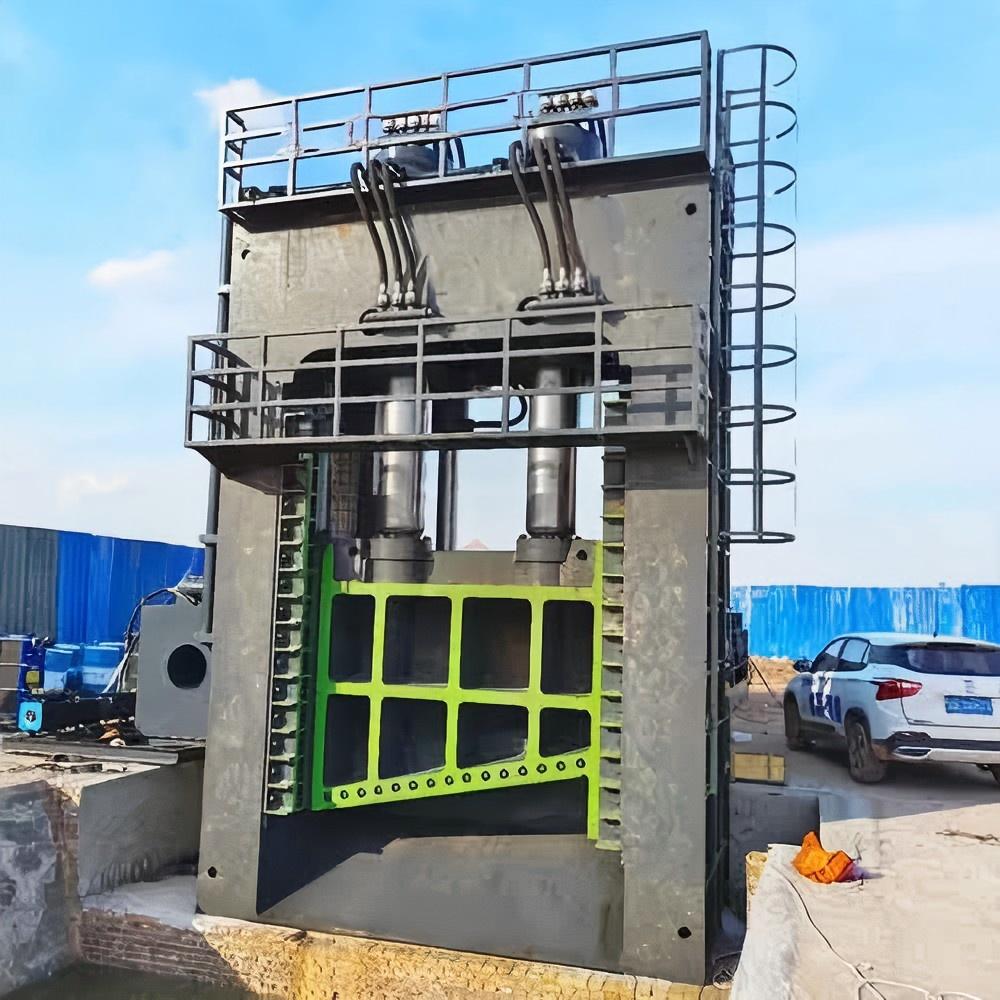
Recycling centers are the primary environment where scrap metal shears deliver the highest ROI. In these facilities, the sheer volume of incoming material—ranging from structural steel beams to decommissioned machinery—requires a solution that can operate continuously. A gantry shear, for instance, allows for the processing of hundreds of tons of metal per day. The ROI is realized through the reduction of manual labor; instead of a team of workers using oxy-fuel torches, a single operator can manage the entire shearing process from a climate-controlled cabin.
Furthermore, processed scrap (sheared to specific lengths) commands a much higher market price than unprocessed, oversized scrap. Steel mills and foundries prefer sheared material because it increases furnace charging efficiency and reduces melting time. By bridging the gap between raw scrap and furnace-ready feedstock, recycling centers capture the maximum value-added margin in the supply chain.
2. Demolition and Infrastructure Deconstruction
On-site demolition is another critical area where scrap metal shears deliver the highest ROI. When bridges, industrial plants, or high-rise buildings are dismantled, the logistics of transporting oversized steel members can be prohibitively expensive. Mobile container shears or excavator-mounted shears allow for immediate processing at the source. By reducing the size of the scrap on-site, companies can significantly lower their transportation costs, as more weight can be packed into each truckload.
3. Automotive Dismantling and End-of-Life Vehicle (ELV) Processing
The automotive industry generates a massive amount of scrap, from stamped offcuts in manufacturing to end-of-life vehicles. Scrap metal shears are used to quickly process frames, axles, and engine components. In this scenario, the ROI is driven by the speed of the cycle time. The faster a vehicle can be reduced to manageable pieces, the higher the throughput of the yard. Specialized shears can also help in separating different grades of steel and aluminum, which is vital for maintaining material purity and achieving higher resale prices.
Material and Process Requirements
Understanding Material Grades and Shear Force
To achieve a high ROI, the machine must be perfectly matched to the material it processes. Shearing heavy structural steel (HMS1) requires significantly more force than processing light gauge sheet metal or aluminum extrusions. Fabricators must evaluate the yield strength and thickness of their most common scrap types. For example, a shear with 600 tons of force might be overkill for a facility processing mostly aluminum, leading to unnecessary energy expenditure and a slower ROI. Conversely, under-powering a machine leads to frequent jams and mechanical failure.
Blade Metallurgy and Maintenance
The “business end” of the shear—the blades—plays a pivotal role in ROI. High-quality blades made from shock-resistant tool steels (like D2 or H13) maintain their edge longer, reducing the frequency of blade rotations and replacements. A dull blade increases the load on the hydraulic system, consuming more electricity and putting stress on the cylinder seals. Therefore, a rigorous maintenance schedule and the use of premium consumables are essential for keeping operational costs low and ROI high.
Process Precision and Length Control
Modern shears often feature programmable logic controllers (PLCs) that allow operators to set precise cut lengths. This is crucial because different end-users (mills) have different specifications for “busheling” or “plate and structural” scrap. Delivering material that consistently meets these size requirements eliminates the risk of rejected loads and allows the fabricator to negotiate premium contracts, directly boosting the ROI of the machinery.
Recommended Machine Configuration
| Machine Type | Best For | Key ROI Driver | Typical Capacity |
|---|---|---|---|
| Gantry Shear | Heavy structural steel, high volume | Throughput & Labor Reduction | 500 – 2000 Tons |
| Container Shear | Mobile sites, remote locations | Logistics & Transport Savings | 300 – 800 Tons |
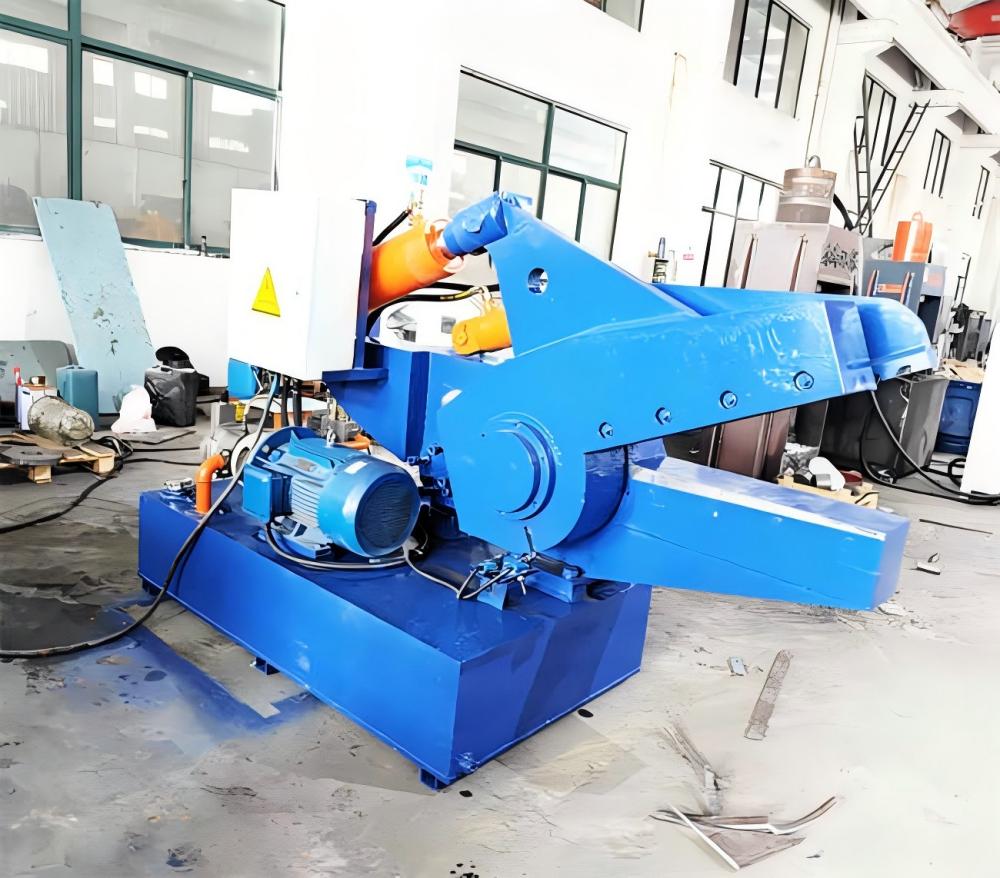
| Alligator Shear | Small parts, cleaning non-ferrous | Precision & Low Entry Cost | 50 – 200 Tons |
| Horizontal Shear | Long pipes, rebar, uniform scrap | Continuous Feed Efficiency | 400 – 1000 Tons |
Hydraulic System Optimization
The heart of any scrap metal shear is its hydraulic system. To maximize ROI, look for machines equipped with variable displacement pumps and high-efficiency motors. These systems adjust the flow and pressure based on the resistance encountered during the cut. This means the machine uses less power when cutting thinner materials and only draws maximum current when necessary. Over the lifespan of the machine, the energy savings alone can contribute significantly to the total return.
Automation and Feeding Mechanisms
Manual feeding is a bottleneck. ROI is significantly enhanced when the shear is paired with an automated vibrating feeder or a heavy-duty conveyor system. This ensures that the shear box is always full, maximizing the number of cuts per hour. Furthermore, remote control capabilities allow a single operator to manage both the loading crane and the shear, further reducing the headcount required for the operation.
The Workflow: From Raw Scrap to Revenue
- Collection and Sorting: Scrap is gathered and sorted by material type (ferrous vs. non-ferrous) and thickness. This ensures the shear is operating within its optimal parameters.
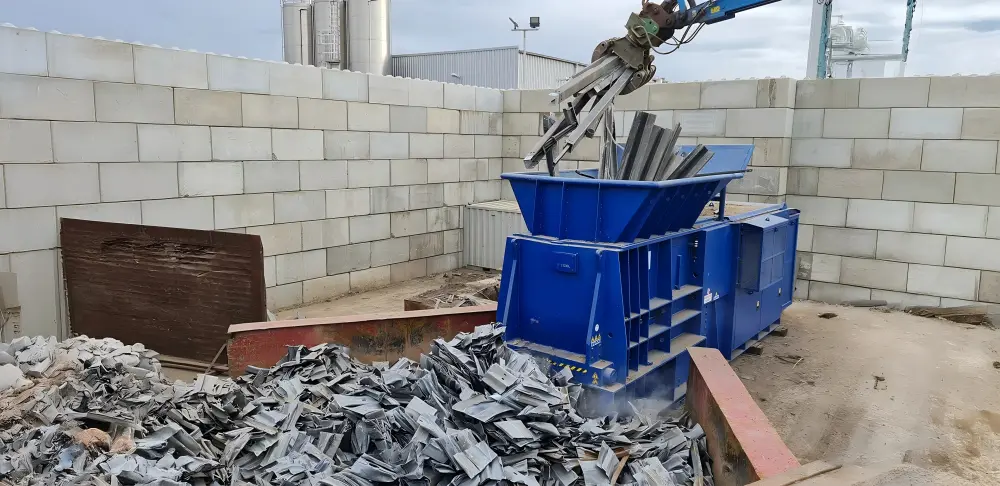
- Loading: Using a grapple or magnet, the scrap is loaded into the charging box. Advanced shears feature a pre-compression lid that crushes the scrap into a dense log before shearing.
- Shearing: The hydraulic ram pushes the material toward the blades, where it is cut to the programmed length. The speed of this process is critical for high-volume ROI.
- Discharge and Transport: The sheared pieces fall onto a discharge conveyor, which can be equipped with magnetic separators to remove any remaining contaminants.
- Market Delivery: The dense, uniform scrap is loaded into containers for transport to the mill, maximizing the weight-to-volume ratio of the shipment.
Productivity Benefits and Economic Impact
The productivity benefits of a well-implemented scrap metal shear are multifaceted. Firstly, there is the Volume Reduction Benefit. Unprocessed scrap is mostly air; shearing it increases its density from perhaps 15 lbs per cubic foot to over 60 lbs per cubic foot. This allows for four times as much material to be stored in the same footprint and transported in the same number of trucks.
Secondly, the Safety Benefit cannot be overstated. Manual cutting with torches involves fire hazards, toxic fumes, and the risk of flash burns. Mechanical shearing is a cold process that can be managed from a distance, significantly lowering insurance premiums and the risk of costly workplace accidents. A safer workplace is a more profitable workplace.
Thirdly, the Market Access Benefit. Many high-value scrap markets are only accessible to those who can provide material in specific sizes and purities. By investing in a shear, a fabrication shop can stop selling “mixed scrap” at a discount and start selling “premium grade” at a markup. This shift in market positioning is often where the highest ROI is truly found.
Case Example: Mid-Sized Fabrication Shop Upgrade
Consider a mid-sized fabrication shop that generates 500 tons of steel scrap per month. Previously, they sold this scrap as “unprepared” to a local yard, receiving $180 per ton. They also employed two full-time workers to torch-cut larger pieces to make them transportable, costing roughly $8,000 per month in wages and gases.
After investing in a HARSLE 630-ton gantry shear, the shop began processing the scrap themselves. The “prepared” scrap now sells for $260 per ton—an $80 increase. The labor cost was reduced to one part-time operator, and the torching expenses were eliminated. Total monthly gain: (500 tons * $80) + $6,000 labor savings = $46,000. Even with the financing costs of the machine, the ROI was achieved in less than 18 months, after which the machine contributed nearly half a million dollars in annual profit.
Frequently Asked Questions (FAQ)
How long do the blades on a scrap metal shear last?
Blade life depends heavily on the material being cut. For standard structural steel, blades can typically last between 200 and 500 hours of operation before needing to be rotated or sharpened. Most HARSLE blades feature four cutting edges, allowing them to be turned three times before a full replacement is required.
What is the difference between a gantry shear and an alligator shear?
A gantry shear is a large, vertical-cutting machine designed for high-volume, heavy-duty scrap. It uses a gravity or hydraulic feed system. An alligator shear has a hinged jaw (resembling an alligator’s mouth) and is better suited for smaller pieces, cleaning non-ferrous metals, or precision cutting where the operator needs to hold the material.
Can scrap metal shears handle reinforced concrete?
While shears are designed for metal, they can often cut the rebar within concrete. However, the concrete itself is highly abrasive and will dull the blades very quickly. It is generally recommended to use a hydraulic breaker or pulverizer to remove the bulk of the concrete before shearing the internal steel for the best ROI.
What kind of maintenance is required for a hydraulic scrap shear?
Daily maintenance includes checking hydraulic fluid levels, inspecting hoses for leaks, and greasing all moving parts. Weekly tasks involve checking blade gap clearance and inspecting the bolts on the cutting head. Regular oil filtration and cooling system checks are also vital to prevent pump failure.
Is it better to buy a mobile or stationary shear?
This depends on your business model. If you have a central yard where all scrap is brought, a stationary gantry shear offers the highest throughput and lowest operating cost. If you perform on-site demolition or have multiple smaller yards, a mobile container shear provides the flexibility to process material where it lies, saving on transport costs.
How does the shear force affect the ROI?
Choosing the right shear force is a balancing act. Too little force means you can’t process heavy scrap, missing out on high-value material. Too much force means higher initial investment and higher energy bills. Analyzing your typical scrap mix is the first step in determining the “sweet spot” for ROI.
Conclusion: Maximizing Your Investment with HARSLE
Determining Where Scrap Metal Shears Deliver Highest ROI In Metal Fabrication requires a holistic view of your operations. It is not merely about the act of cutting metal, but about optimizing the entire lifecycle of scrap—from the moment it is generated or received to the moment it is sold as a premium commodity. By focusing on high-volume applications, maintaining material purity, and choosing a machine configuration that minimizes labor and energy costs, fabricators can ensure their shearing equipment is a cornerstone of their financial success.
HARSLE remains at the forefront of this industry, providing robust, high-efficiency shearing solutions tailored to the diverse needs of the global metal fabrication market. Whether you are looking to upgrade a small recycling yard or equip a massive industrial deconstruction project, our team is ready to help you calculate your potential ROI and select the perfect machine for your needs.
Ready to transform your scrap into profit? Contact HARSLE today for a technical consultation and discover how our scrap metal shears can revolutionize your fabrication workflow.












