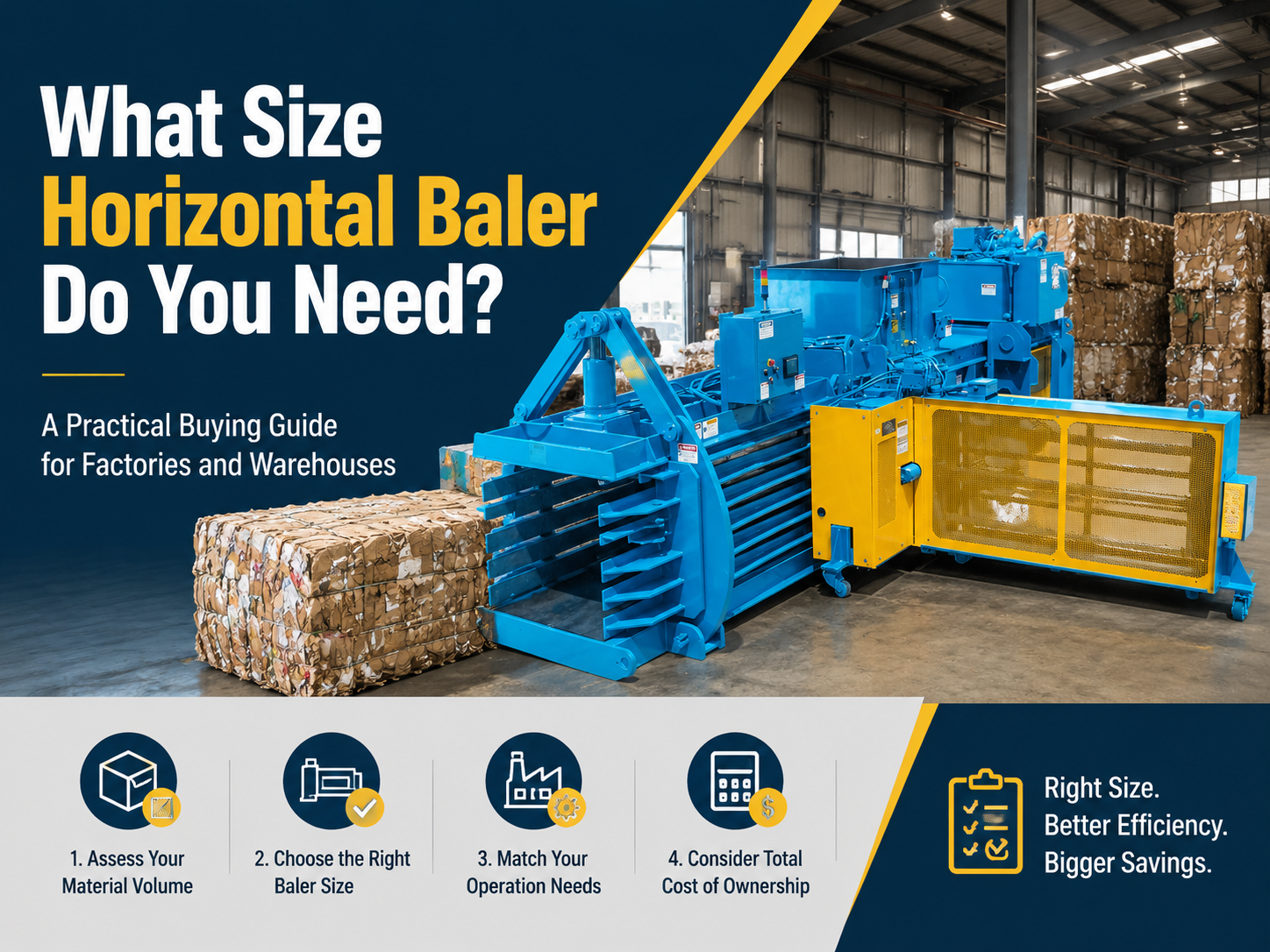
What Size Horizontal Baler Do You Need? A Practical Buying Guide for Factories and Warehouses

Introduction to Horizontal Baler Selection
In the modern industrial landscape, waste management is no longer just a secondary concern; it is a critical component of operational efficiency and sustainability. For factories and warehouses dealing with high volumes of cardboard, plastic, paper, or non-ferrous metals, the question of Size Horizontal Baler Do You Need? A Practical Buying Factories Warehouses becomes a pivotal decision. A horizontal baler is a significant investment that can transform a cluttered floor into a streamlined revenue stream by compressing loose waste into dense, transportable bales.
Choosing the wrong size can lead to two major problems: an undersized machine will create a bottleneck in your production line, leading to labor inefficiencies and safety hazards, while an oversized machine represents wasted capital and excessive energy consumption. This guide is designed to help facility managers, procurement officers, and business owners navigate the technical complexities of horizontal balers to find the perfect fit for their specific throughput requirements.
Price Range Overview: Setting Your Budget
The cost of a horizontal baler varies significantly based on its size, automation level, and compression force. Understanding the price tiers is the first step in determining which Size Horizontal Baler Do You Need? A Practical Buying Factories Warehouses. Generally, horizontal balers are categorized into three main price brackets: entry-level manual-tie machines, mid-range automatic-tie machines, and high-capacity industrial systems.
Entry-level horizontal balers typically range from $25,000 to $60,000. These machines are often “closed-door” models where the operator must manually thread the bale wire. They are ideal for warehouses producing 1 to 3 tons of waste per day. While they require more labor than automated versions, they offer a much higher throughput than vertical balers and are a cost-effective entry point for growing businesses.
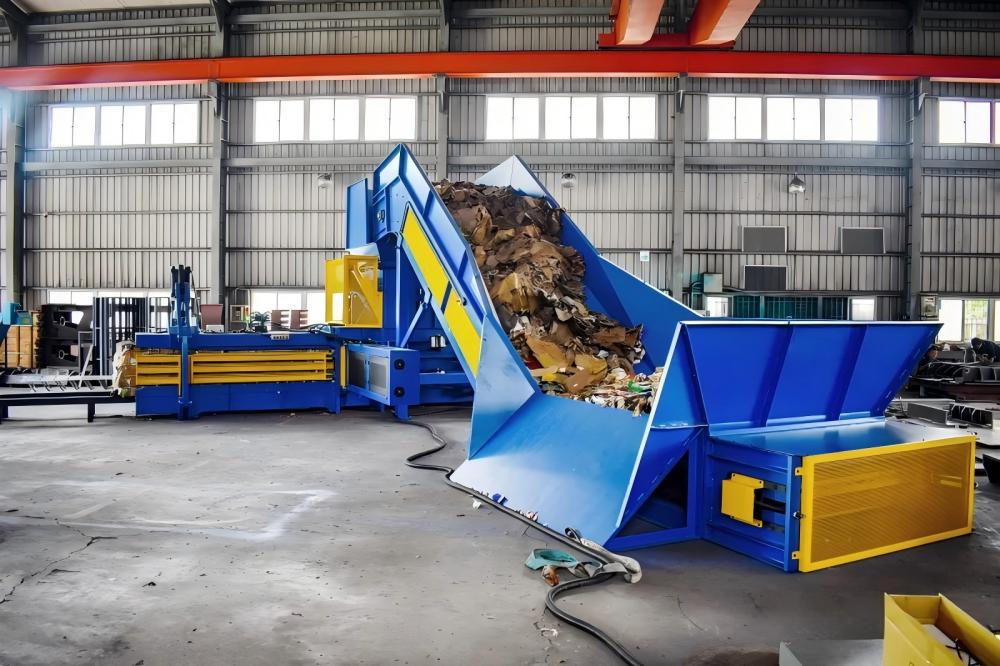
Mid-range horizontal balers, priced between $70,000 and $150,000, usually feature automatic-tie systems and open-end extrusion. These machines are the workhorses of medium-sized distribution centers and manufacturing plants. They can handle 4 to 10 tons of material per shift and significantly reduce labor costs by automating the tying process. At this level, you begin to see advanced PLC controls and more robust hydraulic systems.
High-end industrial balers can exceed $200,000. These are massive machines designed for 24/7 operations, recycling centers, or massive manufacturing hubs. They feature high-horsepower motors (often dual 50HP or 100HP setups), massive feed openings, and the ability to process over 20 tons of material per hour. When considering Size Horizontal Baler Do You Need? A Practical Buying Factories Warehouses at this scale, the focus shifts from simple waste reduction to high-speed commodity processing.
Main Cost Drivers in Horizontal Baler Procurement
Several technical factors drive the final price of a horizontal baler. The most prominent is the hydraulic system. The size of the main cylinder and the pressure it can exert (measured in tons) directly correlate with the density of the bale. Higher density means more weight per truckload, which reduces shipping costs. A machine with a 7-inch cylinder will naturally cost more than one with a 6-inch cylinder due to the increased structural reinforcement required to handle the force.
Motor horsepower and pump capacity are also significant cost drivers. A larger motor allows for faster cycle times. If your warehouse has a constant stream of material coming off a conveyor, you need a fast cycle time to prevent backups. This requires high-flow hydraulic pumps and sophisticated cooling systems to prevent the oil from overheating during continuous use. These components add to the initial purchase price but are essential for high-volume environments.
The quality of the structural steel and the wear liners used in the baling chamber also impact cost. Industrial-grade balers use high-tensile steel and replaceable AR500 (Abrasion Resistant) liners. While these features increase the upfront cost, they prevent the frame from warping under pressure and extend the machine’s lifespan by decades. For factories processing abrasive materials like hard plastics or metal scraps, these heavy-duty configurations are non-negotiable.
Configuration Impact: Matching Machine to Material
When asking Size Horizontal Baler Do You Need? A Practical Buying Factories Warehouses, you must consider the physical dimensions of the feed opening and the bale size. The feed opening must be large enough to accept your largest pieces of waste without pre-shredding. For example, if your warehouse handles large appliance boxes, a small feed opening will require employees to manually break down boxes, defeating the purpose of an automated system.
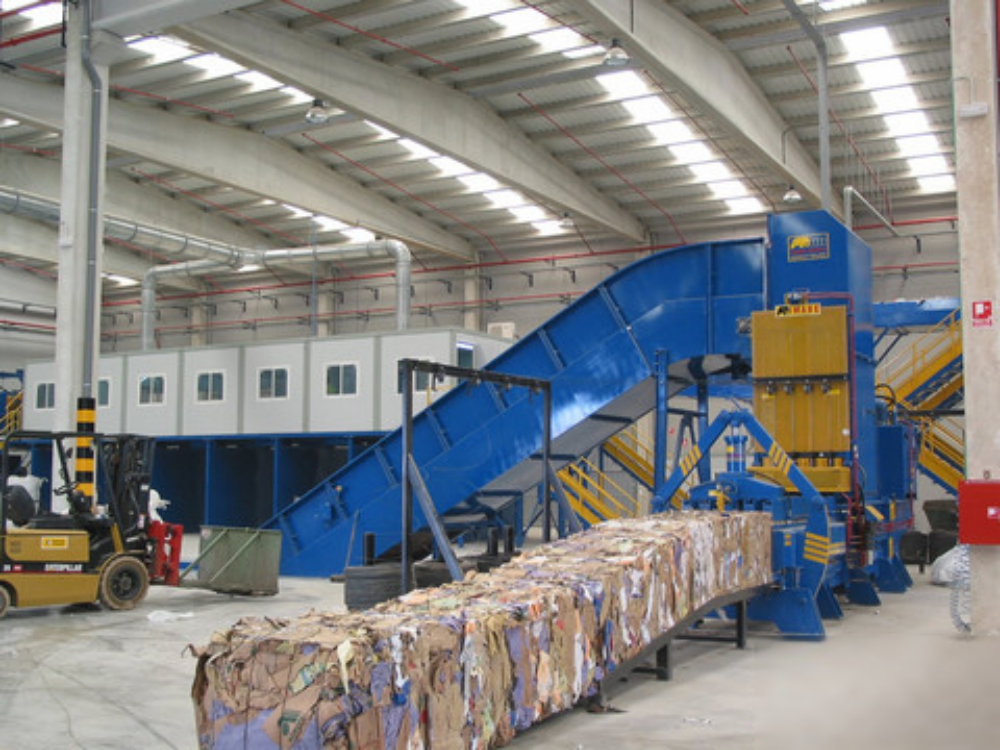
Bale size is equally important for logistics. Most industrial horizontal balers produce a standard “mill-size” bale (typically 60″ x 30″ x 45″). Mill-size bales are the industry standard for recyclers; they fit perfectly into standard shipping containers and trailers, allowing you to maximize the weight of every load. If your baler produces non-standard sizes, you may find it difficult to sell your recycled material or may face “light load” penalties from transport companies.
The choice between a closed-end and an open-end (extrusion) baler is another critical configuration. Closed-end balers are versatile and can handle a variety of materials, including difficult-to-bale items like plastic jugs or aluminum cans, because the material is pressed against a solid steel door. Open-end balers use tension from the previous bale to create resistance; they are faster and better suited for consistent materials like cardboard (OCC) or high-grade paper.
Hidden Costs of Ownership
The sticker price of a horizontal baler is only part of the total cost of ownership. One often overlooked expense is site preparation. Horizontal balers are heavy and exert significant vibration. You may need to reinforce your warehouse floor with a thicker concrete pad (often 6 to 8 inches of reinforced concrete) to support the machine’s weight and operational forces. Additionally, these machines require significant electrical infrastructure, often needing 460V three-phase power.
Freight and installation are also substantial. Shipping a 20,000-lb machine requires specialized heavy-haul trucking and rigging services to move it into place. Once on-site, a factory-trained technician is usually required for startup, calibration, and staff training. These services can add several thousand dollars to the initial project budget but are vital for ensuring the machine operates safely and efficiently from day one.
Consumables and maintenance should also be factored into the long-term budget. Automatic-tie balers require specific gauges of baling wire, which must be purchased regularly. Routine maintenance, such as hydraulic oil changes, filter replacements, and sharpening the shear blades, is necessary to prevent costly breakdowns. A well-maintained HARSLE horizontal baler can last 20+ years, but neglecting these “hidden” costs will significantly shorten that lifespan.
ROI Calculation: When Does the Investment Pay Off?
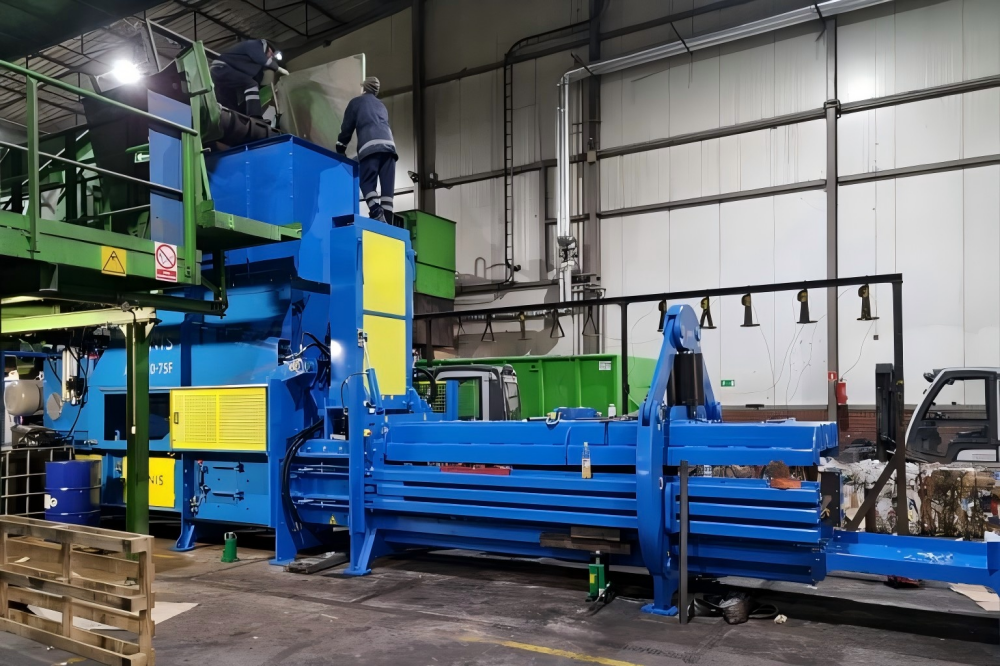
Calculating the Return on Investment (ROI) is the most effective way to justify the Size Horizontal Baler Do You Need? A Practical Buying Factories Warehouses. The primary savings come from labor reduction. In a typical warehouse, employees might spend hours breaking down boxes and loading them into a small vertical baler or an open dumpster. A horizontal baler with a conveyor feed can reduce this labor by 70-80%, allowing staff to focus on core production tasks.
Another major factor is the reduction in waste hauling fees. Loose cardboard in a dumpster is mostly air. By baling that material, you reduce the number of pickups required by your waste hauler. In many cases, instead of paying a hauler to take away your trash, a recycling company will pay you for your dense, mill-sized bales. If your factory produces 50 tons of cardboard a month, the revenue from selling those bales can often cover the monthly lease payment of the machine.
To calculate ROI, sum your current monthly waste hauling costs and the labor hours spent on waste handling. Compare this to the monthly cost of the baler (including financing, power, and wire) plus the expected revenue from bale sales. Most high-volume facilities see a full return on investment within 18 to 36 months. For larger operations, the “soft” benefits—such as a cleaner workspace, reduced fire risk from loose paper, and improved safety—further enhance the value proposition.
Practical Buying Advice for Factories and Warehouses
Before making a final decision, conduct a thorough waste audit. Track the volume and type of waste your facility generates over a two-week period. Note the peak times; if 50% of your waste is generated during a four-hour window, your baler needs to be sized to handle that peak flow, not just the daily average. This is a crucial step in answering Size Horizontal Baler Do You Need? A Practical Buying Factories Warehouses accurately.
Consider the footprint of the machine and the surrounding workflow. A horizontal baler is a long machine, often requiring 20 to 40 feet of linear space, plus additional room for the conveyor and bale storage. Ensure your warehouse layout allows for easy access by forklifts to remove finished bales and for maintenance teams to access the hydraulic power unit. If space is tight, look for “wide-mouth” models that offer high throughput in a shorter frame.
Finally, choose a manufacturer with a strong support network. Industrial machinery like horizontal balers requires occasional expert service. Working with a reputable brand like HARSLE ensures that you have access to technical documentation, spare parts, and expert advice. Always ask about the warranty terms and the availability of local service technicians before signing a purchase order.
Horizontal Baler Selection Checklist
- Material Type: Is it OCC, plastic, paper, or multi-material?
- Daily Volume: How many tons do you produce per shift?
- Feed Method: Will you use a conveyor, tipper, or manual loading?
- Space Constraints: Do you have the floor space for the machine and bale outfeed?
- Electrical Capacity: Does your facility support 3-phase power?
- Bale Destination: Does the bale size meet your recycler’s requirements?
Frequently Asked Questions
What is the difference between a manual-tie and an auto-tie horizontal baler?
A manual-tie baler requires an operator to insert and tie the wires once the bale is formed, which takes about 5-10 minutes per bale. An auto-tie baler uses a mechanical needle and twister system to tie the bale automatically in less than a minute, allowing for continuous operation without stopping the feed conveyor.
Can one horizontal baler handle multiple types of materials?
Yes, most horizontal balers are versatile. However, you may need to adjust the pressure settings and shear blade clearances when switching between materials like cardboard and plastic film. Some high-end models feature “multi-material” programming in the PLC to make these transitions seamless.
How much ceiling height is required for a horizontal baler?
While the baler itself is relatively low-profile, the feed hopper and conveyor system often require significant vertical clearance. Most industrial setups require at least 15 to 20 feet of ceiling height to accommodate the incline conveyor that feeds material into the top of the baler.
Is a horizontal baler safer than a vertical baler?
Both are safe when operated correctly, but horizontal balers often feature more advanced safety interlocks and automated feeding systems that keep operators away from the compression chamber. Because they are often fed by conveyors, the risk of ergonomic injuries from lifting heavy waste is also significantly reduced.
How long does a typical horizontal baler last?
With proper maintenance, a high-quality industrial horizontal baler can last 20 to 25 years. Key components like the hydraulic pump and motor may need rebuilding or replacement every 7-10 years, but the heavy steel frame is designed for decades of service in demanding environments.
What is the most common mistake when buying a horizontal baler?
The most common mistake is underestimating future growth. Many companies buy a machine that fits their current needs perfectly, only to find it overwhelmed two years later as production increases. It is usually wiser to invest in a machine with 20-30% more capacity than you currently need to future-proof your waste management operations.