How to Integrate a Horizontal Baler into a Waste Handling Production Line

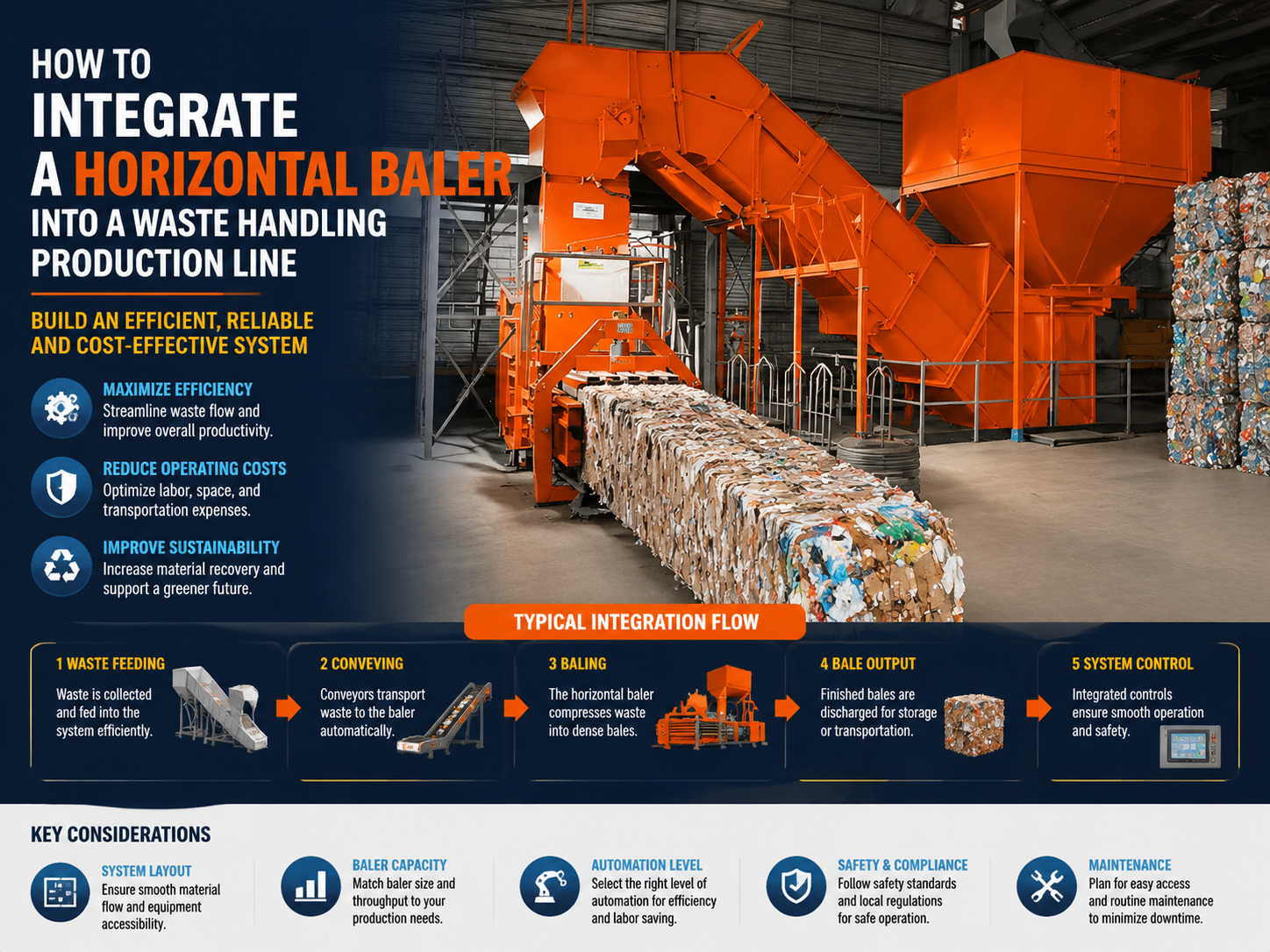
Technical Overview of Horizontal Baler Integration
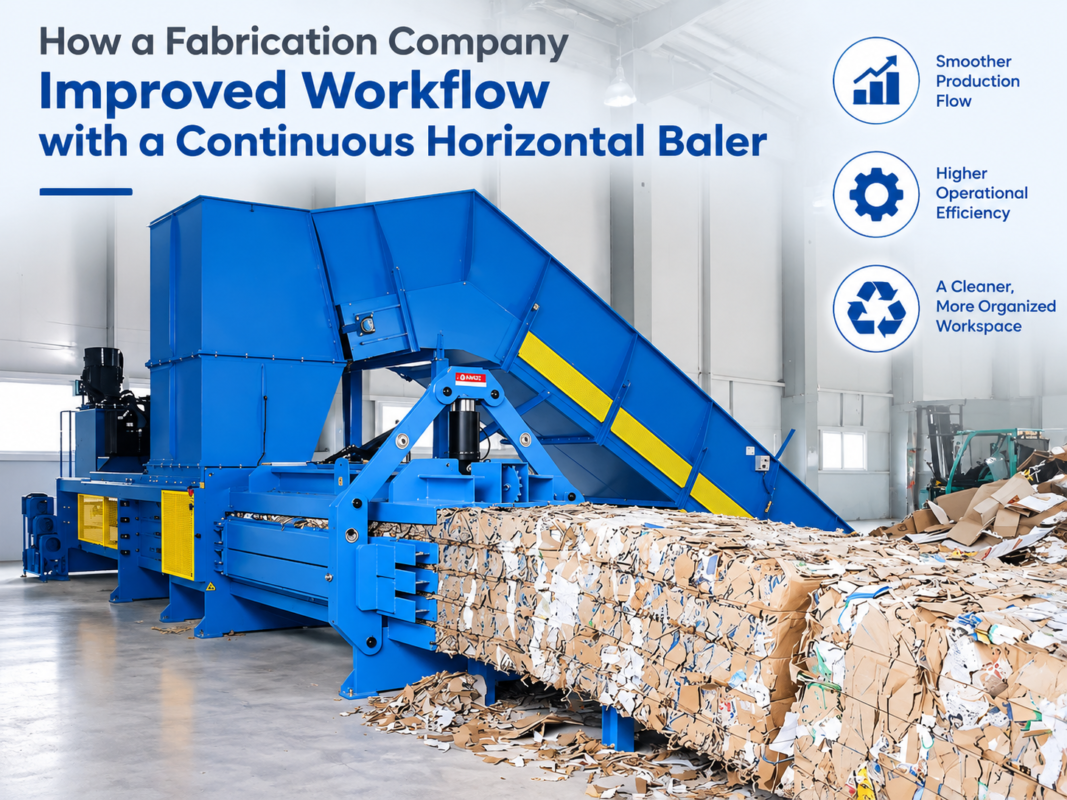
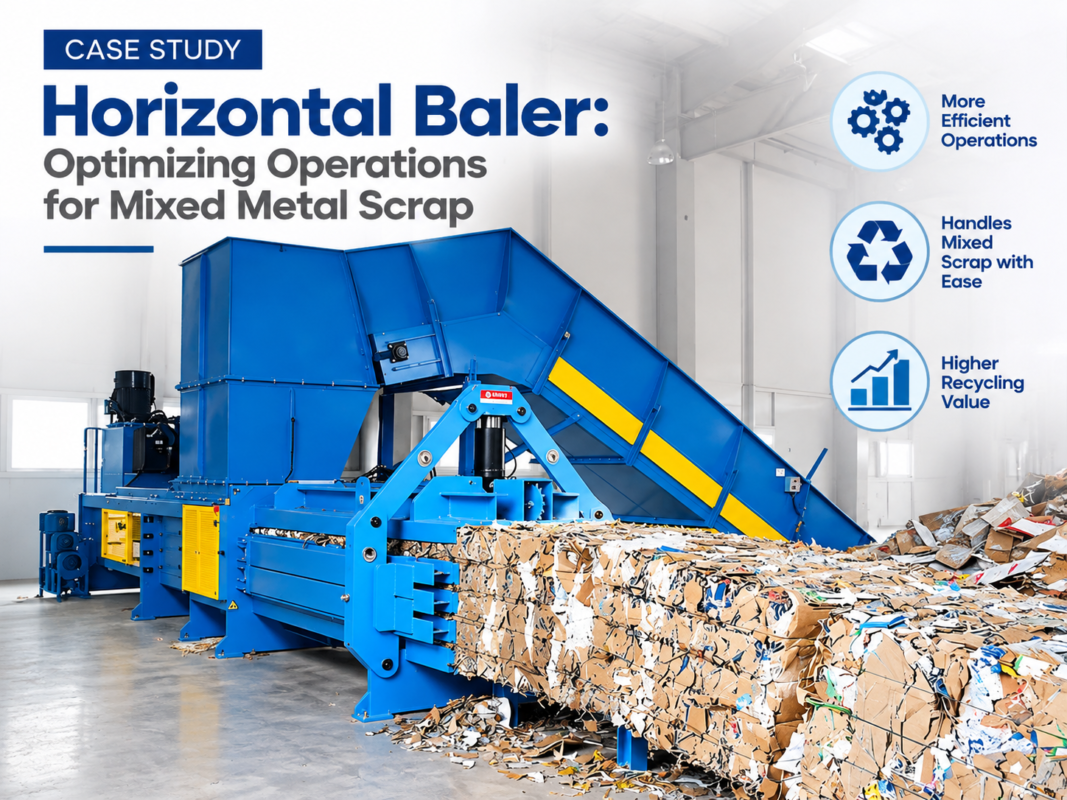
In the modern industrial landscape, the ability to efficiently manage waste is not just an environmental mandate but a critical component of operational profitability. To Integrate A Horizontal Baler Into A Waste Handling Production Line requires a deep understanding of both mechanical engineering and logistical flow. Unlike vertical balers, which are often standalone units for low-volume applications, horizontal balers are designed for continuous, high-capacity operation. They serve as the heart of a recycling or waste processing facility, transforming loose materials like cardboard, plastics, non-ferrous metals, and paper into dense, stackable, and transportable bales.
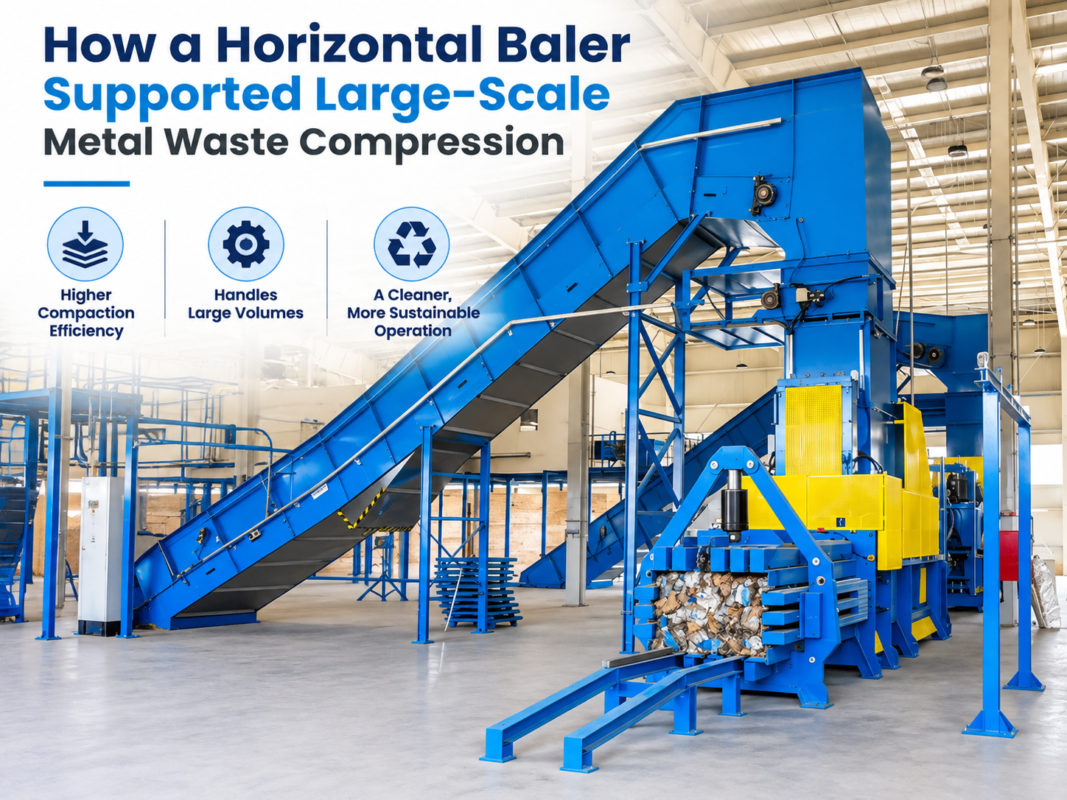
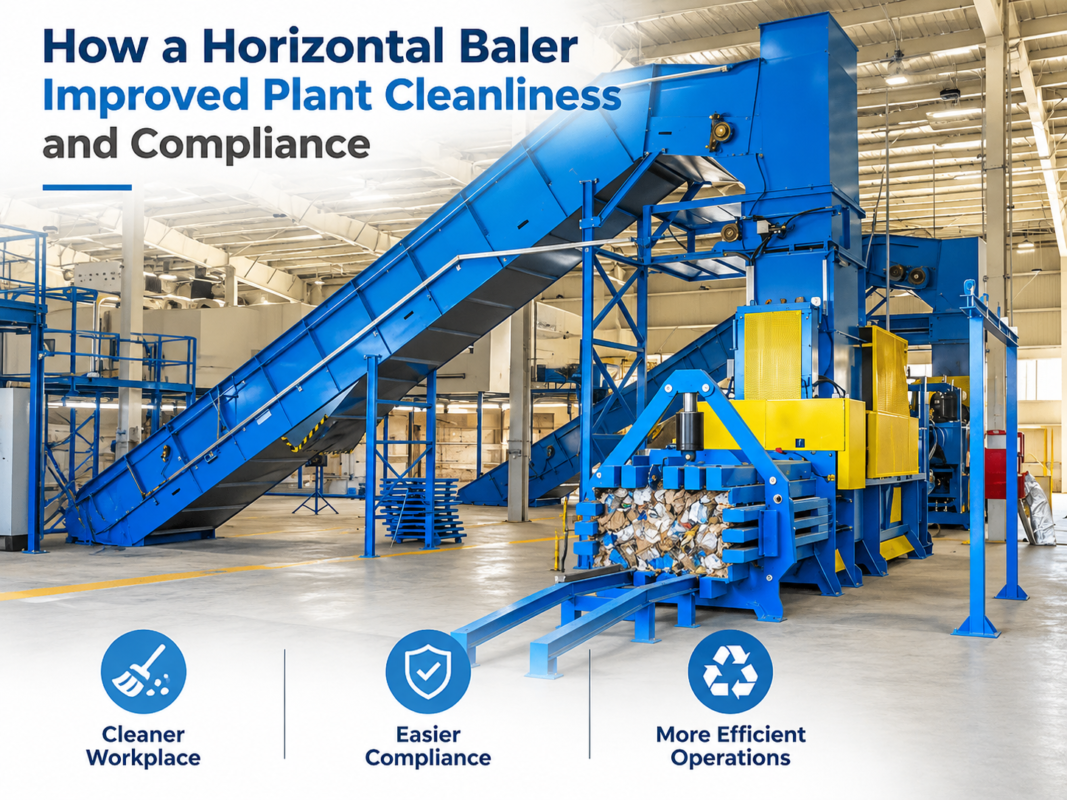
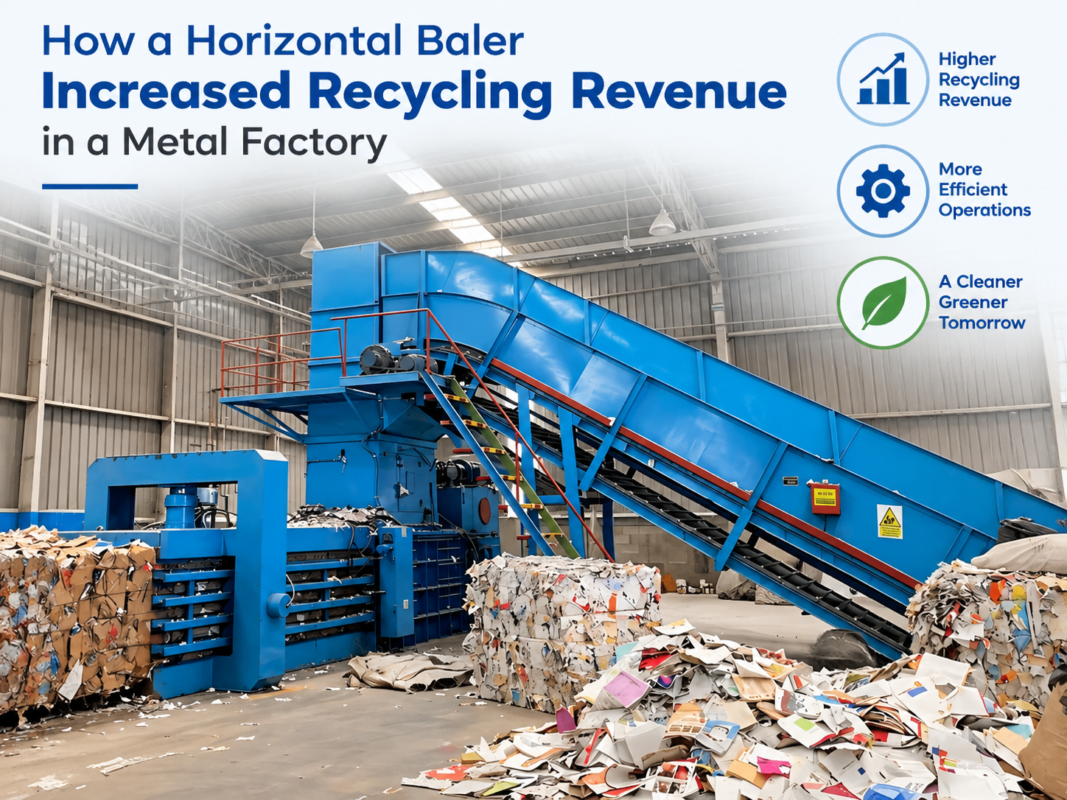
The integration process begins with the synchronization of the feeding system. Most industrial lines utilize heavy-duty conveyors—either rubber belt or steel chain—to transport waste from the sorting area directly into the baler’s hopper. HARSLE horizontal balers are engineered with advanced PLC (Programmable Logic Controller) systems that allow for seamless communication between the conveyor and the press. This ensures that the ram only cycles when the hopper is sufficiently full, optimizing energy consumption and reducing wear on hydraulic components. Furthermore, the integration involves structural considerations, such as the foundation’s load-bearing capacity and the spatial requirements for bale ejection and storage.
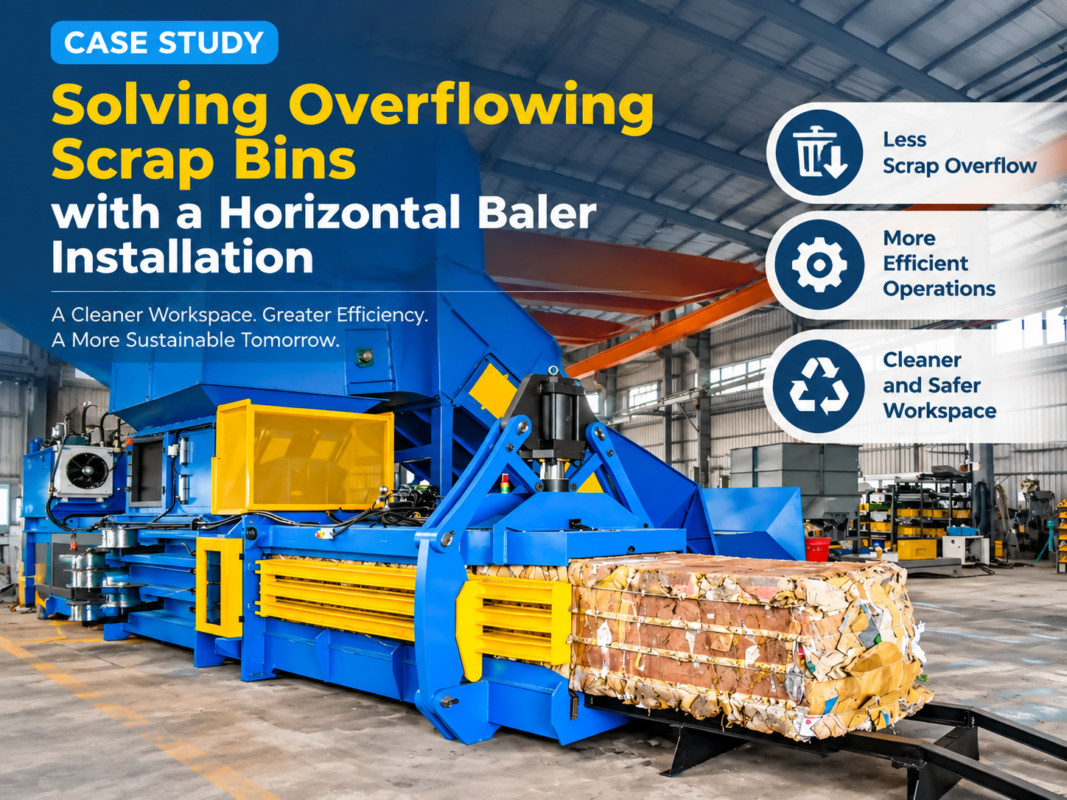
Technically, a horizontal baler operates on a horizontal axis where a hydraulic ram compresses material against a fixed or adjustable door (the bale head). The integration must account for the ‘shear’ mechanism. As the ram moves forward, a hardened steel blade shears off any material overhanging the hopper, ensuring a clean bale shape. For a production line to be truly integrated, this shearing action must be timed perfectly with the material inflow to prevent jams. HARSLE machines utilize high-pressure hydraulic circuits and precision-ground blades to handle this task with minimal maintenance requirements.
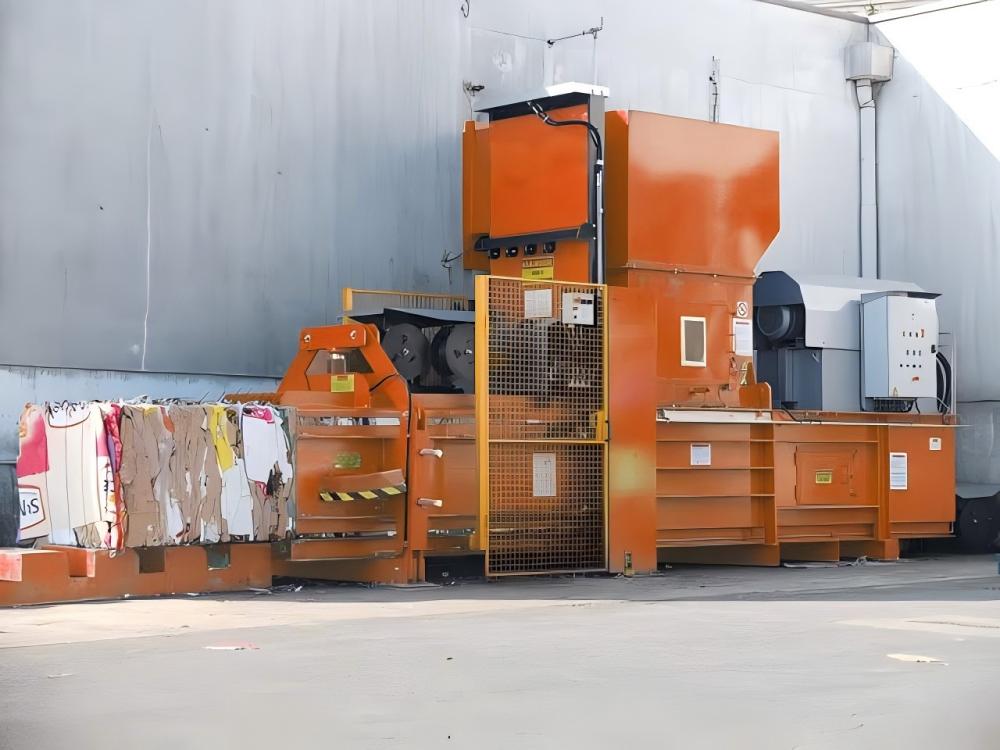
The Role of Automation in Modern Integration
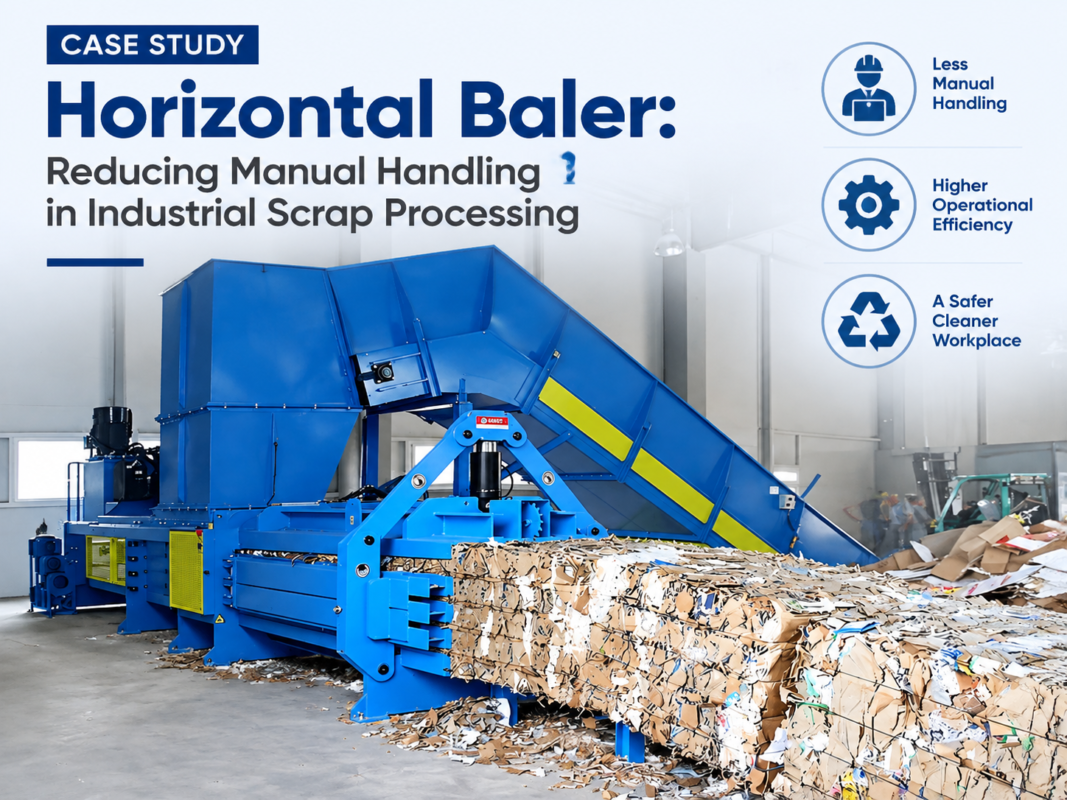
Automation is the cornerstone of modern waste handling. When you Integrate A Horizontal Baler Into A Waste Handling Production Line, you are moving away from manual tying and toward automated wire-tier systems. These systems use sensors to detect when a bale has reached its target length, at which point the machine automatically needles wire through the bale, twists it, and cuts it. This eliminates the need for a dedicated operator at the baler, allowing personnel to focus on sorting and quality control. The integration of these sensors into the broader factory SCADA (Supervisory Control and Data Acquisition) system allows for real-time monitoring of throughput and bale weights.
Core Parameters for Successful Integration
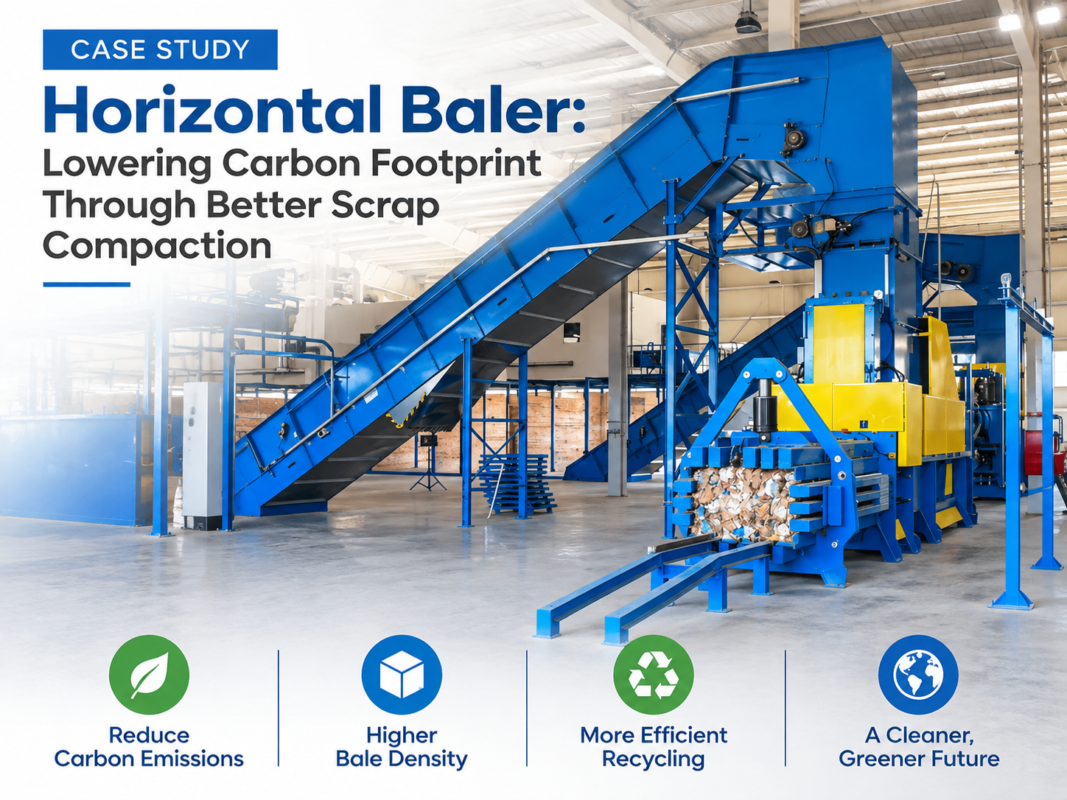
To successfully Integrate A Horizontal Baler Into A Waste Handling Production Line, engineers must evaluate several core parameters that dictate the machine’s performance and compatibility with existing equipment. The first is the Pressing Force, usually measured in tons. For standard recyclables like OCC (Old Corrugated Containers), a force of 60 to 100 tons is typical. However, for denser materials or higher throughput requirements, HARSLE offers models exceeding 120 tons of pressure. This force determines the final density of the bale, which directly impacts shipping costs; denser bales mean fewer trucks and lower carbon footprints.
The second parameter is the Cycle Time. This is the duration it takes for the ram to extend and retract fully. In a high-speed production line, the cycle time must be faster than the rate of material arrival. If the conveyor delivers 10 cubic meters of waste per minute, but the baler can only process 8, a bottleneck occurs. Therefore, calculating the volumetric capacity of the hopper and the displacement speed of the hydraulic pump is essential. HARSLE utilizes variable frequency drives (VFDs) on pump motors to adjust speeds dynamically based on the material load, providing a balance between speed and energy efficiency.
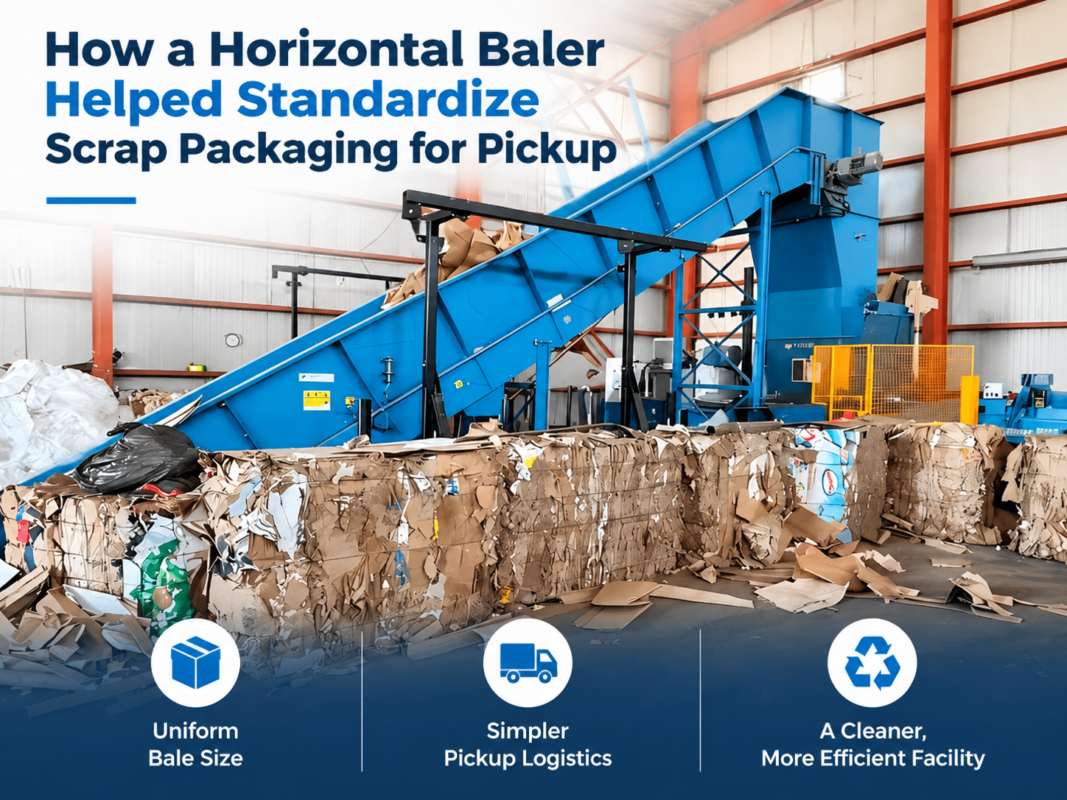
Thirdly, the Bale Dimensions must be standardized for logistics. Most international shipping containers and flatbed trucks are optimized for specific bale sizes (e.g., 1100mm x 1100mm). Integrating a baler that produces non-standard sizes can lead to significant inefficiencies in the supply chain. Additionally, the Motor Power (measured in kW or HP) must be matched to the facility’s electrical infrastructure. High-performance balers often require dedicated transformers or upgraded circuitry to handle the peak current draws during the initial compression phase.
Calculation Method for Throughput and Efficiency
Before you Integrate A Horizontal Baler Into A Waste Handling Production Line, you must perform rigorous calculations to ensure the system is right-sized. The most critical calculation is the Hourly Throughput (T). This can be estimated using the formula:
T = (V × D × 60 × η) / C
Where:
V = Volume of the compression chamber (cubic meters)
D = Density of the loose material (kg/m³)
η = Efficiency factor (usually 0.75 to 0.85 to account for loading gaps)
C = Cycle time in seconds
For example, if you are processing loose cardboard with a density of 50 kg/m³ in a baler with a 2 m³ chamber and a 30-second cycle time, the theoretical throughput would be approximately 12 tons per hour. However, real-world integration must also account for the Compaction Ratio. Cardboard can be compressed at a ratio of 10:1 or higher. Understanding the final bale density (e.g., 450-550 kg/m³) allows you to calculate how many bales will be produced per shift and, consequently, how much storage space and how many forklift movements will be required.
Another vital calculation is the Cooling Requirement for the hydraulic oil. Continuous operation generates significant heat. If the baler is integrated into a line running 24/7, an air-cooled or water-cooled heat exchanger must be sized to dissipate the thermal energy generated by the hydraulic friction. Failure to calculate this correctly leads to oil degradation, seal failure, and unplanned downtime.
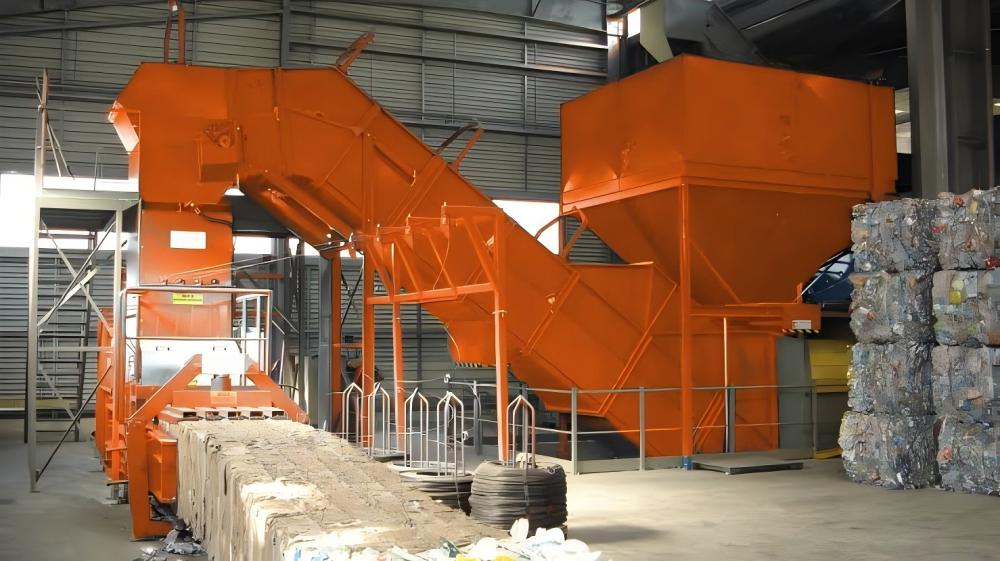
Technical Parameter Table
The following table outlines the specifications for common HARSLE horizontal baler models used in production line integration. These figures serve as a baseline for engineering planning.
| Model Series | Pressing Force (Tons) | Bale Size (W*H*L mm) | Motor Power (kW) | Throughput (Tons/Hr) | Cycle Time (Sec) |
|---|---|---|---|---|---|
| HARSLE HB-60 | 60 | 1100 * 1100 * Adj. | 30 | 4 – 6 | 45 |
| HARSLE HB-100 | 100 | 1100 * 1100 * Adj. | 45 | 8 – 10 | 35 |
| HARSLE HB-120 | 120 | 1100 * 1100 * Adj. | 55 + 55 (Dual) | 12 – 15 | 28 |
| HARSLE HB-150 | 150 | 1100 * 1100 * Adj. | 75 + 75 (Dual) | 18 – 22 | 22 |
Common Engineering Mistakes in Baler Integration
When companies attempt to Integrate A Horizontal Baler Into A Waste Handling Production Line, several recurring mistakes can compromise the entire project. The most frequent is Improper Conveyor Alignment. If the conveyor is not centered over the hopper, material will spill or accumulate on one side of the compression chamber. This results in ‘banana bales’—curved bales that are unstable when stacked and difficult to load into containers. Ensuring a centered, controlled fall of material is paramount.
Another common error is Ignoring Material Specificity. A baler configured for cardboard may struggle with plastic film or PET bottles. Plastic has ‘memory’ and tends to expand after the ram retracts. Without the correct ‘retainer claws’ (mechanical teeth inside the chamber) and the proper hydraulic pressure settings, the bale may burst or fail to reach the required density. Integration plans must include the specific material mix to ensure the baler is equipped with the right shear blades and software logic.
Electrical integration is also a frequent pitfall. Many facilities fail to account for the Inrush Current of large hydraulic motors. When the baler starts, it can cause a voltage drop that trips other sensitive equipment on the same line. Utilizing soft-starters or VFDs, as found in HARSLE’s premium configurations, is essential to mitigate this. Furthermore, the safety circuit integration is often overlooked. The baler’s emergency stop (E-stop) must be interlocked with the feeding conveyor; if the baler stops, the conveyor must stop immediately to prevent a massive pile-up of waste in the hopper.
Selection Checklist for Integration
Before finalizing your purchase and beginning the process to Integrate A Horizontal Baler Into A Waste Handling Production Line, use this checklist to ensure all technical bases are covered:
- Material Volume: Have you calculated the peak hourly volume (not just the average) to ensure the baler can handle surges?
- Space Constraints: Is there enough room for the baler, the conveyor incline, the wire-tier coils, and the bale discharge ramp?
- Foundation Requirements: Does the floor have the reinforced concrete depth required to handle the vibration and static weight of a 20-ton machine?
- Electrical Capacity: Is your transformer capable of handling the kW rating plus the 200% startup surge?
- Automation Level: Do you require a fully automatic wire-tier, or is a manual tie sufficient for your labor model?
- Maintenance Access: Is there at least 1.5 meters of clearance around the hydraulic power unit and the PLC cabinet for servicing?
- Safety Compliance: Does the integrated system meet local OSHA or CE standards for guarding and interlocking?
- Bale Handling: How will the finished bales be moved? Do you need an integrated bale scale or a moisture sensor?
- Cooling System: Based on your ambient warehouse temperature, is the standard oil cooler sufficient?
- Future Scalability: Can the PLC be reprogrammed if you add more sorting equipment or conveyors later?
Frequently Asked Questions (FAQ)
1. How often does the shear blade need sharpening?
In a typical cardboard recycling environment, HARSLE shear blades should be inspected monthly and typically require sharpening every 6 to 12 months. However, if the line processes abrasive materials or metal contaminants, this frequency increases. Integrated systems often include a ‘cycle counter’ on the HMI to alert maintenance teams when a service interval is approaching.
2. Can I process different materials on the same integrated line?
Yes, but it requires ‘recipe’ management in the PLC. When you Integrate A Horizontal Baler Into A Waste Handling Production Line, the HMI allows operators to select the material type (e.g., ‘Plastic’ or ‘Paper’). This automatically adjusts the pressing pressure, the number of ties, and the ram dwell time to optimize the bale for that specific material’s characteristics.
3. What is the typical lifespan of an integrated horizontal baler?
With proper maintenance and when correctly integrated (meaning it is not constantly overloaded), a HARSLE horizontal baler has a structural lifespan of 15 to 20 years. Hydraulic pumps and cylinders may require seals or overhauls every 5 to 7 years depending on the duty cycle.
4. How does the wire-tier system handle different wire gauges?
The automated wire-tier is usually calibrated for a specific gauge (typically 10 to 12 gauge). If you change wire thickness, the twisting mechanism and the tensioners must be mechanically adjusted. It is best to stick to a consistent wire specification to ensure the reliability of the automated tying cycle.
5. Is it possible to monitor the baler’s performance remotely?
Absolutely. Modern integration often includes an Ethernet or Wi-Fi module in the PLC. This allows managers to view real-time data such as bale counts, energy usage, and error logs from a smartphone or office computer. This ‘Industry 4.0’ readiness is a standard feature on HARSLE’s high-end horizontal models.
By following these technical guidelines and avoiding common engineering pitfalls, you can successfully Integrate A Horizontal Baler Into A Waste Handling Production Line, resulting in a system that is efficient, safe, and highly productive for years to come.