Comprehensive Preventive Maintenance Schedule for Industrial Horizontal Balers: A Technical Guide

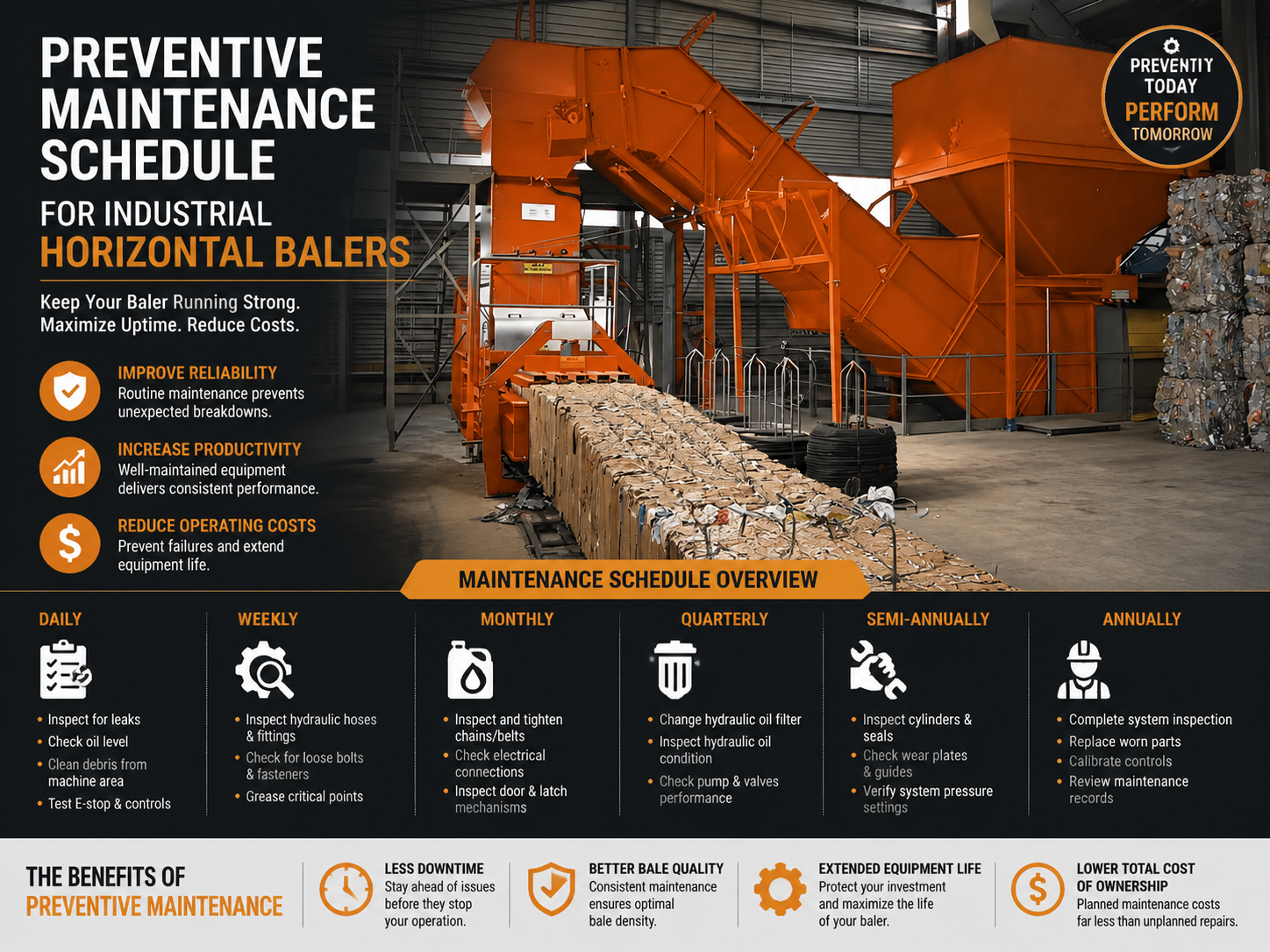
Technical Overview of Industrial Horizontal Balers
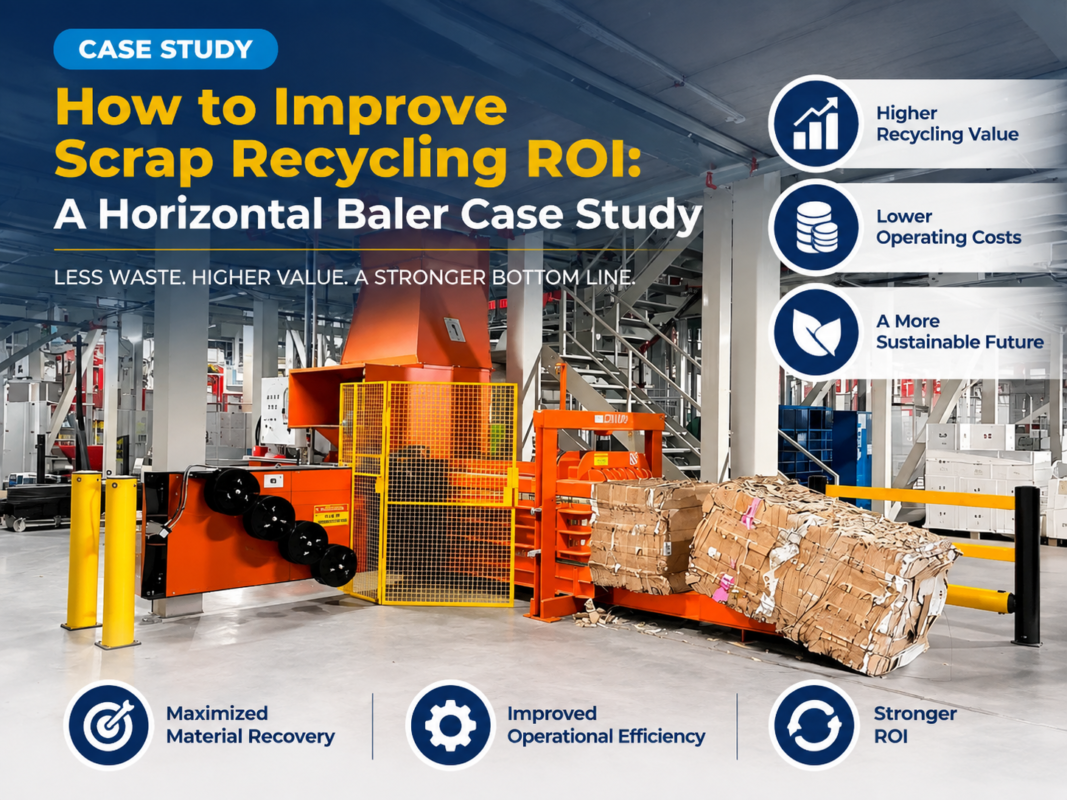
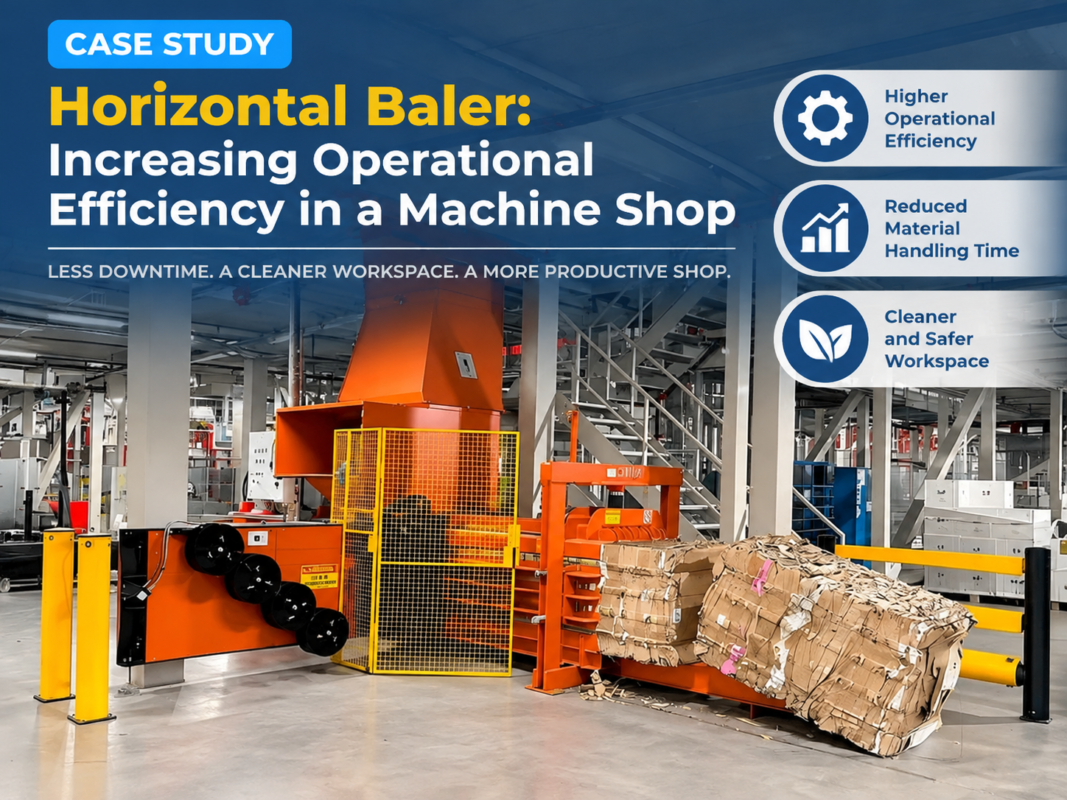
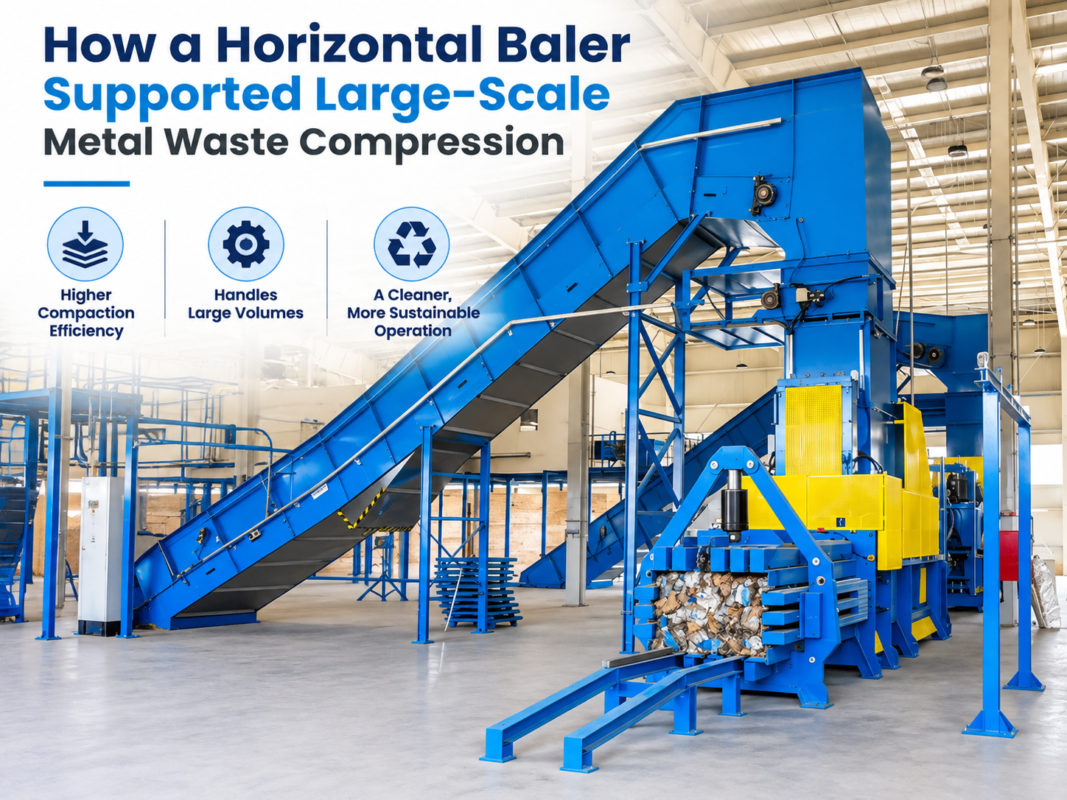
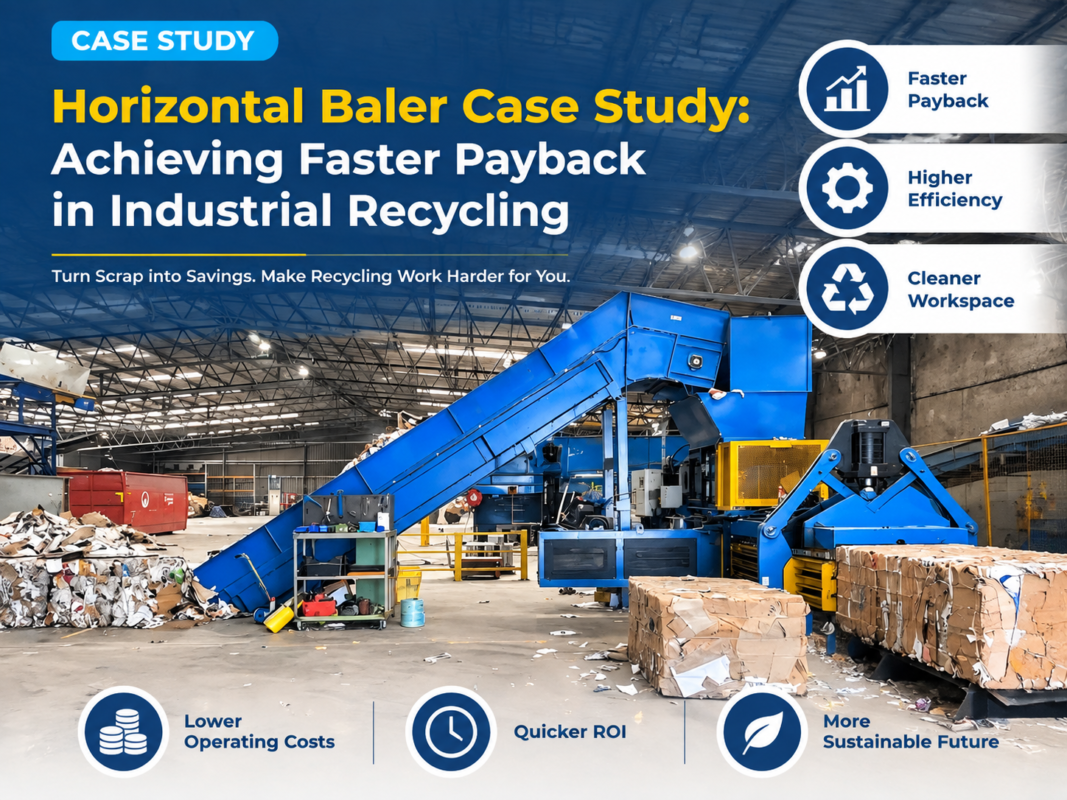
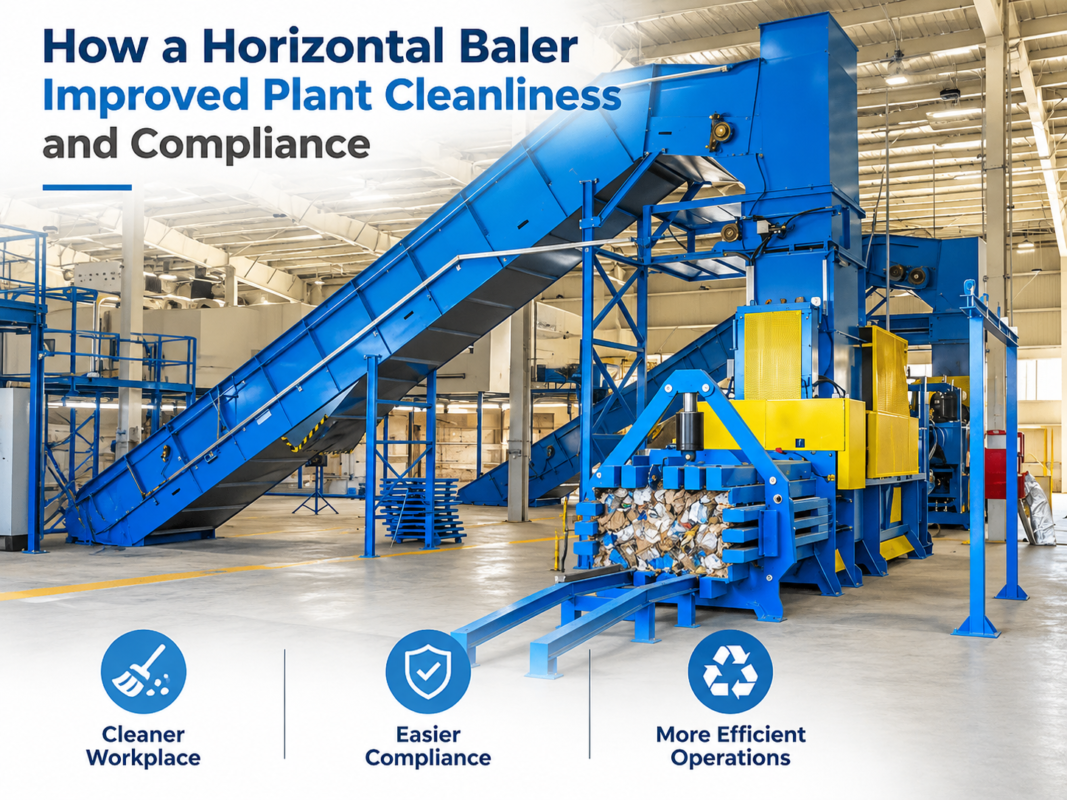
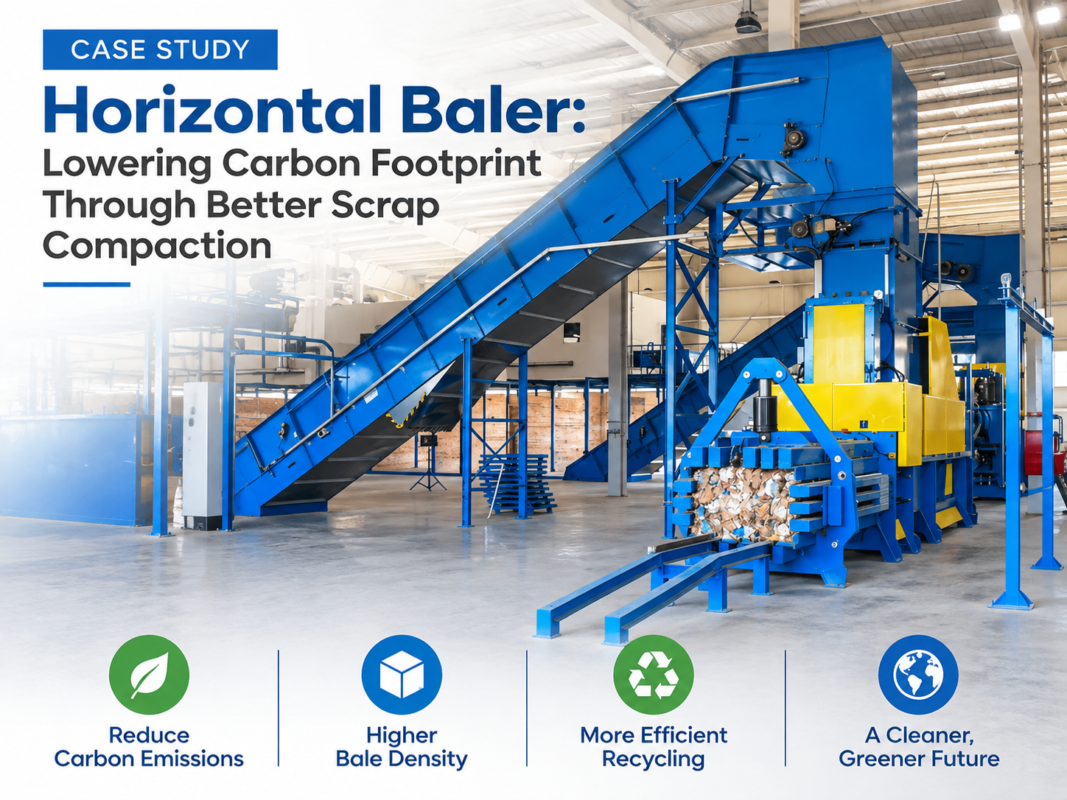
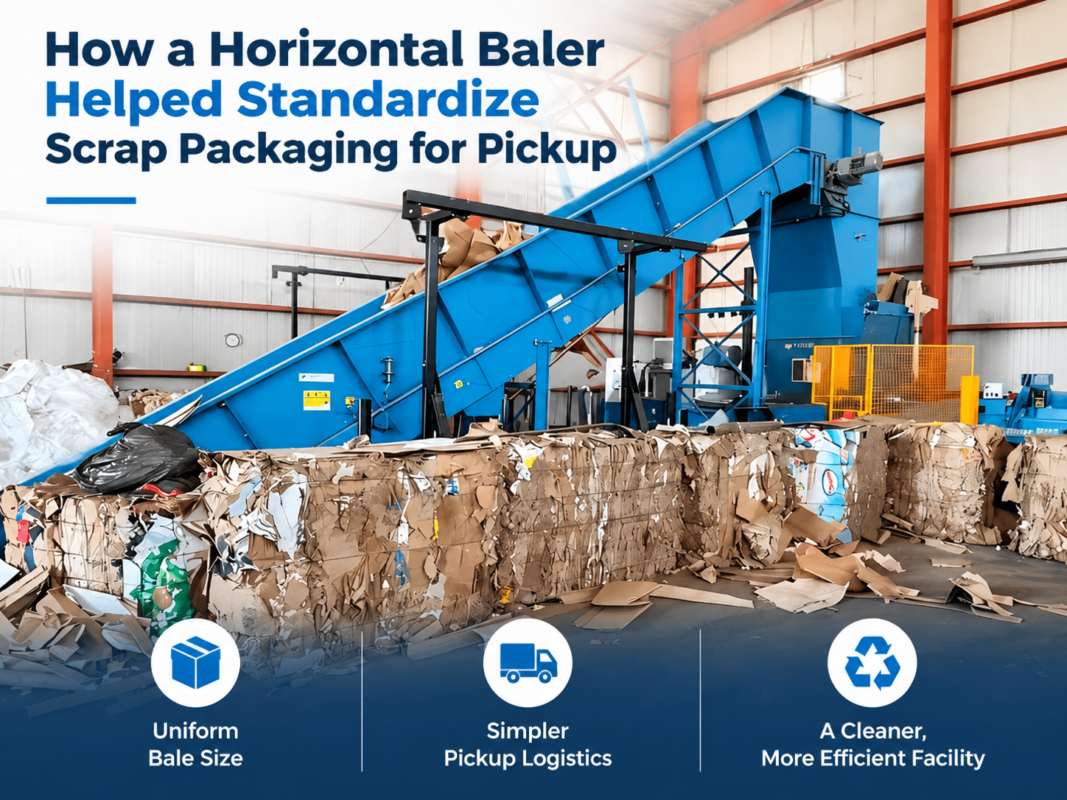
Industrial horizontal balers are the workhorses of the recycling and waste management industries. These massive machines utilize high-pressure hydraulic systems to compress materials such as cardboard, plastics, non-ferrous metals, and paper into dense, manageable blocks. Unlike vertical balers, horizontal units are designed for high-volume, continuous operation, often integrated into automated conveyor systems. The mechanical complexity of these machines—comprising heavy-duty steel frames, intricate hydraulic circuits, sophisticated PLC controls, and automated wire-tying mechanisms—demands a rigorous Preventive Maintenance Schedule Industrial Horizontal Balers to ensure longevity and operational safety.
The core principle of a horizontal baler involves a horizontal ram that moves across a floor plate to compress material against a heavy-duty door or a narrowing extrusion chamber. This process generates immense structural stress and heat. Without a structured maintenance program, components such as wear liners, hydraulic seals, and shear blades can fail prematurely, leading to catastrophic downtime. HARSLE emphasizes that preventive maintenance is not merely a cost of doing business but a strategic investment that preserves the structural integrity of the machine and ensures the safety of the operators.
Modern horizontal balers often feature variable frequency drives (VFDs) and advanced sensors that monitor real-time performance. However, these electronic components do not replace the need for physical inspections. A comprehensive maintenance strategy must bridge the gap between digital monitoring and manual mechanical upkeep. By adhering to a strict schedule, facilities can reduce their Total Cost of Ownership (TCO) and maintain consistent bale weights, which is critical for logistics and revenue generation in the recycling sector.
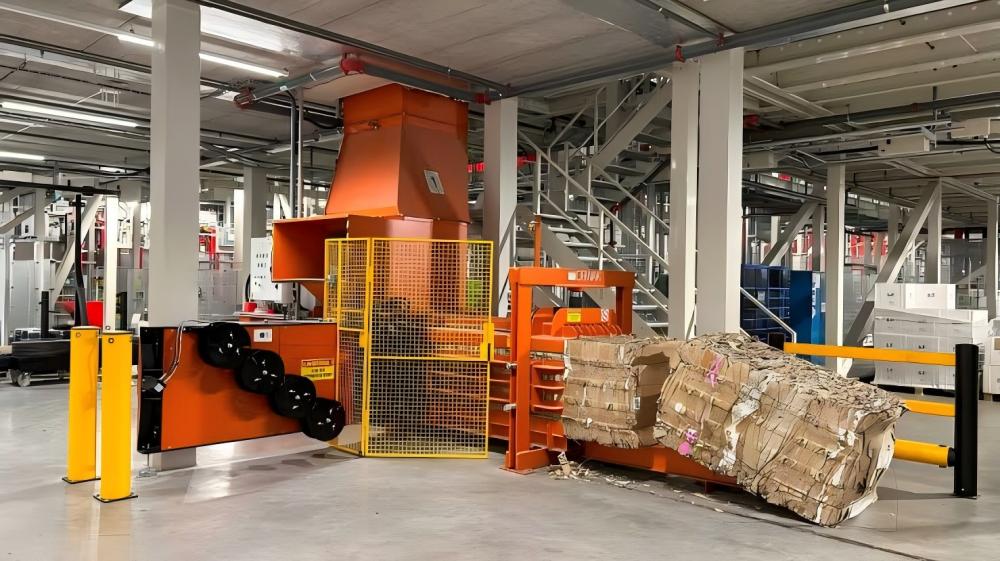
Core Parameters of Horizontal Baler Performance
Understanding the core parameters of your machinery is the first step in establishing an effective Preventive Maintenance Schedule Industrial Horizontal Balers. These parameters serve as the baseline for normal operation; any deviation usually indicates an underlying mechanical or hydraulic issue. The primary parameters include hydraulic system pressure, cycle time, oil temperature, and bale density.
Hydraulic system pressure is perhaps the most critical metric. Most industrial balers operate at pressures between 2,500 and 3,500 PSI. If the pressure drops, the baler will fail to achieve the required density, leading to unstable bales. Conversely, pressure spikes can indicate blockages or faulty relief valves. Monitoring the cycle time—the time it takes for the ram to complete a full forward and backward stroke—is equally important. An increase in cycle time often points to pump wear, internal valve leakage, or air in the hydraulic lines.
Oil temperature is another vital parameter. Hydraulic systems are designed to operate within a specific temperature range, typically between 100°F and 140°F (38°C to 60°C). If the oil exceeds 150°F, its viscosity drops, leading to poor lubrication and accelerated seal wear. Finally, bale density and weight consistency are indicators of the overall health of the compression chamber and the accuracy of the limit switches or laser positioning sensors. Regular calibration of these sensors ensures that the machine is not overworking itself to achieve standard results.
Calculation Method for Maintenance Intervals
Determining when to perform specific maintenance tasks should not be based on guesswork. Instead, engineers use a combination of operating hours and duty cycle intensity. The standard formula for calculating the Maintenance Factor (MF) helps in adjusting the manufacturer’s baseline recommendations to your specific environment.
The basic calculation for a maintenance interval (T) can be expressed as: T = (H × L) / E, where H represents the total operating hours, L is the load factor (percentage of maximum capacity used), and E is the environmental factor (dust, temperature, and humidity levels). For instance, a baler operating in a dusty, non-climate-controlled recycling center will require a 25-30% more frequent maintenance interval than one in a clean, indoor facility.
Furthermore, the Mean Time Between Failures (MTBF) should be tracked for critical components like the wire-tier assembly. If the MTBF for a specific gear is 2,000 hours, the preventive replacement or deep inspection should be scheduled at 1,700 hours (85% of MTBF). This proactive approach prevents the “run-to-failure” trap that plagues many high-volume facilities. By quantifying the wear and tear based on material abrasiveness—for example, baling abrasive plastics versus soft paper—maintenance teams can tailor their schedules to the specific demands placed on the machine.
Comprehensive Parameter and Maintenance Table
The following table outlines the essential tasks for a robust Preventive Maintenance Schedule Industrial Horizontal Balers. This table should be used as a checklist for maintenance personnel to ensure no component is overlooked.
| Frequency | Component | Action Required | Technical Specification/Note |
|---|---|---|---|
| Daily | Hydraulic Oil Level | Check and Top-off | Use ISO 46 or 68 Anti-Wear Oil |
| Daily | Safety Interlocks | Functional Test | Ensure all E-stops and gates kill power |
| Daily | Shear Blades | Visual Inspection | Check for chips or excessive gap |
| Weekly | Grease Points | Lubrication | Focus on ram guides and pivot pins |
| Weekly | Wire-Tier Assembly | Clean and Lubricate | Remove dust and debris from twister hooks |
| Monthly | Oil Filtration | Check Indicators | Replace filters if bypass light is on |
| Monthly | Hydraulic Hoses | Leak Inspection | Check for fraying or “weeping” at fittings |
| Quarterly | Structure/Frame | Weld Inspection | Check for stress cracks in high-load areas |
| Quarterly | Electrical Cabinet | Vacuum and Tighten | Ensure all terminal connections are secure |
| Annually | Hydraulic Fluid | Laboratory Analysis | Check for oxidation and metal particulates |
| Annually | Pump Performance | Flow Test | Verify GPM output against factory specs |
Common Engineering Mistakes in Baler Maintenance
Even experienced maintenance teams can fall into habits that undermine the effectiveness of a Preventive Maintenance Schedule Industrial Horizontal Balers. One of the most common mistakes is the over-lubrication of the ram guides. While lubrication is essential, excessive grease attracts dust and grit, creating an abrasive paste that actually accelerates the wear of the liners. It is vital to use the correct type of grease and apply only the amount specified by the manufacturer.
Another frequent error is ignoring the hydraulic oil’s health. Many operators assume that if the oil looks clean, it is functional. However, hydraulic fluid can undergo chemical breakdown (oxidation) and lose its additive package without changing color significantly. Failing to perform annual oil analysis can lead to silent erosion of the pump’s internal components. Additionally, neglecting the cooling system—such as allowing heat exchanger fins to become clogged with dust—is a leading cause of high-temperature failures that cook the seals throughout the entire system.
Finally, improper shear blade adjustment is a critical engineering oversight. The gap between the moving ram blade and the stationary frame blade must be maintained within precise tolerances (usually 0.015″ to 0.030″). If the gap is too wide, the material will “fold” rather than shear, causing massive side-loading on the ram and potentially bending the cylinder rod. If it is too tight, the blades may strike each other, causing catastrophic metal contamination in the baling chamber.
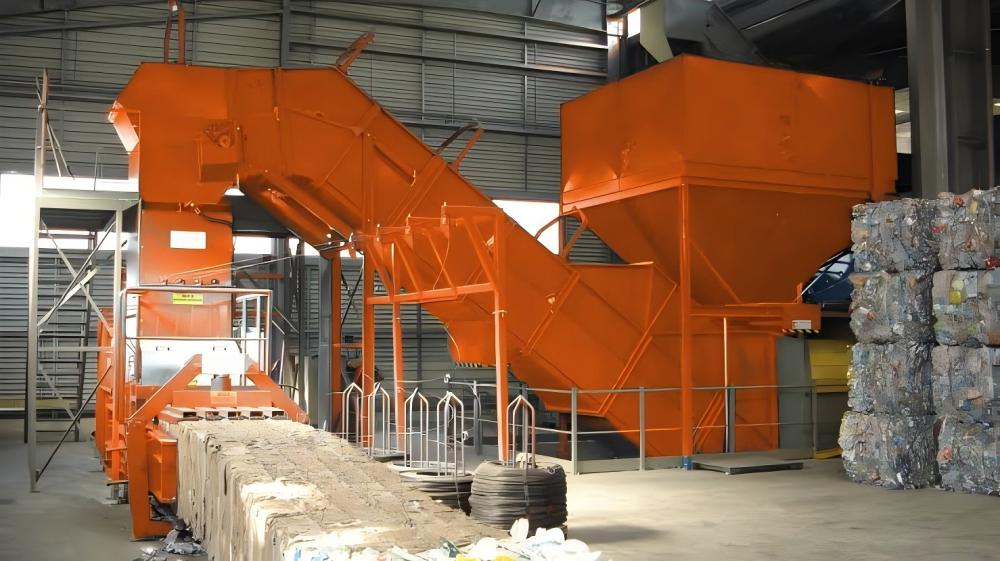
Selection Checklist for Maintenance-Friendly Balers
When purchasing a new machine, the ease of following a Preventive Maintenance Schedule Industrial Horizontal Balers should be a primary consideration. A machine that is difficult to service will inevitably be neglected. Use this checklist during the procurement phase:
- Accessibility: Are the hydraulic pumps and motors located at floor level, or are they buried inside the frame?
- Component Sourcing: Does the manufacturer use standard, off-the-shelf valves and sensors (e.g., Rexroth, Parker, Allen-Bradley), or are they proprietary?
- Filtration System: Does the baler include a kidney-loop filtration system that cleans the oil even when the main pump is off?
- Wear Liners: Are the liners made of high-abrasion-resistant steel (like Hardox) and are they bolt-in for easy replacement?
- PLC Diagnostics: Does the control system provide specific error codes and maintenance reminders on the HMI?
- Auto-Lube Systems: Is there an option for an automated lubrication system to reduce manual labor and ensure consistency?
- Safety Features: Are there built-in lockout/tagout (LOTO) points that are easily accessible for maintenance staff?
Frequently Asked Questions (FAQ)
How often should I change the hydraulic oil in my horizontal baler?
While many manufacturers suggest a change every 2,000 to 4,000 hours, the best practice is to rely on oil analysis. If the analysis shows the viscosity, additive levels, and particle counts are within range, the oil can often last longer. However, filters should be changed at least every 1,000 hours regardless of oil condition.
Why is my baler making a loud banging noise during the compression stroke?
This is often a sign of “ram float” or loose wear liners. It can also indicate that the shear blades are dull or the gap is too wide, causing the material to wedge between the ram and the frame. Immediate inspection of the ram guides and blades is required to prevent structural damage.
What is the most common cause of wire-tier failure?
Accumulated debris is the number one culprit. Dust and small fragments of material can clog the twister hooks and cutters. Daily cleaning with compressed air and proper lubrication of the moving parts in the tier assembly can prevent 90% of common tying issues.
Can I use any hydraulic oil in my HARSLE baler?
No. You must use a high-quality anti-wear (AW) hydraulic oil that meets the ISO viscosity grade specified in your manual (usually ISO 46 or 68). Using the wrong oil can lead to pump cavitation, overheating, and seal failure.
How do I know if my shear blades need sharpening?
Signs include “tails” of material sticking out from the bale, increased cycle times, and visible rounding of the blade edges. If you notice the machine struggling to cut through standard material that it previously handled easily, it is time to flip or sharpen the blades.
Conclusion
Implementing a rigorous Preventive Maintenance Schedule Industrial Horizontal Balers is the most effective way to ensure your recycling operation remains profitable and safe. By understanding the technical parameters, calculating intervals based on actual usage, and avoiding common engineering pitfalls, you can extend the life of your HARSLE machinery by decades. Remember, a well-maintained baler produces better bales, consumes less energy, and provides a safer environment for your most valuable asset: your employees.