Comprehensive Guide: How to Reduce Downtime in Horizontal Baler Operations

Technical Overview of Horizontal Baler Systems
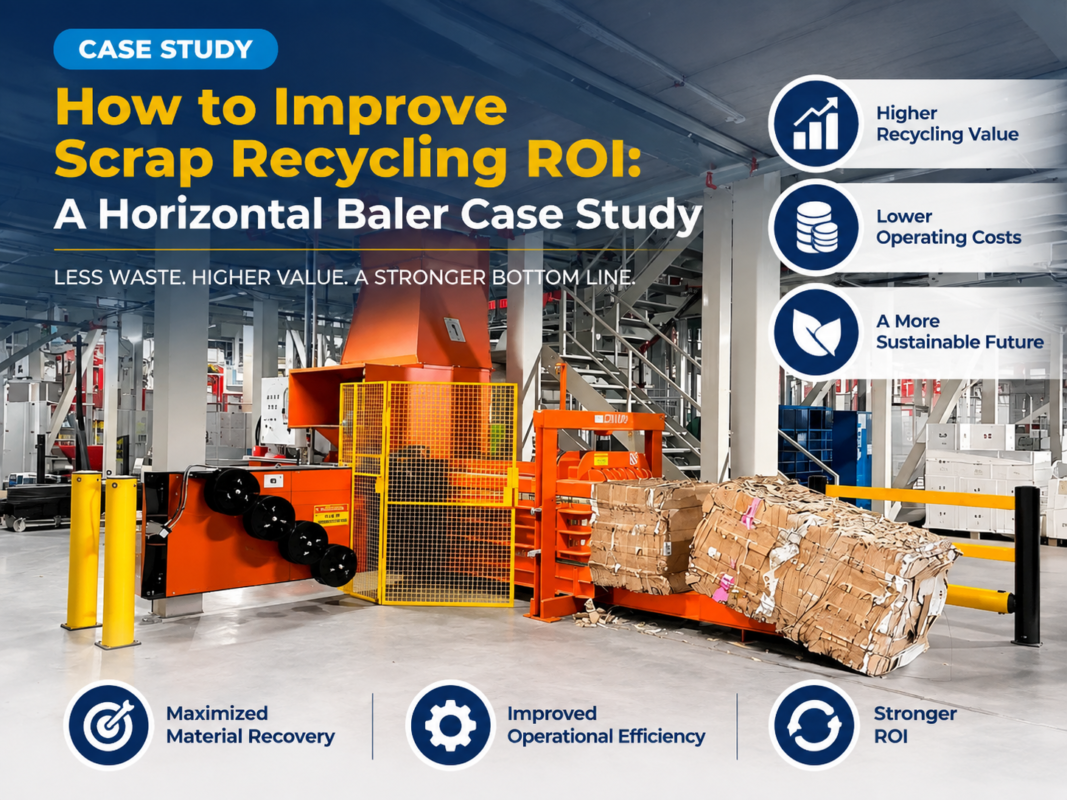
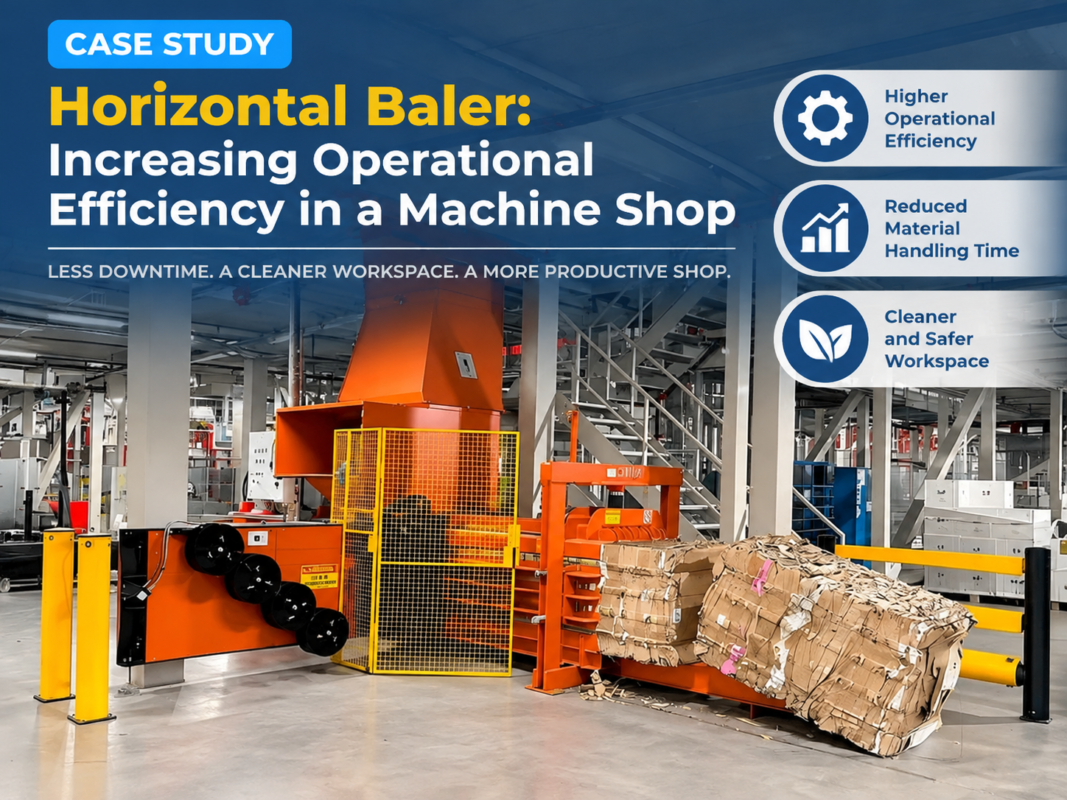
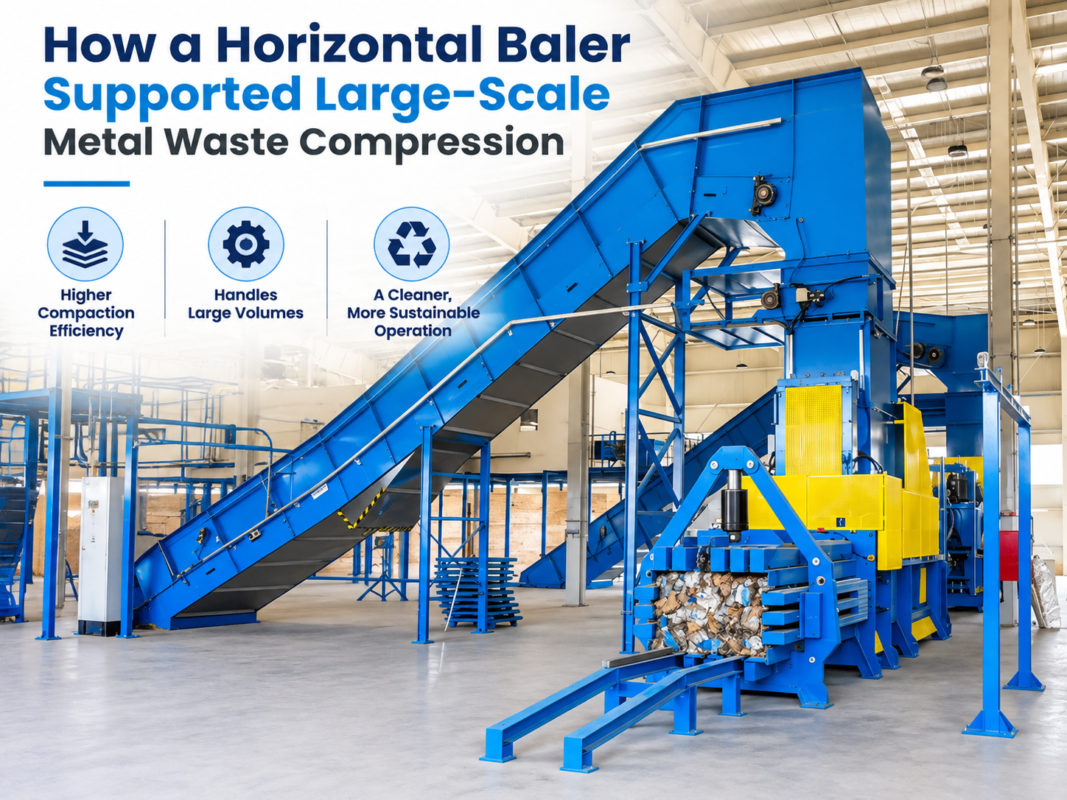
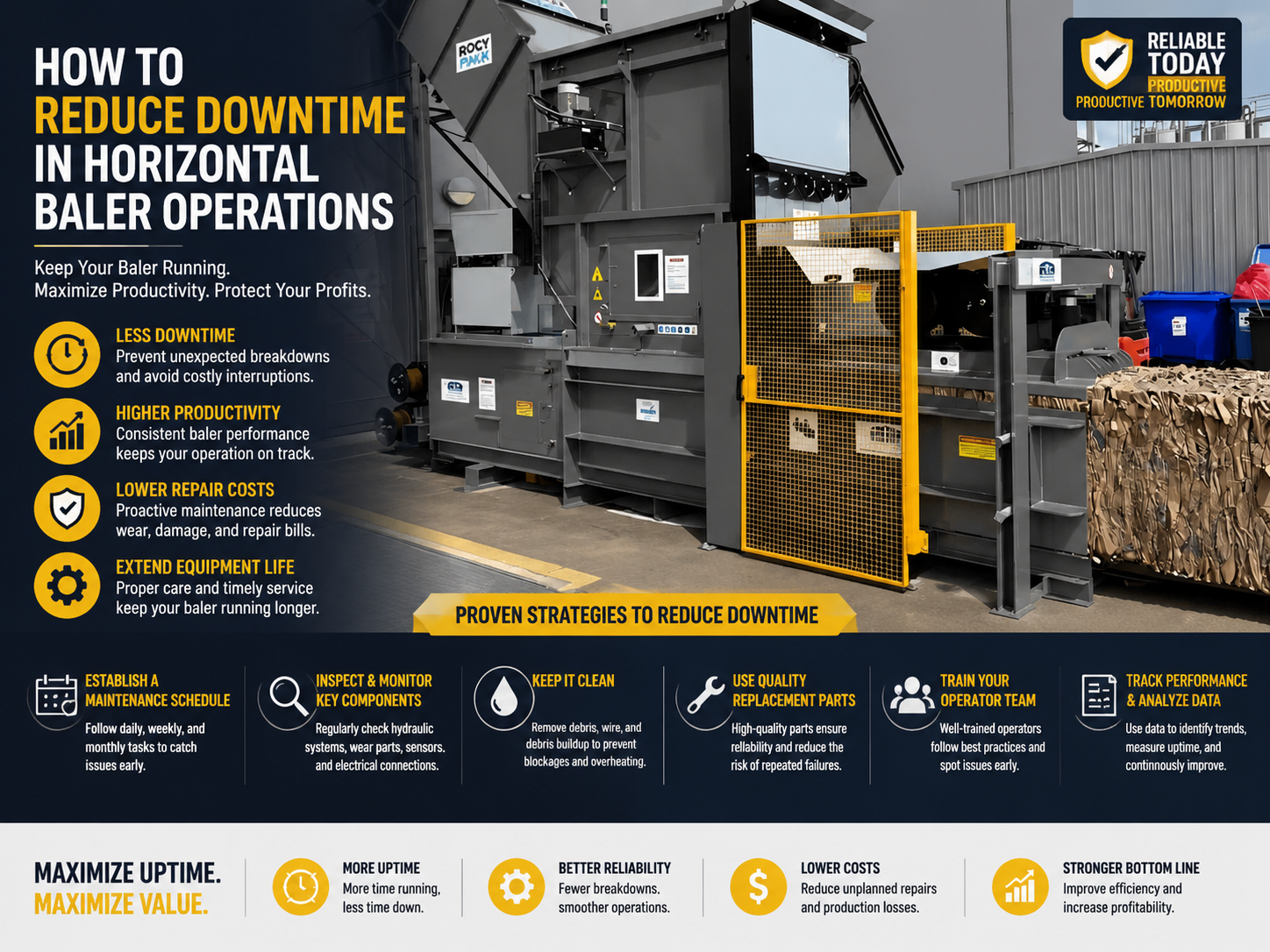
Horizontal balers are the workhorses of the recycling and waste management industries. Unlike vertical balers, which are often manually loaded and operated in batches, horizontal balers are designed for high-volume, continuous processing of materials such as cardboard, plastics, non-ferrous metals, and paper. To reduce downtime in horizontal baler operations, one must first understand the complex interplay between the hydraulic system, the structural frame, and the automated control logic. These machines utilize a horizontal ram to compress material into a rectangular chamber, where it is then secured with wire or plastic strapping via an automated tying system.
The efficiency of a horizontal baler is largely dictated by its hydraulic power unit (HPU). The HPU consists of high-pressure pumps, directional valves, and cooling systems that must work in perfect harmony. When any of these components fail, the entire production line grinds to a halt. Modern HARSLE horizontal balers integrate advanced PLC (Programmable Logic Controller) systems that monitor pressure fluctuations, oil temperature, and cycle times in real-time. This data is crucial for predictive maintenance, allowing operators to identify a failing seal or a clogged filter before it causes a catastrophic breakdown.
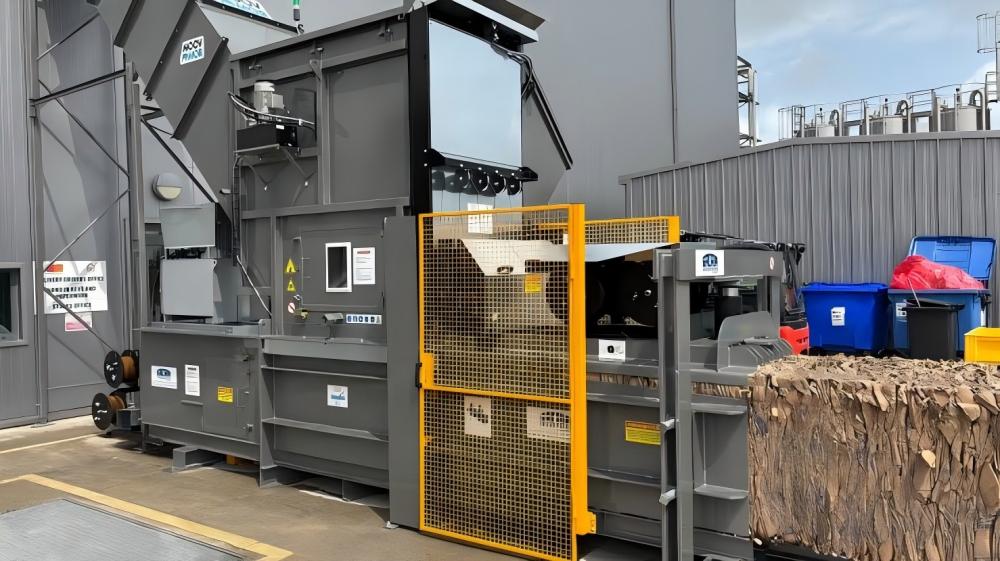
Another critical technical aspect is the shear blade assembly. In many horizontal balers, a shear blade is used to cut off excess material as the ram moves forward. If these blades become dull or misaligned, the machine requires more force to complete a cycle, leading to increased wear on the hydraulic cylinders and potential structural fatigue. Regular inspection of the clearance between the moving and stationary blades is a fundamental step in any strategy to reduce downtime in horizontal baler operations. Furthermore, the auto-tie mechanism—often the most complex part of the machine—requires precise timing and clean sensors to prevent ‘miss-ties’ which can lead to hours of manual cleanup.
Core Parameters Influencing Operational Reliability
To effectively manage and reduce downtime, operators must be intimately familiar with the core parameters that define the machine’s performance limits. Operating outside these parameters is the leading cause of premature component failure. The primary parameter is the Pressing Force, usually measured in tons. Forcing a machine designed for 60 tons to consistently process high-density materials that require 100 tons will lead to hydraulic fluid overheating and seal degradation.
The Cycle Time is another vital metric. This is the time it takes for the ram to extend and retract fully. An unexplained increase in cycle time often indicates internal leakage in the hydraulic cylinders or a declining pump efficiency. By monitoring the cycle time daily, maintenance teams can spot trends that suggest a need for hydraulic service. Additionally, the Motor Power (kW/HP) must be matched to the facility’s electrical infrastructure to prevent voltage drops and motor burnouts, which are significant sources of unplanned downtime.
Oil viscosity and temperature are often overlooked but are critical parameters. Most horizontal balers operate best within a specific temperature range (typically 40°C to 55°C). If the oil becomes too hot, it loses its lubricating properties, leading to friction-induced wear on the pump’s internal vanes or pistons. Conversely, oil that is too cold can cause cavitation. Implementing an automated oil cooling and heating system is a proactive way to maintain these parameters and ensure the longevity of the hydraulic circuit.
Calculation Method for Baler Efficiency and Throughput
Calculating the theoretical vs. actual throughput is essential for identifying bottlenecks that contribute to downtime. To calculate the Theoretical Hourly Capacity (THC), use the following formula:
THC (m³/hr) = (Chamber Volume in m³ × 3600) / Cycle Time in seconds
However, the actual throughput is often lower due to loading delays and tying cycles. To find the Bale Density, which affects how often the machine must stop for tying and bale ejection, use:
Density (kg/m³) = Bale Weight (kg) / (Bale Width × Bale Height × Bale Length in meters)
By calculating the Overall Equipment Effectiveness (OEE), managers can quantify downtime. OEE is calculated as: Availability × Performance × Quality. In the context of a horizontal baler, ‘Availability’ is the actual operating time divided by the planned production time. If your availability is below 85%, it is a clear sign that you need to implement more rigorous strategies to reduce downtime in horizontal baler operations. Monitoring these calculations allows for data-driven decisions regarding when to replace wear parts or upgrade the machine’s feeding system.
Technical Parameter Table for HARSLE Horizontal Balers
The following table outlines the typical specifications for industrial-grade horizontal balers. Comparing your current machine’s performance against these benchmarks can help identify areas for improvement.
| Parameter | HARSLE HB-60 | HARSLE HB-100 | HARSLE HB-150 |
|---|---|---|---|
| Pressing Force (Tons) | 60 | 100 | 150 |
| Motor Power (kW) | 22 | 37 | 45+45 (Dual) |
| Bale Size (W*H) mm | 1100 * 750 | 1100 * 1100 | 1100 * 1100 |
| Cycle Time (Seconds) | 15 – 20 | 20 – 25 | 25 – 30 |
| Oil Tank Capacity (L) | 800 | 1200 | 2000 |
| Throughput (Tons/Hr) | 4 – 6 | 8 – 12 | 15 – 20 |
| Cooling System | Air/Water Cooled | Water Cooled | Industrial Chiller |
Common Engineering Mistakes in Baler Operation
One of the most frequent engineering mistakes is the neglect of hydraulic filtration. Many operators wait for a filter-clogged light to illuminate before changing filters. By this time, microscopic contaminants have already begun scoring the cylinder walls and damaging the valve spools. A best practice to reduce downtime in horizontal baler operations is to implement a scheduled filter replacement program based on hours of operation, regardless of the indicator light status.
Another common error is improper floor anchoring and leveling. A horizontal baler exerts massive forces during the compression stroke. If the machine is not perfectly level or securely anchored to a reinforced concrete pad, the frame can flex. This flexing leads to misalignment of the ram, which causes uneven wear on the wear plates and can eventually lead to structural cracks in the main frame. Engineering teams must ensure that the installation site meets the manufacturer’s load-bearing specifications.
Sensor Mismanagement is a third major issue. Horizontal balers rely on proximity sensors and limit switches to communicate the ram’s position to the PLC. In a dusty recycling environment, these sensors can become coated in debris or knocked out of alignment by falling material. Using high-quality, shielded sensors and installing protective guards around them can significantly reduce ‘phantom’ faults that cause the machine to stop for no apparent reason. Furthermore, failing to update the PLC software can lead to inefficient cycle logic, which increases the mechanical stress on the machine over time.
Selection Checklist for Minimizing Future Downtime
When purchasing a new horizontal baler, the choices made during the selection process will dictate the downtime levels for the next decade. Use this checklist to ensure you are choosing a machine built for reliability:
- Hydraulic Component Brand: Does the machine use reputable brands like Rexroth, Vickers, or Parker? High-quality valves and pumps are easier to source and last significantly longer.
- Frame Construction: Is the frame made of high-tensile steel with submerged arc welding? Look for heavy-duty reinforcement in the compression zone.
- Wear Plate Material: Ensure the ram and chamber are lined with replaceable Hardox or similar abrasion-resistant liners. This prevents the main structure from wearing down.
- Auto-Tie Reliability: Inspect the design of the wire-tier. Is it a simple, mechanical design or overly complex? Simpler designs usually offer higher uptime.
- PLC and HMI: Does the machine feature a user-friendly HMI (Human Machine Interface) with detailed fault-finding diagnostics? This allows operators to fix minor issues without calling a technician.
- Service Access: Are the hydraulic pumps and motors easily accessible for maintenance, or are they buried inside the frame?
Maintenance Strategies to Reduce Downtime
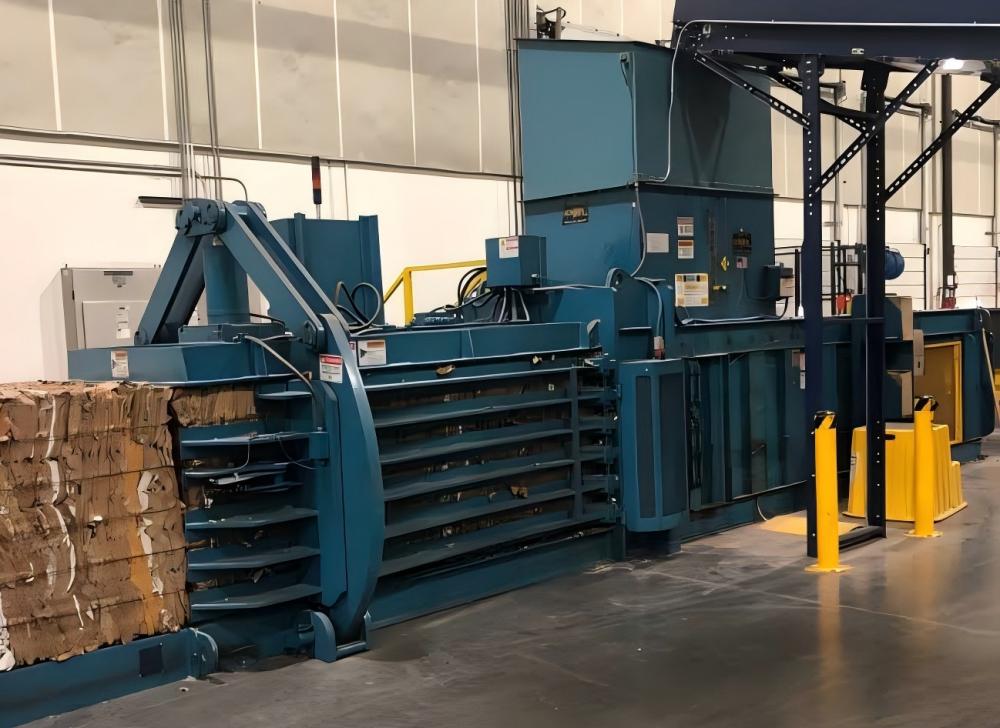
To truly reduce downtime in horizontal baler operations, a shift from reactive to proactive maintenance is required. This involves creating a tiered maintenance schedule: daily, weekly, monthly, and annually. Daily tasks should include checking oil levels, inspecting for leaks, and cleaning the photo-eye sensors. Weekly tasks should focus on lubricating the pivot points of the auto-tie system and checking the tension of the drive belts or chains.
Monthly maintenance should involve a deep dive into the hydraulic fluid’s health. Taking an oil sample for laboratory analysis can reveal the presence of metal shavings or water, providing an early warning of component failure. Additionally, checking the tightness of all electrical connections is vital; vibrations from the baling process can loosen wires over time, leading to intermittent electrical faults that are notoriously difficult to diagnose. By documenting every maintenance action in a digital log, you can identify recurring issues and adjust your strategy accordingly.
Frequently Asked Questions (FAQ)
1. What is the most common cause of downtime in horizontal balers?
The most common cause is usually related to the auto-tie mechanism. Wire tangles, broken needles, or sensor failures in the tying unit account for a large percentage of minor but frequent stoppages. Regular cleaning and lubrication of this area are essential.
2. How often should I change the hydraulic oil?
Typically, hydraulic oil should be changed every 2,000 to 4,000 hours of operation, or once a year. However, this depends on the operating environment. Using oil analysis is the best way to determine the exact timing for your specific machine.
3. Why is my baler not reaching full pressure?
This could be due to several factors: a worn-out hydraulic pump, a malfunctioning relief valve, or internal bypassing in the main cylinder. Check the relief valve settings first, as this is the easiest component to test and adjust.
4. Can I process different materials in the same horizontal baler?
Yes, but you must adjust the PLC settings for each material. For example, plastic requires different pressure and ‘dwell time’ than cardboard to prevent the bale from expanding too much after it is tied. Using the correct ‘recipe’ on your HMI will reduce the risk of jammed bales.
5. How do I know when to replace the shear blades?
You should inspect the blades every month. If you notice ‘tailing’ (material being pulled down between the ram and the floor) or if the machine is struggling to cut through the material, it is time to sharpen or rotate the blades. Maintaining a sharp edge reduces the load on the entire hydraulic system.
6. Does the ambient temperature affect baler performance?
Absolutely. In cold climates, the oil may need a heater to reach the correct viscosity for startup. In hot climates, an oversized oil cooler or an industrial chiller may be necessary to prevent the oil from thinning and losing its lubricating properties, which leads to downtime.