Horizontal Baler Purchase Guide: Single Ram vs Two Ram Models for Industrial Users

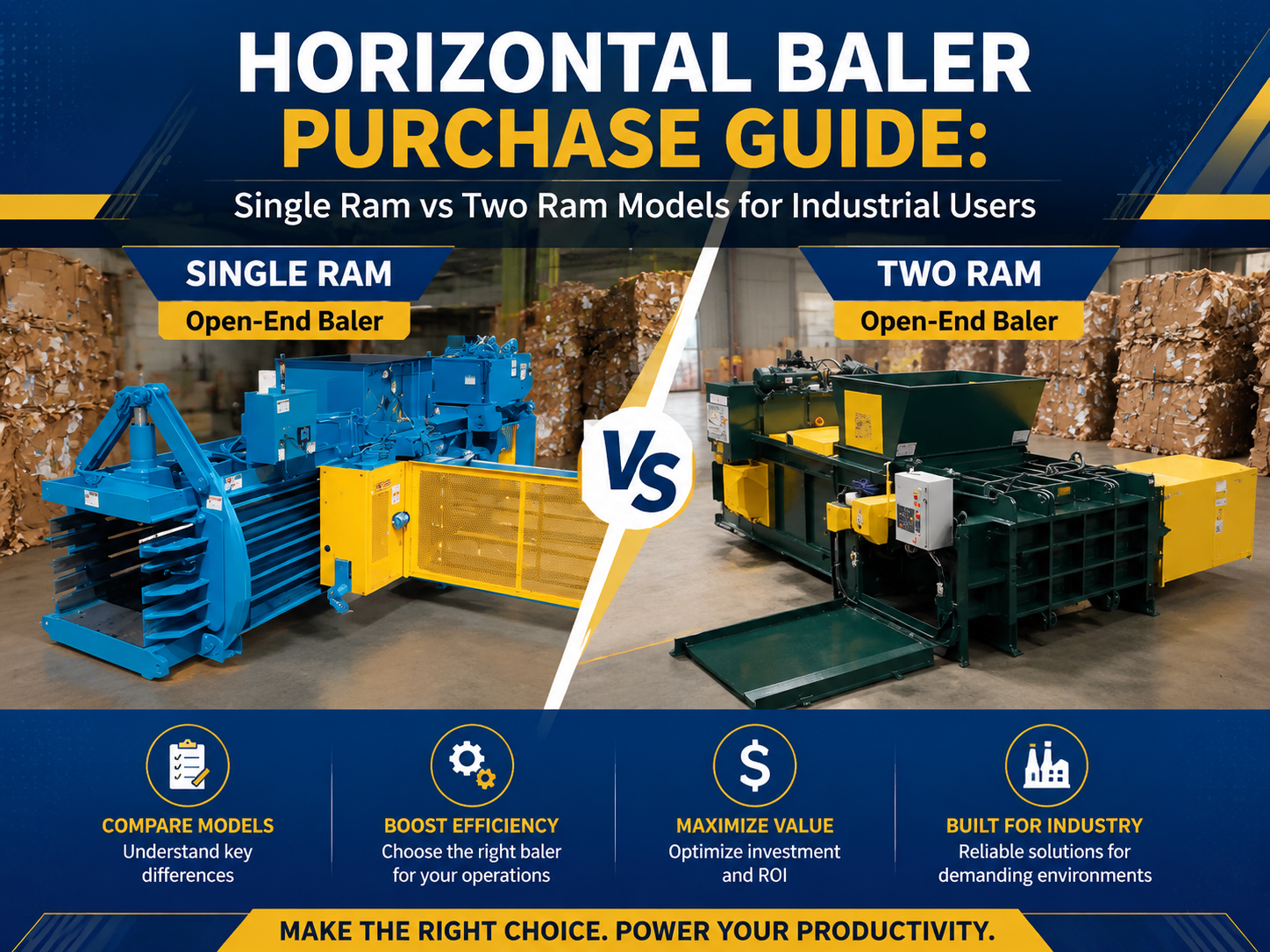
Introduction to Industrial Horizontal Balers
In the modern industrial landscape, efficient waste management and material recycling are no longer optional; they are critical components of operational profitability and environmental compliance. For facilities dealing with high volumes of paper, cardboard, plastics, and non-ferrous metals, the horizontal baler stands as the workhorse of the processing floor. However, the decision-making process for a Horizontal Baler Purchase : Single Ram Vs Two Ram Models Industrial Users often involves complex technical evaluations and significant capital expenditure. Choosing the wrong model can lead to inefficient throughput, poor bale density, and increased labor costs.
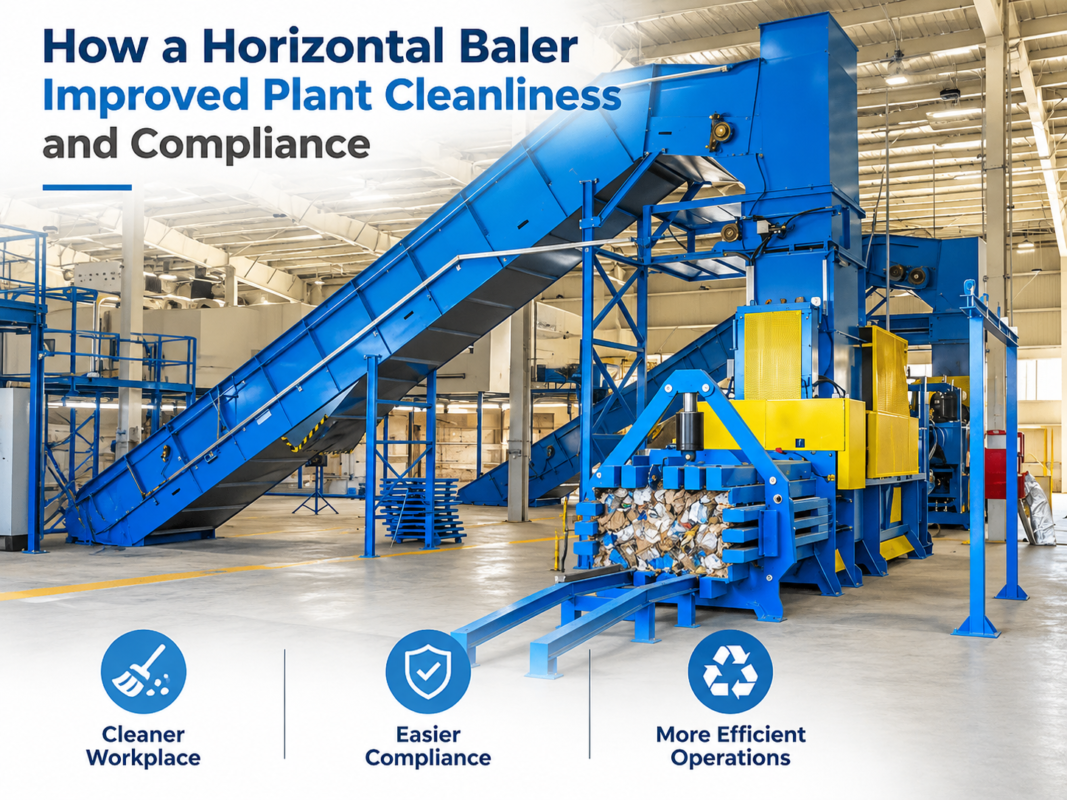
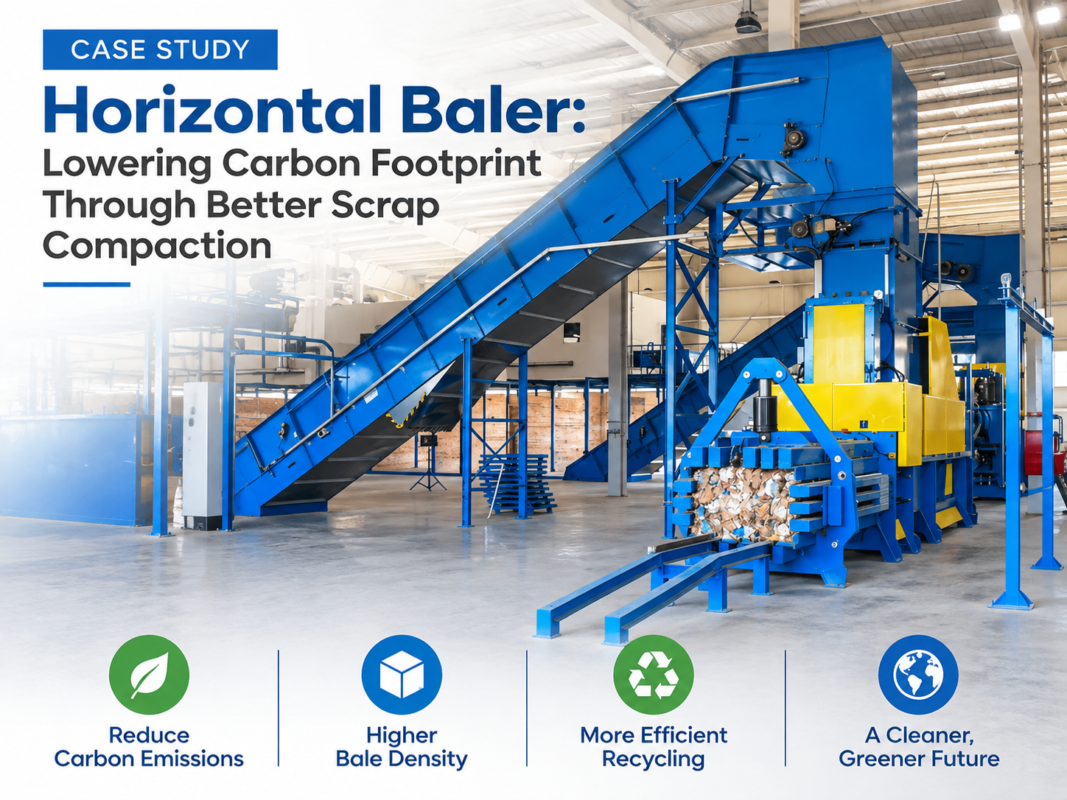
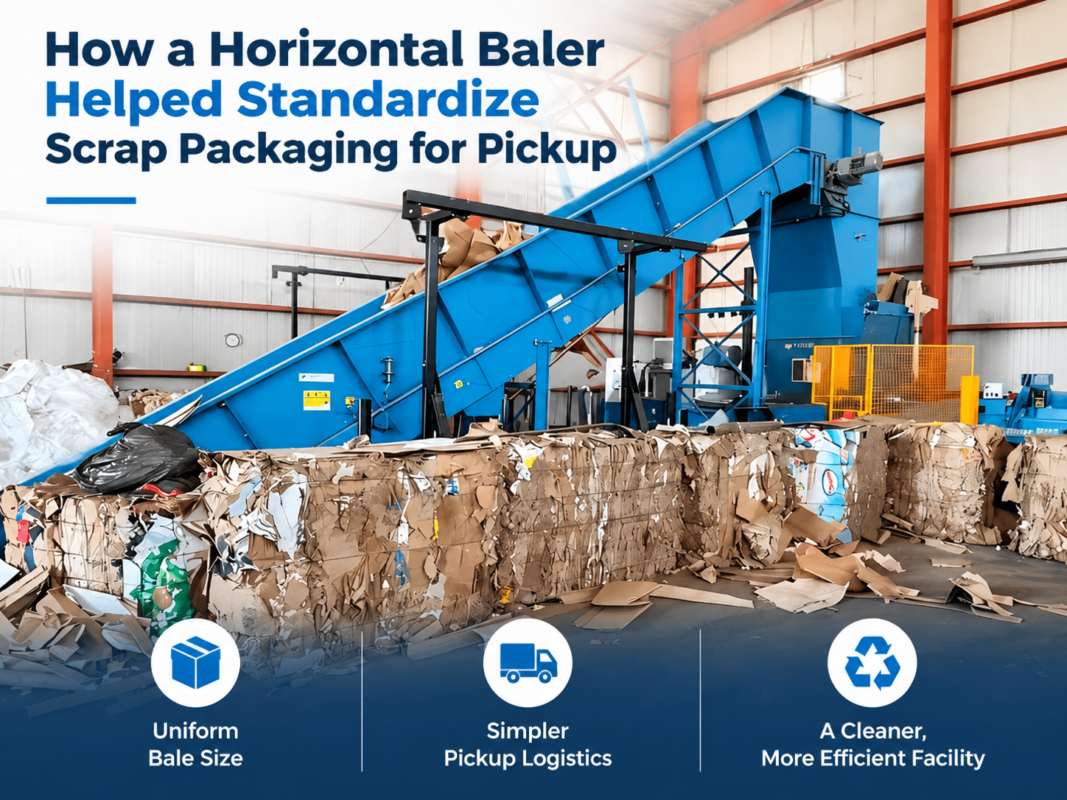
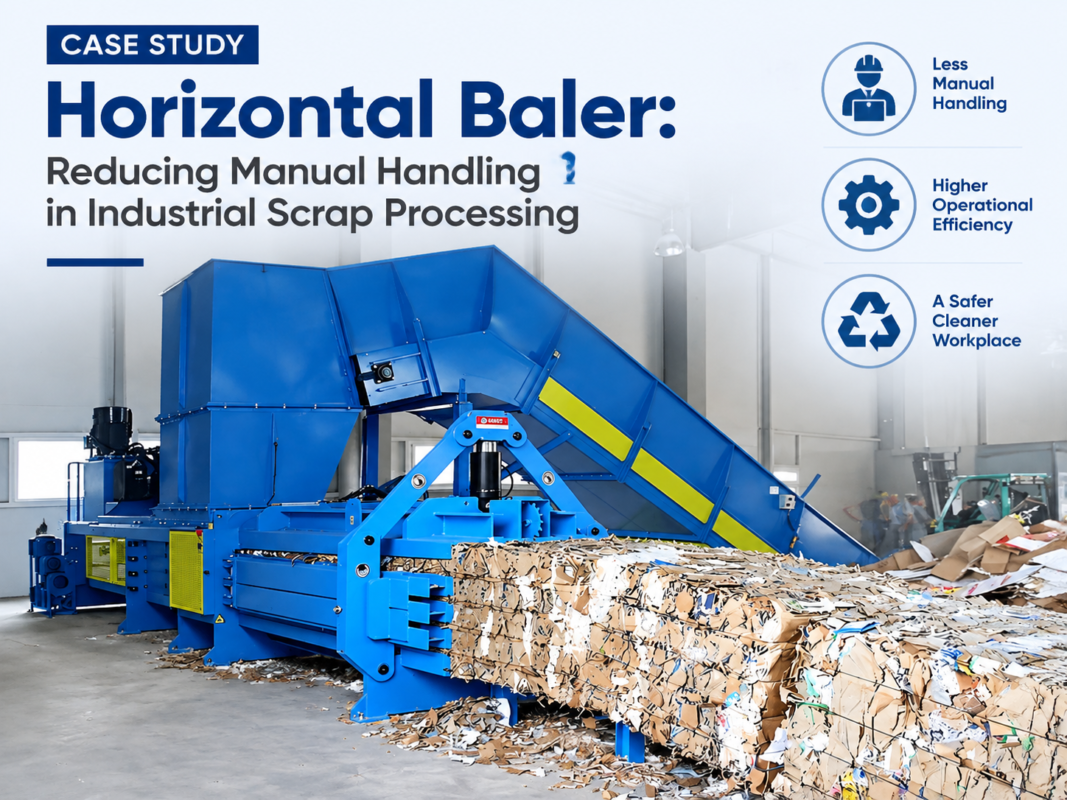
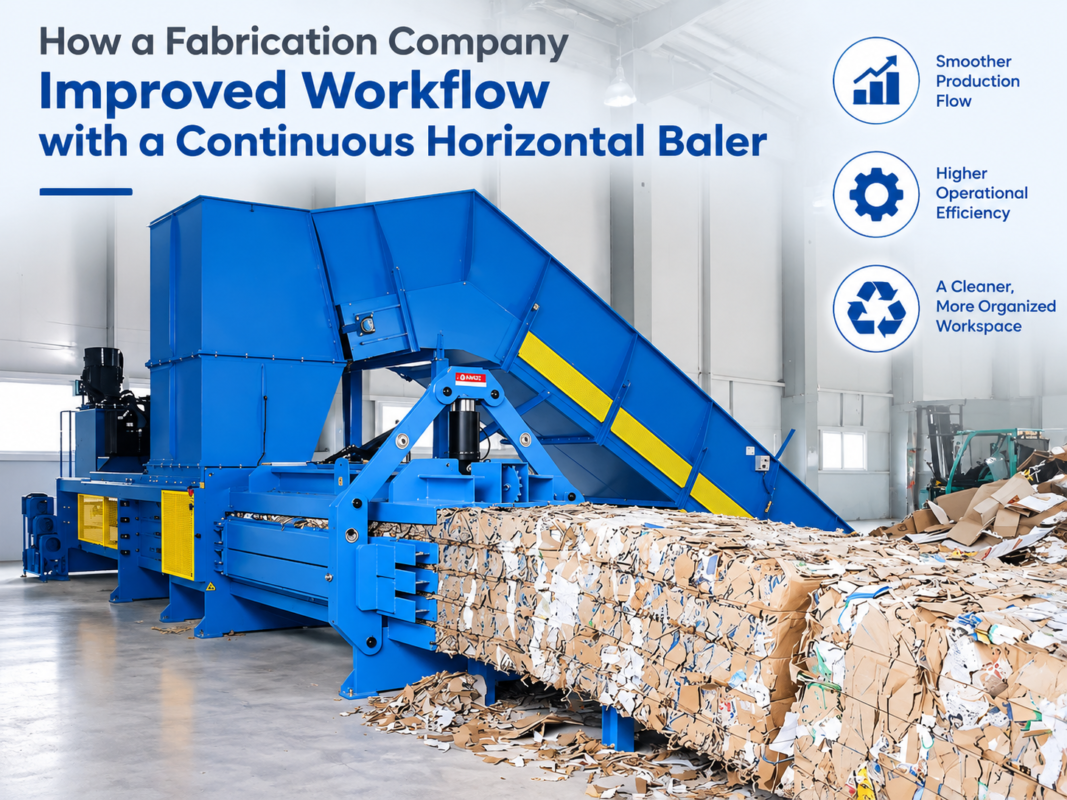
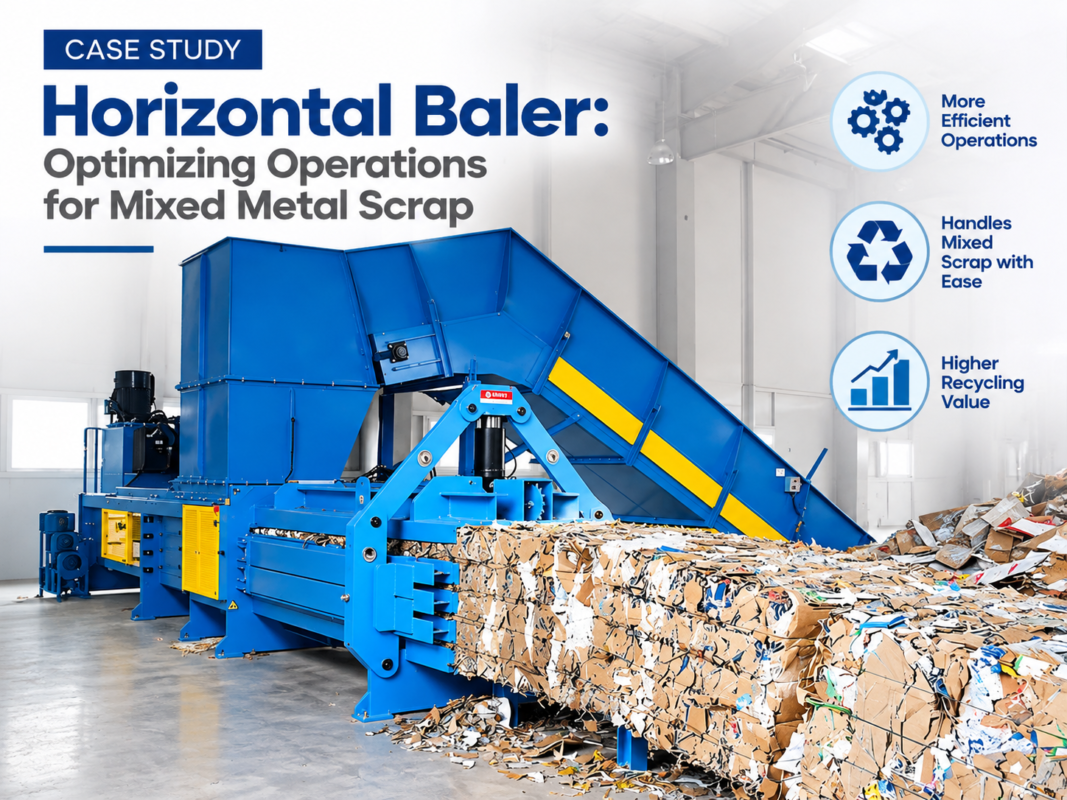
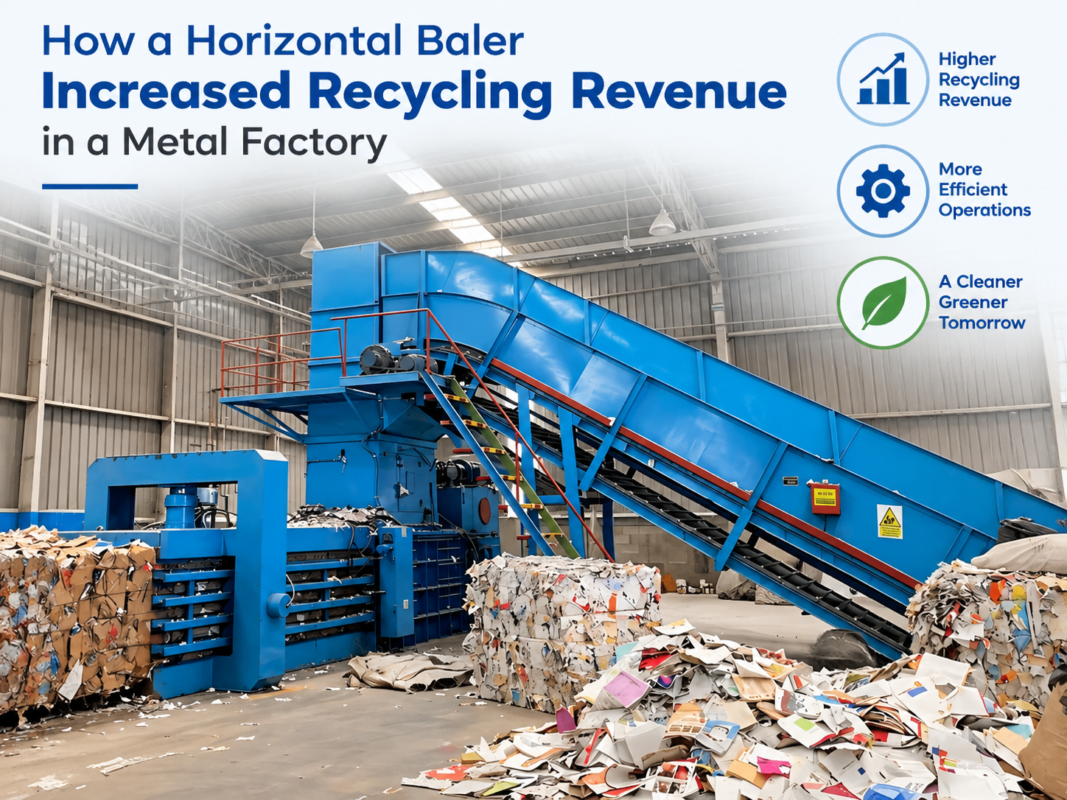
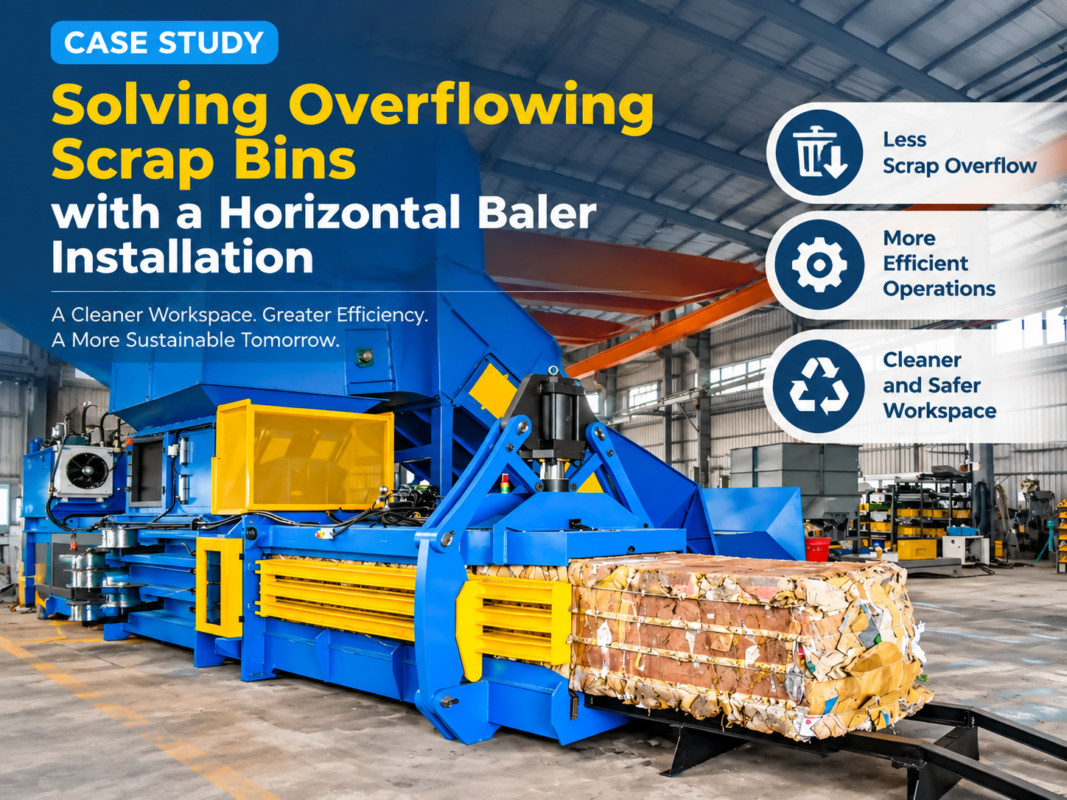
Horizontal balers are designed to compress loose materials into dense, manageable blocks (bales) that are easy to transport and sell to recyclers. Unlike vertical balers, which are suited for smaller retail environments, horizontal models offer continuous feeding and higher automation. The primary distinction in the market lies between single-ram and two-ram configurations. Each has its own mechanical logic, material strengths, and price points. This guide aims to provide industrial users with a deep dive into these differences, helping you navigate the HARSLE product line and the broader market with confidence.
Price Range Overview
When embarking on a horizontal baler purchase, the first hurdle is often the budget. The price disparity between single ram and two ram models is substantial, reflecting the complexity and versatility of the machinery. Generally, single ram horizontal balers are more affordable, making them the go-to choice for facilities focusing on a single material stream, such as Old Corrugated Containers (OCC).
- Entry-Level Single Ram Balers: These typically range from $40,000 to $85,000. They are often manual-tie or semi-automatic and are suitable for smaller recycling centers or distribution hubs processing 2-5 tons per hour.
- High-End Single Ram (Auto-Tie) Balers: Prices range from $90,000 to $180,000. These machines feature sophisticated auto-tie systems and higher hydraulic pressure, capable of handling 10+ tons per hour of consistent material.
- Standard Two Ram Balers: Starting prices usually begin around $160,000 and can quickly climb to $300,000. These are designed for multi-material facilities that need to switch between plastics, aluminum cans, and paper frequently.
- Heavy-Duty/Industrial Two Ram Balers: For high-capacity scrap yards or municipal waste facilities, prices can exceed $500,000. These models feature massive cylinders, high-horsepower motors, and advanced wear-liner packages.
It is important to note that these prices are for the base machine. Ancillary equipment like conveyors, cart tippers, and specialized hoppers can add another 20% to 40% to the total project cost. HARSLE emphasizes that while the initial price is a factor, the total cost of ownership (TCO) over a 15-year lifespan is the more critical metric for industrial users.
Main Cost Drivers in Horizontal Baler Purchase
Understanding what drives the price of a horizontal baler is essential for making an informed investment. It isn’t just about the size of the machine; it’s about the engineering and components within. The primary cost drivers include hydraulic system sophistication, structural steel weight, and the level of automation.
Hydraulic Power and Cycle Time: The heart of any baler is its hydraulic system. A machine with a 100-HP motor and a high-flow pump will cost significantly more than a 30-HP model. However, the higher-powered machine offers faster cycle times, allowing you to process more material in a single shift. For industrial users, labor is often the highest ongoing expense; therefore, a machine that processes material faster can pay for itself through reduced man-hours.
Cylinder Bore and Force: The diameter of the main compression cylinder determines the PSI (pounds per square inch) exerted on the material. Higher PSI results in denser bales. Denser bales are more valuable because they maximize shipping container weights, reducing freight costs. A 12-inch bore cylinder is more expensive than an 8-inch bore, but the ROI on shipping savings often justifies the jump.
Material Construction and Wear Liners: Industrial environments are harsh. Balers built with T1 or Hardox wear liners in the charge box and compression chamber will command a premium. These liners protect the structural frame from the abrasive nature of materials like plastics and metals. HARSLE models often incorporate replaceable liners to extend the machine’s life, which is a key consideration for long-term industrial use.
Configuration Impact on Performance
The configuration of a horizontal baler—specifically how it ties the bale and how it shears material—has a massive impact on daily operations. In a Horizontal Baler Purchase : Single Ram Vs Two Ram Models Industrial Users scenario, the configuration often dictates the machine’s versatility.
Single Ram Configuration
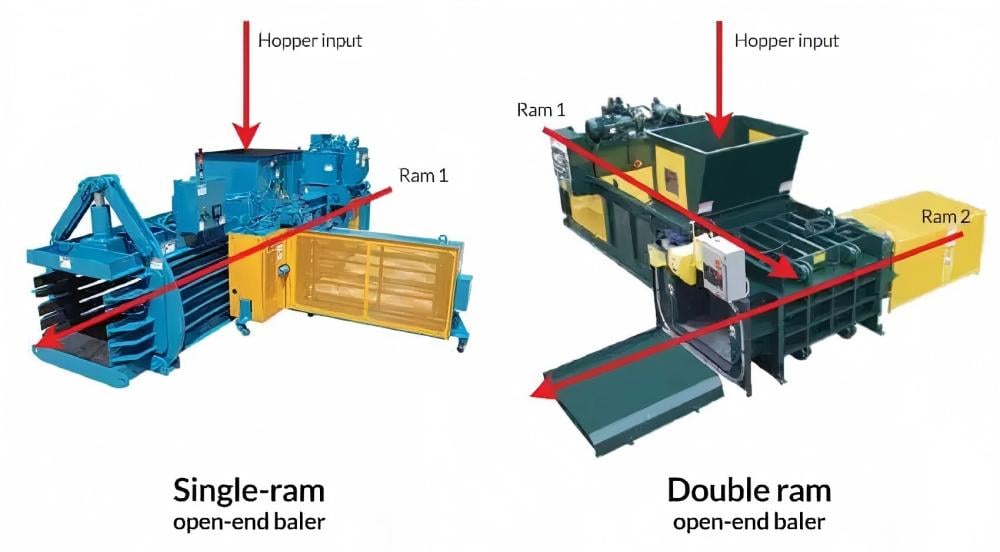
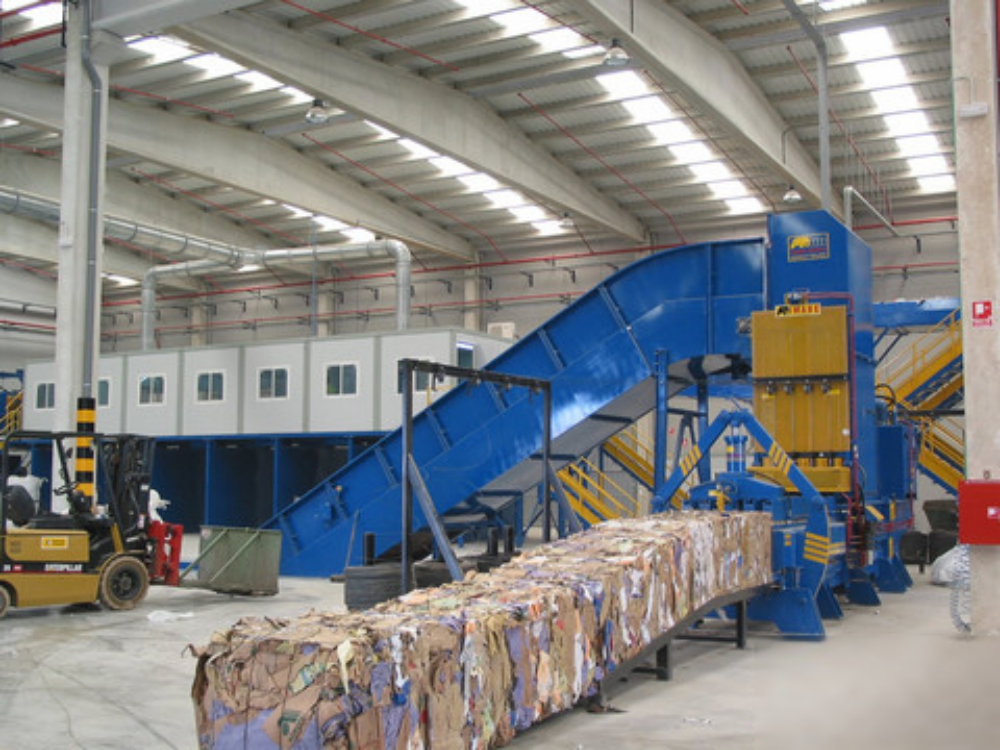
Single ram balers typically use an “auto-tie” system that wraps wire around the bale as it is pushed through the extrusion chamber. These machines are “open-end,” meaning the bale is formed against the friction of the previous bale. This design is highly efficient for cardboard and paper. However, because the wire must pass through the ram, single ram balers are less effective at baling small, “soupy” materials like plastic scraps or shredded paper without significant modifications.
Two Ram Configuration
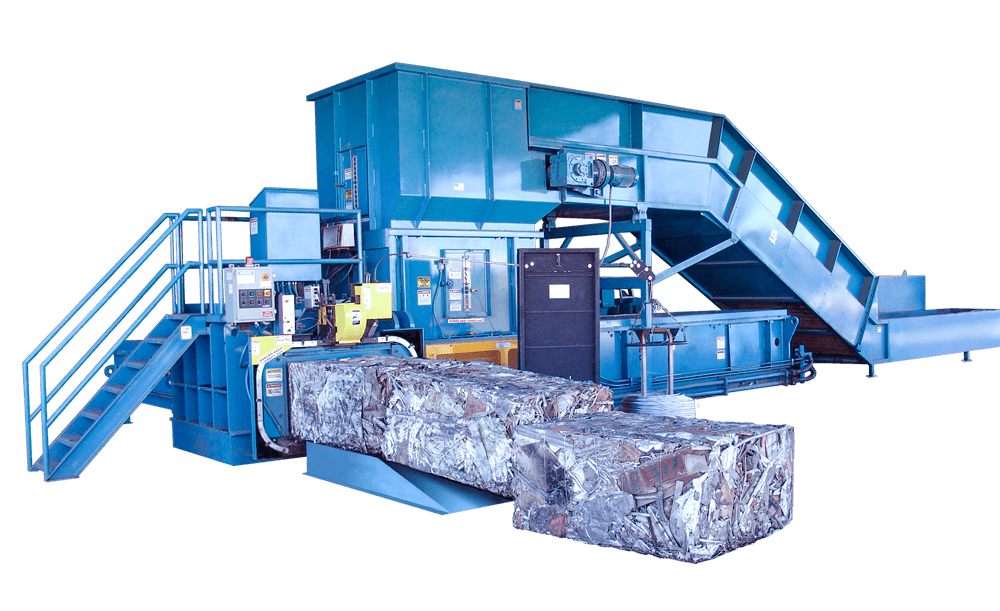
Two ram balers feature a primary compression ram and a secondary ejector ram. The material is compressed against a solid steel wall (the bale chamber side), which allows for much higher densities than the friction-based compression of a single ram. Once the bale is formed, the ejector ram pushes it out past a dedicated tying station. This “closed-door” design makes two ram balers incredibly versatile. They can bale almost anything—from PET bottles to aluminum siding—without the risk of material falling out of the bale during the tying process.
Hidden Costs of Ownership
The purchase price is just the beginning. Industrial users must account for several “hidden” costs that can impact the success of a horizontal baler installation. Failure to plan for these can lead to delays and budget overruns.
- Freight and Rigging: Horizontal balers are massive. Shipping a 40,000-lb machine requires specialized heavy-haul trucking. Once it arrives, you will need a professional rigging crew and high-capacity forklifts or cranes to set it in place. This can cost anywhere from $5,000 to $15,000 depending on location.
- Electrical Infrastructure: Most industrial balers require 460V three-phase power. If your facility only has 230V or insufficient amperage, you may need to upgrade your transformer or run new lines. This electrical work is a significant hidden cost.
- Foundation Requirements: A horizontal baler exerts tremendous force. It cannot simply sit on a standard 4-inch warehouse floor. Most manufacturers require a reinforced concrete pad (6-12 inches thick) to prevent the floor from cracking under the vibration and pressure.
- Consumables: The cost of baling wire is a recurring expense. Two ram balers often use heavier gauge wire or even plastic strapping, which has different price points. Additionally, hydraulic oil (often 200-500 gallons) needs to be changed periodically.
ROI Calculation for Industrial Users
To justify a Horizontal Baler Purchase : Single Ram Vs Two Ram Models Industrial Users, a clear Return on Investment (ROI) calculation is required. The ROI is typically driven by three factors: Labor Savings, Freight Savings, and Material Revenue.
Labor Savings: If a manual-tie baler requires a full-time operator, and an auto-tie horizontal baler allows that operator to spend 75% of their time on other tasks, the labor savings can exceed $30,000 per year. In high-volume environments, moving from a vertical baler to a horizontal one can eliminate multiple positions.
Freight Savings: This is where density matters. If a single ram baler produces 1,000-lb bales of plastic, you might only fit 30,000 lbs in a truck. If a two ram baler produces 1,400-lb bales, you can hit the 40,000-lb max load. By reducing the number of trucks needed to haul the same amount of material, you can save thousands of dollars in logistics costs annually.
Material Revenue: Recyclers pay a premium for “mill-size” bales that meet specific density and purity standards. A high-quality horizontal baler ensures your bales are never rejected and always command the highest market price. For example, the difference between “loose” plastic and “high-density baled” plastic can be hundreds of dollars per ton.
Buying Advice: Choosing the Right HARSLE Model
When choosing between a single ram and a two ram model, industrial users should follow this decision matrix:
- Choose a Single Ram Baler if: Your primary material is cardboard (OCC) or paper; you have a consistent, high-volume stream of one material; floor space is somewhat limited (single ram models are generally narrower); and your budget is under $150,000.
- Choose a Two Ram Baler if: You process multiple materials (e.g., OCC in the morning, HDPE plastic in the afternoon); you need maximum bale density for long-distance shipping; you are processing difficult materials like tires, light scrap metal, or solid waste; and you have the budget for a long-term, versatile asset.
HARSLE recommends conducting a “material audit” before purchasing. Weigh your daily incoming waste and categorize it. If more than 20% of your volume is something other than cardboard, a two ram baler’s versatility will likely pay for itself within 24 to 36 months. Additionally, consider the future. Is your business expanding into new material types? Buying a machine for today’s needs might result in a bottleneck tomorrow.
Maintenance and Longevity
An industrial horizontal baler is a 15-to-20-year investment. To reach that lifespan, a rigorous maintenance schedule is mandatory. Industrial users should look for machines with accessible grease points, standard off-the-shelf hydraulic components (like Vickers or Rexroth valves), and PLC systems (like Siemens or Allen-Bradley) that are easy to troubleshoot.
Daily checks should include inspecting the shear blades for sharpness. Dull blades increase the load on the motor and can cause “tails” on the bales, which interfere with the tying mechanism. Monthly maintenance should involve checking hydraulic oil clarity and tightening all structural bolts. HARSLE provides comprehensive maintenance manuals and remote support to ensure that downtime is minimized, as every hour a baler is offline is an hour of lost revenue.
Frequently Asked Questions (FAQ)
1. What is the main difference between a single ram and a two ram baler?
The main difference is the compression and ejection process. A single ram baler compresses material against the previous bale and ties it through the ram. A two ram baler compresses material against a solid wall and uses a second ram to push the bale out for tying, allowing for higher density and material variety.
2. Can a single ram baler process plastic bottles?
Yes, but with limitations. Single ram balers often require a “perforator” to pop the bottles so air can escape, and they may struggle with “bale expansion” where the plastic tries to push back out of the chamber. A two ram baler is generally superior for plastics.
3. How much space do I need for a horizontal baler?
A typical horizontal baler setup, including the conveyor and bale outfeed area, requires a footprint of approximately 40 to 60 feet in length and 15 to 20 feet in width. You also need adequate ceiling height for the conveyor incline.
4. Is an auto-tie system worth the extra cost?
For industrial users processing more than 5 tons per day, yes. The labor costs associated with manual tying quickly exceed the investment in an auto-tie system. It also improves safety by keeping operators away from the compression chamber.
5. How do I know if my floor can support a horizontal baler?
You should consult with a structural engineer. Most manufacturers provide a “floor loading plan” that specifies the required PSI and concrete thickness. In many cases, a dedicated reinforced pad must be poured.
6. What is the average lifespan of a HARSLE horizontal baler?
With proper maintenance and regular replacement of wear parts, a HARSLE horizontal baler is designed to last 15 to 20 years in a multi-shift industrial environment.