Comprehensive Single-Shaft Shredder Buying Guide: Size, Throughput, and Maintenance Costs

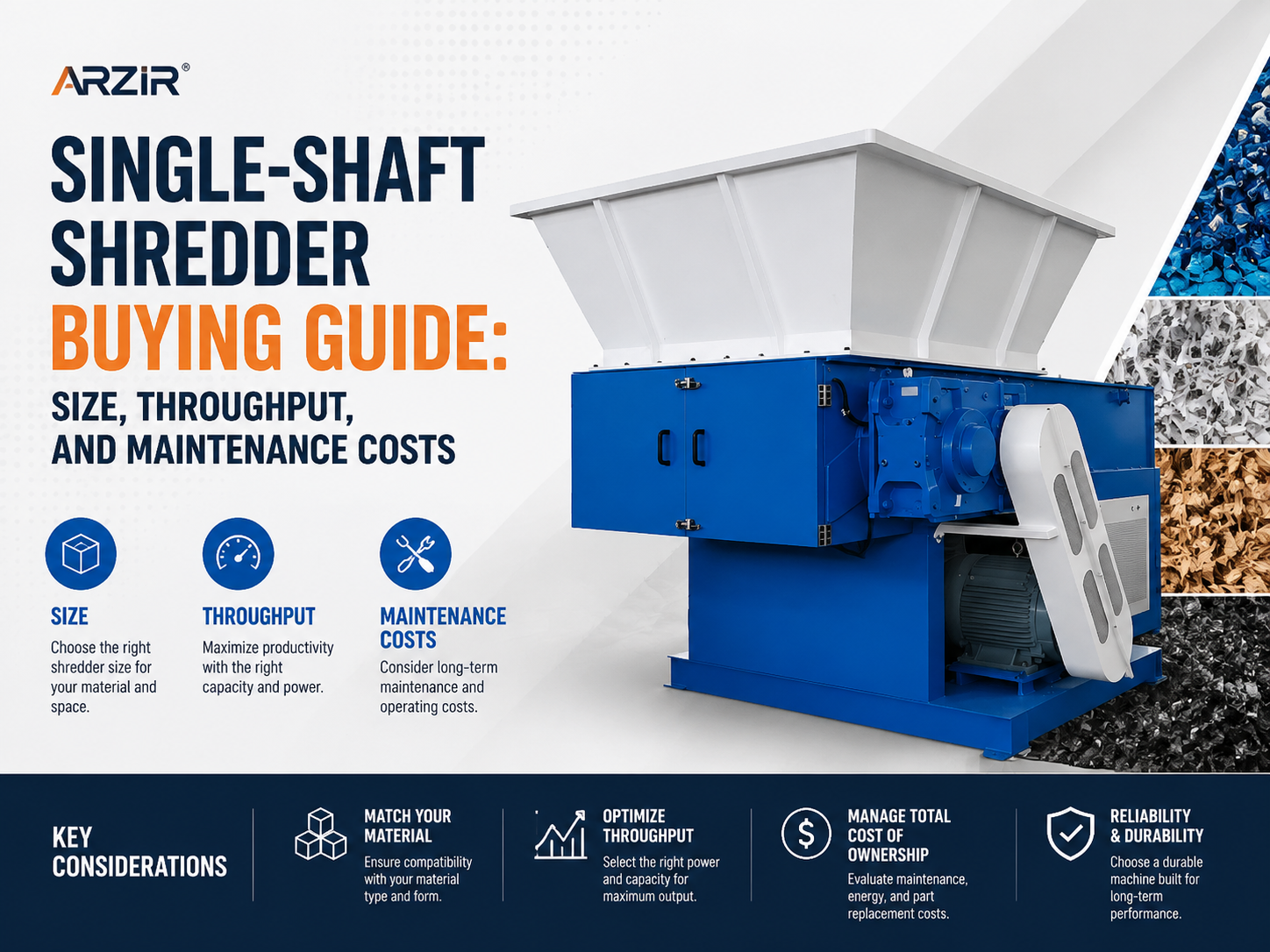
Introduction to Single-Shaft Shredder Procurement
In the rapidly evolving landscape of industrial recycling and waste management, the single-shaft shredder has emerged as a cornerstone technology. Whether you are processing post-consumer plastics, timber waste, textile scraps, or light metal extrusions, selecting the right equipment is a high-stakes decision. This Single-Shaft Shredder Buying : Size, Throughput, Maintenance Costs guide is designed to navigate the complexities of the market, ensuring that your investment aligns with your operational goals and budgetary constraints.
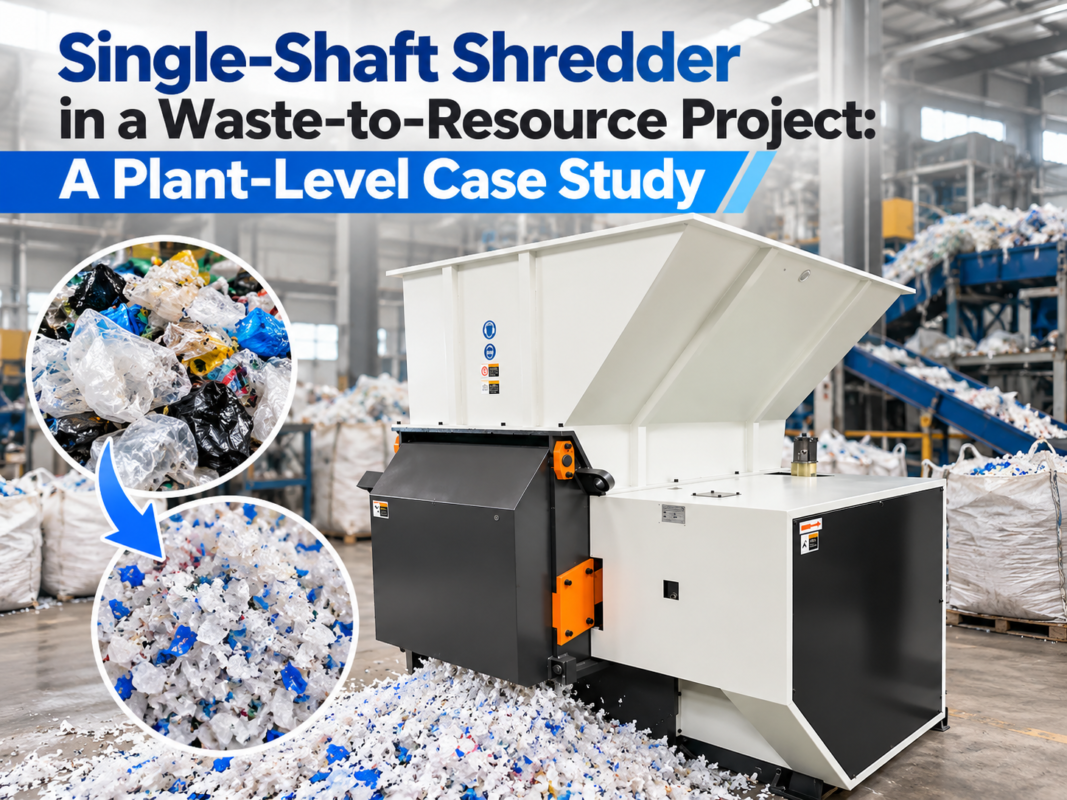
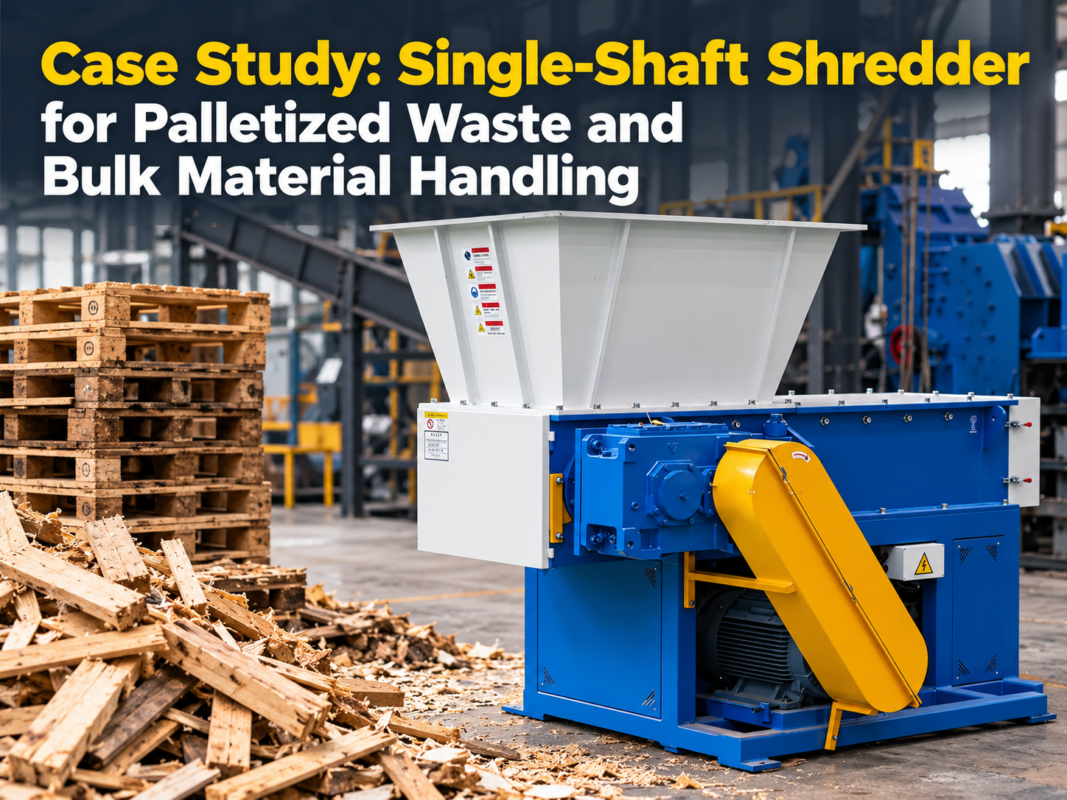
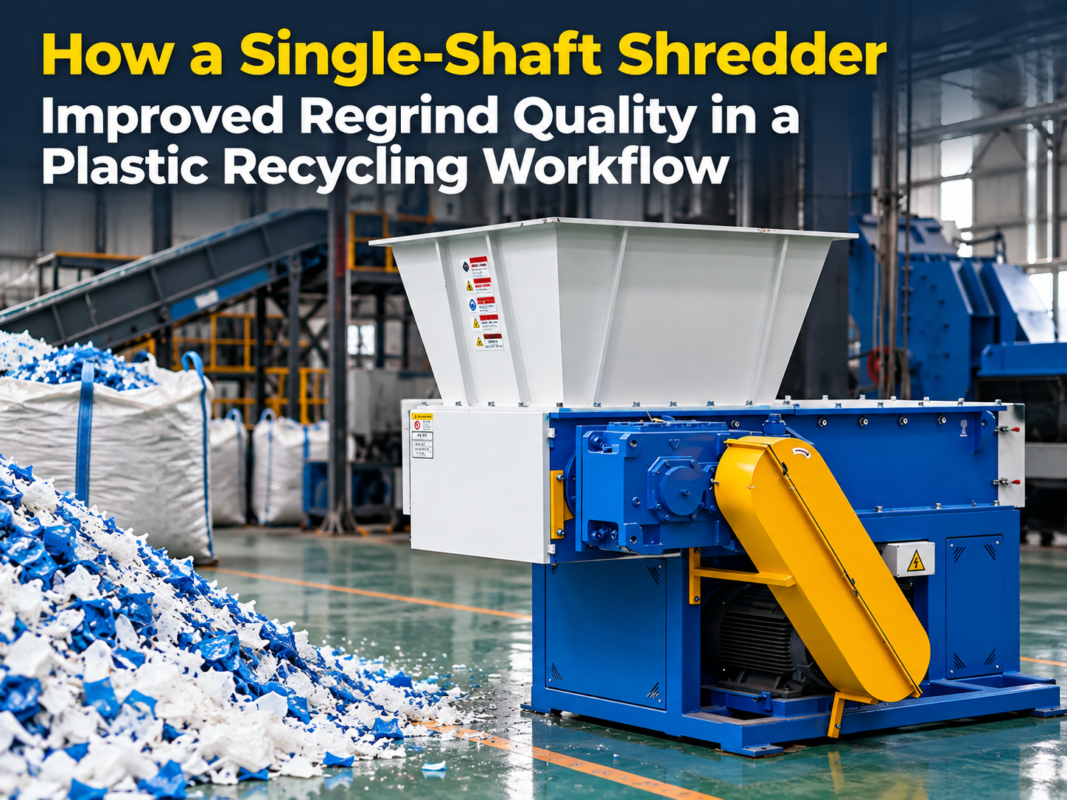
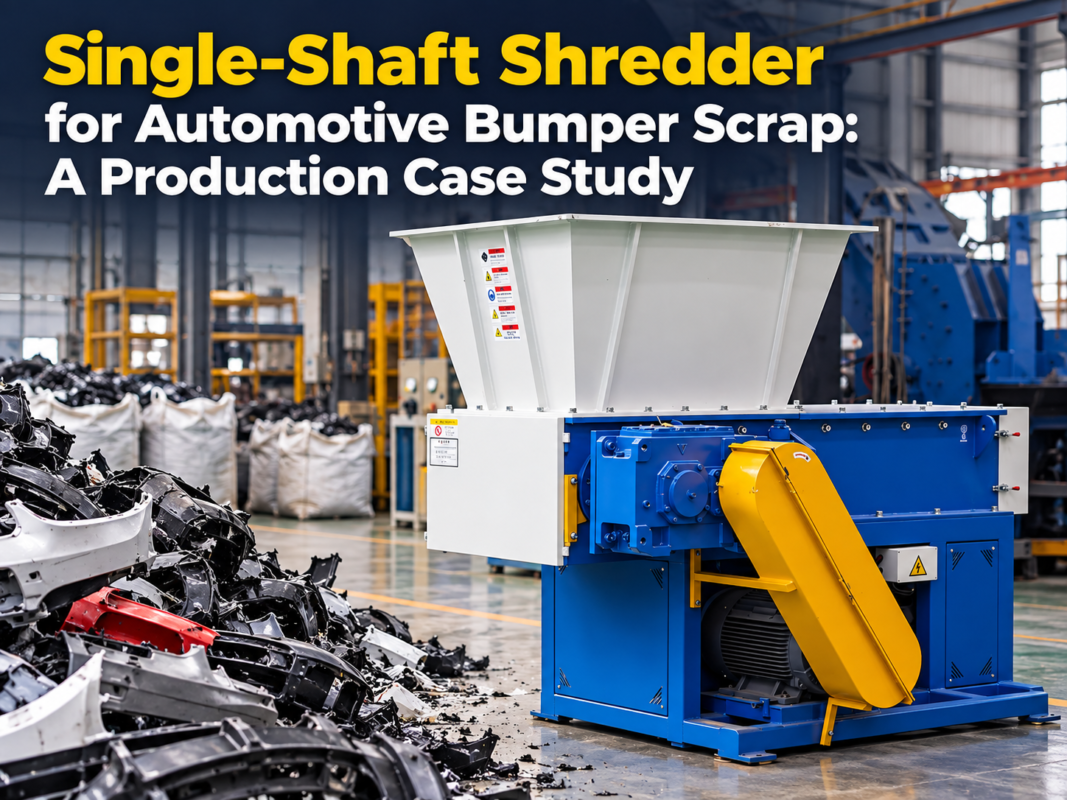
A single-shaft shredder operates by using a large hydraulic ram to push material against a rotating shaft equipped with bolted-on blades. This design allows for precise control over the output size, which is determined by a screen located beneath the rotor. Unlike dual-shaft shredders that tear material, single-shaft machines are known for their ability to produce a uniform, small-sized fraction in a single pass. However, the efficiency of this process depends heavily on the machine’s configuration, which we will explore in detail.
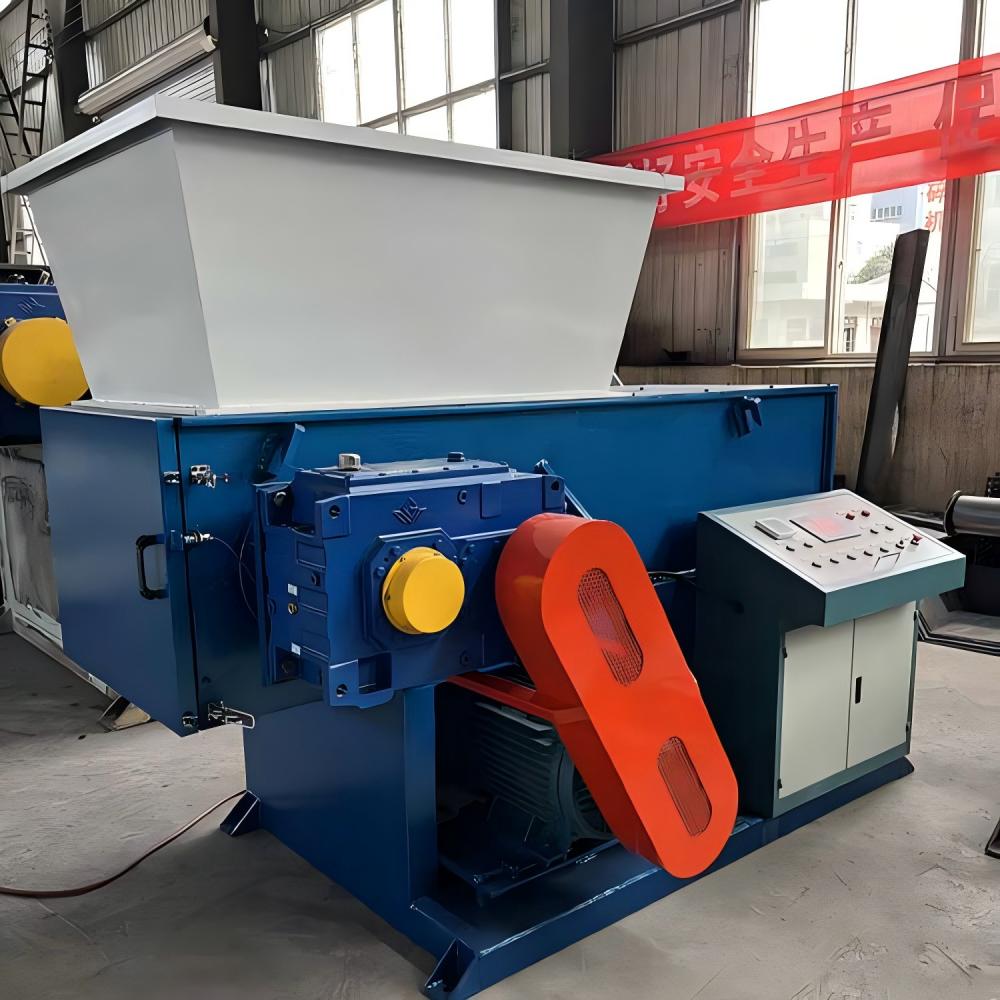
Price Range Overview: Understanding the Market Tiers
When embarking on a Single-Shaft Shredder Buying : Size, Throughput, Maintenance Costs journey, the first hurdle is often the wide variance in pricing. Industrial shredders are not commodities; they are engineered systems. Generally, the market is divided into three primary tiers based on capacity and build quality.
Entry-Level and Small-Scale Shredders
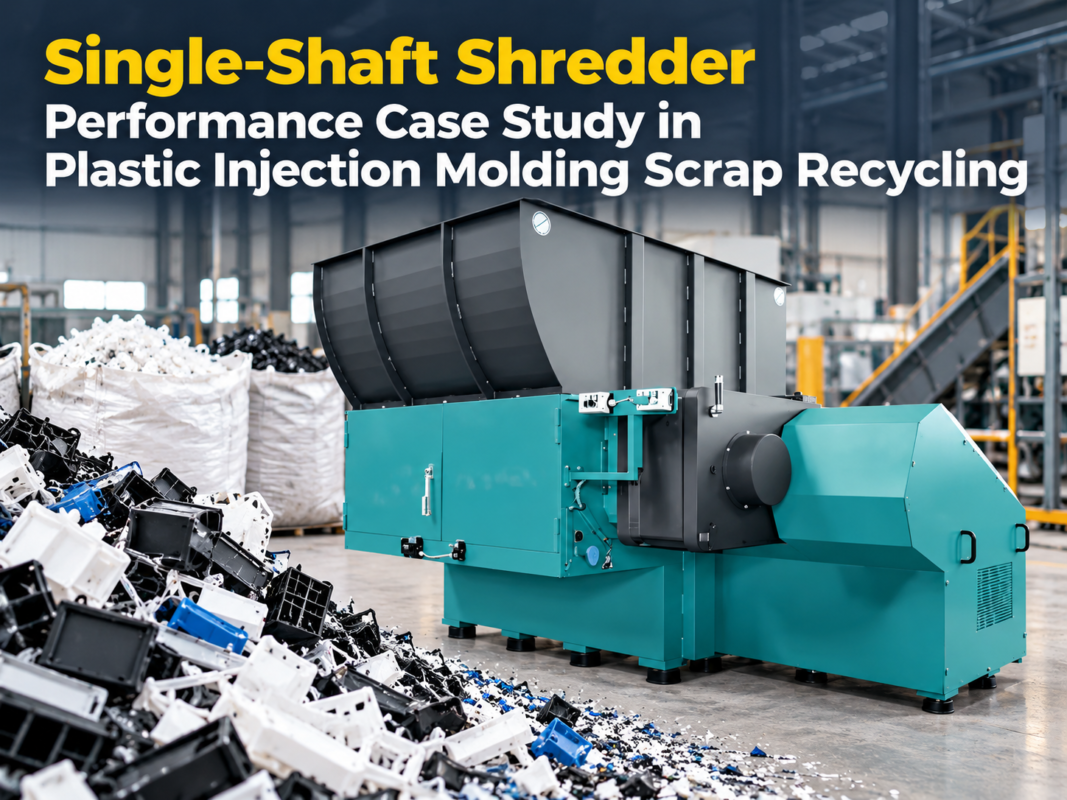
Small-scale units, often used for laboratory testing or low-volume in-house recycling (such as shredding defective plastic parts in an injection molding shop), typically range from $15,000 to $35,000. These machines usually feature motor powers between 15kW and 30kW and rotor lengths under 600mm. While affordable, they are not designed for continuous 24/7 operation or contaminated materials.
Mid-Range Industrial Shredders
The mid-range tier is where most professional recycling facilities operate. These machines cost between $40,000 and $90,000. They offer a balance of robust construction, advanced PLC controls, and throughput capacities ranging from 500kg to 2,000kg per hour. In this category, you begin to see features like oversized gearboxes, water-cooled rotors, and specialized blade alloys that significantly impact the Single-Shaft Shredder Buying : Size, Throughput, Maintenance Costs equation.
Heavy-Duty and High-Capacity Systems
For large-scale municipal waste or high-volume industrial processing, heavy-duty shredders can exceed $150,000. These units feature massive rotors (up to 2000mm or more), dual-drive motors, and sophisticated hydraulic systems. They are built to handle the most demanding materials, including thick-walled pipes, large purgings, and even light non-ferrous metals. The investment here is justified by the massive throughput and the machine’s ability to withstand extreme mechanical stress over decades.
Main Cost Drivers: What Are You Really Paying For?
Understanding the cost drivers is essential for any Single-Shaft Shredder Buying : Size, Throughput, Maintenance Costs analysis. It is rarely just about the size of the steel frame; the internal components dictate the price and the performance.
Motor Power and Drive Systems
The motor is the heart of the shredder. High-quality motors from brands like Siemens or ABB command a premium but offer superior energy efficiency and longevity. Furthermore, the drive system—whether it is a traditional belt drive, a fluid coupling, or a direct-drive gearbox—affects the torque delivery. A machine with high torque at low speeds is essential for tough materials, and providing this capability increases the initial purchase price.
Blade Material and Rotor Design
Not all steel is created equal. High-performance blades made from D2 (1.2379) or DC53 tool steel are expensive but offer much higher wear resistance. The rotor design also plays a role; a solid-steel machined rotor is more costly than a hollow one but provides the inertia needed to power through dense materials without stalling. The number of knives on the rotor directly influences throughput, but also increases the cost of eventual replacements.
Hydraulic Systems and PLC Controls
The hydraulic pusher (ram) is what feeds the material into the rotor. Advanced systems use load-sensing hydraulics that adjust the pressure based on the motor’s current draw. This prevents jamming and maximizes efficiency. Coupled with a high-end PLC (Programmable Logic Controller) like Omron or Schneider, the machine can operate autonomously, reversing the rotor when a blockage is detected and optimizing the feed rate. These electronics add to the cost but are vital for reducing labor and preventing damage.
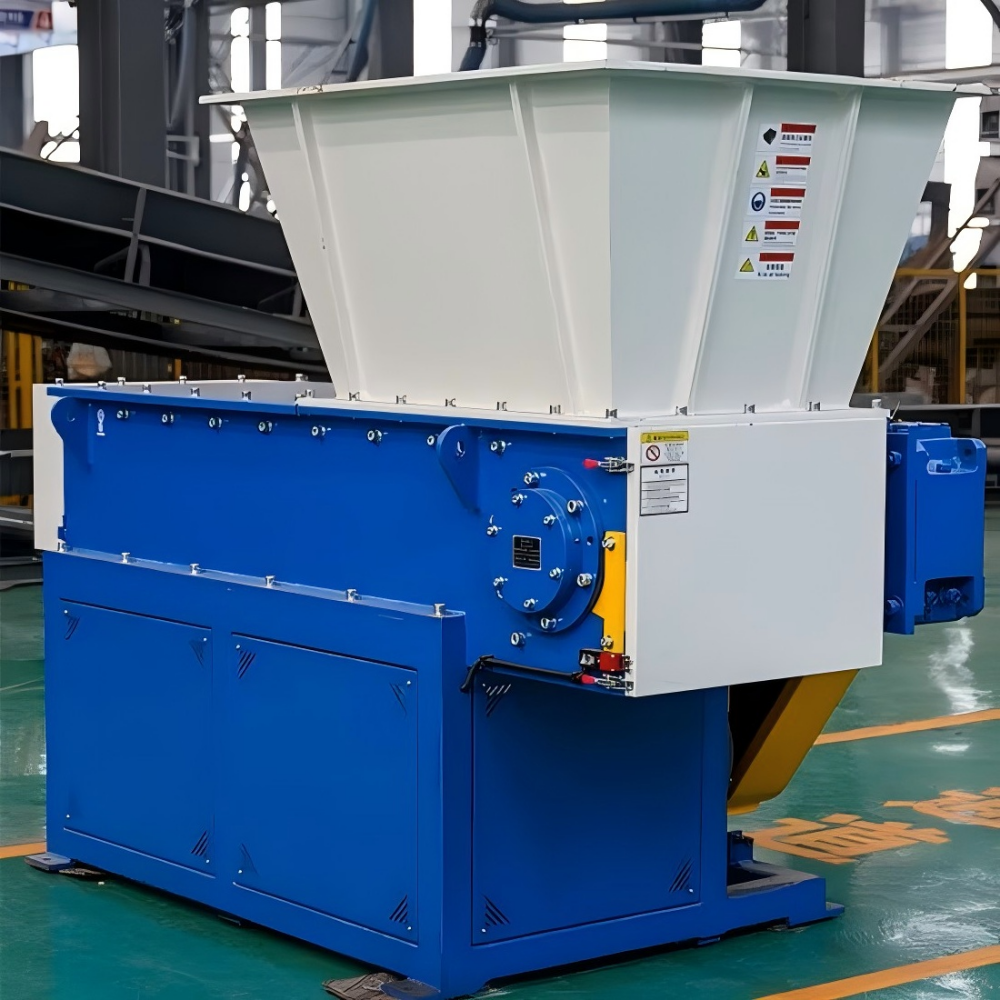
Configuration Impact: Size and Throughput Dynamics
The relationship between size and throughput is not always linear. When considering Single-Shaft Shredder Buying : Size, Throughput, Maintenance Costs, you must look at how the configuration matches your specific material.
Rotor Diameter and Length
The rotor’s physical dimensions define the “cutting window.” A longer rotor allows for wider materials to be fed, while a larger diameter provides more surface area for blades and better heat dissipation. For example, shredding bulky plastic crates requires a large hopper and a wide rotor, even if the total hourly tonnage is relatively low. Conversely, shredding dense plastic purgings requires a smaller, more powerful rotor with high torque.
Screen Size and Throughput
The screen located under the rotor determines the final particle size. A smaller screen (e.g., 20mm) produces a finer product but significantly reduces throughput because the material stays in the cutting chamber longer. If your process allows for a 40mm or 60mm chip, you can nearly double your throughput with the same machine. Buyers often make the mistake of requesting a screen that is too fine, leading to unnecessary energy consumption and wear.
Pusher Type: Swing-Arm vs. Horizontal
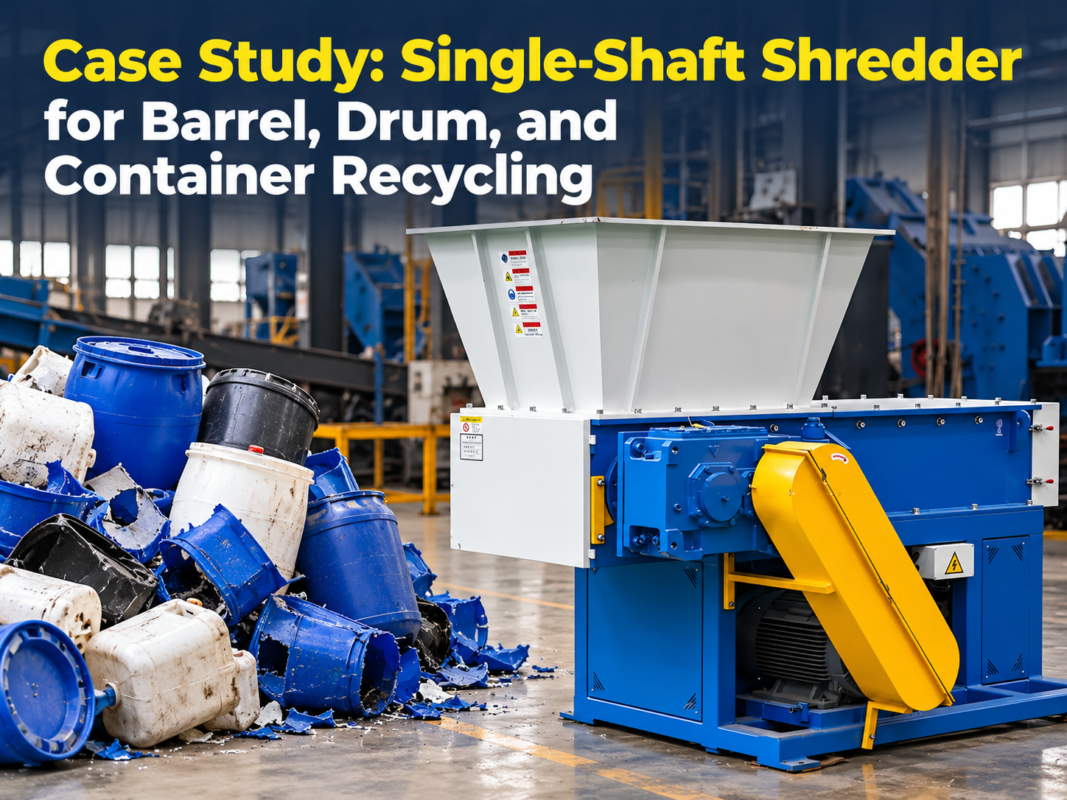
Horizontal pushers are standard for most applications, but swing-arm pushers are often better for bulky, hollow items like drums or IBCs. The swing-arm design uses gravity to help feed the material, reducing the risk of the material “bridging” or getting stuck above the rotor. Choosing the right pusher type for your material is a critical step in the Single-Shaft Shredder Buying : Size, Throughput, Maintenance Costs evaluation.
Hidden Costs: Maintenance and Operational Expenses
The purchase price is only the beginning. To truly understand Single-Shaft Shredder Buying : Size, Throughput, Maintenance Costs, one must look at the long-term operational expenses. Maintenance is the most significant “hidden” cost in shredding operations.
Blade Maintenance and Replacement
Single-shaft shredder blades are typically square with four cutting edges. When one edge becomes dull, you rotate the blade 90 degrees. This means one set of blades has four “lives.” However, once all four edges are dull, the entire set must be replaced or professionally reground. Depending on the abrasiveness of your material (e.g., glass-filled plastics or sandy agricultural film), blades may need rotating every 100 hours or every 1,000 hours. The cost of a full set of blades can range from $2,000 to $8,000.
Energy Consumption
Shredders are energy-intensive machines. A 55kW motor running 8 hours a day can accumulate significant electricity bills. Modern shredders with “Smart Feed” technology can reduce energy consumption by up to 30% by ensuring the motor is always working at its optimal load point rather than idling or over-straining. When calculating ROI, the energy efficiency of the machine is often more important than the initial price tag.
Wear Parts and Lubrication
Beyond blades, other wear parts include the counter-knives (stator blades), screen plates, and rotor bearings. Regular lubrication of the bearings and hydraulic oil changes are mandatory. Neglecting these small maintenance tasks can lead to catastrophic failure of the gearbox or rotor shaft, resulting in repair costs that can reach 40% of the machine’s original value.
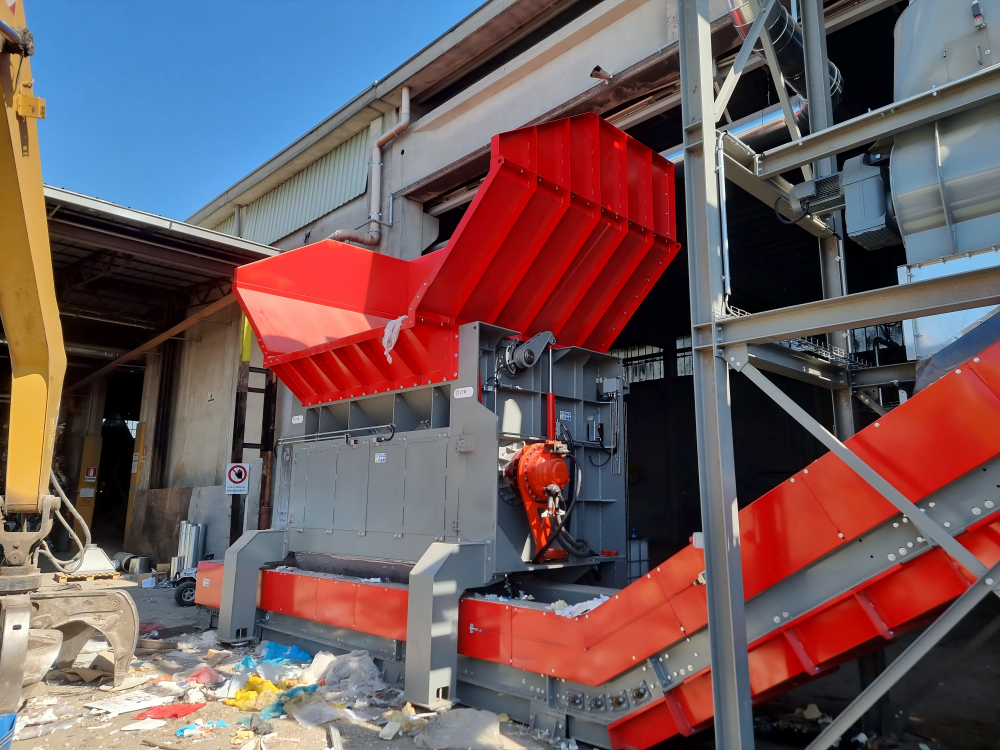
ROI Calculation: Making the Business Case
To justify the Single-Shaft Shredder Buying : Size, Throughput, Maintenance Costs, a clear Return on Investment (ROI) calculation is required. This involves comparing the cost of the machine against the value it generates.
Material Value Addition
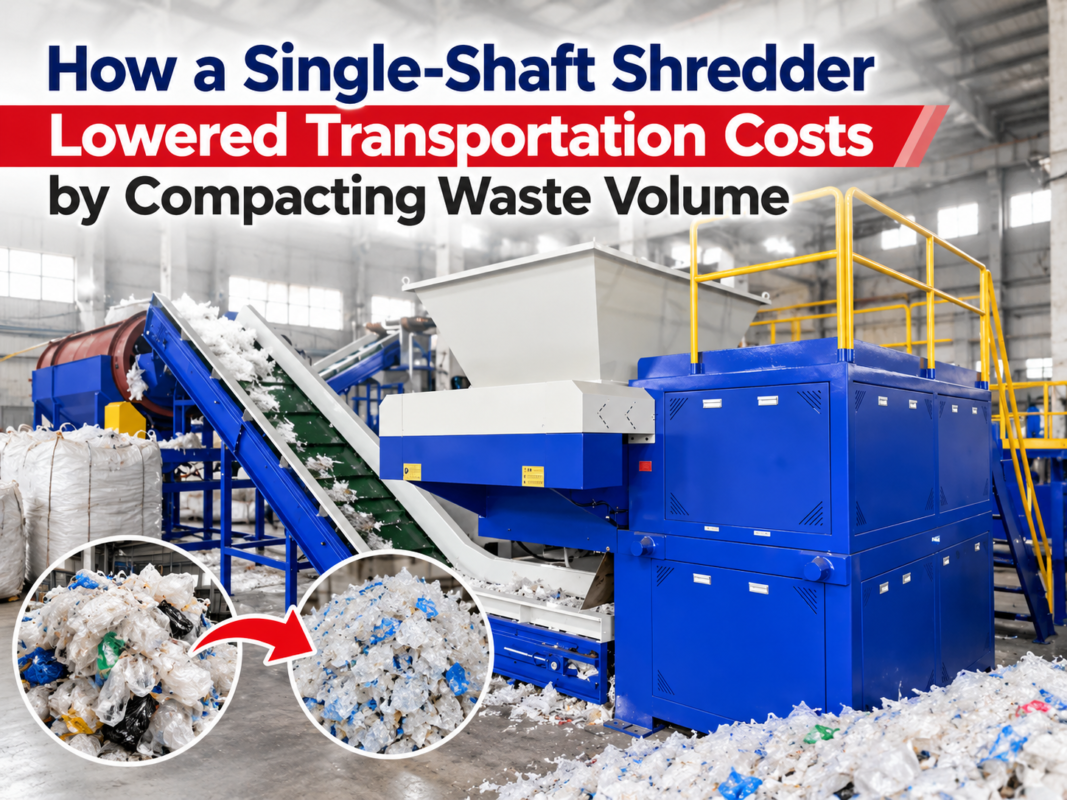
In many industries, raw waste has a negative value (you pay to haul it away). Once shredded, that same material becomes a feedstock for recycling, which can be sold. For instance, if un-shredded plastic scrap is worth $50/ton and shredded regrind is worth $300/ton, the $250 difference (minus operating costs) is your gross profit per ton. If the machine processes 1 ton per hour, it generates $250/hour in value.
Labor Savings
Automating the shredding process reduces the need for manual labor. Instead of workers breaking down large parts by hand or feeding small granulators, a large single-shaft shredder can accept entire bales or large purgings. Calculating the reduction in man-hours is a vital part of the ROI equation.
Example ROI Table
| Factor | Estimated Value (Annual) |
|---|---|
| Waste Disposal Savings | $15,000 |
| Resale of Shredded Material | $60,000 |
| Labor Cost Reduction | $25,000 |
| Total Annual Benefit | $100,000 |
| Estimated Operating Costs (Power/Blades) | ($20,000) |
| Net Annual Gain | $80,000 |
In this scenario, a $120,000 investment in a high-quality shredder would pay for itself in approximately 1.5 years, which is an excellent ROI for industrial equipment.
Buying Advice: A Step-by-Step Checklist
When you are ready to finalize your Single-Shaft Shredder Buying : Size, Throughput, Maintenance Costs decision, follow this checklist to ensure no detail is overlooked:
- Material Testing: Never buy a shredder without seeing it process your specific material. Send samples to the manufacturer for a trial run and request a video or a physical sample of the output.
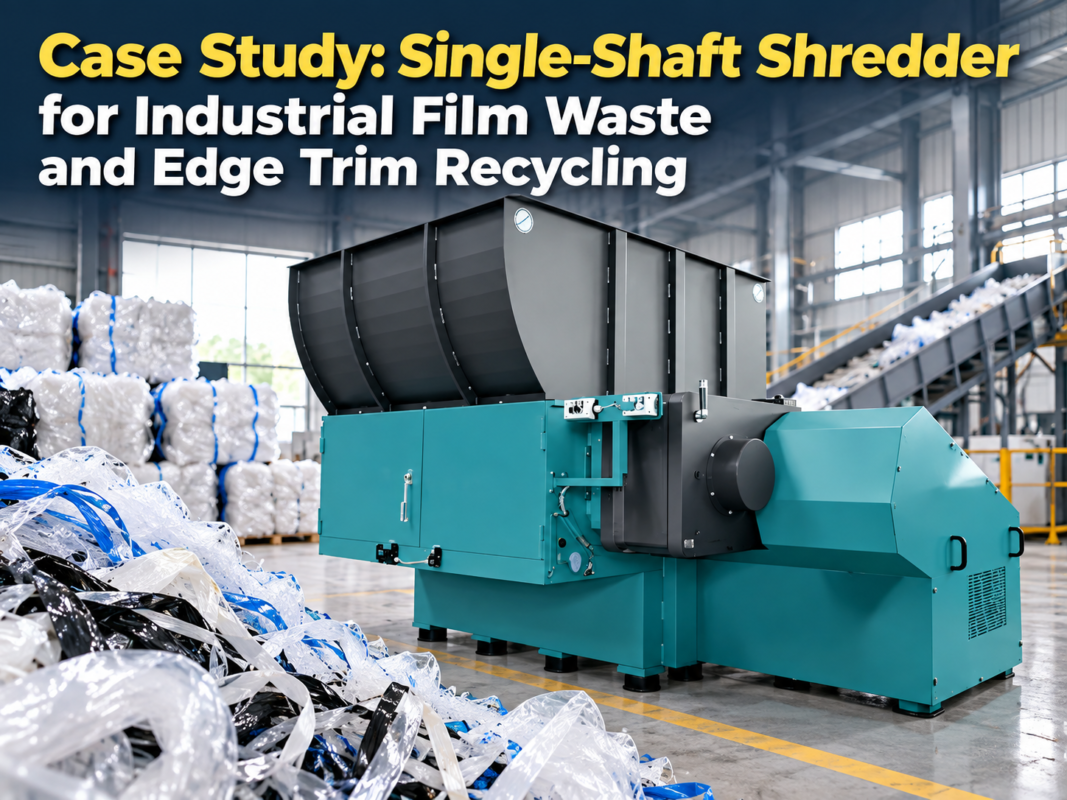
- Check the Rotor Cooling: If you are shredding low-melting-point plastics (like film), ensure the rotor is water-cooled to prevent the material from melting and gumming up the blades.
- Verify Component Brands: Ensure the PLC, motors, and hydraulics are from reputable global brands. This ensures that you can find replacement parts locally without waiting for international shipping.
- Assess Access for Maintenance: Look at how easy it is to change the screen and rotate the blades. Some machines feature a hydraulic screen cradle that drops down for easy access, which can save hours of labor during maintenance.
- Safety Features: Ensure the machine has emergency stops, safety interlocks on all access doors, and a robust “reverse on overload” function to protect the motor and gearbox.
Conclusion: Why HARSLE is Your Ideal Partner
Choosing the right shredder is a balance of technical specifications and long-term support. At HARSLE, we understand that the Single-Shaft Shredder Buying : Size, Throughput, Maintenance Costs process is about more than just a machine; it is about a partnership. Our shredders are engineered with the highest quality components, designed for ease of maintenance, and backed by a team of experts who understand the nuances of material processing.
By focusing on high-torque designs, energy-efficient motors, and user-friendly controls, HARSLE ensures that your investment provides the highest possible throughput with the lowest possible maintenance costs. Whether you are a small recycler or a large industrial facility, our range of single-shaft shredders offers the durability and precision you need to succeed in today’s competitive market.
Frequently Asked Questions (FAQ)
1. How often do I need to sharpen or rotate the blades?
This depends entirely on the material. For clean plastics, you might rotate the blades every 500-800 hours. For abrasive materials like glass-filled nylon or dirty agricultural film, it could be as often as every 150 hours. Always monitor the motor’s amp draw; as blades dull, the amp draw will increase for the same amount of material.
2. Can a single-shaft shredder handle metal?
Single-shaft shredders are primarily designed for plastics, wood, and paper. While they can handle light non-ferrous metals like aluminum cans or thin extrusions, they are not suitable for heavy steel scrap. For steel, a dual-shaft shredder or a specialized metal crusher is required.
3. What is the ideal rotor speed for plastic shredding?
Most single-shaft shredders operate at a relatively low speed, typically between 60 and 100 RPM. This low speed, combined with high torque, is what allows the machine to cut through dense materials without creating excessive dust or heat.
4. How do I choose the right screen size?
The screen size should be the largest size that your downstream process can handle. If you are feeding a granulator, a 40mm or 50mm screen is usually sufficient. Using a smaller screen than necessary will only decrease your throughput and increase your electricity bill.
5. What is the difference between a V-rotor and a flat rotor?
A V-rotor arranges the blades in a V-shape, which helps pull material toward the center of the rotor and provides a more aggressive cut. This is generally preferred for bulky items. A flat rotor is often used for thinner materials or when a very specific, uniform cut is required.