How to Select a Single-Shaft Shredder for High-Efficiency Material Processing

Introduction to High-Efficiency Material Processing
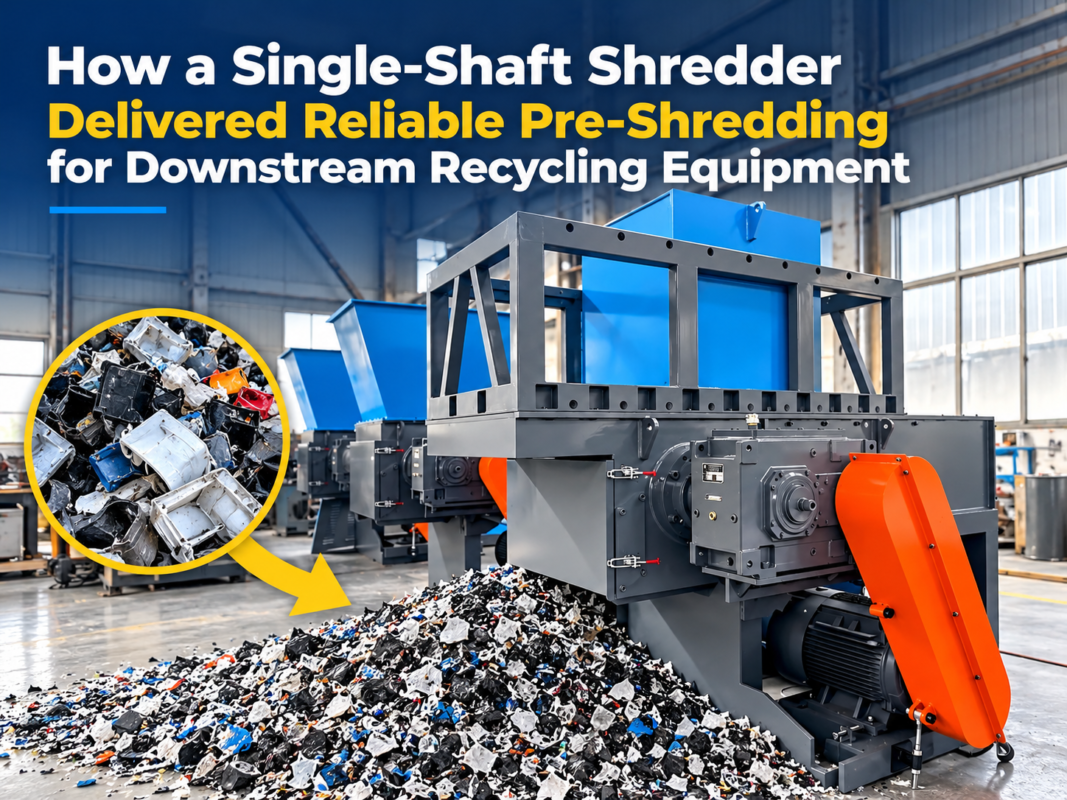
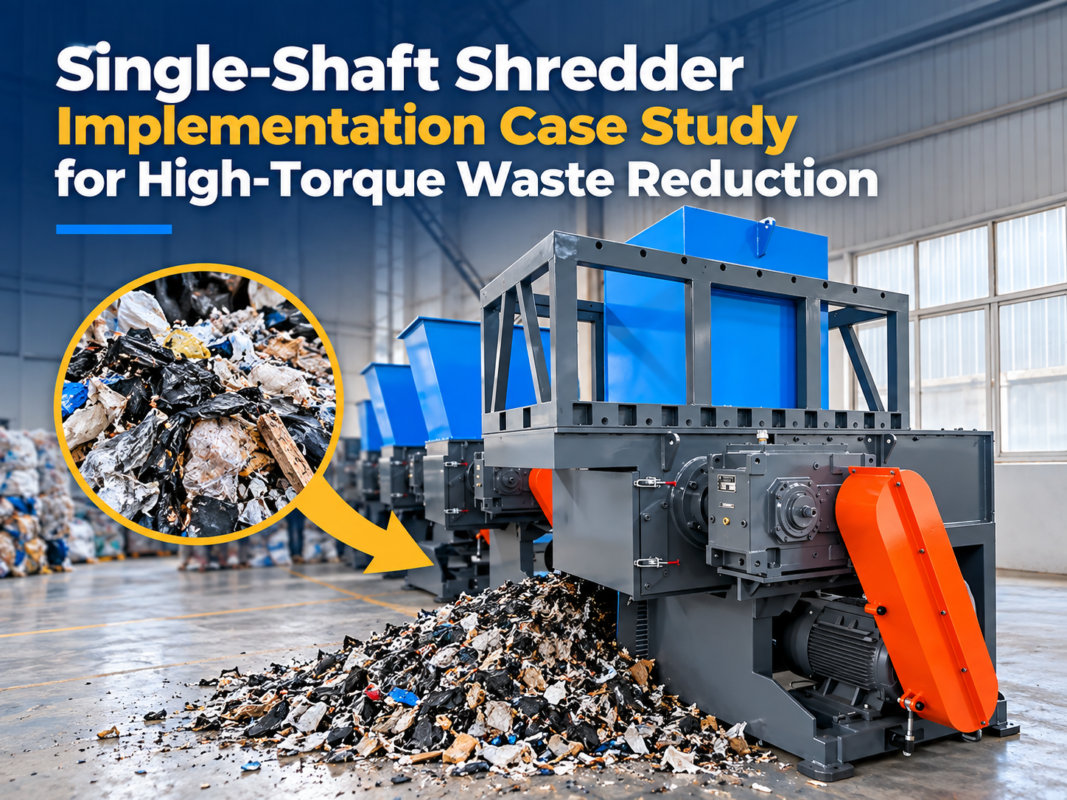
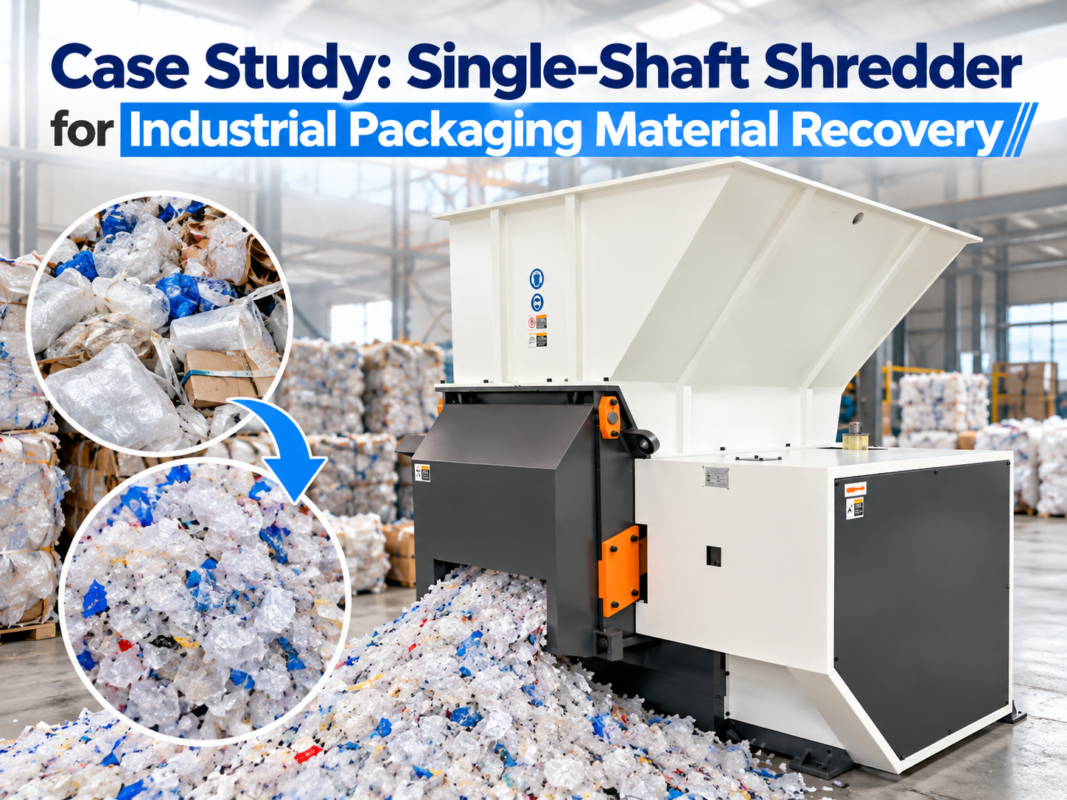
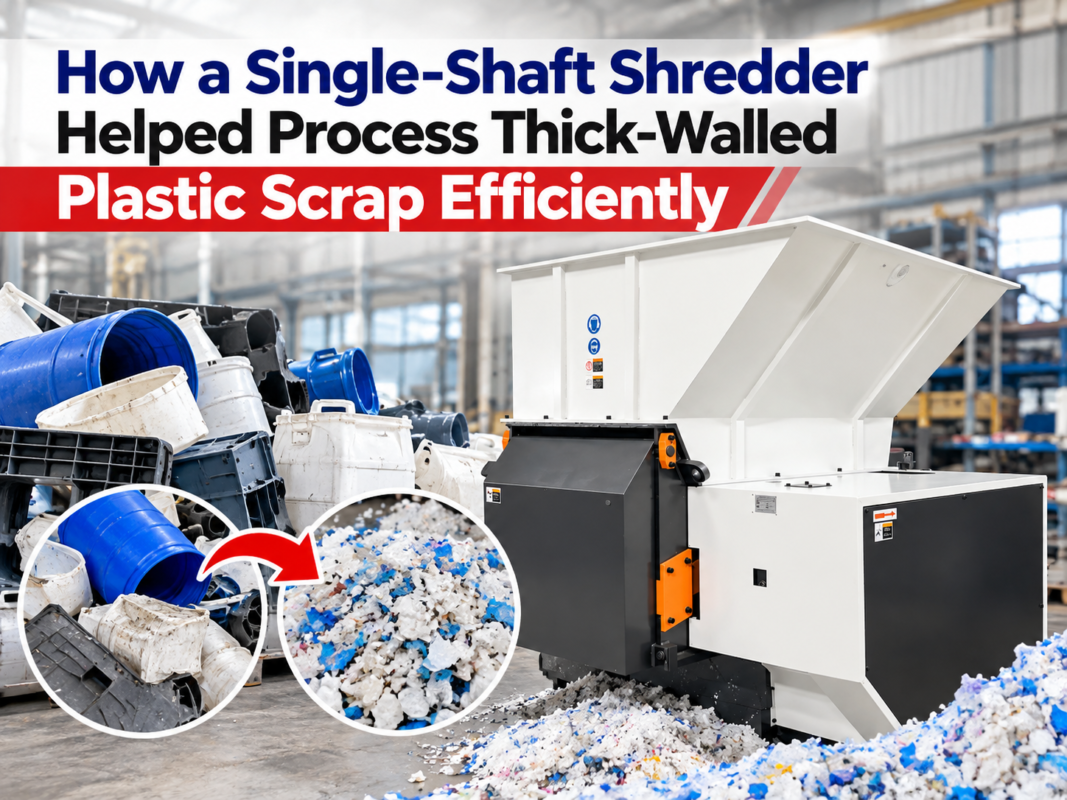
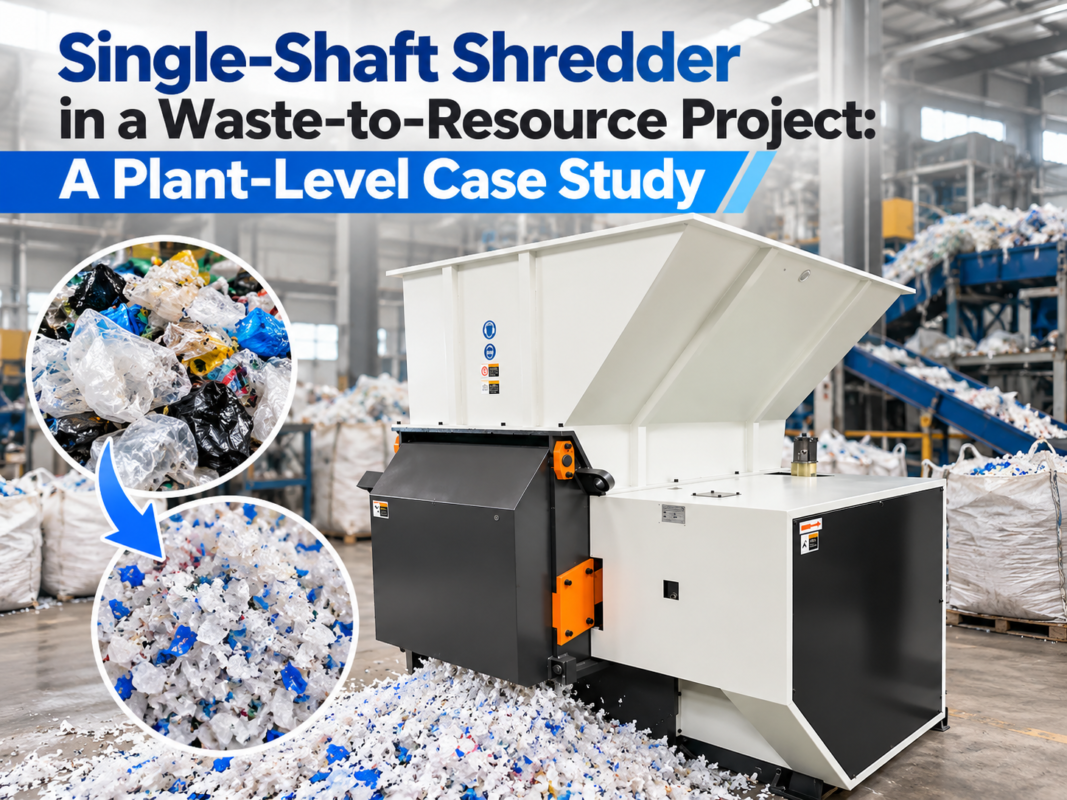
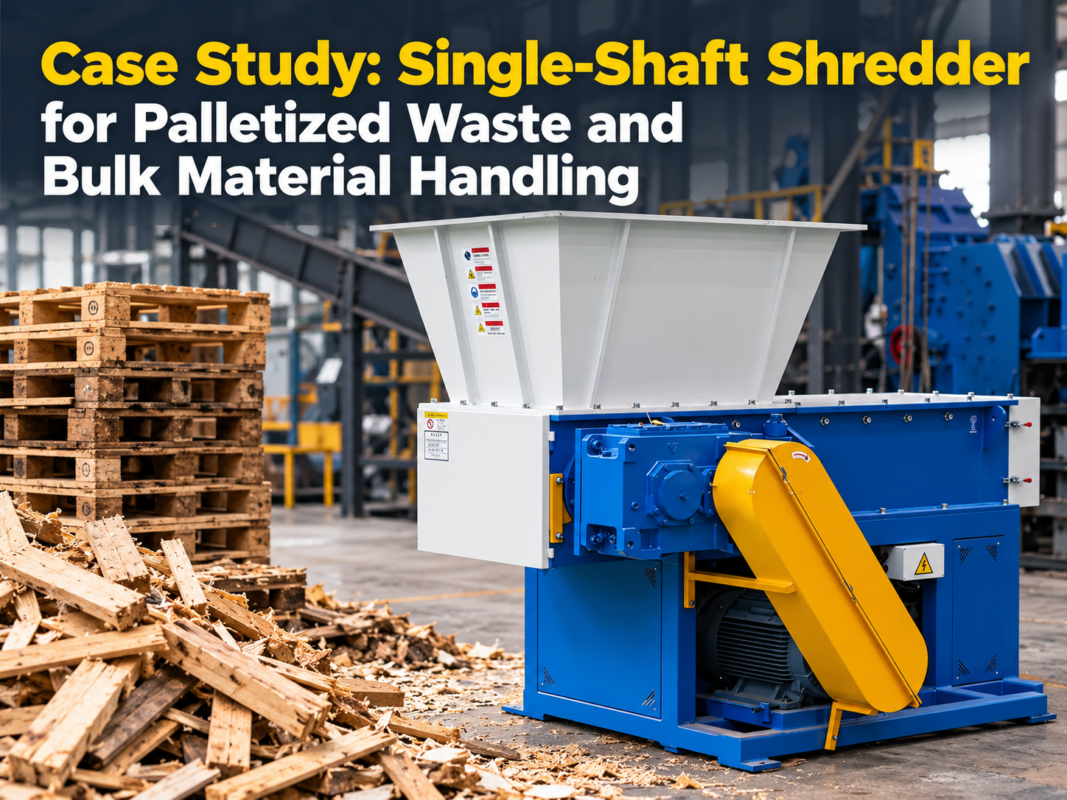
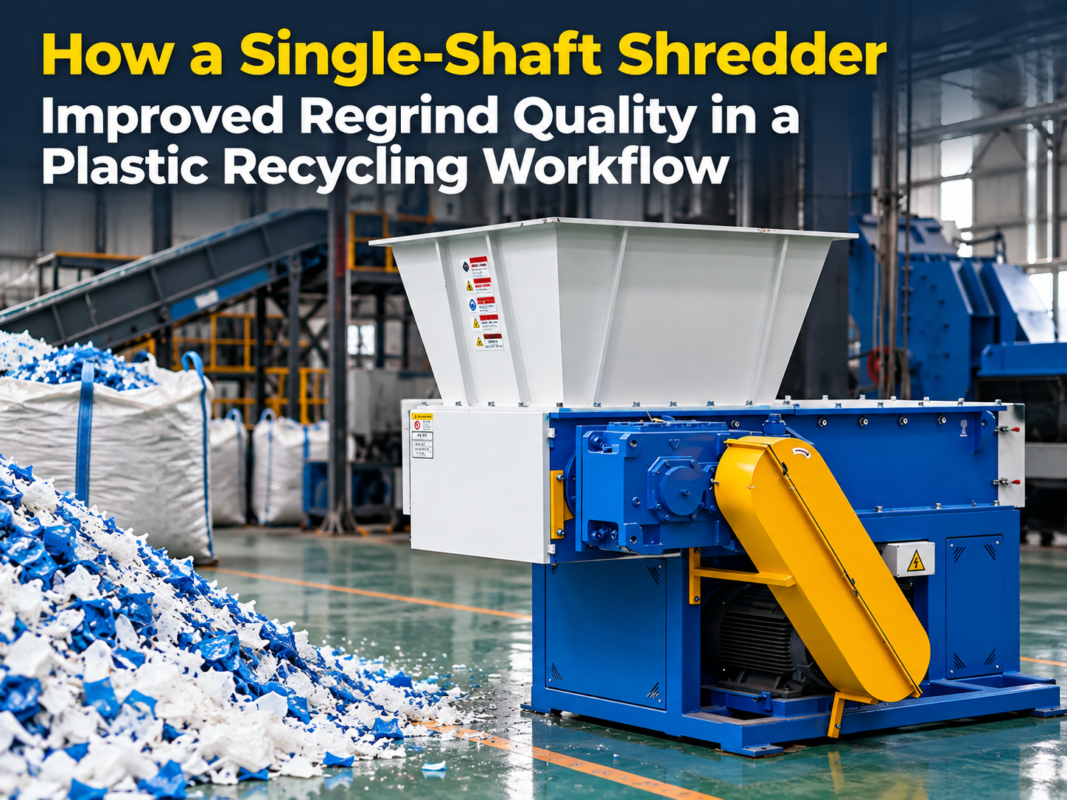
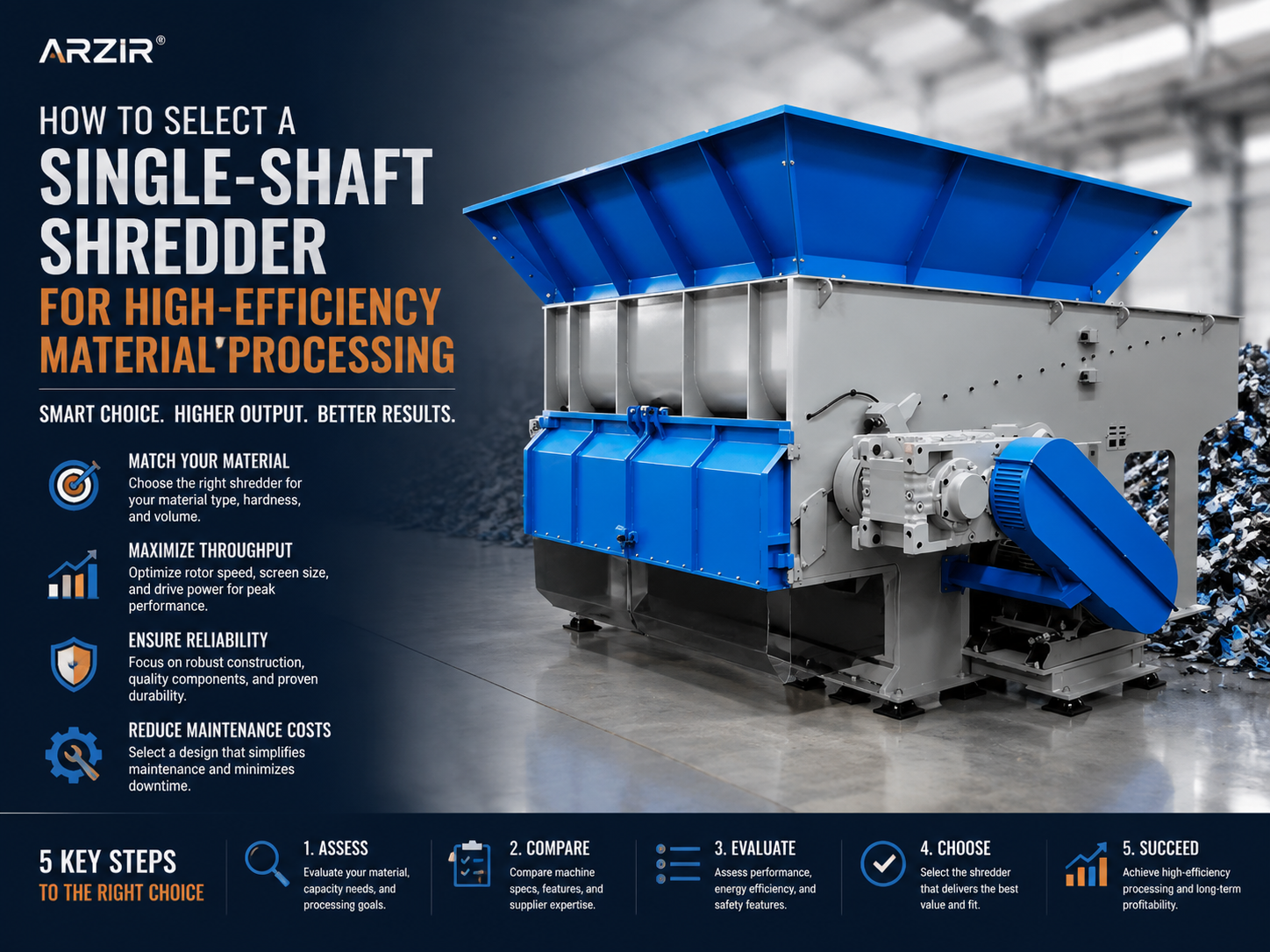
In the modern industrial landscape, the ability to process waste materials efficiently is no longer just an environmental consideration; it is a core economic necessity. Whether you are dealing with plastic offcuts, timber waste, textile scraps, or light metal components, the right machinery can transform a waste stream into a revenue stream. To Select A Single-Shaft Shredder High-Efficiency Material Processing setup, one must understand the intricate balance between mechanical power, rotor design, and material characteristics. A single-shaft shredder is a versatile workhorse, utilizing a hydraulic pusher to force material against a high-speed rotating shaft equipped with replaceable blades. This design is particularly effective for achieving a uniform output size, which is critical for downstream processes like pelletizing or briquetting.
HARSLE has long been at the forefront of providing robust industrial solutions, and our single-shaft shredders are engineered to meet the rigorous demands of high-volume production environments. Selecting the right unit involves more than just looking at the price tag; it requires a deep dive into the technical specifications that drive throughput and longevity. In this guide, we will break down everything from initial investment costs to the granular details of rotor configuration, ensuring you make an informed decision that maximizes your operational efficiency.
Price Range Overview: What to Expect
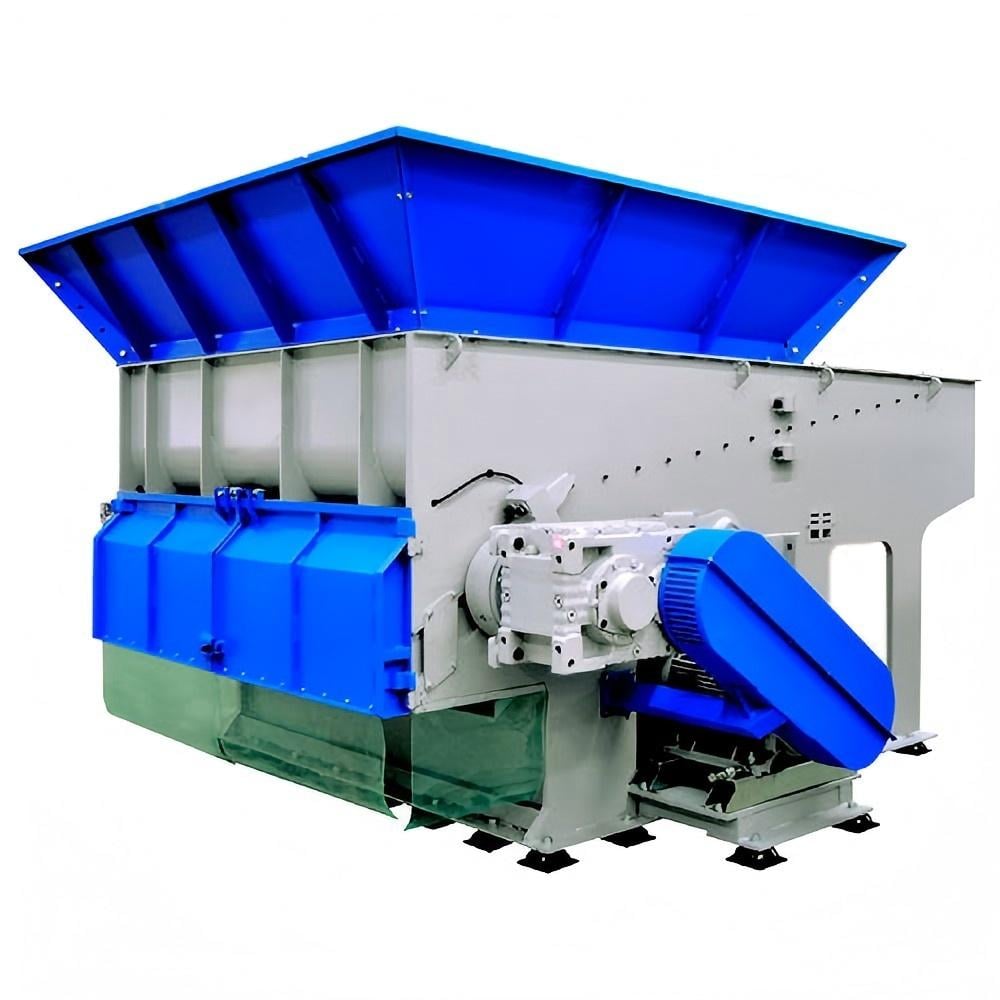
The market for single-shaft shredders is broad, with prices varying significantly based on capacity, build quality, and automation features. Generally, industrial-grade shredders can be categorized into three main price brackets. Entry-level machines, often used for light plastics or small-scale wood recycling, typically range from $15,000 to $35,000. These units usually feature smaller motors (15kW to 30kW) and narrower rotor widths. While they are cost-effective for intermittent use, they may struggle with high-density materials or continuous 24/7 operations.
Mid-range shredders, which are the most common choice for established recycling facilities, fall between $40,000 and $85,000. These machines offer a significant jump in durability, featuring reinforced frames, larger hydraulic reservoirs, and more sophisticated PLC control systems. They are designed to handle a wider variety of materials, including thick-walled pipes and rubber, with motor powers ranging from 45kW to 75kW. At this level, you also begin to see specialized rotor designs that improve the efficiency of the cutting action.
High-capacity, heavy-duty shredders exceed $100,000 and can reach upwards of $250,000 for fully integrated systems. These are massive machines built for the most demanding applications, such as processing large volumes of municipal solid waste or heavy industrial scrap. They feature dual-drive motors, advanced cooling systems for continuous operation, and high-torque gearboxes. When you Select A Single-Shaft Shredder High-Efficiency Material Processing at this level, you are investing in a machine capable of processing several tons of material per hour with minimal downtime.
Main Cost Drivers in Shredder Selection
Understanding what drives the cost of a single-shaft shredder is essential for budgeting. The primary cost driver is the motor and drive system. High-efficiency motors from reputable brands like Siemens or WEG carry a premium but offer better energy savings and reliability. The gearbox is another critical component; a high-torque, shock-resistant gearbox is necessary to handle the sudden loads encountered when shredding tough materials. Cheaper gearboxes are prone to failure under stress, leading to expensive repairs and lost production time.
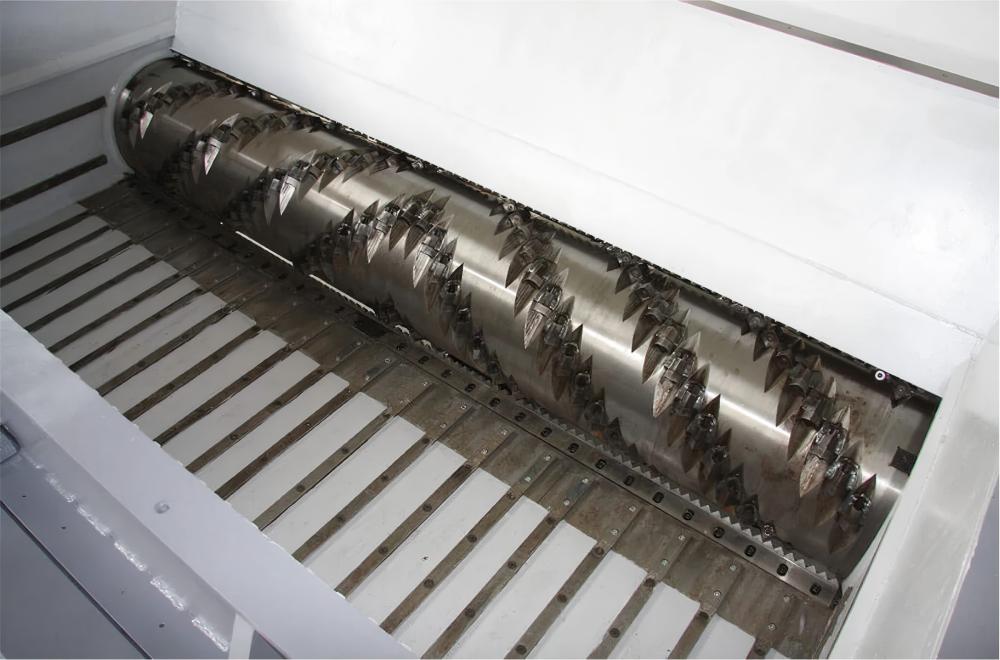
The rotor and blade assembly also significantly impact the price. Rotors can be solid-steel or hollow, with solid rotors being more expensive due to their mass and durability. The type of steel used for the blades—typically D2, DC53, or specialized tungsten carbide—affects both the initial cost and the frequency of replacement. Furthermore, the complexity of the hydraulic pusher system adds to the cost. A horizontal pusher is standard, but a swing-arm pusher, which provides more consistent pressure for certain materials, is a more expensive configuration.
Lastly, the control system and safety features contribute to the final price. Modern shredders utilize PLC (Programmable Logic Controller) systems that monitor motor load and automatically reverse the rotor if a jam is detected. This prevents mechanical damage and ensures the machine operates at peak efficiency. Integration with sensors, touch-screen interfaces, and remote monitoring capabilities are features found in higher-priced models that provide better long-term value through improved operational control.
Configuration Impact on Efficiency
The configuration of your shredder must be tailored to the specific material you intend to process. One of the most important factors is the rotor design. A “V-rotor” configuration is excellent for general-purpose shredding as it directs material toward the center of the shaft, reducing wear on the side walls. For film or fiber materials, a specialized rotor with a higher number of blades and a tighter tolerance between the rotor and the counter-blades is necessary to prevent wrapping and ensure a clean cut.
The screen size determines the final particle size of the shredded material. Screens are interchangeable, with hole diameters typically ranging from 20mm to 100mm. A smaller screen produces a finer output but reduces the overall throughput (tons per hour) because the material stays in the cutting chamber longer. Conversely, a larger screen increases throughput but results in a coarser product. Finding the “sweet spot” for your specific application is key to high-efficiency processing.
Hydraulic pusher speed and pressure settings also play a vital role. For soft materials like foam, a fast pusher speed is ideal. For hard plastics or wood, a slower, high-pressure approach prevents the motor from overloading while maintaining a steady feed into the rotor. Advanced machines allow for the programming of different pusher profiles based on the material being processed, allowing for a truly versatile production line.
Hidden Costs of Ownership
When calculating the total cost of ownership, many buyers overlook the ongoing expenses associated with industrial shredding. The most frequent hidden cost is blade maintenance. Blades are wear items; they will dull over time and require either rotating (most blades have four usable edges) or replacement. The cost of a full set of blades can range from a few hundred to several thousand dollars. If you are processing abrasive materials like glass-filled plastics or contaminated wood, blade wear will be significantly accelerated.
Energy consumption is another major factor. A 55kW motor running 16 hours a day can result in substantial electricity bills. Selecting a machine with a high-efficiency drive and a PLC that optimizes the cutting cycle can save thousands of dollars annually. Additionally, hydraulic oil requires regular changes and filtration to protect the pump and valves. Neglecting this maintenance can lead to a catastrophic failure of the hydraulic system, which is one of the most expensive components to repair.
Finally, consider the cost of downtime. If your shredder is a critical link in your production chain, every hour it is offline costs money. This includes the labor cost of technicians and the lost revenue from unprocessed material. Investing in a machine with a “quick-change” screen design and easy access to the rotor for blade changes can significantly reduce maintenance windows. Furthermore, keeping a stock of critical spare parts—such as belts, fuses, and a spare set of blades—is an upfront cost that pays for itself during the first unexpected breakdown.
ROI Calculation: Is the Investment Worth It?
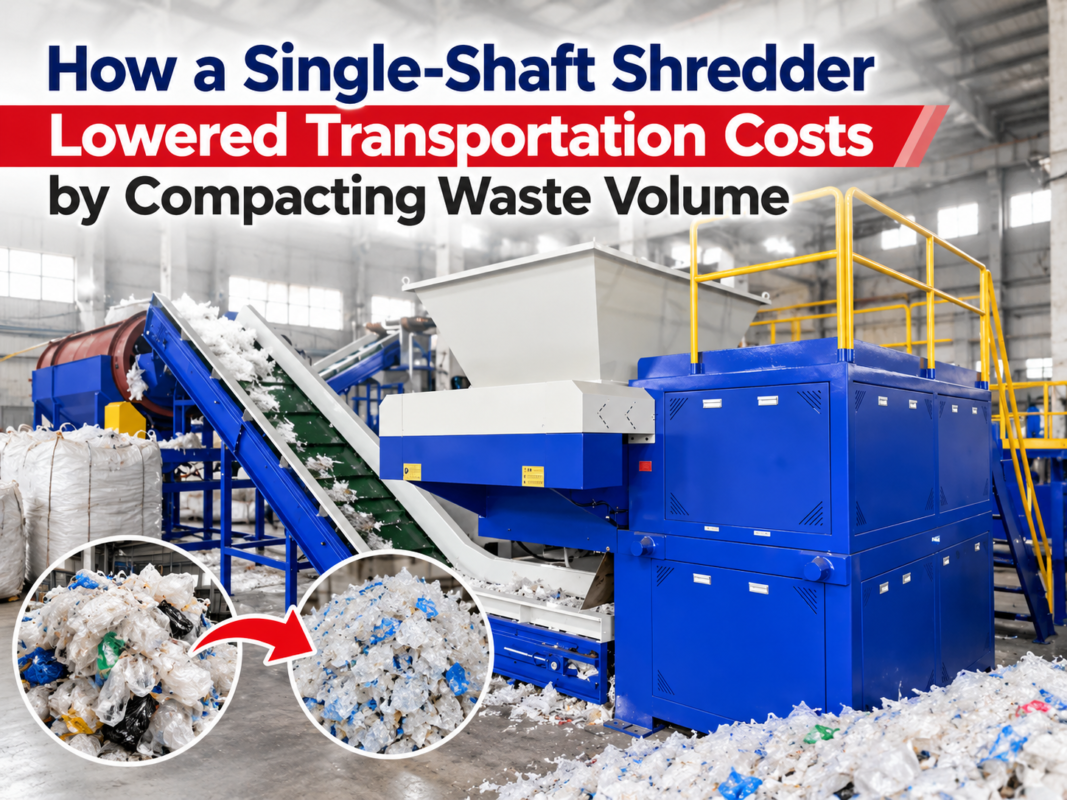
To determine the Return on Investment (ROI) for a single-shaft shredder, you must compare the total cost of the machine (including installation and training) against the projected savings or revenue generation. For many companies, the primary ROI comes from waste volume reduction. By shredding bulky waste, you can reduce the number of waste collection trips by up to 80%, leading to massive savings in logistics and tipping fees.
Another source of ROI is the resale value of processed material. For example, clean HDPE or PP plastic scrap can be sold for a much higher price when it is shredded into uniform flakes compared to raw, bulky scrap. If you process 2 tons of material per day and the price difference between raw and shredded scrap is $200 per ton, the machine generates $400 in additional value daily. Over a 250-day working year, that is $100,000 in additional revenue, which could pay for a mid-range shredder in less than a year.
Labor savings should also be factored in. Manual sorting and breaking down of large waste items are labor-intensive and prone to causing workplace injuries. An automated shredding system requires minimal supervision, allowing your staff to focus on higher-value tasks. When you Select A Single-Shaft Shredder High-Efficiency Material Processing solution, you are essentially buying a more streamlined, safer, and more profitable workflow.
Buying Advice: A Step-by-Step Checklist
Before finalizing your purchase, follow this checklist to ensure the machine meets your needs:
- Material Testing: Always send samples of your actual waste material to the manufacturer for a test run. This confirms the throughput and output quality before you commit.
- Check the Frame: A heavy, welded steel frame is essential for absorbing vibration. A machine that shakes excessively during operation will have a shorter lifespan.
- Verify Component Brands: Ensure the motors, PLCs, and hydraulic components are from globally recognized brands to ensure easy sourcing of replacements.
- Evaluate Access: Look for machines with large maintenance doors. If it’s hard to reach the blades, your team will be less likely to perform regular maintenance.
- Safety Compliance: Ensure the machine meets local safety standards (such as CE or UL) and includes emergency stops, safety interlocks on doors, and overload protection.
At HARSLE, we recommend looking for a partner rather than just a vendor. A manufacturer that offers comprehensive technical support, installation guidance, and a clear warranty policy is worth the extra initial investment. We pride ourselves on providing machines that are not only powerful but also intuitive to operate and maintain.
Frequently Asked Questions (FAQ)
What is the difference between a single-shaft and a double-shaft shredder?
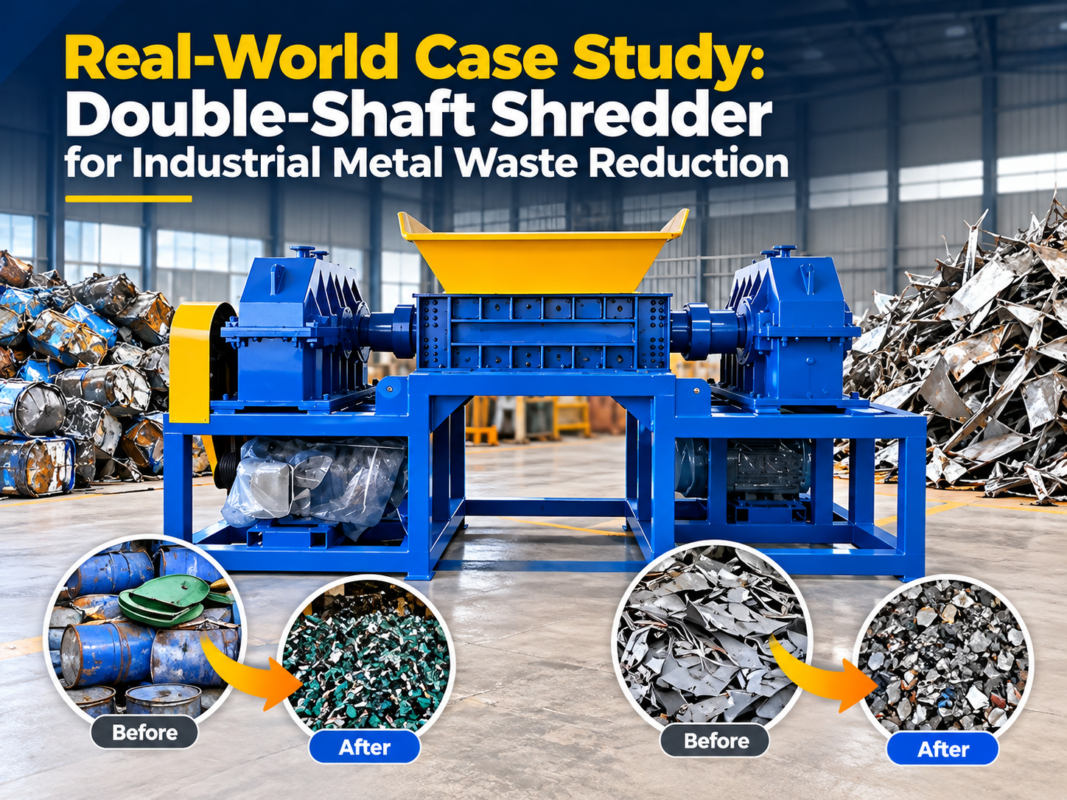
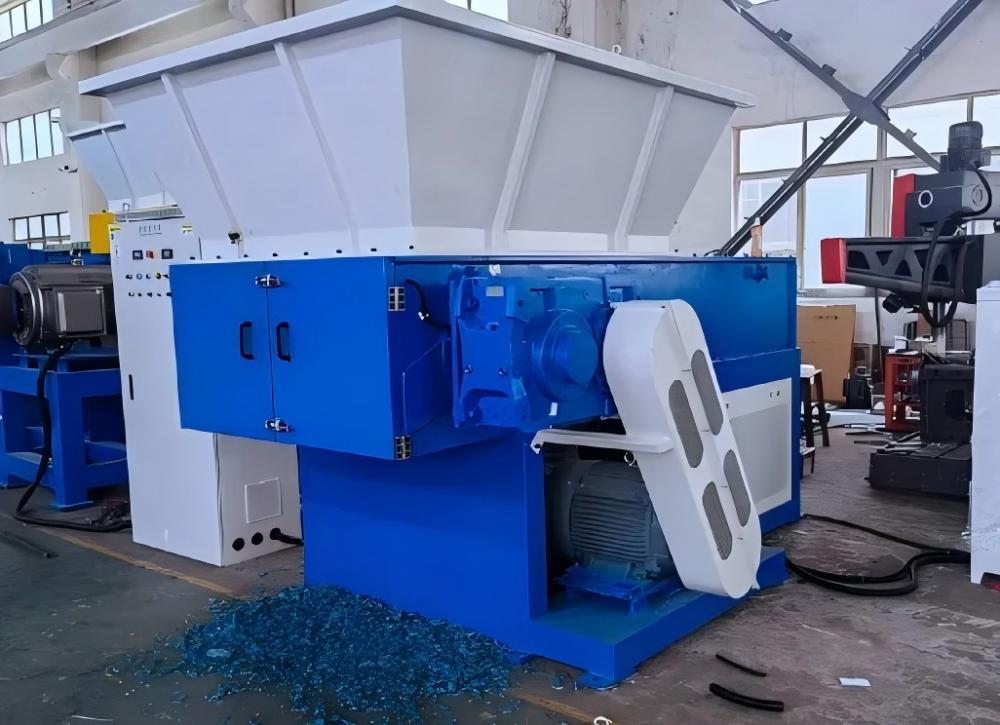
A single-shaft shredder uses a high-speed rotor and a hydraulic pusher to grind material against a screen, producing a precise, uniform output size. A double-shaft shredder uses two low-speed, high-torque shafts to shear material. Double-shaft shredders are better for primary shredding of very large or bulky items, while single-shaft shredders are superior for secondary shredding where a specific particle size is required.
How often do the blades need to be sharpened or replaced?
Blade life depends entirely on the material being processed. For clean plastics, blades may last 500-1,000 hours before needing to be rotated. For abrasive materials like wood with nails or glass-filled polymers, they may need attention every 200 hours. Most modern blades have four cutting edges, so you can rotate them three times before needing a full replacement.
Can a single-shaft shredder handle metal?
Single-shaft shredders are primarily designed for plastics, wood, paper, and textiles. While they can handle light non-ferrous metals like aluminum cans or thin copper wiring, they are not suitable for heavy steel scrap or iron castings. Attempting to shred heavy metal in a standard single-shaft machine will cause severe damage to the blades and rotor.
What power supply is required for an industrial shredder?
Most industrial single-shaft shredders require a three-phase power supply (380V-480V). The amperage required depends on the motor size. It is crucial to ensure your facility’s electrical infrastructure can handle the startup current of a large motor, which can be significantly higher than the running current unless a soft-starter or VFD (Variable Frequency Drive) is used.
How do I choose the right screen size?
The screen size should be chosen based on the requirements of your downstream process. If you are feeding the material into an extruder, you likely need a 20mm-40mm screen. If you are simply reducing volume for transport, a 60mm-100mm screen will allow for much faster processing speeds. Many operators keep multiple screens on hand to switch based on the current job.
What maintenance is required daily?
Daily maintenance is minimal but critical. Operators should check for loose bolts, inspect the blades for major chips or damage, clear any material buildup around the shaft bearings, and check the hydraulic oil level. A five-minute daily inspection can prevent a multi-day breakdown.