Double-Shaft Shredder Buying Guide: How to Choose the Right Machine for Scrap Processing

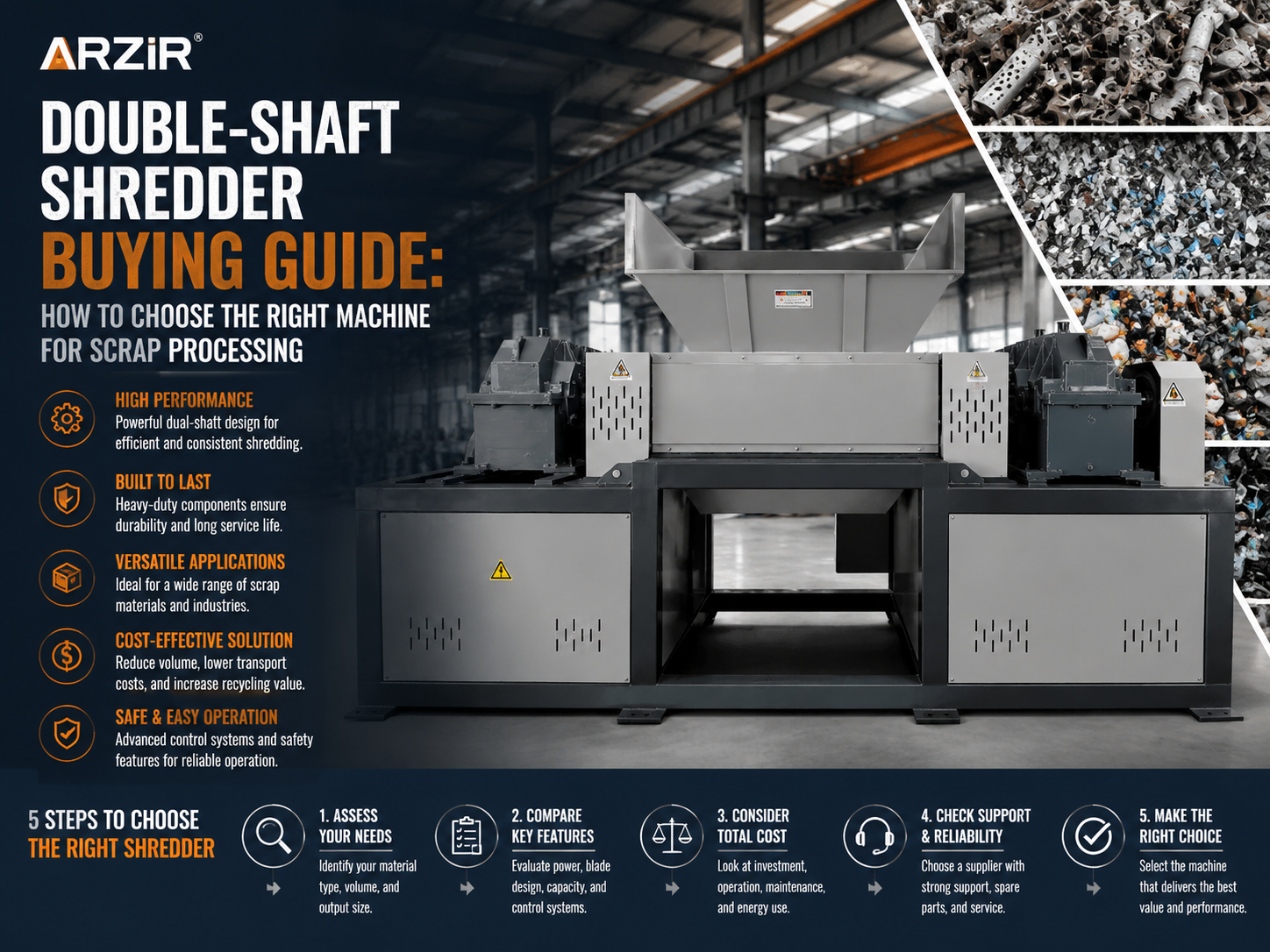
Introduction to Double-Shaft Shredder Technology
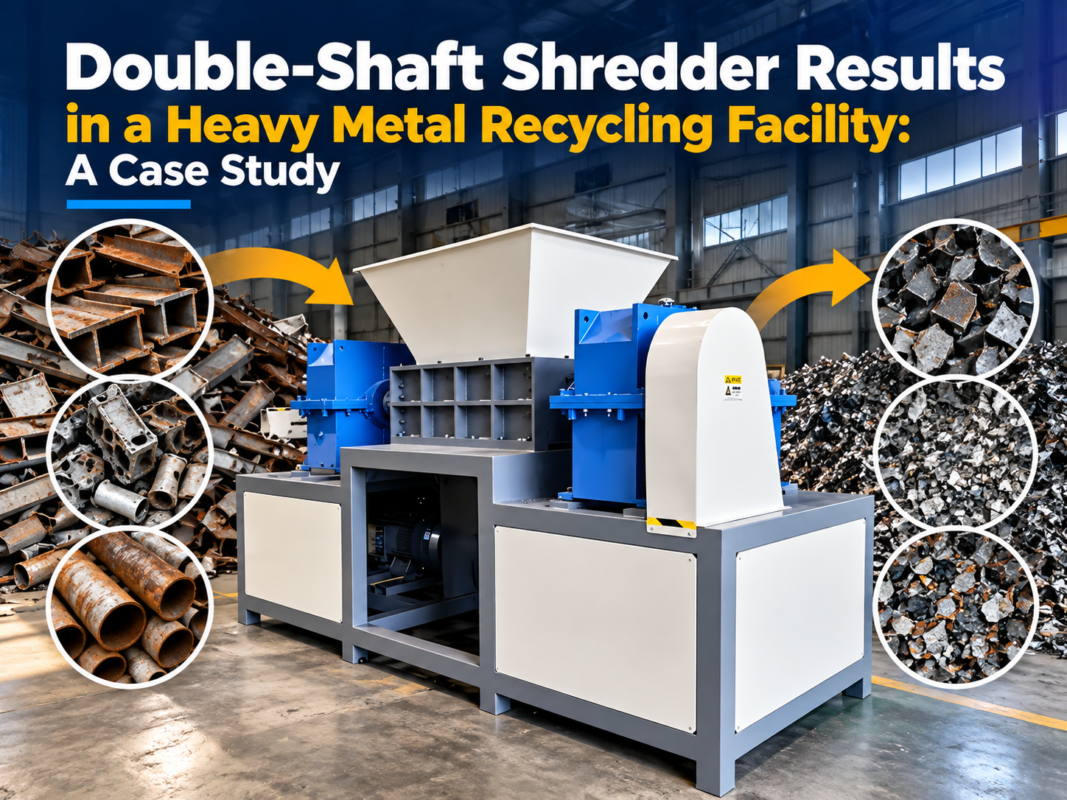
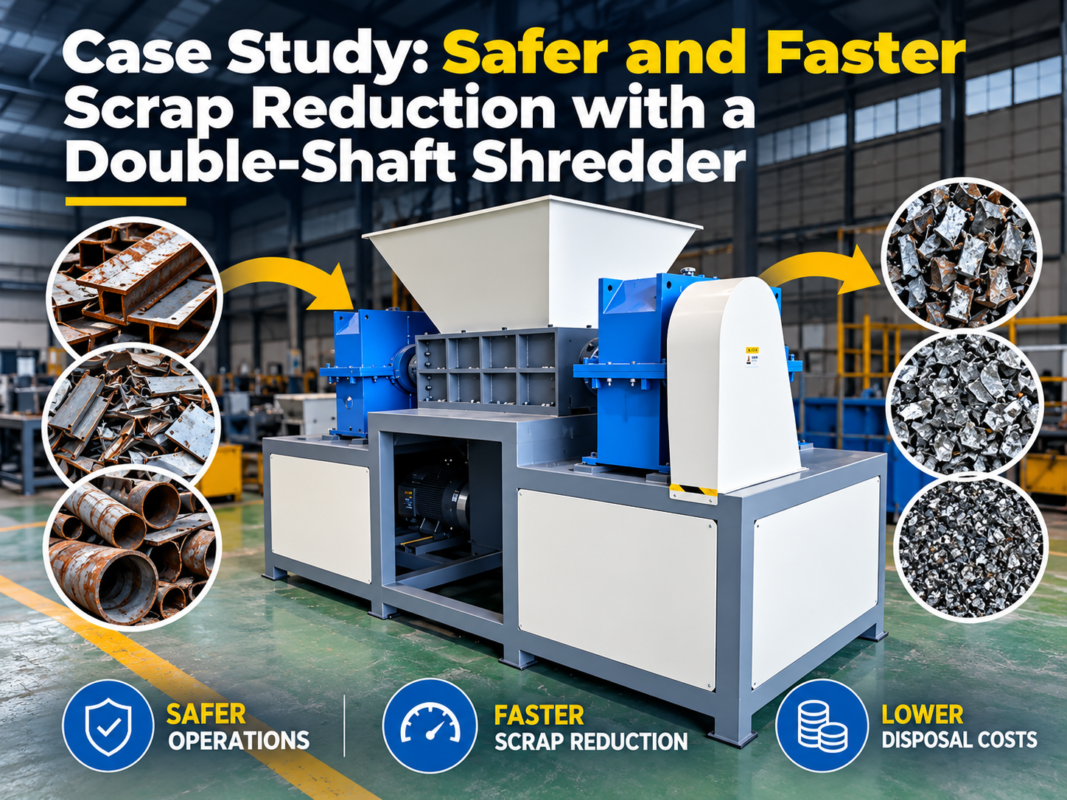
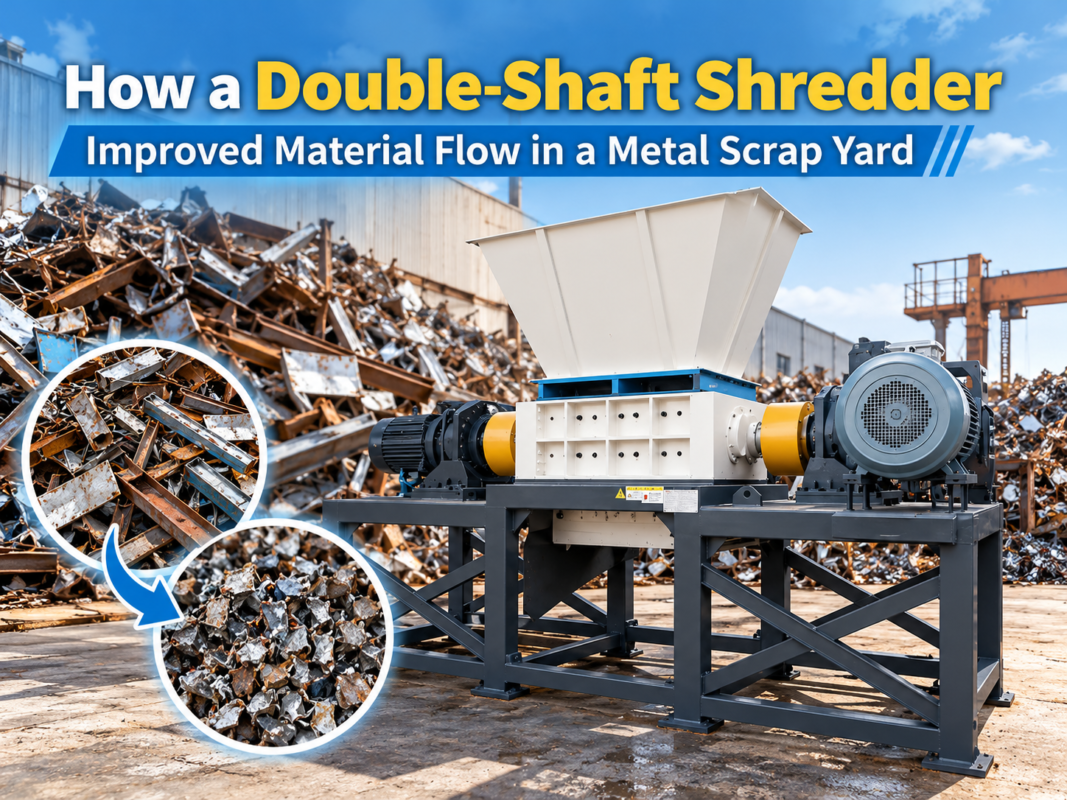
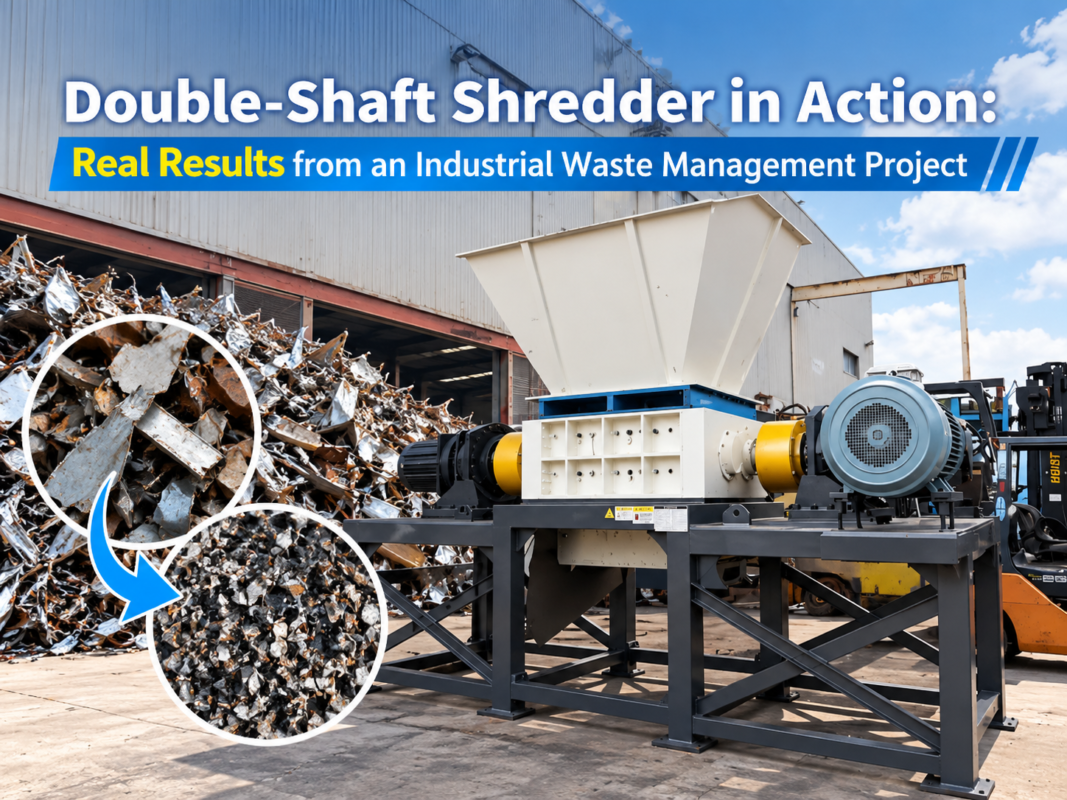
In the modern industrial landscape, the demand for efficient waste management and material recycling has never been higher. The double-shaft shredder stands as the workhorse of the scrap processing industry, offering unparalleled torque and versatility. Whether you are dealing with metal drums, electronic waste, tires, or industrial plastics, understanding the nuances of Double-Shaft Shredder Buying : Choose Machine Scrap Processing is essential for making a sustainable investment. These machines utilize two counter-rotating shafts equipped with interlocking blades to shear, tear, and compress materials into manageable sizes, facilitating downstream processing or disposal.
HARSLE has long been at the forefront of manufacturing robust recycling equipment. A double-shaft shredder is not merely a purchase; it is a strategic asset that determines the throughput capacity and operational efficiency of your recycling facility. Choosing the wrong machine can lead to frequent downtime, high maintenance costs, and poor output quality. This guide aims to provide a comprehensive roadmap for procurement officers and facility managers to navigate the complexities of shredder selection, ensuring that the chosen configuration aligns perfectly with their specific material requirements and volume targets.
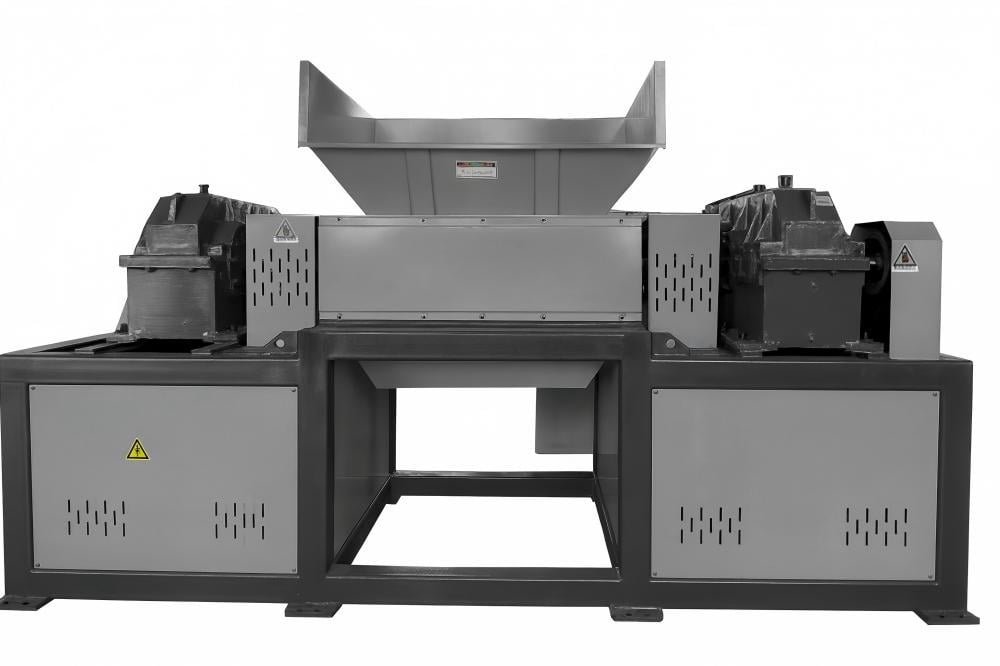
Price Range Overview: Understanding the Investment Tiers
When embarking on the journey of Double-Shaft Shredder Buying : Choose Machine Scrap Processing, the first question is often regarding the budget. The price of a double-shaft shredder varies significantly based on its scale, power, and intended application. Generally, the market is divided into three primary tiers: entry-level/small-scale units, mid-range industrial machines, and heavy-duty custom systems.
Entry-level machines, often used for light plastics, electronic components, or small-scale wood recycling, typically range from $15,000 to $35,000. These units feature lower motor power (usually between 15kW to 30kW) and smaller cutting chambers. While they are cost-effective, they lack the structural reinforcement required for heavy metal scrap or large-volume tire processing. For many small businesses, these provide an excellent entry point into the recycling market without overextending capital expenditure.
Mid-range industrial shredders represent the bulk of the market, priced between $40,000 and $95,000. These machines are designed for continuous operation and can handle tougher materials like aluminum profiles, light steel scrap, and thick-walled plastics. They often feature dual motors ranging from 45kW to 90kW and incorporate more advanced PLC control systems. This tier offers the best balance between performance and price for established recycling centers.
At the top end, heavy-duty and custom-engineered shredders can exceed $150,000. These are massive installations designed for car bodies, large truck tires, and high-volume municipal waste. They utilize high-torque planetary gearboxes and specialized alloy blades. The investment here is significant, but the throughput—often exceeding 10-20 tons per hour—justifies the cost for large-scale industrial operations.
| Machine Category | Typical Power (kW) | Estimated Price Range (USD) | Primary Applications |
|---|---|---|---|
| Small/Entry-Level | 15 – 30 kW | $15,000 – $35,000 | E-waste, light plastics, paper |
| Mid-Range Industrial | 45 – 110 kW | $40,000 – $95,000 | Aluminum, thick plastics, wood pallets |
| Heavy-Duty/Custom | 150+ kW | $150,000+ | Car shells, tires, MSW, heavy metal |
Main Cost Drivers in Shredder Manufacturing
Understanding what drives the cost of a double-shaft shredder is crucial for evaluating quotes from different manufacturers. The most significant cost driver is the quality and material of the cutting blades. Blades are the primary wear parts and are subjected to immense stress. High-quality alloys such as D2 (Cr12MoV), SKD-11, or H13 are expensive but offer superior hardness and toughness. A shredder equipped with inferior steel blades may be cheaper upfront but will incur massive costs in frequent replacements and sharpening.
The second major driver is the drive system, which includes the motors and gearboxes. High-torque applications require planetary gearboxes, which are significantly more expensive than standard cylindrical gearboxes. Planetary gearboxes provide the necessary torque multiplication to crush resilient materials without stalling the motors. Furthermore, the choice of motor brand (e.g., Siemens, ABB, or high-quality domestic brands) impacts both the initial price and the long-term reliability of the machine.
Structural integrity also plays a role. The thickness of the shredding chamber walls and the diameter of the main shafts determine the machine’s resistance to deformation. A heavy-duty frame made from high-tensile steel plates requires more material and more intensive welding and machining processes, adding to the cost. Finally, the inclusion of advanced automation, such as Siemens PLC systems with touch-screen interfaces and auto-reverse functions to prevent jamming, adds a premium to the final price tag but enhances operational safety and efficiency.
Configuration Impact: Tailoring the Machine to Your Material
The configuration of a double-shaft shredder must be dictated by the material it is intended to process. One of the most critical configuration choices is the blade profile and thickness. For example, shredding tires requires blades with specific “hooks” to grab the rubber and pull it through, whereas shredding metal sheets might require a flatter, shearing edge. The number of hooks on each blade (single-hook, double-hook, or multi-hook) affects the final particle size and the speed at which the material is pulled into the chamber.
Another vital configuration aspect is the shaft speed. Double-shaft shredders are typically low-speed, high-torque machines, operating between 10 to 25 RPM. However, the exact speed ratio between the two shafts can be adjusted. Some materials benefit from a differential speed where one shaft rotates slightly faster than the other, creating a more aggressive tearing action. This is particularly useful for fibrous materials or mixed waste streams where shearing alone is insufficient.
The hopper and discharge system also need careful consideration. For bulky items like furniture or large plastic drums, a wide-mouth hopper with a hydraulic pusher may be necessary to ensure the material makes contact with the blades. On the discharge side, the presence or absence of a screen determines the uniformity of the output. While many double-shaft shredders do not use screens (relying on blade thickness to determine width), adding a recirculating system or an integrated screen can ensure that only material of a specific size leaves the machine, though this may reduce overall throughput.
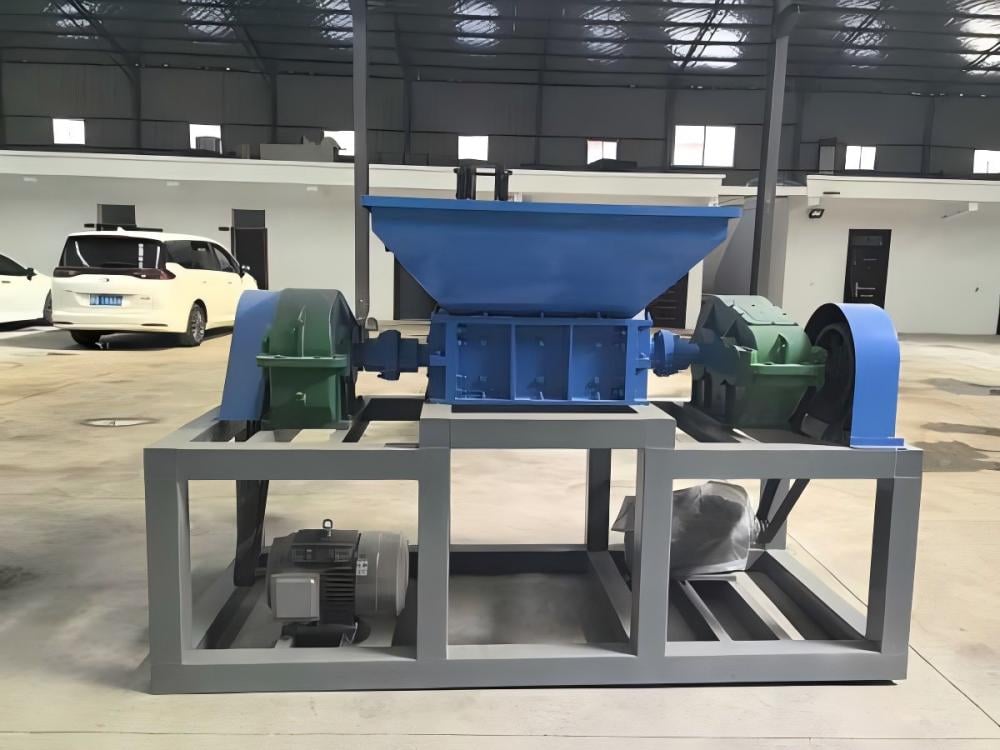
Hidden Costs: Beyond the Initial Purchase Price
When calculating the total cost of ownership for Double-Shaft Shredder Buying : Choose Machine Scrap Processing, many buyers overlook the “hidden” expenses that arise after the machine is installed. The most prominent of these is the cost of wear parts. Blades, spacers, and scrapers are consumables. Depending on the abrasiveness of your material (e.g., glass-filled plastics or sandy tires), you may need to sharpen or replace blades every few months. It is essential to ask the manufacturer for the expected lifespan of the blades and the cost of a full replacement set.
Energy consumption is another ongoing cost. A 110kW shredder running 8 hours a day consumes a significant amount of electricity. Choosing a machine with high-efficiency motors and a smart PLC that shuts down the motors during idle periods can save thousands of dollars annually. Additionally, hydraulic systems, if used for the drive or pusher, require regular oil changes and seal replacements, which add to the maintenance budget.
Installation and commissioning costs can also surprise buyers. For large machines, you may need a reinforced concrete foundation to handle the vibrations and weight. Shipping costs for heavy machinery are substantial, especially for international orders. Furthermore, training your staff to operate and maintain the machine safely is an investment in time and potentially consultant fees. Finally, consider the cost of downtime. If a critical component fails and the manufacturer does not have a local spare parts depot, your entire production line could be halted for weeks while waiting for an international shipment.
ROI Calculation: When Will the Shredder Pay for Itself?
Calculating the Return on Investment (ROI) is the most effective way to justify the purchase of a double-shaft shredder. The primary driver of ROI in scrap processing is the value-add to the material. For instance, bulk plastic scrap might sell for a low price due to high transport costs, but shredded plastic flakes have a much higher bulk density and are ready for pelletizing, fetching a significantly higher market price. By calculating the difference in price per ton and multiplying it by your expected monthly volume, you can estimate your increased revenue.
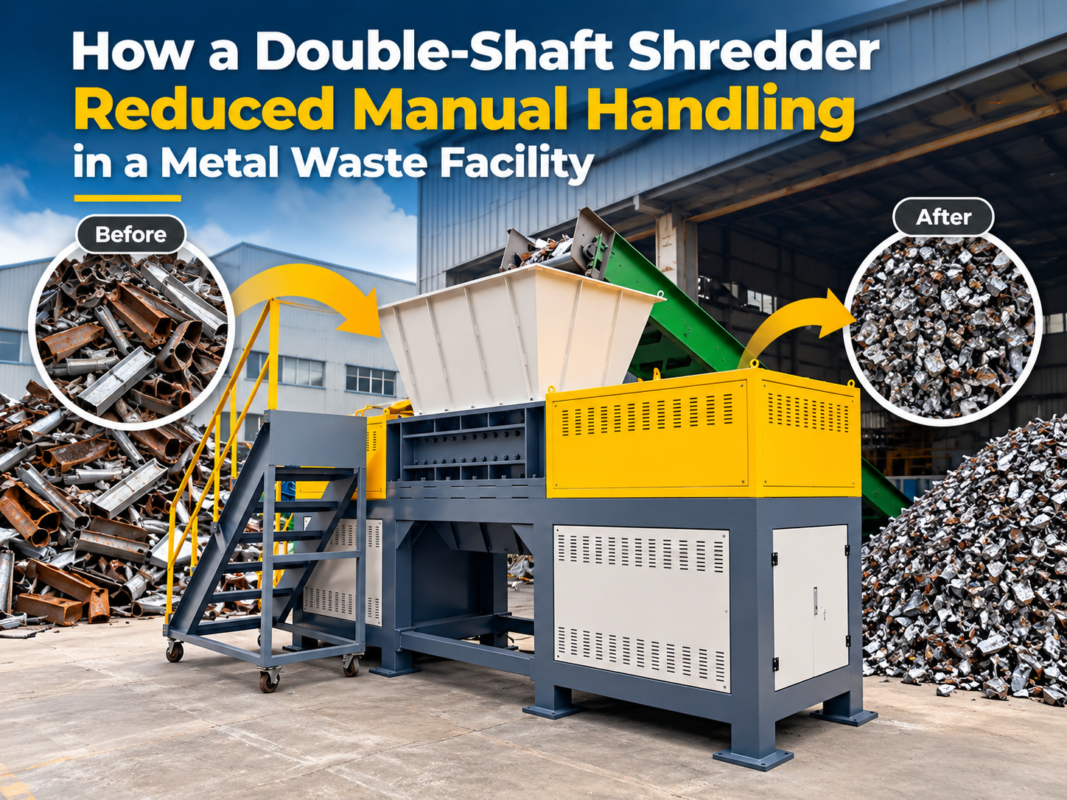
Labor savings also contribute to ROI. A high-capacity shredder can replace several manual sorting and cutting stations. If the machine allows you to reduce your headcount by two operators, the annual salary savings can be directly applied to the machine’s payback period. Furthermore, consider the reduction in disposal fees. Many facilities pay by volume for waste removal; by shredding waste and reducing its volume by 60-80%, you can drastically cut your monthly waste management bills.
A typical ROI formula for a shredder would look like this: (Monthly Revenue Increase + Monthly Labor Savings + Monthly Disposal Savings) – (Monthly Operating Costs + Monthly Maintenance Reserve) = Monthly Net Gain. Divide the total purchase price by this monthly net gain to find the number of months until the machine is paid off. For most HARSLE customers, a well-utilized double-shaft shredder achieves ROI within 12 to 24 months, depending on the material and local market conditions.
Buying Advice: A Step-by-Step Checklist
To ensure success in Double-Shaft Shredder Buying : Choose Machine Scrap Processing, follow this structured approach to procurement. First, define your material precisely. Do not just say “plastic”; specify if it is HDPE pipes, PET bottles, or PP car bumpers. Provide samples to the manufacturer for testing if possible. This allows the engineers to recommend the exact blade alloy and hook configuration needed for your specific application.
Second, evaluate the manufacturer’s technical support and reputation. Ask for references from customers in your industry. A manufacturer like HARSLE, with a long history in metal fabrication and recycling machinery, provides more than just a machine; they provide engineering expertise. Check if they offer remote diagnostics or have a clear protocol for technical support. The availability of a detailed manual and a comprehensive spare parts list is a hallmark of a professional supplier.
Third, conduct a factory inspection or a video FAT (Factory Acceptance Test). Observe the machine running with material similar to yours. Pay attention to the noise levels, the stability of the frame, and the responsiveness of the control system. Check the quality of the electrical cabinet—it should be clean, well-labeled, and use components from reputable brands. Finally, negotiate the warranty terms. A standard 12-month warranty is common, but ensure it covers the major components like the gearbox and motor, and clarify the process for claiming parts under warranty.
Frequently Asked Questions (FAQ)
What is the main advantage of a double-shaft shredder over a single-shaft shredder?
The main advantage is torque and the ability to handle bulky, hollow, or resilient materials. Double-shaft shredders use a shearing and tearing action that is better for metal, tires, and large plastic drums, whereas single-shaft shredders are typically high-speed machines better suited for consistent, smaller materials like plastic purgings or wood chips where a specific final screen size is required.
How often do the blades need to be sharpened?
This depends entirely on the material. For clean plastics, blades might last 1,000 to 2,000 hours before needing attention. For abrasive materials or those contaminated with sand or metal, they may need sharpening every 500 hours. Many modern blades are designed to be removed and sharpened multiple times before needing a full replacement.
Can a double-shaft shredder handle metal?
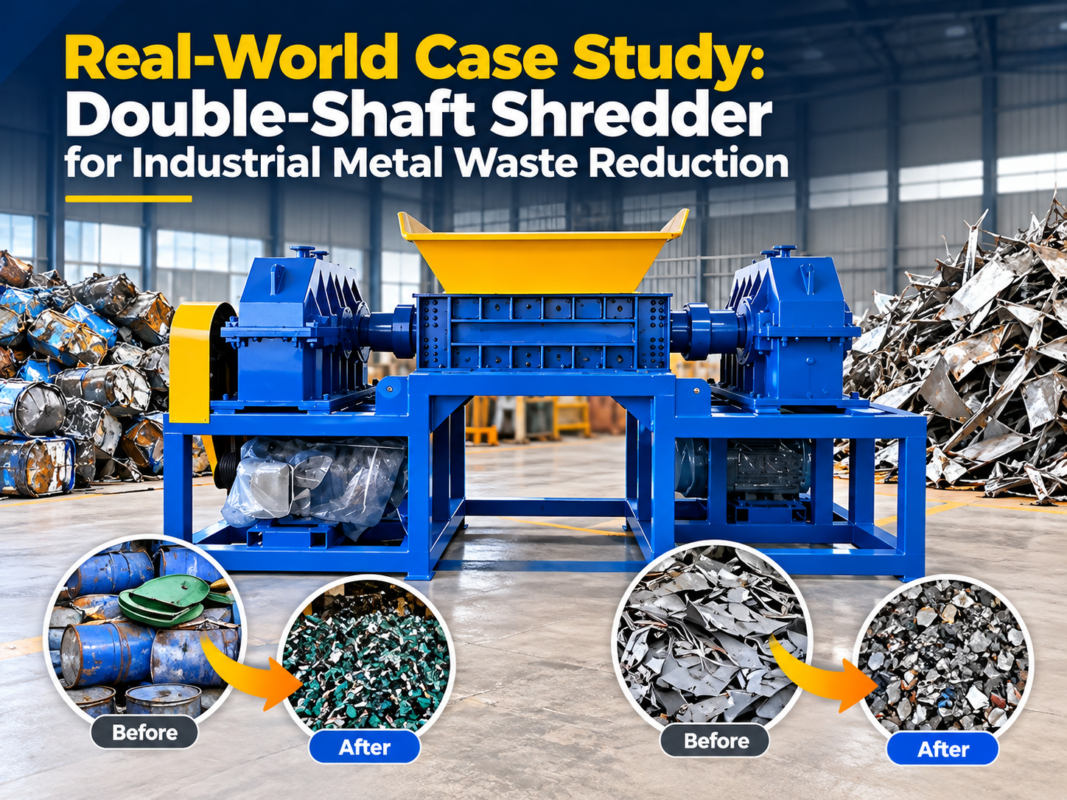
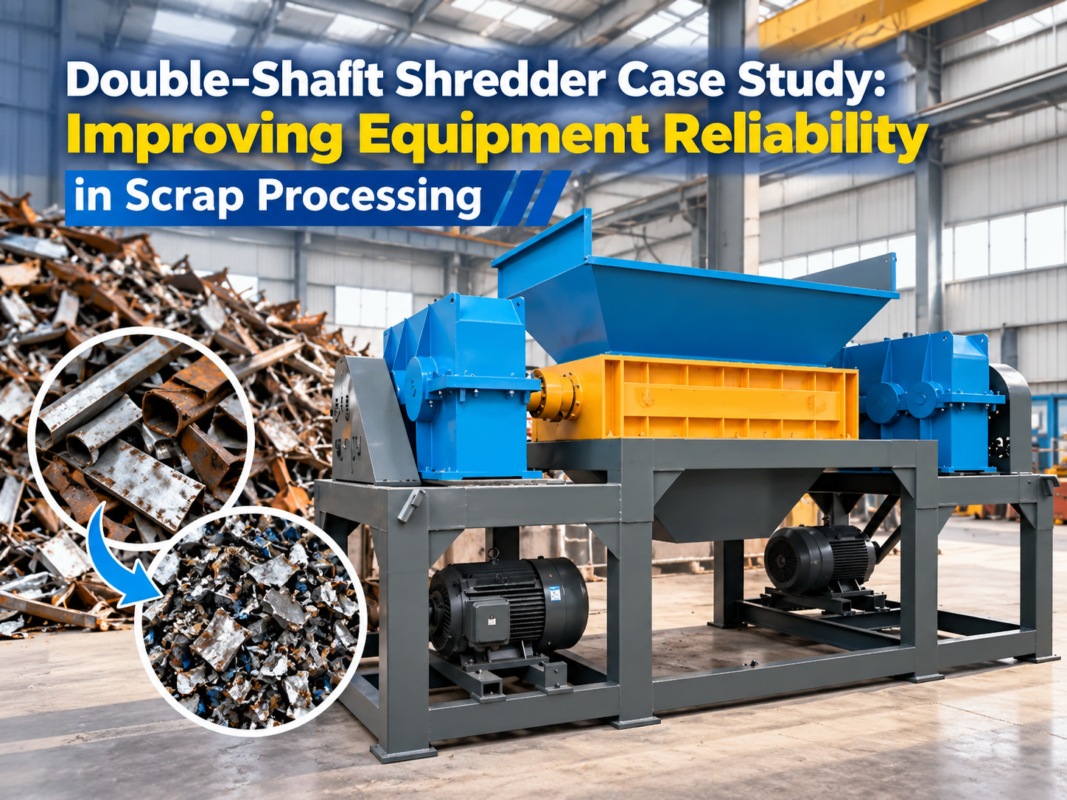
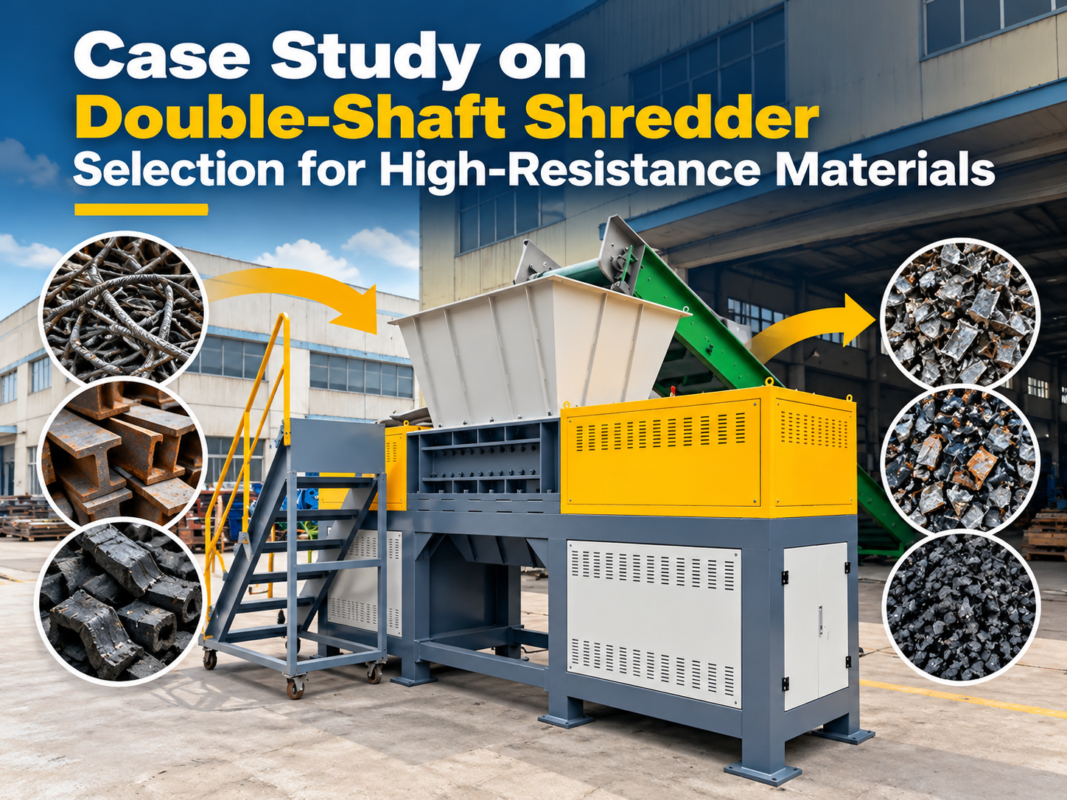
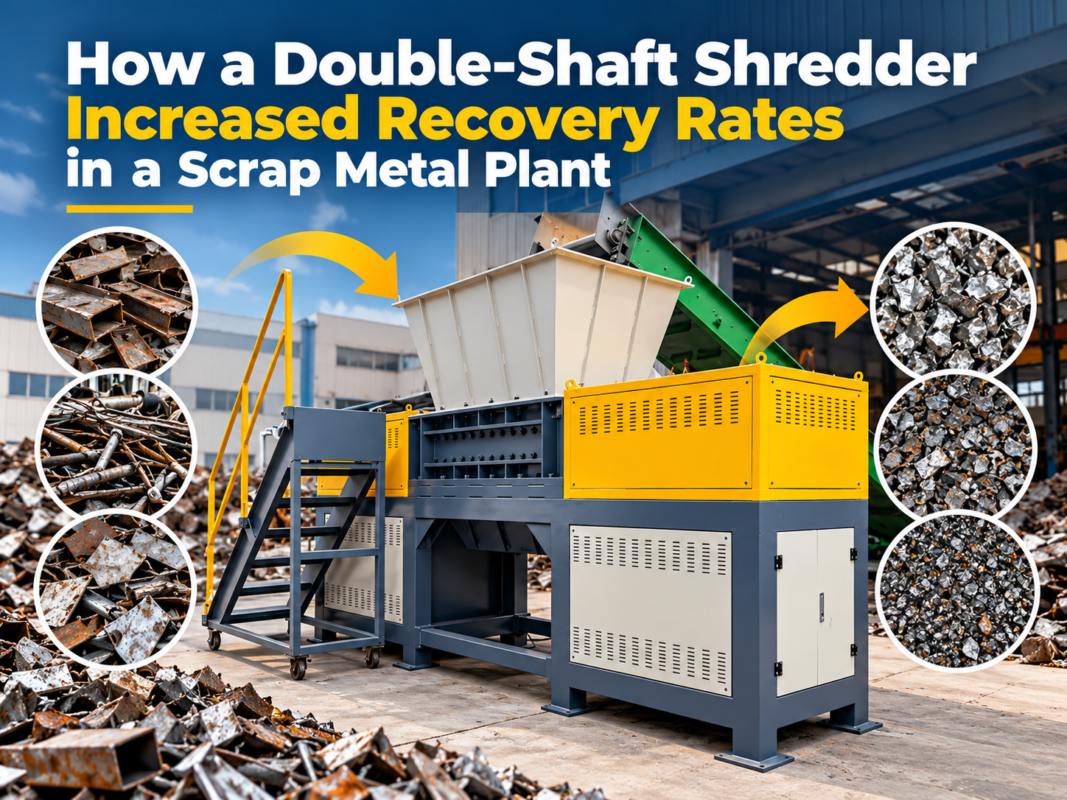
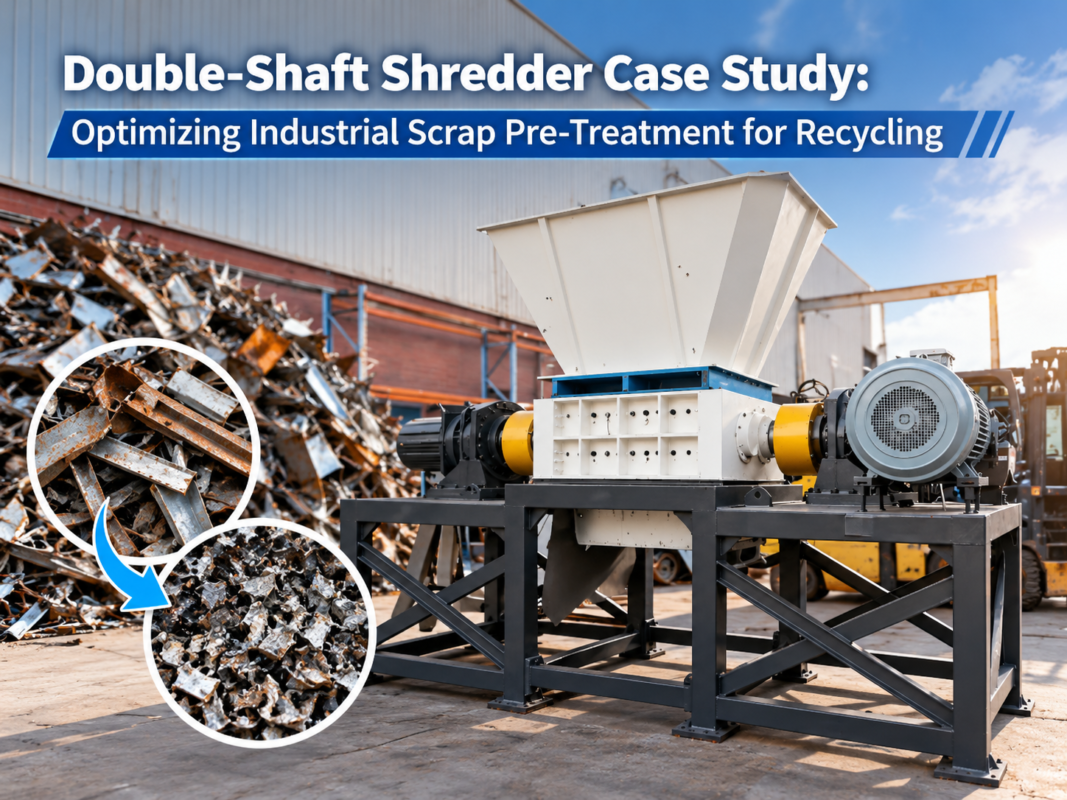
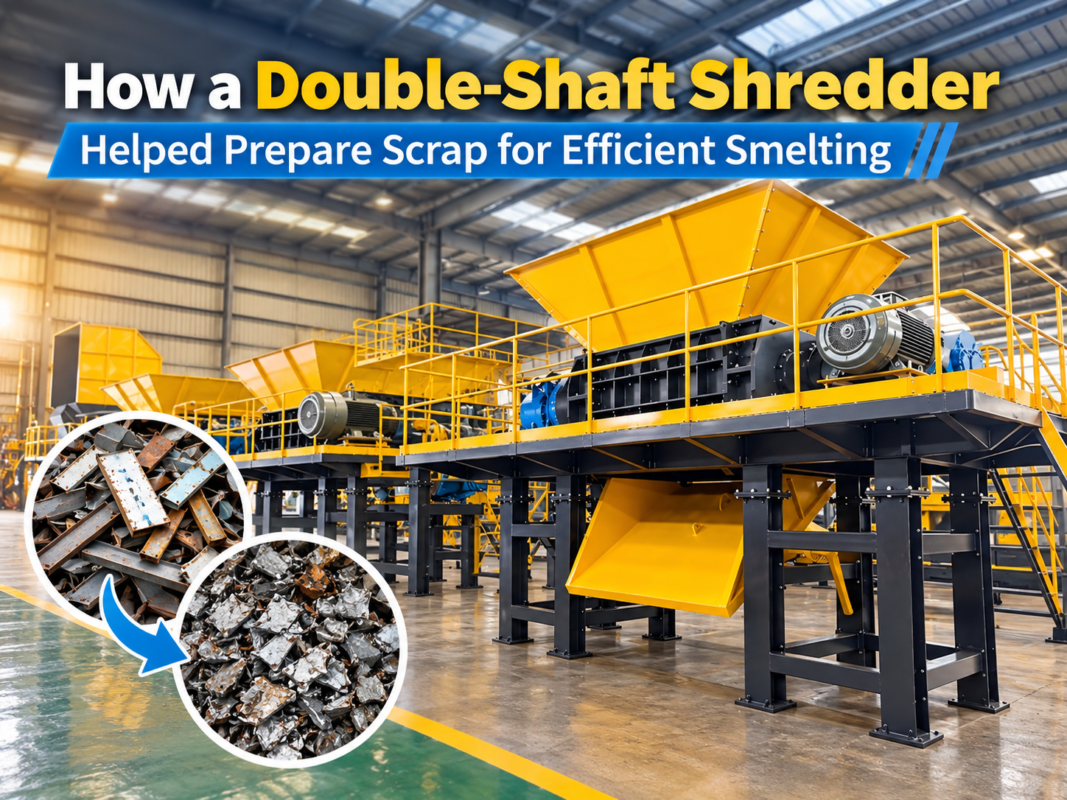
Yes, but it must be configured correctly. While they can easily shred aluminum, copper, and light steel (like car body parts or drums), they are not intended for thick solid steel blocks or heavy structural beams. Attempting to shred materials beyond the machine’s rated capacity will trigger the auto-reverse or stall the motor to prevent damage.
What safety features should I look for?
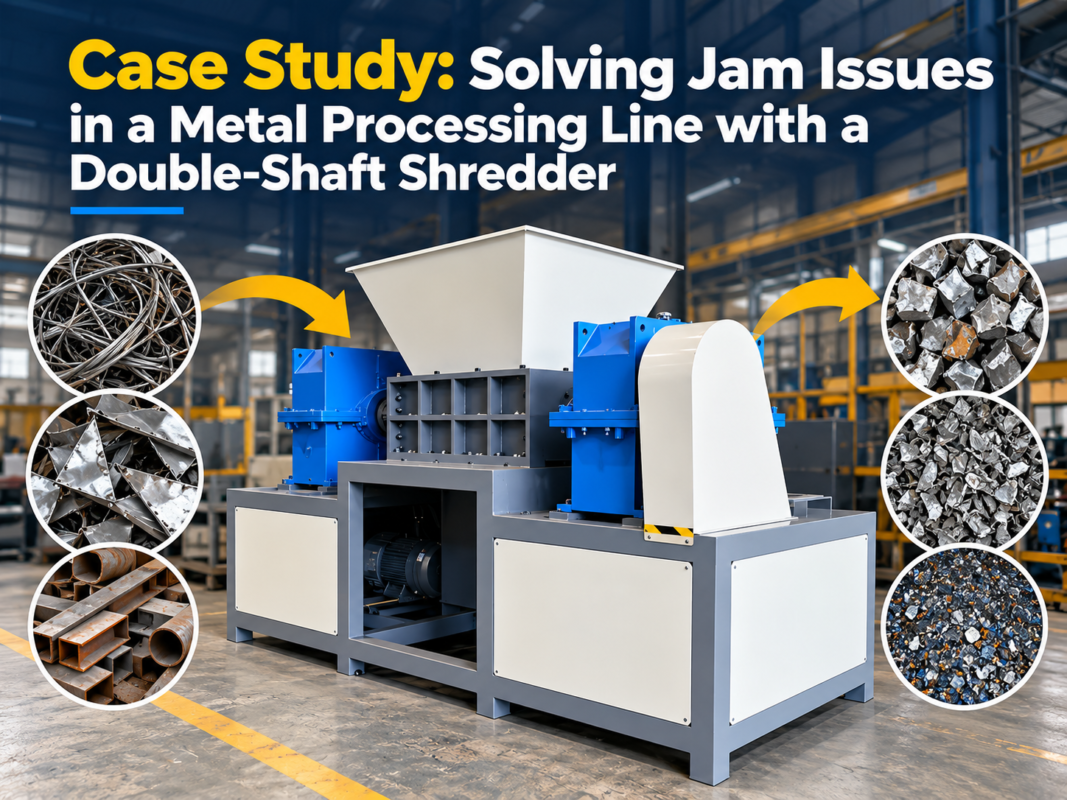
Essential safety features include emergency stop buttons at multiple locations, an auto-reverse function for jams, safety interlocks on all access doors, and protective guarding around all moving drive components. Additionally, the PLC should have overload protection for the motors to prevent electrical fires or mechanical failure.
Is it possible to adjust the output size?
In a standard double-shaft shredder, the width of the output is determined by the thickness of the blades. To change the output size significantly, you would need to change the entire set of blades and spacers. If you require a very specific and consistent small particle size, you might need to follow the double-shaft shredder with a granulator or a single-shaft shredder equipped with a screen.