How Scrap Metal Balers Reduce Volume In Heavy Metal Scrap Operations

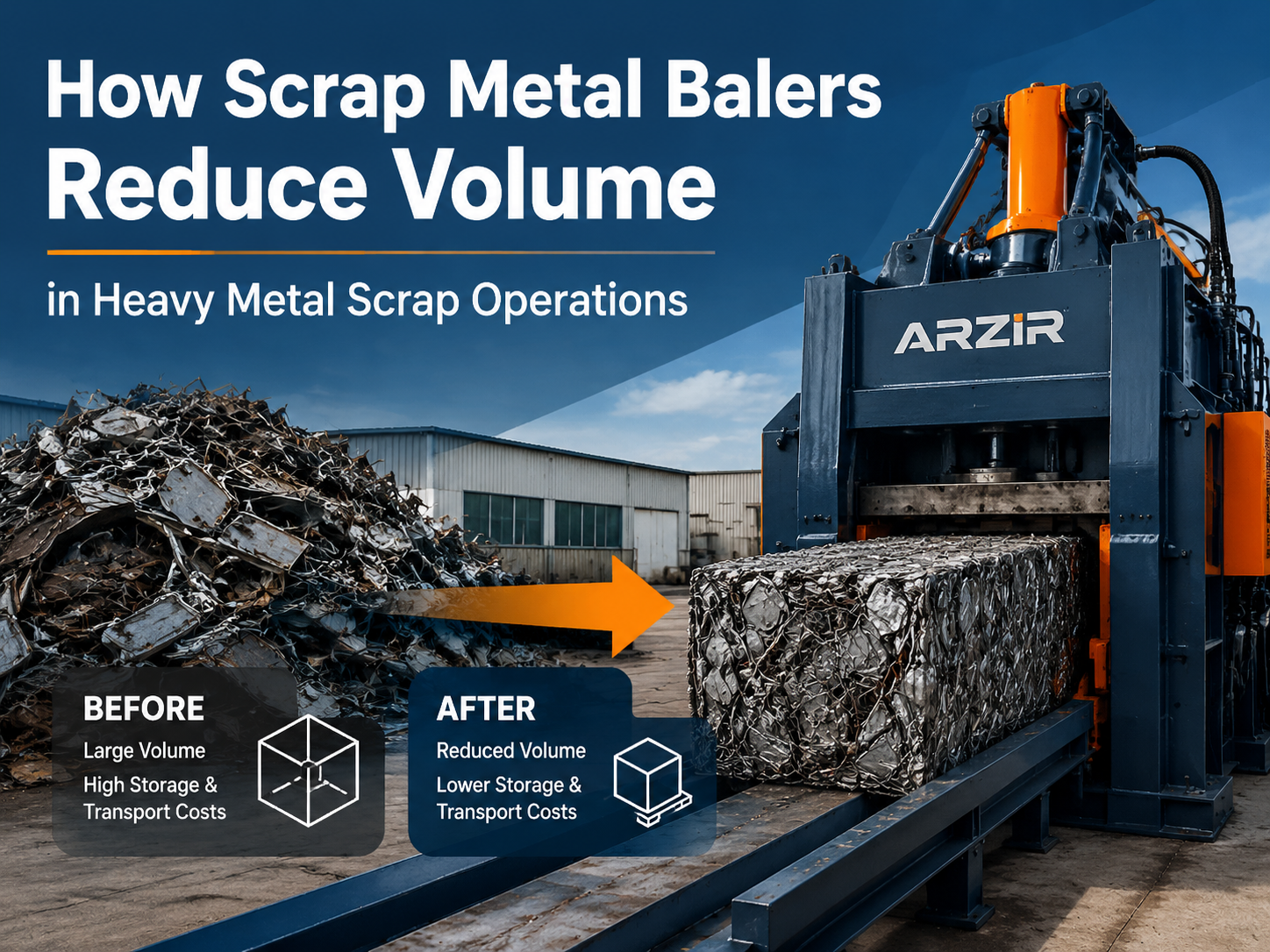
Introduction to Volume Reduction in Heavy Metal Scrap Operations
In the modern industrial landscape, the management of metal waste has evolved from a secondary concern to a primary operational pillar. As global manufacturing output increases, so does the volume of scrap metal generated by automotive plants, demolition sites, and heavy fabrication facilities. The core challenge for these entities is not just the disposal of waste, but the efficient handling of it. This is where the question of how scrap metal balers reduce volume in heavy metal scrap operations becomes critical. Without effective compaction, loose scrap occupies massive amounts of space, complicates logistics, and increases operational overhead.
HARSLE, a leader in metal fabrication machinery, recognizes that the efficiency of a recycling facility is directly proportional to its ability to densify material. Heavy metal scrap, often consisting of structural steel, thick-walled pipes, and industrial offcuts, is notoriously difficult to manage in its raw form. By utilizing high-pressure hydraulic systems, scrap metal balers transform these irregular, bulky pieces into dense, uniform blocks. This article provides an in-depth exploration of the mechanisms, configurations, and strategic advantages of implementing baling technology in heavy-duty environments.
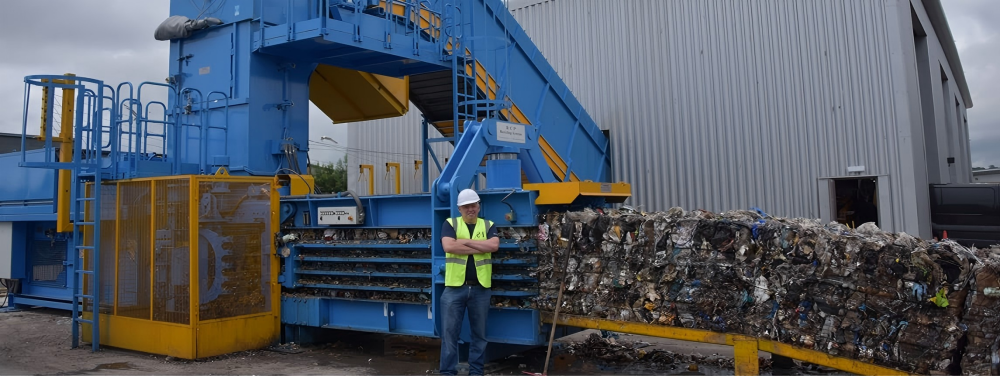
Application Scenarios for Heavy Metal Scrap Balers
The application of scrap metal balers is diverse, spanning across multiple sectors that deal with high-density metallic waste. One of the most prominent scenarios is in Automotive Recycling Centers. When vehicles reach the end of their life cycle, they are stripped of fluids and engines, leaving behind a chassis that is bulky and difficult to transport. Balers are used to crush these frames into manageable cubes, allowing for a significantly higher number of units to be transported in a single shipment.
In Demolition and Construction Sites, the scrap generated often includes I-beams, rebar, and heavy-duty piping. These materials are not only heavy but also awkwardly shaped, making them hazardous to store on-site. By deploying a mobile or stationary scrap metal baler, contractors can process this waste immediately, turning a chaotic pile of debris into neatly stacked bales that are ready for the foundry. This immediate volume reduction improves site safety and reduces the frequency of waste collection trips.
Manufacturing and Fabrication Plants also rely heavily on these machines. Large-scale stamping operations or CNC machining centers produce significant amounts of skeleton scrap and turnings. If left uncompressed, this scrap can quickly overwhelm the factory floor. Integrating a baler into the production line ensures that waste is processed in real-time, maintaining a clean workspace and ensuring that the scrap is in the best possible form for resale to metal brokers.
Finally, Shipbreaking Yards represent one of the most extreme application scenarios. The thickness of the steel plates used in maritime vessels requires balers with immense shearing and pressing force. In these environments, the baler acts as the primary tool for converting massive structural components into furnace-ready feedstock, proving that no matter the scale of the scrap, volume reduction is achievable with the right equipment.
Material and Process Requirements
Understanding how scrap metal balers reduce volume in heavy metal scrap operations requires a deep dive into the materials they handle. Heavy metal scrap is generally categorized into Ferrous and Non-Ferrous materials. Ferrous scrap, such as carbon steel and cast iron, is magnetic and typically harder, requiring higher hydraulic pressure for effective compaction. Non-ferrous scrap, including aluminum, copper, and stainless steel, is often more valuable and requires clean processing to avoid contamination.
The process requirements for heavy scrap are significantly more demanding than those for light-gauge materials. The baler must be capable of overcoming the structural integrity of the metal. This involves a multi-stage compression process. First, the material must be fed into a reinforced charging box. If the scrap is oversized, the baler’s lid or side rams must act as shears to cut the material to size before the final compression takes place. This shearing capability is a hallmark of high-end industrial balers.
- Material Thickness: Heavy scrap operations often deal with thicknesses exceeding 10mm. The baler must have a high specific pressure (measured in kN/m²) to ensure the bale reaches the desired density.
- Density Targets: For steel scrap, the goal is often to reach a density that is 30% to 50% of the solid metal’s density. This ensures the bale will sink in a furnace melt and not float on the slag.
- Contamination Control: The process must allow for the separation of different alloys. Modern balers often feature easy-clean chambers to prevent cross-contamination between different metal grades.
Furthermore, the hydraulic oil used in these processes must be maintained at optimal temperatures. Heavy metal baling generates significant heat due to the friction of the metal being crushed. Advanced cooling systems are a requirement to ensure the machine can operate 24/7 without thermal degradation of the hydraulic components.
Recommended Machine Configuration
To effectively reduce volume in heavy-duty environments, the machine configuration must be robust and technologically advanced. HARSLE recommends several key features for a high-performance scrap metal baler:
1. Triple-Compression Hydraulic System
Unlike simple vertical balers, heavy-duty horizontal balers often utilize a triple-compression system. This involves a side-press, a longitudinal press, and a vertical lid press. This three-dimensional force ensures that the scrap is compacted from all angles, eliminating air pockets and maximizing bale density. The hydraulic cylinders should be chrome-plated and fitted with high-quality seals to withstand the high-pressure cycles.
2. Wear-Resistant Lining (Hardox Steel)
The interior of the compression chamber is subject to extreme abrasion. Using replaceable wear plates made from Hardox or similar high-strength steel is essential. These plates protect the main structure of the machine and can be replaced periodically, significantly extending the lifespan of the baler. A ribbed or serrated surface on these plates can also help in gripping the scrap during the initial compression phase.
3. PLC Automation and Remote Control
Modern operations require precision. A PLC (Programmable Logic Controller) allows the operator to select different programs based on the material type. For example, a “Heavy Steel” setting might use slower, higher-pressure strokes, while an “Aluminum” setting might prioritize speed. Remote control capabilities allow operators to manage the baler from the safety of a crane cabin, improving both efficiency and safety.
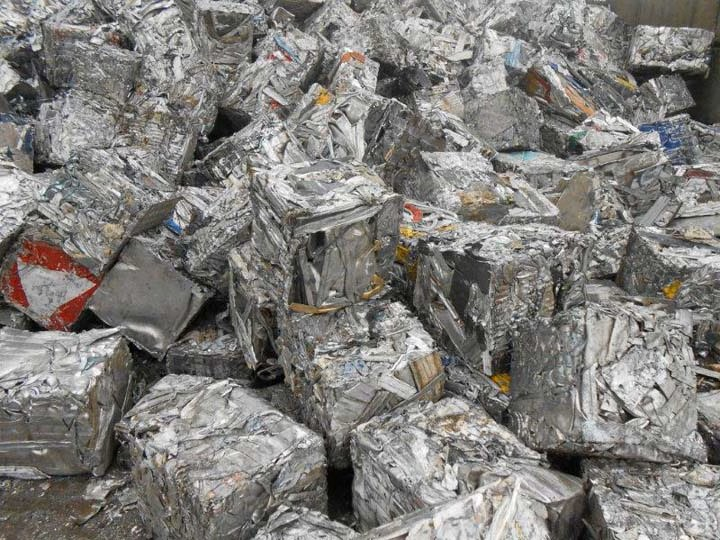
4. Integrated Shearing Blades
For heavy scrap operations, the baler should be equipped with high-strength shearing blades at the edge of the charging box and the lid. This allows the machine to cut through overhanging scrap as the lid closes, preventing jams and ensuring that every bale is uniform in size. This feature is crucial for processing long pipes or structural beams that exceed the chamber length.
The Workflow: From Loose Scrap to Dense Bale
The workflow of a scrap metal baler is a choreographed sequence of mechanical actions designed to maximize density. It begins with the Loading Phase. Using a grapple crane or a conveyor belt, loose scrap is dumped into the large charging box. Sensors or the operator ensure the box is filled to the optimal level to prevent overfilling, which could damage the lid seals.
Next is the Pre-Compression Phase. The lid of the baler closes with immense force. If there are protruding pieces of metal, the integrated shears cut them off. Once the lid is locked, the side-compression ram moves forward, pushing the scrap into a smaller area. This initial movement is critical for aligning the metal pieces so they can be further compacted without wedging against the chamber walls.
The Final Compression Phase is where the primary ram exerts its maximum force. This ram moves longitudinally, crushing the pre-compressed metal into its final bale shape. The pressure is held for a few seconds to allow the metal to “set” and reduce spring-back. This is the stage where the volume reduction is most visible, as a pile of scrap that once filled a room is now a compact block the size of a small suitcase.
Finally, the Ejection Phase occurs. Depending on the machine design, the bale is either pushed out the side (side-push), flipped out (turn-out), or pushed forward (forward-out). The choice of ejection method often depends on the facility’s layout and how the bales are moved to the storage area. The entire cycle typically takes between 60 to 120 seconds, depending on the material and machine size.
Productivity and Economic Benefits
The primary reason why scrap metal balers reduce volume in heavy metal scrap operations is to drive profitability. The economic benefits are multifaceted:
| Benefit Category | Description | Impact on ROI |
|---|---|---|
| Logistics Savings | Baled scrap allows for maximum weight loading on trucks and shipping containers. | Reduces transport costs by up to 70%. |
| Storage Efficiency | Dense bales can be stacked vertically, requiring significantly less floor space. | Increases facility capacity without physical expansion. |
| Foundry Value | Foundries pay a premium for dense, clean bales as they melt more efficiently. | Higher resale value per ton of scrap. |
| Labor Reduction | Automated baling requires fewer man-hours compared to manual sorting and cutting. | Lowers operational overhead and improves safety. |
| Environmental Compliance | Properly baled scrap reduces the risk of soil contamination from metal runoff. | Avoids regulatory fines and improves ESG ratings. |
Beyond the direct financial gains, there is the factor of Furnace Efficiency. When loose scrap is fed into an electric arc furnace (EAF), it takes longer to melt and causes more electrode wear due to the air gaps between the pieces. Dense bales, however, provide a consistent mass that absorbs heat more uniformly, reducing energy consumption and melting time. For large-scale steel mills, this efficiency gain can save millions of dollars in energy costs annually.
Case Example: Heavy Metal Scrap Volume Reduction
Consider a regional scrap metal processor that handles approximately 1,200 tons of mixed heavy steel scrap per month. Before implementing a HARSLE high-pressure baler, the scrap was stored in loose piles. This required five large trucks making daily trips to the steel mill, as the trucks would reach their volume capacity long before their weight capacity.
After installing a 400-ton hydraulic scrap metal baler, the operation transformed. The loose scrap was processed into 600mm x 600mm bales with a density of approximately 2,200 kg/m³. This allowed the processor to load trucks to their maximum legal weight limit every time. The number of truck trips was reduced from 150 per month to just 50. The savings in fuel, driver wages, and vehicle maintenance paid for the baler within the first 14 months of operation.
Furthermore, the processor was able to negotiate a “Grade A” pricing tier with the steel mill because the bales were uniform and free of non-metallic debris that often gets trapped in loose piles. The facility also reclaimed 40% of its yard space, which was then used to start a new copper recycling line, further diversifying their revenue streams.
Frequently Asked Questions (FAQ)
1. What is the maximum thickness a scrap metal baler can handle?
The capacity depends on the machine’s shear force and hydraulic pressure. Industrial-grade balers from HARSLE can typically handle steel plates up to 15-20mm thick, provided the machine is equipped with a shearing lid. For thicker materials, pre-cutting with a torch or a dedicated scrap shear may be required.
2. How often do the wear plates need to be replaced?
In a high-volume environment (8 hours a day, 5 days a week), Hardox wear plates typically last between 12 to 24 months. Regular inspection is key; replacing them before they wear through to the main frame is essential for maintaining the machine’s structural integrity.
3. Can one baler handle both aluminum and steel?
Yes, but it is important to clean the chamber between batches to prevent cross-contamination. Many operators use different PLC settings for different metals to optimize the pressure and cycle time for the specific material density.
4. What is the difference between a side-push and a turn-out baler?
A side-push baler ejects the bale through a side gate, which is ideal for integration with conveyor systems. A turn-out baler uses a hydraulic arm to flip the bale out of the chamber, which is often faster for manual collection by a forklift or crane.
5. Does baling reduce the weight of the scrap?
No, baling only reduces the volume. The weight remains the same, but the density increases significantly. This is why it is so effective for logistics—you can fit more weight into the same volume of a truck bed.
Conclusion: Optimizing Your Scrap Operations with HARSLE
Understanding how scrap metal balers reduce volume in heavy metal scrap operations is the first step toward a more profitable and sustainable recycling business. By converting bulky, irregular waste into dense, uniform bales, companies can drastically reduce their logistical costs, improve safety, and command higher prices in the metal market. HARSLE’s range of hydraulic scrap metal balers is engineered to meet the rigors of heavy-duty industrial use, offering the perfect blend of power, durability, and automation.
Whether you are managing a small scrap yard or a massive industrial fabrication plant, the right baling solution can transform your waste management from a cost center into a profit generator. With robust construction, advanced hydraulic systems, and intuitive controls, HARSLE machinery ensures that your volume reduction goals are met with maximum efficiency.
Ready to optimize your scrap metal operations? Contact HARSLE today to speak with our technical experts about the best baler configuration for your specific material needs. Let us help you turn your heavy scrap into a compact, high-value asset.