Choosing the Right Scrap Metal Baler for Different Industrial Applications

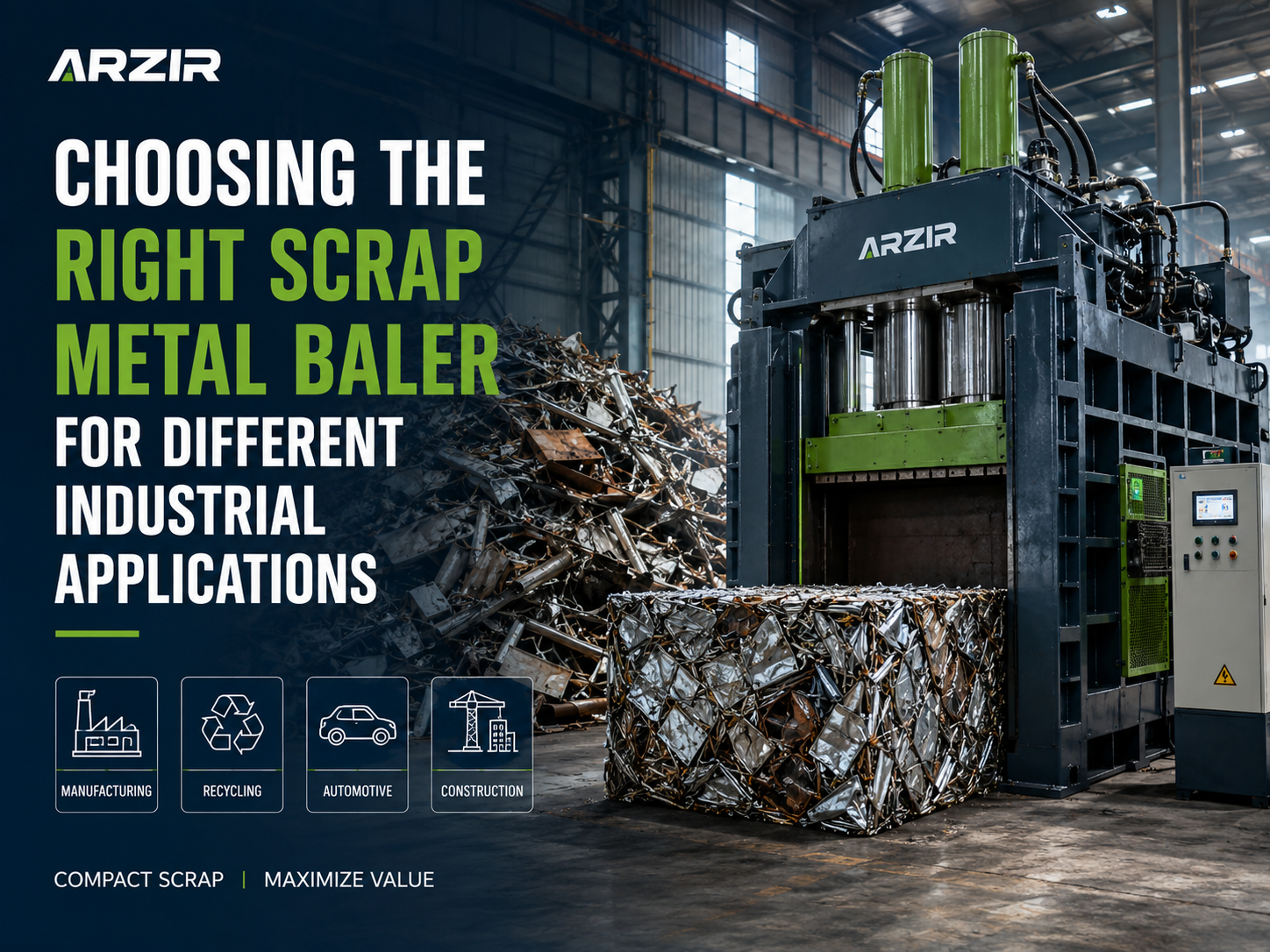
Introduction to Industrial Scrap Management
In the modern industrial landscape, the efficient management of waste materials is not just an environmental obligation but a critical component of operational profitability. Scrap metal, a byproduct of various manufacturing and demolition processes, represents a significant resource that, when handled correctly, can be reintegrated into the production cycle or sold for substantial revenue. The primary tool for this transformation is the scrap metal baler. Choosing scrap metal baler different industrial applications requires a deep understanding of both the machine’s capabilities and the specific needs of the facility. HARSLE, a leader in metal fabrication machinery, provides advanced solutions designed to meet these diverse needs.
The process of baling involves compressing loose scrap metal into dense, manageable blocks known as bales. This reduction in volume is essential for optimizing storage space, reducing transportation costs, and meeting the requirements of smelting facilities. However, not all balers are created equal. A machine designed for light aluminum cans will fail when faced with heavy steel structural beams. Therefore, selecting the right equipment is a strategic decision that impacts the entire lifecycle of scrap management. This guide explores the nuances of choosing the right scrap metal baler for various industrial contexts, ensuring that your investment yields the highest possible return.
Application Scenarios for Scrap Metal Balers
The application of a scrap metal baler varies significantly across different industries. Understanding where the machine will be used is the first step in the selection process. For instance, in high-volume recycling centers, the priority is throughput and automation. These facilities handle a constant stream of diverse materials, from household appliances to industrial offcuts. Here, a heavy-duty horizontal baler with continuous feeding capabilities is often the preferred choice. The ability to process large quantities of metal quickly ensures that the facility can keep up with incoming supply without creating bottlenecks.
In contrast, automotive manufacturing plants generate specific types of scrap, such as stamped steel sheets or aluminum trimmings. These materials are often uniform in size and composition, allowing for a more specialized baling approach. In these environments, the baler is often integrated directly into the production line. As scrap falls from the stamping presses, it is conveyed to the baler, compressed, and prepared for transport back to the foundry. This closed-loop system minimizes handling and maximizes the value of the scrap material. Choosing scrap metal baler different industrial applications in the automotive sector often focuses on reliability and integration with existing conveyor systems.
Construction and demolition sites present a different set of challenges. The scrap generated here is often bulky, irregular, and mixed with other debris. Portable or mobile scrap metal balers are highly valued in these scenarios. These machines can be transported to the site, allowing for on-site processing of structural steel, rebar, and copper piping. By baling the material at the source, contractors can significantly reduce the number of truckloads required to clear the site, leading to massive savings in logistics and fuel costs. The ruggedness of the machine is paramount here, as it must operate in harsh, outdoor environments.
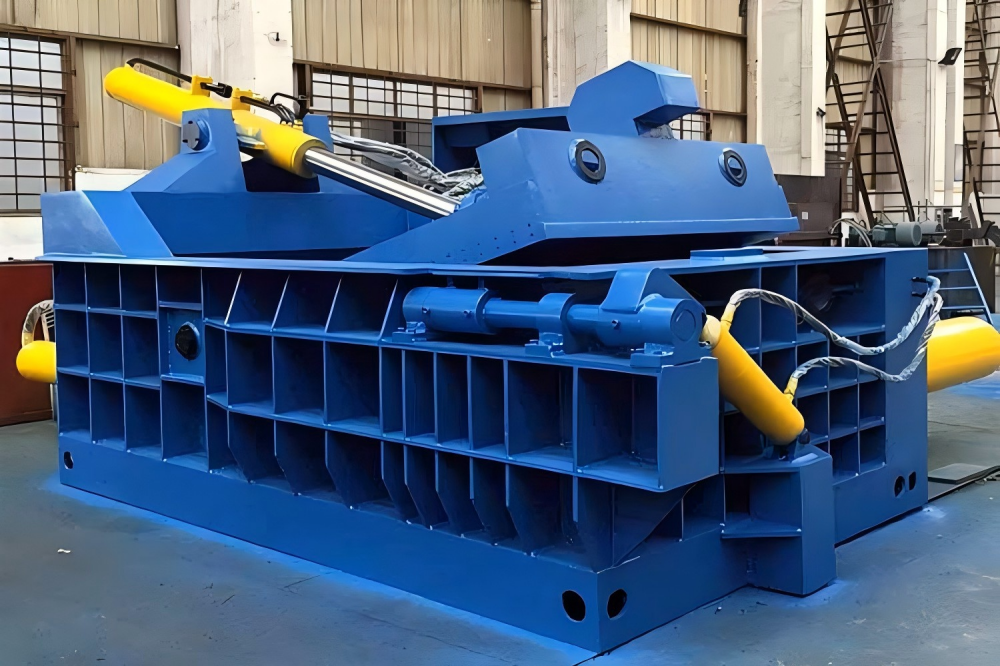
Material and Process Requirements
When choosing scrap metal baler different industrial applications, the physical properties of the material are the most critical factors. Scrap metal is generally categorized into ferrous and non-ferrous materials. Ferrous metals, such as iron and steel, are magnetic and typically harder and heavier. They require higher compression forces to achieve the desired bale density. Non-ferrous metals, including aluminum, copper, and brass, are softer and more malleable but often require specialized handling to prevent contamination and maintain their higher market value.
The thickness and shape of the scrap also dictate the machine’s requirements. Thin-gauge materials like soda cans or light aluminum siding can be processed by smaller, less powerful balers. However, thick plates, pipes, or structural beams require a baler with a high-tonnage hydraulic system and reinforced chamber walls. If the machine is underpowered for the material, it will suffer from premature wear, frequent jams, and incomplete compression. Conversely, using an oversized machine for light materials is an inefficient use of energy and capital.
Process requirements also include the desired bale size and weight. Smelters and refineries often have strict specifications for the bales they accept. If a bale is too large for the furnace door or too dense for the melting process, it may be rejected or penalized in price. Therefore, the baler must be capable of producing bales that meet these downstream requirements. Additionally, the frequency of operation—whether the machine runs 24/7 or only a few hours a week—will influence the choice between a standard model and a heavy-duty, continuous-duty machine with advanced cooling systems for the hydraulic oil.
Material Compatibility Table
| Material Type | Typical Scrap Examples | Required Compression Force | Recommended Baler Type |
|---|---|---|---|
| Light Non-Ferrous | Aluminum cans, thin copper wire | Low to Medium | Vertical or Light Horizontal |
| Heavy Non-Ferrous | Copper busbars, thick aluminum extrusions | Medium to High | Heavy-Duty Horizontal |
| Light Ferrous | Steel shavings, light gauge sheet metal | Medium | Standard Horizontal |
| Heavy Ferrous | Rebar, structural steel, car bodies | Very High | Triple Compression / Car Baler |
Recommended Machine Configuration
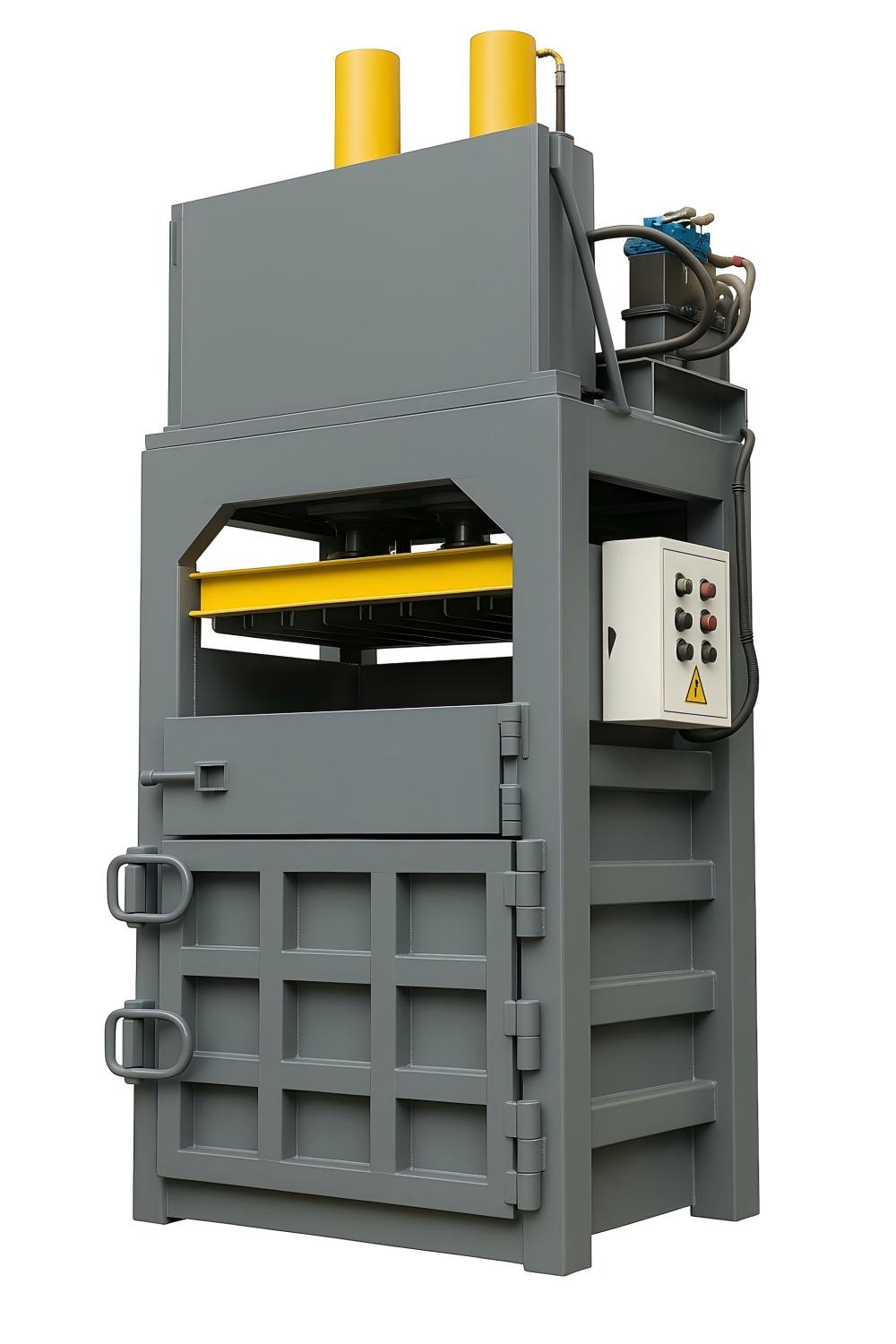
The configuration of a scrap metal baler is what determines its efficiency and suitability for a specific task. One of the primary distinctions is between vertical and horizontal balers. Vertical balers are generally more compact and affordable, making them ideal for smaller facilities with limited space and lower volumes of scrap. They are manually loaded and are best suited for materials like aluminum cans or light copper. However, they require more manual labor for loading and tying the bales.
Horizontal balers, on the other hand, are designed for high-volume, industrial-scale operations. They can be fed by conveyors, grapples, or forklifts, allowing for a much higher throughput. Many horizontal models feature automatic tying systems, which further reduce labor costs and increase safety. Within the horizontal category, there are different compression styles, such as side-push, forward-push, and triple-compression. Triple-compression balers are the gold standard for heavy scrap, as they apply force from three directions to create the densest possible bales.
Hydraulic power is the heart of the baler. When choosing scrap metal baler different industrial applications, one must look at the pump capacity, cylinder diameter, and system pressure. HARSLE machines utilize high-quality hydraulic components that ensure smooth operation and longevity. Furthermore, modern balers are equipped with PLC (Programmable Logic Controller) systems. These allow operators to adjust compression cycles for different materials, monitor machine health in real-time, and even troubleshoot issues remotely. Automation features like bale-out sensors and automatic oil temperature regulation are essential for maintaining productivity in demanding environments.
Workflow and Operational Efficiency
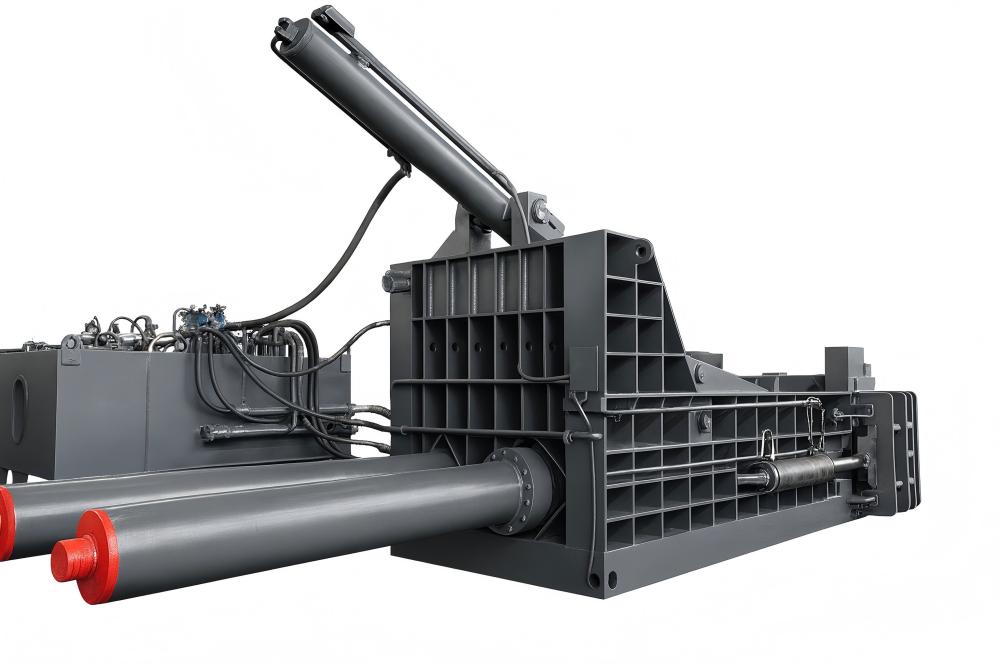
The workflow of a scrap metal baler is a multi-stage process that must be optimized for maximum efficiency. It begins with the feeding stage. Depending on the volume, this can be done manually, via a hopper, or through an automated conveyor system. The key is to ensure a consistent flow of material into the compression chamber without overloading it. Overloading can lead to jams, while underloading results in inefficient cycles and low-density bales.
Once the chamber is filled, the compression cycle begins. In a typical HARSLE horizontal baler, the main ram moves forward, crushing the scrap against the end gate or a previous bale. In more advanced models, a lid or side ram may first engage to pre-compress the material. This multi-stage compression is vital for handling bulky items like car bodies or large appliances. The hydraulic system must provide consistent pressure throughout the stroke to ensure the material is deformed beyond its elastic limit, preventing it from “springing back” once the pressure is released.
The final stage is bale ejection and tying. In manual systems, the operator must secure the bale with wire or straps before it is pushed out. In automatic systems, the machine performs this task using a needle and knotter mechanism. The finished bale is then ejected onto a platform or directly into a storage area. A well-designed workflow minimizes the “dead time” between cycles. For example, some balers allow for the next load of scrap to be pre-loaded into a hopper while the current bale is being compressed, significantly increasing the hourly output of the machine.
Productivity Benefits of the Right Baler
Investing in the correct scrap metal baler offers a multitude of productivity benefits that extend beyond simple waste reduction. The most immediate benefit is the reduction in logistics costs. Loose scrap is incredibly inefficient to transport; a truck filled with loose aluminum cans is mostly carrying air. By baling that same material, the density is increased by up to 10 times, allowing for significantly more weight per load. This reduces the number of trips required, saving on fuel, labor, and vehicle maintenance.
Furthermore, baled scrap commands a higher market price. Foundries and steel mills prefer baled material because it is easier to handle, takes up less space in their storage yards, and is more efficient to melt. Loose scrap can cause issues in the furnace, such as uneven heating or excessive oxidation. By providing high-quality, dense bales, a facility can negotiate better rates with scrap buyers, directly increasing the revenue generated from waste. This makes the ROI (Return on Investment) for a HARSLE baler very attractive, often paying for itself within the first year of operation.
Safety and workplace organization are also significantly improved. Loose scrap metal is hazardous; it has sharp edges, takes up valuable floor space, and can be a fire risk if it contains oily residues. A baler keeps the workspace clean and organized, reducing the risk of accidents and improving overall employee morale. Additionally, modern balers are equipped with extensive safety features, such as emergency stop buttons, safety interlocks on all doors, and shielded hydraulic lines, ensuring that the compression process is as safe as it is efficient.
Case Example: Upgrading a Regional Recycling Center
Consider a regional recycling center that was previously using a small, aging vertical baler to process all its metal scrap. As the local population grew and more industrial businesses moved into the area, the center found itself overwhelmed. The manual loading process was too slow, and the resulting bales were not dense enough to meet the requirements of the nearest steel mill, forcing the center to sell to a middleman at a lower price.
After consulting with HARSLE experts on choosing scrap metal baler different industrial applications, the center decided to upgrade to a HARSLE horizontal triple-compression baler with an integrated conveyor system. The results were transformative. The processing capacity increased by 400%, allowing the center to accept more scrap from local contractors. The new bales met the steel mill’s density specifications, allowing the center to sell directly and increase their profit margin by 25% per ton. Additionally, the automated tying system reduced the labor required at the baling station, allowing those employees to be reassigned to sorting and quality control, further improving the center’s efficiency.
Frequently Asked Questions (FAQ)
1. How do I determine the right tonnage for my baler?
The required tonnage depends on the thickest and hardest material you plan to process. For light aluminum, 60-100 tons may suffice. For heavy steel scrap or car bodies, you may need 250 to 600 tons of compression force. It is always better to have a slight surplus of power to ensure machine longevity.
2. What is the difference between a single-ram and a triple-ram baler?
A single-ram baler compresses material in one direction. A triple-ram (or triple-compression) baler applies force from three sides (top, side, and end). Triple-compression is necessary for high-density bales of heavy or bulky scrap, as it ensures the material is tightly packed from all angles.
3. How often does a scrap metal baler require maintenance?
Regular maintenance is crucial. Daily checks should include oil levels and safety sensors. Monthly maintenance involves lubricating moving parts and inspecting hydraulic hoses for wear. A full system service, including oil filtration and seal inspection, should be performed annually or every 2,000 operating hours.
4. Can one baler handle both ferrous and non-ferrous metals?
Yes, most HARSLE balers can handle both. However, it is important to clean the chamber between different materials to prevent contamination, especially if you are processing high-value metals like copper after processing steel.
5. What power supply is required for an industrial baler?
Most industrial scrap balers require a three-phase power supply (380V/415V/480V). The exact kilowatt rating depends on the motor size, which correlates with the machine’s tonnage and cycle speed.
Conclusion: Making the Right Choice with HARSLE
Choosing scrap metal baler different industrial applications is a multifaceted decision that requires balancing material types, volume requirements, and budget constraints. By selecting a machine that is correctly configured for your specific needs, you can turn a waste management challenge into a streamlined, profitable operation. HARSLE’s range of hydraulic scrap metal balers offers the durability, power, and technological sophistication required to excel in any industrial environment.
Whether you are a small recycling start-up or a large-scale manufacturing facility, the right baler will reduce your costs, increase your revenue, and improve your environmental footprint. We invite you to contact the HARSLE technical team today to discuss your specific requirements and find the perfect baling solution for your business. Let us help you transform your scrap into a valuable asset with our industry-leading metal fabrication machinery.