Scrap Metal Baler Applications in Demolition Waste and Construction Metal Recycling

Introduction to Scrap Metal Baler Applications in Demolition Waste and Construction Metal Recycling
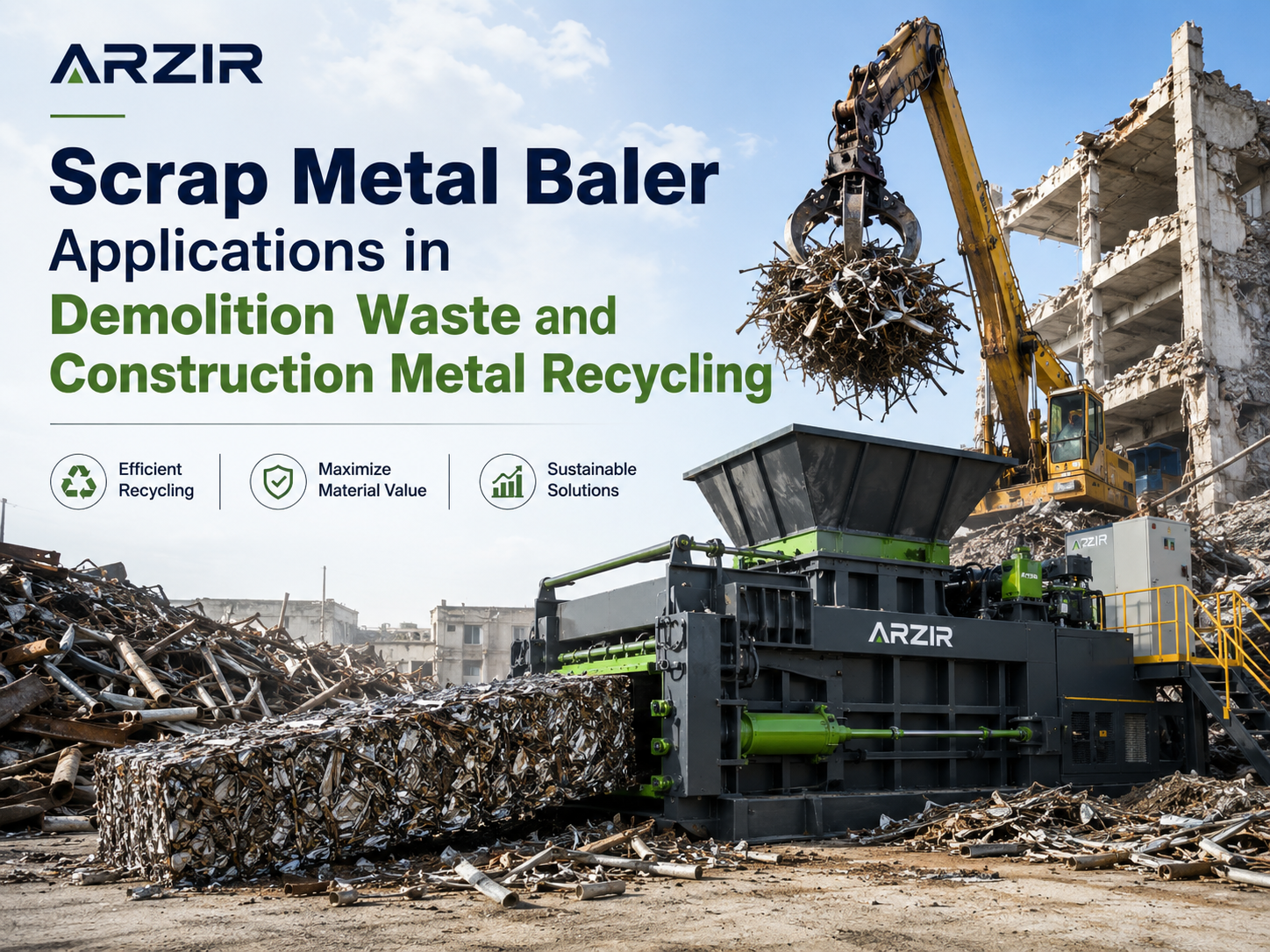
The global construction and demolition (C&D) industry generates a staggering amount of waste annually. Among the debris of concrete, wood, and glass, metal remains one of the most valuable and infinitely recyclable materials. However, the logistical challenge of handling bulky, irregular, and sharp metal scraps from demolition sites often hinders profitability. This is where the Scrap Metal Baler Applications In Demolition Waste Construction Metal Recycling become essential. By compressing loose metal into dense, manageable blocks, these machines transform a logistical nightmare into a streamlined revenue stream.
HARSLE, a leader in metal fabrication machinery, provides advanced hydraulic baling solutions designed to withstand the rigorous demands of the construction sector. Whether it is rebar from a collapsed bridge, structural steel from an industrial warehouse, or aluminum siding from a residential renovation, a high-quality scrap metal baler is the cornerstone of modern recycling operations. In this comprehensive guide, we will explore the scenarios, technical requirements, and productivity benefits of integrating baling technology into construction waste management.
Application Scenario: Where Balers Meet Demolition
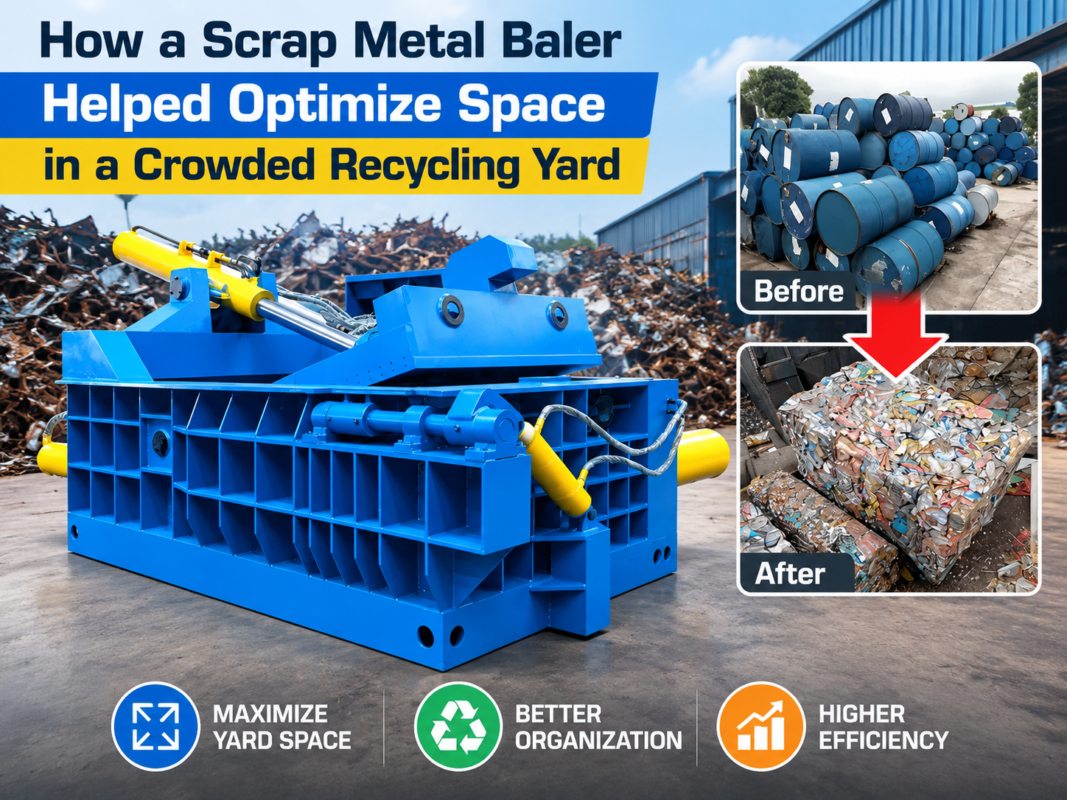
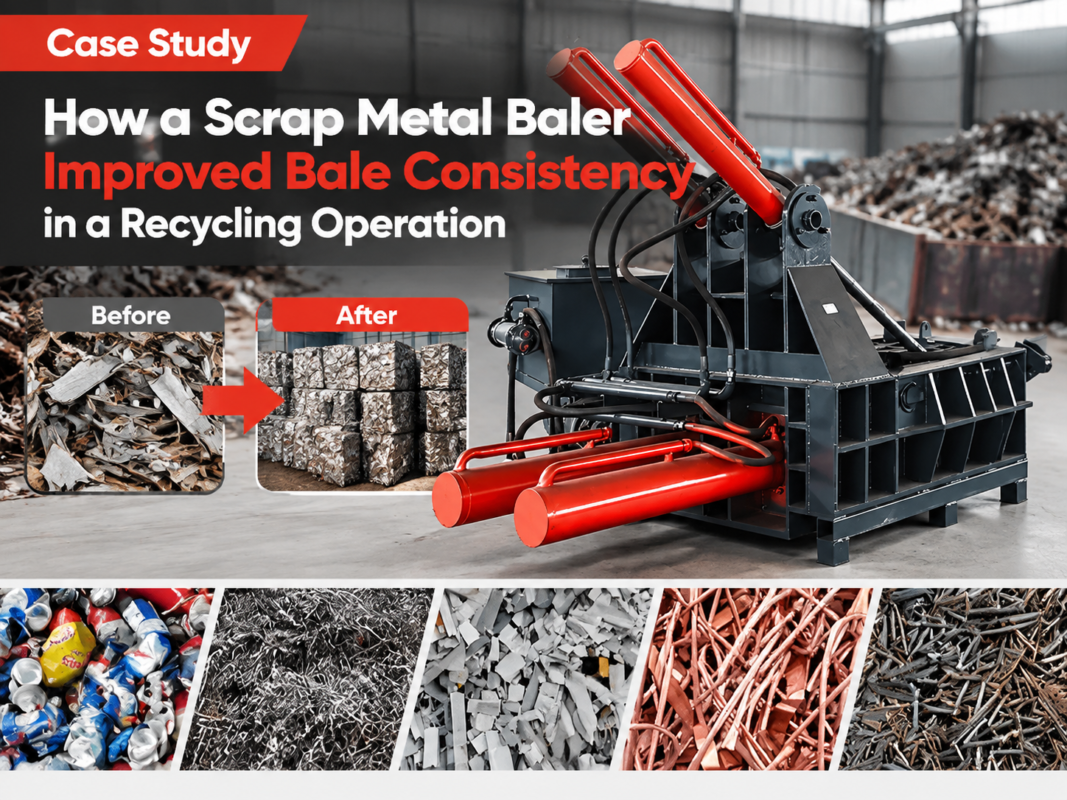
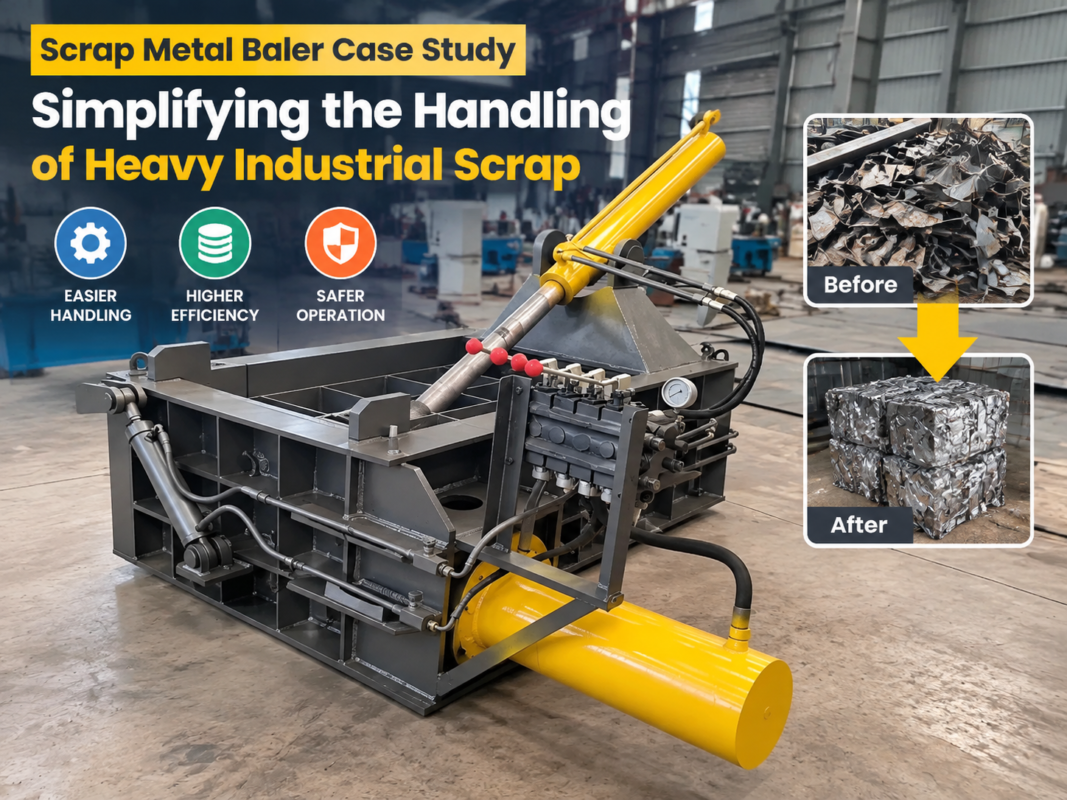
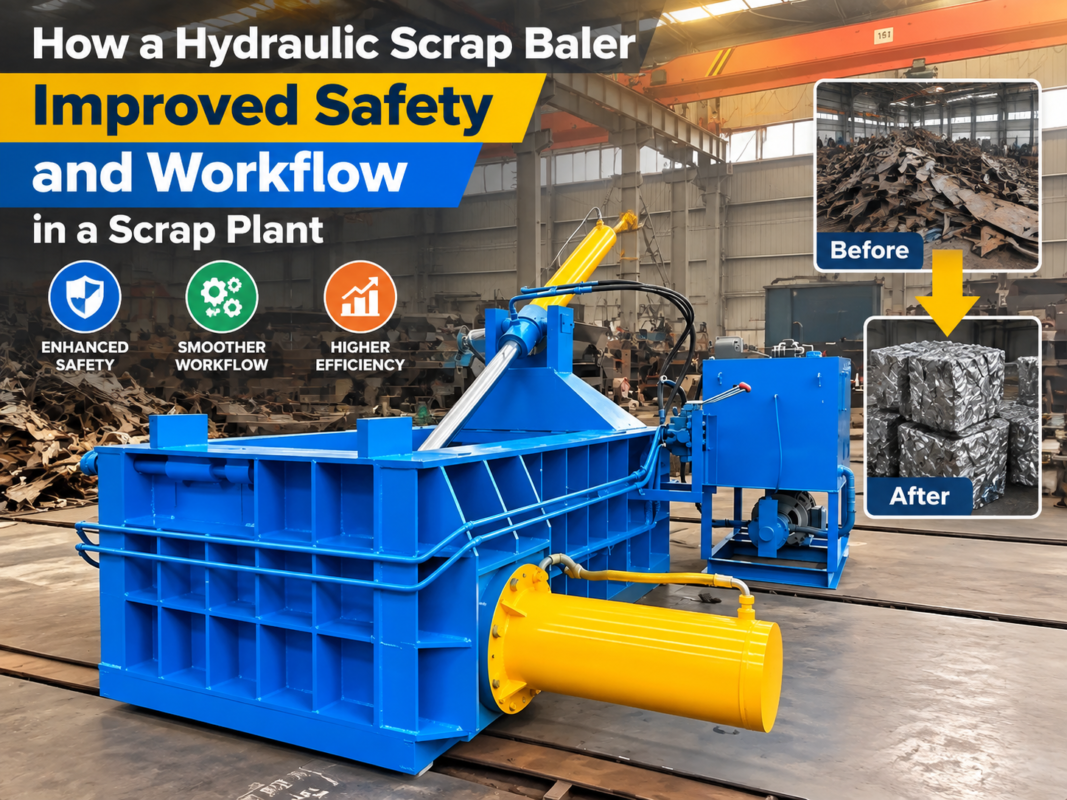
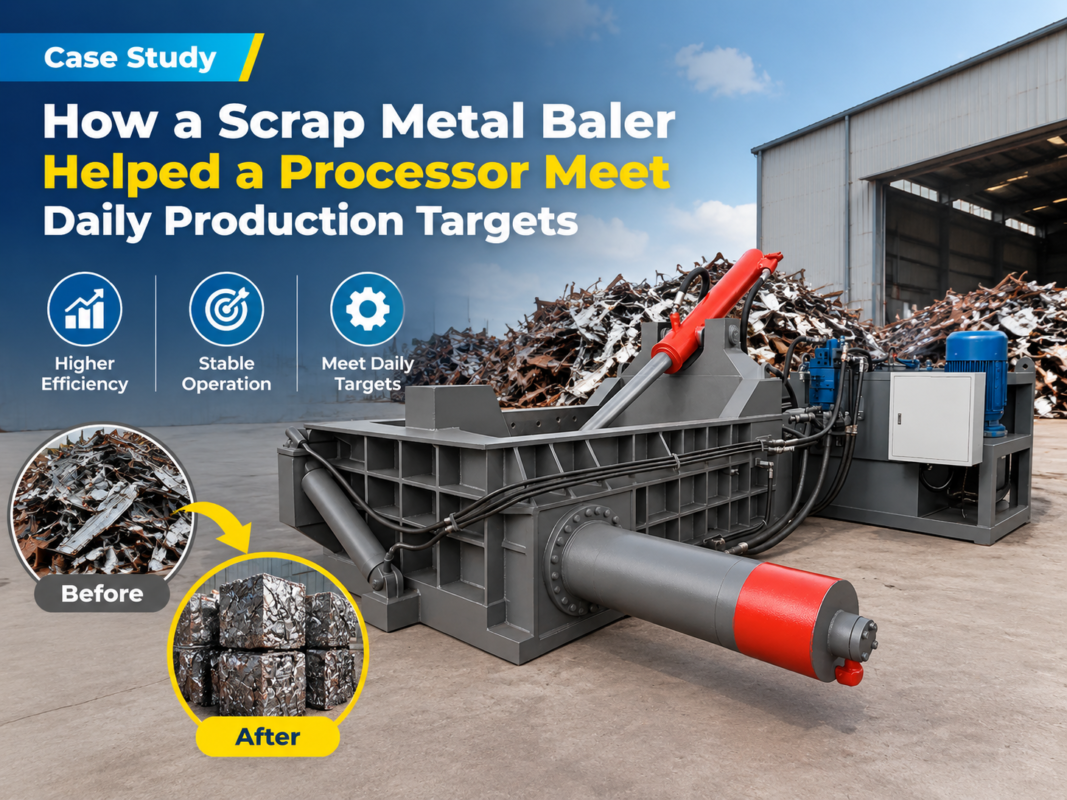
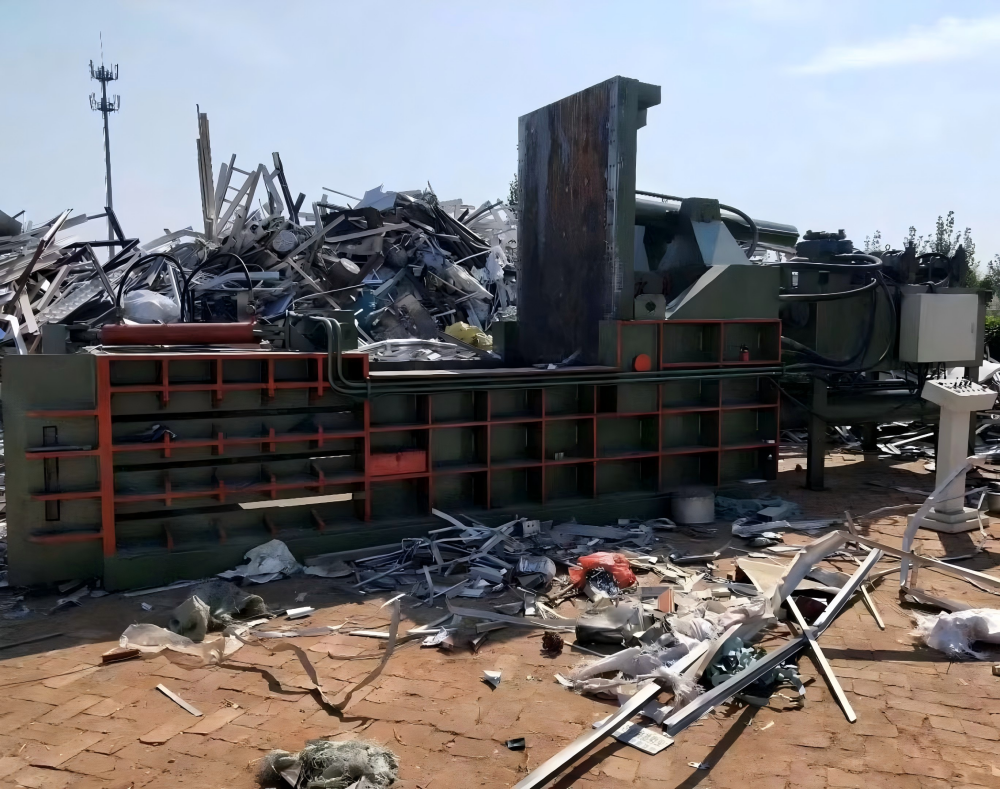
The primary application scenario for scrap metal balers in this sector is at the intersection of site clearance and material recovery. Demolition sites are chaotic environments where space is at a premium. Large structural beams, tangled rebar, and discarded HVAC ducting take up massive amounts of floor space, making it difficult for heavy machinery to maneuver. By deploying a scrap metal baler on-site or at a nearby consolidation hub, contractors can immediately reduce the volume of metal waste by up to 90%.
Another critical scenario involves urban redevelopment projects. In densely populated cities, transporting loose scrap metal is not only inefficient but also hazardous. Loose metal can fall from trucks, causing accidents and legal liabilities. Baled metal, conversely, is stable and can be stacked safely. Furthermore, recycling centers and steel mills offer significantly higher prices for baled scrap compared to loose material because it is ready for the furnace, requiring no further processing on their end. This economic incentive drives the adoption of balers in every major construction metal recycling project.
Beyond traditional demolition, these machines are vital in disaster recovery efforts. Following natural disasters, the amount of twisted metal debris can be overwhelming. Portable or semi-mobile scrap metal balers allow recovery teams to process debris quickly, clearing paths for emergency vehicles and facilitating the rapid rebuilding of infrastructure. The versatility of the Scrap Metal Baler Applications In Demolition Waste Construction Metal Recycling ensures that no matter the source of the metal, it can be returned to the production cycle efficiently.
Material and Process Requirements
Construction metal is notoriously diverse, ranging from soft copper wiring to high-tensile structural steel. To ensure effective baling, several material and process requirements must be met. First, the material must be categorized. Ferrous metals, such as steel and iron, require higher compaction forces compared to non-ferrous metals like aluminum and copper. A baler used in construction must be robust enough to handle the “spring-back” effect of high-tensile rebar, which tends to expand after the initial compression stroke.
The thickness of the material is another crucial factor. While standard balers can handle sheet metal and light profiles, demolition waste often includes heavy-duty beams and thick-walled pipes. This requires a machine with a reinforced charging box and high-pressure hydraulic cylinders. Pre-sorting is also a vital part of the process. Removing non-metallic contaminants like concrete chunks, wood, or insulation ensures the purity of the bale, which directly impacts its market value. Modern recycling facilities often use magnetic separators and manual sorting lines before the metal enters the baler’s hopper.
Process-wise, the moisture content and cleanliness of the metal are less critical than in other industries, but the size of the input material matters. If a structural beam is longer than the baler’s charging box, it must be pre-cut using hydraulic shears or oxy-fuel torches. HARSLE balers often feature integrated cutting blades on the lid or the sides of the compression chamber to shear off overhanging material, streamlining the process and reducing the need for manual labor. Understanding these requirements is the first step in selecting the right equipment for the job.
Recommended Machine Configuration
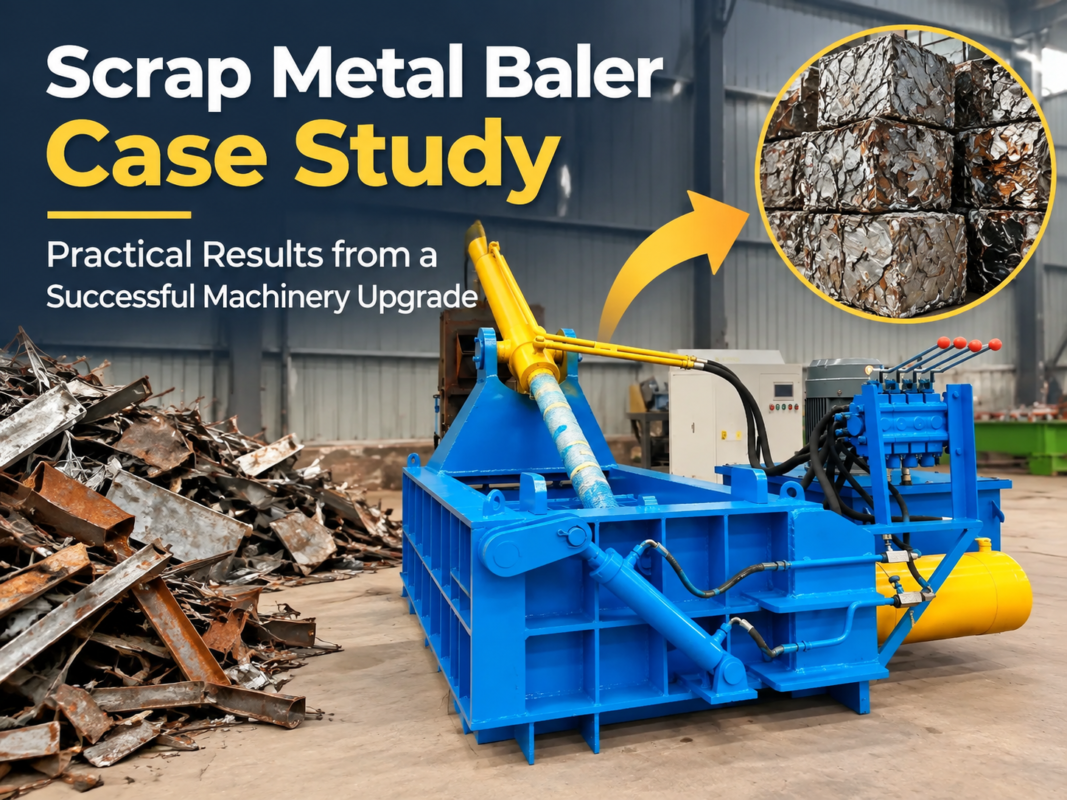
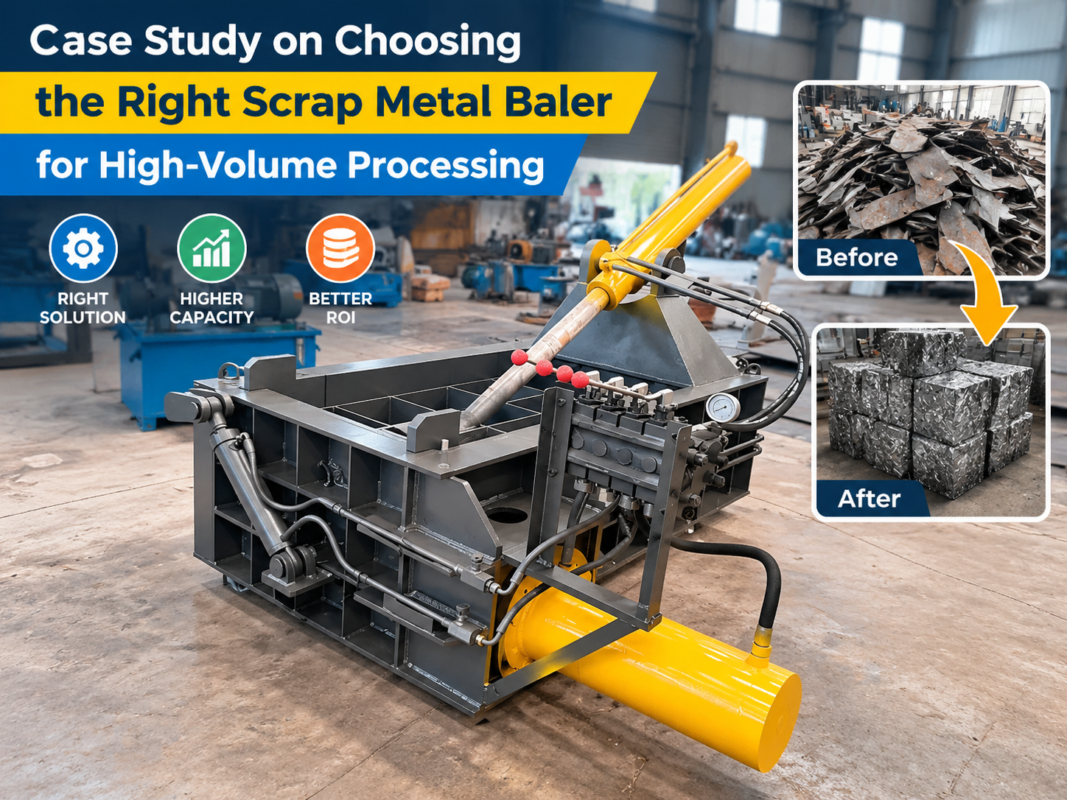
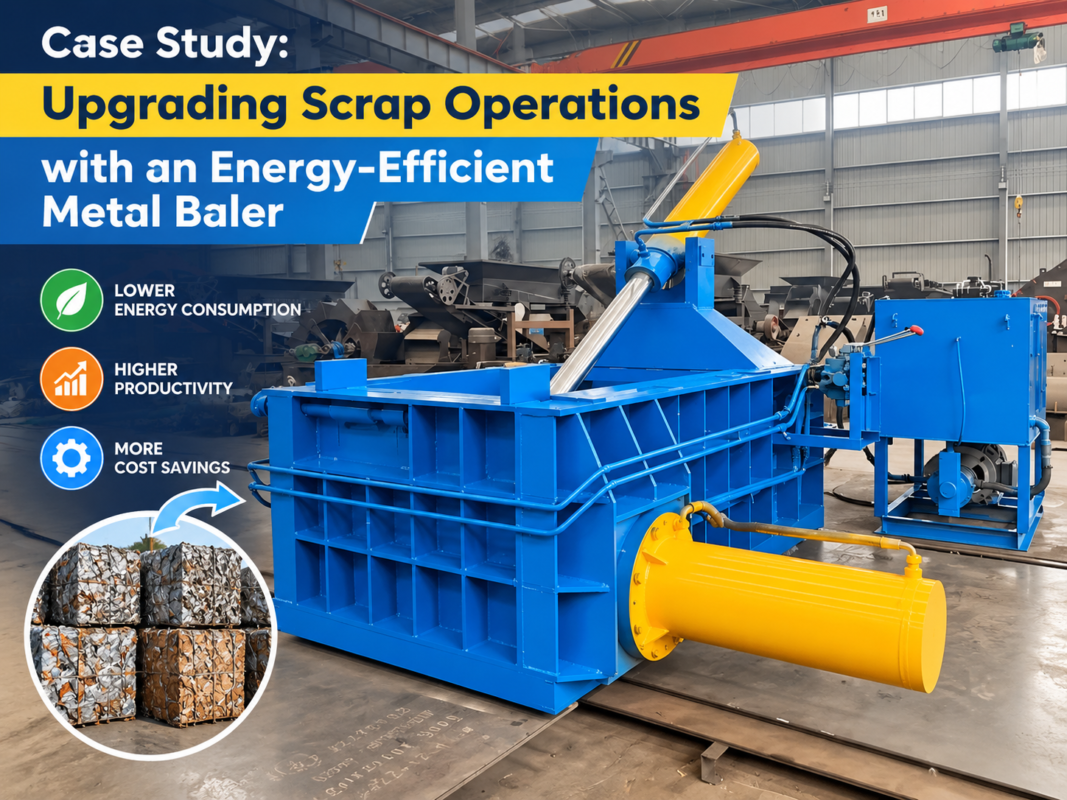
For the demanding environment of construction metal recycling, HARSLE recommends the Y81 series of hydraulic metal balers. These machines are engineered for high-volume throughput and extreme durability. A typical configuration for this application includes a large-capacity charging box, often exceeding 2000mm in length, to accommodate long pieces of rebar and structural profiles without excessive pre-cutting.
The hydraulic system is the heart of the baler. For demolition waste, we recommend a main cylinder pressure of at least 250 to 400 tons. This ensures that even the toughest steel scrap is compressed into a high-density bale. The configuration should also include a “side-push” or “turn-out” discharge mechanism. In construction recycling, where speed is essential, a turn-out design allows the finished bale to be flipped out of the chamber quickly, clearing the way for the next load. Side-push models are often preferred for larger, heavier bales that require forklift removal.
Automation is another key feature. A PLC (Programmable Logic Controller) system with a remote control allows the operator to manage the baling process from the safety of a crane or loader cabin. This is particularly useful on demolition sites where ground-level operation might be dangerous. Additionally, the inclusion of wear-resistant liner plates made from high-strength manganese steel is non-negotiable. These plates protect the main structure of the baler from the abrasive nature of construction scrap, significantly extending the machine’s service life and reducing maintenance costs.
Workflow: From Site to Smelter
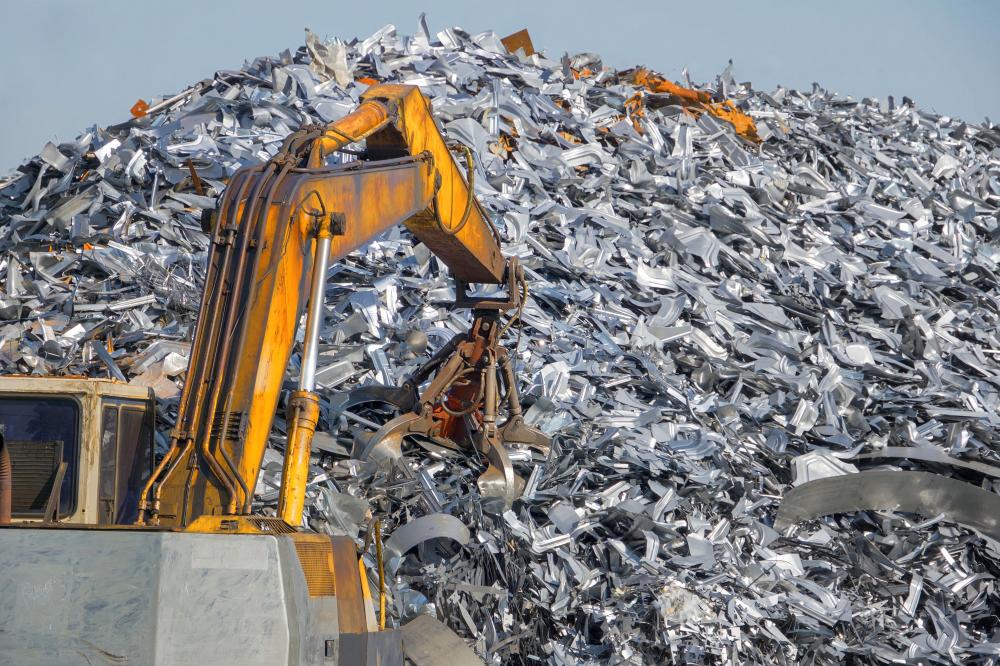
The workflow of Scrap Metal Baler Applications In Demolition Waste Construction Metal Recycling is a multi-stage process designed for maximum efficiency. It begins with the collection of metal waste using excavators equipped with magnets or grapples. Once collected, the material is moved to a sorting area where it is separated into categories: HMS (Heavy Melting Steel), light scrap, aluminum, and copper. This sorting is critical because mixing metals lowers the overall value of the bale.
Once sorted, the metal is loaded into the baler’s charging box. The operator initiates the cycle, and the lid closes, often performing an initial shear of any protruding material. The side cylinders and the main longitudinal cylinder then engage, compressing the scrap from multiple directions. This multi-stage compression is what gives the bale its structural integrity. After the compression cycle is complete, the chamber opens, and the bale is ejected. The entire cycle typically takes between 60 to 120 seconds, depending on the machine’s power and the material type.
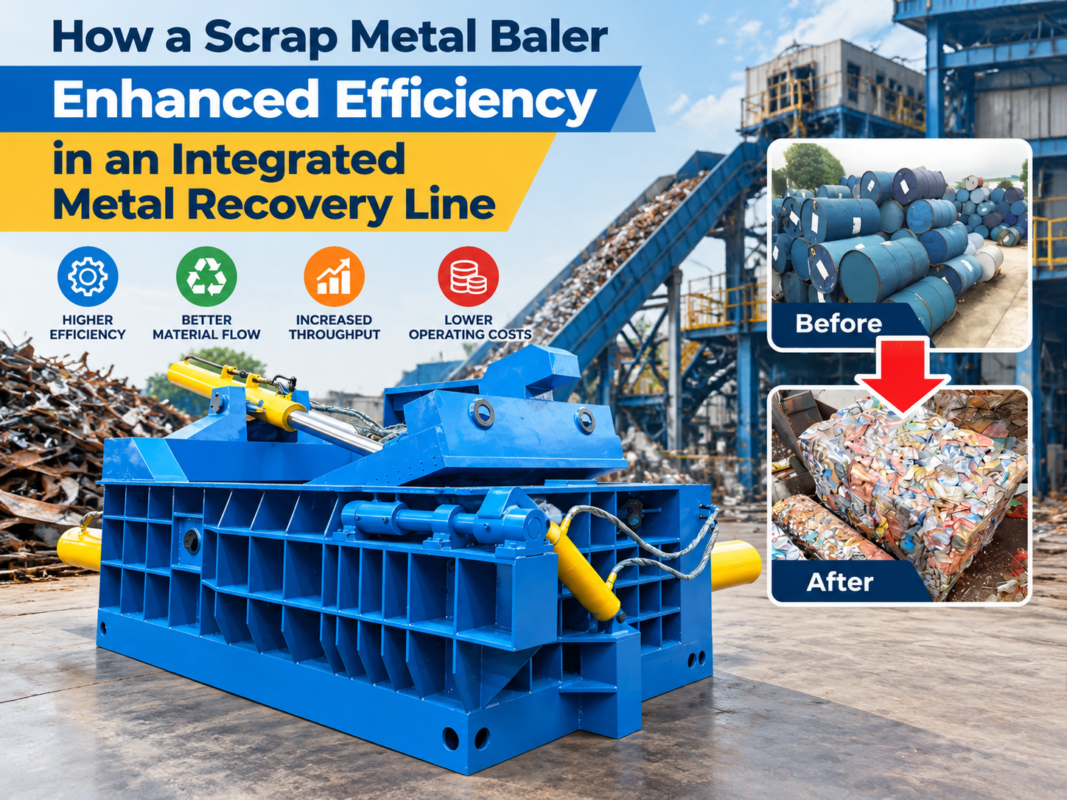
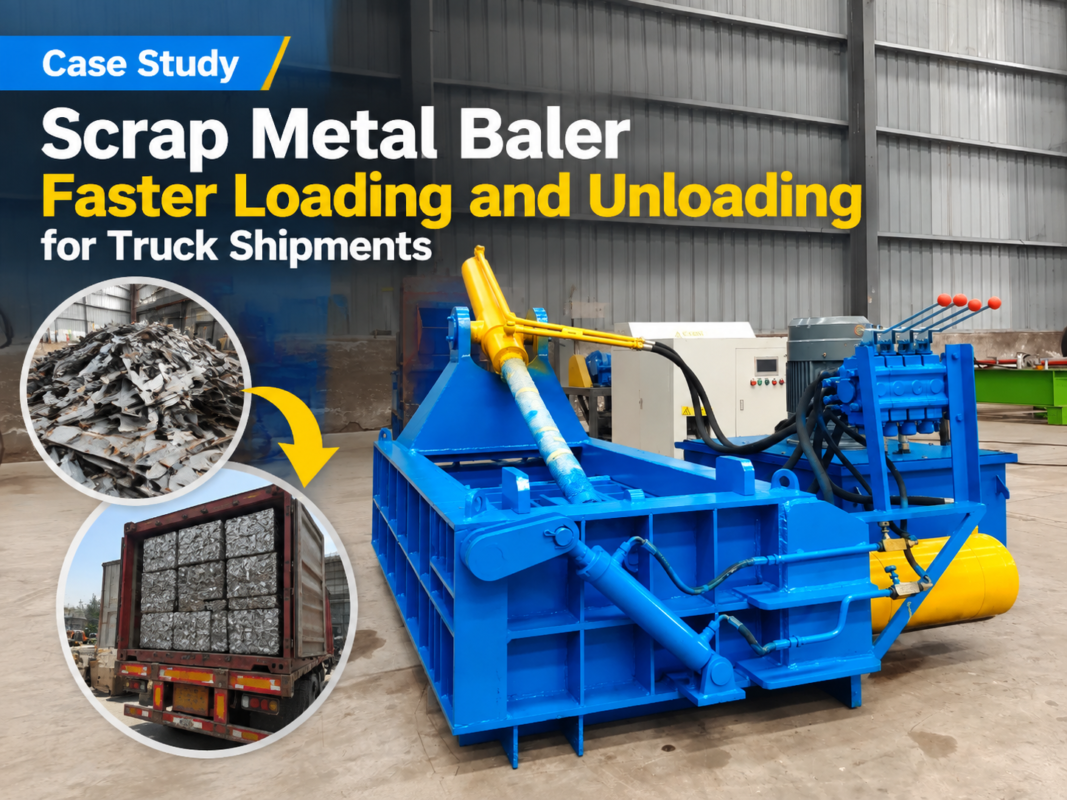
The final stage of the workflow is logistics. The uniform shape and size of the bales allow them to be loaded onto flatbed trucks or into shipping containers with surgical precision. A truck that could only carry 5 tons of loose, tangled rebar can easily carry 20 tons of baled scrap. This reduction in transport cycles not only saves fuel and labor costs but also reduces the carbon footprint of the recycling operation. Finally, the bales are delivered to a foundry or steel mill, where they are melted down to create new construction materials, completing the circular economy loop.
Productivity Benefits and ROI
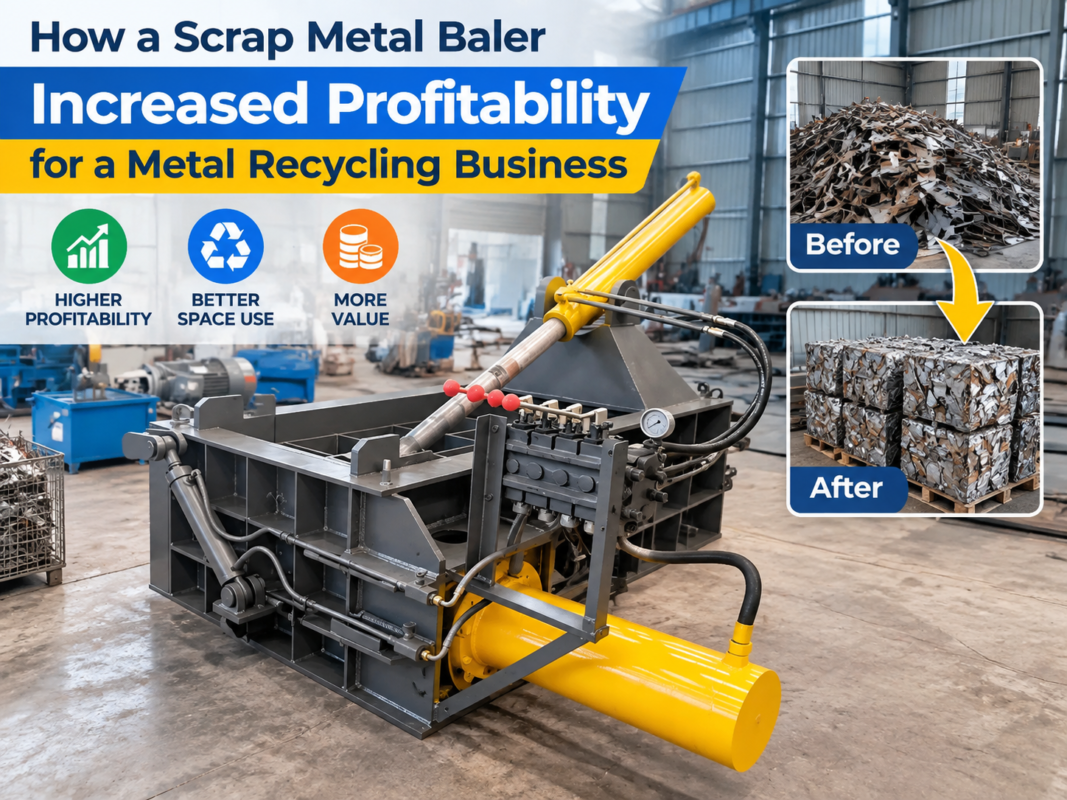
Investing in a scrap metal baler offers a rapid Return on Investment (ROI) for construction and demolition firms. The most immediate benefit is the reduction in transportation costs. By increasing the density of the scrap, companies can maximize the payload of every vehicle leaving the site. In many cases, the savings on logistics alone can pay for the machine within the first year of operation. Additionally, the labor required to manage scrap is significantly reduced, as baling is a semi-automated process that replaces the need for manual stacking and securing of loose metal.
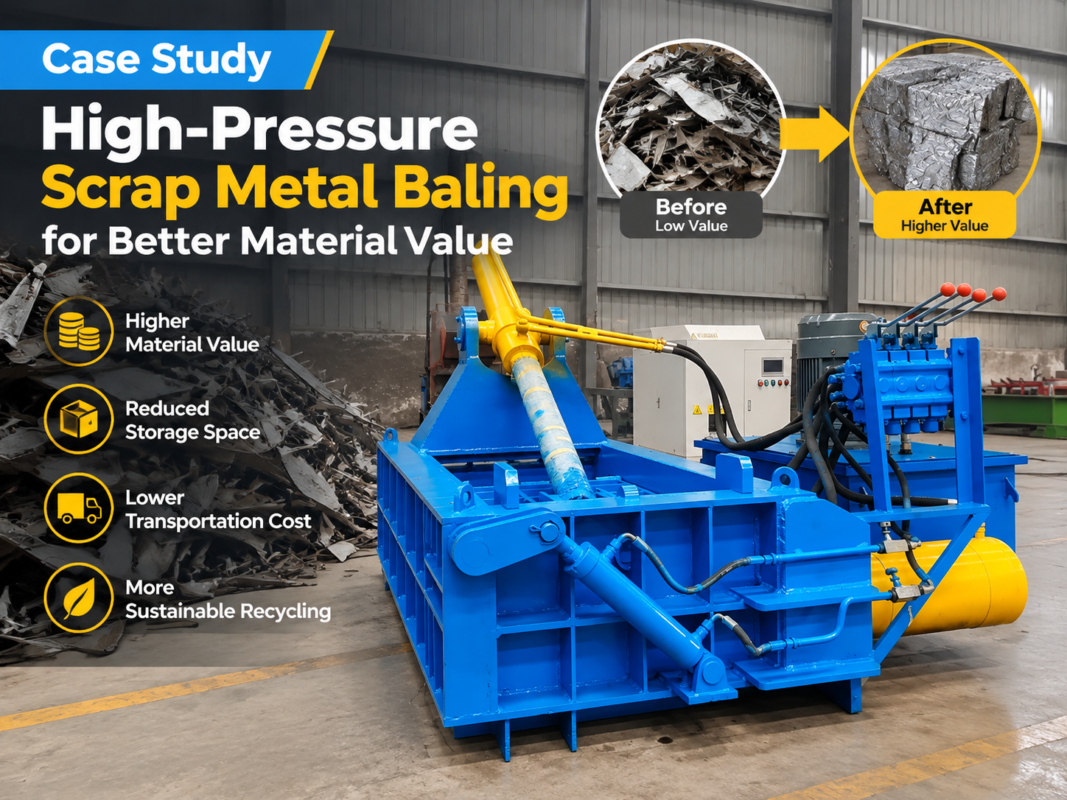
Market value is another major factor. Steel mills prefer baled scrap because it is easier to handle with magnets and fits perfectly into electric arc furnaces (EAF). This preference translates into a price premium. Baled HMS (Heavy Melting Steel) often fetches a higher price per ton than loose scrap. Furthermore, having a baler on-site improves site safety. Loose metal scrap is a leading cause of puncture wounds and tripping hazards on demolition sites. By containing the scrap in dense blocks, the workspace remains clean and organized, reducing the risk of workplace accidents and associated insurance premiums.
From an environmental perspective, the use of a baler supports green building certifications like LEED. Demonstrating a high percentage of diverted waste through efficient recycling can help contractors win more bids, especially for government and high-profile corporate projects. The ability to track the weight and volume of baled scrap also provides accurate data for sustainability reporting. In summary, the productivity benefits extend far beyond simple volume reduction; they touch every aspect of the business, from safety and compliance to the bottom line.
Case Example: Industrial Warehouse Demolition
Consider a recent project involving the demolition of a 100,000-square-foot industrial warehouse. The structure contained a massive amount of steel framing, corrugated roofing, and copper piping. Initially, the contractor estimated that it would take 50 truckloads to haul away the loose metal scrap to a recycling center 40 miles away. The cost of transport and the low price offered for loose scrap made the metal recovery barely break even.
The contractor decided to implement a HARSLE Y81-250 hydraulic scrap metal baler on-site. By baling the steel and aluminum, they were able to condense the 50 truckloads into just 12. This saved thousands of dollars in fuel and driver wages. Moreover, because the scrap was baled and sorted, the recycling center paid a 15% premium over the loose scrap price. The contractor also recovered high-purity copper bales from the electrical systems, which were sold at top market rates. By the end of the project, the scrap metal recovery, which was once a break-even task, generated a significant profit that covered a large portion of the demolition labor costs.
Frequently Asked Questions (FAQ)
1. What types of construction metal can be baled?
Most metals found on construction sites can be baled, including rebar, structural steel beams (up to a certain thickness), aluminum siding, copper wiring, and stainless steel fixtures. The key is matching the baler’s force to the material’s thickness and strength.
2. How do I choose the right size baler for a demolition site?
Selection depends on the volume of scrap generated daily and the largest size of the scrap pieces. For high-volume demolition, a baler with a large charging box (2 meters or more) and a cycle time of under 100 seconds is recommended to prevent bottlenecks.
3. Can the baler handle concrete-covered rebar?
While the baler can physically compress rebar with some concrete attached, it is highly recommended to remove as much concrete as possible first. Pure metal bales have a much higher market value, and excessive concrete can cause unnecessary wear on the baler’s internal liners.
4. Is a mobile baler better than a stationary one for construction?
Mobile balers are excellent for short-term projects where the machine needs to move from site to site. However, for large-scale, long-term demolition or at a dedicated recycling hub, a stationary baler often offers more power, larger bale sizes, and greater durability.
5. What maintenance is required for a scrap metal baler in a dusty environment?
Demolition sites are dusty, so regular maintenance is crucial. This includes daily checks of hydraulic oil levels, cleaning of air filters, and lubrication of moving parts. HARSLE machines are designed with sealed components to minimize dust ingress, but routine inspections are still necessary.
6. Does baling metal help with environmental compliance?
Yes. Baling is a recognized method for efficient waste management. It helps in achieving high recycling rates required by environmental regulations and green building certifications, and it reduces the carbon emissions associated with scrap transport.
Conclusion and Call to Action
The Scrap Metal Baler Applications In Demolition Waste Construction Metal Recycling represent a vital evolution in how we handle industrial waste. By turning bulky, hazardous scrap into high-density, high-value commodities, HARSLE balers empower contractors and recyclers to operate more efficiently, safely, and profitably. As the construction industry continues to move toward sustainable practices, the role of advanced recycling machinery will only grow in importance.
Are you looking to optimize your demolition waste management or upgrade your recycling facility? HARSLE offers a wide range of hydraulic scrap metal balers tailored to the specific needs of the construction industry. Our team of experts is ready to help you select the perfect machine configuration to maximize your ROI. Contact HARSLE today for a consultation and take the first step toward transforming your scrap metal into a powerful asset.