How Scrap Metal Balers Increase Profitability in Scrap Metal Recycling Businesses

Introduction to Scrap Metal Balers and Market Profitability
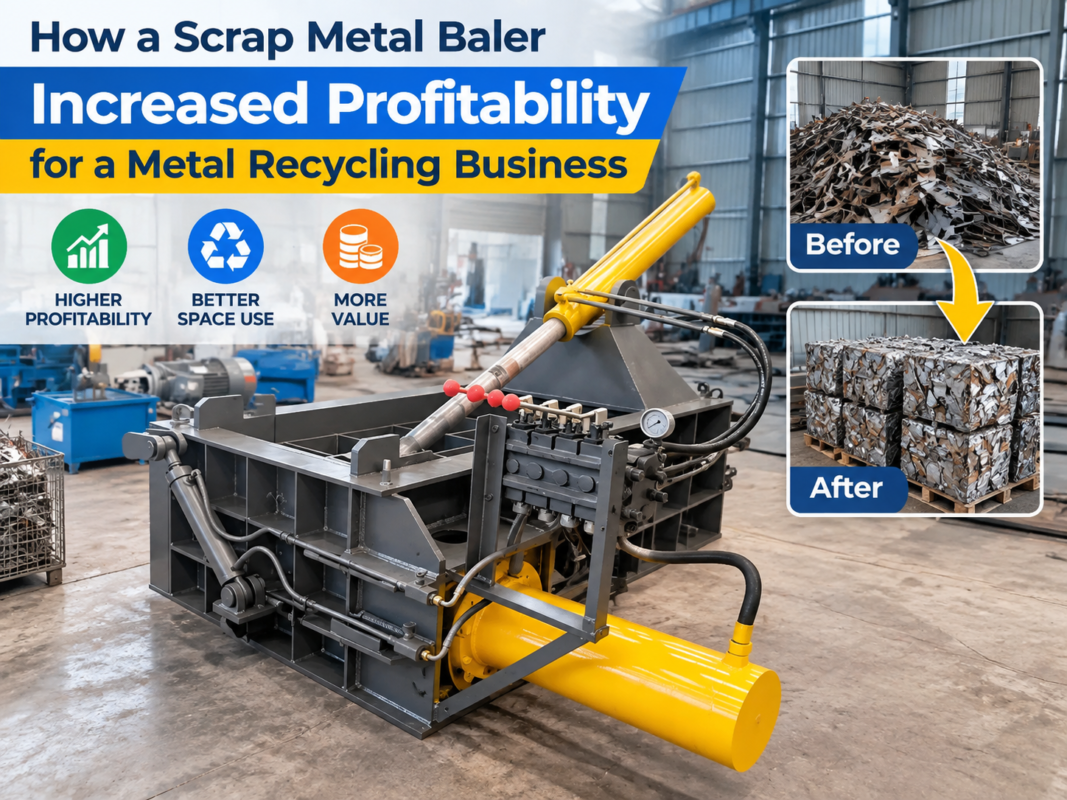
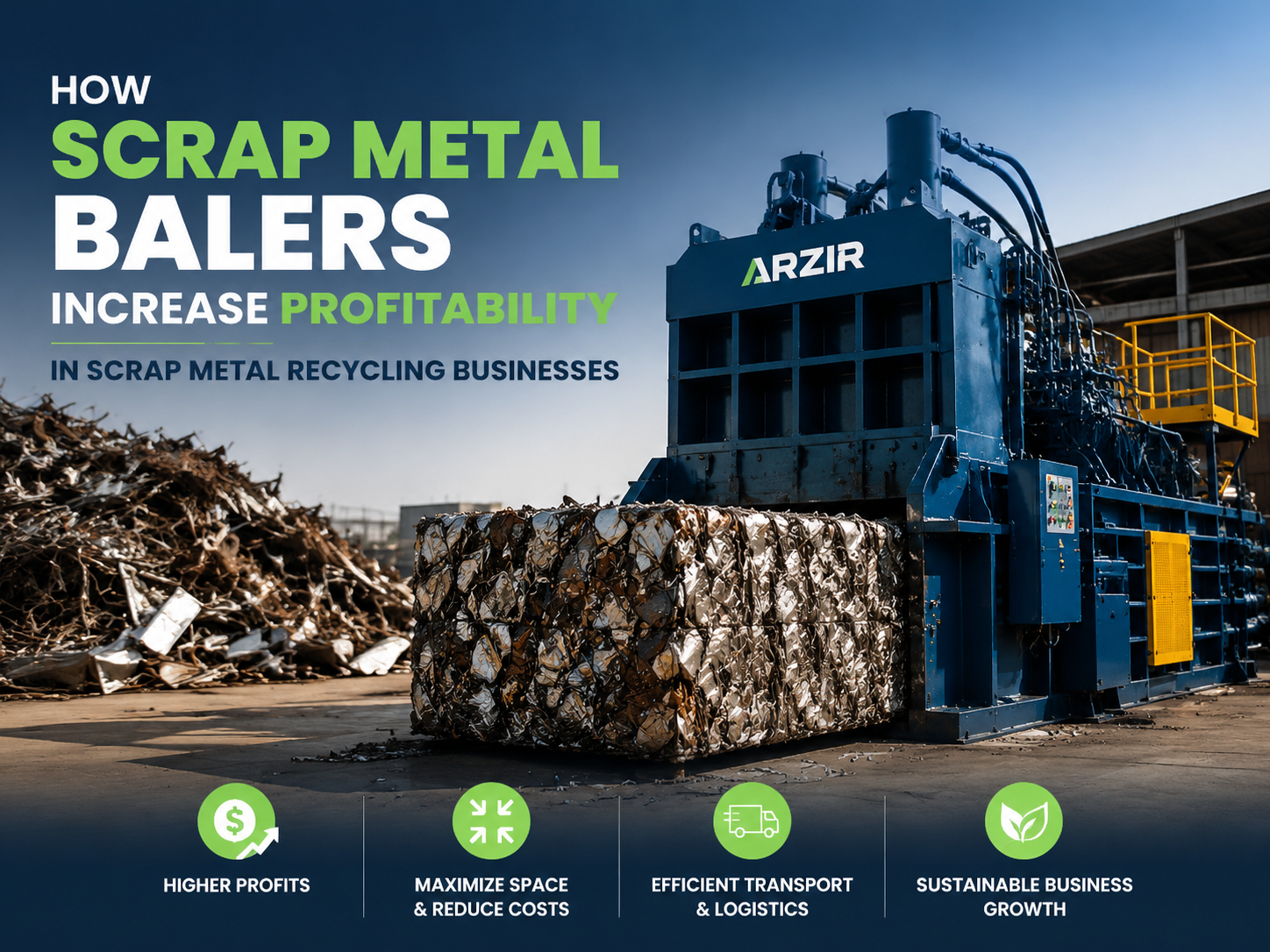
In the modern industrial landscape, the recycling sector has evolved from a simple waste management necessity into a high-margin business opportunity. Central to this transformation is the scrap metal baler. For any recycling facility, the primary goal is to maximize the value of every ton of material processed while minimizing operational overhead. This is precisely where the strategic implementation of high-performance machinery comes into play. Understanding how scrap metal balers increase profitability in scrap metal recycling businesses is essential for owners looking to scale their operations and improve their bottom line.
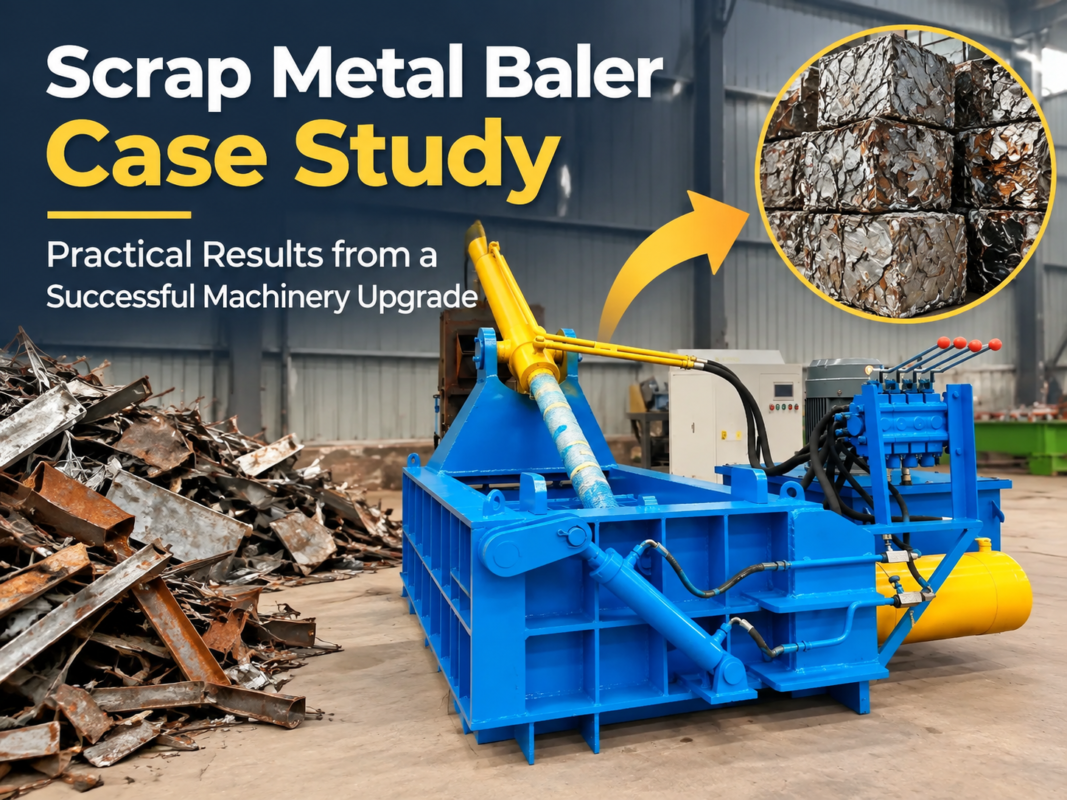
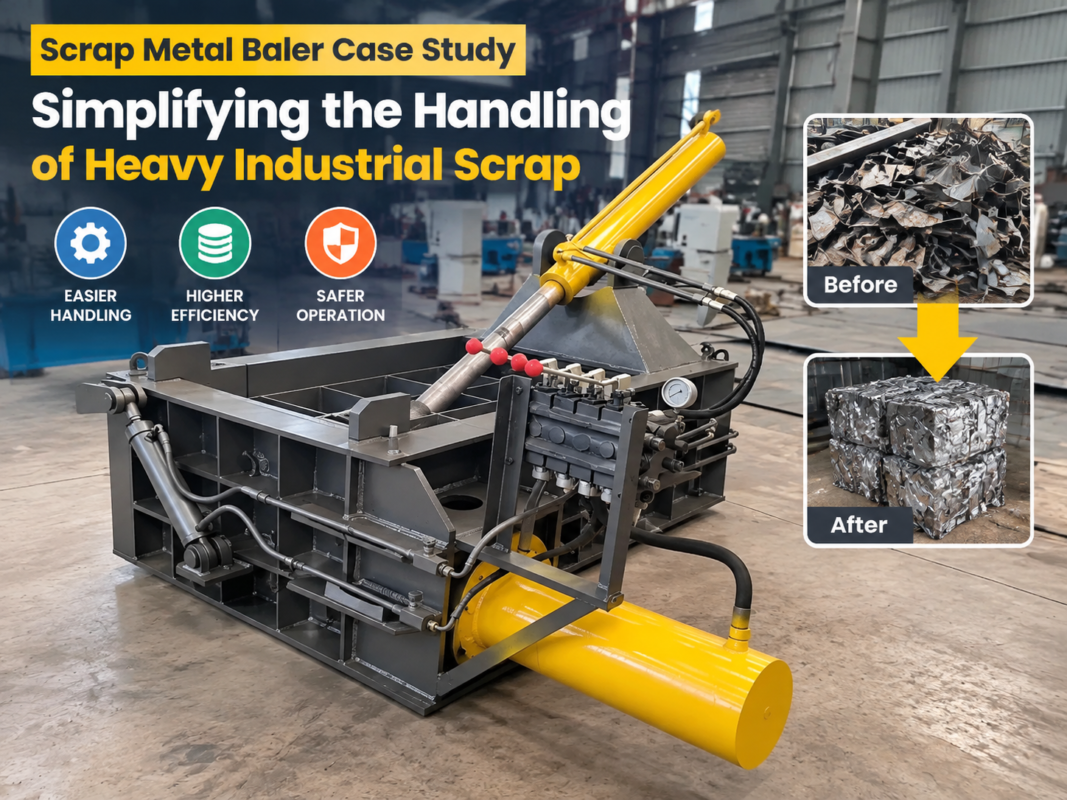
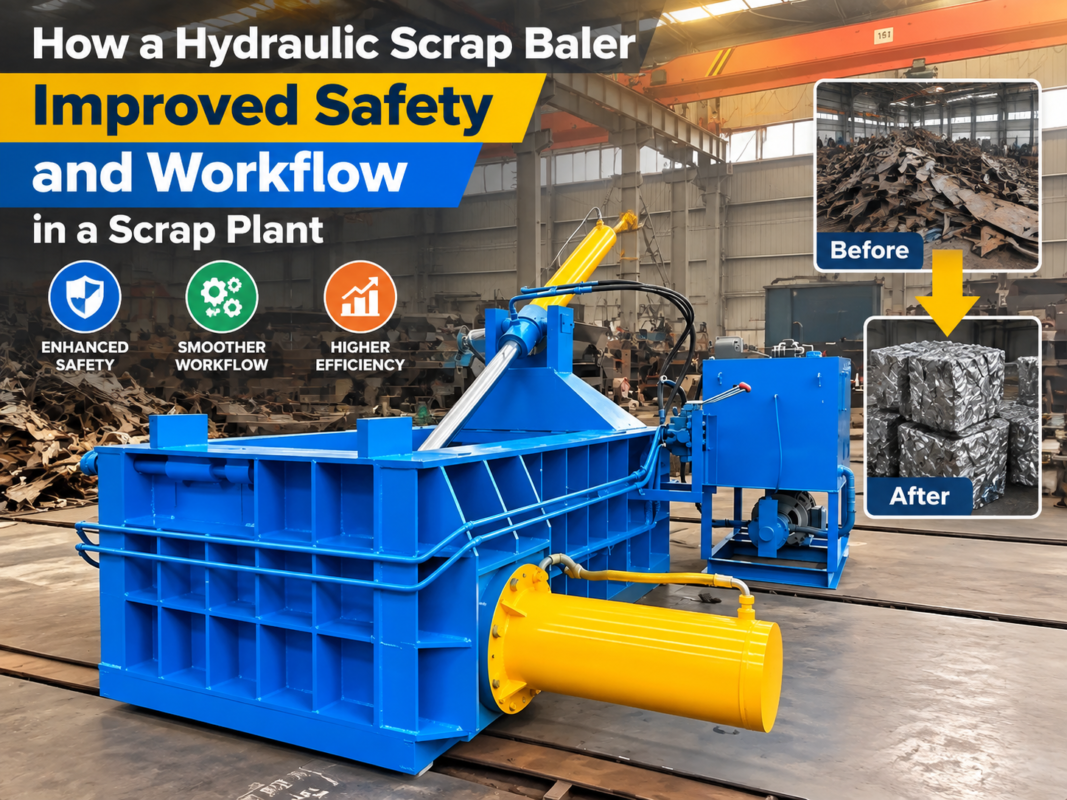
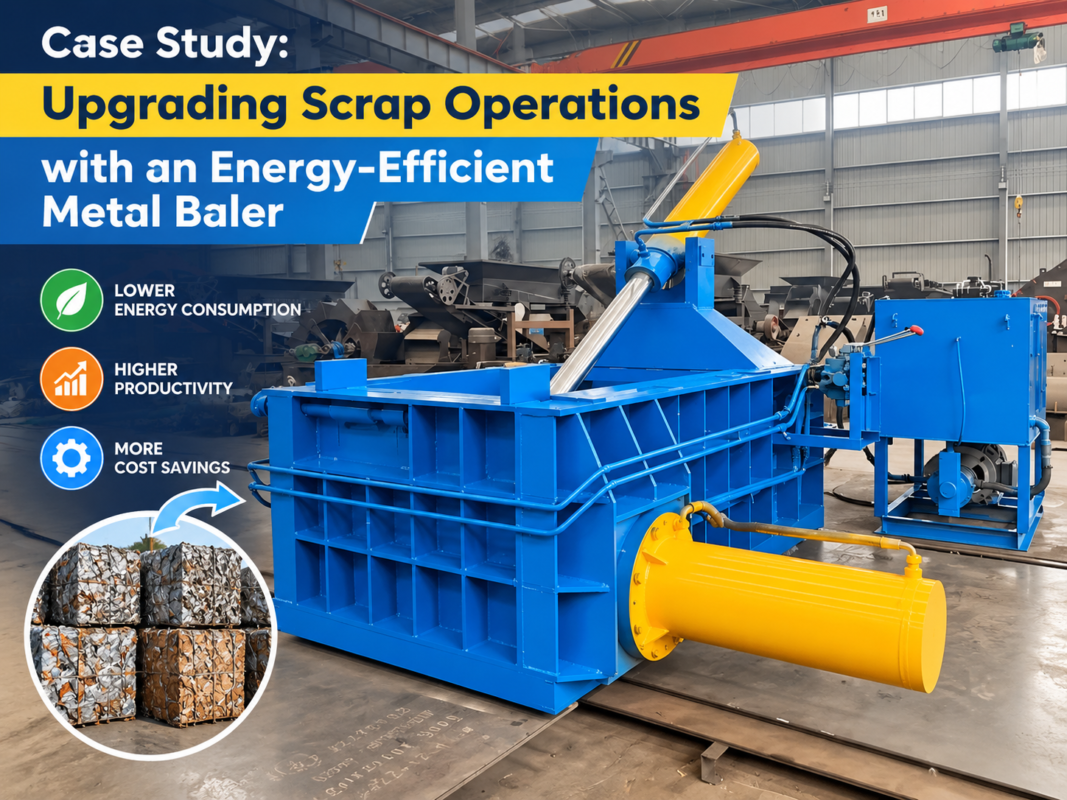
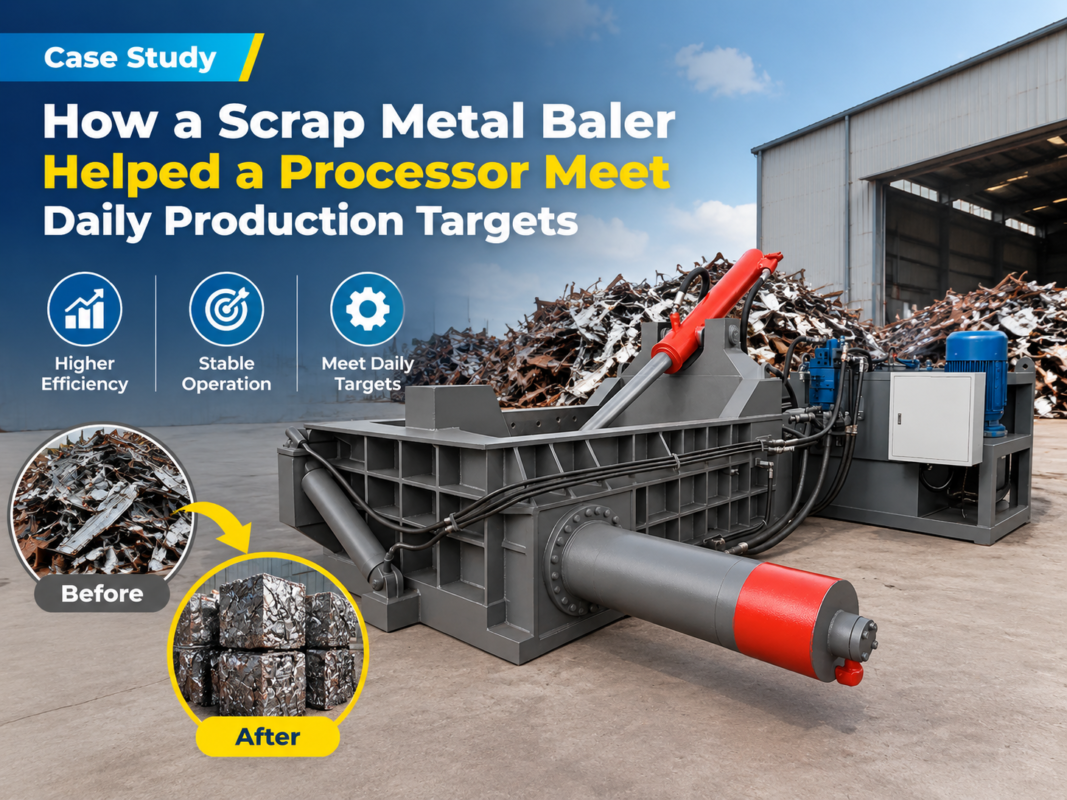
Scrap metal balers are heavy-duty hydraulic machines designed to compress various types of metal scrap—ranging from aluminum cans and copper wiring to steel sheets and automotive bodies—into dense, manageable blocks known as bales. By reducing the volume of loose scrap, these machines address the three most significant cost drivers in the recycling industry: transportation, storage, and processing efficiency. In an era of fluctuating commodity prices, the ability to process material quickly and cost-effectively can be the difference between a struggling yard and a thriving enterprise.
Application Scenarios for Scrap Metal Balers
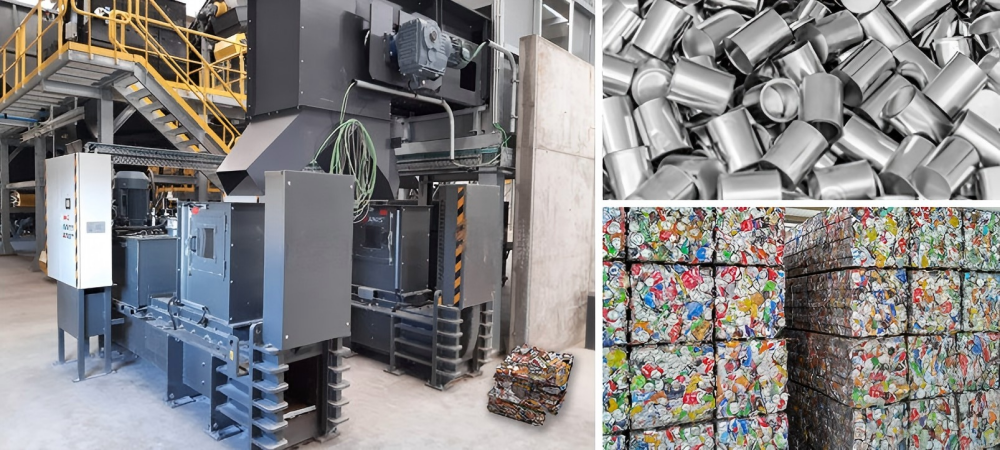
The versatility of scrap metal balers allows them to be deployed across a wide range of industrial environments. The most common application is in dedicated scrap metal recycling yards. These facilities receive diverse streams of material from the public, construction sites, and demolition projects. Without a baler, these yards would quickly become overwhelmed by the sheer volume of loose, irregularly shaped metal, leading to safety hazards and logistical nightmares.
Another critical application scenario is within large-scale manufacturing plants, such as automotive assembly lines or appliance factories. These facilities generate significant amounts of “prompt scrap”—the offcuts and trimmings from production processes. By integrating a scrap metal baler directly into the production workflow, manufacturers can manage their waste more efficiently, reclaim valuable floor space, and sell their high-quality scrap directly to smelters at premium prices, bypassing middleman collectors.
Demolition and construction sites also benefit significantly from mobile or portable scrap metal balers. When a building is decommissioned, the amount of structural steel, rebar, and copper piping recovered is immense. Processing this material on-site into dense bales allows for immediate transport to refineries, drastically reducing the number of truck trips required and lowering the carbon footprint of the project. This on-site processing capability is a major factor in how scrap metal balers increase profitability in scrap metal recycling businesses operating in the field.
Material and Process Requirements
To maximize profitability, a recycling business must understand the specific requirements of the materials they handle. Different metals have varying levels of elasticity, density, and hardness, which dictates the type of baling force required. For instance, non-ferrous metals like aluminum and copper are relatively soft and can be baled using medium-pressure systems. However, because these materials are high-value, the precision of the bale—ensuring it is clean and free of contaminants—is paramount for achieving the highest market price.
Ferrous metals, such as structural steel and iron, require significantly higher hydraulic pressure to achieve the desired density. The process requirements for these materials often involve heavy-duty shearing blades integrated into the baler’s lid or chamber. These blades cut oversized pieces of scrap as the chamber closes, ensuring that the final bale is uniform and fits the dimensions required by steel mills. Smelters and refineries have strict specifications for bale density and size; failing to meet these can result in price penalties or rejected loads.
Furthermore, the moisture content and cleanliness of the scrap are vital considerations. Modern balers often include drainage systems to handle residual fluids from automotive parts or industrial containers. Ensuring that the baling process accounts for these variables is a key step in maintaining the quality of the output. High-quality bales that meet the “furnace-ready” standard are always in higher demand, allowing recyclers to command better terms from their buyers.
Recommended Machine Configuration
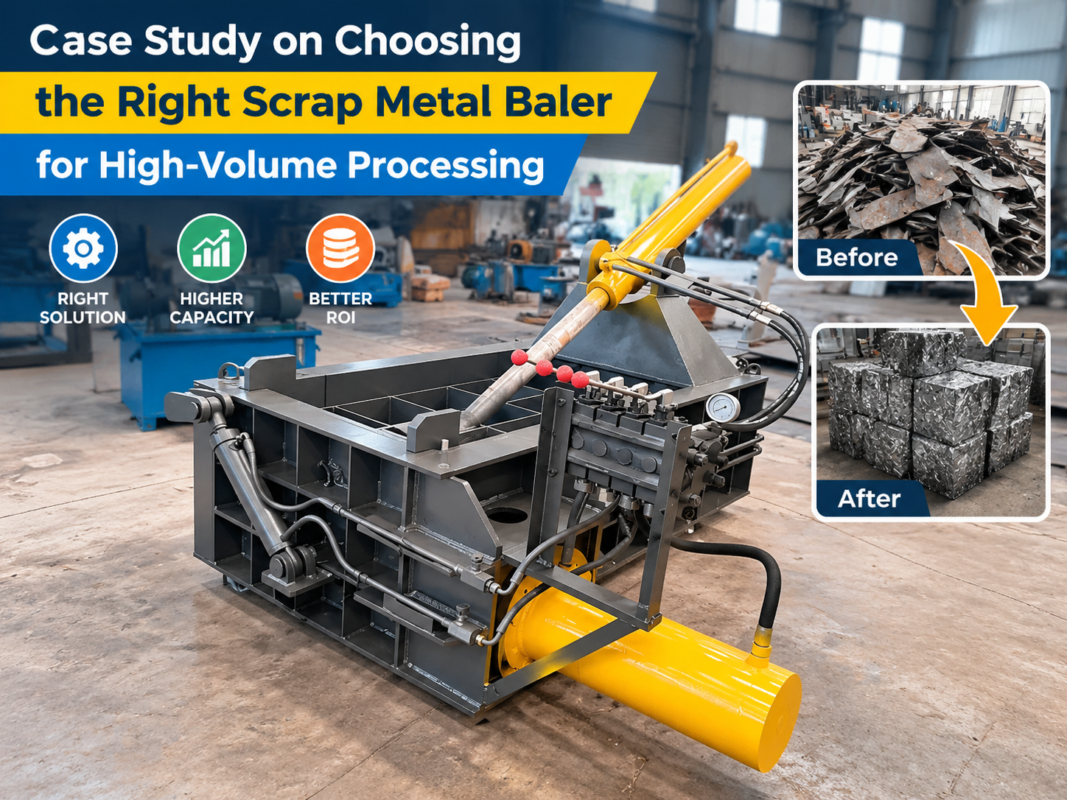
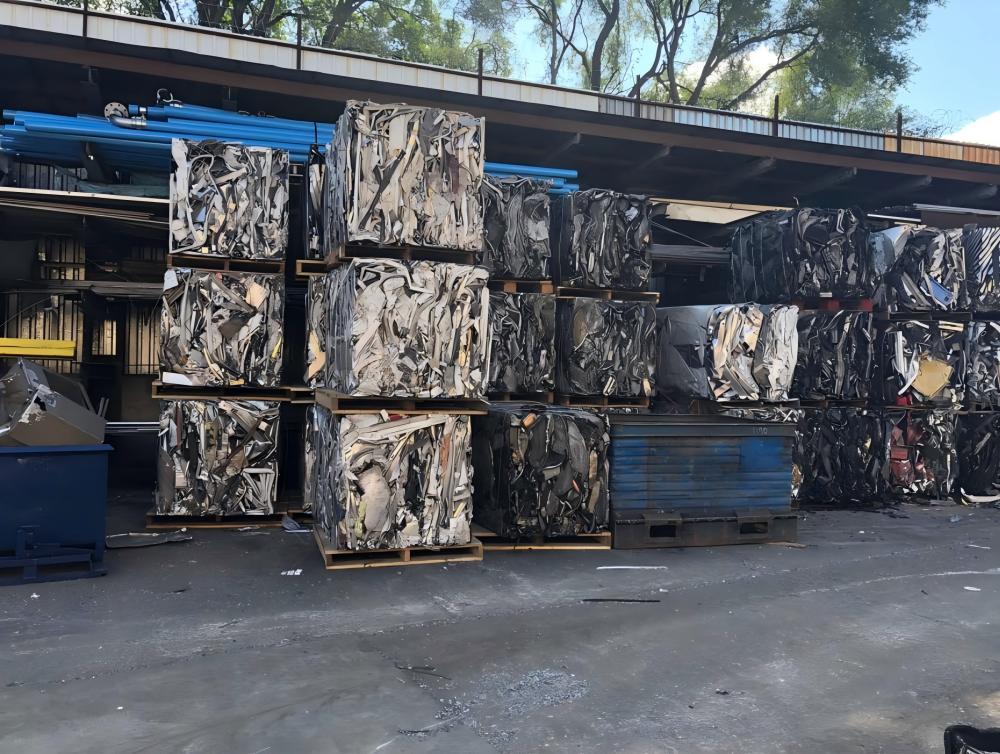
Choosing the right machine configuration is the cornerstone of a profitable recycling operation. At HARSLE, we recommend configurations based on the volume and type of scrap being processed. For high-volume yards, a triple-compression hydraulic baler is often the gold standard. This configuration applies pressure from three directions (longitudinal, lateral, and vertical), resulting in the highest possible bale density, which is critical for international shipping and high-capacity smelting.
Key components to look for in a professional-grade baler include:
- High-Pressure Hydraulic Systems: Look for machines equipped with variable displacement pumps and high-quality valves (such as Rexroth or Vickers) to ensure consistent pressure and energy efficiency.
- PLC Control Systems: Modern balers should feature Siemens or Schneider PLC systems with touch-screen interfaces. This allows for automated cycles, remote diagnostics, and precise control over bale dimensions.
- Wear-Resistant Liners: The internal chamber should be lined with replaceable Hardox or similar high-strength steel plates to withstand the abrasive nature of metal scrap.
- Integrated Shearing Blades: For processing bulky scrap, heavy-duty blades on the chamber edges allow the machine to cut through excess material, preventing jams and ensuring a clean bale finish.
- Cooling Systems: For continuous 24/7 operation, an integrated air or water cooling system for the hydraulic oil is essential to prevent overheating and maintain seal integrity.
The Workflow of a Scrap Metal Baling Operation
The efficiency of the workflow directly impacts the hourly throughput of the facility. The process typically begins with material sorting. Using magnetic separators or manual labor, ferrous and non-ferrous materials are segregated. This is a critical step because mixed-metal bales are worth significantly less than pure-material bales. Once sorted, the scrap is loaded into the baler’s hopper or charging box using a crane with a grapple or a forklift with a specialized attachment.
Once the chamber is full, the operator initiates the compression cycle. In an automated setup, the PLC manages the sequence: the lid closes (often shearing off overhanging scrap), the side ram moves forward to pre-compress the material, and finally, the main ram applies the maximum force to form the bale. The entire cycle usually takes between 60 to 120 seconds, depending on the machine’s power and the material type. After compression, the bale is ejected—either pushed out the side, turned out of the chamber, or pushed forward—where it is then moved to the storage area or directly onto a transport vehicle.
Productivity Benefits: How Scrap Metal Balers Increase Profitability
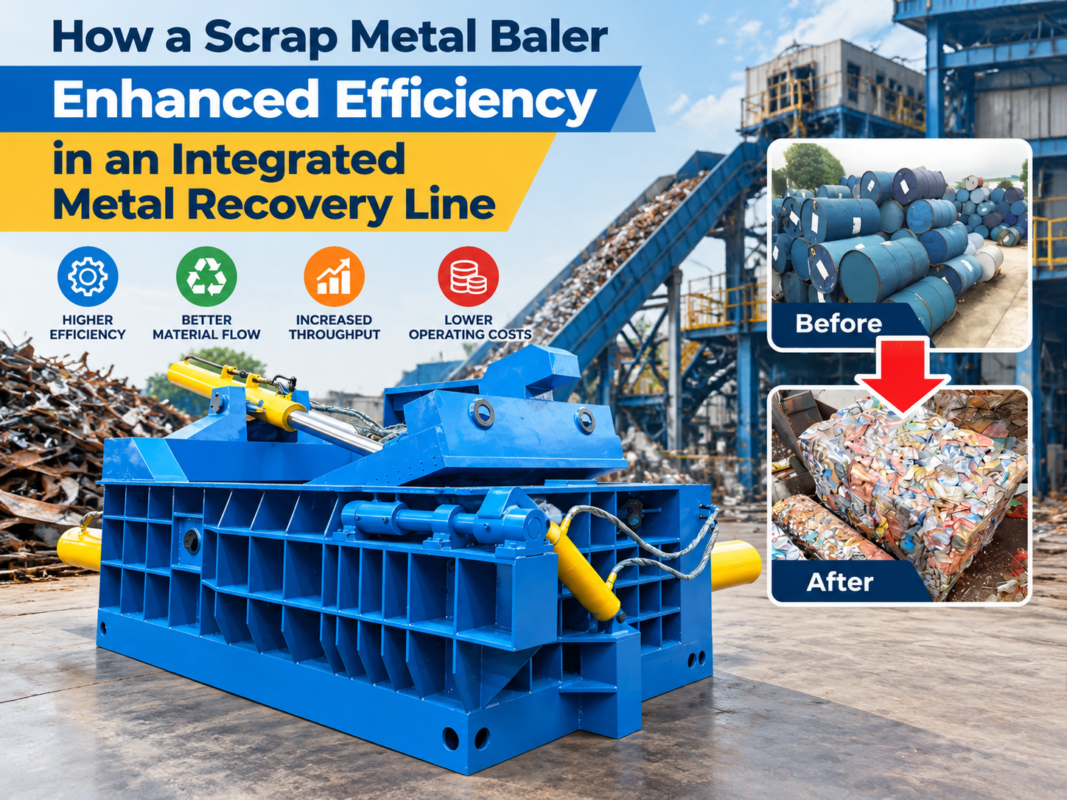
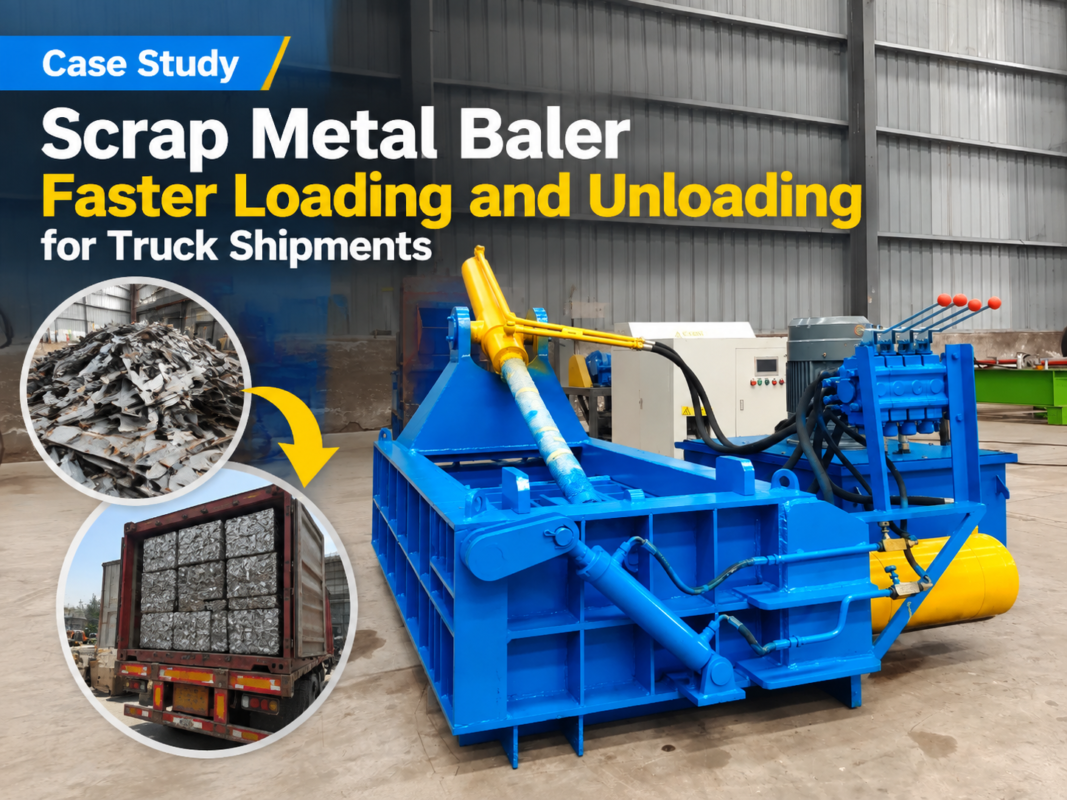
The primary way scrap metal balers increase profitability in scrap metal recycling businesses is through the dramatic reduction of logistics costs. Loose scrap is incredibly inefficient to transport; a standard truck might only be able to carry a few tons of loose aluminum before it reaches its volume capacity, even though it is far below its weight capacity. By baling that same aluminum, the recycler can maximize the truck’s weight capacity, reducing the number of trips required by up to 80%. This leads to massive savings in fuel, labor, and vehicle maintenance.
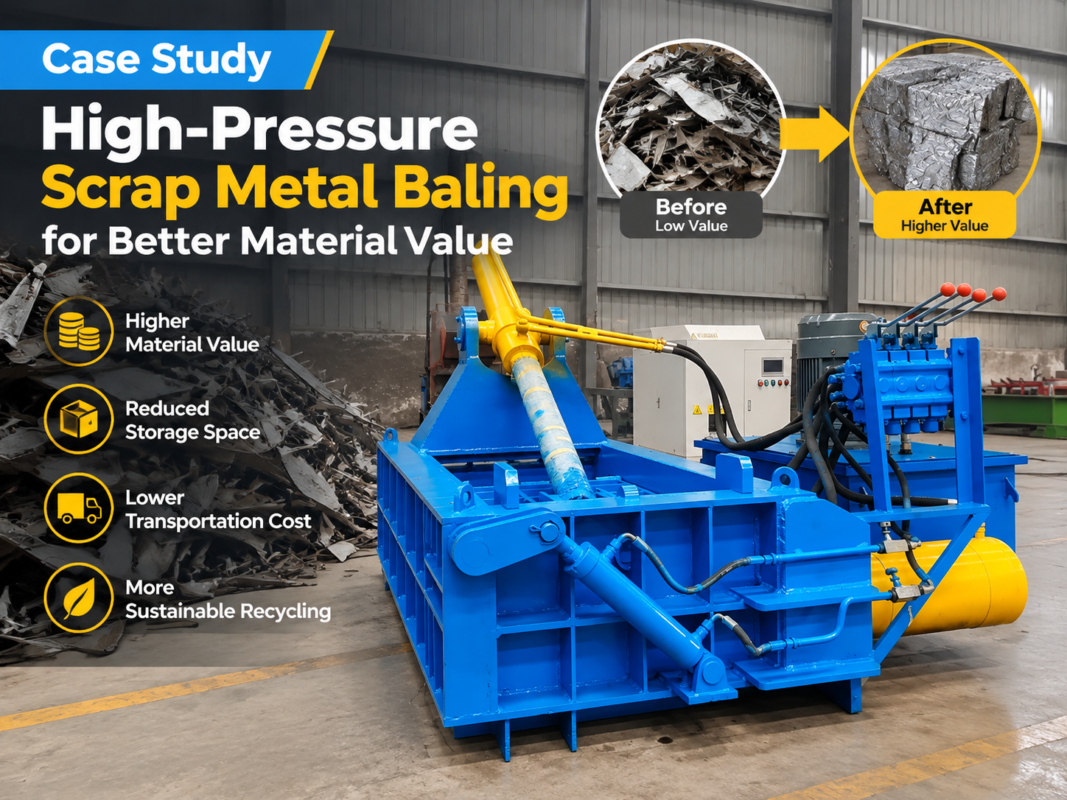
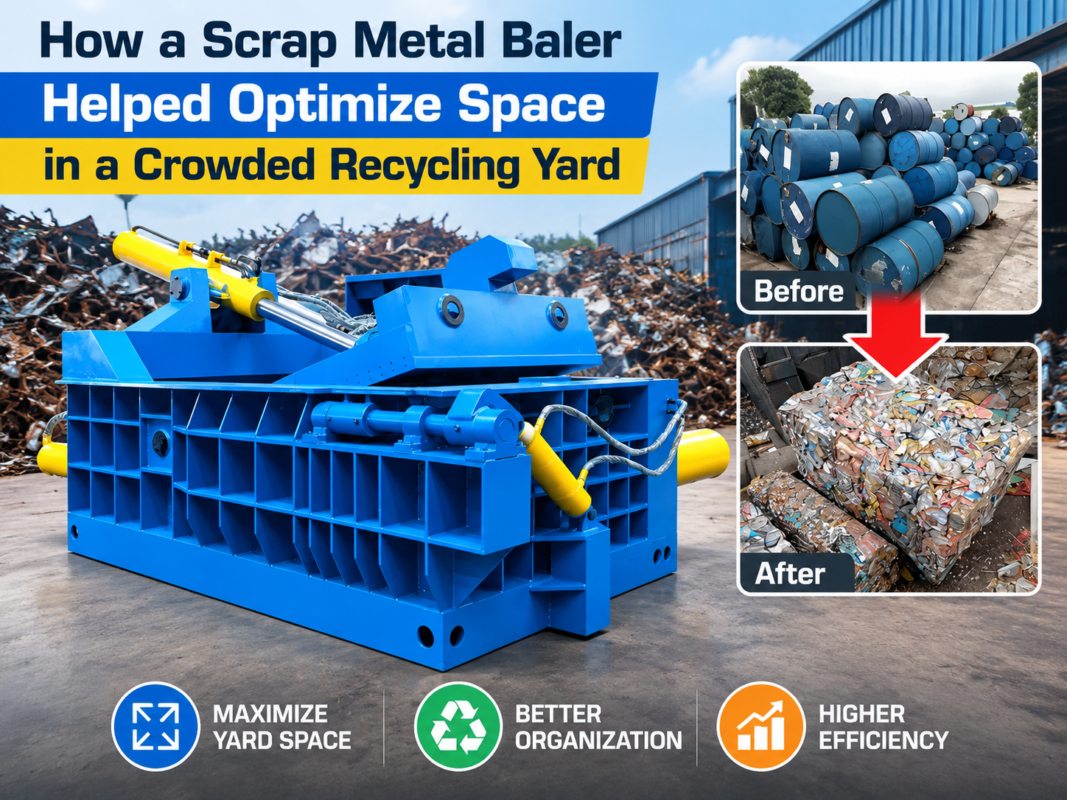
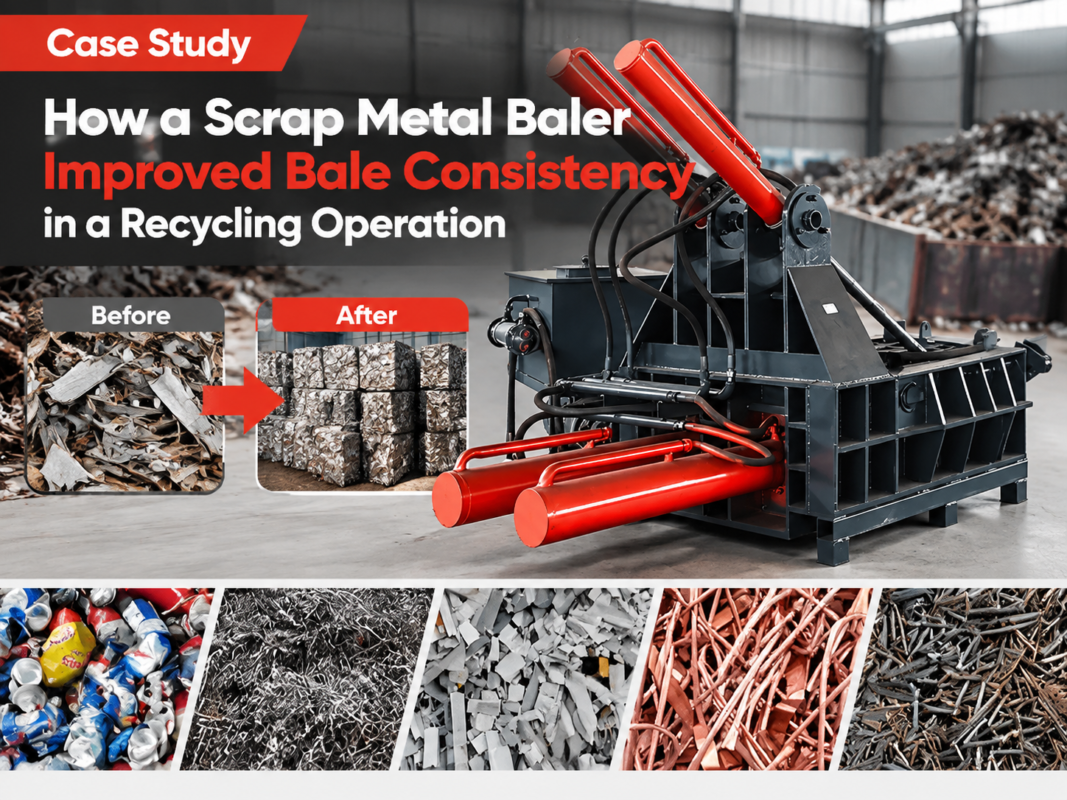
Beyond logistics, balers increase the market value of the scrap. Smelters prefer baled material because it is easier to handle with magnets and conveyors, and it melts more efficiently in the furnace with less oxidation loss compared to loose, thin scrap. Consequently, baled scrap often commands a “premium” price per ton. Additionally, baling allows for better inventory management. Dense bales can be stacked high in a warehouse, freeing up valuable yard space for more material intake, effectively increasing the facility’s total capacity without expanding its physical footprint.
Case Example: ROI in a Mid-Sized Recycling Yard
Consider a mid-sized recycling yard that processes approximately 500 tons of mixed metal scrap per month. Before investing in a HARSLE hydraulic baler, they were shipping loose scrap in open-top trailers. Their average transportation cost was $25 per ton due to the high number of trips required. After implementing a high-density baler, they were able to increase their load density, bringing their transportation cost down to $8 per ton—a saving of $8,500 per month on logistics alone.
Furthermore, by producing high-quality, uniform bales, they were able to negotiate a $15 per ton premium from their local steel mill. This added another $7,500 to their monthly revenue. Between the cost savings and the increased revenue, the yard saw a total monthly profit increase of $16,000. With the machine costing approximately $80,000, the business achieved a full Return on Investment (ROI) in just five months. This real-world scenario illustrates the profound impact that the right machinery can have on a business’s financial health.
Frequently Asked Questions (FAQ)
What is the average lifespan of a scrap metal baler?
With proper maintenance, a high-quality scrap metal baler from a reputable manufacturer like HARSLE can last 15 to 20 years. Regular oil changes, seal replacements, and monitoring the wear plates are essential for longevity.
Can one baler handle all types of metal?
Yes, most industrial balers are versatile enough to handle various metals, including steel, aluminum, copper, and stainless steel. However, the settings (such as pressure and cycle time) may need to be adjusted via the PLC for different material densities.
How do I choose between a manual and an automatic baler?
The choice depends on your volume. If you process more than 5-10 tons of scrap per day, an automatic or semi-automatic system is recommended to reduce labor costs and ensure consistent bale density. For smaller operations, a manual valve-controlled machine may be more cost-effective initially.
What safety features should I look for?
Safety is paramount in metal fabrication. Look for machines with emergency stop buttons, safety interlocks on the chamber lids, and infrared sensors that prevent the machine from operating if a person is in the loading zone.
Conclusion: Investing in the Future of Recycling
In conclusion, the question of how scrap metal balers increase profitability in scrap metal recycling businesses is answered through a combination of operational efficiency, logistical savings, and value-added processing. By transforming bulky, low-value waste into high-density, high-value commodities, these machines empower recyclers to compete in a global market. Investing in a high-quality baler is not just a capital expenditure; it is a strategic move toward long-term sustainability and profitability.
At HARSLE, we specialize in providing cutting-edge metal fabrication and recycling equipment tailored to your specific needs. Whether you are a small yard looking for your first baler or a large industrial facility seeking to automate your waste stream, our team is here to help you select the perfect machine configuration to maximize your ROI. Contact us today to learn more about our scrap metal baling solutions and take the first step toward a more profitable recycling business.