Scrap Metal Baler Uses in Foundries and Metal Fabrication Workshops: A Comprehensive Guide

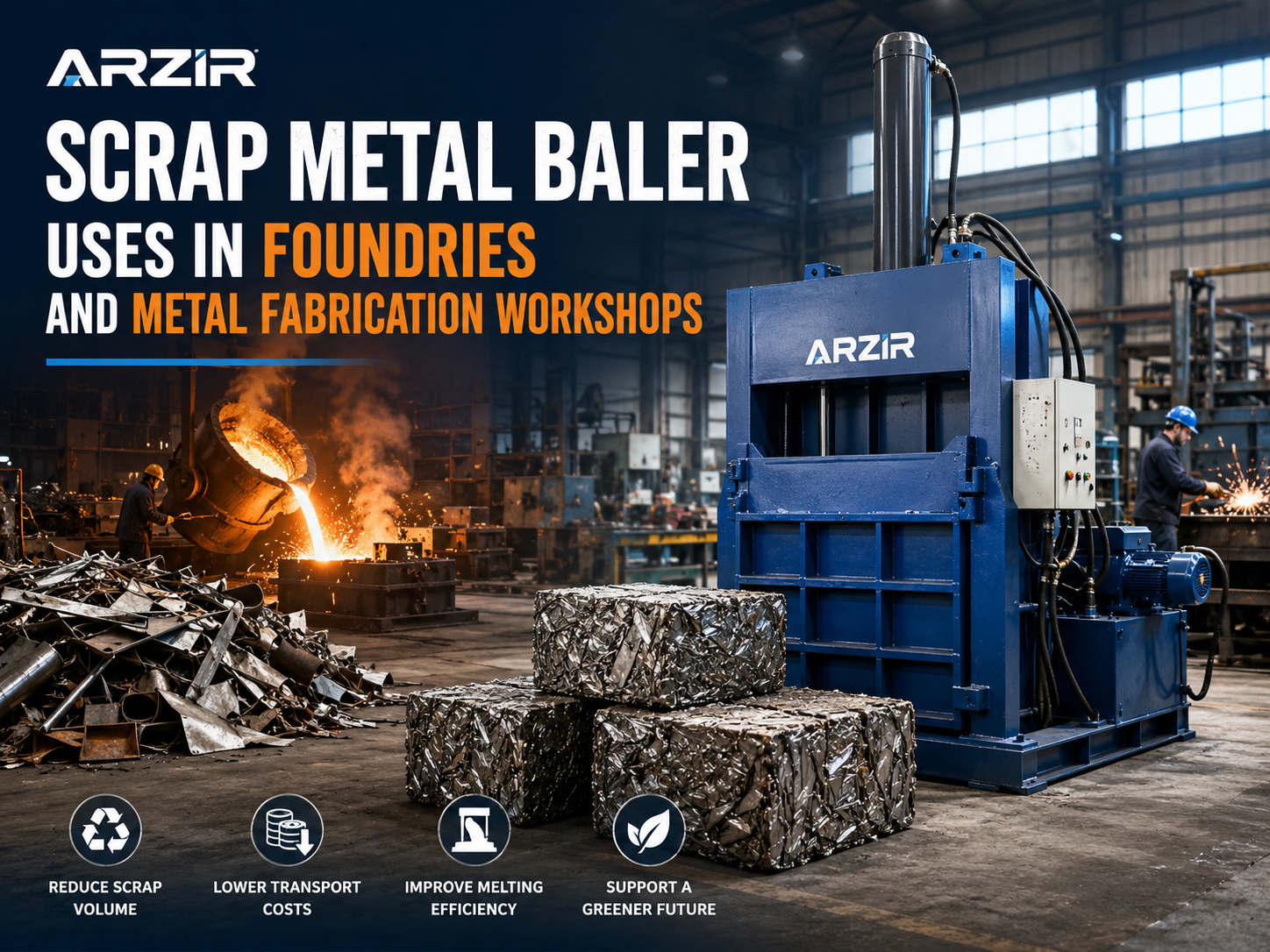
Introduction to Scrap Metal Baler Uses In Foundries Metal Fabrication Workshops
In the modern industrial landscape, the efficiency of material handling and waste management often dictates the profitability of a manufacturing facility. For foundries and metal fabrication workshops, scrap metal is an inevitable byproduct of the production process. Whether it is the ‘skeletons’ left over from a fiber laser cutting machine, the punchings from a turret press, or the trimmings from a shearing operation, managing this waste is a logistical challenge. This is where the scrap metal baler becomes an indispensable asset. By compressing loose metal scrap into dense, manageable blocks, these machines transform a messy liability into a streamlined resource.
Understanding the specific scrap metal baler uses in foundries and metal fabrication workshops is crucial for plant managers looking to optimize their workflow. A baler does more than just ‘tidy up’ the shop floor; it plays a vital role in the metallurgical quality of recycled melts, the safety of the working environment, and the overall carbon footprint of the facility. As global metal prices fluctuate and environmental regulations tighten, the ability to process scrap in-house provides a significant competitive advantage. This guide explores the technical applications, machine configurations, and operational benefits of integrating a HARSLE scrap metal baler into your production line.
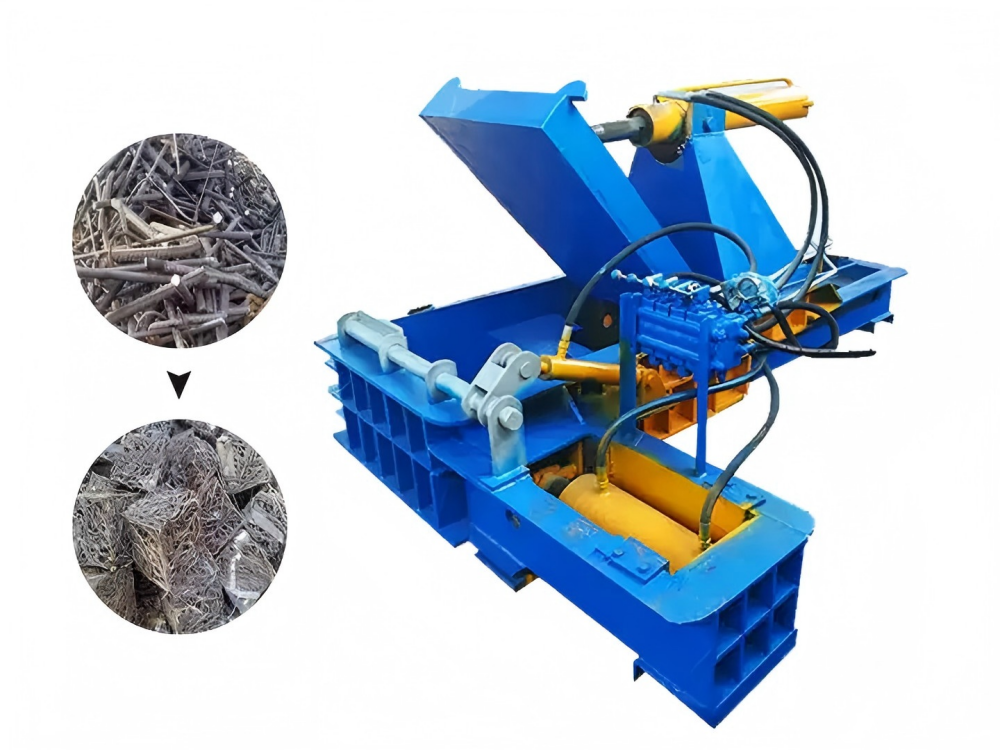
Application Scenarios in Foundries and Workshops
1. Foundry Furnace Charging Optimization
In a foundry environment, the primary use of a scrap metal baler is to prepare ‘charge’ for the induction or electric arc furnaces. Loose scrap, such as thin sheets or wire, has a high surface-area-to-volume ratio. When thrown into a furnace, this results in high oxidation rates and significant ‘melt loss,’ where the metal burns away rather than melting. By using a baler to create high-density cubes, foundries ensure that the metal sinks quickly into the molten bath, reducing oxidation and improving the chemical yield of the melt. This consistency is vital for maintaining the metallurgical integrity of the final castings.
2. High-Volume Fabrication Waste Management
Metal fabrication workshops dealing with high-speed CNC punching and laser cutting generate massive amounts of ‘skeletons’ and offcuts. These materials are often sharp, awkward to handle, and take up immense floor space. A scrap metal baler allows these workshops to process waste at the source. Instead of having multiple large bins filled with ‘air’ and tangled metal, the workshop can produce compact bales that are easily stacked. This clears valuable floor space for more production machinery or raw material storage, directly impacting the facility’s throughput capacity.
3. Logistics and Transportation Efficiency
For many workshops, scrap is sold to external recyclers. Transporting loose scrap is notoriously inefficient; a truck might reach its volume capacity long before it reaches its weight capacity. By baling the scrap, workshops can maximize the weight of every truckload. This reduces the number of trips required, lowering transportation costs and reducing the facility’s logistics-related carbon emissions. In many cases, scrap dealers offer a higher price per ton for baled material compared to loose scrap because it saves them the processing step.
4. Safety and Housekeeping
Loose metal scrap is a significant safety hazard. Sharp edges can cause lacerations, and piles of scrap can lead to trips and falls. Furthermore, loose scrap often harbors residual cutting oils or coolants, which can leak onto the floor and create slip hazards. A scrap metal baler centralizes the waste management process. By immediately baling scrap, the workshop remains clean, organized, and compliant with occupational health and safety standards. This ‘5S’ approach to scrap management fosters a more professional and productive working environment.
Material and Process Requirements
Material Types and Compressibility
The effectiveness of a scrap metal baler depends heavily on the material being processed. In foundries and fabrication shops, common materials include carbon steel, stainless steel, aluminum, copper, and brass. Each material has different yield strengths and ‘spring-back’ characteristics. For instance, aluminum is highly compressible but requires specific pressure settings to prevent the bale from expanding after ejection. Stainless steel, being much harder, requires higher hydraulic force and wear-resistant liners within the baling chamber to withstand the abrasive nature of the material.
Thickness and Geometry Constraints
Not all scrap is created equal. Thin-gauge sheet metal (under 3mm) is ideal for standard baling. However, thicker structural steel or heavy plate offcuts may require a baler equipped with integrated shearing blades. These blades, located on the edges of the lid and the compression chamber, cut through overhanging pieces as the machine closes, ensuring a clean bale and preventing jams. Understanding the maximum thickness your workshop produces is essential for selecting the right machine tonnage.
Bale Density and Size Requirements
For foundries, the bale size must match the furnace mouth dimensions. A bale that is too large won’t fit, while one that is too small might not provide the required density for efficient melting. Standard bale sizes range from 200x200mm for small jewelry or precision foundries to 600x600mm or larger for heavy industrial applications. The ‘density’ of the bale is controlled by the system pressure; higher density is generally preferred for ferrous metals to minimize air pockets that cause furnace splashing.
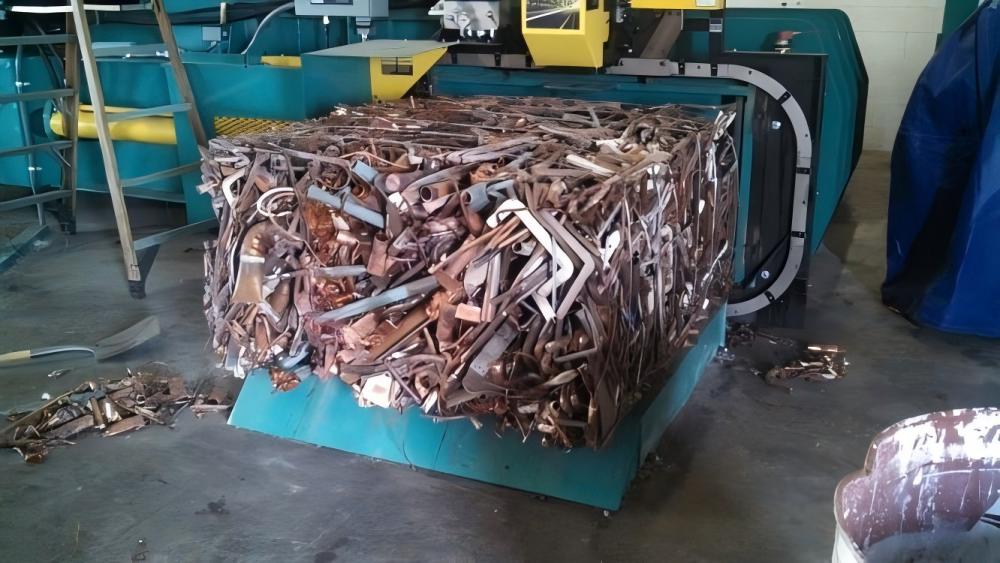
Recommended Machine Configuration
Hydraulic System and Pressure Selection
The heart of the scrap metal baler is its hydraulic system. For typical fabrication workshops, a machine with a nominal force of 125 to 250 tons is usually sufficient. However, heavy-duty foundries processing thick castings or structural scrap may require 400 to 600 tons of pressure. HARSLE machines utilize high-pressure plunger pumps and integrated valve blocks to ensure smooth, consistent pressure application. It is recommended to choose a system with an oil cooler (either air or water-cooled) if the machine will be running continuously, as hydraulic fluid loses efficiency when overheated.
Discharge Methods: Turn-out vs. Side-push
There are three primary ways a baler can eject the finished product: Turn-out (Side-flip), Side-push, and Forward-out. The ‘Turn-out’ model is popular in smaller workshops because it is cost-effective and simple. The ‘Side-push’ model is preferred for high-speed automated lines where the bale needs to be pushed directly onto a conveyor belt. For foundries where the bale might be heavy, a ‘Forward-out’ or ‘Side-push’ mechanism is often more robust and easier to integrate with robotic handling systems.
Chamber Liners and Wear Resistance
Because scrap metal is abrasive, the interior of the baling chamber must be lined with wear-resistant plates. High-quality balers use Hardox or similar manganese steel liners. These plates are replaceable, ensuring that the main structure of the machine remains protected over years of heavy use. For workshops processing stainless steel or other hard alloys, thickened liners and reinforced welding are critical configurations to look for.
Control Systems: Manual vs. PLC
While manual valve operation is available and highly durable, modern scrap metal baler uses in foundries and metal fabrication workshops often demand PLC (Programmable Logic Controller) automation. A PLC system allows for ‘one-button’ operation, where the machine automatically cycles through the lid closing, primary compression, side compression, and ejection phases. This reduces the labor requirement and ensures that every bale is produced with consistent density and dimensions.
The Operational Workflow
- Collection and Sorting: Scrap is collected at the source (e.g., under the laser cutter) and sorted by material type. Mixing aluminum and steel scrap reduces the resale value and can contaminate foundry melts.
- Loading the Chamber: The operator loads the loose scrap into the open compression chamber. For large skeletons, the material can be fed using an overhead crane or a forklift with a rotating clamp.
- Primary Compression: The lid (or ‘hopper’) closes. If the machine is equipped with shearing blades, any overhanging scrap is cut at this stage. The lid provides the first axis of compression.
- Secondary/Side Compression: The side ram moves forward, compressing the metal into the final bale shape against the end wall or the ejection gate. This is where the maximum density is achieved.
- Ejection: Once the compression cycle is complete, the ejection gate opens (in side-push models) or the chamber flips (in turn-out models), and the finished bale is removed.
- Storage and Transport: Bales are stacked on pallets or stored in designated zones, ready for the furnace or the scrap truck.
Productivity and Economic Benefits
Direct Cost Savings
The most immediate benefit is the reduction in waste disposal fees. Many waste management companies charge by the volume of the bin. By reducing the volume of scrap by up to 90%, a workshop can drastically cut these monthly expenses. Furthermore, the ‘clean’ and ‘dense’ nature of baled scrap allows workshops to negotiate better rates with metal recyclers, often turning a waste disposal cost into a significant revenue stream.
Improved Melt Efficiency in Foundries
For foundries, the productivity benefit is measured in ‘yield.’ If a foundry processes 1,000 tons of scrap a year and improves its melt yield by just 3% through better baling (reducing oxidation loss), that equates to 30 tons of ‘free’ metal. At current market prices, this alone can pay for the baler within the first year of operation. Additionally, dense bales melt faster, reducing the energy consumption per ton of molten metal produced.
Labor and Space Optimization
Manually managing loose scrap is labor-intensive. It requires constant bin swapping, flattening of pieces, and tidying of spills. A scrap metal baler automates this drudgery. One operator can process the entire day’s scrap in a fraction of the time it would take to manage loose piles. The reclaimed floor space can be used for high-value activities, such as adding a new welding station or increasing raw material inventory to hedge against price spikes.
Case Example: Mid-Sized Automotive Component Foundry
A mid-sized foundry specializing in aluminum automotive components was struggling with high melt loss and rising transport costs. They were generating approximately 15 tons of aluminum offcuts and ‘flash’ per week. Previously, this was stored in large, loose piles and sold to a local recycler at a discount due to its bulkiness.
After implementing a HARSLE Y81-series hydraulic scrap metal baler, the foundry saw immediate results. They began baling their aluminum scrap into 300x300mm blocks. These blocks were then fed directly back into their own induction furnaces. The results were: 1) Melt loss reduced by 4.5% due to decreased surface oxidation. 2) Storage space requirement reduced by 80%. 3) Transport costs for excess scrap eliminated as they could now process almost all waste in-house. The machine reached its Return on Investment (ROI) in less than 10 months.
Frequently Asked Questions (FAQ)
What is the best baler for a small fabrication shop?
For smaller shops, a 125-ton or 160-ton ‘Turn-out’ baler is usually the best choice. It is compact, requires minimal maintenance, and can handle the typical gauges of sheet metal used in general fabrication. It provides a good balance between investment cost and operational efficiency.
Can one baler handle different types of metal?
Yes, a scrap metal baler can process various metals, including steel, aluminum, and copper. However, it is vital to clean the chamber between different materials to prevent cross-contamination, especially if the bales are intended for foundry use where chemical purity is critical.
How much maintenance does a scrap metal baler require?
Routine maintenance involves checking hydraulic oil levels, inspecting seals for leaks, and greasing moving parts. The wear plates inside the chamber should be inspected monthly and replaced when they show significant thinning. HARSLE machines are designed for easy access to all maintenance points to minimize downtime.
Does the machine need a special foundation?
Most medium-sized balers do not require a deep reinforced foundation but should be placed on a level, thick concrete floor (typically 200mm+). Larger, high-tonnage machines may require specific anchoring to handle the vibration and force of the hydraulic rams.
Conclusion: Why Choose HARSLE for Your Scrap Management?
The scrap metal baler uses in foundries and metal fabrication workshops are diverse and impactful. From improving the bottom line through better scrap prices to enhancing the safety and efficiency of the shop floor, these machines are a cornerstone of modern industrial waste management. HARSLE provides a range of hydraulic scrap metal balers tailored to the specific needs of the metalworking industry. Our machines are built with durability, ease of use, and high performance in mind, ensuring that your investment continues to deliver value for decades.
Ready to transform your scrap management process? Contact HARSLE today to speak with our technical experts about the right baler configuration for your facility. Let us help you turn your waste into a valuable resource.