Scrap Metal Baler Applications for Sustainable Industrial Waste Management

Introduction to Scrap Metal Baler Applications for Sustainable Industrial Waste Management
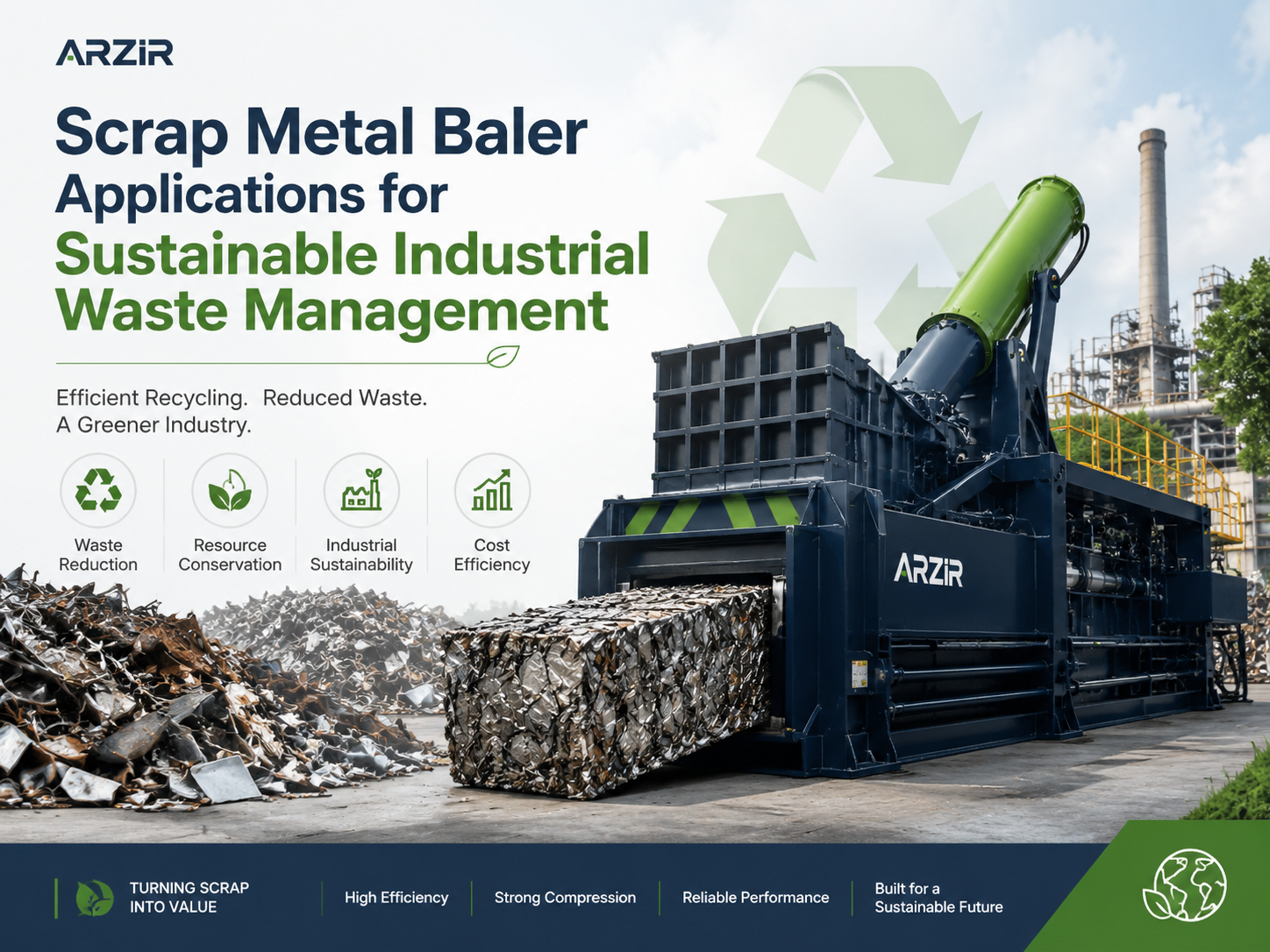
In the modern industrial landscape, the push toward a circular economy has transformed how manufacturers view waste. No longer seen as a mere byproduct to be discarded, scrap metal is now recognized as a valuable resource that requires efficient handling. Scrap metal baler applications for sustainable industrial waste management have become the cornerstone of this transformation. By compressing loose metal debris into dense, manageable blocks, these machines facilitate easier transport, storage, and smelting, significantly reducing the carbon footprint of the manufacturing sector.
HARSLE, a leader in metal fabrication machinery, understands that sustainability is not just a buzzword but a logistical necessity. The integration of high-performance hydraulic balers into production lines allows companies to reclaim floor space, minimize logistics costs, and contribute to global recycling efforts. This guide explores the multifaceted applications of scrap metal balers and how they serve as a catalyst for sustainable industrial practices.
Application Scenarios for Scrap Metal Balers
Automotive Manufacturing and Assembly
The automotive industry is one of the largest generators of metal scrap, particularly steel and aluminum offcuts from stamping and body-in-white processes. Scrap metal baler applications for sustainable industrial waste management in this sector focus on high-speed processing. As car parts are punched out of large sheets, the remaining ‘skeleton’ or offcut is immediately fed into a baler. This prevents the accumulation of sharp, hazardous waste on the factory floor and ensures that high-grade alloys are kept separate for premium recycling value.
Large-Scale Recycling Centers
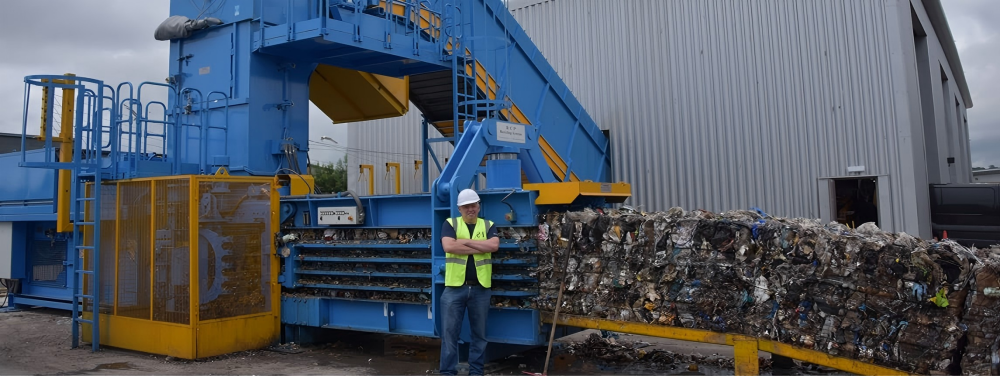
Recycling facilities act as the central hubs for urban and industrial waste. Here, balers are used to process everything from discarded appliances (white goods) to structural steel from demolition sites. The ability to handle diverse materials—ranging from thin copper wiring to thick steel plates—makes the scrap metal baler an indispensable tool. By creating uniform bales, these centers can maximize the weight capacity of shipping containers and trucks, leading to fewer trips and lower fuel consumption.
Aerospace and High-Tech Manufacturing
In aerospace, materials like titanium, Inconel, and specialized aluminum alloys are common. These materials are expensive, and their waste is equally valuable. Sustainable industrial waste management in aerospace requires balers that can handle high-strength materials without contaminating the scrap. Precision baling allows these manufacturers to return high-purity scrap to mills for closed-loop recycling, which is a critical component of modern aerospace sustainability goals.
Construction and Demolition Sites
On-site waste management is a growing trend in the construction industry. Portable or semi-mobile scrap metal balers are deployed to demolition sites to process rebar, copper piping, and aluminum siding. Instead of hauling loose, voluminous debris, contractors can bale the metal on-site. This not only improves site safety by removing tripping hazards but also provides a clear audit trail for green building certifications like LEED.
Material and Process Requirements
To achieve success in scrap metal baler applications for sustainable industrial waste management, one must understand the physical properties of the materials being processed. Not all scrap is created equal, and the baling process must be tailored to the specific metal type.
- Ferrous Metals: Includes steel and iron. These materials are often bulky and require high compression forces. The process must account for the spring-back effect, where the metal attempts to return to its original shape after the ram retracts.
- Non-Ferrous Metals: Includes aluminum, copper, and brass. These are softer but often more valuable. The primary requirement here is preventing cross-contamination and ensuring the bale is dense enough to prevent oxidation during long-term storage.
- Material Thickness: Balers are rated for maximum material thickness. Attempting to bale structural I-beams in a machine designed for light cans will lead to hydraulic failure. Shearing blades integrated into the baler lid are often required to cut oversized pieces during the compression cycle.
- Volume and Throughput: Industrial operations must match the baler’s cycle time with the production line’s output. A mismatch leads to bottlenecks or underutilized machinery.
Recommended Machine Configuration
Choosing the right configuration is vital for optimizing scrap metal baler applications for sustainable industrial waste management. HARSLE recommends several key features for industrial-grade performance:
| Feature | Requirement for Sustainability | Benefit |
|---|---|---|
| Hydraulic System | Variable displacement pumps | Reduces energy consumption by adjusting power based on load. |
| Chamber Lining | Hardox or high-manganese steel | Extends machine life and reduces maintenance waste. |
| Control System | PLC with Touch Screen (Siemens/Schneider) | Allows for precise pressure settings and remote diagnostics. |
| Cooling System | Industrial water or air cooling | Ensures continuous operation in high-temperature environments. |
| Ejection Method | Side-push or Turn-out | Automates the removal process, increasing safety and speed. |
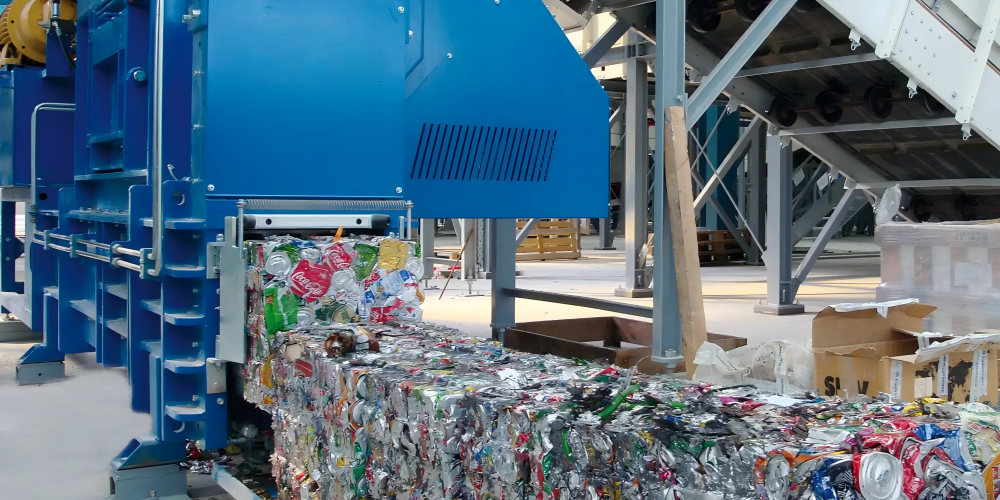
For heavy-duty applications, a triple-compression baler is often recommended. This configuration applies pressure from three directions (longitudinal, lateral, and vertical), resulting in the highest possible bale density. High density is the gold standard for sustainable waste management because it directly correlates to lower shipping costs and better melting efficiency in electric arc furnaces (EAF).
Workflow of an Industrial Scrap Metal Baler
The workflow of scrap metal baler applications for sustainable industrial waste management is a streamlined process designed for maximum efficiency and minimal human intervention.
- Collection and Sorting: Scrap is collected from the production line. Sorting is crucial; mixing stainless steel with carbon steel reduces the scrap value and complicates the recycling process.
- Loading: Material is loaded into the compression chamber using a crane, conveyor belt, or manual hopper. Many HARSLE balers feature a large hopper design to accommodate oversized scrap.
- Pre-Compression: The lid of the baler closes. If the machine is equipped with shearing blades, any overhanging scrap is cut at this stage.
- Main Compression: The side and main rams engage, crushing the metal into a rectangular or cylindrical shape. The PLC monitors the pressure to ensure the bale reaches the target density.
- Bale Ejection: Once the cycle is complete, the bale is pushed out of the chamber. Depending on the model, this can be a ‘turn-out’ (where the bale is flipped out) or a ‘side-push’ (where it is pushed through a side gate).
- Transport: The finished bales are stacked and loaded onto transport vehicles. Because of their uniform shape, they can be stacked safely and efficiently.
Productivity and Sustainability Benefits
Implementing scrap metal baler applications for sustainable industrial waste management offers a range of benefits that go beyond simple waste disposal. These benefits impact the bottom line and the environment simultaneously.
Logistics and Transportation Savings
Loose scrap metal is incredibly inefficient to transport. A truck filled with loose aluminum cans might only carry a fraction of its weight capacity because the volume is so high. Baling increases the density of the load, allowing trucks to carry their maximum weight capacity. This reduces the number of trips required, leading to significant savings in fuel and a reduction in CO2 emissions.
Space Optimization
In a busy manufacturing plant, floor space is at a premium. Piles of loose scrap take up valuable real estate that could be used for additional production lines or inventory. Bales can be stacked vertically, reducing the footprint of waste storage by up to 80%.
Enhanced Safety and Compliance
Loose metal scrap is sharp, heavy, and unpredictable. It poses a significant risk of cuts and crush injuries to workers. By containing scrap within dense bales, the risk of workplace accidents is greatly reduced. Furthermore, many environmental regulations require proper containment of industrial waste to prevent soil and water contamination from residual oils or chemicals on the metal.
Increased Revenue
Recycling yards pay a premium for baled scrap compared to loose scrap. Baled scrap is easier for them to handle and can be fed directly into furnaces. By investing in a HARSLE baler, companies can turn a waste disposal cost into a consistent revenue stream.
Case Example: Automotive Parts Manufacturer
A mid-sized automotive parts manufacturer was struggling with the volume of steel offcuts generated by their stamping presses. They were using open-top bins that required daily pickups, costing them thousands of dollars in monthly hauling fees. The loose scrap was also spilling into walkways, creating safety hazards.
After consulting with HARSLE, they implemented a Y81 series hydraulic scrap metal baler integrated with a conveyor system. The results were immediate:
- Hauling Frequency: Reduced from daily to once a week.
- Labor Costs: Two employees who were previously dedicated to managing scrap bins were reassigned to production roles.
- Safety: Reportable ‘trip and cut’ incidents related to scrap dropped to zero.
- ROI: The machine paid for itself within 14 months through increased scrap value and reduced logistics costs.
This case highlights how scrap metal baler applications for sustainable industrial waste management are not just an environmental choice, but a sound financial strategy.
Frequently Asked Questions (FAQ)
What is the typical lifespan of an industrial scrap metal baler?
With proper maintenance, a high-quality baler from HARSLE can last 15 to 20 years. Key maintenance tasks include regular oil changes, monitoring hydraulic seals, and replacing the wear plates inside the compression chamber.
Can one baler handle different types of metal?
Yes, most balers can handle various metals, including steel, aluminum, copper, and stainless steel. However, it is vital to clean the chamber between different materials to prevent contamination, especially if you are processing high-value non-ferrous metals.
How do I determine the right bale size for my operation?
Bale size should be determined by your end-buyer (the smelter or recycling yard) and your transport method. Standard sizes like 300x300mm or 600x600mm are common because they fit well in standard shipping containers and furnace doors.
What are the power requirements for these machines?
Industrial balers typically require 3-phase power. The exact wattage depends on the motor size, which ranges from 15kW for light-duty machines to over 100kW for heavy-duty, high-speed models. HARSLE offers energy-efficient motor options to minimize operational costs.
Is operator training required?
While modern PLC-controlled balers are easy to operate, formal training is essential for safety. Operators must understand how to load the machine correctly, how to use the emergency stop functions, and how to perform basic daily inspections.
Conclusion: The Future of Industrial Waste
As global regulations tighten and the cost of raw materials continues to rise, the importance of scrap metal baler applications for sustainable industrial waste management will only grow. These machines are no longer optional accessories; they are vital components of a modern, efficient, and responsible manufacturing strategy. By choosing HARSLE machinery, businesses invest in a future where waste is minimized, profits are maximized, and the environment is protected.
Ready to transform your waste management process? Contact HARSLE today to discuss our range of hydraulic scrap metal balers and find the perfect configuration for your specific industrial needs. Let us help you turn your scrap into a sustainable advantage.