How to Prevent Downtime with a Simple Industrial Shredder Maintenance Plan

The Critical Role of Maintenance in Industrial Shredding Operations
In the world of high-volume manufacturing and waste management, the industrial shredder stands as a cornerstone of efficiency. Whether you are processing scrap metal, plastics, or wood, the reliability of your equipment directly dictates your bottom line. When a shredder fails, the entire production line often grinds to a halt, leading to missed deadlines, wasted labor costs, and expensive emergency repairs. Understanding how to prevent downtime with a simple industrial shredder maintenance plan is not just a technical necessity; it is a strategic business advantage. By implementing a structured approach, operators can extend the lifespan of their HARSLE machinery and ensure consistent throughput.
Preventative maintenance is the practice of performing regularly scheduled inspections and servicing to identify potential issues before they escalate into catastrophic failures. For industrial shredders, which operate under extreme mechanical stress and high torque, this proactive approach is vital. A well-maintained machine runs more smoothly, consumes less energy, and produces a more uniform output. Conversely, neglecting maintenance leads to a ‘run-to-fail’ mentality that is significantly more expensive in the long run. The goal of this guide is to provide a comprehensive framework that simplifies these complex tasks into manageable daily, weekly, and monthly routines.
HARSLE understands that industrial environments are demanding. Dust, heat, and heavy loads are constant challenges. Therefore, a maintenance plan must be robust yet simple enough for operators to follow without specialized engineering degrees. By focusing on the core systems—mechanical, hydraulic, and electrical—you can create a shield against unexpected breakdowns. This guide will walk you through every step of the process, ensuring your facility remains productive and safe.
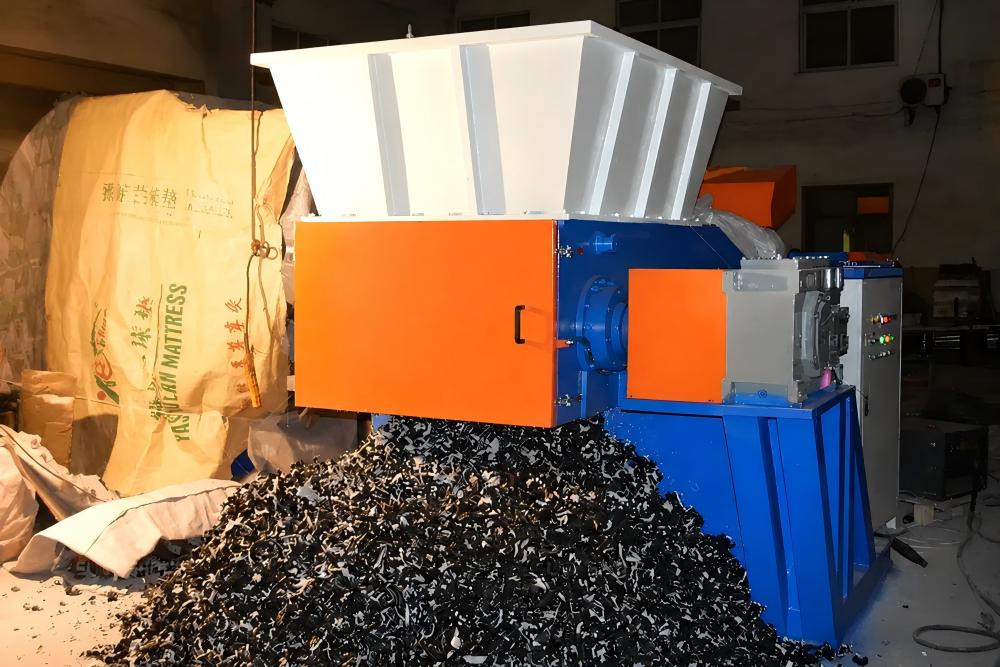
Why You Need a Preventative Maintenance Plan
The primary objective of a maintenance plan is to prevent downtime a simple industrial shredder maintenance plan can achieve this by addressing the root causes of mechanical wear. Industrial shredders are subject to immense friction and vibration. Over time, even the strongest steel components will fatigue. Without a plan, these minor wear patterns go unnoticed until a shaft snaps or a motor burns out. A structured plan shifts the focus from ‘fixing’ to ‘preserving,’ which is inherently more cost-effective.
Beyond cost savings, safety is a paramount concern. A shredder that is not properly maintained poses a significant risk to operators. Loose blades can become projectiles, and faulty electrical sensors might fail to trigger an emergency stop when needed. A rigorous maintenance schedule ensures that all safety features are functional, protecting your most valuable asset: your workforce. Furthermore, consistent maintenance preserves the resale value of the equipment, ensuring that if you ever decide to upgrade your HARSLE machinery, you receive a premium return on your investment.
Finally, throughput quality is heavily dependent on the condition of the machine. In metal fabrication and recycling, the size and consistency of the shredded material are often critical for downstream processes. Worn blades or improper gap settings result in ‘oversized’ material or excessive dust, both of which can lead to rejections from buyers. By maintaining the machine to factory specifications, you guarantee that every ton of material processed meets the required quality standards, thereby maximizing your revenue per hour of operation.
Daily Inspection: The First Line of Defense
The daily inspection is perhaps the most important part of the entire maintenance cycle. It should take no more than 15 to 20 minutes but can save hundreds of hours in lost production. Before the shift begins, the operator should perform a comprehensive visual walk-around. This involves checking for any obvious signs of trouble, such as pools of hydraulic fluid on the floor, loose bolts near the hopper, or debris caught in the safety guards. A clean machine is easier to inspect, so removing accumulated dust and scrap from the exterior is a vital first step.
During the daily check, pay close attention to the cutting chamber. While the machine is locked out and tagged out, inspect the blades for any visible chips or excessive rounding. If you are processing metal, look for ‘tramp metal’—pieces of hardened steel or non-shreddable items that may have accidentally entered the hopper. These items can cause immediate damage if the machine is started. Checking the tension of drive belts and the integrity of the coupling is also essential, as these components are the primary transmitters of power from the motor to the shafts.
Listen to the machine during startup. An experienced operator can often ‘hear’ a problem before they see it. Unusual grinding, high-pitched squealing, or excessive vibration are all red flags. If the shredder sounds different than it did the day before, it warrants an immediate investigation. Documenting these daily findings in a logbook is crucial. This log creates a historical record that can help technicians identify patterns of wear, making it easier to predict when specific parts will need replacement.
Hydraulic, Electrical, and Mechanical System Checks
Hydraulic System Integrity
Many industrial shredders rely on hydraulic rams to push material into the cutting rotor. The hydraulic system is the ‘muscle’ of the machine, and its health is dependent on the quality and temperature of the fluid. Check the fluid levels daily and look for signs of aeration or foaming, which could indicate a leak in the suction line. The hydraulic oil should be clear; if it appears milky or dark, it has likely been contaminated by water or oxidized by extreme heat, requiring an immediate change.
Filters are the unsung heroes of the hydraulic system. They must be replaced according to the manufacturer’s intervals, or sooner if the environment is particularly dusty. A clogged filter causes a drop in pressure, forcing the pump to work harder and increasing the risk of cavitation. Additionally, inspect all hoses for signs of bulging, cracking, or weeping. A high-pressure hydraulic leak is not just a maintenance issue; it is a severe fire and safety hazard.
Electrical and Control Systems
The electrical cabinet is the ‘brain’ of the shredder. In a metal fabrication environment, fine metallic dust can find its way into electrical enclosures, leading to short circuits or overheating. Regularly vacuum (do not blow with compressed air) the interior of the control panel to remove dust. Ensure that all cooling fans are operational and that the filters on the cabinet doors are clean. Overheating is a leading cause of PLC (Programmable Logic Controller) failure, which can be expensive and time-consuming to repair.
Test all emergency stop buttons and safety interlocks weekly. These components must work perfectly every time. Check the wiring for any signs of fraying or heat damage, particularly near the motor connections. If your shredder uses sensors to monitor load or shaft speed, ensure they are clean and properly aligned. A misaligned sensor can provide false readings to the control system, causing the machine to operate inefficiently or trigger unnecessary shutdowns.
Mechanical Components and Blade Maintenance
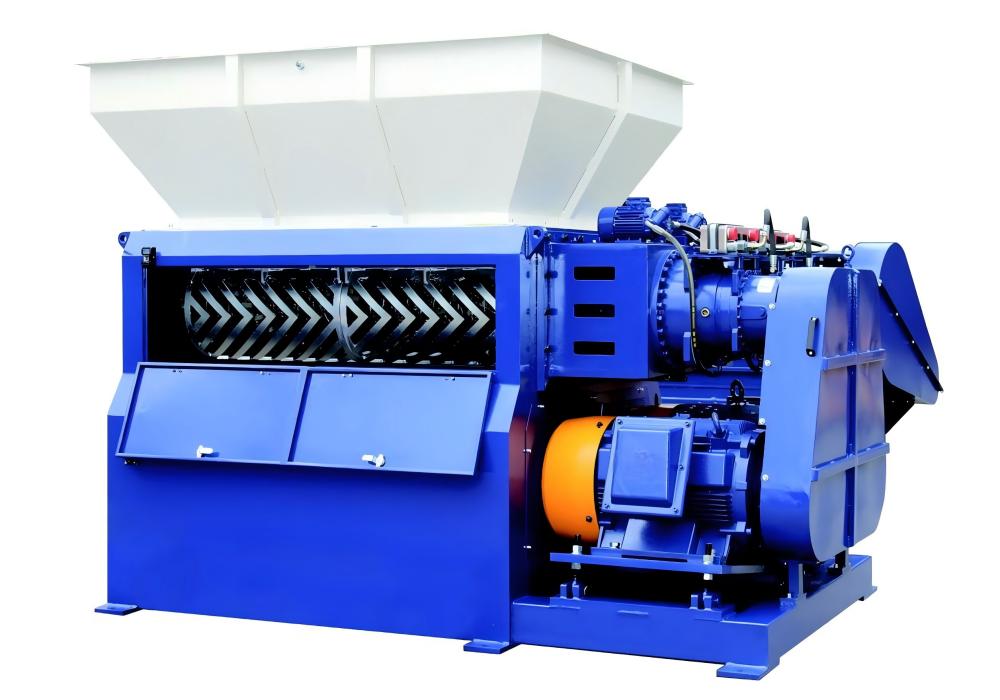
The mechanical heart of the shredder consists of the shafts, bearings, and cutting blades. The blades are consumable items, but their life can be extended through proper care. Check the gap between the rotating blades and the counter-knives. If the gap is too wide, the machine will ‘tear’ rather than ‘cut,’ increasing the load on the motor and reducing throughput. Adjusting these tolerances according to the HARSLE manual is a critical task that should be performed monthly.
Bearings are under constant stress and must be monitored for heat and vibration. Using a handheld infrared thermometer to check bearing temperatures during operation can provide early warning of failure. If one bearing is significantly hotter than the others, it likely requires lubrication or is reaching the end of its service life. Similarly, check the gearbox oil level and look for metallic flakes in the oil, which would indicate internal gear wear.
Developing a Comprehensive Lubrication Plan
Lubrication is the lifeblood of any industrial machine. Without it, metal-on-metal contact leads to rapid wear and eventual seizure. However, simply ‘adding grease’ is not enough. A professional lubrication plan specifies the type of lubricant, the quantity, and the frequency of application. Different components require different products; for example, high-speed bearings may require a synthetic grease with specific additives, while heavy-duty gearboxes need high-viscosity gear oil.
Over-lubrication can be just as damaging as under-lubrication. Excessive grease can blow out seals, allowing contaminants to enter the bearing housing, and can also cause internal friction that leads to overheating. Use a calibrated grease gun to ensure the correct amount is delivered. It is also important to clean the grease nipples before application to prevent pushing dirt into the bearing. For machines operating in extreme temperatures, consider switching to seasonal lubricants that maintain their viscosity in both summer heat and winter cold.
Automatic lubrication systems are an excellent investment for high-production environments. These systems deliver small, precise amounts of lubricant at regular intervals while the machine is running. This ensures that the moving parts are always protected and reduces the labor required for manual greasing. Even with an automatic system, the reservoir must be checked regularly, and the delivery lines must be inspected for blockages or breaks.
Troubleshooting Signals: Identifying Problems Early
To effectively prevent downtime a simple industrial shredder maintenance plan must include a guide for troubleshooting common signals. The most common signal is a change in the sound of the machine. A rhythmic thumping often indicates a damaged blade or something wrapped around the shaft. A high-pitched whine might point to a failing hydraulic pump or a bearing that has lost its lubrication. Operators should be trained to recognize these sounds and empowered to stop the machine if something feels wrong.
Vibration is another key indicator. While all shredders vibrate to some extent, an increase in the amplitude or frequency of vibration is a sign of imbalance. This could be caused by uneven blade wear, a bent shaft, or loose mounting bolts. Using vibration analysis tools can provide a scientific way to monitor these changes over time, allowing for planned repairs during scheduled downtime rather than emergency fixes during a production run.
Monitor the amperage draw of the main motor. If the machine is drawing more current than usual to process the same amount of material, it indicates increased internal friction or dull blades. Similarly, a drop in throughput—where the machine takes longer to process a load—is a clear sign that the cutting system is no longer efficient. By tracking these performance metrics, you can identify the ‘slow decline’ of the machine’s health and intervene before a total failure occurs.
Industrial Shredder Maintenance Schedule Table
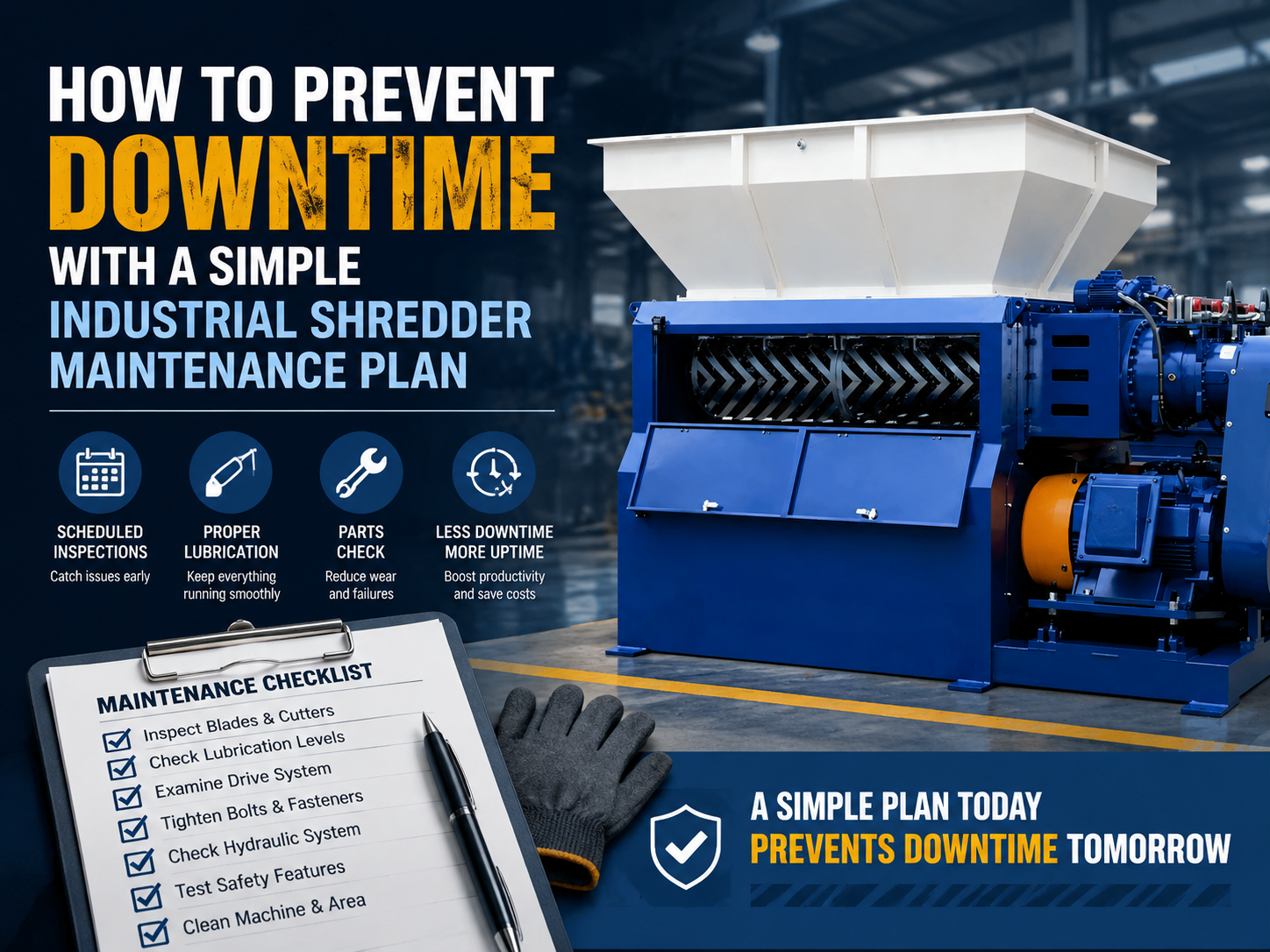
Use the following table as a template to build your own facility-specific maintenance schedule. Adjust the frequencies based on your specific material type and shift volume.
| Frequency | Component | Action Required | Responsibility |
|---|---|---|---|
| Daily | Cutting Chamber | Inspect for tramp metal and blade damage. | Operator |
| Daily | Hydraulic System | Check fluid levels and look for leaks. | Operator |
| Daily | Safety Systems | Test E-stops and visual/audible alarms. | Safety Officer |
| Weekly | Drive Belts/Chains | Check tension and alignment; adjust if necessary. | Maintenance Tech |
| Weekly | Electrical Cabinet | Clean dust filters and check cooling fans. | Maintenance Tech |
| Monthly | Bearings | Check temperature and apply grease (if manual). | Maintenance Tech |
| Monthly | Blade Gap | Measure and adjust clearance between blades. | Maintenance Tech |
| Quarterly | Gearbox | Sample oil for analysis; check for leaks. | Senior Tech |
| Annually | Full System Audit | Comprehensive inspection of structural integrity. | HARSLE Service |
Frequently Asked Questions (FAQ)
How often should I sharpen or replace my shredder blades?
The frequency of blade maintenance depends entirely on the material being processed. For soft plastics, blades may last months. For abrasive materials like glass-filled polymers or contaminated scrap metal, they may need attention every few weeks. The best indicator is a drop in throughput or an increase in the size of the shredded output. HARSLE recommends checking blade sharpness weekly and rotating or sharpening them as soon as the cutting edge rounds off.
What is the most common cause of industrial shredder failure?
The most common cause is ‘tramp metal’ or non-shreddable contaminants entering the machine. This causes immediate mechanical shock that can break blades, bend shafts, or damage the gearbox. The second most common cause is lack of lubrication, leading to bearing failure. Implementing a strict hopper inspection policy and a robust lubrication plan can eliminate over 80% of common shredder failures.
Can I use any hydraulic oil in my HARSLE shredder?
No. You must use the oil viscosity and grade specified in your HARSLE owner’s manual. Using the wrong oil can lead to poor pump performance, overheating, and premature seal failure. In very cold environments, you may need a multi-grade oil with a high viscosity index to ensure the machine can start and operate correctly without damaging the hydraulic components.
How do I know if my shredder is overloaded?
Most modern shredders, including HARSLE models, feature an ammeter on the control panel. If the needle is consistently in the ‘red’ zone or if the machine frequently reverses to clear jams, it is being overloaded. This could be due to feeding material too quickly, trying to shred material that is too thick, or operating with very dull blades. Overloading significantly shortens the life of the motor and drive train.
Is it necessary to keep spare parts on-site?
Yes. To truly prevent downtime a simple industrial shredder maintenance plan must include a critical spares kit. This should include a set of blades, bolts, hydraulic filters, and a spare drive belt. Having these parts on the shelf can turn a potential three-day shutdown into a two-hour repair. HARSLE provides recommended spare parts lists for all their industrial shredder models to help you prepare.