Industrial Shredder Spare Parts Maintenance Guide for Fabrication Plants

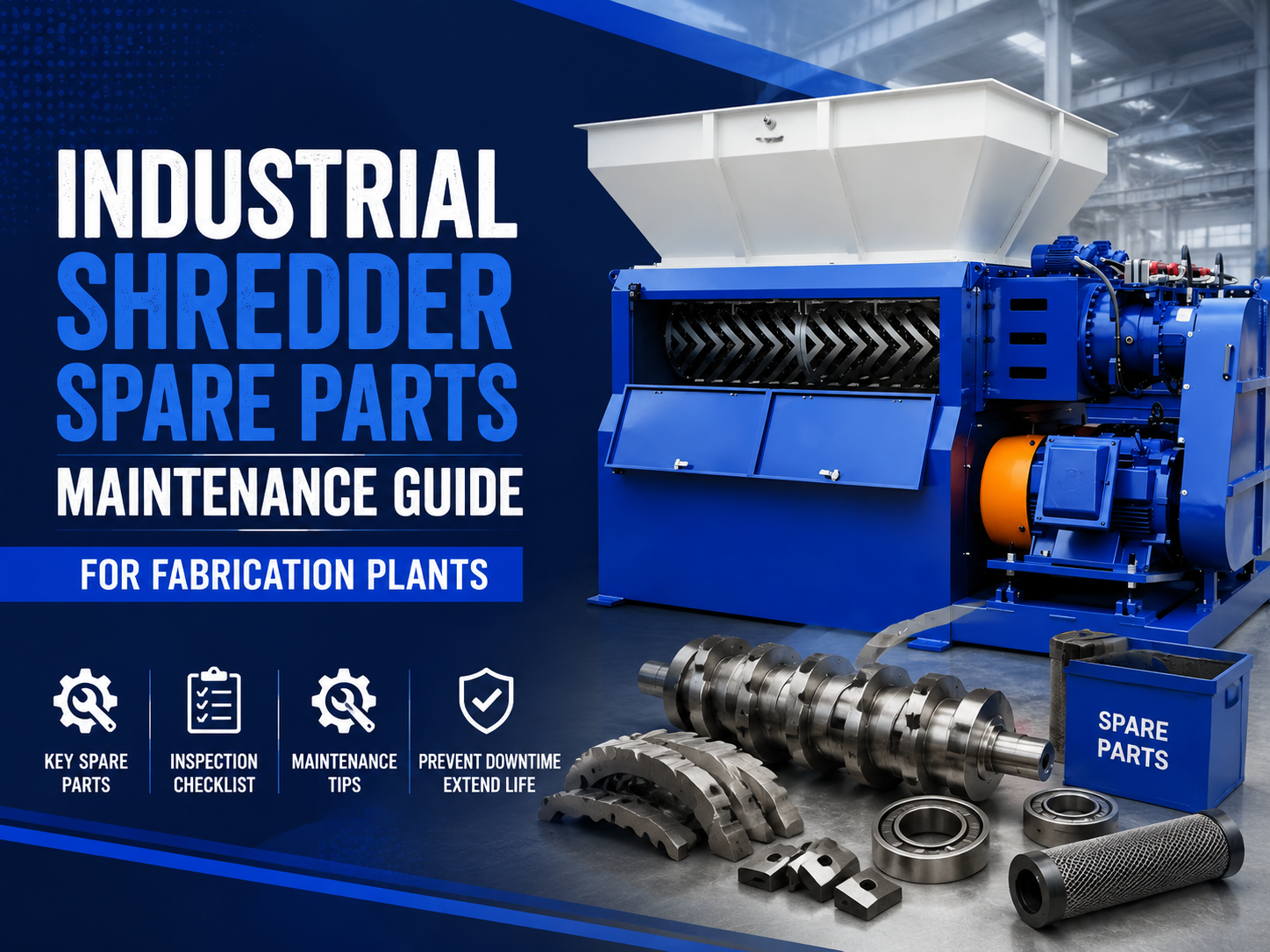
The Critical Role of Industrial Shredder Spare Parts Maintenance for Fabrication Plants
In the high-intensity environment of modern metal fabrication, the industrial shredder stands as a cornerstone of efficiency. Whether it is processing aluminum extrusions, steel offcuts, or complex electronic scrap, these machines are the workhorses that facilitate volume reduction and material recycling. However, the sheer force required to tear through metal takes a significant toll on the machine’s components. Implementing a robust strategy for Industrial Shredder Spare Parts Maintenance Fabrication Plants is not merely a recommendation; it is a financial necessity. When a shredder fails, the entire production line can grind to a halt, leading to accumulated scrap, safety hazards, and significant revenue loss.
Effective maintenance ensures that every component, from the heavy-duty rotor to the smallest hydraulic seal, operates within its designed parameters. In fabrication plants, where precision and speed are paramount, a well-maintained shredder contributes to a cleaner workspace and more predictable material flow. By focusing on spare parts management, plant managers can transition from a reactive ‘run-to-fail’ model to a proactive preventative maintenance schedule. This shift significantly extends the lifespan of the equipment and ensures that the return on investment (ROI) for these expensive machines is maximized over decades of service.
Furthermore, the safety implications of neglected maintenance cannot be overstated. Worn blades or loose fasteners can lead to catastrophic mechanical failures, potentially ejecting metal fragments or causing structural damage to the plant. A disciplined approach to Industrial Shredder Spare Parts Maintenance Fabrication Plants protects the workforce and ensures compliance with increasingly stringent industrial safety regulations. By understanding the specific needs of each component, fabrication plants can maintain peak performance while minimizing the total cost of ownership.
Daily Inspection Protocols: The First Line of Defense
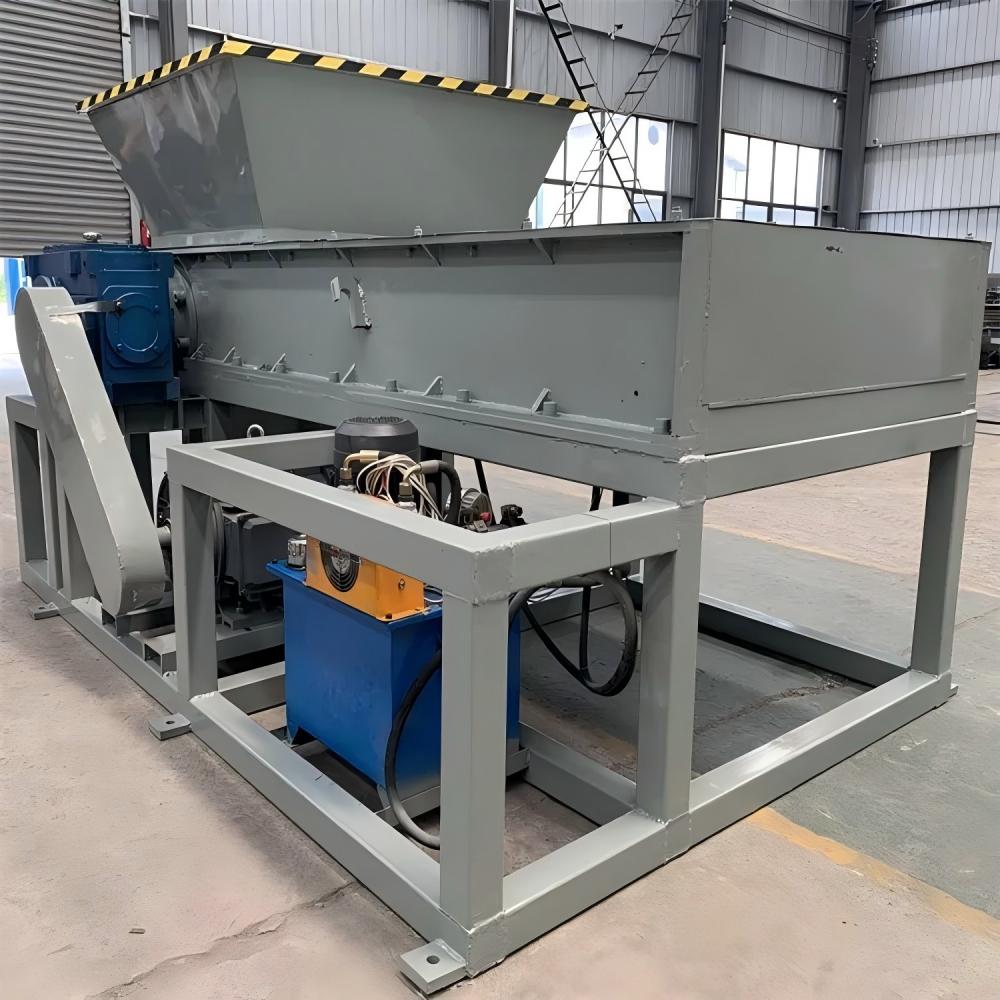
The foundation of any successful maintenance program is the daily inspection. Before the start of every shift, operators should perform a comprehensive walk-around to identify visible signs of wear or potential failure. This routine check is the most effective way to catch minor issues before they escalate into expensive repairs. Operators should look for loose bolts, especially around the cutting chamber and the motor mounts, as the high-vibration nature of shredding can easily loosen even the most secure fasteners.
During the daily inspection, the condition of the cutting blades (knives) must be assessed. While a full inspection of every tooth may not be possible every morning, checking for major chips or excessive rounding of the edges is crucial. Dull blades increase the load on the motor and hydraulic system, leading to higher energy consumption and increased heat generation. If the shredder is producing larger-than-normal output or if the material is ‘wrapping’ around the shaft rather than being cut, it is a clear indicator that the blades require immediate attention or rotation.
Another vital aspect of the daily routine is checking for material buildup. In fabrication plants, fine metal dust and small offcuts can accumulate in the gaps between moving parts. If left unchecked, this debris can act as an abrasive, wearing down seals and bearings prematurely. Clearing the hopper and the area around the discharge conveyor ensures that the machine can breathe and operate without unnecessary resistance. Finally, checking for fluid leaks under the machine can provide early warning of hydraulic hose fatigue or seal failure, preventing a major environmental spill and system shutdown.
Deep Dive: Hydraulic, Electrical, and Mechanical Checks
Hydraulic System Integrity
Many industrial shredders utilize hydraulic rams to push material against the rotor or hydraulic drives to power the shaft. The hydraulic system is the ‘muscle’ of the machine, and its maintenance is critical. Regularly check the hydraulic fluid levels and the condition of the oil. In a fabrication environment, hydraulic oil can become contaminated with fine metal particles. Utilizing high-quality filters and adhering to a strict filter replacement schedule is essential. If the oil appears cloudy or smells burnt, it indicates overheating or water contamination, both of which require an immediate oil change to protect the expensive hydraulic pumps and valves.
Electrical System and Controls
The electrical cabinet is the ‘brain’ of the shredder. In a dusty fabrication plant, ensuring the cabinet remains sealed and cooled is vital. Check for loose wiring connections caused by machine vibration, as these can lead to intermittent faults or electrical fires. Inspect the sensors—such as the limit switches on the hopper or the pressure sensors in the hydraulic line. These components ensure the machine operates within safe limits. If a sensor fails, the machine might not stop during an overload, leading to a broken shaft or a burnt-out motor. Regularly cleaning the cooling fans and heat sinks on variable frequency drives (VFDs) will also prevent thermal tripping during hot summer months.
Mechanical Components and Drive Train
The mechanical heart of the shredder consists of the rotor, bearings, and gearbox. The rotor bearings are subjected to immense radial and axial loads. Listen for unusual grinding or high-pitched squealing noises, which are early signs of bearing fatigue. The gearbox should be checked for oil levels and leaks. The coupling between the motor and the gearbox must also be inspected for alignment; even a slight misalignment can cause excessive vibration and premature wear on the input shaft. For machines using drive belts, ensure the tension is correct; loose belts slip and waste energy, while overly tight belts put undue stress on the motor bearings.
Developing a Comprehensive Lubrication Plan
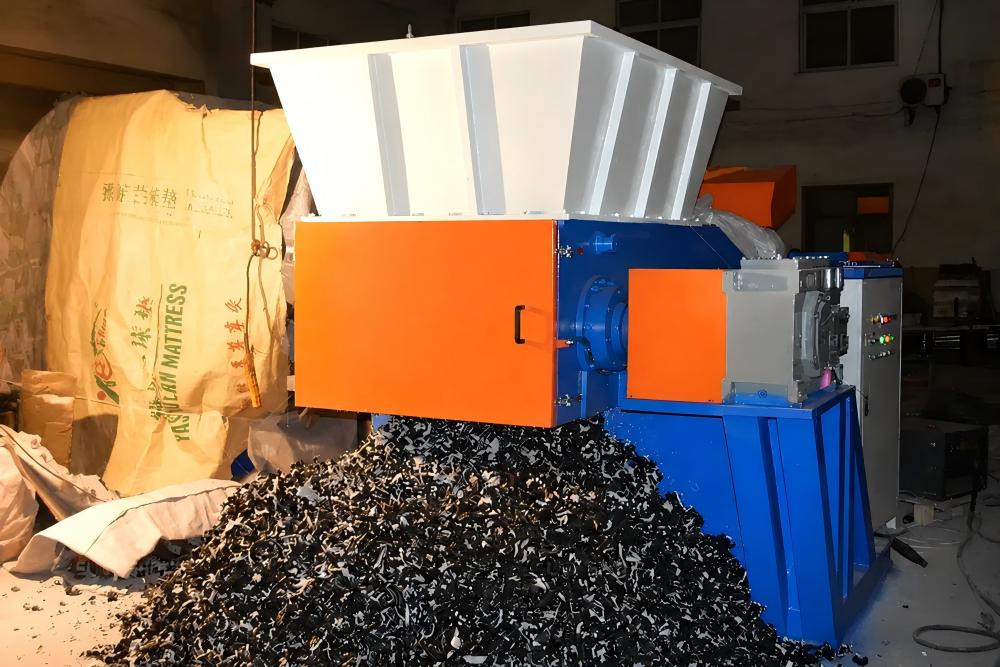
Lubrication is the lifeblood of Industrial Shredder Spare Parts Maintenance Fabrication Plants. Without proper lubrication, the friction generated by metal-on-metal contact will destroy components in a matter of hours. A comprehensive lubrication plan should specify the type of lubricant (grease or oil), the location of each lubrication point, and the frequency of application. Most modern shredders feature centralized lubrication systems, but these must be monitored to ensure the lines are not blocked and the reservoir is always full.
For main rotor bearings, a high-pressure, extreme-pressure (EP) grease is typically required to withstand the shock loads inherent in shredding metal. The frequency of greasing depends on the shift patterns; a machine running three shifts a day will require much more frequent lubrication than one running a single shift. It is also important not to over-grease, as this can blow out seals and allow contaminants to enter the bearing housing. Always wipe grease fittings clean before applying the grease gun to prevent pushing dirt into the bearing.
Beyond the bearings, drive chains and pivot points on the hydraulic ram or hopper lid also require regular lubrication. In fabrication plants where the air may contain corrosive elements or high levels of humidity, using a lubricant with rust-inhibiting properties is beneficial. Keeping a detailed log of when each point was last lubricated helps ensure that no component is overlooked, especially during busy production periods when maintenance might otherwise be sidelined.
Troubleshooting Signals: Recognizing Early Warning Signs
Experienced operators can often ‘feel’ when a shredder is not performing correctly. One of the most common signals is a change in the vibration profile. While all shredders vibrate, a sudden increase in intensity or a change in frequency often points to a broken tooth, an unbalanced rotor, or a failing bearing. If the machine starts to ‘walk’ or move on its foundations, it must be stopped immediately for a thorough mechanical inspection.
Temperature is another critical indicator. Using an infrared thermometer to check the temperature of bearings, motors, and hydraulic blocks can reveal hidden issues. A bearing that is significantly hotter than its counterpart on the other side of the shaft is likely failing. Similarly, if the hydraulic oil temperature exceeds 60-70°C, the cooling system may be failing, or the pump may be working against a blockage. Monitoring the amperage draw of the motor is also a sophisticated way to troubleshoot; if the motor is consistently drawing more current to process the same amount of material, the blades are likely dull, or there is excessive mechanical drag in the system.
Finally, pay attention to the sound of the machine. A rhythmic ‘thumping’ usually indicates that a piece of tramp metal (unshreddable material) is stuck in the rotor or that a blade has come loose. A ‘hissing’ sound near hydraulic components suggests a high-pressure pinhole leak. By training staff to recognize these troubleshooting signals, fabrication plants can prevent minor issues from turning into catastrophic failures that require weeks of downtime and tens of thousands of dollars in spare parts.
Industrial Shredder Maintenance Schedule Table
| Frequency | Component | Action Required | Goal |
|---|---|---|---|
| Daily | Cutting Blades | Visual check for chips/rounding | Maintain cutting efficiency |
| Daily | Hydraulic Fluid | Check level and look for leaks | Prevent pump cavitation |
| Weekly | Bolts & Fasteners | Torque check on rotor and motor mounts | Prevent structural damage |
| Weekly | Electrical Cabinet | Clean filters and check for dust | Prevent overheating |
| Monthly | Gearbox Oil | Check level and clarity | Ensure smooth power transfer |
| Monthly | Rotor Bearings | Deep inspection and greasing | Prevent bearing seizure |
| Quarterly | Hydraulic Filters | Replace filter elements | Maintain oil cleanliness |
| Annually | Full System Audit | Comprehensive wear analysis and calibration | Long-term reliability |
Frequently Asked Questions (FAQ)
How often should I rotate or sharpen my shredder blades?
The frequency of blade rotation or sharpening depends entirely on the material being processed. For soft aluminum, blades may last several months. For high-carbon steel or abrasive materials, you might need to rotate the four-sided knives every few weeks. A good rule of thumb is to monitor the output size and motor amperage; when the output becomes irregular or the motor works harder, it’s time to service the blades.
What are the most common spare parts I should keep in stock?
To minimize downtime, fabrication plants should always stock a full set of cutting blades, counter-knives, blade bolts, and a set of hydraulic filters. It is also wise to keep a spare drive belt or coupling element and a set of emergency stop buttons or common sensors. Having these Industrial Shredder Spare Parts on hand can reduce a week-long shutdown to just a few hours.
Why is my shredder overheating?
Overheating is usually caused by one of three things: dull blades causing the motor to overwork, a clogged hydraulic oil cooler, or poor ventilation around the motor and electrical cabinet. Start by checking the sharpness of your knives and ensuring all cooling fans are operational and free of dust buildup.
Can I use any type of grease for the rotor bearings?
No. Industrial shredders require specific high-pressure (EP) grease designed for heavy loads and high temperatures. Using a standard automotive grease will likely lead to premature bearing failure because it cannot maintain the necessary lubricating film under the extreme pressures of metal shredding. Always consult the HARSLE manual for specific lubricant grades.
How do I know if my hydraulic pump is failing?
Common signs of hydraulic pump failure include increased noise (whining or cavitating sound), slower ram movement, and a loss of crushing power. If you notice the ram struggling to push material that it previously handled with ease, and you have already replaced the filters, the pump may be reaching the end of its service life.