Industrial Shredder Maintenance Tips for Heavy-Duty Material Processing: A Comprehensive Guide

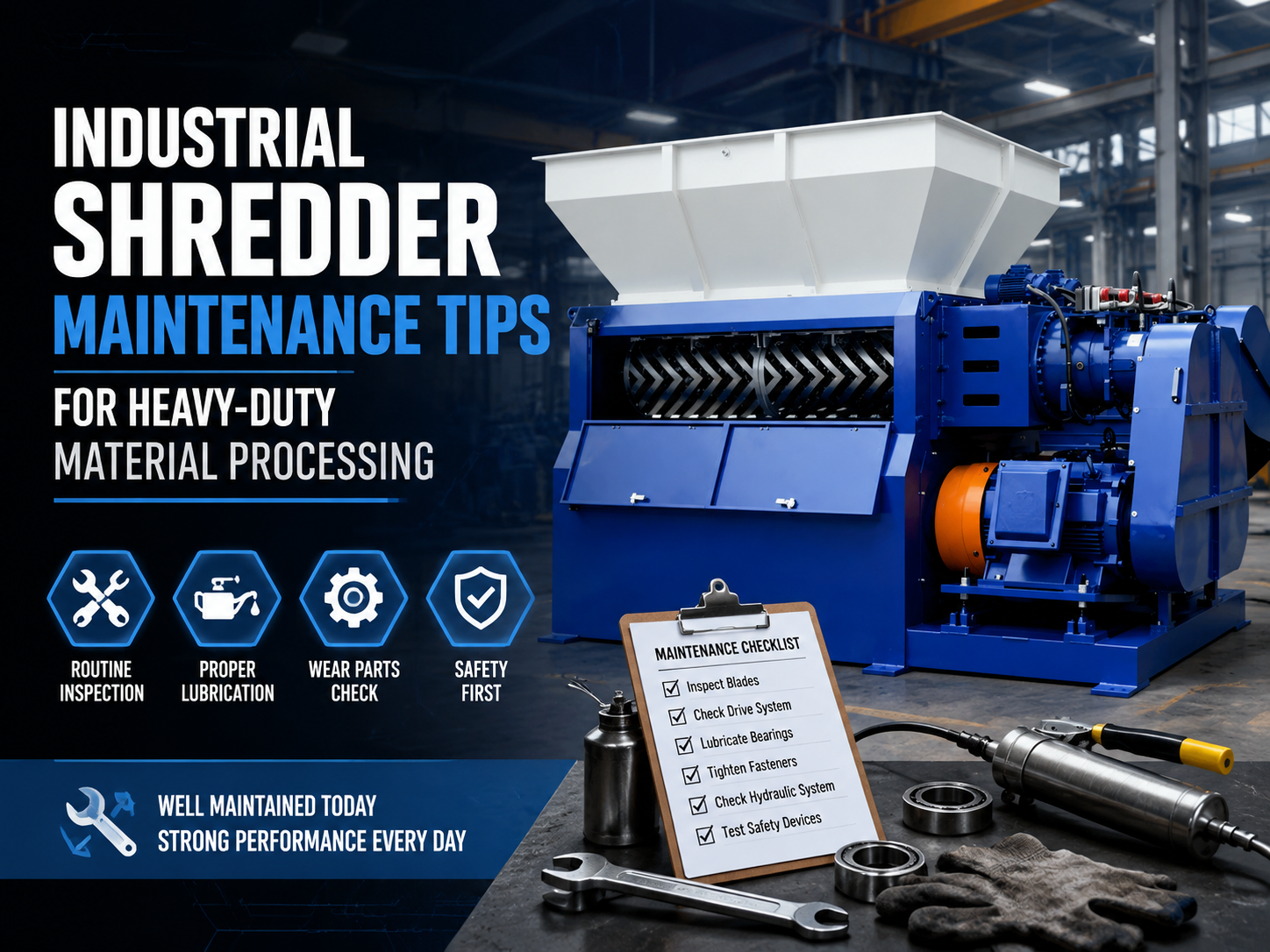
The Critical Role of Maintenance in Heavy-Duty Shredding
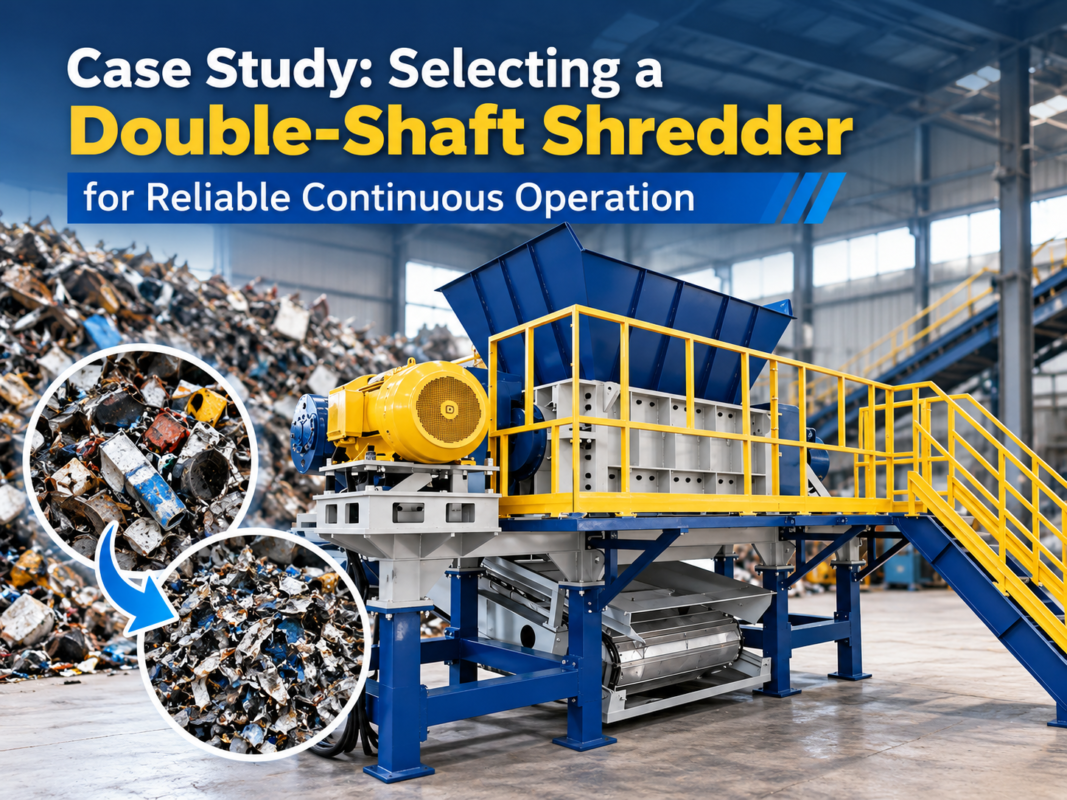
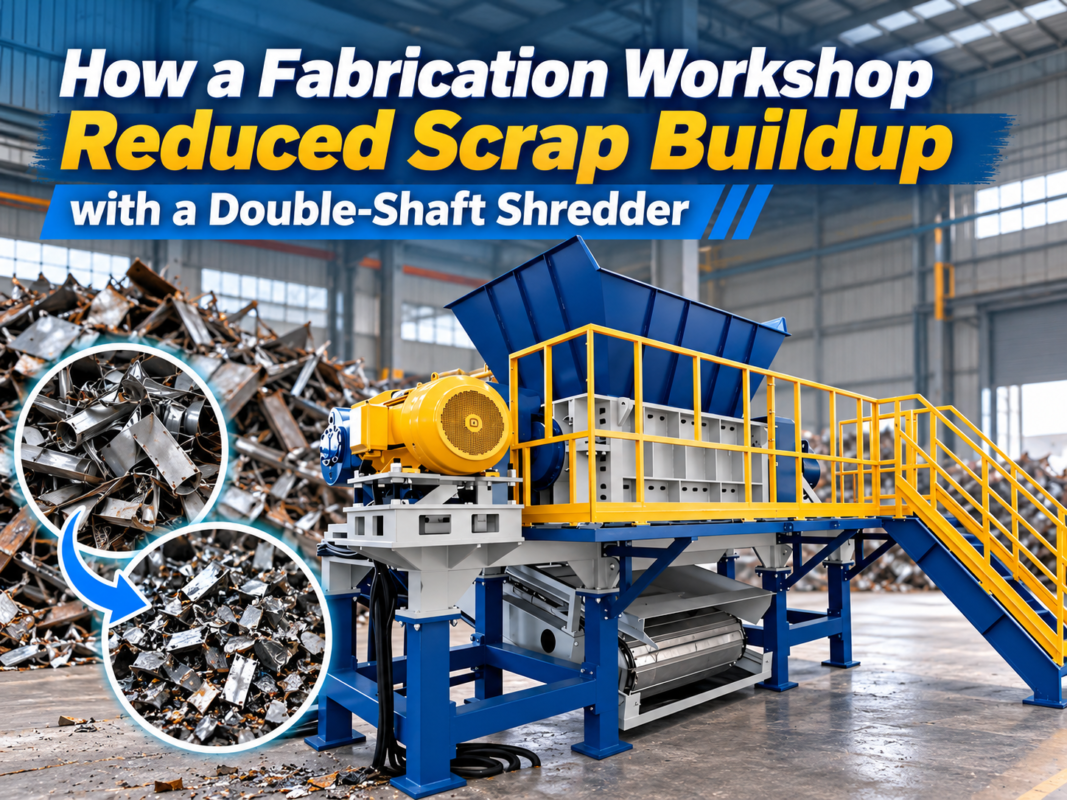
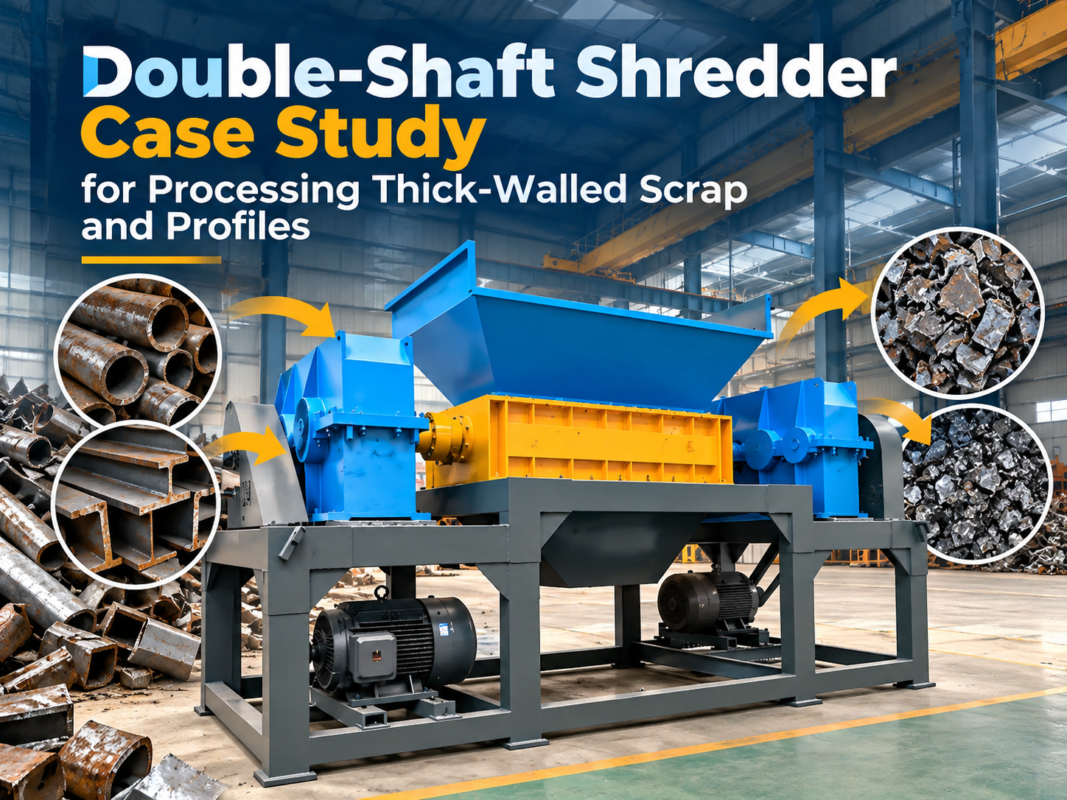
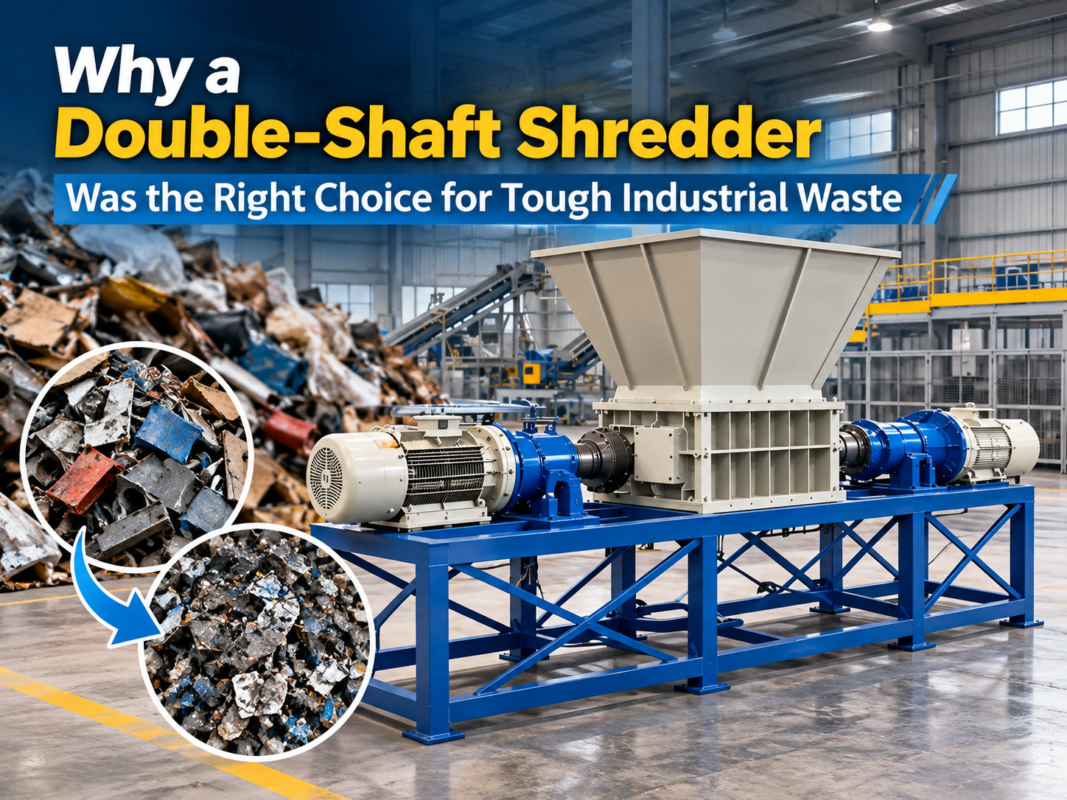
In the world of industrial waste management and recycling, the industrial shredder stands as the workhorse of the operation. Whether you are processing scrap metal, plastics, rubber tires, or electronic waste, these machines are subjected to extreme mechanical stress and abrasive environments. Implementing a rigorous maintenance strategy is not merely a recommendation; it is a fundamental requirement for operational continuity. When we discuss Industrial Shredder Maintenance Tips Heavy-Duty Material Processing, we are looking at a multi-faceted approach that balances preventative care with predictive diagnostics.
Failure to maintain an industrial shredder leads to a cascade of negative outcomes. Beyond the obvious risk of catastrophic mechanical failure, poorly maintained machines suffer from reduced throughput, increased energy consumption, and poor output quality. For instance, dull blades require more torque to cut through material, which places unnecessary strain on the motor and gearbox. This inefficiency translates directly into higher operational costs and lower profit margins. By prioritizing maintenance, facility managers can extend the lifespan of their equipment by years, ensuring a much higher return on investment (ROI).
Moreover, safety is a paramount concern in heavy-duty material processing. A shredder that is not properly maintained is a hazard to its operators. Loose components can become projectiles, and faulty electrical systems can lead to fires or electrocution. A well-documented maintenance plan ensures that safety features, such as emergency stops and interlock sensors, are always functional. This guide provides a deep dive into the essential practices required to keep your HARSLE shredder or any heavy-duty shredding equipment running at peak performance.
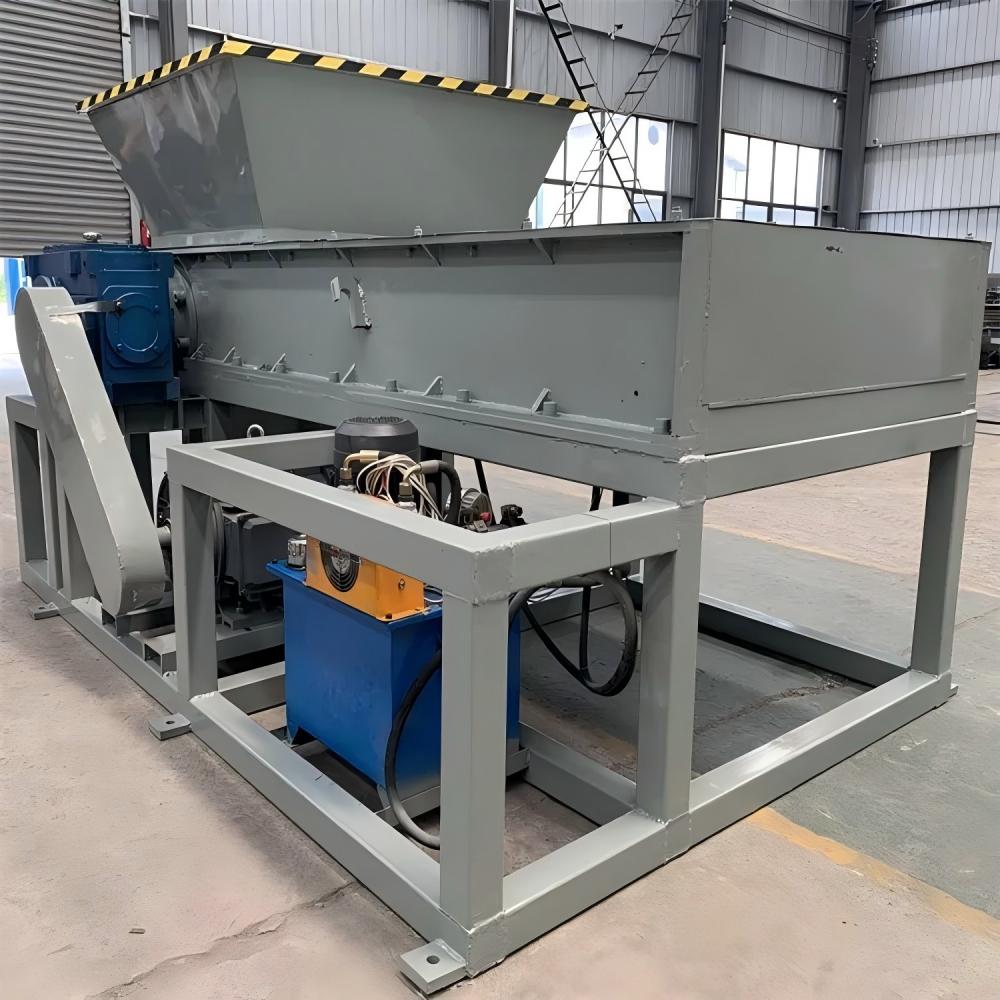
Daily Inspection Protocols for Peak Performance
The first line of defense against machine failure is the daily inspection. This routine should be performed at the start of every shift and again at the end. Operators should be trained to look for specific indicators of wear and tear. A visual inspection of the hopper and the cutting chamber is essential. Ensure that no foreign objects—materials that the shredder is not rated to handle—have found their way into the system. For example, a shredder designed for plastic may suffer severe damage if a large piece of hardened steel is introduced.
During the daily walk-around, pay close attention to the fasteners. The vibration inherent in heavy-duty shredding can loosen even the most secure bolts over time. Check the mounting bolts for the motor, the gearbox, and the bearing housings. If any are loose, they must be tightened to the manufacturer’s specified torque settings immediately. Additionally, inspect the seals around the shafts. Any sign of oil leakage could indicate a failing seal or an over-pressurized system, both of which require immediate attention to prevent gearbox failure.
Noise and vibration are the most common early warning signs of trouble. An experienced operator will know the ‘normal’ sound of the machine. Any new grinding, squealing, or rhythmic thumping should be investigated. Excessive vibration often points to an unbalanced rotor or worn bearings. Ignoring these signs can lead to a ‘death spiral’ for the machine, where one failing component causes damage to several others. Daily logs should be kept to track these observations, allowing maintenance teams to spot trends before they become crises.
Deep Dive: Hydraulic, Electrical, and Mechanical Systems
Hydraulic System Maintenance
Many heavy-duty shredders utilize hydraulic rams to push material against the rotor or hydraulic drives to power the shafts. The hydraulic system is the lifeblood of these components. Maintenance begins with the hydraulic fluid. Check levels daily and look for signs of contamination. Fluid that appears milky or cloudy is likely contaminated with water, while dark, burnt-smelling fluid indicates overheating. Both conditions require a full fluid flush and filter replacement.
Hoses and fittings must be inspected for leaks, cracks, or abrasions. In heavy-duty processing, debris can often strike hydraulic lines. Even a pinhole leak in a high-pressure system can be dangerous and lead to a rapid loss of power. Ensure that the cooling system for the hydraulic oil—whether it is an air-cooled heat exchanger or a water-cooled system—is clean and functioning. Overheated oil loses its viscosity, leading to increased wear on pumps and valves.
Electrical System Integrity
The electrical cabinet is the brain of the industrial shredder. In the dusty environments typical of material processing, dust accumulation inside electrical enclosures is a major risk. Dust can act as an insulator, causing components to overheat, or it can be conductive, leading to short circuits. Use compressed air or a vacuum to clean the cabinet regularly. Check all wiring connections for tightness; thermal cycling can cause wires to expand and contract, eventually loosening them from their terminals.
Modern shredders often use Programmable Logic Controllers (PLCs) and Variable Frequency Drives (VFDs). Monitor the error logs on the PLC for any intermittent faults. Check the cooling fans on the VFDs to ensure they are spinning freely. Furthermore, test all safety circuits, including emergency stop buttons and limit switches on access doors. A failure in the safety circuit is not just a maintenance issue; it is a legal and ethical liability.
Mechanical Components and Blade Management
The heart of the shredder is the rotor and the cutting blades. In heavy-duty processing, blade wear is inevitable. The key to Industrial Shredder Maintenance Tips Heavy-Duty Material Processing is managing this wear. Check the clearance between the rotating blades and the counter-knives (stator blades). If the gap is too wide, the machine will tear rather than cut, significantly increasing the load on the motor. Most shredders allow for blade adjustment or rotation to expose a fresh cutting edge.
Inspect the rotor for any signs of cracking or deformation. In high-torque applications, the rotor shaft is under immense stress. Bearings should be checked for heat buildup using an infrared thermometer. A bearing that is significantly hotter than its counterpart is likely failing or under-lubricated. Finally, check the drive belts or chains. Ensure they have the correct tension; too loose and they will slip and wear prematurely; too tight and they will put excessive side-load on the motor and gearbox bearings.
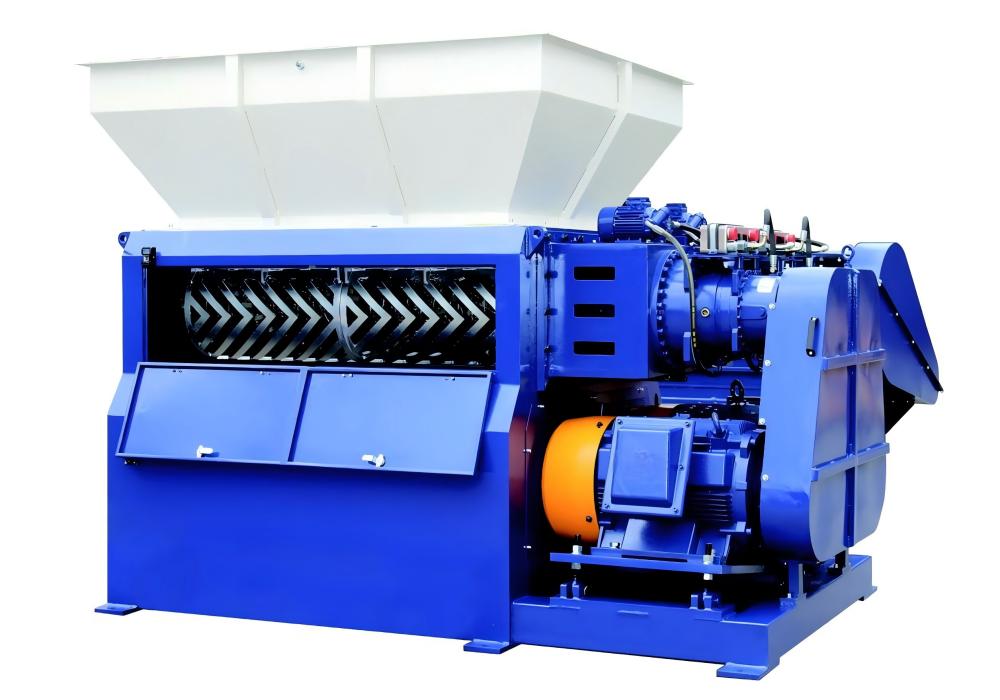
Developing a Robust Lubrication Plan
Lubrication is perhaps the most critical yet frequently overlooked aspect of industrial machinery care. For heavy-duty shredders, the lubrication plan must be precise. Not all greases are created equal. You must use the specific type of lubricant recommended by the manufacturer, typically a high-pressure, high-temperature grease capable of withstanding the shock loads of shredding. Over-lubrication can be just as damaging as under-lubrication, as it can blow out seals and attract abrasive dust into the bearing races.
Identify all lubrication points: main shaft bearings, pivot points for hydraulic rams, and gearbox couplings. If your machine is equipped with an automatic lubrication system, your primary task is to ensure the reservoir is full and the delivery lines are not blocked. If you are lubricating manually, follow a strict schedule based on operating hours. For example, in a 24/7 operation, main bearings might require grease every 8 to 12 hours. Always clean the grease nipple before attaching the grease gun to prevent pumping dirt into the bearing.
Gearbox oil changes are another pillar of the lubrication plan. The initial oil change on a new machine usually happens after the first 500 hours of operation to remove any ‘break-in’ metal particles. Subsequent changes might occur every 2,000 to 4,000 hours. Always sample the old oil; analyzing the metal content in the used oil can provide a ‘health report’ for the internal gears, alerting you to premature wear before a total breakdown occurs.
Identifying Troubleshooting Signals Before Failure
Proactive troubleshooting is the difference between a 10-minute adjustment and a 10-day shutdown. One of the most common signals is a change in the amperage draw of the motor. If the motor is consistently drawing more current than usual for the same type of material, it indicates mechanical resistance. This could be due to dull blades, a failing bearing, or a gearbox issue. Monitoring the VFD display for amperage spikes is an excellent way to catch these issues early.
Another signal is the quality of the shredded output. If the material size becomes inconsistent or if ‘longs’ (unshredded strips) begin to appear, it is a clear sign that the blade tolerances are out of spec or the screen is damaged. The screen, which determines the final particle size, is a wear item. Check for holes or thinning of the screen metal. A bypassed screen allows oversized material to pass through, which can cause issues in downstream processing equipment.
Temperature monitoring is also vital. Use an infrared camera or a handheld thermometer to check the temperature of the motor, gearbox, and bearings during operation. Establish a baseline temperature for each component. A sudden rise of 10-20 degrees Celsius above the baseline is a red flag. Finally, watch for ‘shuddering’ in the hydraulic system, which often indicates air in the lines or a pump that is beginning to cavitate. Addressing these signals immediately prevents the ‘domino effect’ of mechanical failure.
Comprehensive Maintenance Schedule Table
To assist in your operational planning, use the following table as a template for your maintenance department. Note that these intervals may need to be shortened for extremely abrasive materials like glass-filled plastics or contaminated scrap metal.
| Frequency | Component | Action Required |
|---|---|---|
| Daily | Cutting Chamber | Clear debris, check for foreign objects. |
| Daily | Fasteners | Visual check for loose bolts/nuts. |
| Daily | Hydraulics | Check oil level and look for leaks. |
| Weekly | Blades/Knives | Check sharpness and clearance; rotate if necessary. |
| Weekly | Electrical Cabinet | Clean dust, check fan operation. |
| Monthly | Drive Belts/Chains | Check tension and alignment. |
| Monthly | Bearings | Check for heat and noise; lubricate per plan. |
| Quarterly | Gearbox | Check oil quality; inspect breather. |
| Bi-Annually | Hydraulic System | Replace filters; check oil for contamination. |
| Annually | Full System | Structural integrity check; professional calibration. |
Frequently Asked Questions
How often should I sharpen or replace my shredder blades?
The frequency of blade maintenance depends entirely on the material being processed. For soft plastics, blades may last months. For abrasive materials like tires or e-waste, they may need attention every few weeks. The best indicator is the ‘gap’ between the rotor and stator blades and the amperage draw of the motor. When the gap exceeds manufacturer specs or the motor works harder to achieve the same results, it is time for a change.
What is the most common cause of industrial shredder failure?
The most common cause is ‘unshreddables’—materials like heavy steel plates or large rocks entering a machine not designed for them. This causes instant shock loading that can snap shafts or strip gearbox teeth. The second most common cause is lack of lubrication, leading to bearing seizure. Implementing a strict material sorting process and a lubrication schedule can prevent 90% of common failures.
Can I use any hydraulic oil in my shredder?
No. You must use the viscosity grade specified by the manufacturer (e.g., ISO VG 46 or 68). Using the wrong oil can lead to poor pump performance, overheating, and premature wear of hydraulic components. Additionally, in very cold or very hot environments, you may need a specialized oil with a higher viscosity index to ensure stable performance across temperature ranges.
Why is my shredder vibrating more than usual?
Excessive vibration is usually caused by an unbalanced rotor. This happens when blades are missing, unevenly worn, or when material is wrapped around the shaft. It can also be a sign of failing main bearings or a loose foundation. Stop the machine immediately and inspect the rotor and bearings to prevent structural damage to the frame.
How do I know if my gearbox is failing?
Early signs of gearbox failure include increased noise (whining or growling), excessive heat, and metal shavings in the oil. If you notice any of these, perform an oil analysis. High levels of iron or copper in the oil are definitive proof of internal gear or bushing wear. Catching this early allows for a rebuild rather than a much more expensive total replacement.
By following these Industrial Shredder Maintenance Tips Heavy-Duty Material Processing, you ensure that your HARSLE equipment remains a reliable asset in your production line. Consistency is the key to maintenance; a well-kept machine is a safe, efficient, and profitable machine.