
How to Maintain an Industrial Shredder for Stable Daily Production: A Comprehensive Guide

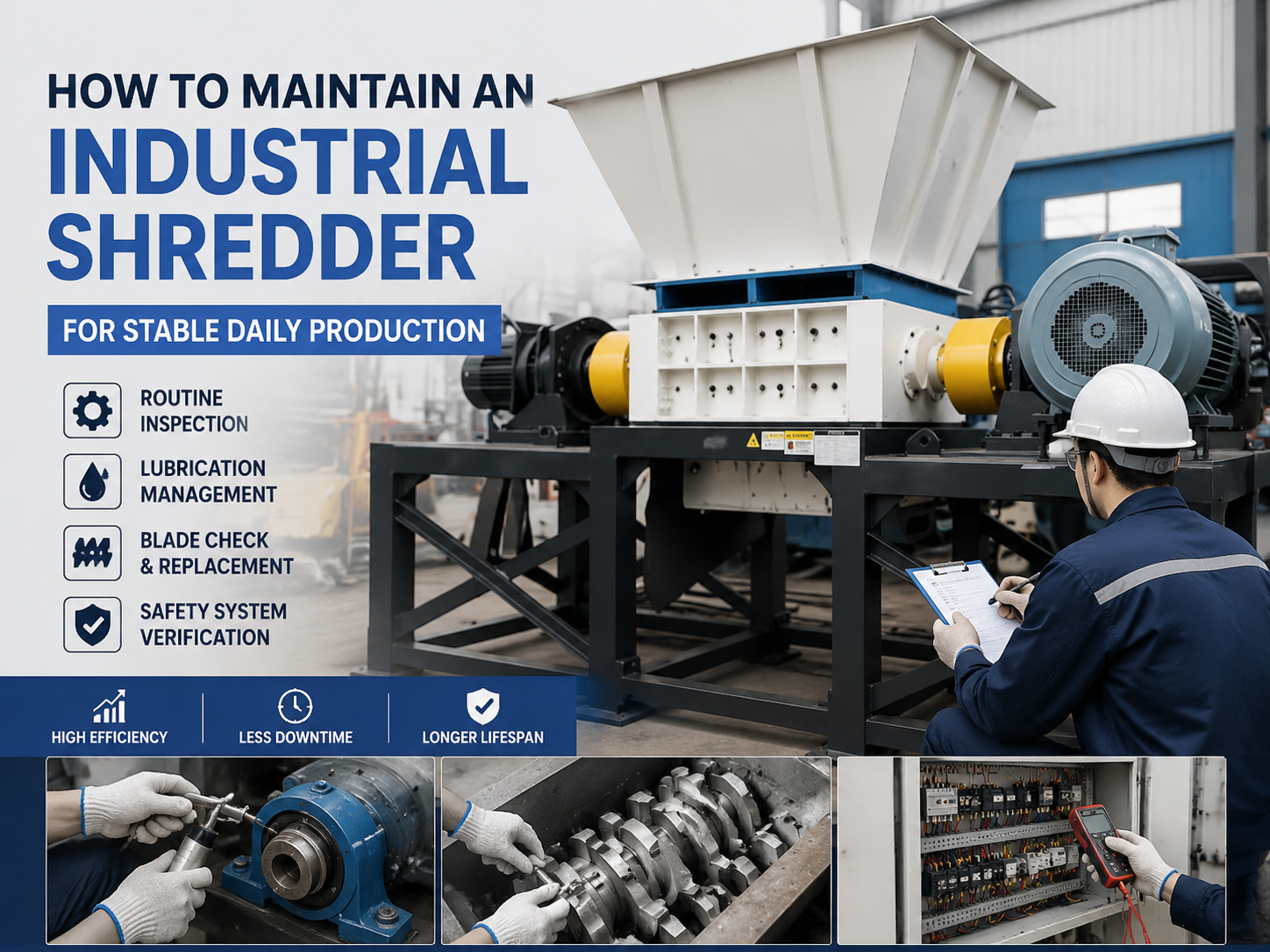
The Critical Importance of Shredder Maintenance for Industrial Success
In the world of waste management, recycling, and metal fabrication, the industrial shredder stands as a cornerstone of operational efficiency. However, the sheer force and environmental conditions these machines operate under mean that wear and tear are inevitable. To maintain an industrial shredder for stable daily production, a reactive approach—fixing things only when they break—is a recipe for financial disaster. Downtime in a high-volume facility can cost thousands of dollars per hour in lost throughput and idle labor.
Stable daily production is not just about the machine running; it is about the machine running at peak efficiency. When blades become dull or hydraulic pressures fluctuate, the shredder consumes more energy while producing less output. This increases the cost per ton of processed material. Furthermore, a well-maintained machine is a safe machine. Catastrophic failures caused by neglected bearings or loose bolts can pose significant risks to operators. By implementing a rigorous maintenance strategy, HARSLE clients ensure that their investment continues to deliver high ROI over a lifespan that can span decades.
Effective maintenance also preserves the structural integrity of the shredder. Industrial shredders are subjected to immense torque and vibration. Over time, these forces can lead to fatigue in the steel frame and housing. Regular inspections allow technicians to identify micro-cracks or loose fasteners before they escalate into structural failures. In essence, maintenance is the bridge between a machine that merely functions and one that excels in a demanding industrial environment.

Daily Inspection Protocols: The First Line of Defense
The secret to long-term stability lies in the discipline of daily inspections. Before the first switch is flipped each morning, a designated operator should perform a walk-around inspection. This process should take no more than 15 to 20 minutes but can save hours of unplanned downtime. The primary goal is to identify any changes that occurred during the previous shift or while the machine was cooling down overnight.
Start with a visual check of the feeding hopper and the cutting chamber. Ensure that no unshreddable materials—such as massive hardened steel shafts or thick masonry—have been left in the chamber. These objects can cause immediate damage to the blades and shafts upon startup. Check for any signs of fluid leaks on the floor, which could indicate a failing hydraulic hose or a compromised seal in the gearbox. Even a small puddle can be a precursor to a major system failure.
Once the visual check is complete, perform a ‘dry run’ or a no-load start. Listen closely to the sound of the motor and the rotation of the shafts. Any unusual grinding, squealing, or excessive vibration should be investigated immediately. Often, a change in the acoustic signature of the machine is the first warning sign of a bearing beginning to fail. Operators who are intimately familiar with the ‘normal’ sound of their HARSLE shredder are the best defense against unexpected breakdowns.
Mechanical Component Maintenance: Blades, Shafts, and Bearings
The mechanical heart of the shredder consists of the cutting blades (knives), the hexagonal or round shafts, and the heavy-duty bearings that support them. To maintain an industrial shredder for stable daily production, these components require the most frequent attention. The blades are the primary wear parts; as they dull, the shredder’s ability to ‘bite’ into material decreases, leading to increased ‘skidding’ and heat generation.
Blade clearance is a critical technical parameter. In twin-shaft shredders, the gap between the interlocking blades must be kept within the manufacturer’s specified tolerance. If the gap is too wide, material will simply pass through without being sheared, or worse, it will jam between the blades, putting immense stress on the motor. Regularly check the sharpness of the blade edges. Depending on the material being processed (e.g., plastic vs. reinforced tires), blades may need to be hard-faced or replaced every few months. HARSLE recommends using high-quality alloy steel blades like D2 or SKD-11 for maximum longevity.
Shafts must be inspected for any signs of twisting or surface scoring. While shafts are designed for high torque, repeated jamming can lead to fatigue. Bearings, on the other hand, are the silent workhorses. They must be kept free of contaminants. In many shredding applications, fine dust and grit can migrate toward the bearing housings. Ensure that seals are intact and that the bearings are operating within their rated temperature range. Overheating bearings are a clear sign of either over-greasing, under-greasing, or internal mechanical failure.
Hydraulic System Care: Power and Precision
Many industrial shredders utilize hydraulic drive systems to provide the high torque necessary for processing tough materials. The hydraulic system is the ‘muscle’ of the machine, and its health is directly tied to the stability of production. The most important factor in hydraulic maintenance is oil cleanliness. Contaminated oil is the leading cause of pump and valve failure in industrial machinery.
Check the hydraulic oil level daily and top it off with the correct grade of anti-wear hydraulic fluid. However, simply adding oil is not enough. The oil should be sampled and analyzed every six months to check for oxidation and particulate matter. Filters should be replaced according to the hour meter, or sooner if the bypass indicator suggests a clog. A clogged filter allows unfiltered oil to circulate through the sensitive piston pumps, leading to rapid wear.
Temperature management is another vital aspect. Hydraulic systems generate heat during operation. If the oil temperature exceeds 60-65°C (140-150°F), its viscosity drops, leading to poor lubrication and potential damage to seals. Ensure that the oil cooler (air or water-cooled) is clean and functioning. If you notice the shredder losing power as the day progresses, it is often a sign that the hydraulic oil is overheating and losing its efficiency.
Electrical System Integrity and PLC Monitoring
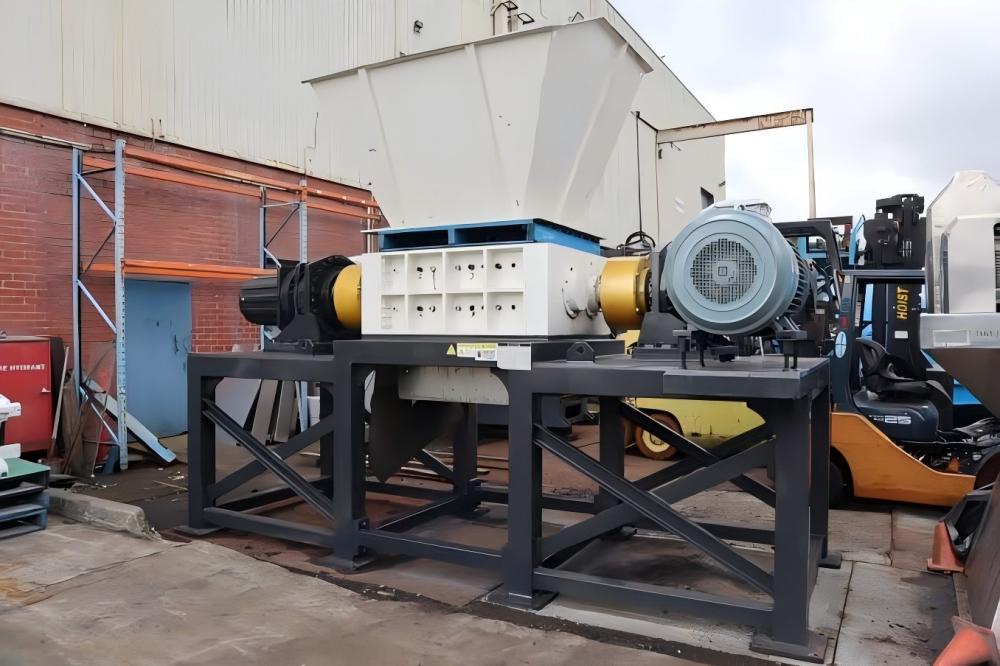
Modern HARSLE shredders are equipped with sophisticated electrical control systems and Programmable Logic Controllers (PLCs). These systems manage the auto-reverse functions, which protect the machine from overloads. To maintain an industrial shredder for stable daily production, the electrical cabinet must be kept clean, cool, and dry. Dust accumulation on electrical components can lead to short circuits or overheating of the Variable Frequency Drives (VFDs).
Monthly, a qualified electrician should inspect the control cabinet. Check for loose wiring connections caused by the machine’s vibration. Loose connections create resistance, which generates heat and can eventually melt wire insulation or damage terminals. Inspect the contactors for signs of pitting or arcing. If your shredder uses sensors (such as ultrasonic level sensors in the hopper or proximity switches on the access doors), ensure they are clean and properly aligned.
The PLC software often provides diagnostic data. Pay attention to the frequency of ‘auto-reverse’ events. If the machine is reversing more often than usual for the same type of material, it may indicate that the blades are dull or that the material feed rate is too high. Adjusting the PLC parameters can sometimes optimize production, but this should only be done by trained personnel to avoid bypassing safety limits.
Comprehensive Lubrication Plan
Lubrication is the simplest yet most frequently neglected aspect of industrial maintenance. A shredder has numerous moving parts that operate under extreme pressure. Without a consistent film of lubricant, metal-on-metal contact will destroy components in a matter of days. A comprehensive lubrication plan should specify the location, the type of lubricant, the quantity, and the frequency of application.
- Main Bearings: Usually require high-pressure lithium-based grease (EP2). These should be greased every 8-40 hours of operation, depending on the load.
- Gearbox: The gear oil should be changed after the initial ‘break-in’ period (usually 500 hours) and then every 2000-4000 hours thereafter. Use the specific gear oil weight recommended by HARSLE.
- Drive Chains and Couplings: These require regular lubrication to prevent stretching and snapping. Automatic lubrication systems are highly recommended for these areas to ensure a constant supply.
It is important not to over-grease. Excessive grease can blow out seals and actually cause bearings to run hotter by trapping heat. Always wipe grease fittings clean before applying the grease gun to prevent pushing dirt into the bearing.
Troubleshooting Signals: What Your Shredder is Telling You
Experienced operators can ‘sense’ when a shredder is not performing correctly. Being proactive means responding to these signals before they lead to a total shutdown. Here are the most common troubleshooting signals to watch for:
- Increased Vibration: This often points to an unbalanced shaft, a loose mounting bolt, or a bearing that has developed a flat spot. Vibration can quickly shake other components loose, so it must be addressed immediately.
- Reduced Throughput: If the machine is taking longer to process the same amount of material, check the blade sharpness and the screen (if equipped). A clogged or worn screen will prevent shredded material from exiting the chamber.
- Unusual Heat: Use an infrared thermometer to check the temperature of motors and bearing housings. A sudden spike in temperature is a definitive sign of friction or electrical overload.
- Erratic Auto-Reverse: If the shredder reverses without an obvious jam, there may be an issue with the pressure transducer in the hydraulic system or the current sensor in the electrical drive.
Maintenance Schedule Table
To maintain an industrial shredder for stable daily production, follow this structured schedule. This table serves as a baseline for most HARSLE industrial shredding equipment.
| Frequency | Component | Action Required |
|---|---|---|
| Daily | Cutting Chamber | Check for foreign objects and debris buildup. |
| Daily | Hydraulic Unit | Check oil levels and look for leaks. |
| Daily | Safety Systems | Test E-stop buttons and interlock switches. |
| Weekly | Blades/Knives | Inspect for chips, cracks, and edge wear. |
| Weekly | Fasteners | Check and tighten bolts on the frame and motor mounts. |
| Monthly | Electrical Cabinet | Vacuum dust and check for loose wire connections. |
| Monthly | Drive Belts/Chains | Check tension and alignment; lubricate if necessary. |
| Every 6 Months | Hydraulic Oil | Perform oil analysis and replace filters. |
| Annually | Structural Frame | Inspect for stress cracks or weld fatigue. |
| Annually | Gearbox | Drain and replace gear oil; inspect internal gears. |
Frequently Asked Questions (FAQ)
How often should I sharpen my industrial shredder blades?
The frequency of sharpening depends entirely on the material you are processing. For soft plastics, blades may last 1,000 hours. For abrasive materials like glass-filled polymers or contaminated scrap metal, you might need to sharpen or rotate blades every 200-400 hours. Monitor the output quality; if the ‘cut’ becomes a ‘tear,’ it’s time to sharpen.
What type of hydraulic oil is best for HARSLE shredders?
Most HARSLE shredders perform best with ISO VG 46 or 68 anti-wear hydraulic oil. In extremely cold environments, a lower viscosity oil may be needed for startup, while hot environments may require a higher viscosity to maintain film strength. Always refer to your specific manual’s climate-adjusted chart.
Why is my shredder overheating during normal operation?
Overheating is usually caused by one of three things: dull blades causing the motor to work harder, a malfunctioning cooling system (clogged radiator), or low hydraulic oil levels. Check the blades first, as they are the most common culprit for increased mechanical resistance.
Can I use any grease for the main bearings?
No. You must use an Extreme Pressure (EP) grease, typically NLGI Grade 2. Using a standard multi-purpose grease may result in the lubricant being squeezed out of the bearing surfaces under the high loads typical of shredding operations.
What should I do if the shredder jams frequently?
First, ensure the material being fed is within the machine’s rated capacity. If the material is correct, check the blade clearance and the auto-reverse settings in the PLC. If the blades are too far apart, they will ‘grab’ rather than ‘shear,’ leading to frequent jams.
Conclusion: The Path to Stable Production
To maintain an industrial shredder for stable daily production requires a combination of daily diligence and long-term planning. By treating the shredder as a precision instrument rather than just a ‘brute force’ machine, you extend its life and maximize your facility’s profitability. HARSLE is committed to providing the technical support and high-quality components needed to keep your operations running smoothly. Remember, the cost of maintenance is always lower than the cost of a breakdown. Establish your routine today, train your operators thoroughly, and your industrial shredder will remain a reliable asset for years to come.


