Comprehensive Guide: How to Reduce Wear and Tear on an Industrial Shredder Machine

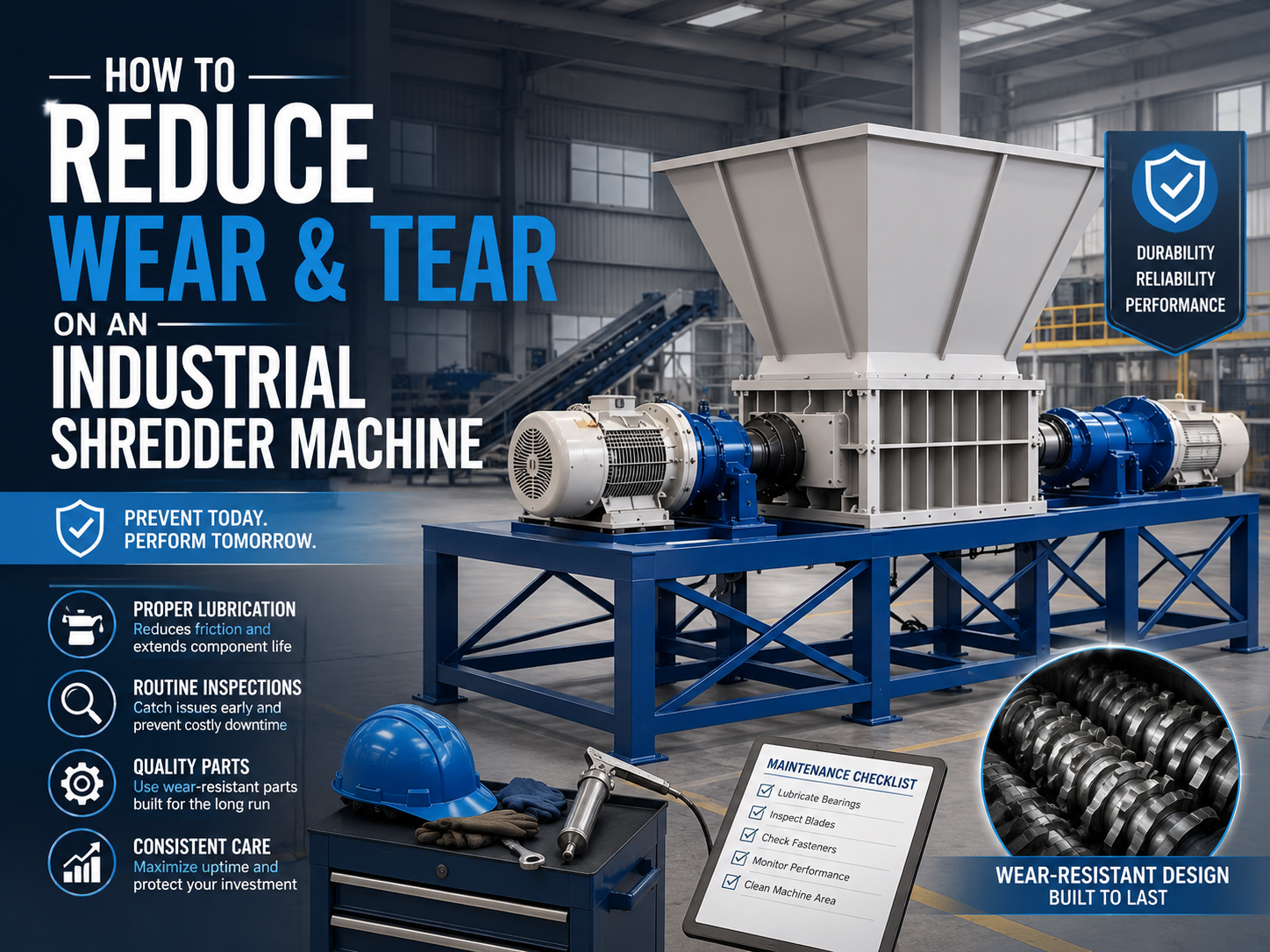
Introduction to Industrial Shredder Longevity
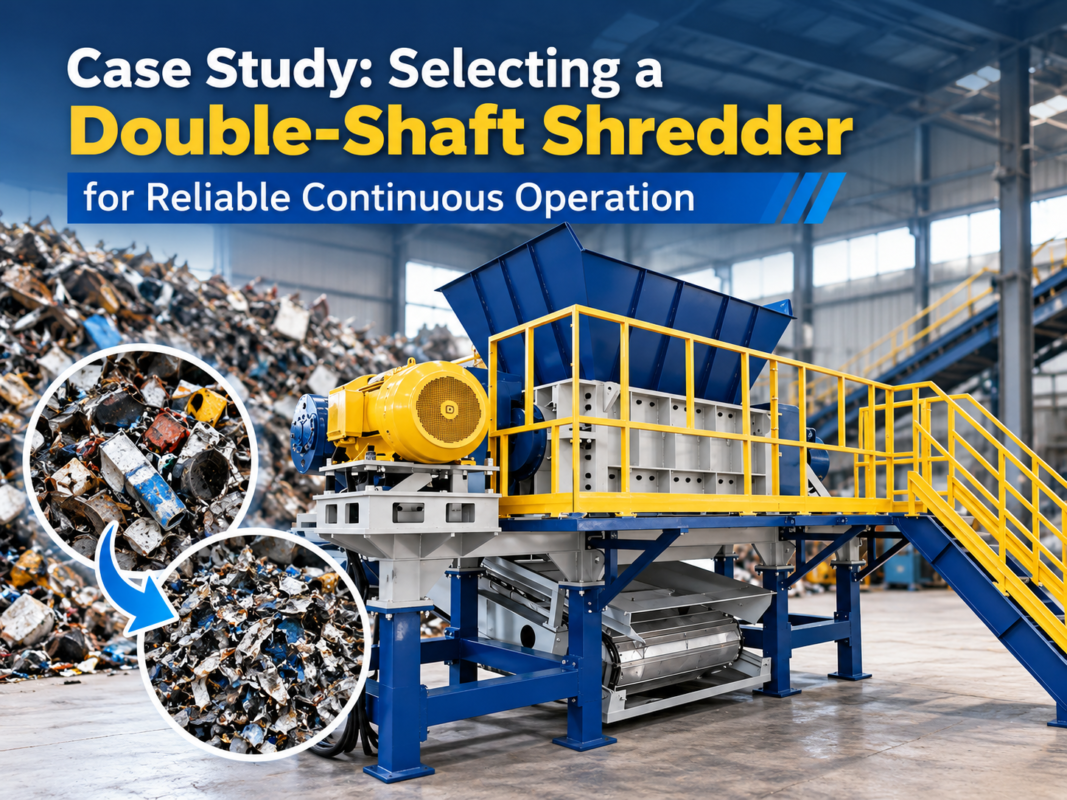
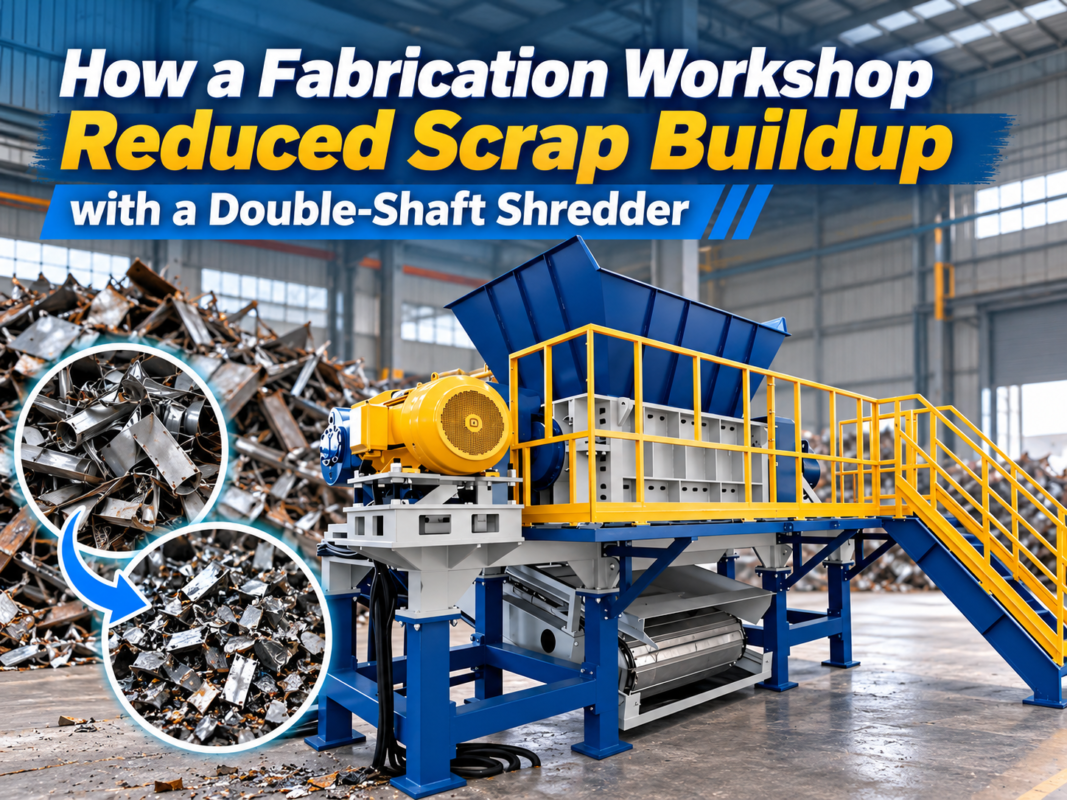
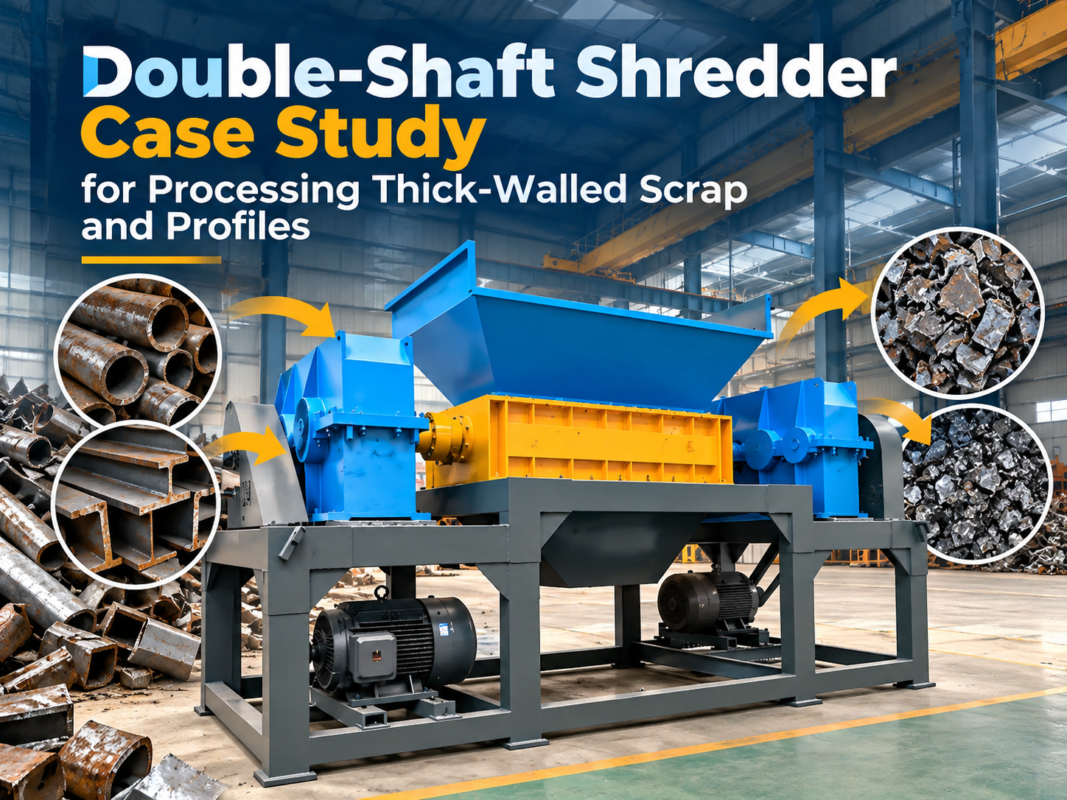
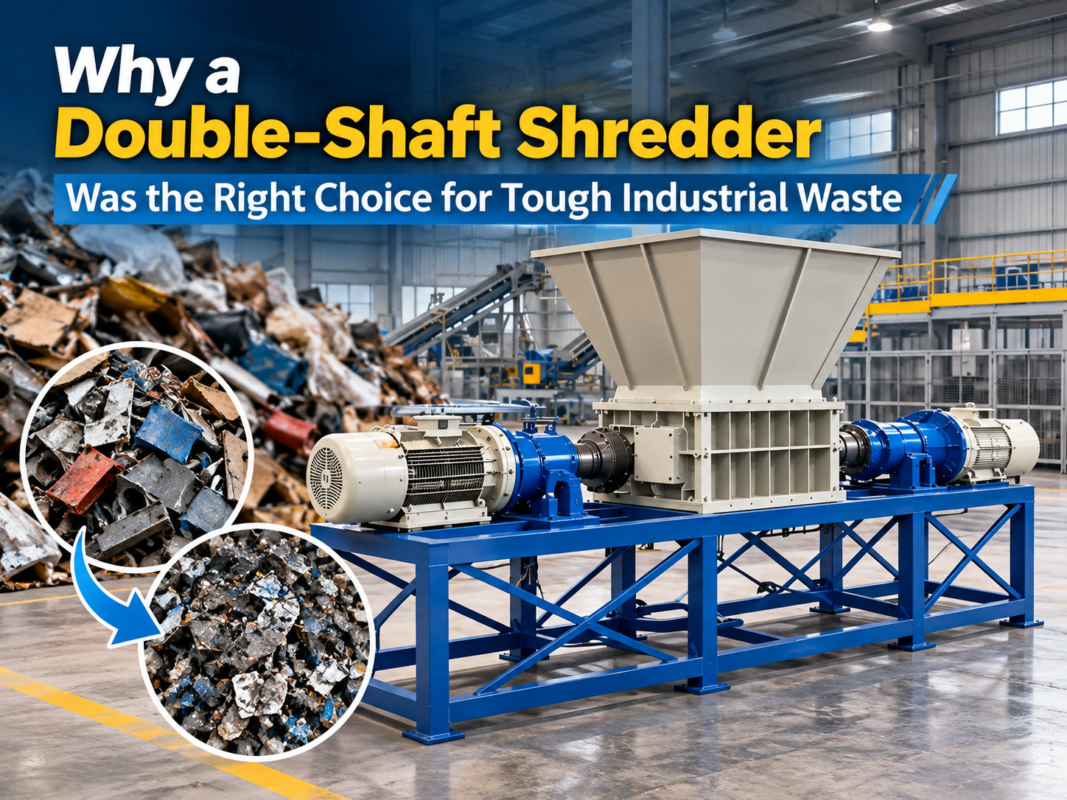
In the world of heavy-duty recycling and waste management, the industrial shredder stands as a cornerstone of efficiency. Whether you are processing scrap metal, plastics, wood, or electronic waste, these machines are designed to handle immense stress. However, the very nature of their work—tearing, shearing, and crushing high-density materials—means they are inherently prone to degradation. To reduce wear tear on an industrial shredder machine, operators must move beyond reactive repairs and embrace a culture of proactive maintenance. This guide explores the technical nuances of preserving your equipment, ensuring that your HARSLE shredder remains a high-performing asset for years to come.
Wear and tear are not just inevitable consequences of operation; they are manageable variables. When a shredder experiences excessive wear, it leads to increased energy consumption, poor output quality, and, most critically, expensive downtime. By understanding the mechanics of friction, heat, and material impact, facilities can implement strategies that significantly extend the lifecycle of blades, motors, and hydraulic systems. This article provides a deep dive into the systematic approach required to maintain peak performance.
The Critical Importance of Maintenance
Why is maintenance the primary factor in your ability to reduce wear tear on an industrial shredder machine? The answer lies in the physics of shredding. Industrial shredders operate under high torque and relatively low speeds. This creates massive mechanical pressure on the shafts and bearings. Without a rigorous maintenance plan, small issues like a loose bolt or a slightly dull blade can escalate into catastrophic failures, such as a snapped shaft or a burnt-out motor.
Furthermore, consistent maintenance ensures safety. A poorly maintained shredder is a hazard to the workforce. Metal fatigue in the housing or dull blades that cause material kickback can lead to dangerous workplace accidents. From a financial perspective, the cost of a comprehensive maintenance program is a fraction of the cost of replacing a primary drive motor or a full set of custom-hardened steel blades. Investing time today saves thousands in capital expenditure tomorrow.
Finally, maintenance impacts the quality of the recycled product. In industries where specific particle sizes are required for downstream processing, worn blades produce inconsistent results. This can lead to rejected loads and lost revenue. By keeping the machine in top condition, you ensure that the output meets industry standards every time the machine is powered on.
Daily Inspection Protocols
The first line of defense to reduce wear tear on an industrial shredder machine is the daily pre-operational inspection. This should be a non-negotiable part of the morning shift. Operators should begin with a visual sweep of the machine, looking for any signs of fluid leaks, loose fasteners, or structural cracks in the hopper and frame. Even the smallest oil spot on the floor can indicate a failing seal in the hydraulic system that, if left unaddressed, could lead to a total system loss.
Checking the shredding chamber is equally vital. Before starting the motor, ensure that no foreign objects—such as heavy steel plates that exceed the machine’s rating—are lodged in the teeth. Clearing the chamber of residual material from the previous shift prevents the motor from starting under an unnecessary load, which protects the electrical components from current spikes. Operators should also check the tension of drive belts or chains, as improper tension is a leading cause of premature bearing failure.
Another daily task involves monitoring the material feed. To reduce wear tear on an industrial shredder machine, the feed must be consistent. Overloading the hopper or “slug feeding” (dumping a massive amount of material at once) creates shock loads that vibrate through the entire chassis. A steady, metered flow of material allows the machine to maintain its optimal RPM and reduces the thermal stress on the cutting elements.
Hydraulic, Electrical, and Mechanical Checks
Hydraulic System Integrity
Many industrial shredders rely on hydraulic drives for their high torque capabilities. To maintain these systems, fluid levels must be checked daily, and the oil must be analyzed periodically for contamination. Particulates in the hydraulic fluid act like sandpaper, grinding away at the internal surfaces of pumps and valves. Ensure that filters are replaced according to the manufacturer’s schedule and that the cooling system is functioning to prevent the oil from thinning due to excessive heat.
Electrical System Monitoring
The electrical cabinet is the brain of the shredder. Dust and vibration are the primary enemies here. Regularly vacuum out the electrical cabinet to prevent short circuits caused by metallic dust. Check all wiring connections for tightness; loose wires can cause arcing and localized heating, leading to component failure. Additionally, monitor the amperage draw of the motor during operation. A sudden increase in amperage often signals that the blades are dull or that there is a mechanical obstruction increasing the resistance.
Mechanical Components and Alignment
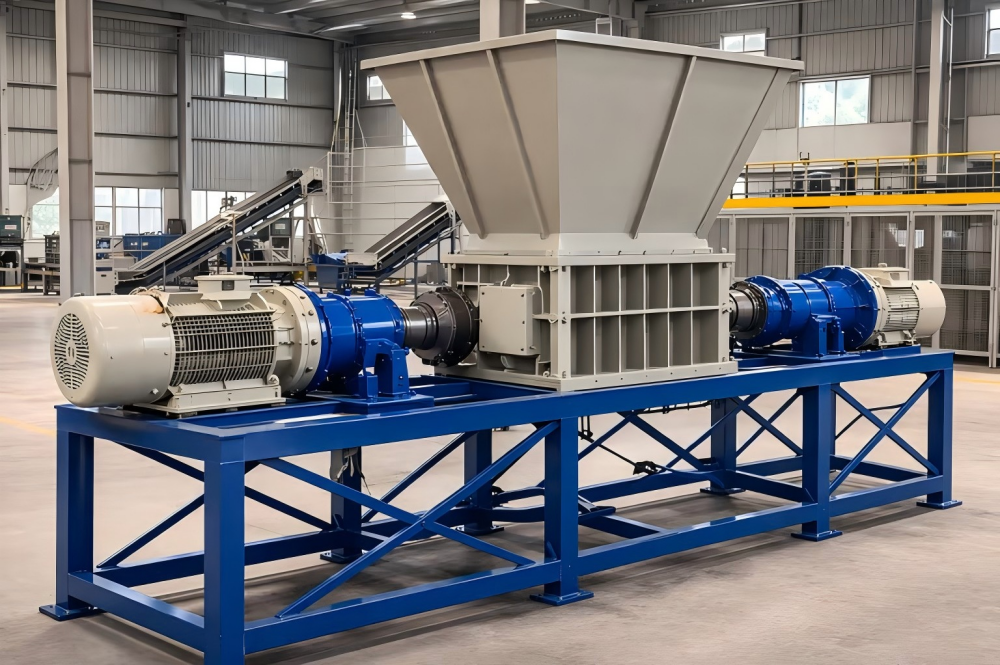
Mechanical checks focus on the “bones” of the machine. This includes the shafts, bearings, and gearboxes. Alignment is critical; even a millimeter of misalignment between the motor and the gearbox can cause uneven wear on the couplings and bearings. Use vibration analysis tools if available to detect early signs of bearing wear. If the machine starts to vibrate more than usual, it is a clear signal that the mechanical equilibrium has been disturbed.
Developing a Robust Lubrication Plan
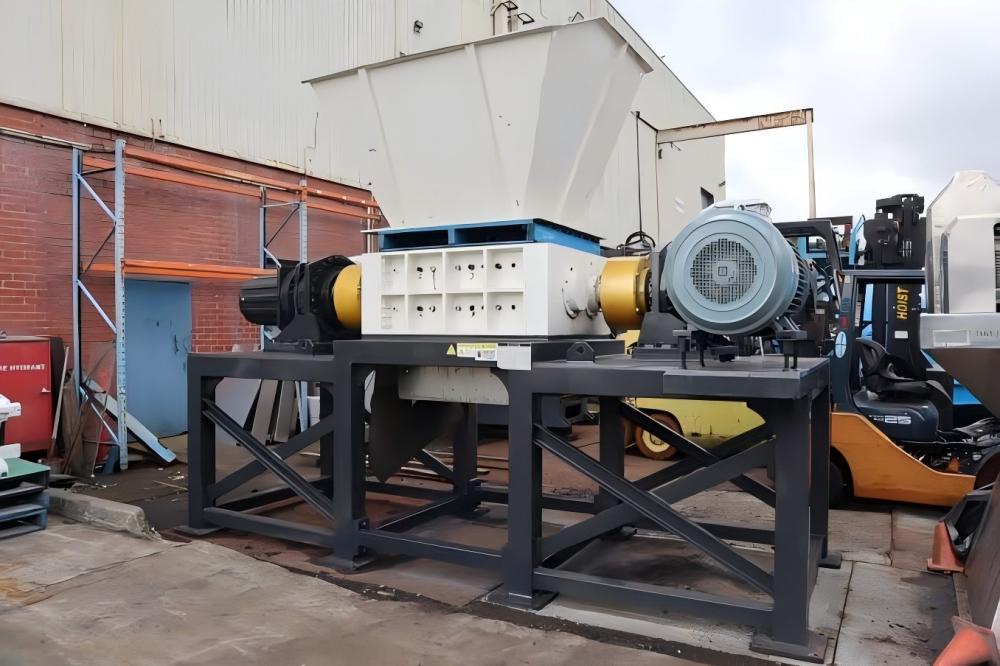
Lubrication is perhaps the most effective way to reduce wear tear on an industrial shredder machine. Without proper lubrication, the friction generated by the rotating shafts would quickly weld metal components together. A robust plan identifies every grease point, the type of lubricant required (usually a high-pressure, lithium-based grease), and the frequency of application. Many modern HARSLE shredders feature automated lubrication systems, but these still require manual monitoring to ensure the lines are not blocked.
Bearings are the most lubrication-sensitive parts. They operate under extreme pressure and often in dusty environments. Purging the bearings with fresh grease not only lubricates them but also pushes out contaminants that may have worked their way past the seals. It is important not to over-grease, however, as this can cause the seals to blow out and lead to overheating. Following the specific cubic centimeter (cc) requirements provided in the technical manual is essential.
Don’t forget the drive chains and gear couplings. These components require specialized lubricants that can cling to moving parts at high speeds. A dry chain will stretch and eventually snap, potentially damaging the drive sprockets and housing. Regular application of a high-quality chain lubricant will ensure smooth power transmission and reduce the noise levels of the machine.
Identifying Troubleshooting Signals
An experienced operator can “hear” when a shredder is struggling. To reduce wear tear on an industrial shredder machine, you must be able to interpret the signals the machine sends. Unusual grinding, squealing, or heavy thumping sounds are immediate red flags. For instance, a high-pitched squeal often indicates a slipping belt or a bearing that has lost its lubrication. A heavy thumping might suggest that a blade has chipped or that a large piece of tramp metal is stuck in the chamber.
Heat is another major indicator. Using an infrared thermometer to check the temperature of bearing housings and motors can provide early warning of failure. If a bearing is running significantly hotter than its counterpart on the other side of the shaft, it is likely failing. Similarly, if the gearbox is overheating, the oil may be degraded or the internal gears may be experiencing excessive friction.
Finally, observe the output. If the shredded material is coming out in larger chunks than usual, or if the material is being “wrapped” around the shaft rather than cut, the blades are likely dull or the gap between the blades and the counter-knives has widened. Adjusting the blade gap and sharpening the cutting edges are essential tasks to restore efficiency and reduce the strain on the drive system.
Comprehensive Maintenance Schedule Table
To effectively reduce wear tear on an industrial shredder machine, follow this structured schedule. This table serves as a baseline for HARSLE industrial equipment.
| Frequency | Component | Action Required |
|---|---|---|
| Daily | Shredding Chamber | Clear debris, check for tramp metal, and inspect blade condition. |
| Daily | Hydraulic System | Check oil levels and inspect for leaks in hoses and fittings. |
| Daily | Safety Systems | Test emergency stop buttons and interlock sensors. |
| Weekly | Drive Belts/Chains | Check tension and apply lubrication to chains. |
| Weekly | Electrical Cabinet | Clean filters and blow out dust with compressed air. |
| Monthly | Bearings | Deep grease purge and check for housing temperature anomalies. |
| Monthly | Fasteners | Tighten all structural bolts and motor mountings. |
| Quarterly | Hydraulic Fluid | Perform oil analysis and replace filters. |
| Quarterly | Blade Alignment | Measure and adjust the gap between rotor and stator blades. |
| Annually | Full System Audit | Comprehensive inspection of gearbox internals and motor windings. |
Frequently Asked Questions (FAQ)
How often should I sharpen the blades to reduce wear and tear?
The frequency of sharpening depends entirely on the material being processed. For abrasive materials like glass-filled plastics or contaminated metals, blades may need attention every few hundred hours. For softer materials, they may last much longer. The best indicator is the quality of the output and the motor’s amperage draw. If the motor is working harder to achieve the same results, it’s time to sharpen.
Can I use any type of grease for the bearings?
No. Industrial shredders require high-pressure (EP) lubricants that can withstand the extreme loads placed on the bearings. Using a standard automotive grease may lead to the lubricant breaking down under pressure, resulting in metal-on-metal contact. Always refer to the HARSLE manual for specific grease specifications.
What is the most common cause of shredder failure?
The most common cause is “tramp metal”—unshreddable objects entering the chamber. This causes immediate shock loads that can break blades, bend shafts, or damage the gearbox. Implementing a magnetic separator or a strict sorting process before the material reaches the shredder is the best way to prevent this.
How does heat affect the shredder’s performance?
Excessive heat thins out lubricants, making them less effective, and can cause metal components to expand, potentially leading to seizing. It also degrades hydraulic seals and electrical insulation. Keeping the machine cool through proper ventilation and fluid management is key to reducing wear tear on an industrial shredder machine.
Is it better to repair or replace worn blades?
Most industrial shredder blades are designed to be hard-faced or reground several times before they need replacement. This is a cost-effective way to maintain performance. However, if a blade is cracked or has lost too much mass to maintain the proper gap, it must be replaced to prevent imbalance and further damage to the rotor.
Why is my shredder vibrating more than usual?
Vibration is usually caused by an imbalance in the rotor, worn bearings, or loose mounting bolts. If the vibration is sudden, stop the machine immediately and check for a broken blade or an obstruction in the chamber. Prolonged vibration will quickly destroy the machine’s structural integrity.
Conclusion
To reduce wear tear on an industrial shredder machine, a combination of technical knowledge, consistent observation, and disciplined maintenance is required. By treating the machine as a precision instrument rather than just a brute-force tool, you can maximize its lifespan and ensure a high return on investment. HARSLE remains committed to providing robust machinery, but the ultimate longevity of any industrial shredder lies in the hands of the operators and maintenance teams who care for it daily. Follow these guidelines, stay vigilant, and your shredder will continue to perform at its peak for years to come.